
When Is the Best Time
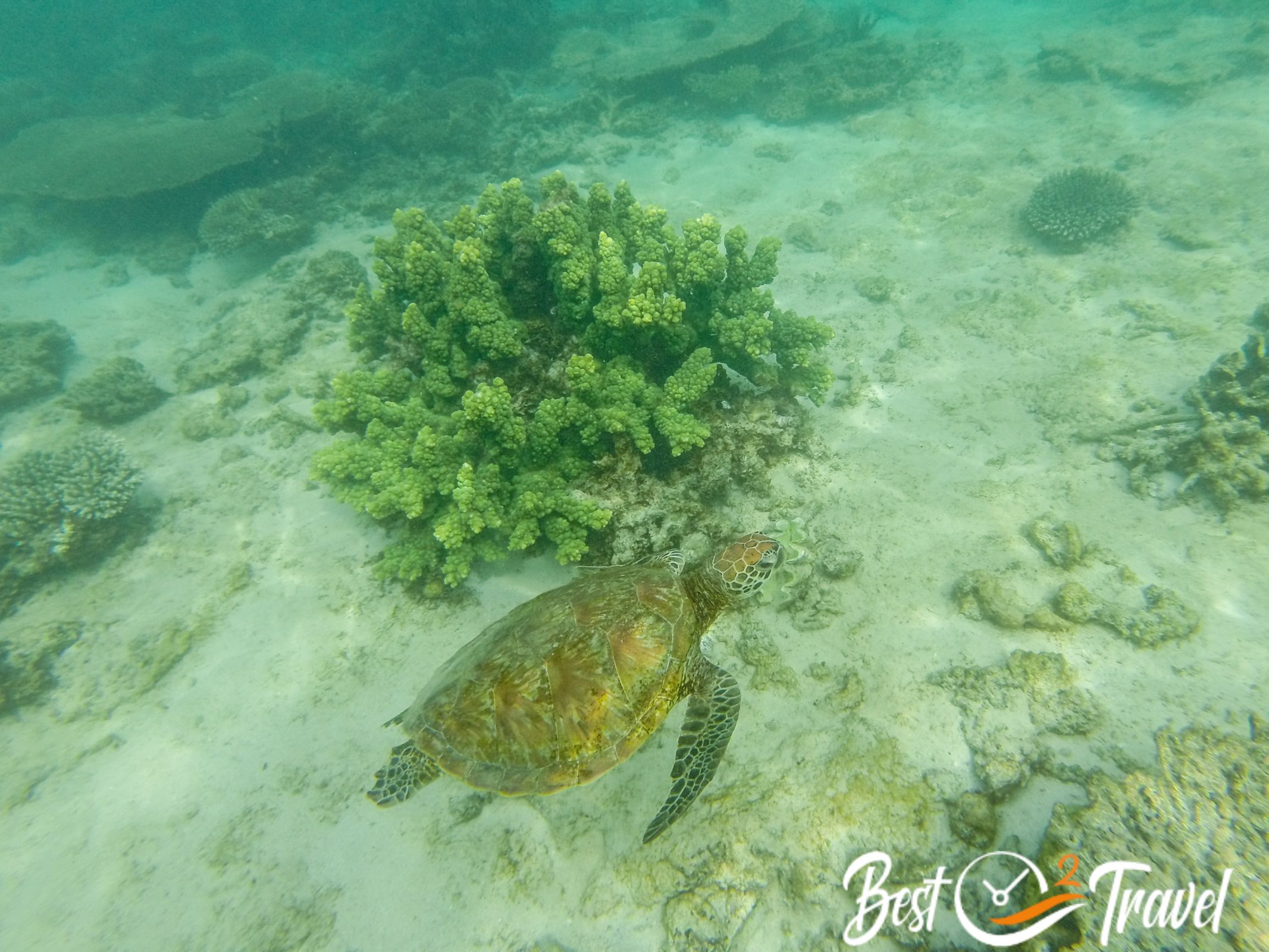
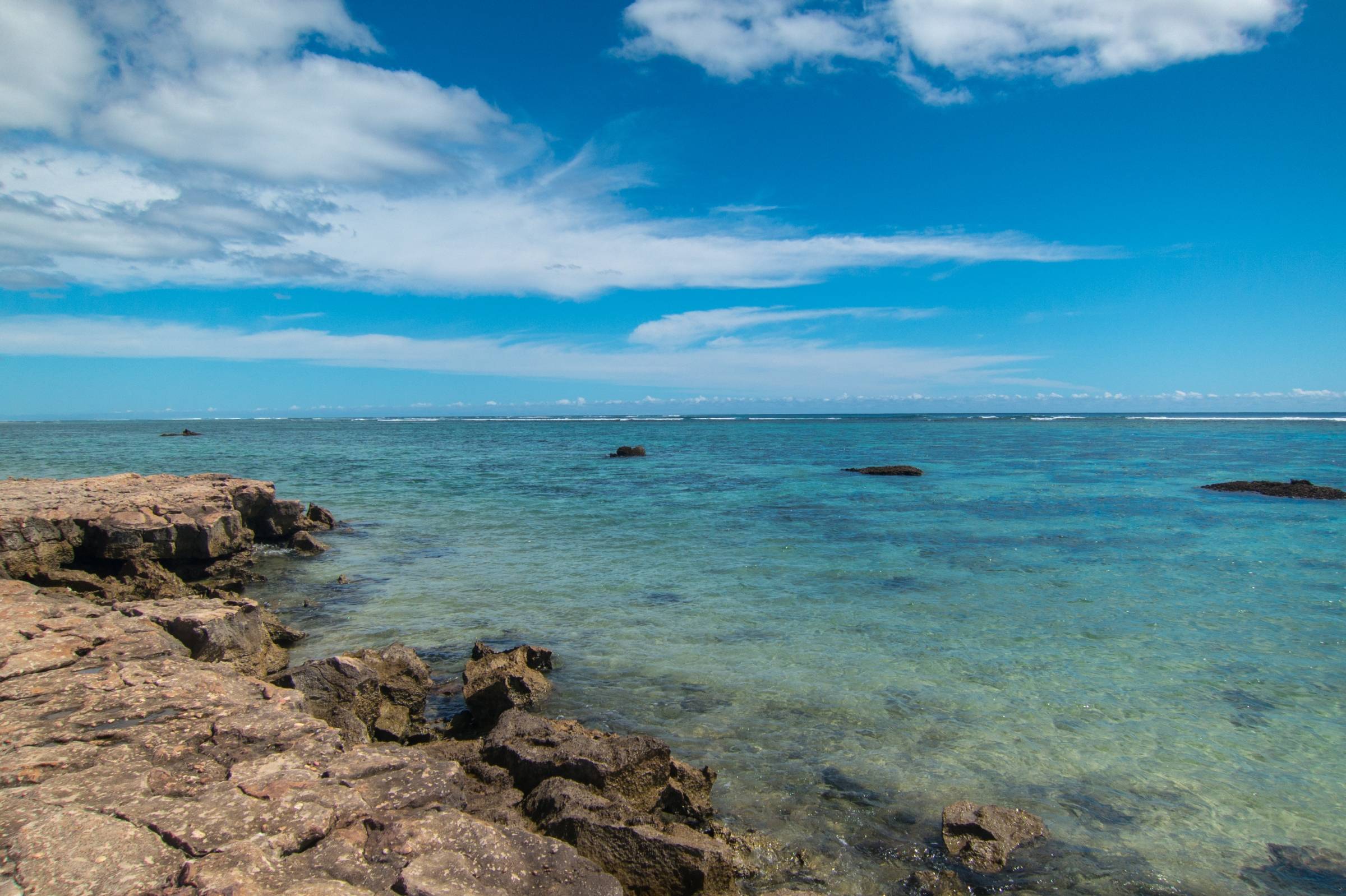
Oyster Stacks is one of the top snorkeling locations in the Ningaloo Marine Park sanctuary zone, about 60 km from Exmouth on Western Australia’s Coral Coast. This unique reef site is ideal for self‑guided snorkeling: just a few steps from the rocky shoreline, you enter a world of vibrant corals, tropical fish, green sea turtles, rays, and more. It’s one of the few places where Ningaloo’s underwater life is accessible directly from the beach.
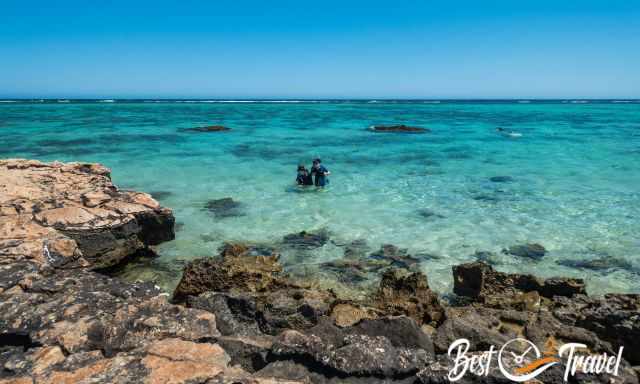
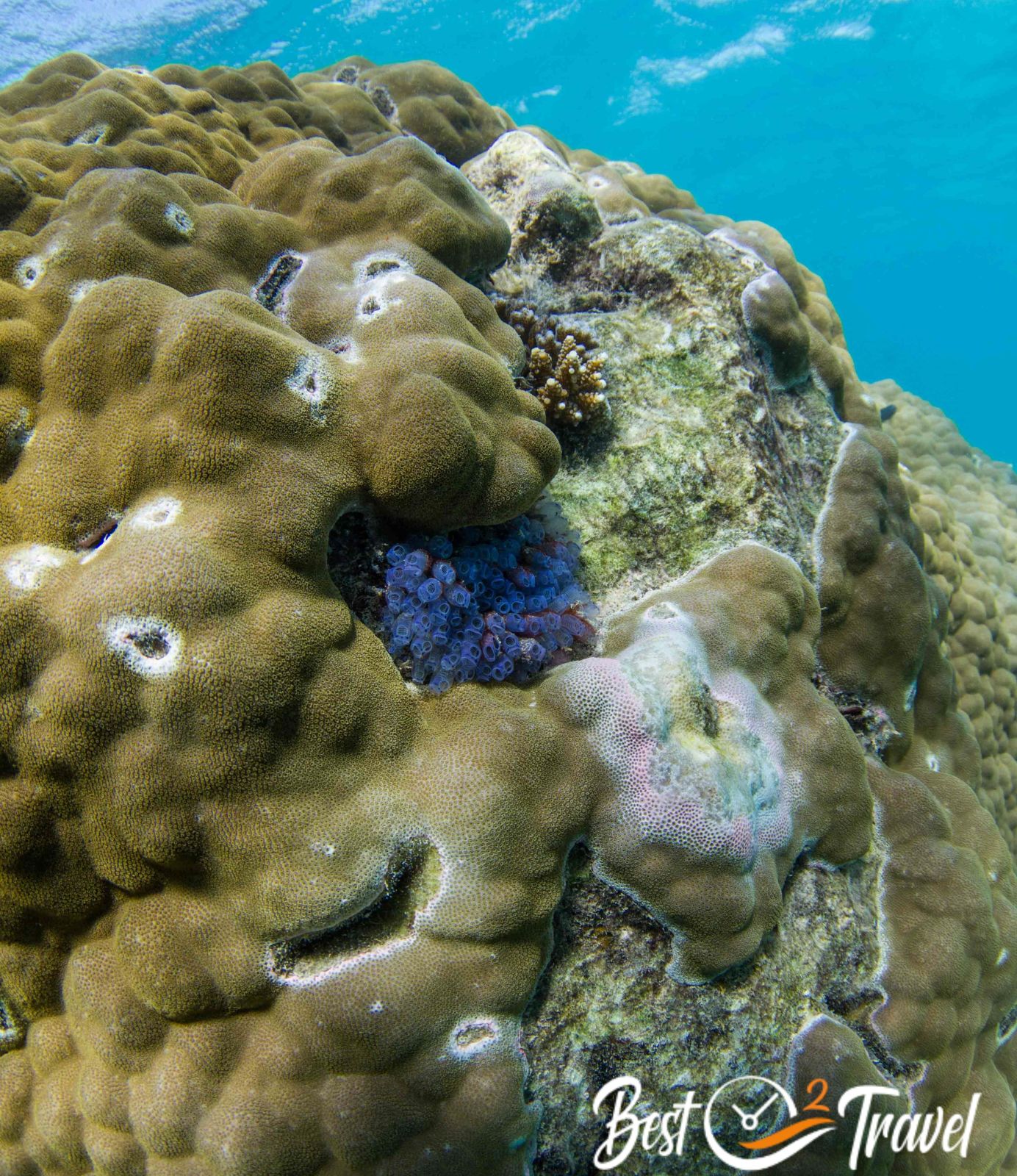
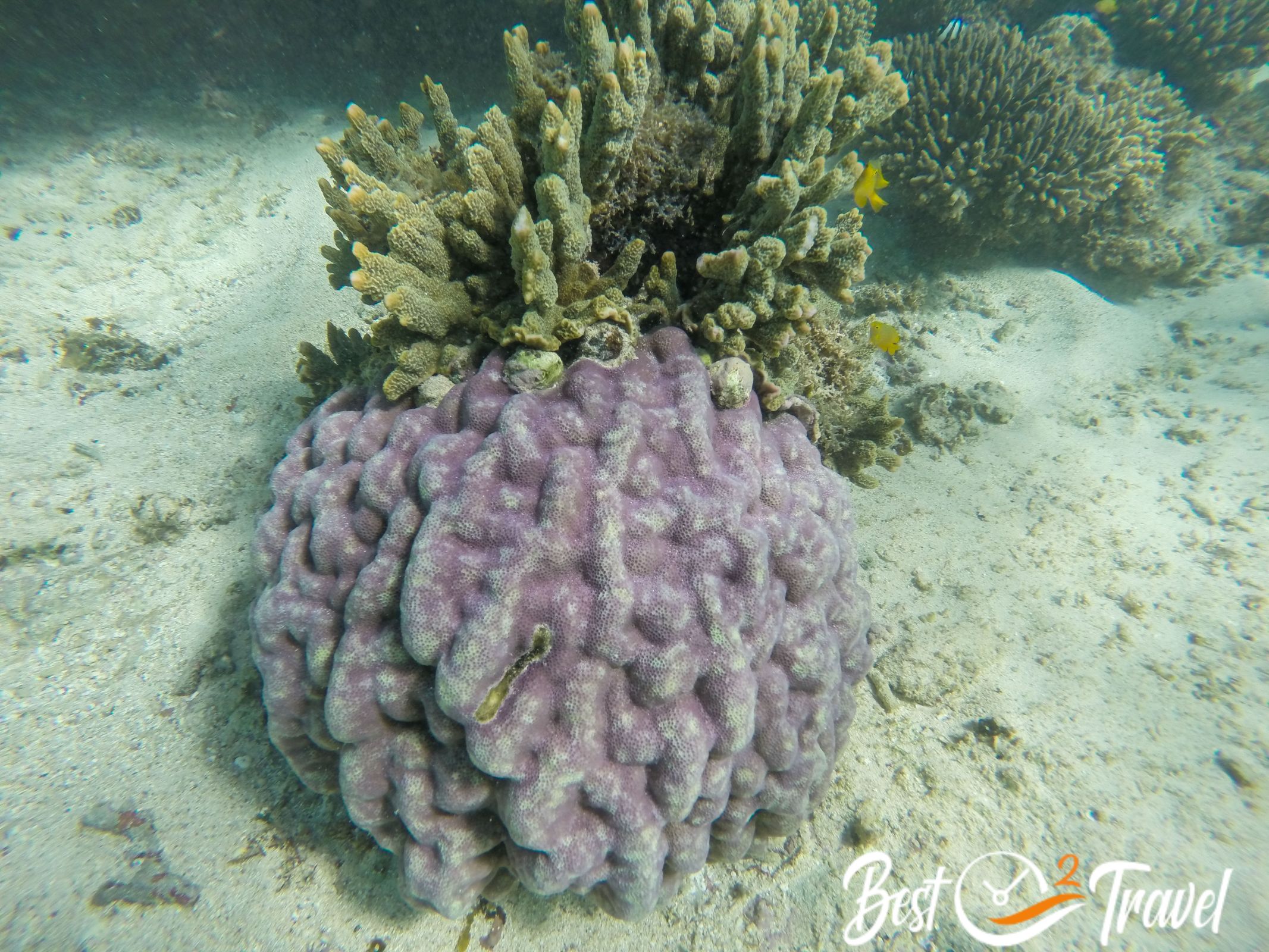
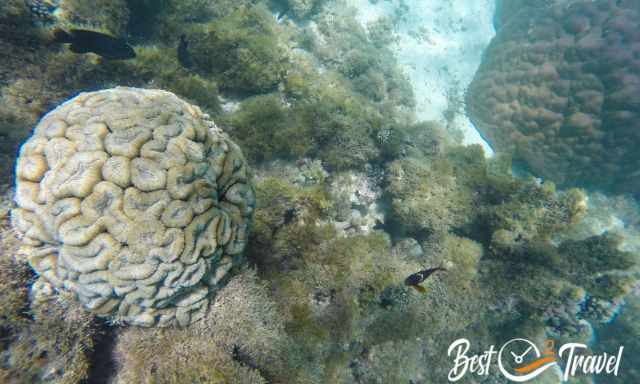
The entry point is rocky and sharp, so move carefully when entering the water. Oyster Stacks is a fragile environment, home to more than 250 coral species, clownfish, moray eels, reef sharks, and bluespotted ribbontail rays. We’ve snorkeled here in both summer and winter — every visit was outstanding.
High Tide Safety: When You Can Snorkel Oyster Stacks
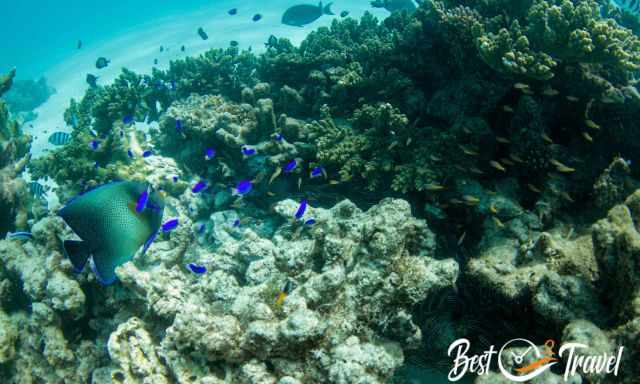
Snorkeling at Oyster Stacks is only safe and sustainable during high tide. At low tide, the water becomes extremely shallow, making it impossible to avoid touching the corals. This not only damages the reef but also increases your risk of cuts from the sharp limestone rocks.
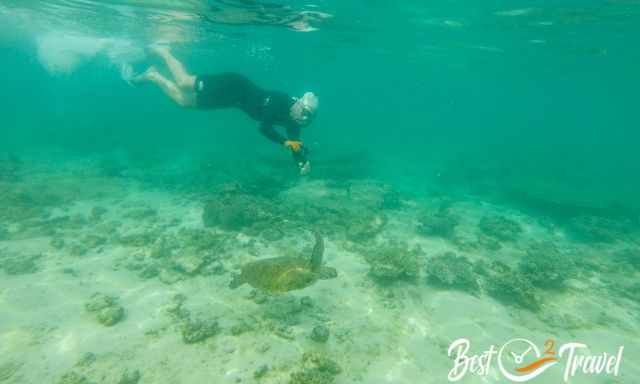
Please never stand on corals and always check the tide times before you go. You can get updated tide information at the Milyering Visitor Centre. You only have a short window during high tide, so plan your visit carefully — currents can be stronger further outside the protected bay.
Visitor Centre, Parking & What to Expect

The Milyering Discovery Centre is worth a stop to learn more about Ningaloo’s marine life and get updated conditions. Parking at Oyster Stacks is limited, and most visitors end up parking along the shoulder of the road - Parking Google Maps.
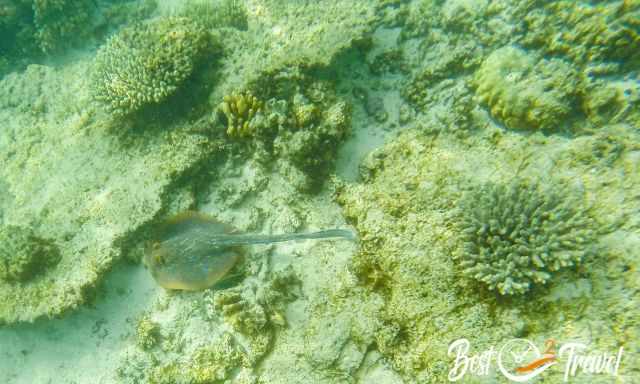
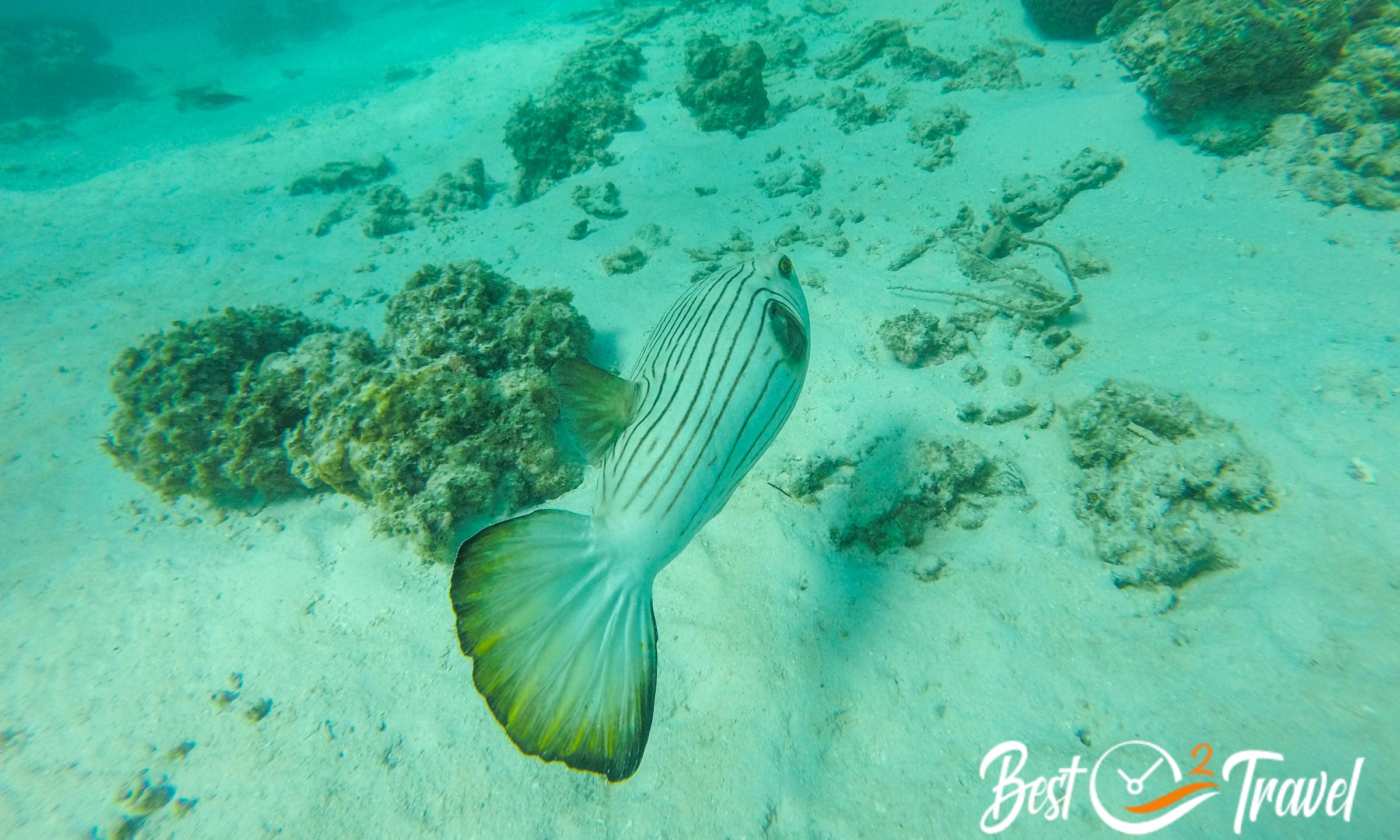
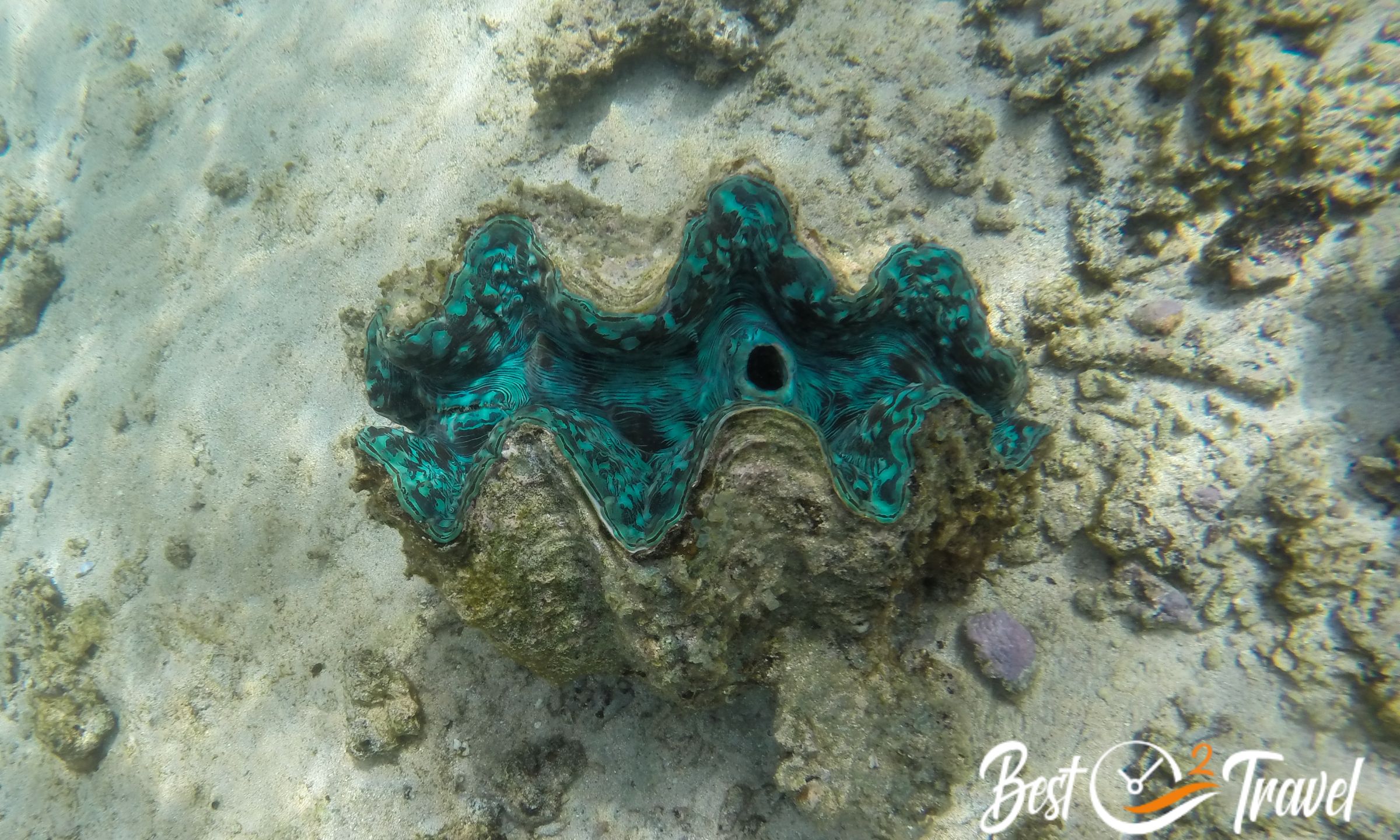
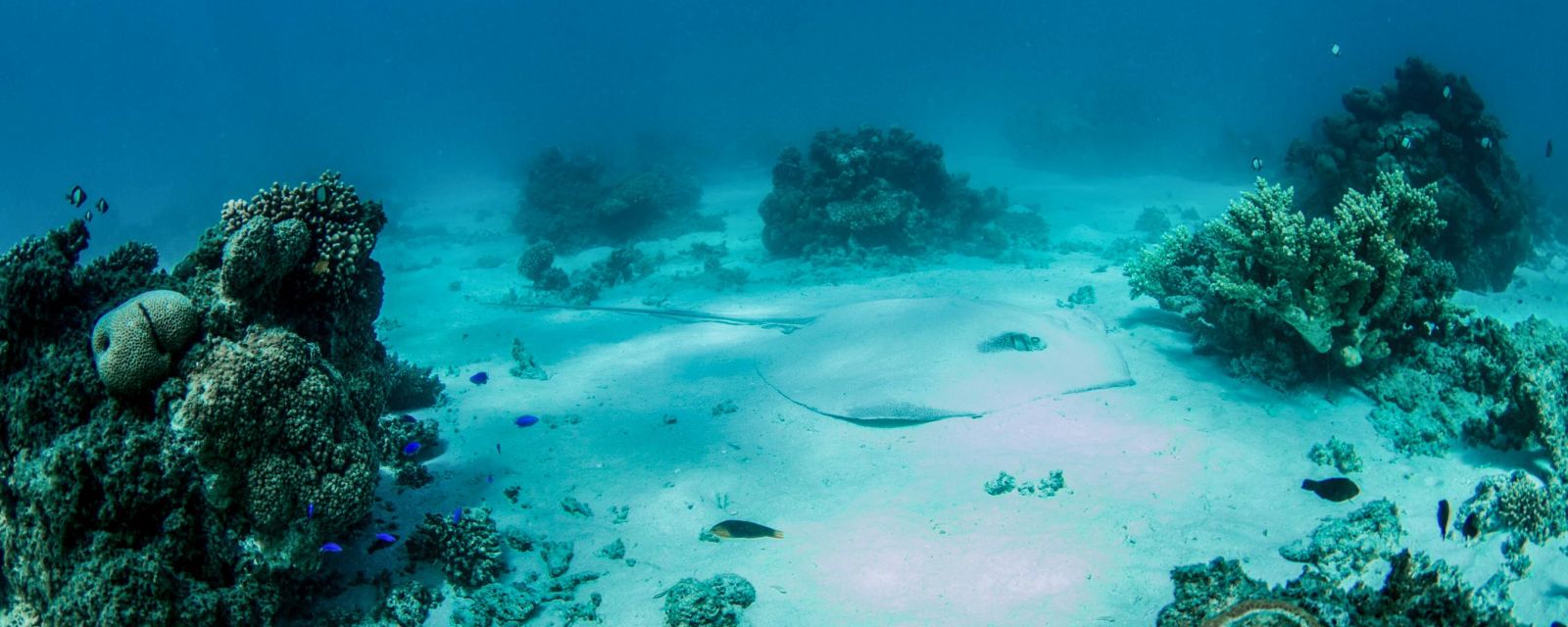
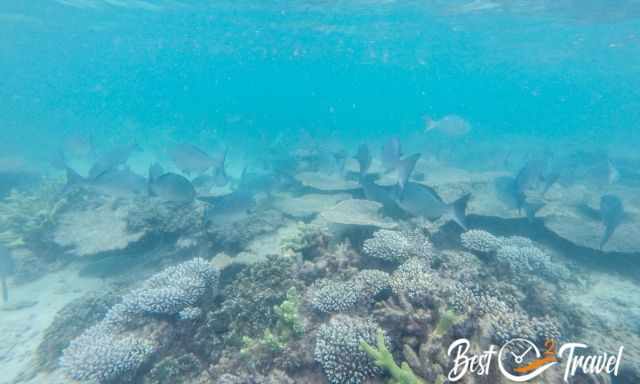
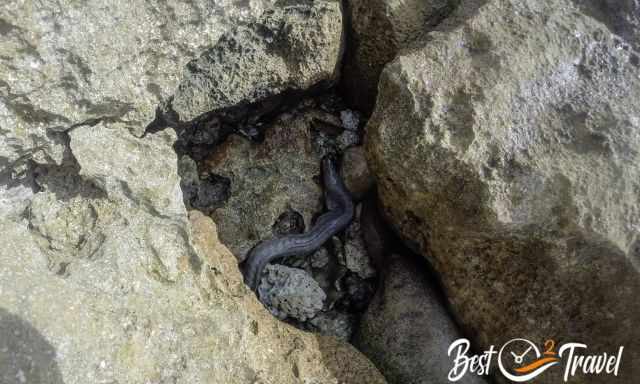
Despite the simple access point, Oyster Stacks offers some of the best coral diversity in Ningaloo Reef. On our visits, we encountered countless colorful fish species, green sea turtles, reef sharks, clownfish, rays, and even a moray eel waiting for the incoming tide.
Weather & Sea Conditions at Oyster Stacks
Ningaloo Reef has a tropical hot‑desert climate with two main seasons: a warm, pleasant winter (June–August) and a hot, windy summer (December–February). Winter offers the best snorkeling conditions, while summer can bring stronger winds, swell, and occasional cyclones.
The weather plays a major role in visibility, safety, and overall snorkeling quality — so planning around the seasons and daily conditions is essential.
Autumn & Winter (April–September) – Best Overall Conditions
Temperatures are pleasantly warm, averaging around 25°C, with a water temperature of about 22°C. Days are generally calm, skies clearer, and visibility underwater is often excellent. This is the most comfortable time for snorkeling.
Summer (October–March) – Hot & Variable
Summer is hot, with daytime temperatures around 35°C and water temperatures near 26°C. Rain is rare — fewer than 30 days of precipitation per year — but the highest chance of thunderstorms occurs from January to April.
Cyclones & Cloud Cover
From January to March, cyclones can occur, and Exmouth has been hit in the past. Cloud cover is lowest from August to December, which often improves light and visibility underwater.
Wind, Swell & Visibility
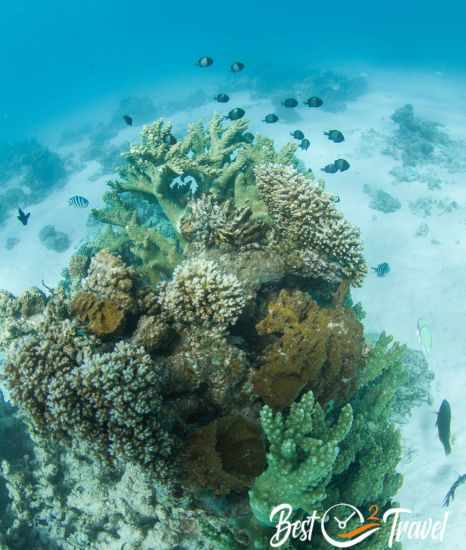
Calm Days = Best Visibility
On calm days, the water is clear, and you can enjoy the full beauty of Ningaloo’s corals and fish species.
Windy Days = Poor Visibility
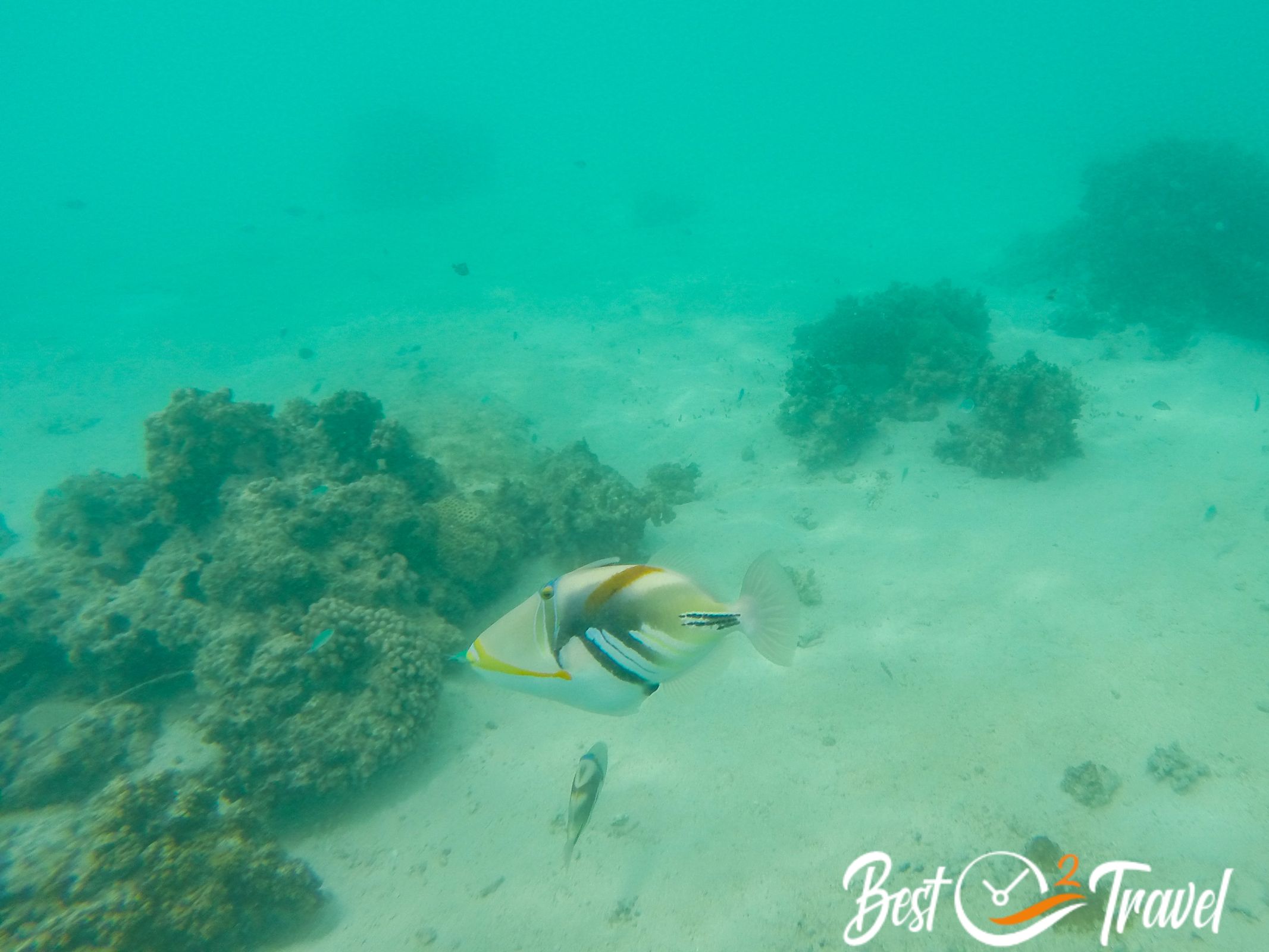
During one of our visits, strong winds created a choppy sea, drastically reducing visibility. If the swell is strong, snorkeling becomes more difficult — especially for beginners — and the water can turn murky.
Safety Note
Stronger currents may occur outside the protected bay. If you’re not experienced, avoid venturing too far out during windy conditions.
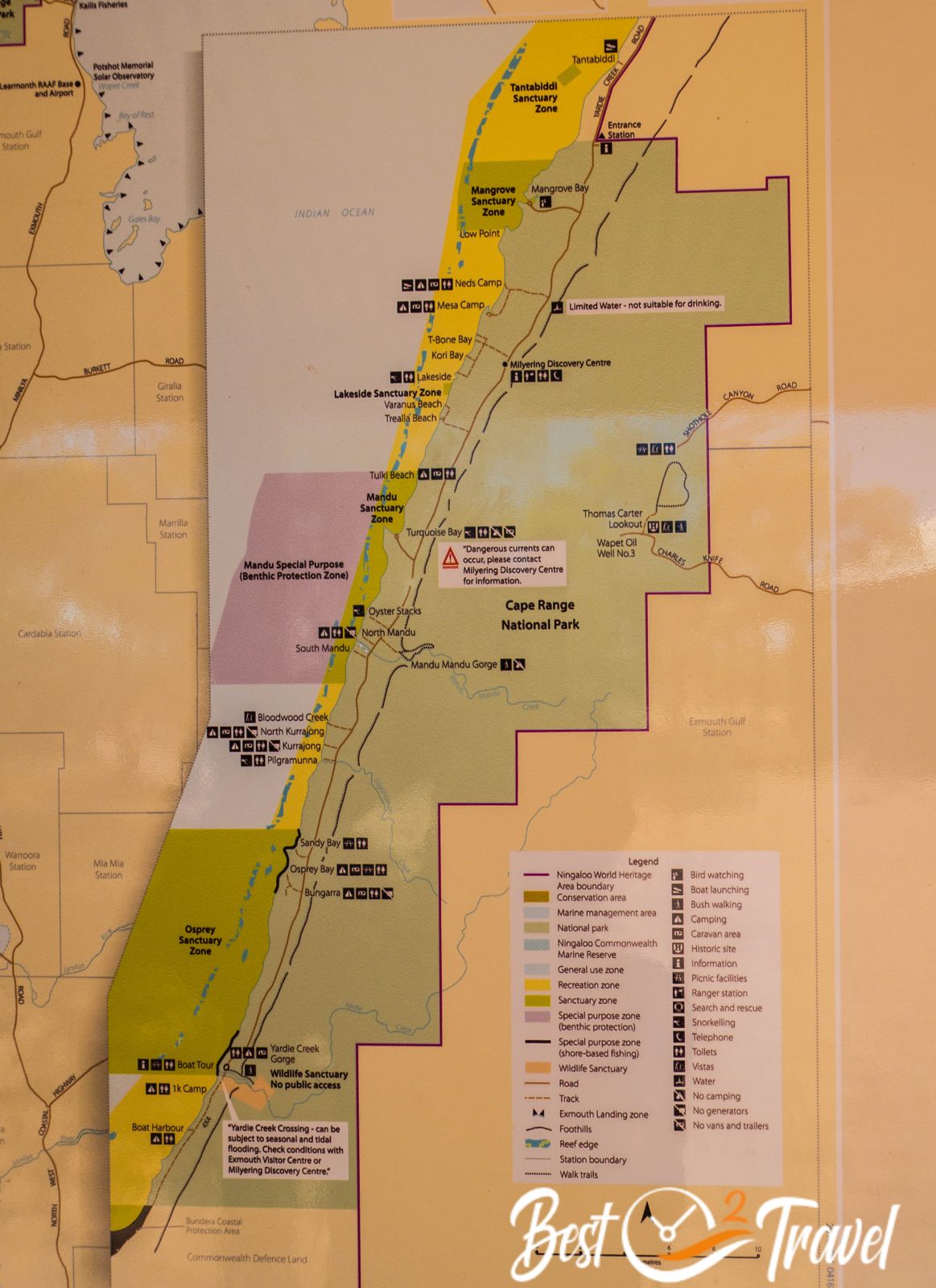
Map: Cape Range National Park & Oyster Stacks
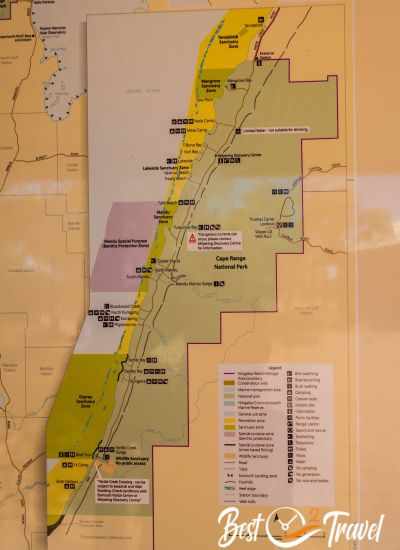
This high‑resolution map shows the Cape Range National Park, the protected sanctuary zones along the Ningaloo Coast, and the exact location of Oyster Stacks. It’s the best way to understand how the coastline is divided into conservation areas and where each snorkeling site is positioned.
You’ll also see other excellent snorkeling spots on the map and Mandu Mandu Gorge. The map helps you plan your route, identify parking areas, and understand which zones require extra care.
Top Tip – Why You Should Stay Longer at Ningaloo
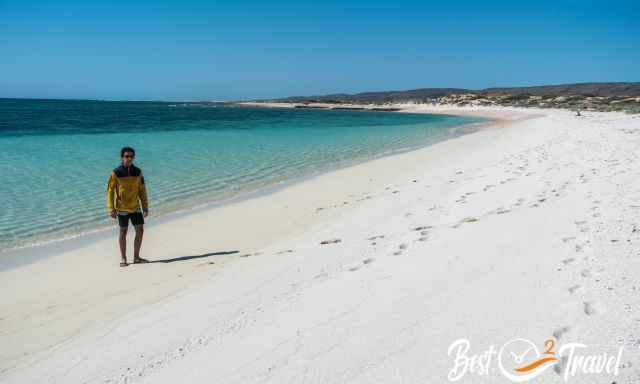
Many travellers rush to Exmouth just for the whale sharks — but Ningaloo and the Cape Range National Park offer far more than a single bucket‑list experience. This coastline is packed with world‑class beaches, dramatic gorges, and wildlife encounters.
Spend a few days here and explore places like Mandu Mandu Gorge, where we once spotted a black‑footed wallaby, or relax at Turquoise Bay, famous for its white sand and crystal‑clear water. Especially in winter, bring a jacket for the afternoons — the breeze can be surprisingly cool.
Where to Stay – My Insider Recommendations
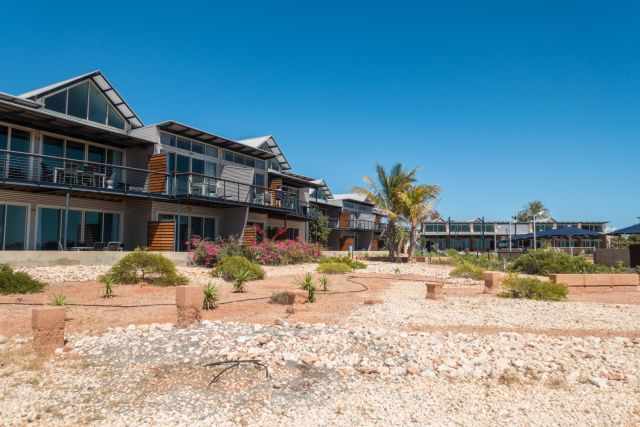
If you want to experience Ningaloo properly, choose accommodation that puts you right next to the reef. One of the best‑located hotels near Exmouth is the Mantarays Ningaloo Beach Resort, offering direct access to the beach and easy reach to the national park.
But if you want something truly unforgettable, consider staying inside Cape Range National Park at the luxury eco‑camp:
Sal Salis – Ningaloo’s Most Exclusive Wilderness Stay

The Sal Salis eco safari tents sit directly on a pristine white‑sand beach with the Ningaloo Reef just metres from your doorstep. You can kayak and snorkel right in front of your tent, enjoy outdoor dinners under an incredible night sky, and watch kangaroos and wallabies grazing around the camp at dusk.
It’s remote — about an hour from Exmouth — but that’s exactly what makes it so special. The location is absolutely unbeatable. Peak season books out months in advance.
Packing Checklist for Oyster Stacks
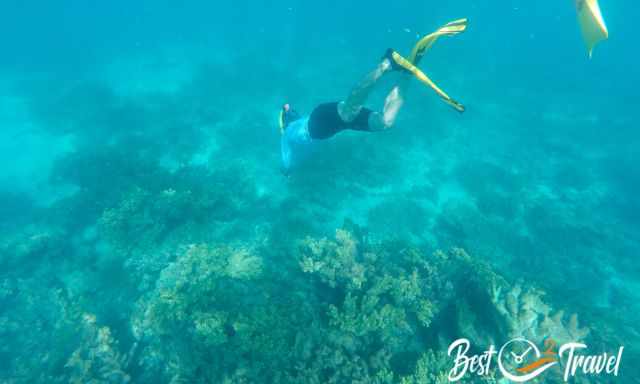
Snorkeling at Oyster Stacks is incredible, but conditions can be harsh — strong sun, sharp rocks, no shade, and no facilities nearby. Here’s what you should bring to stay safe and comfortable.
- Plenty of water — There is no café or shop anywhere near Oyster Stacks, so pack more than you think you’ll need.
- Sun protection — The sun is intense, and there is zero shade. Protect your entire body, face, and head. A high‑SPF sunscreen is essential, especially for your face.
- Snorkel gear — Bring your own fins, mask, and snorkel. You’ll absolutely love this spot, and rental options are not available on site.
- Foot protection — The entry point is rocky and sharp. Wear sturdy reef shoes to avoid cuts.
- Rash guard or snorkel shirt — Protect your back from the intense sun and from accidental contact with sharp corals. I wore a long‑sleeve shirt and a shorty during summer — perfect combination.
- Wetsuit for winter — Winter is pleasant, but water temperatures drop to 21–25°C near the shore. Even with my wetsuit, I felt a bit cold. If you plan to stay in the water longer, a thicker wetsuit helps.
Essential Ningaloo Reef Facts You Should Know

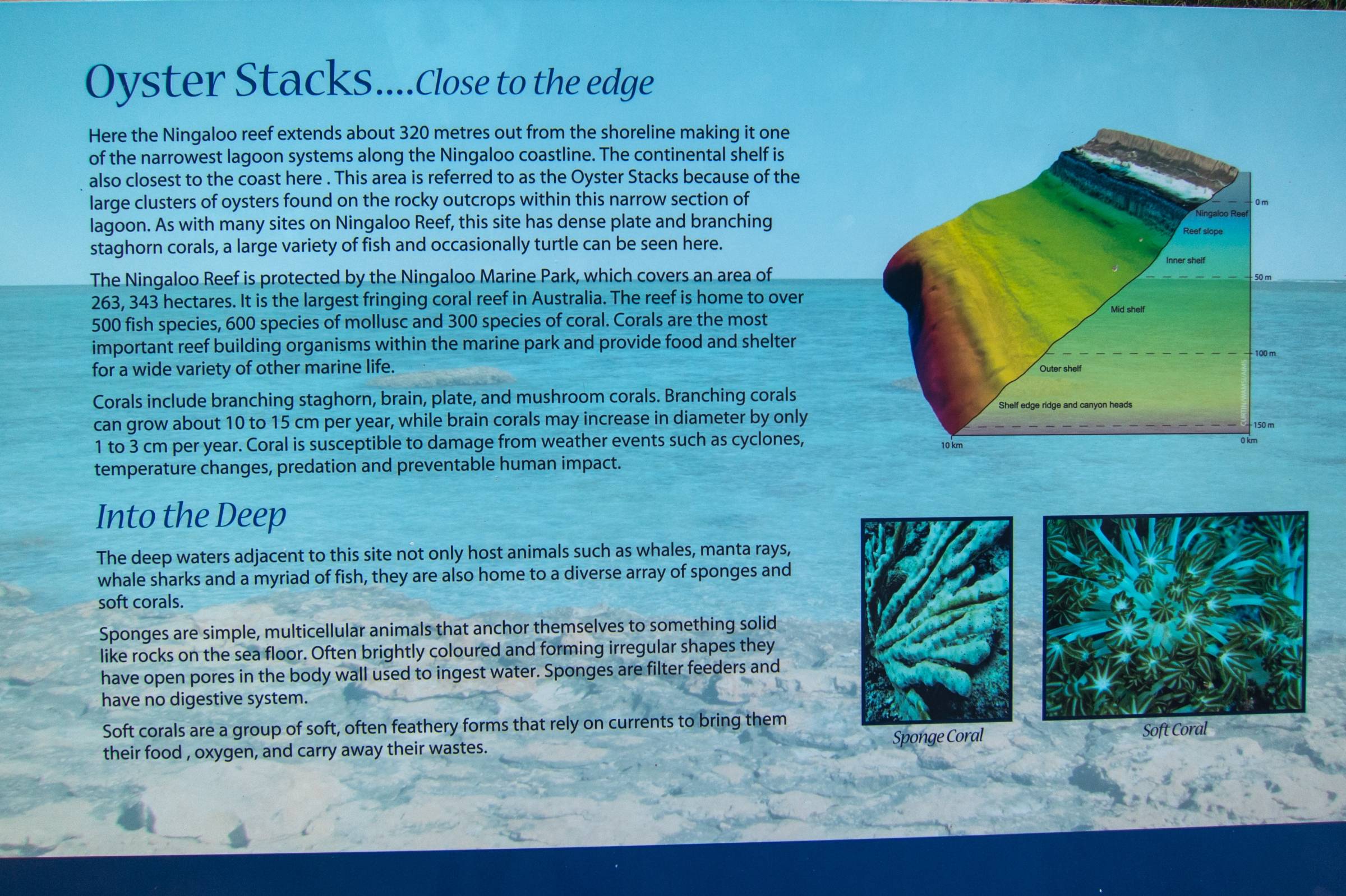
Ningaloo Reef is one of the most biodiverse fringing reefs in the world, stretching over 260 km along Western Australia’s coast and lying unusually close to shore. This makes snorkeling and wildlife encounters incredibly accessible — even at shallow depths.
- Over 250 coral species occur in Ningaloo, creating a vibrant habitat for countless marine creatures.
- More than 500 fish species live here, from tiny reef fish to larger pelagic visitors.
- Sea turtles are common — Ningaloo is one of the most important nesting sites in the Indian Ocean for loggerheads, green turtles, and hawksbills, with an estimated 10,000 nests annually. This is why spotting a turtle while snorkeling is very likely.
- Reef sharks are often seen near the shore, along with wobbegongs and carpet sharks.
- White sharks occur only in deeper offshore waters.
- Olive sea snakes live in Ningaloo as well — curious, venomous, but not aggressive. They breathe air and regularly surface.
The shoreline around Oyster Stacks is sharp and slippery, so wear reef shoes or fins for protection. Access is only possible over jagged rocks, and the entry can be challenging. Because of the rocky terrain and fragile corals, Oyster Stacks is not suitable for small children.
Humpback Whales and Whale Sharks at Ningaloo Reef
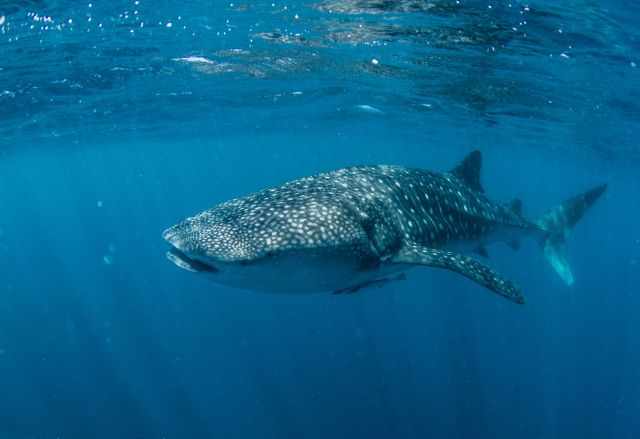
You can find detailed insights on whale shark encounters, humpback whale migrations, and the best tour operators in my Ningaloo Reef whale watching guide.
Best Months to Visit
Location and Tips

This is an excellent snorkel spot to see some of the more than 250 coral species which occur in Ningaloo Reef. Some corals provide a habitat for the famous clown fish. We visited this place several times, in summer and in winter. We loved it so much.
Do you want to obtain the usage right for my images? Contact me, but I will take action against picture theft.