
When Is the Best Time
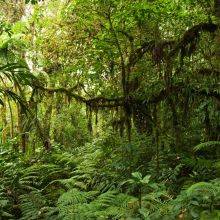
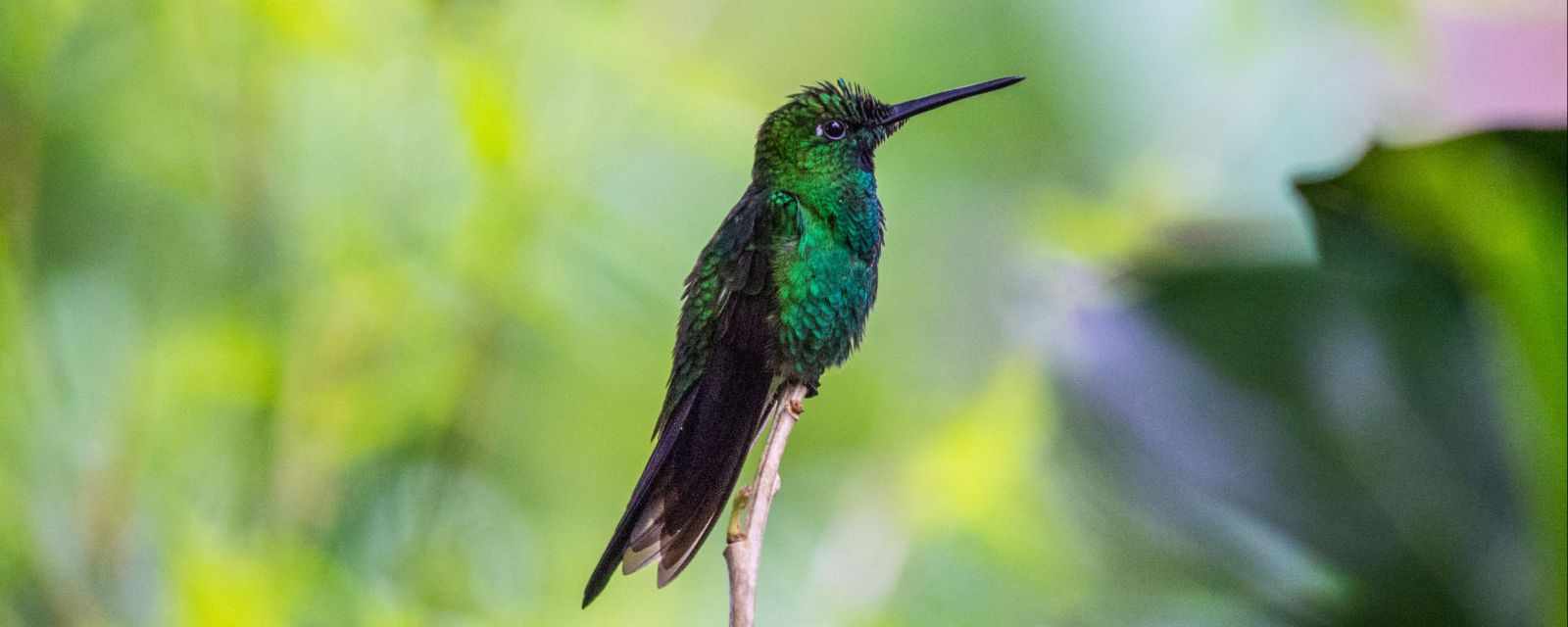
Mindo lies within the Chocó–Andean cloud forest, one of the most biodiverse regions on Earth. Mindo is home to more than 500 bird species in a compact area. The greater Mindo region—often referred to as the Mindo Valley or Mindo Cloud Forest—covers a wide elevational range from 900 to 2,500 meters, creating overlapping habitats where hummingbirds, toucans, tanagers, Antpittas, and the iconic Andean Cock‑of‑the‑Rock thrive.
The village of Mindo itself sits on the western slopes of the Pichincha Volcano at an elevation of 1,200–1,300 meters (around 4,000 ft). Today, the town has roughly 4,000–5,000 residents, and despite its growth, it retains a relaxed, nature‑focused atmosphere. Mindo is filled with lodges and hostels, many of which maintain hummingbird feeders and fruit stations. This meaning you can spot a surprising number of species right from your terrace.
Why Mindo Stands Out for Birdwatching
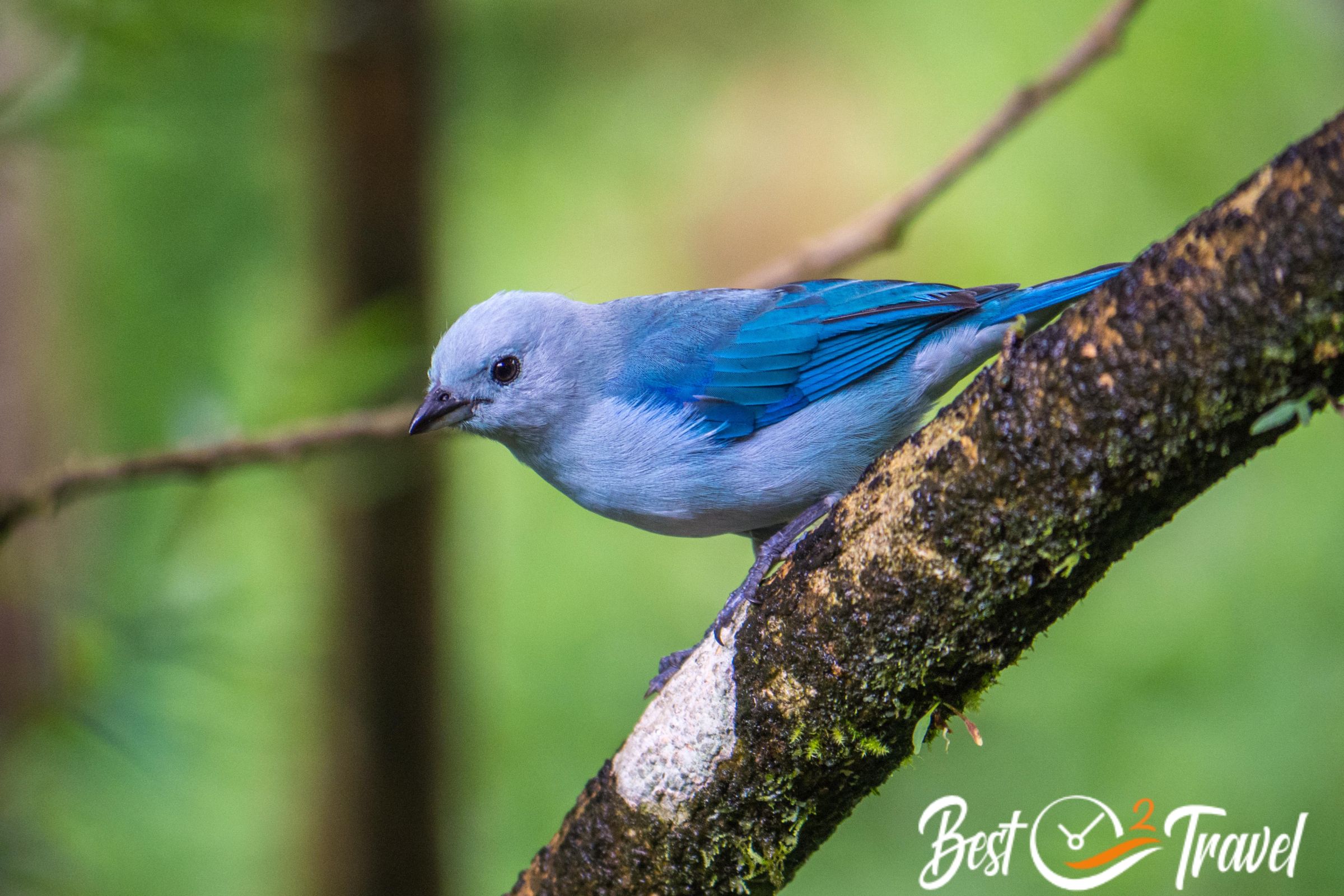
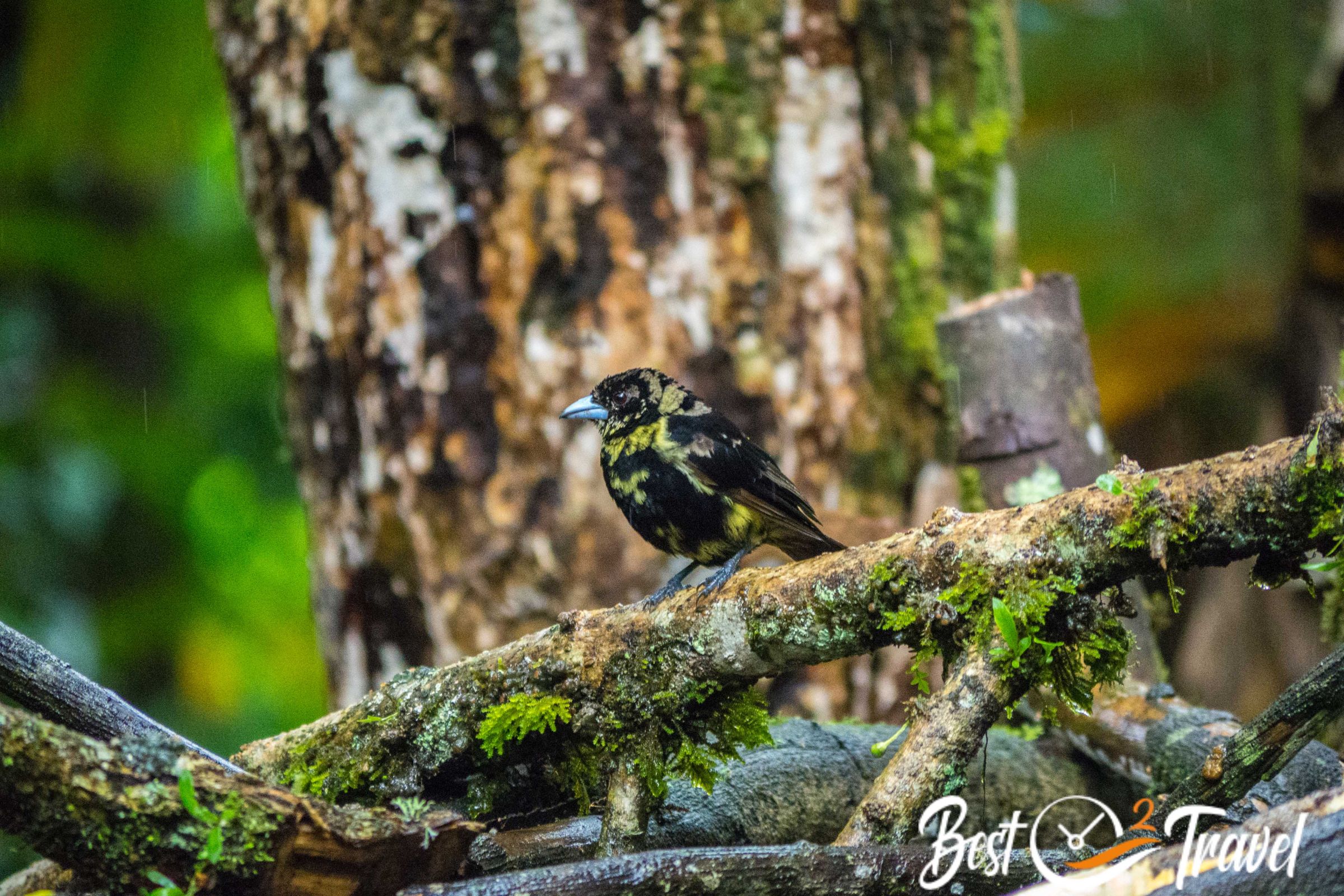
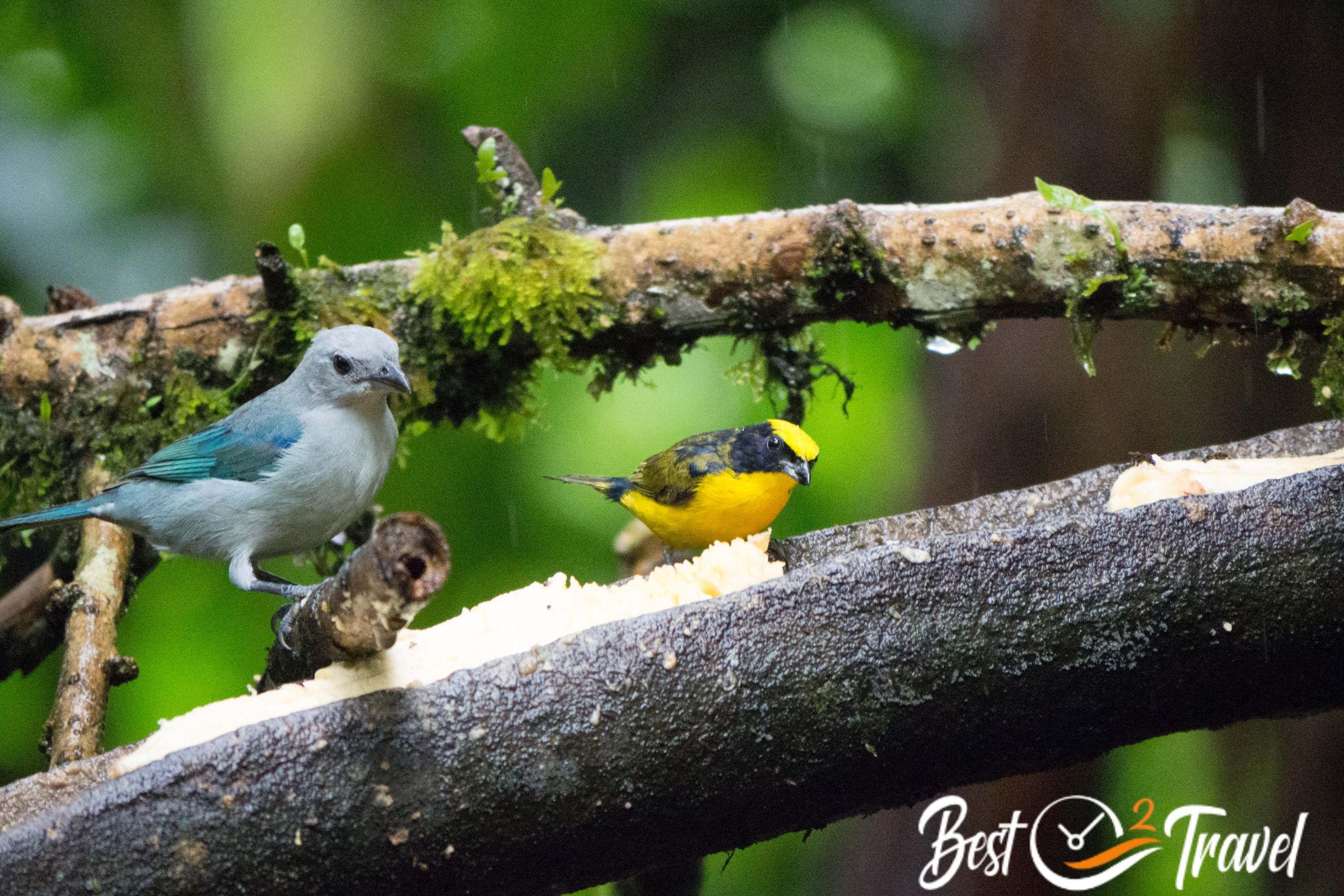
Mindo offers an exceptional concentration of bird species within a relatively small area, making it one of the most rewarding birding destinations in Ecuador. The surrounding cloud forest reserves are easy to reach and provide access to a wide range of habitats across different elevations. This variety allows visitors to encounter both common and rare species, including Antpittas, Quetzals, and the iconic Andean Cock‑of‑the‑Rock.
Another defining feature of Mindo is the strong conservation ethic among local residents. Many families protect their forested land from logging and mining, and entrance fees directly support these important efforts.
The community relies on our support, and the fees are very reasonable compared to prices in Europe or North America. This community‑driven conservation culture helps preserve the cloud forest and ensures that Mindo remains a thriving habitat for birds and wildlife.
Best Time to Visit Mindo for Birdwatching
Rainy Season (October–May): Peak Bird Activity
Birds are most active during the rainy season due to abundant food, mating, and nesting. Expect heavy afternoon rain and high humidity — but also the best birding of the year.
Dry Season (June–October): Short but Pleasant
Hummingbirds are present year‑round. Even in the driest months (June–August), expect occasional rain.
Temperatures & Climate
- Days: ~20–25°C
- Nights: ~15°C
- Sunrise/Sunset: ~6 AM / 6 PM year‑round
- Mosquitoes: Minimal due to elevation — malaria not an issue
Avoiding Crowds
Mindo is a popular weekend escape for residents of vibrant Quito, so the village and its reserves can feel noticeably busier on Saturdays, Sundays, and public holidays such as Carnival or Easter. If you prefer a quieter experience, plan your visit during weekdays, when the town is far more relaxed and the trails are wonderfully peaceful.
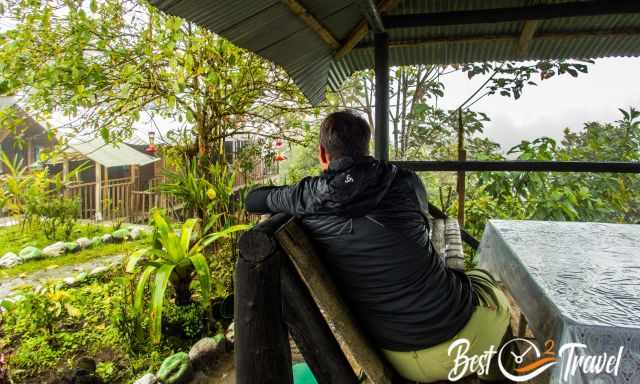
Despite its popularity, Mindo receives around 200,000 visitors annually, a number that has remained stable in recent years.
Where to See Birds in Mindo
Birding Right in Town
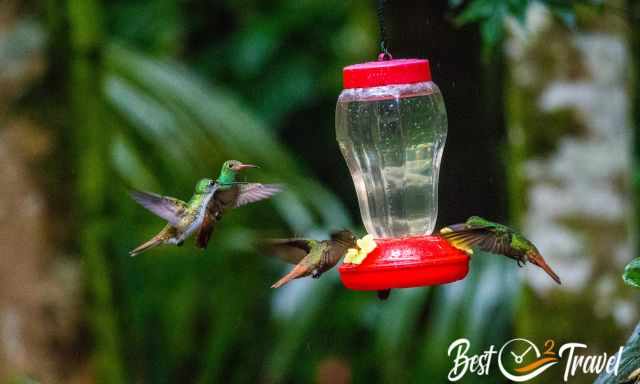
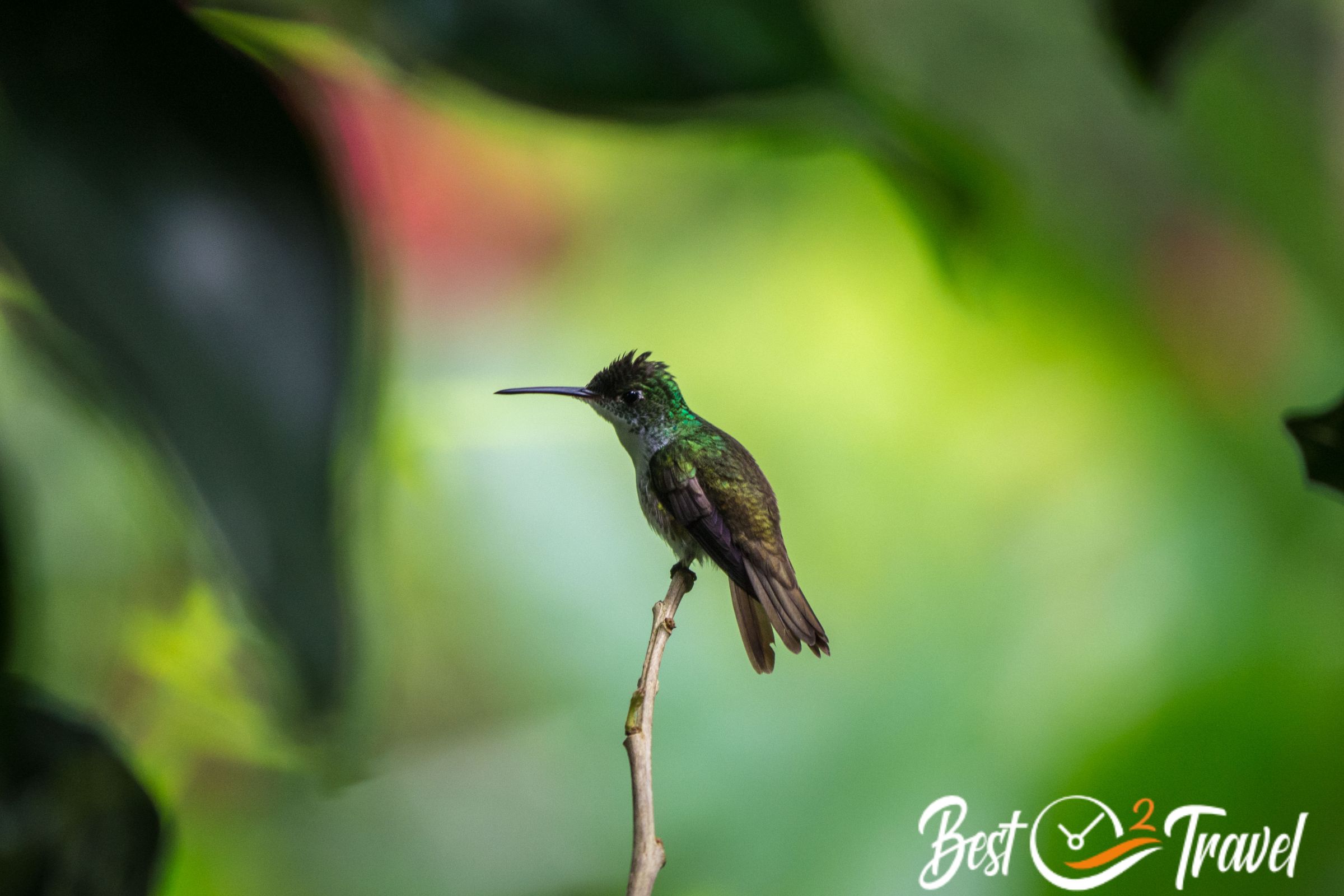
Birdwatching in Mindo often begins right in the village itself. Many lodges, hostels, and small eco‑retreats maintain hummingbird feeders and fruit stations that attract a surprising variety of species throughout the day. You can easily reach most of these places on foot. Even a short walk through town reveals spots where hummingbirds, tanagers, toucans, and barbet species gather. This makes Mindo ideal for beginners and photographers. You don’t need to venture far into the forest to enjoy close encounters with colourful birds.
Angel Paz Reserve
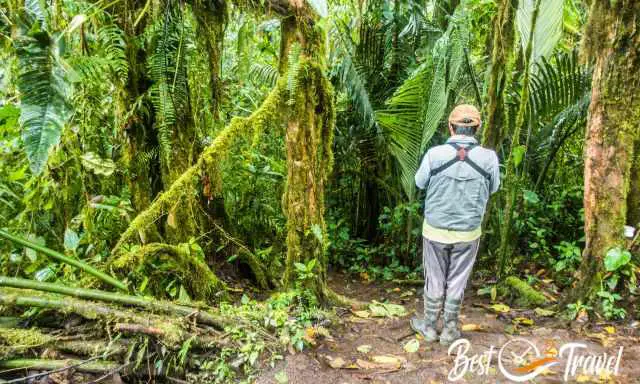
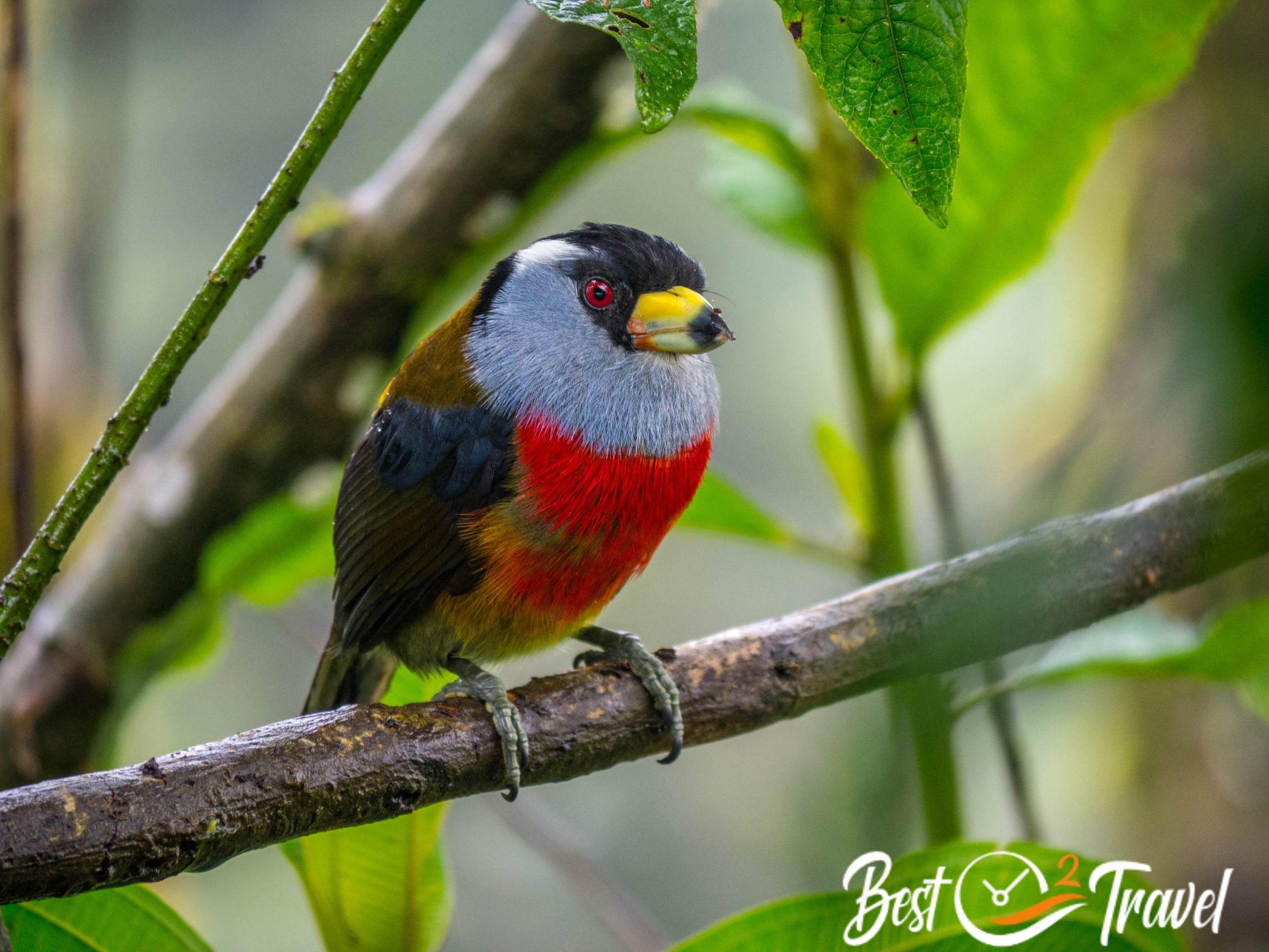
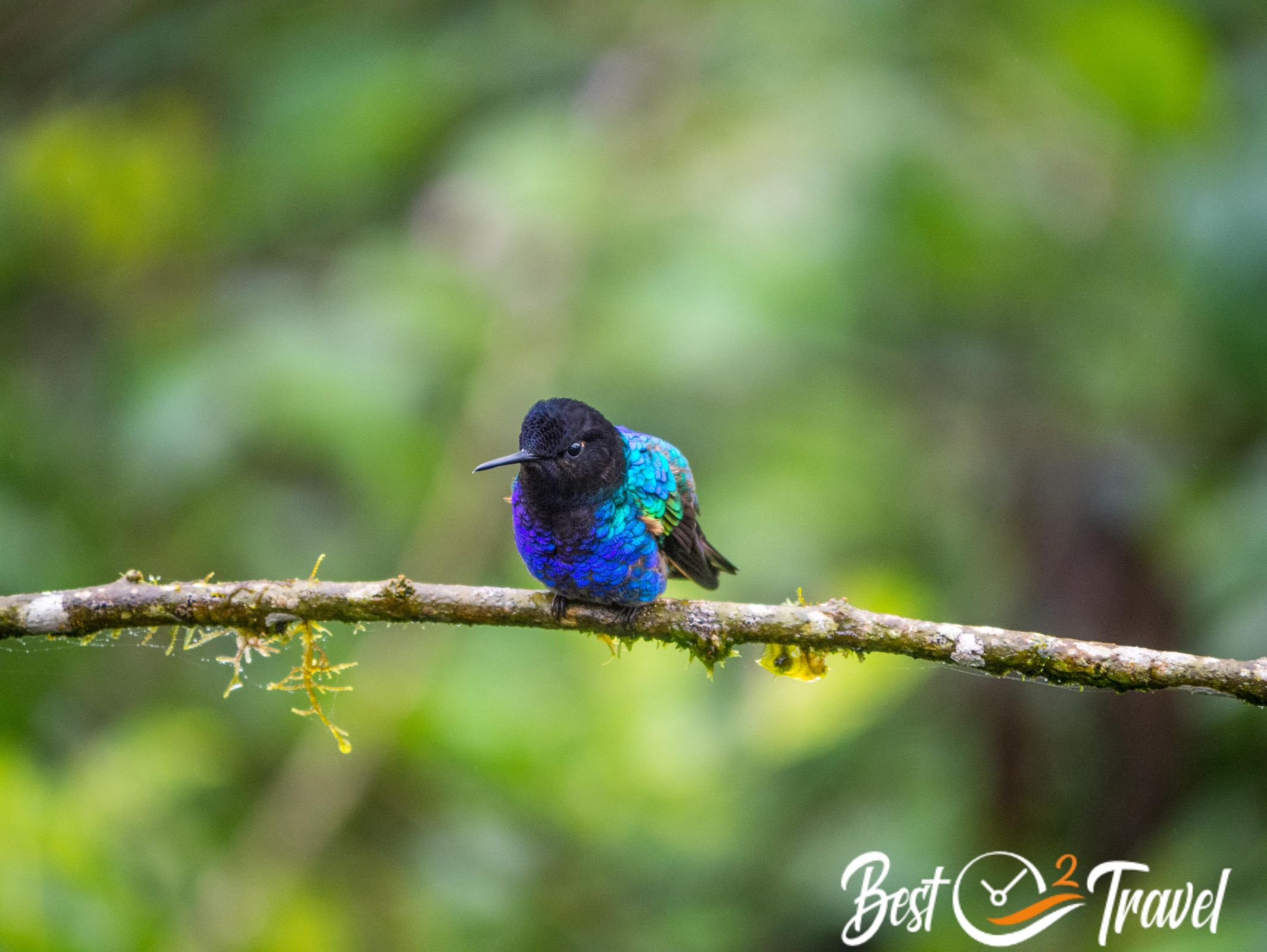
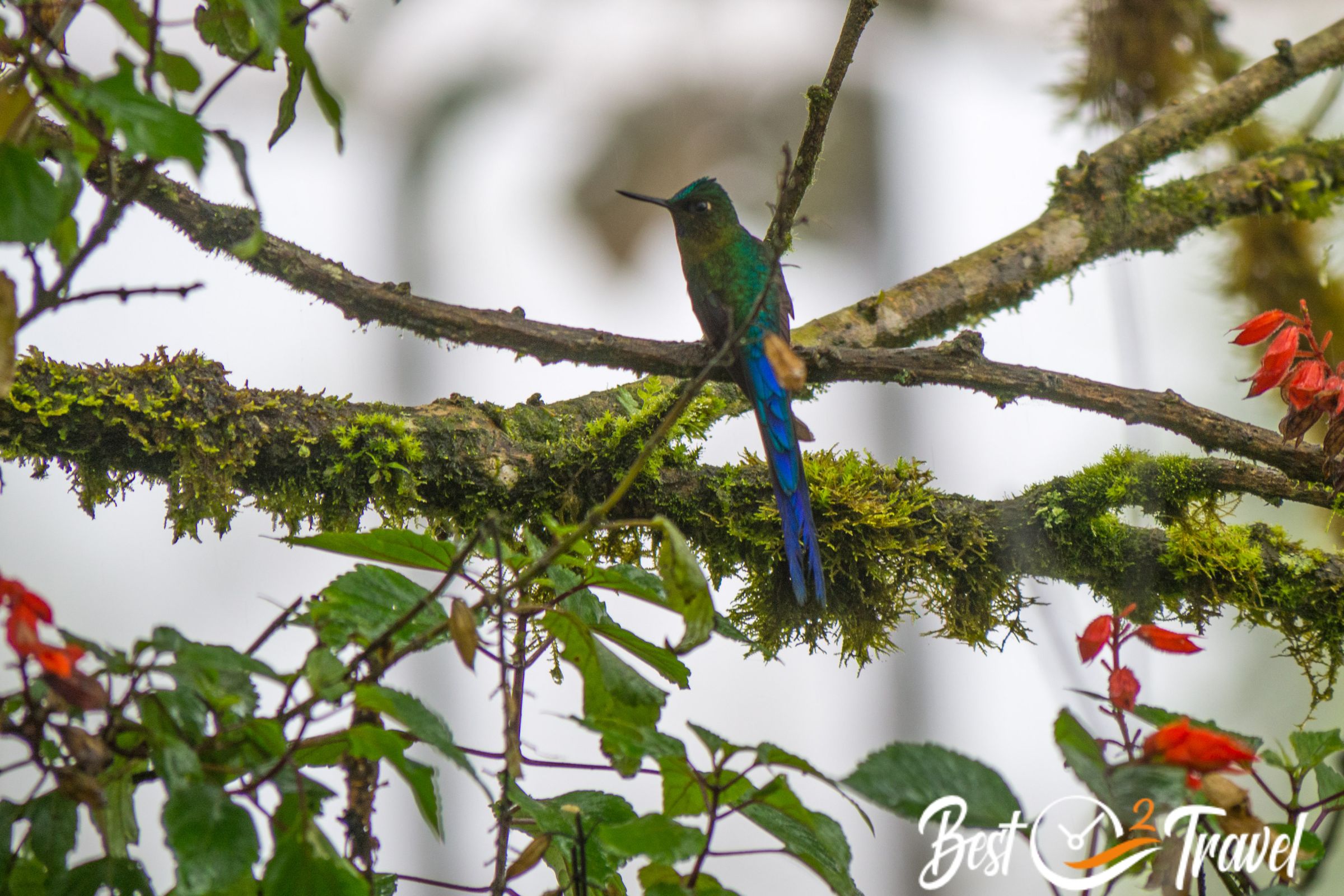
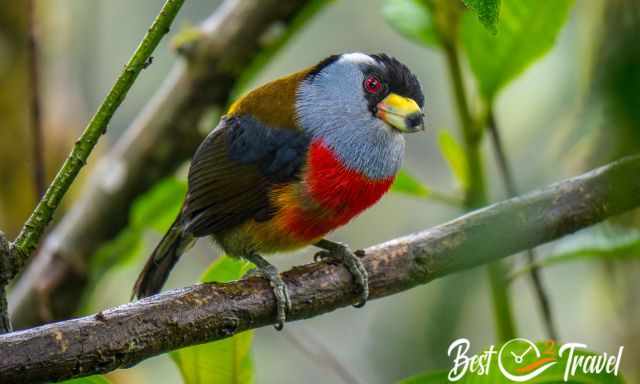
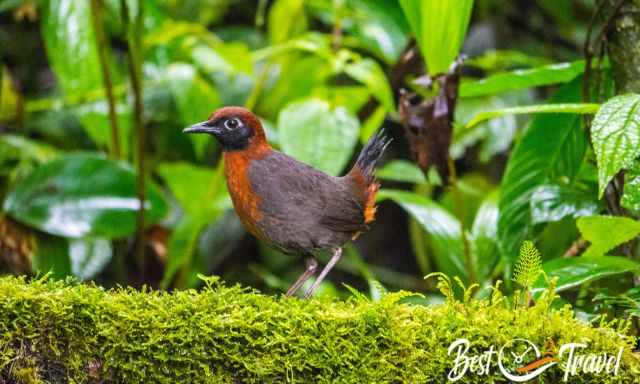
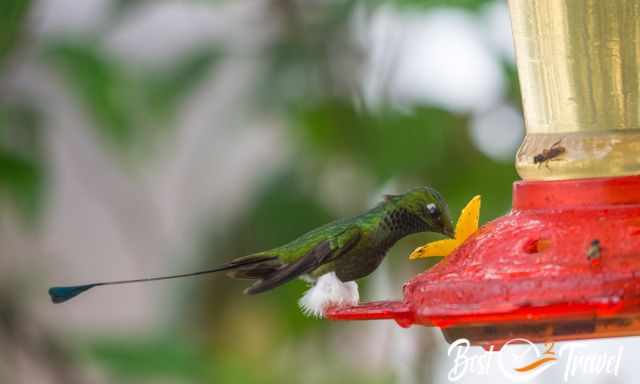
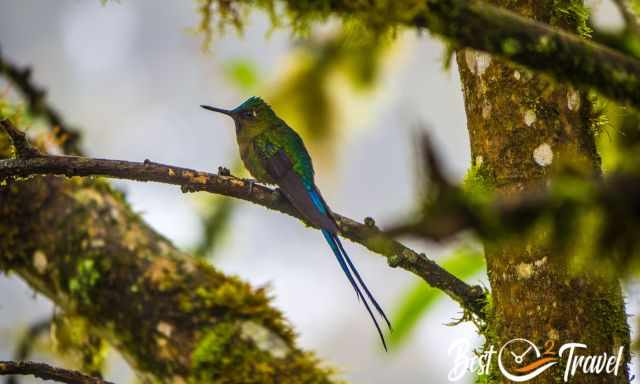
The Angel Paz Reserve — also known as Paz de las Aves — is one of the most remarkable birding experiences in Ecuador and an essential stop for anyone visiting Mindo. This family‑run reserve is famous for its legendary Antpitta feeding ritual. Giant, Ochre‑breasted, and Yellow‑breasted Antpittas appear at close range thanks to years of trust built between the birds and the owners. In addition, the reserve offers excellent opportunities to see the Andean Cock‑of‑the‑Rock at its lek, along with Quetzals, Toucan Barbets, Violet‑tailed Sylphs, and Booted Racket‑tails.
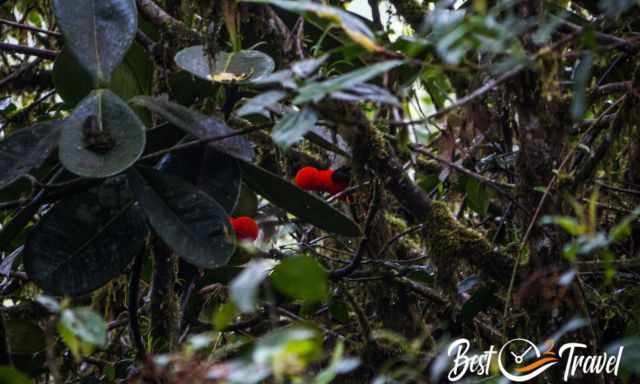
What many visitors don’t know is that Paz de las Aves also offers four simple but comfortable rooms, allowing you to stay directly inside the reserve. We had booked a six‑hour tour here, arrived before sunrise, and were served a generous brunch shortly before midday. Even then, while sitting at the dining area, the birds we watched around us were absolutely stunning. Birding never really stops.
Bellavista Cloud Forest Reserve
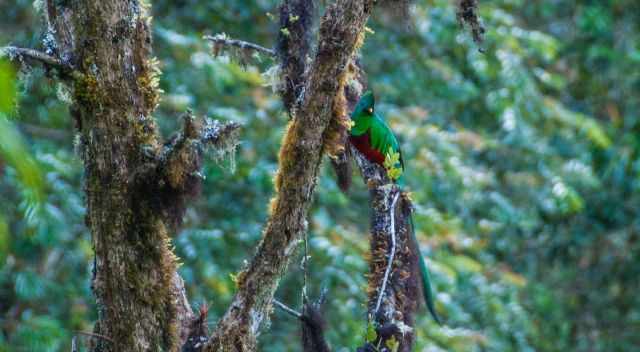
Bellavista lies at a higher elevation than Mindo village, and this shift in altitude results in a completely different range of bird species. The cooler, mist‑covered cloud forest is home to mountain‑tanagers, high‑altitude hummingbirds, and several rare forest specialists that you won’t encounter in the lower Mindo Valley. Bellavista is not only a reserve but also a beautiful lodge where you can stay overnight.
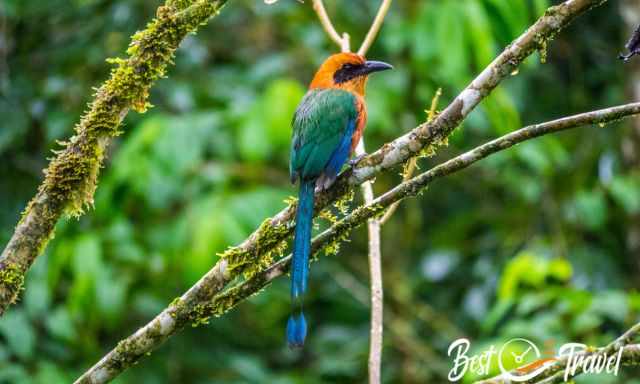
It is one of the most rewarding places to experience the cloud forest. From the lodge’s terraces and short trails, you can observe birds at close range. Enjoy the peaceful atmosphere, and explore the surrounding forest with or without a guide.
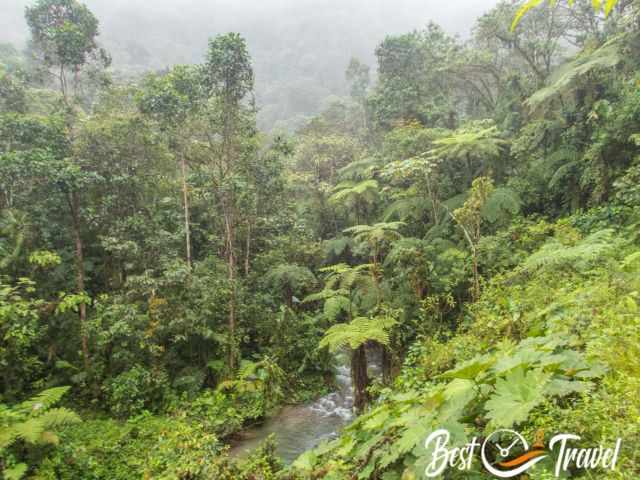
It’s easily reached by car or taxi from Mindo. It offers a fantastic base for birdwatchers who want to immerse themselves in a higher‑elevation habitat.
Rio Bravo Reserve
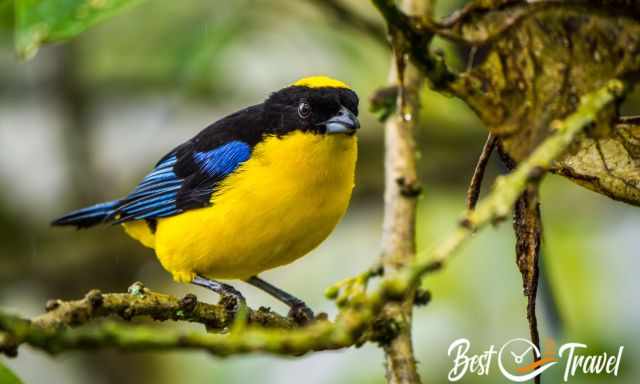
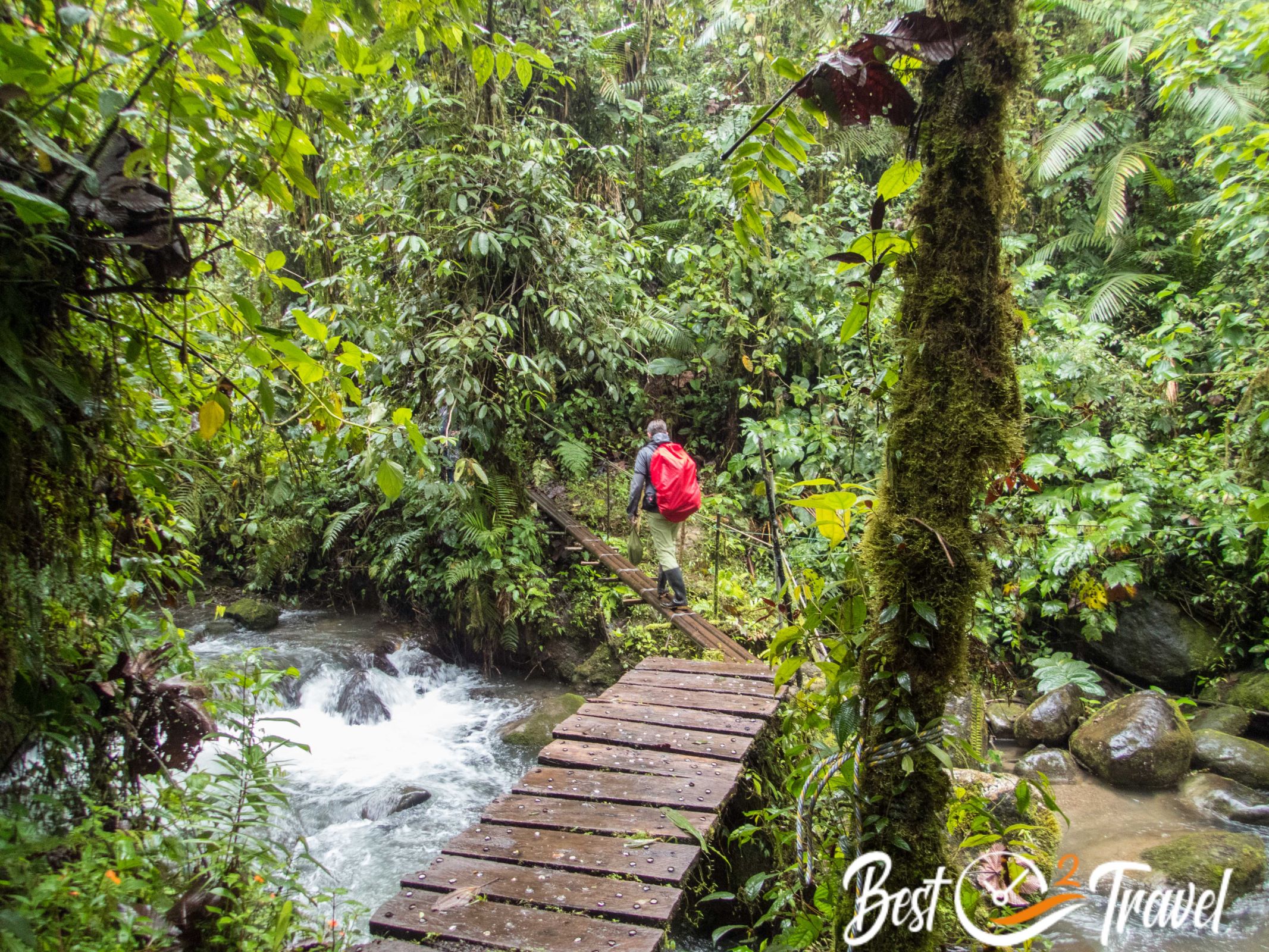
The Rio Bravo Reserve is a quiet, privately owned cloud forest located beyond Nambillo at the end of a gravel road. It offers a peaceful alternative to the more frequently visited reserves. It is perfect for slow birding, photography, and nature immersion.
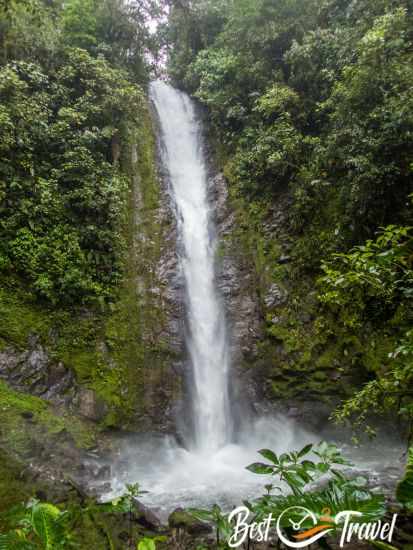
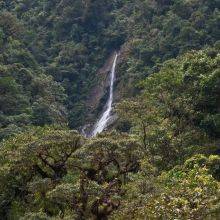
Waterfalls, dense vegetation, and undisturbed forest just for yourselves away from crowds. Although it is not within walking distance from Mindo, it can be reached easily by taxi, and guided visits provide a deeper understanding of the forest’s ecology and conservation history. Give Juan a call before to secure a private guided tour for a very reasonable price in the morning. +593992414818
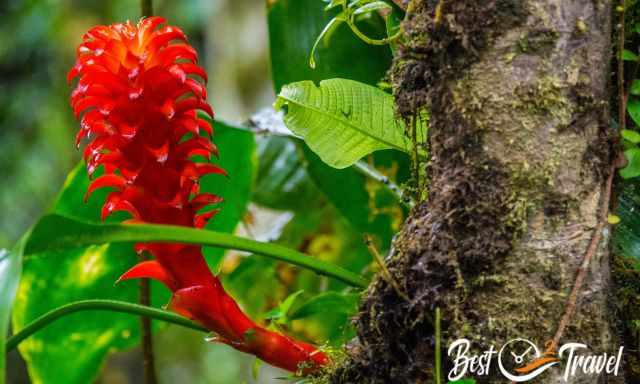
There are more places in the Mindo Valley where you can enjoy excellent birdwatching, but these are the locations we personally visited — and the ones I can wholeheartedly recommend.
What Birds Mindo Is Famous For
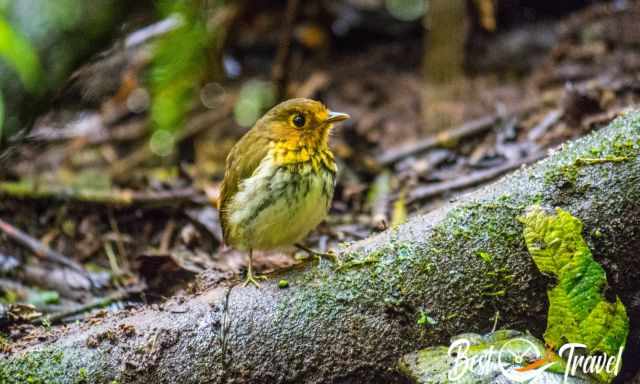
Mindo is known for an exceptional variety of colourful and rare species that attract birdwatchers from around the world. The region is especially famous for the Andean Cock‑of‑the‑Rock, which can be seen displaying at its lek at dawn. Several Antpitta species — including Giant, Ochre‑breasted, and Yellow‑breasted — are unusually easy to observe here thanks to long‑established feeding traditions in reserves like Paz de las Aves.
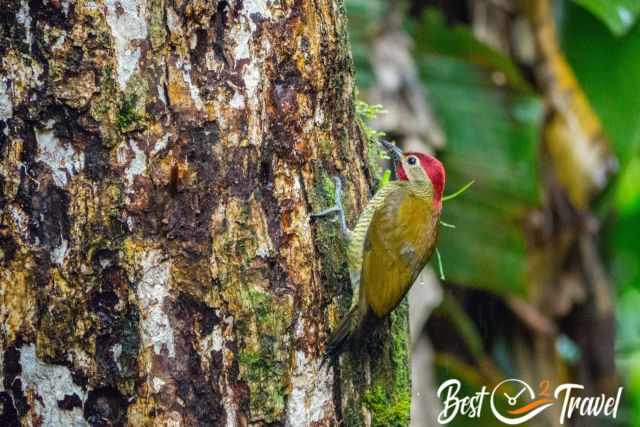
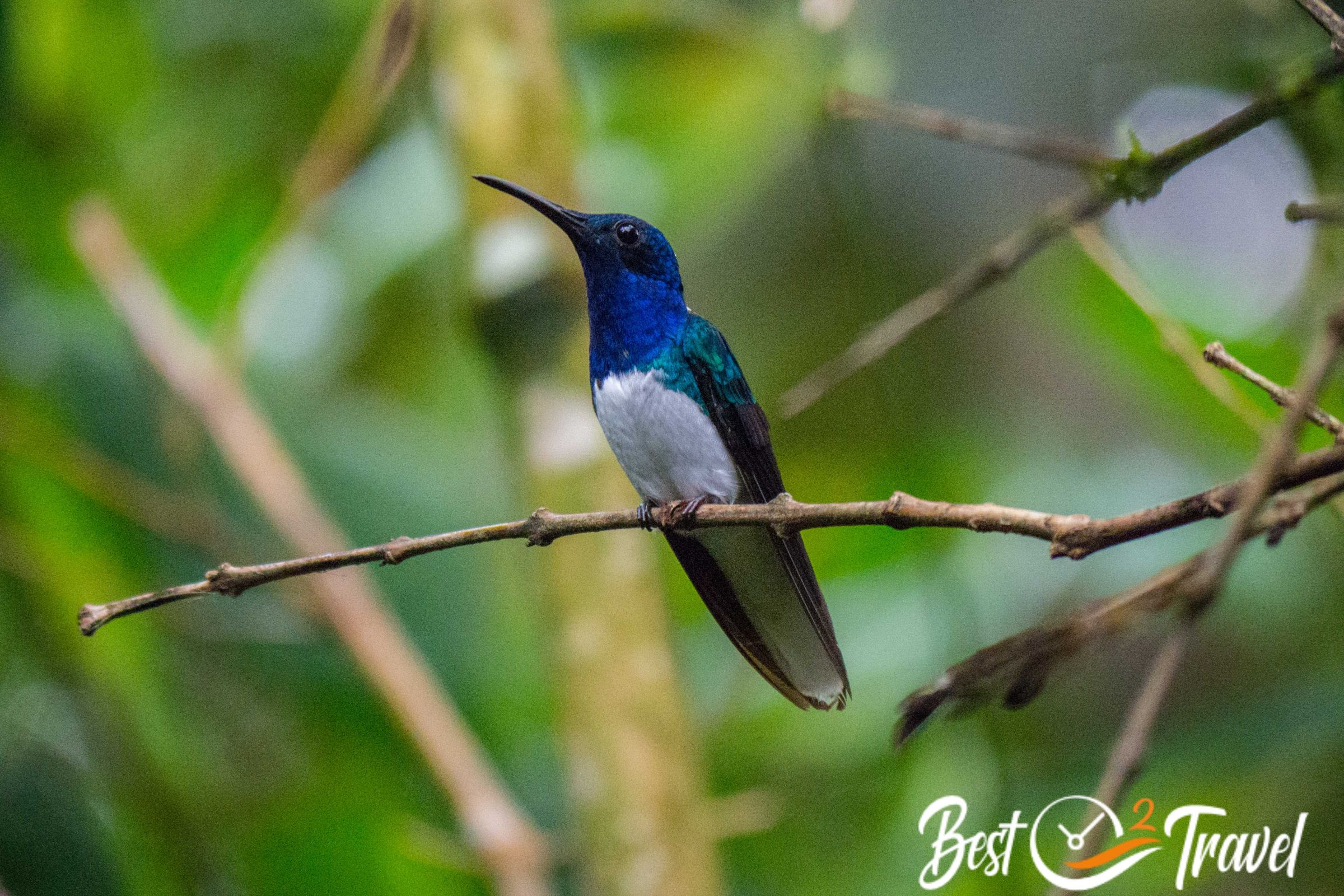
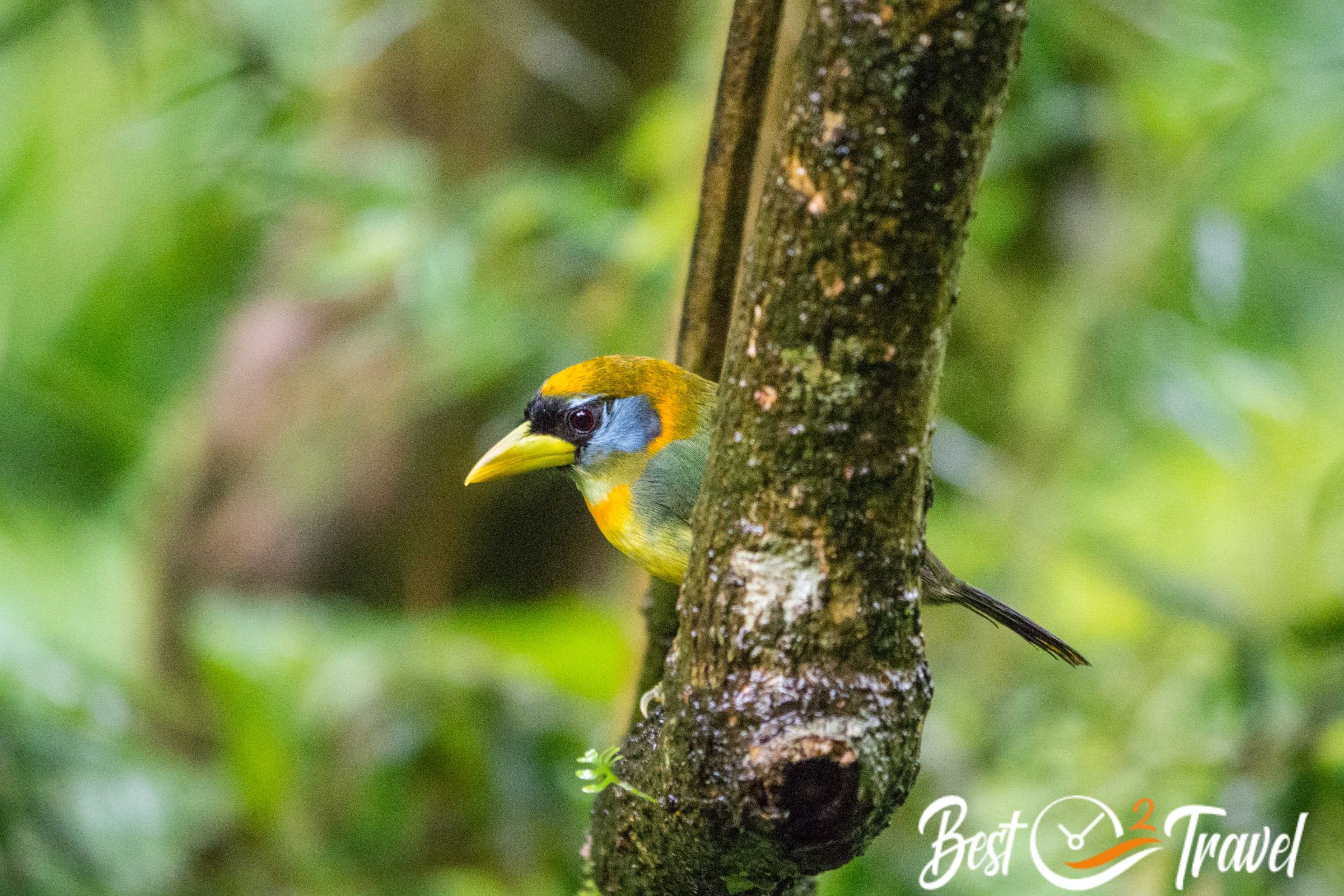
The cloud forest also offers reliable sightings of Quetzals, Toucan Barbets, Plate‑billed Mountain‑Toucans, and spectacular hummingbirds such as the Violet‑tailed Sylph and Booted Racket‑tail.
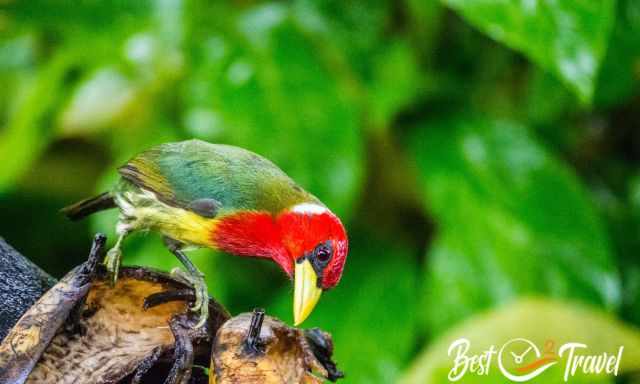
This combination of rare species, colourful birds, and easy access makes Mindo one of the most rewarding birding destinations I have ever been to.
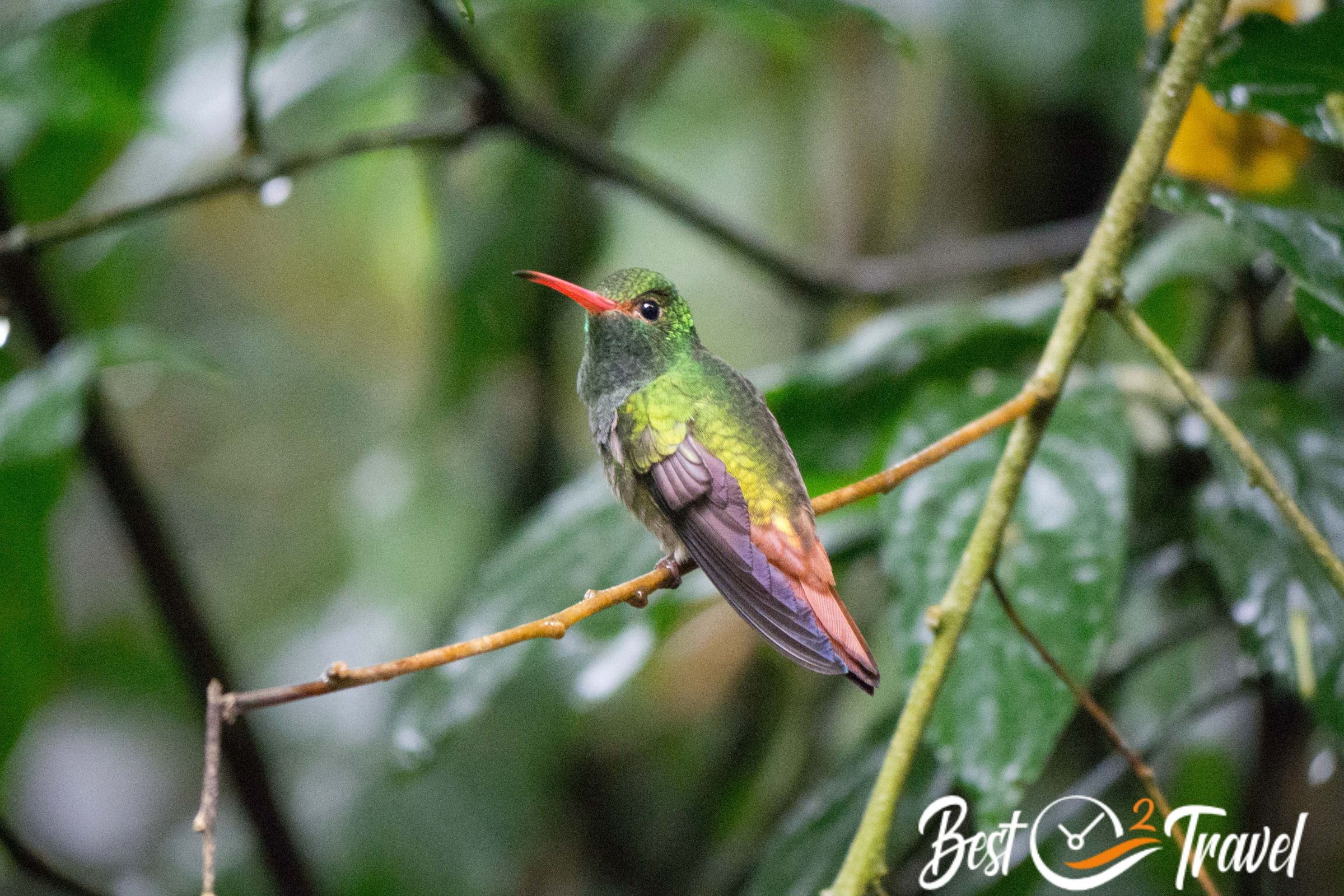
What Makes Hummingbirds So Colourful: Iridescence
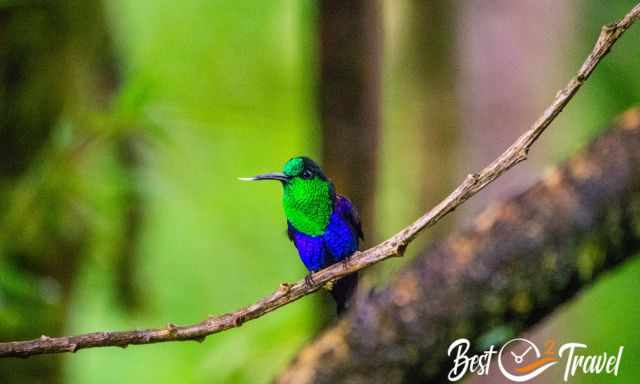
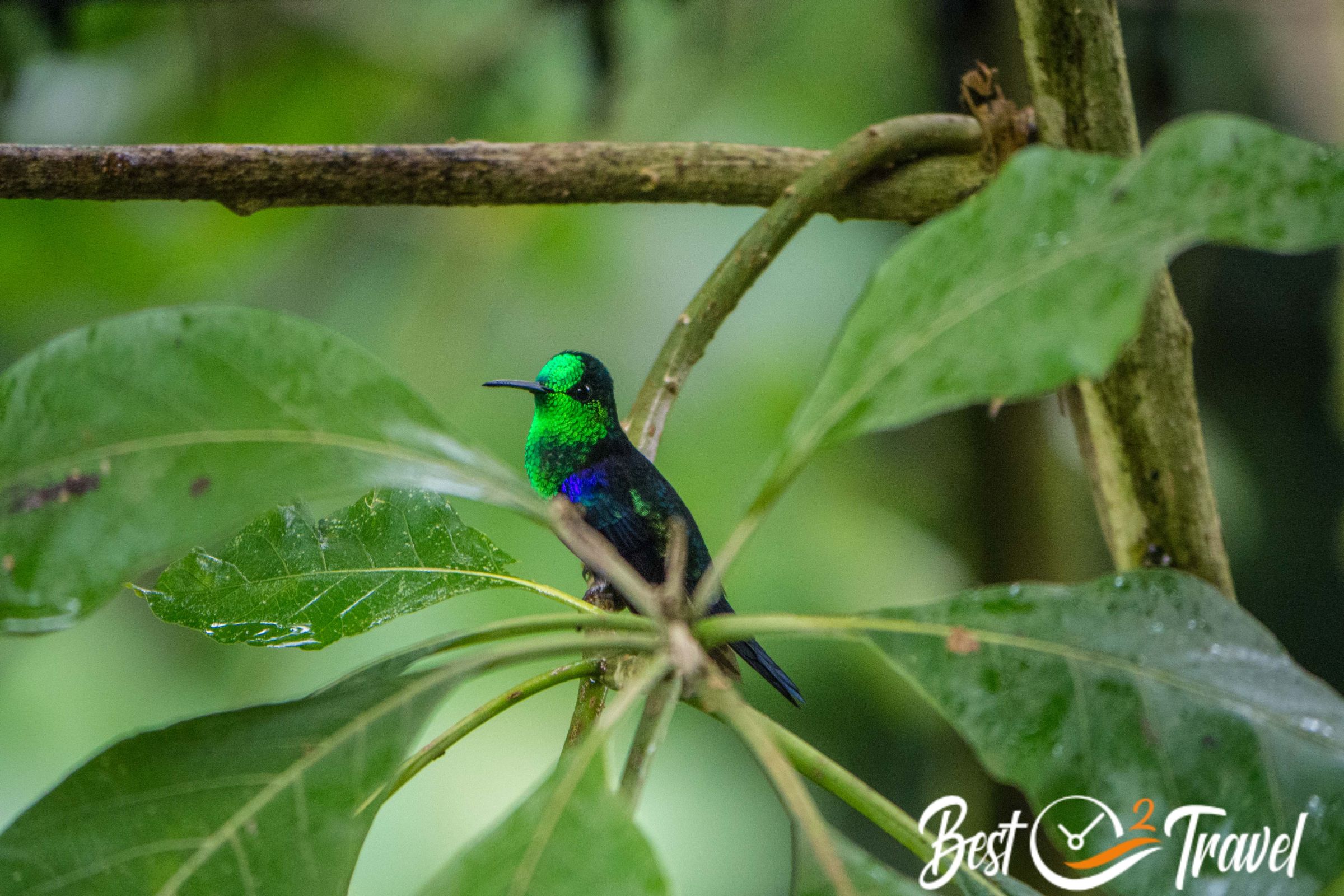
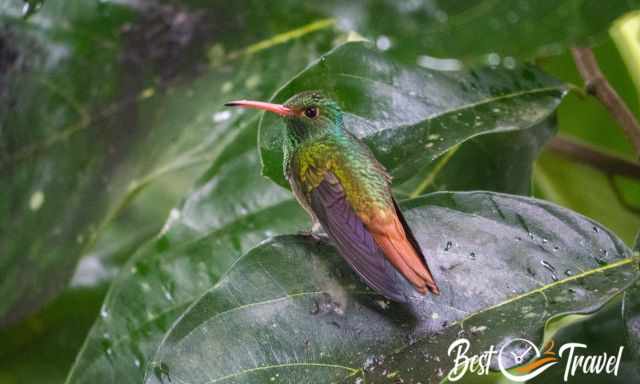
Hummingbirds don’t get their colours from pigments the way many other birds do. Instead, their feathers contain tiny, layered structures that bend and reflect light — a phenomenon called iridescence. When sunlight hits these microscopic layers, the light waves interfere with each other and create shimmering colours that change depending on the angle.
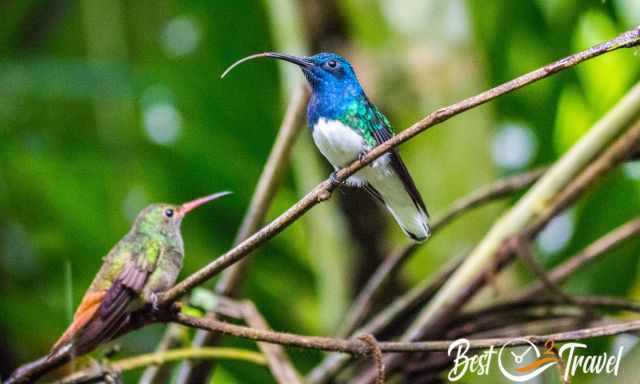
This is why a hummingbird’s throat can look deep green one moment and suddenly flash bright ruby red when it turns its head. The colour isn’t “in” the feather — it’s created by light interacting with the feather.
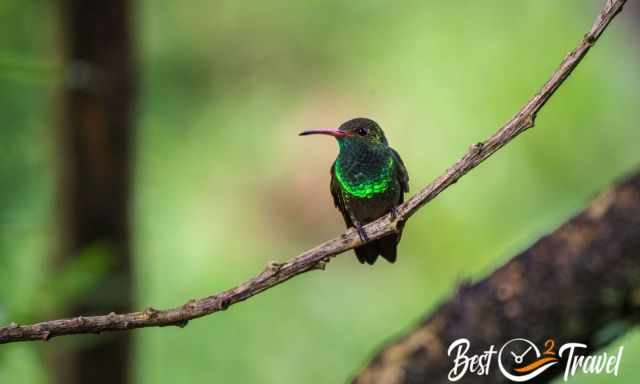
Iridescence also plays a major role in mating. When males perform their high‑energy courtship flights, the shifting light makes their feathers glow like tiny jewels.
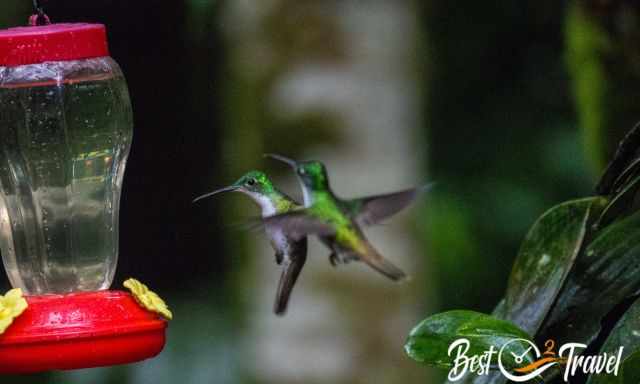
Females can judge a male’s health and fitness by how bright and consistent these flashes appear. Stronger males produce more intense iridescent displays, which helps females choose the best partner.
How to Get to Mindo
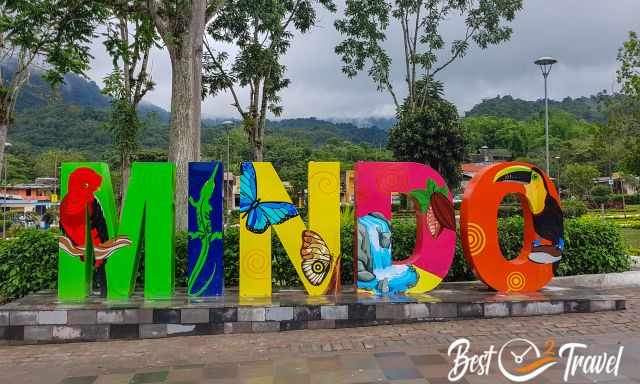
Traveling from Quito to Mindo is straightforward, and you can choose between taxi, guided tour, or bus depending on your budget and comfort level. The fastest and most convenient option is a taxi, although prices have increased due to gas shortages. Expect to pay around $100 one way.

We chose the bus, which is the cheapest option but requires a bit more attention. The ride takes about two hours. Buses from the company Flor de Valle depart frequently from Terminal Terrestre Norte – La Ofelia in Quito. Ask your hostel or hotel for the current departure times. You cannot buy a round‑trip ticket, so when leaving Mindo, arrive early to secure your seat before tickets sell out. Each ticket includes a seat number. For the best views, sit on the right side on the way to Mindo and on the left side when returning to Quito. The ticket price is roughly $5.
A word of caution: keep all valuables and your luggage with you. One passenger’s jacket “disappeared” on the way back to Quito. We left most of our belongings in Quito and traveled only with a backpack, which we kept between our legs. It wasn’t the most comfortable way to travel, but nothing got lost.
Where to Stay in Mindo
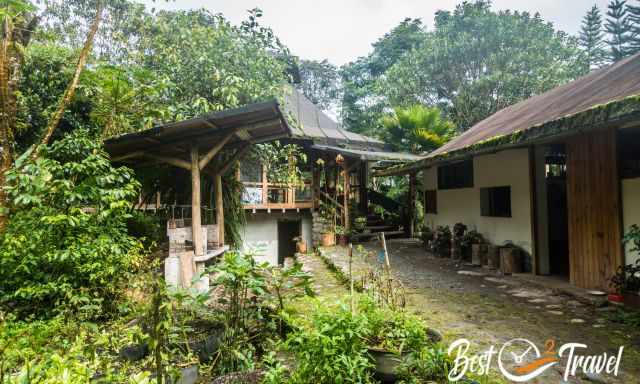
Mindo offers a wide range of accommodations, from simple hostels to beautiful lodges in the cloud forest. We stayed at La Roulotte, a charming and slightly quirky low‑budget option recommended by our hostel in Quito. The property consists of five colourful wooden gipsy wagons, each equipped with a private bathroom. We felt completely safe and comfortable here, and the warm hospitality made our stay even better. Ignacio, who runs La Roulotte, is attentive, friendly, and an excellent chef from Switzerland.
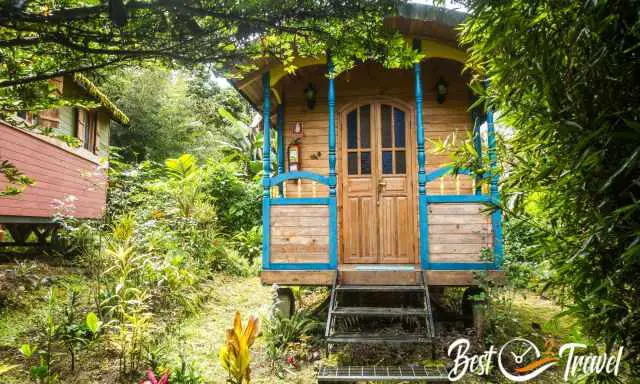
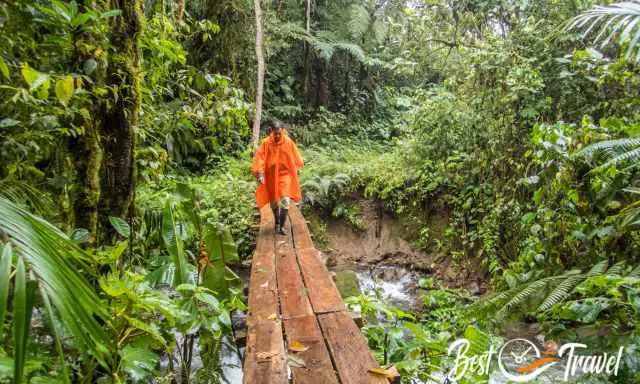
The breakfast was delicious, and the staff even contacted Juan from the Rio Bravo Reserve for us, arranging an unforgettable cloud forest walk. La Roulotte also has a lovely bird‑watching area with hummingbird feeders, perfect for relaxing after a day of exploring.
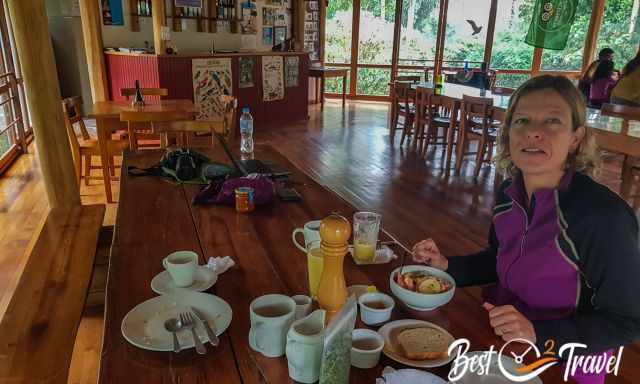
For those seeking a more immersive nature experience, Bellavista Cloud Forest Reserve is one of the ultimate lodges for birdwatching in the Mindo region. Run by a Colombian‑British couple since 1991, Bellavista sits at a higher elevation inside the reserve, surrounded by misty cloud forest and an entirely different range of bird species. The rooms are comfortable, the meals are delicious, and the guides are exceptionally knowledgeable.
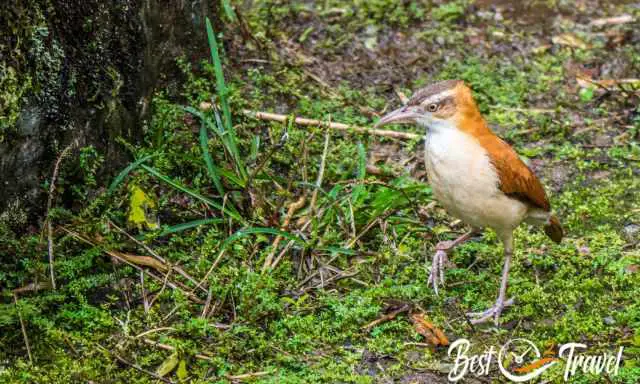
Staying here means waking up to birds right outside your window and having direct access to trails and feeding stations without needing to leave the property.
Why Credit Matters
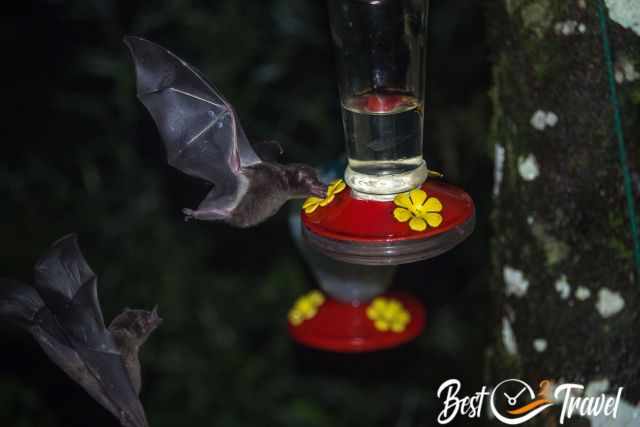
All photos in this article were taken by me during my own travels, and every image represents time, effort, and personal expenses invested to document Mindo’s cloud forest. Please contact me if you wish to use any of my photos. Proper credit is essential, and unauthorized use will be pursued — I take image theft very seriously.
Recommend Tours
To be on the safe side if travelling alone, I highly recommend a guided tour by GetYourGuide for a long full day.
Thx for booking via my website! With your support, I am able to provide all information first-hand. Tour prices are at no extra cost!
Best Months to Visit
Location and Tips

Mindo is a small town on the western slopes of volcano Pichincha at roughly 1200 to 1300 m/ around 4000 ft altitude and famous for birdwatchers from all over the world. The Andean cloud forest elevations range from 900 to 2.500 m/ 3000-8000 ft above sea level.