
When Is the Best Time
The Kona Manta Ray Night Snorkel & Dive is one of Hawaii’s most unforgettable wildlife experiences. At a natural manta feeding site near the Kona airport, snorkelers float at the surface while divers watch from the seafloor as giant manta rays glide through beams of light. This guide explains the best time to go, how the tours work, what conditions to expect, and why Kona is one of the most reliable places in the world to see manta rays up close.
Are Manta Rays Seasonal in Kona?
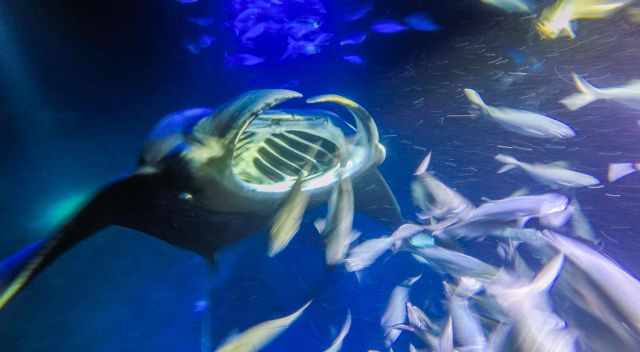
Manta rays are present year‑round at the Kona manta sites, so there is no specific season for sightings. Snorkel and dive tours operate every day, both during daylight hours and after sunset for the famous night experience.
However, ocean conditions can affect tours — especially in winter and early spring (November–March/April) when swells are more common. Tours often sell out days in advance, particularly on weekends and during peak travel periods.
Why Kona Is One of the Best Places in the World to See Manta Rays
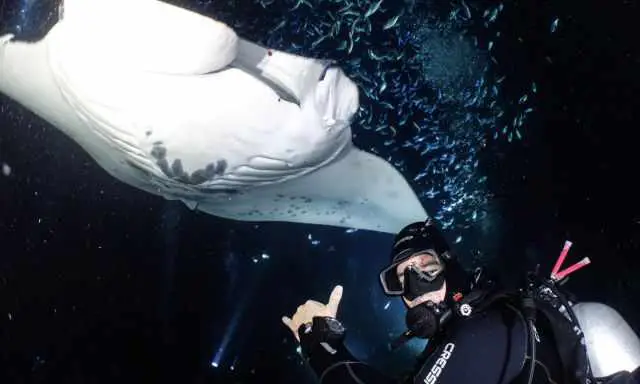
Kona’s coastline is home to a natural manta ray “cleaning station” near the airport. This is where mantas gather to feed and interact with cleaner fish.
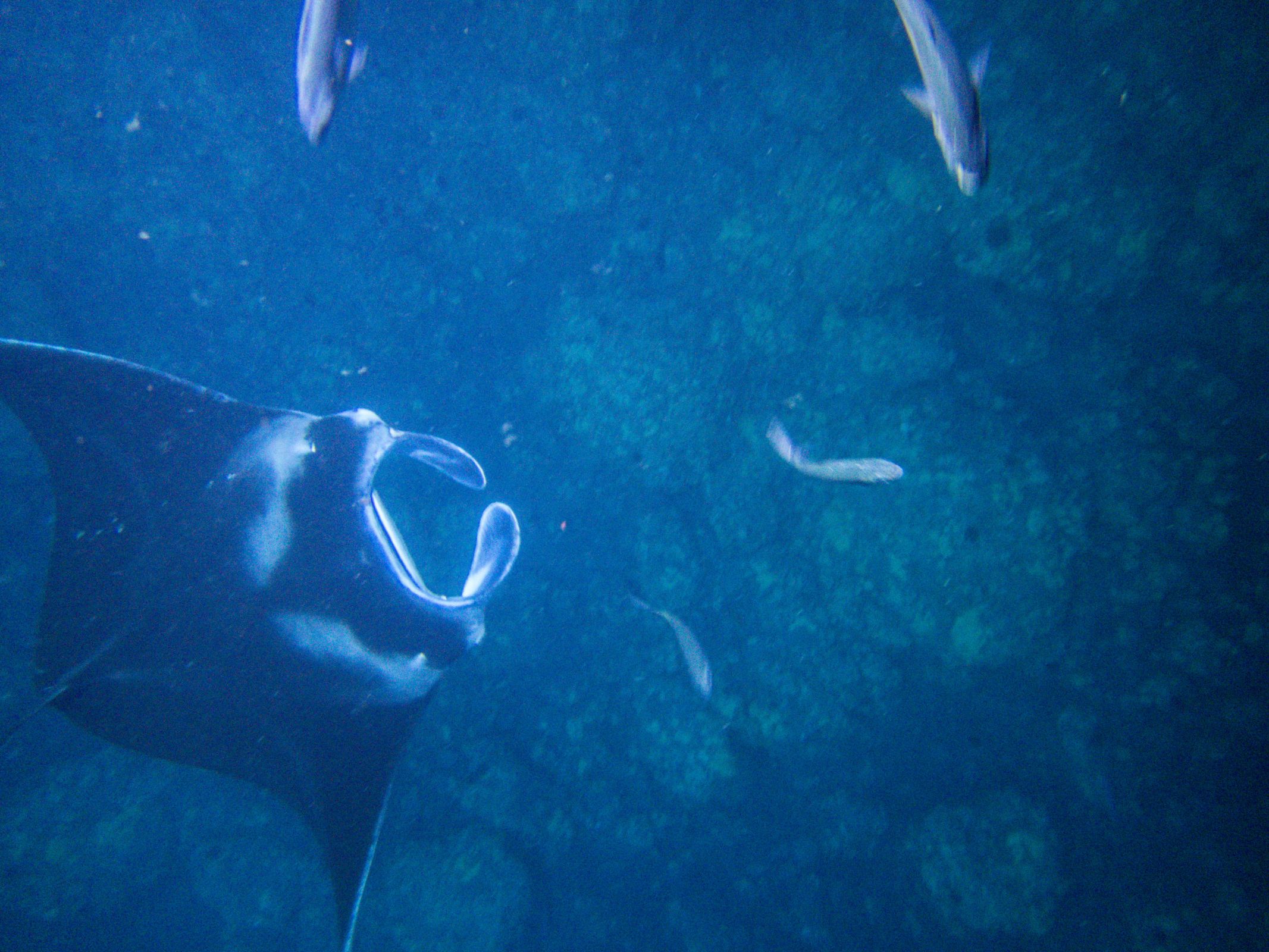
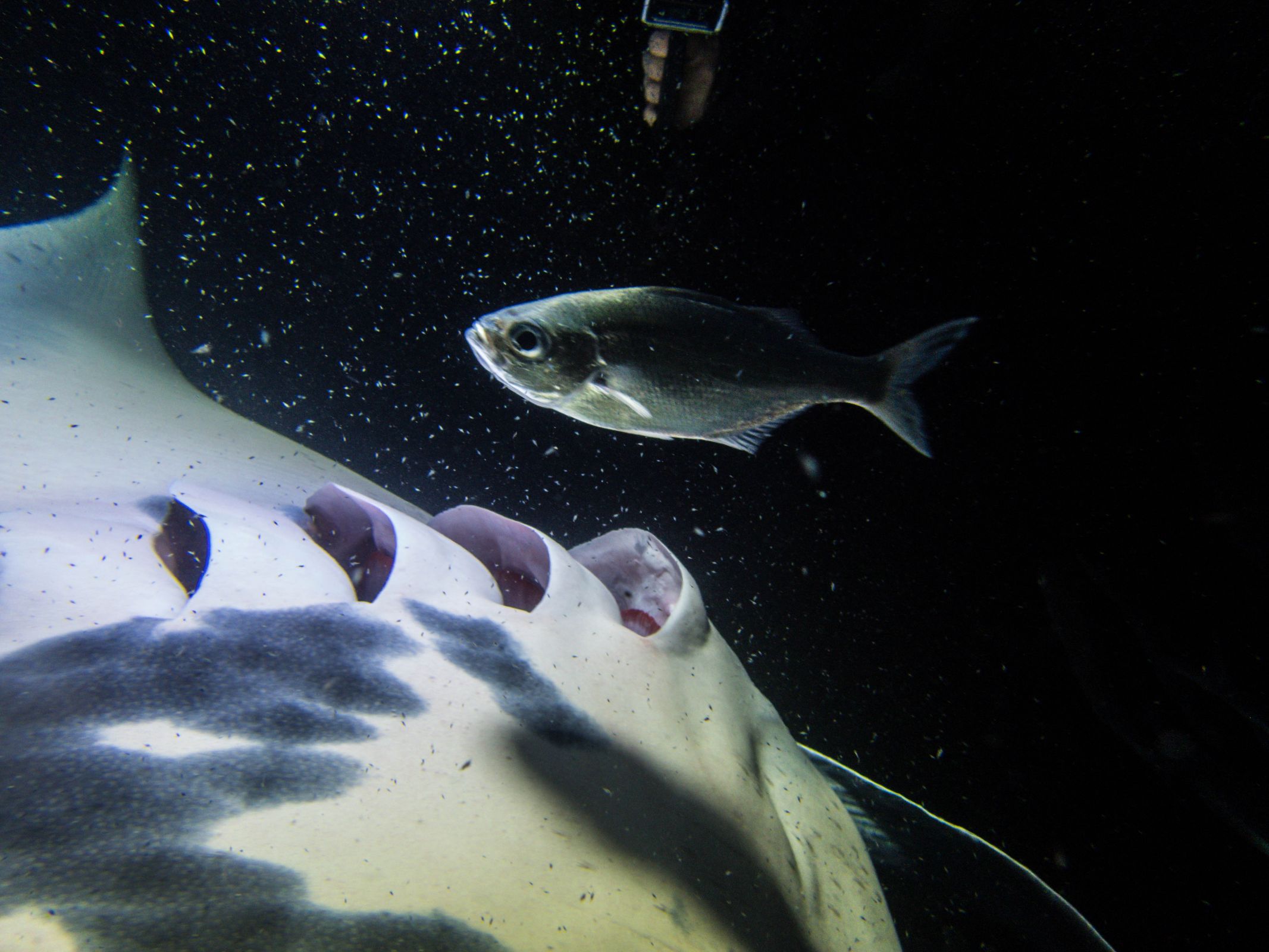
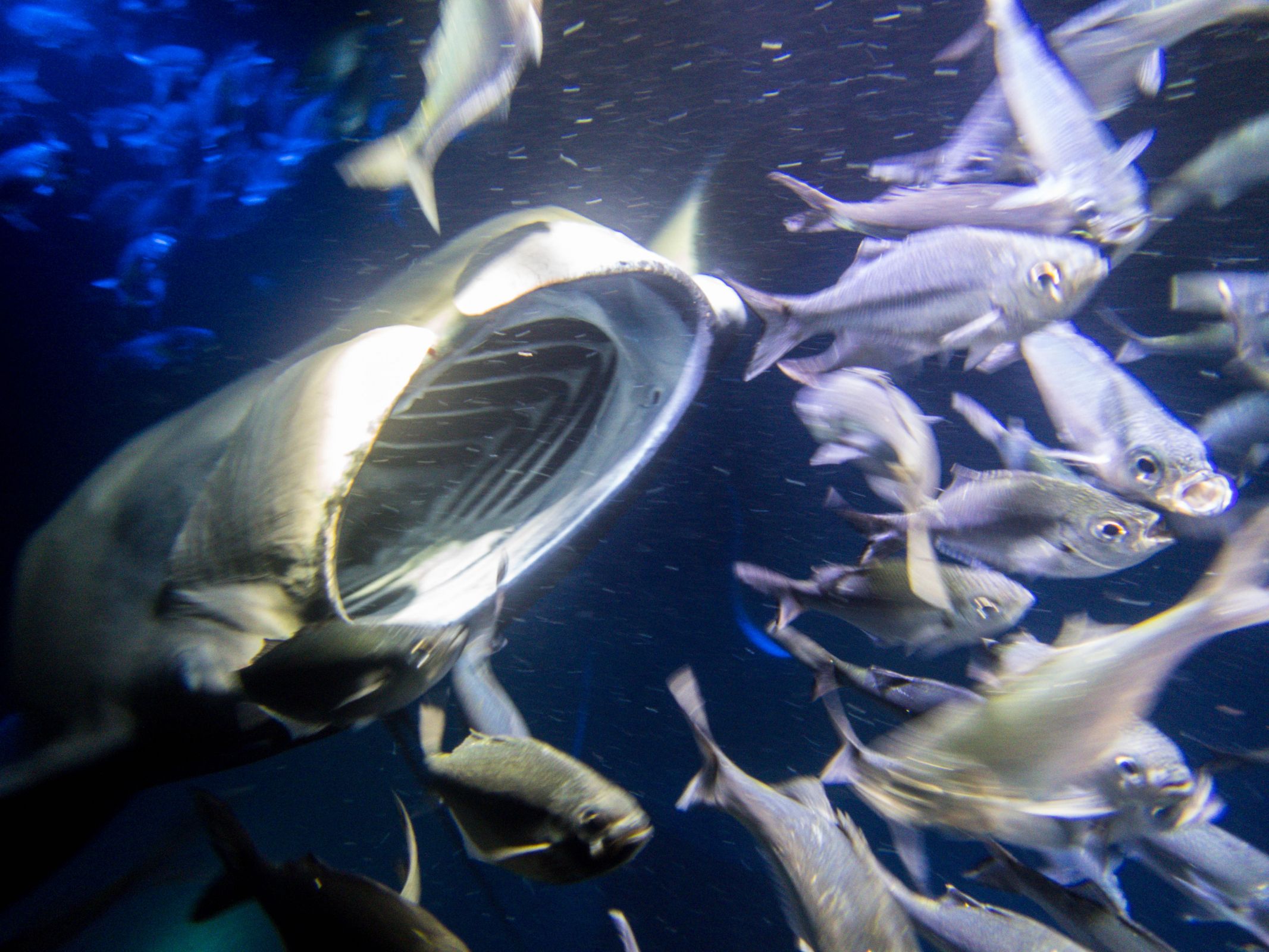
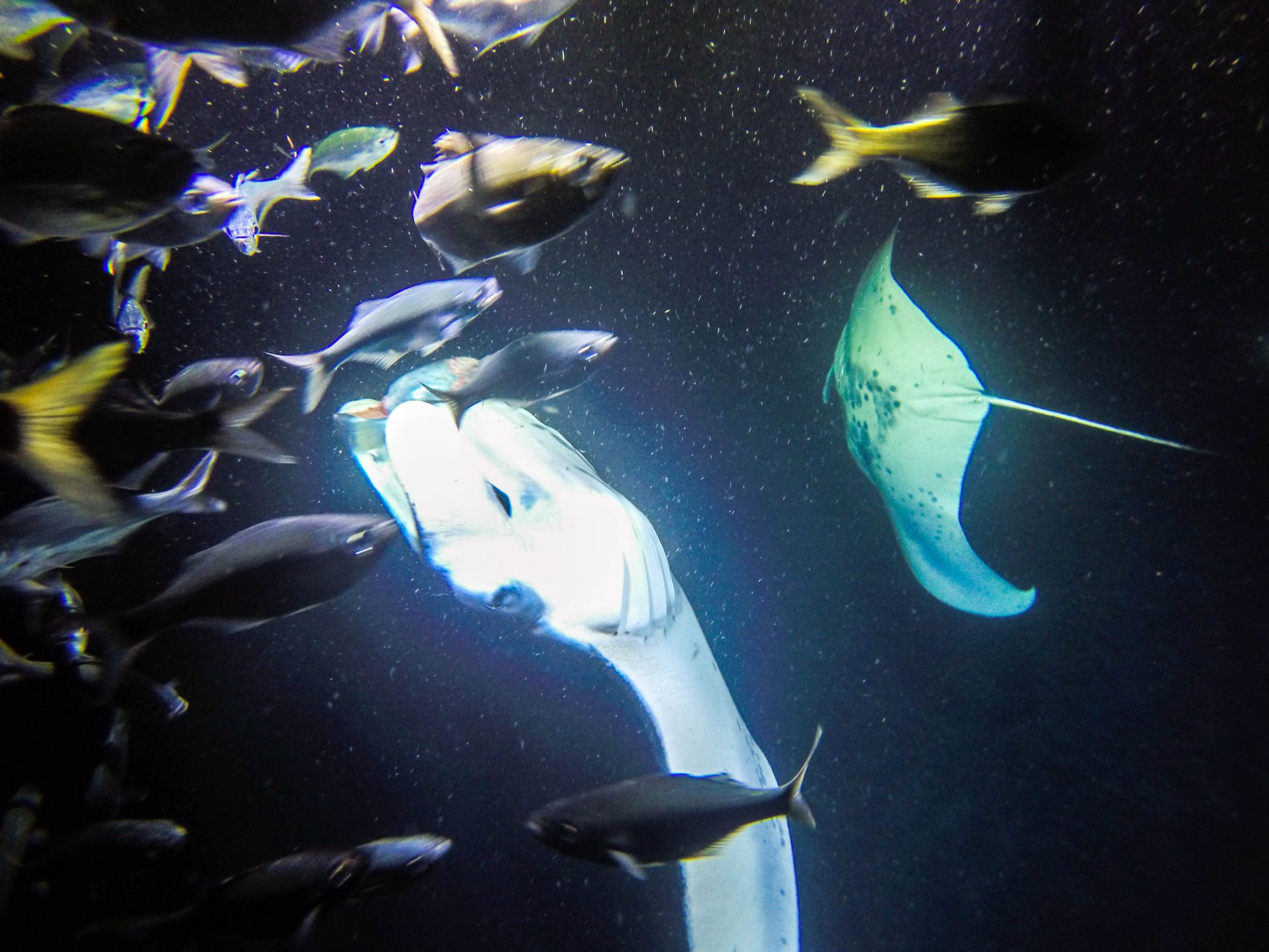
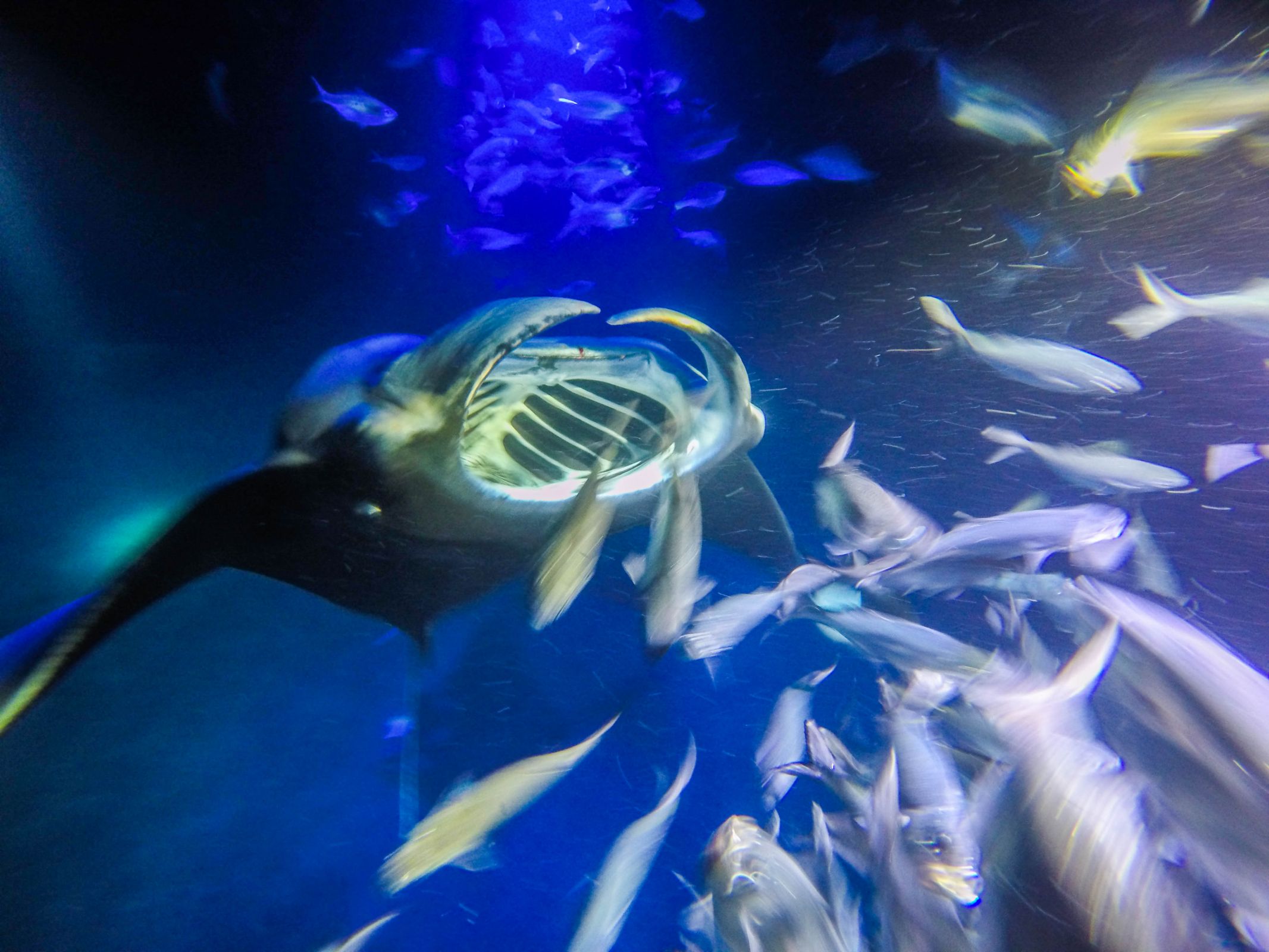
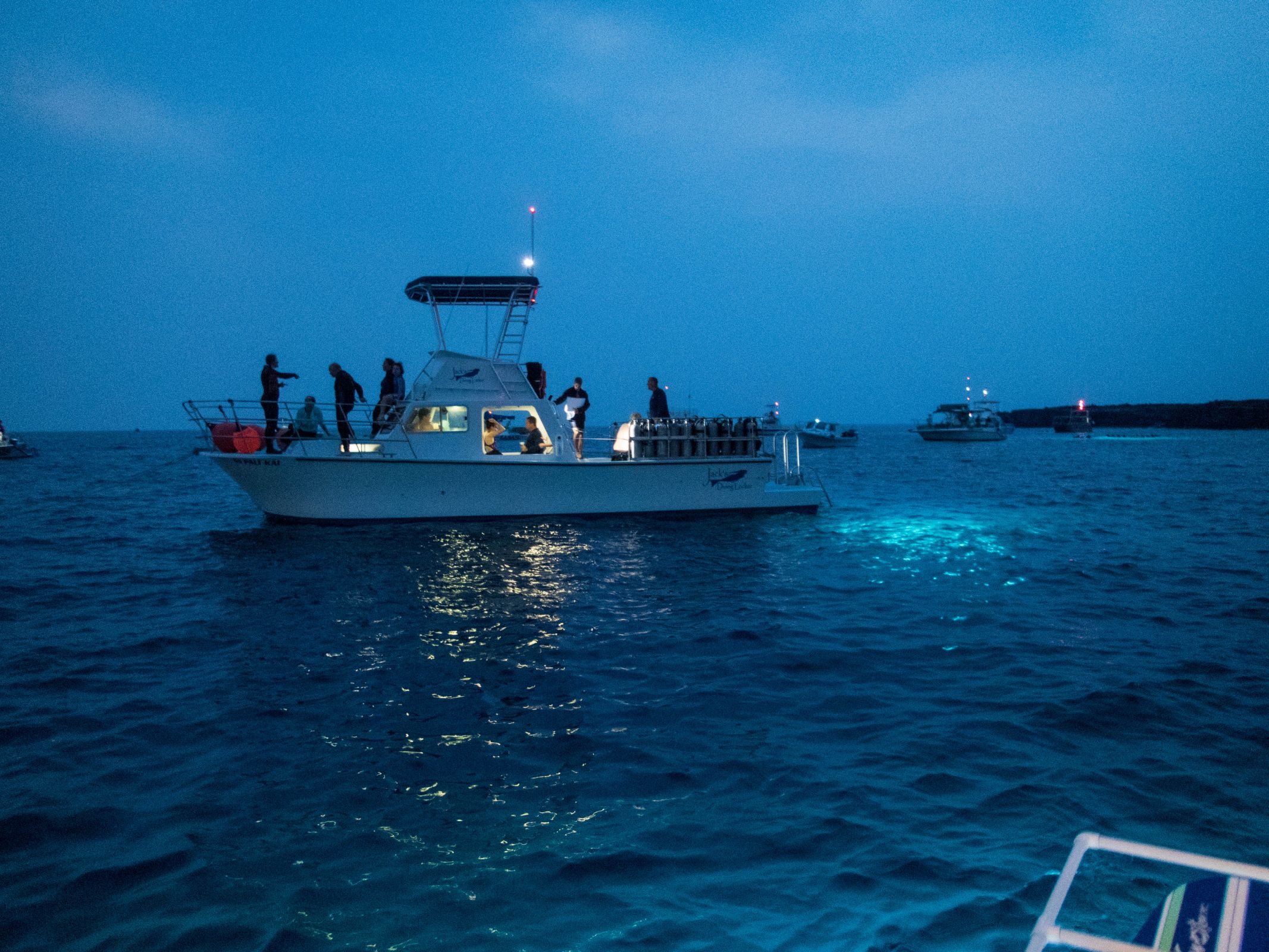
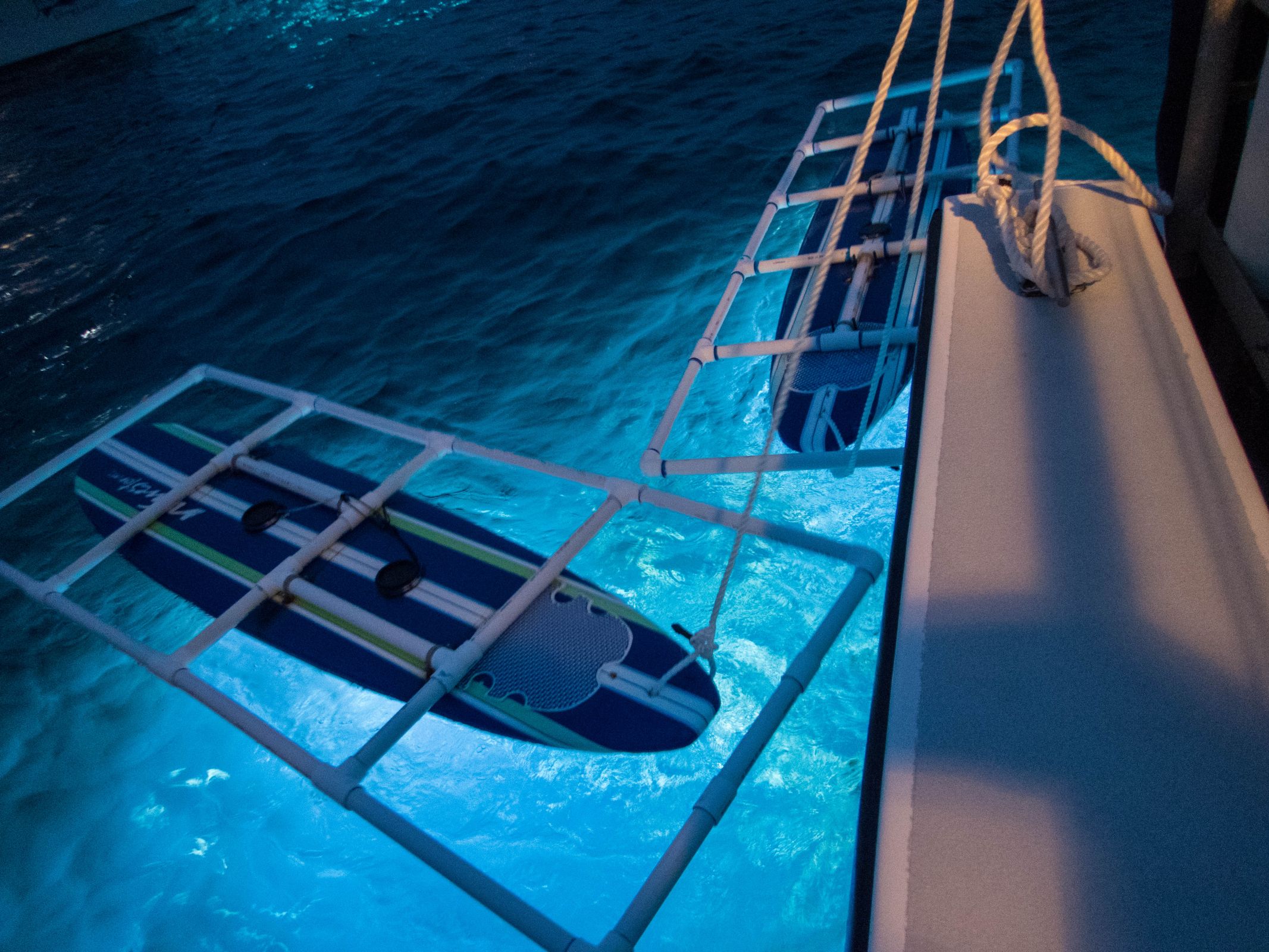
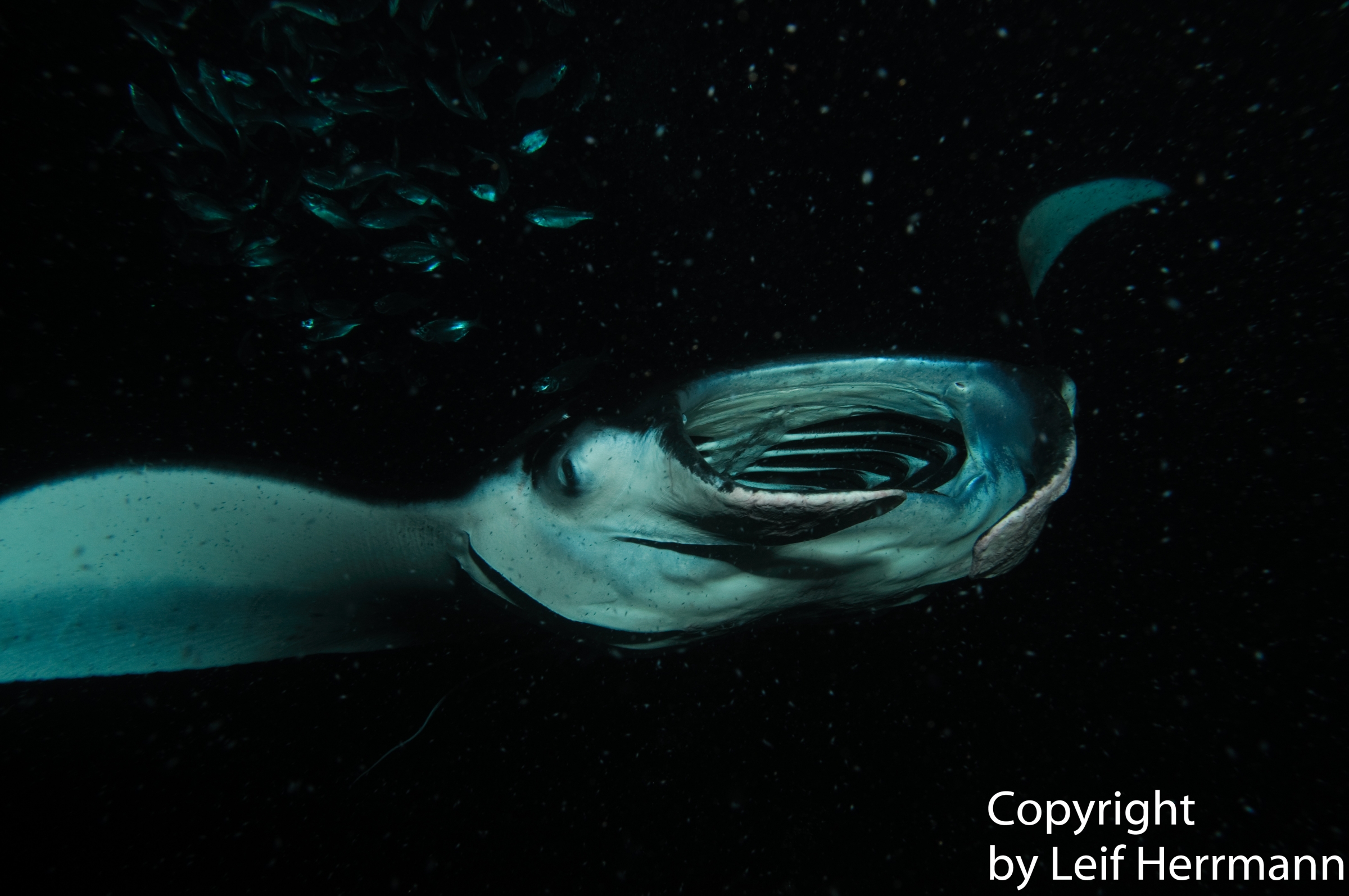
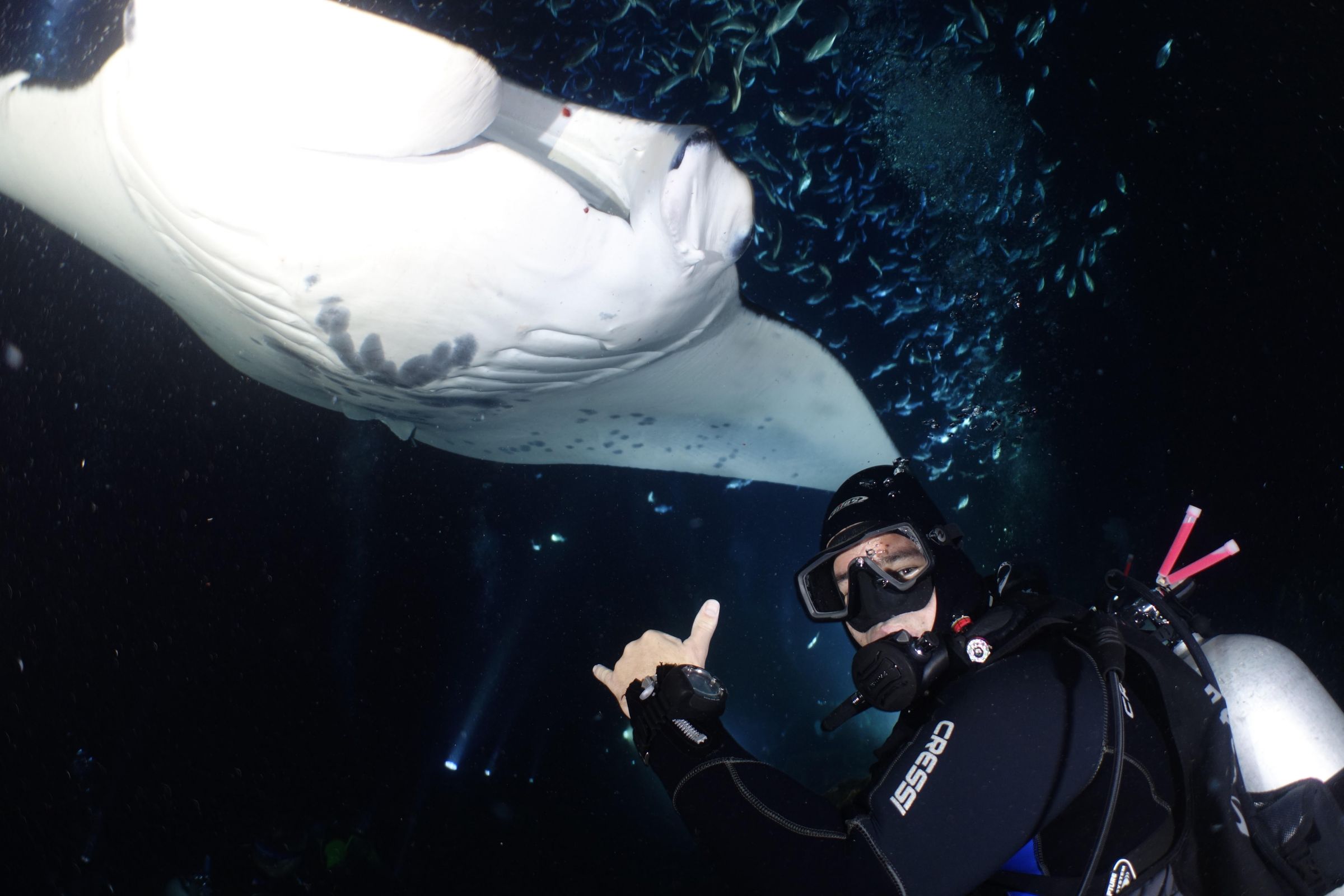
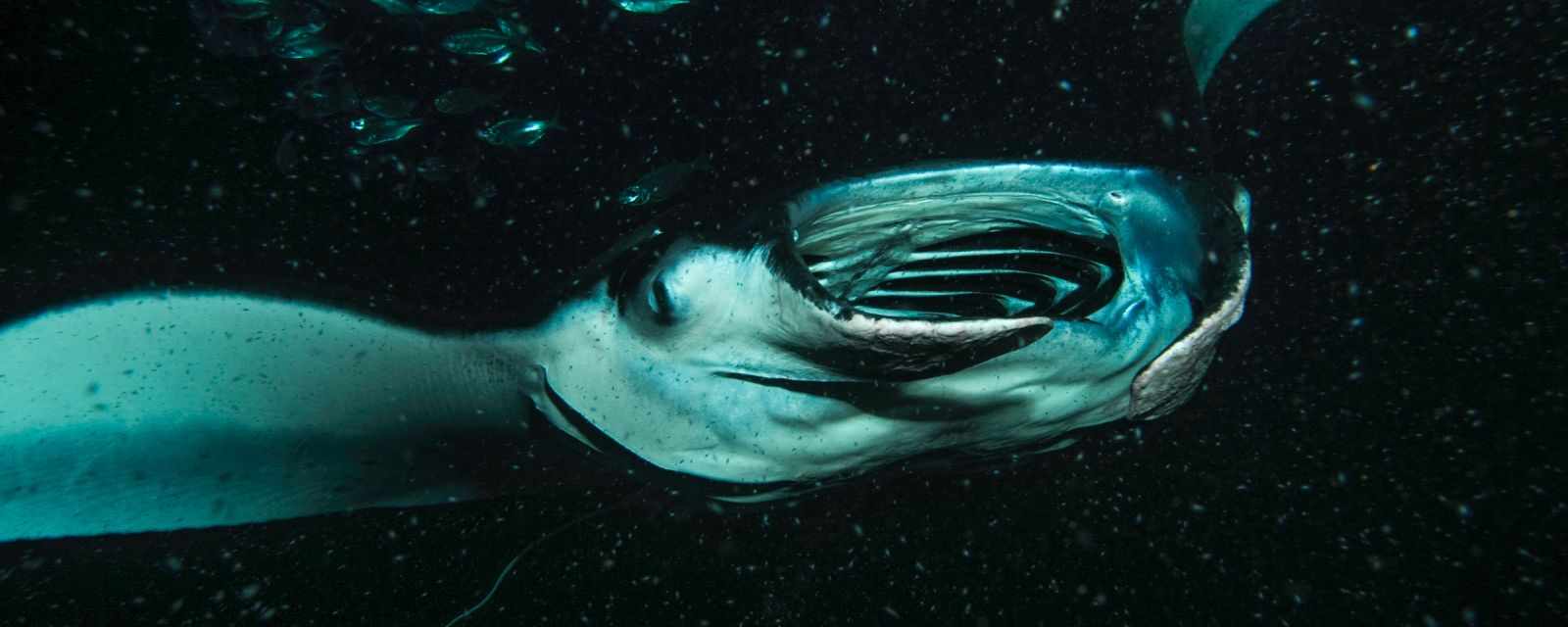
Tour operators set up lights on the surface (for snorkelers) and on the seafloor (for divers). These lights attract plankton — and the plankton attract the manta rays. Snorkelers float at the surface holding a lighted board, while divers sit on the bottom and watch the mantas glide overhead.
This setup creates the famous “manta ray dinner show” — and the encounters are often incredibly close.
How Close Do the Mantas Get?
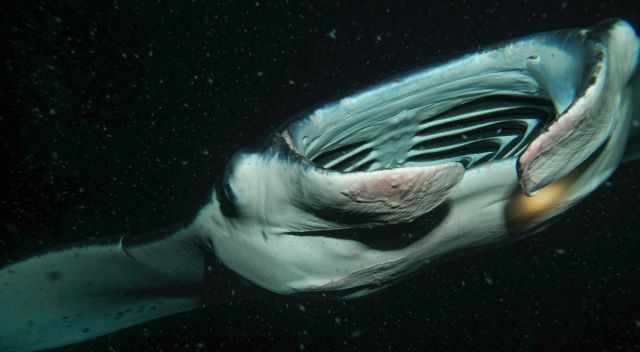
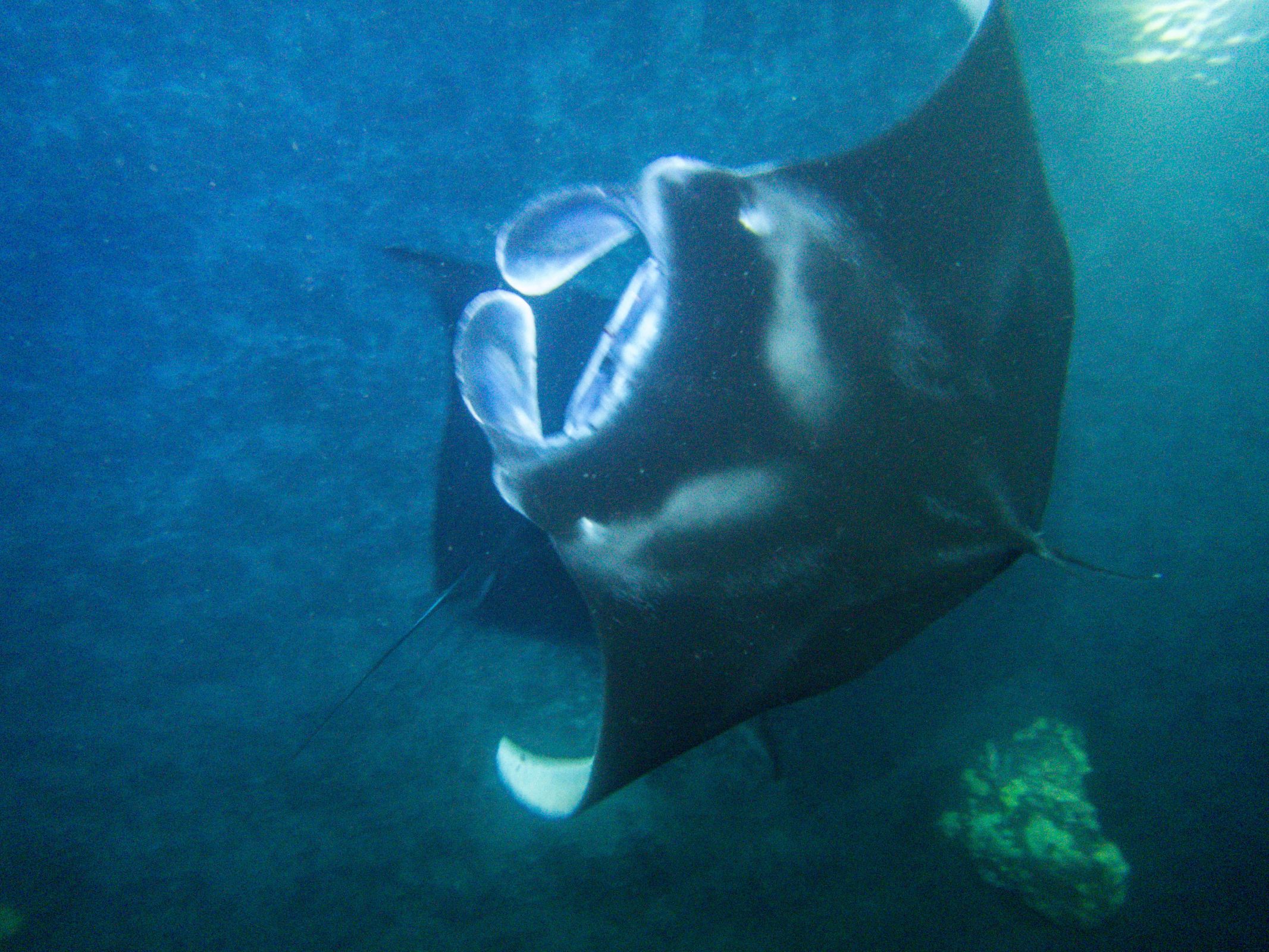
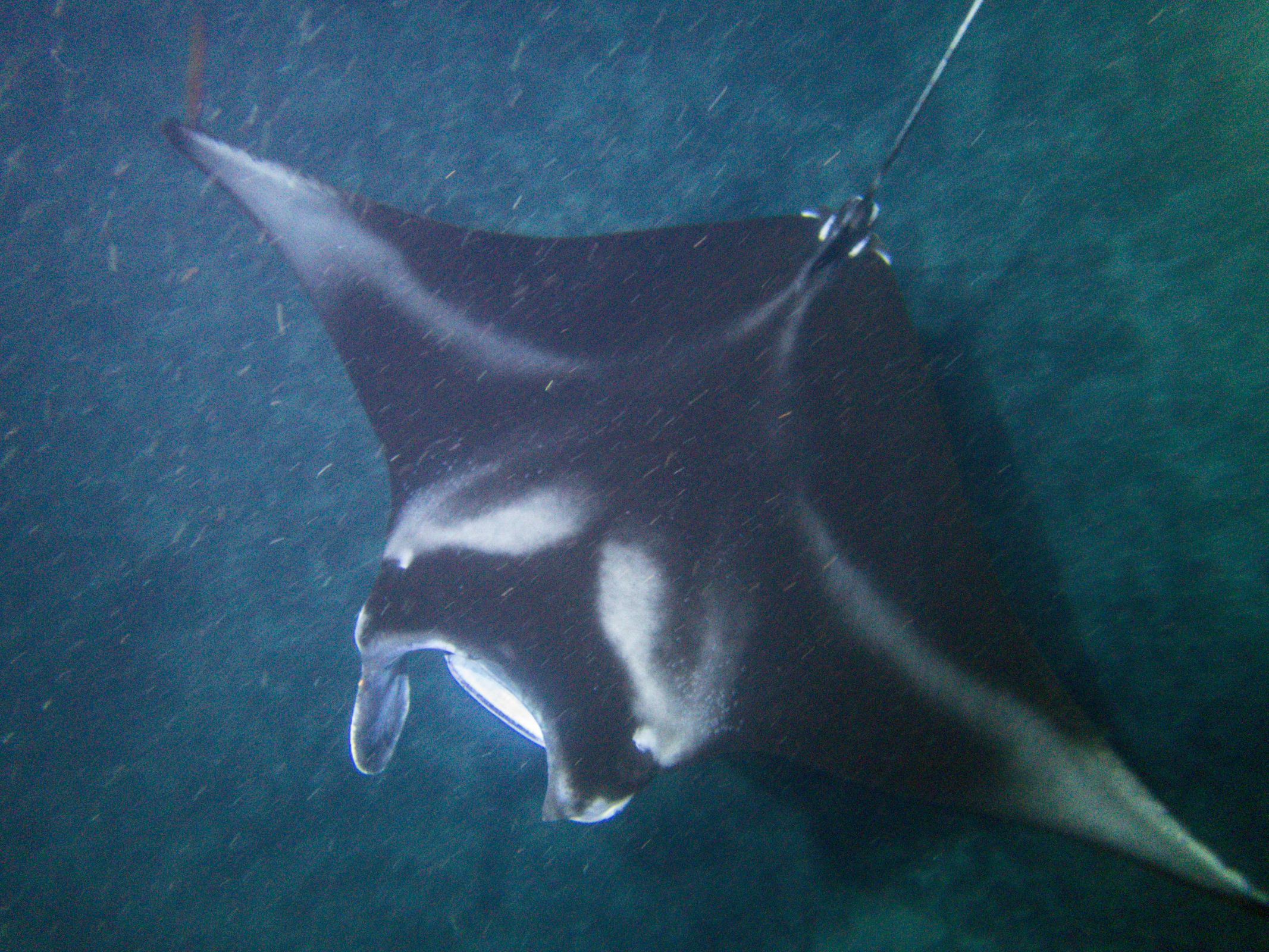
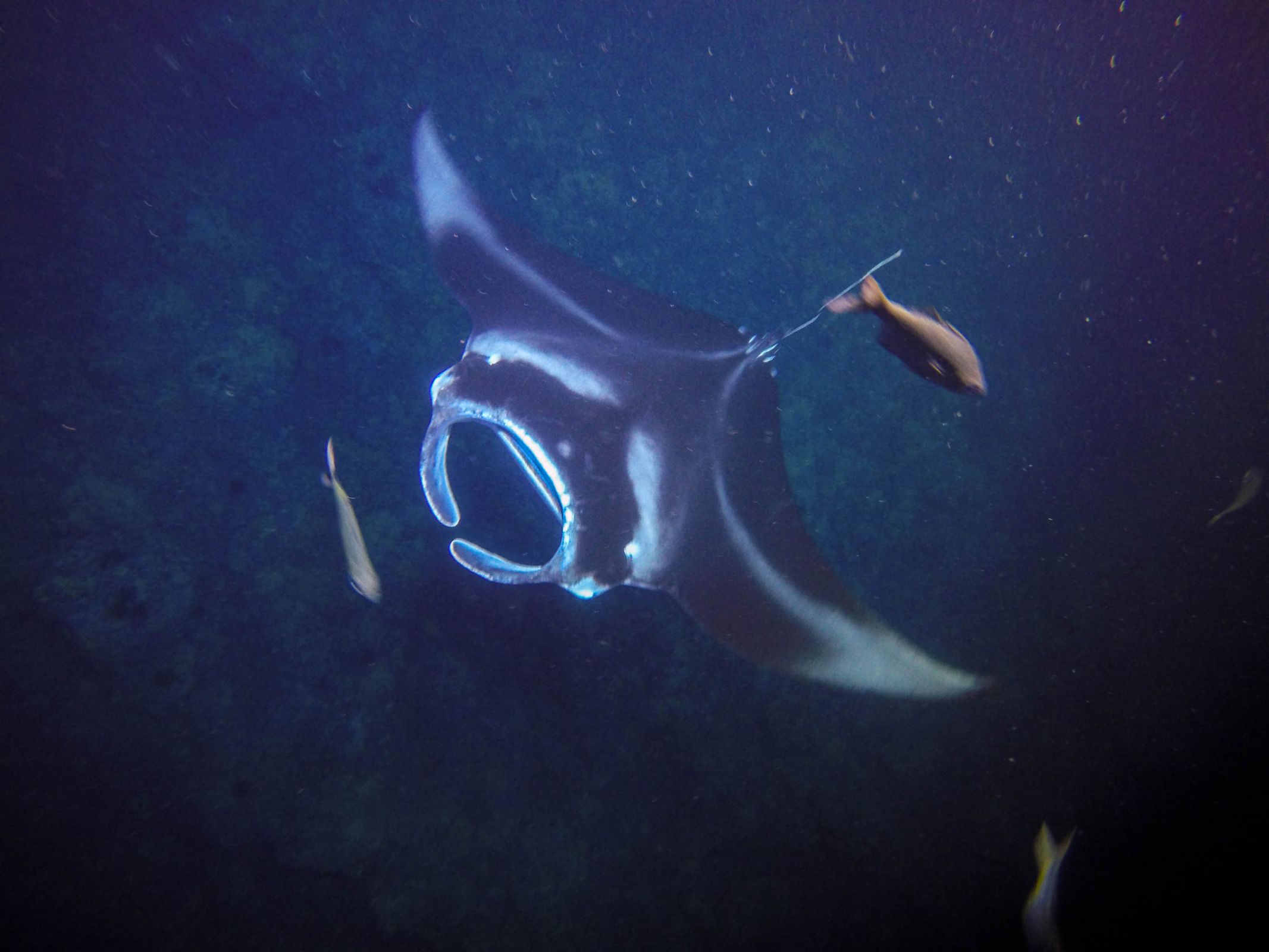
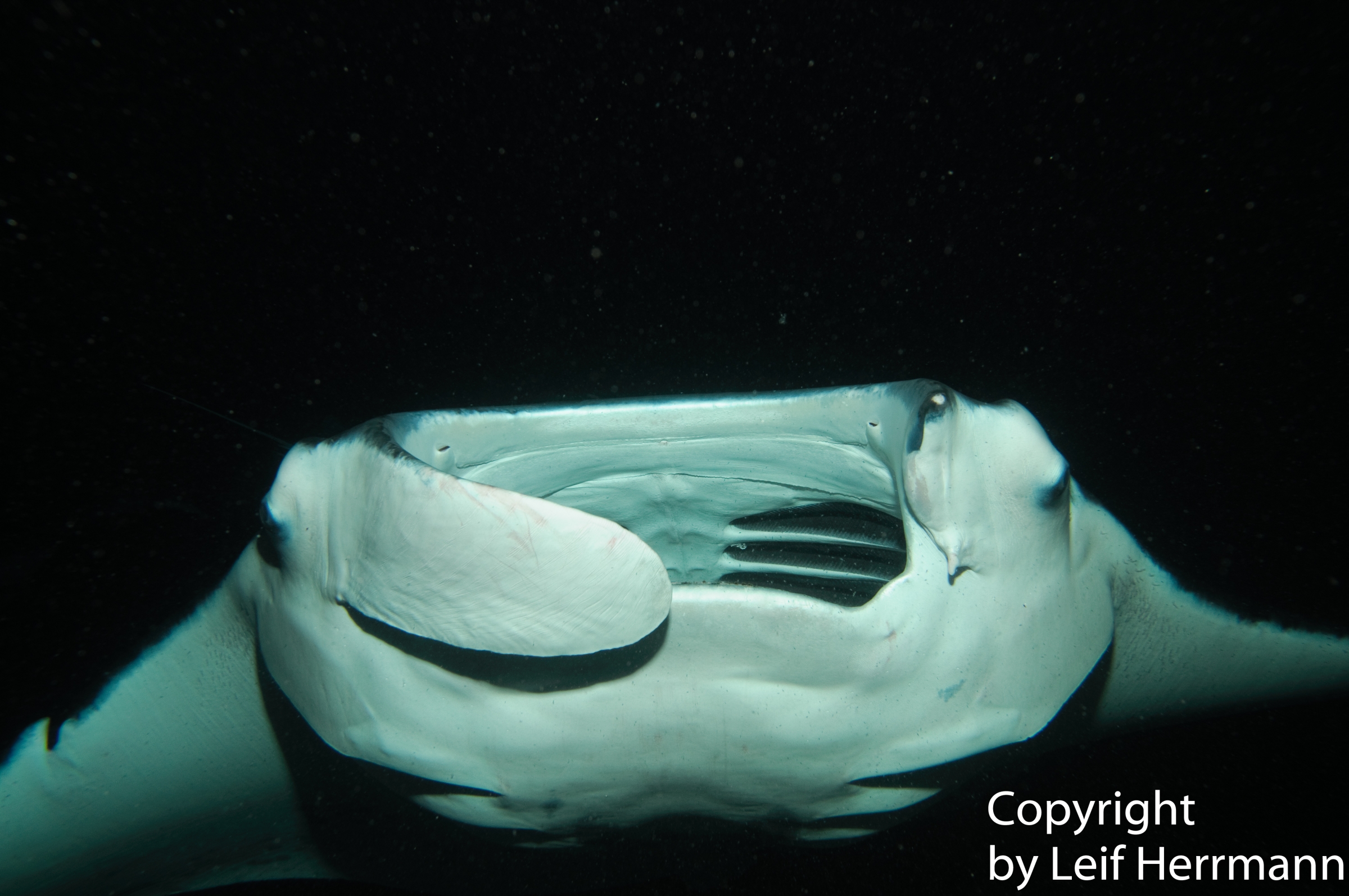
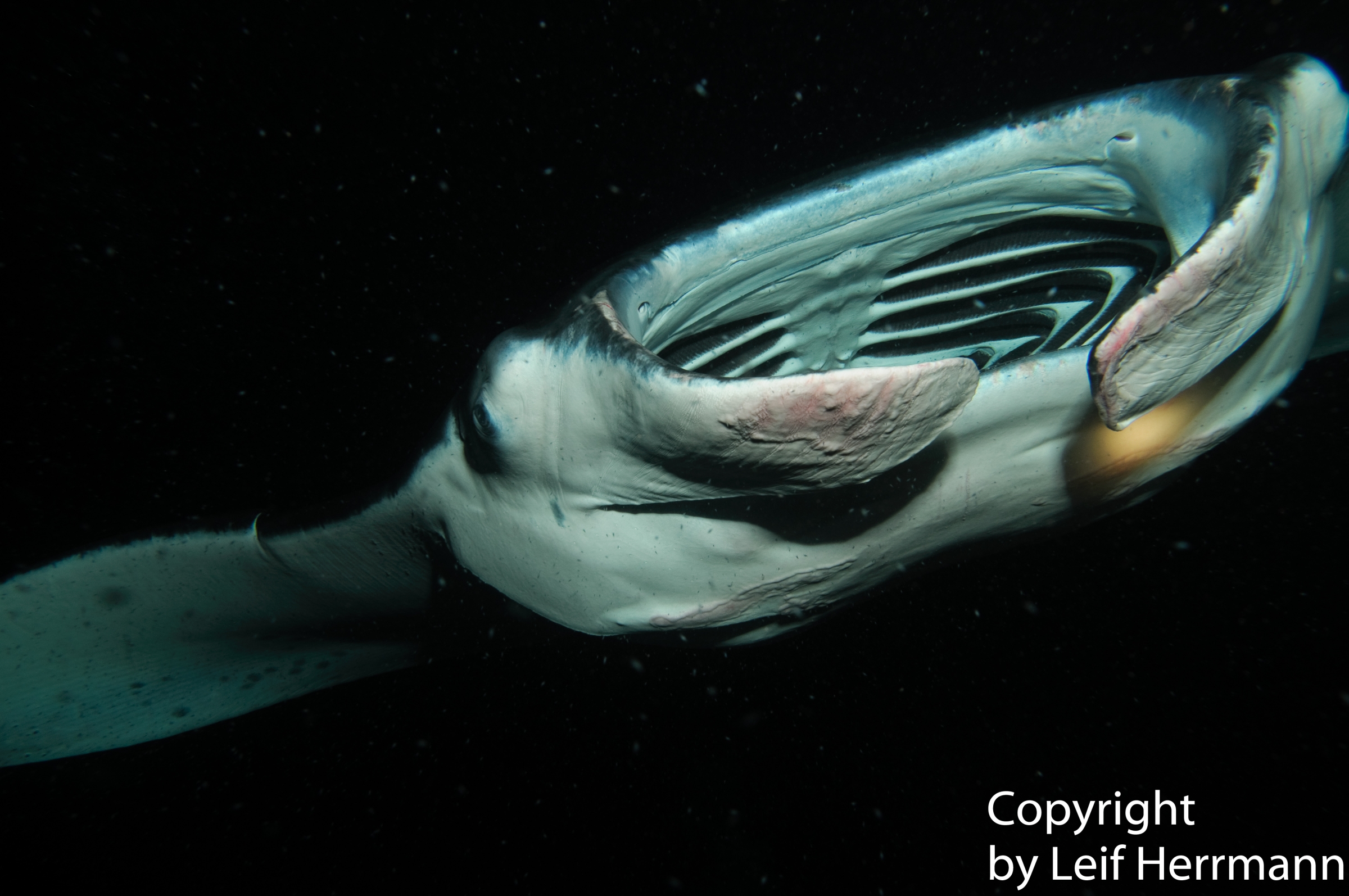
Very close. Mantas often swim right up to the surface, performing loops and barrel rolls as they feed. It can feel like they’re about to bump into you — but they never touch snorkelers or divers.
Important: Never touch a manta ray. Human contact can cause bacterial infections and damage their protective skin layer.
Crowds and Capacity: What to Expect
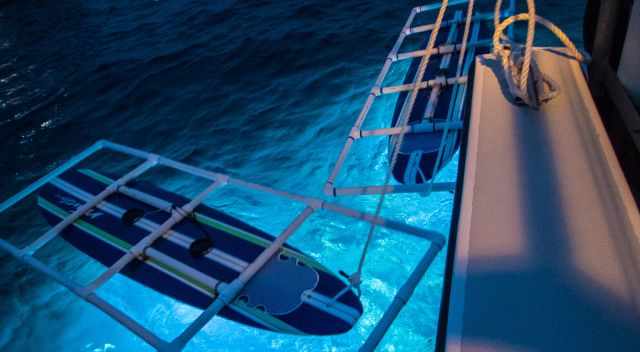
The Kona manta experience is extremely popular. Even in shoulder season, up to 150 people may be in the water at the same time. Despite the crowds, operators ensure everyone has:
- enough space at the floating device
- a clear view of the mantas
- time for photos and video
Advanced booking is strongly recommended!
My recommend snorkel tour by GYG thanks for booking via my website. With your support I am able to provide these information for free.
Best Time of Year to Snorkel or Dive With Manta Rays
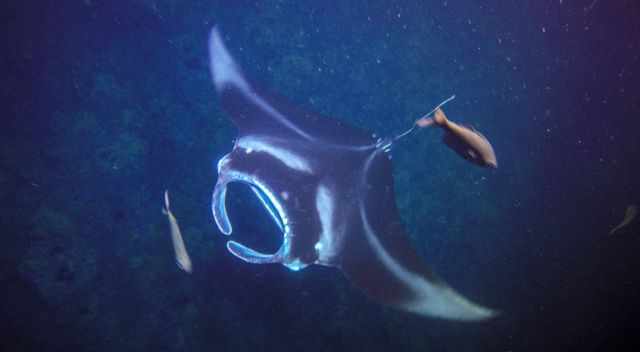
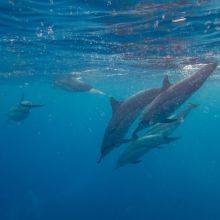
Manta ray feeding in the blue water near Kona.
Shoulder Season (Best Balance)
- Mid‑April to mid‑June
- September to November Fewer visitors, calmer ocean conditions, and good manta activity. Note: Japan’s Golden Week (late April–early May) increases crowds.
Peak Season (Most Crowded)
- July–August (summer travel)
- October (Ironman World Championship)
- Christmas, New Year’s, Independence Day week Tours sell out quickly and prices rise.
My Experience: A Bucket‑List Moment
Seeing manta rays up close was something I had dreamed of for years. A friend who dove in Kona told me it was one of the most thrilling underwater encounters he ever had — and he was right.
We saw six manta rays at the same time, gliding gracefully through the light beams. Some came so close I instinctively pulled back, even though they never touched me. It was mesmerizing.
Snorkel vs. Dive: What’s the Difference?
Snorkeling
- Float at the surface
- Hold onto a lighted board
- Mantas often swim right beneath you
- Perfect for beginners and families
Diving
- Sit on the sandy bottom
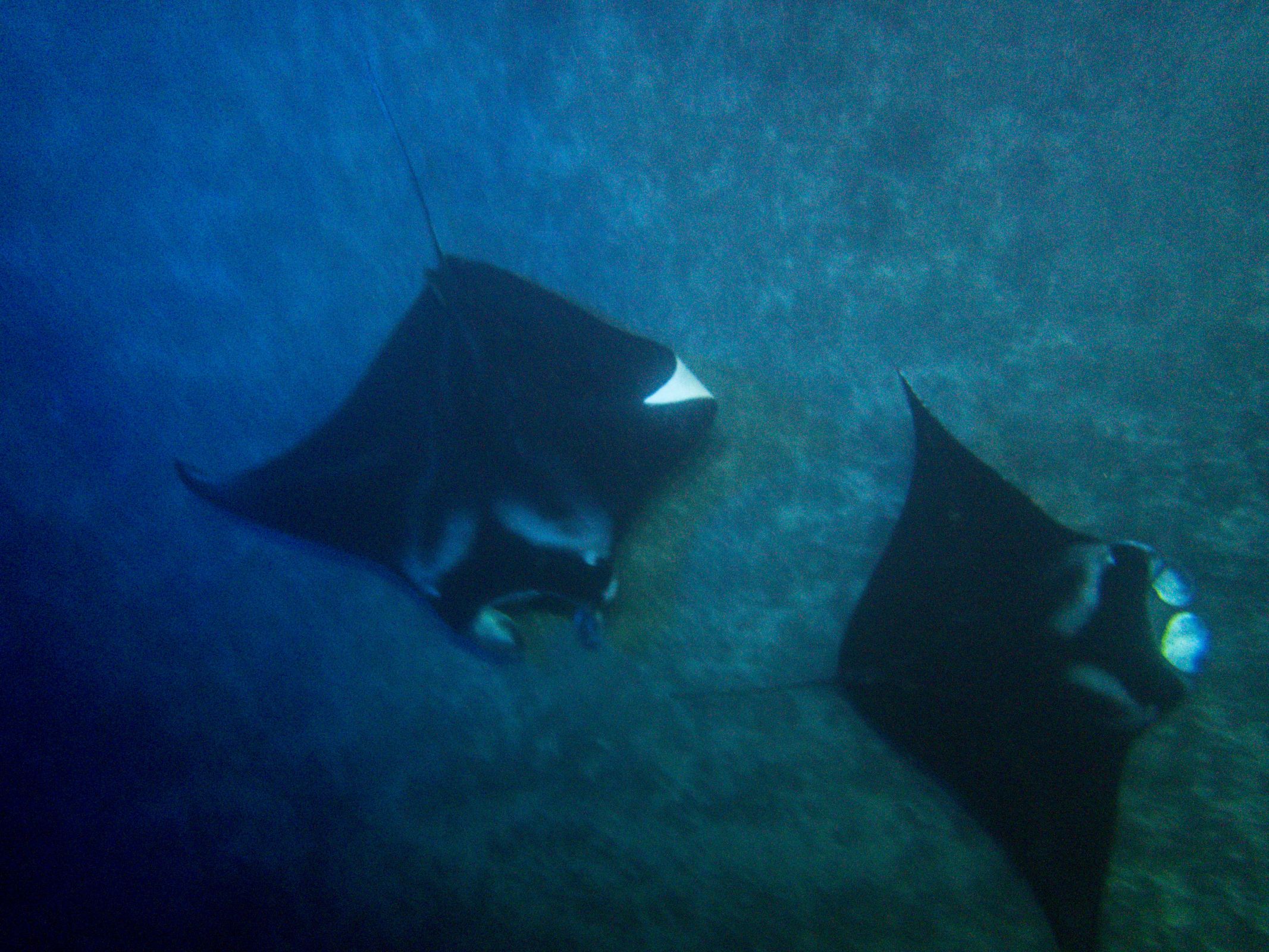
- Watch mantas loop above your head
- Ideal for certified divers
- Same location as snorkelers
Both experiences happen at the same site — Manta Heaven (also known as Golden Eel Cove).
Where the Tour Takes Place
The manta site is located north of Kona, close to the airport. This is one of the most reliable manta ray locations in the world.
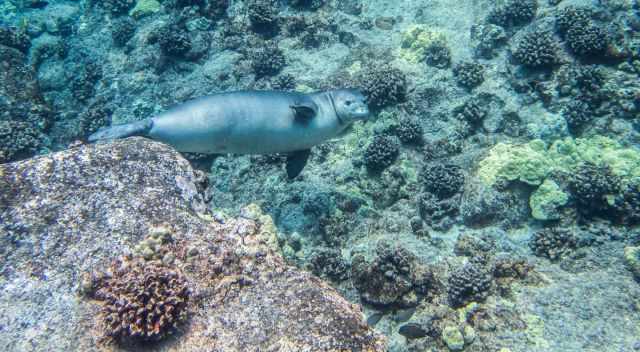
The next day, we returned for free diving and were lucky enough to spot a rare Hawaiian monk seal — another unforgettable moment.
Can You Ever Miss the Mantas?
Yes — although it’s rare. Because this is a wildlife encounter, sightings are never guaranteed. If possible, plan two nights in Kona so you have a backup option.
Weather and Ocean Conditions in Kona
Kona lies on the dry west coast of the Big Island, which receives far less rain than Hilo or the eastern side. Showers can occur anywhere in Hawaii, especially in the late afternoon or at night, but Kona is generally sunny, warm, and dry throughout the year.
Hawaii has only two seasons:
- Summer (May–October) – drier, calmer ocean
- Winter (November–April) – wetter, rougher ocean
Ocean temperatures stay warm year‑round at 77–82°F (25–28°C), which keeps the air mild as well.
Best Time for Manta Snorkel & Dive Tours
The most reliable conditions are from April/May to October, when the sea is calmer and visibility is better. Winter swells can occasionally cancel tours, especially from December to March.
Summer – The Drier Season (May to October)
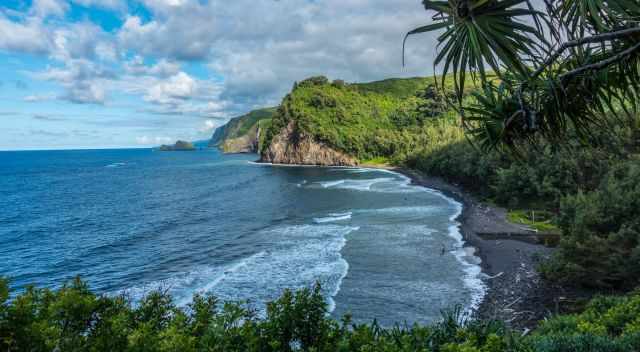
Summer brings calmer seas, making snorkeling easier — especially for beginners. Typical Kona temperatures:
- Day: around 87°F (31°C)
- Night: around 73°F (23°C)
Clouds often hang over Kona in summer, but rain is rare.
Winter – The Rainy Season (November to April)
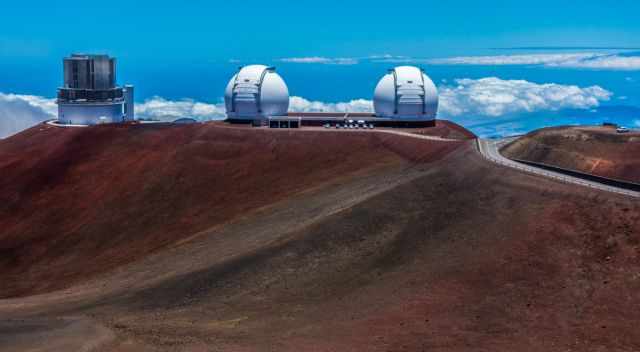
Snow often occurs on Mauna Kea in winter.
Winter brings more rain, wind, and larger swells, which can affect manta tours. Temperatures remain pleasant:
- Day: above 80°F (27°C)
- Night: around 66°F (19°C)
Snow on Mauna Kea is common in winter — a fun contrast to warm ocean water.
Winter Diving Highlights
Even though ocean conditions can be rougher, winter offers some special encounters:
- Hammerhead sharks — possible year‑round, but most common in January and February
- Whale sharks — occasionally seen mid‑December to mid‑January
Hawaiian Manta Rays Facts
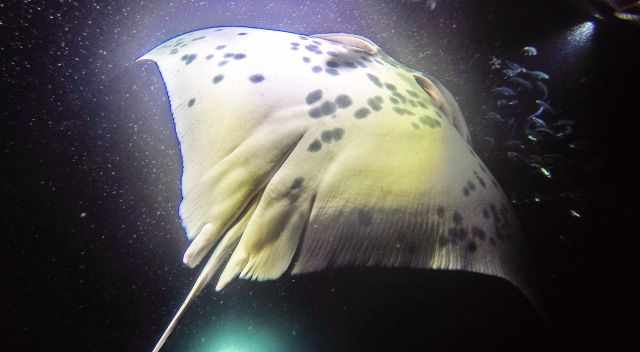
- The Hawaiian manta ray species belongs to the Manta Alfredi.
- Big Island - Kona has the highest population density of all Hawaiian Islands, with more than 270 manta rays found in the vicinity of around 40 miles.
- These manta rays don't migrate.
- Usually, they reach 10 to 12 feet in width, but one here is over 14 feet.
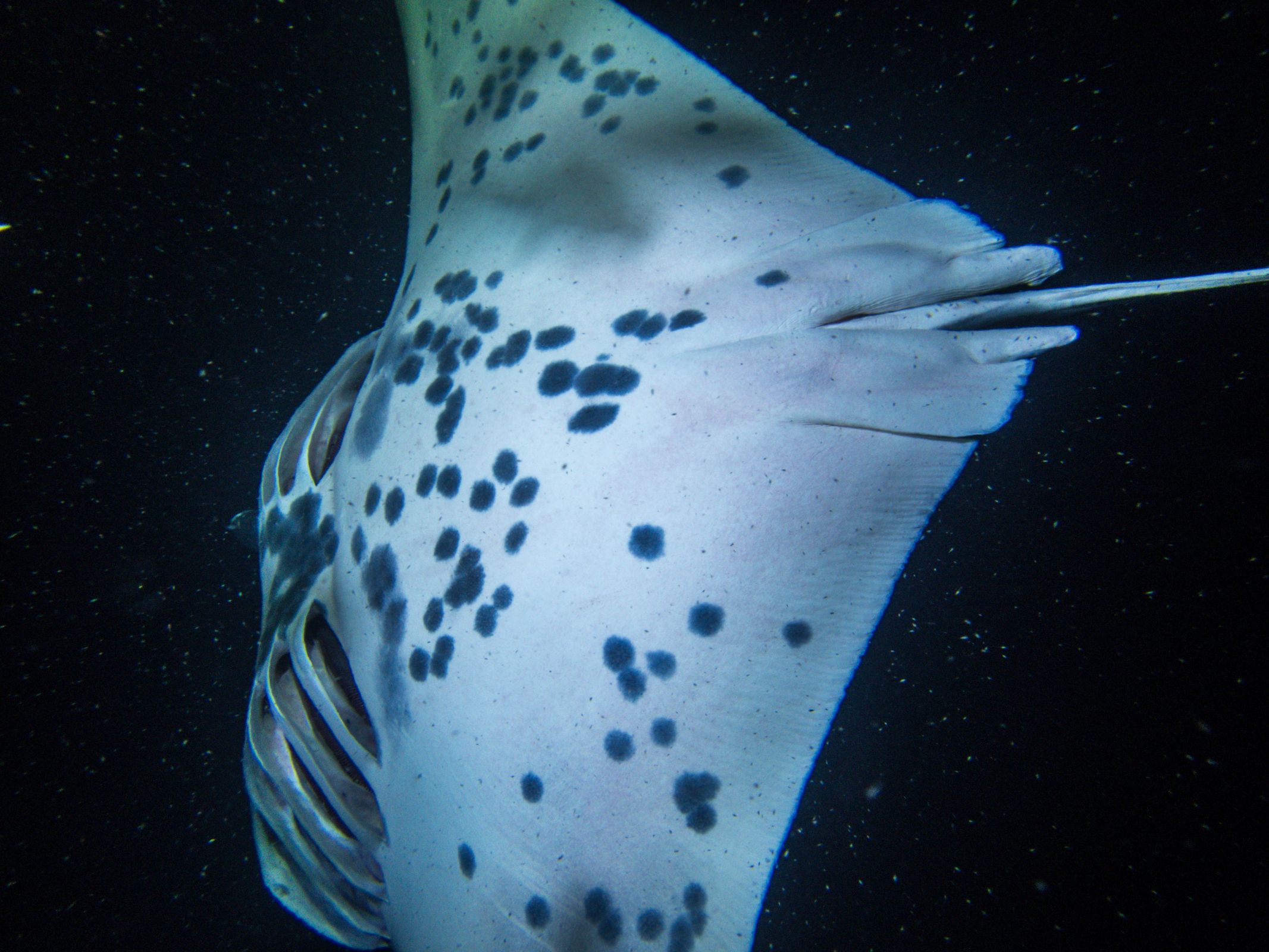
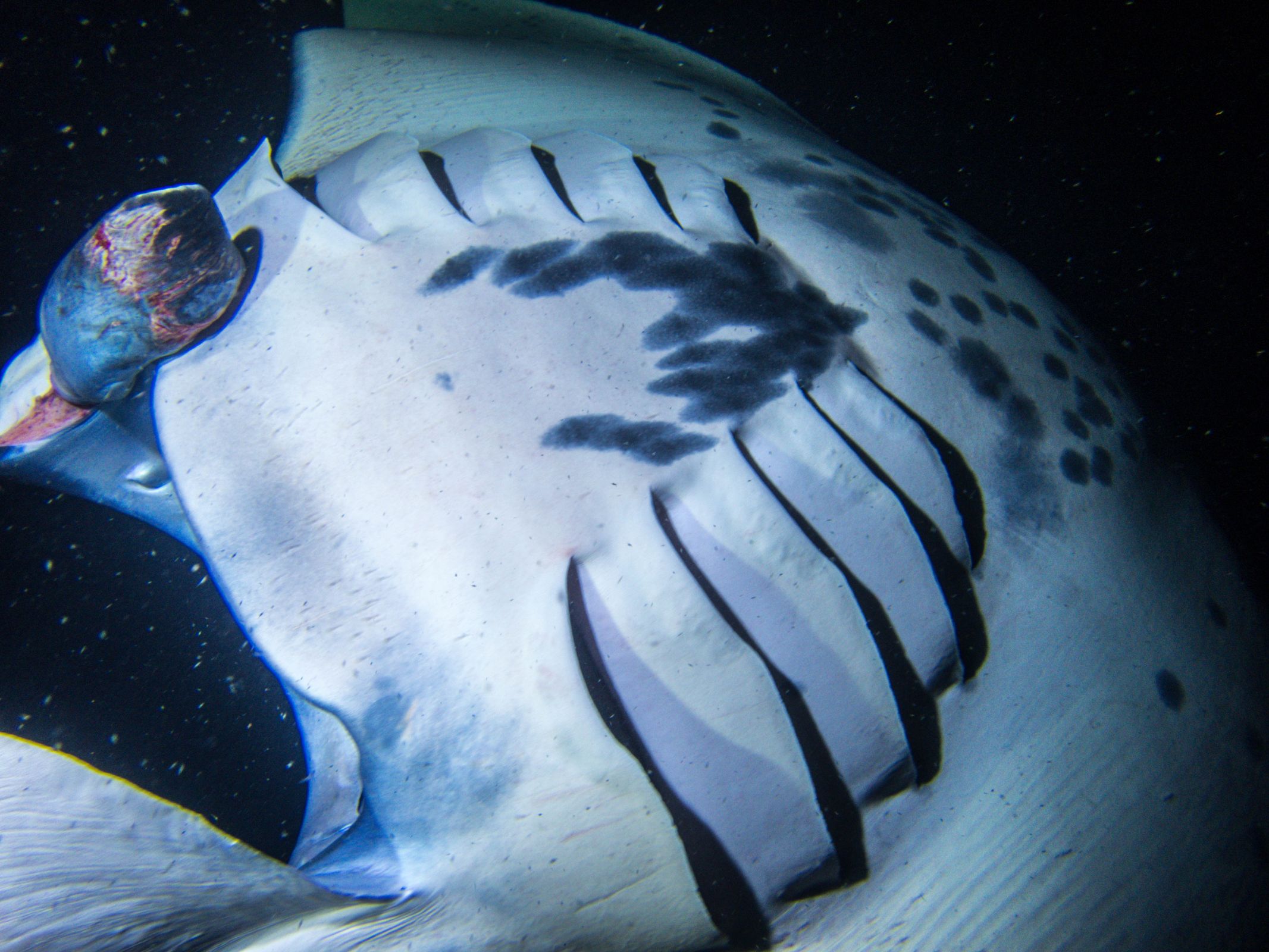
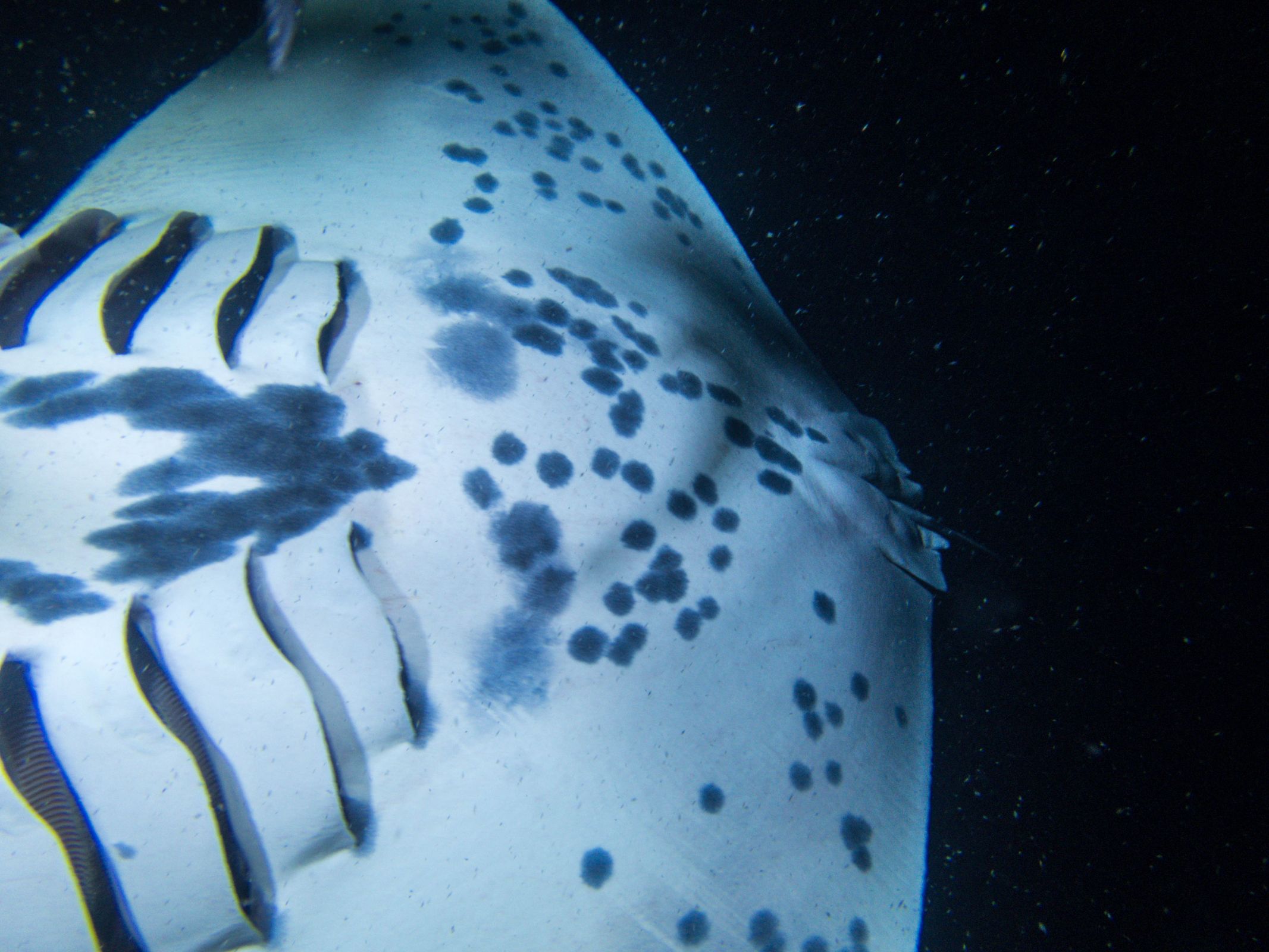
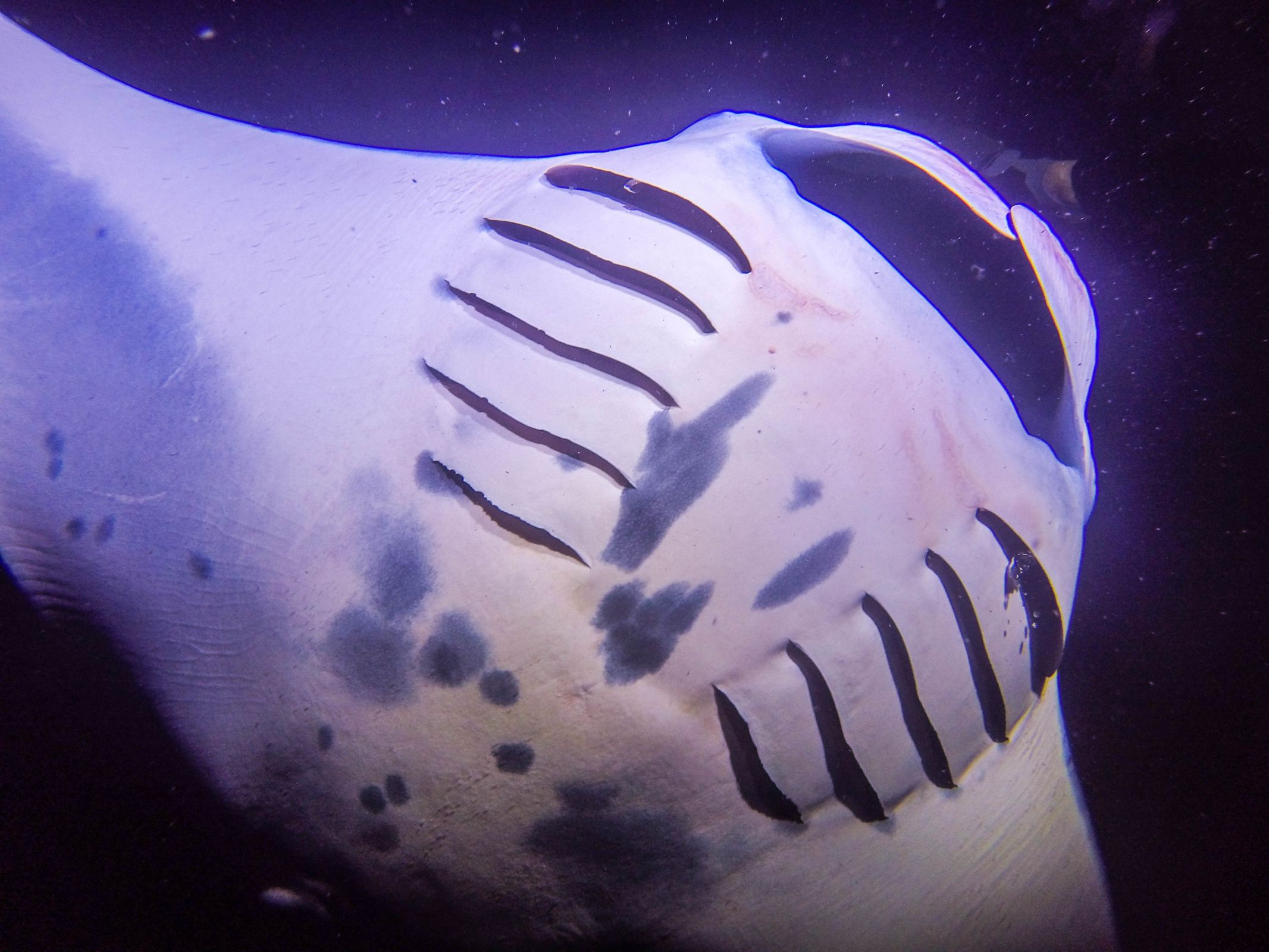
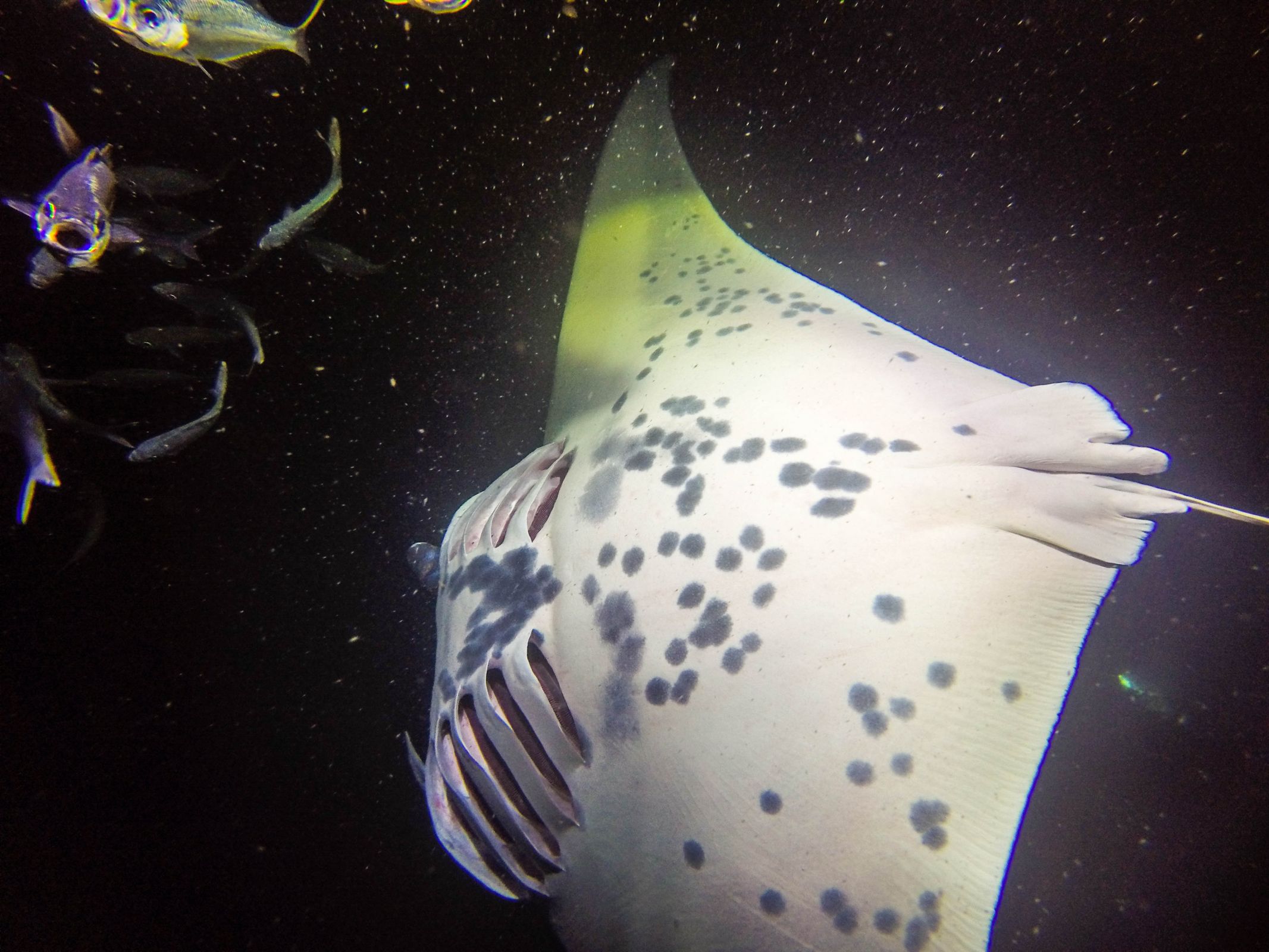
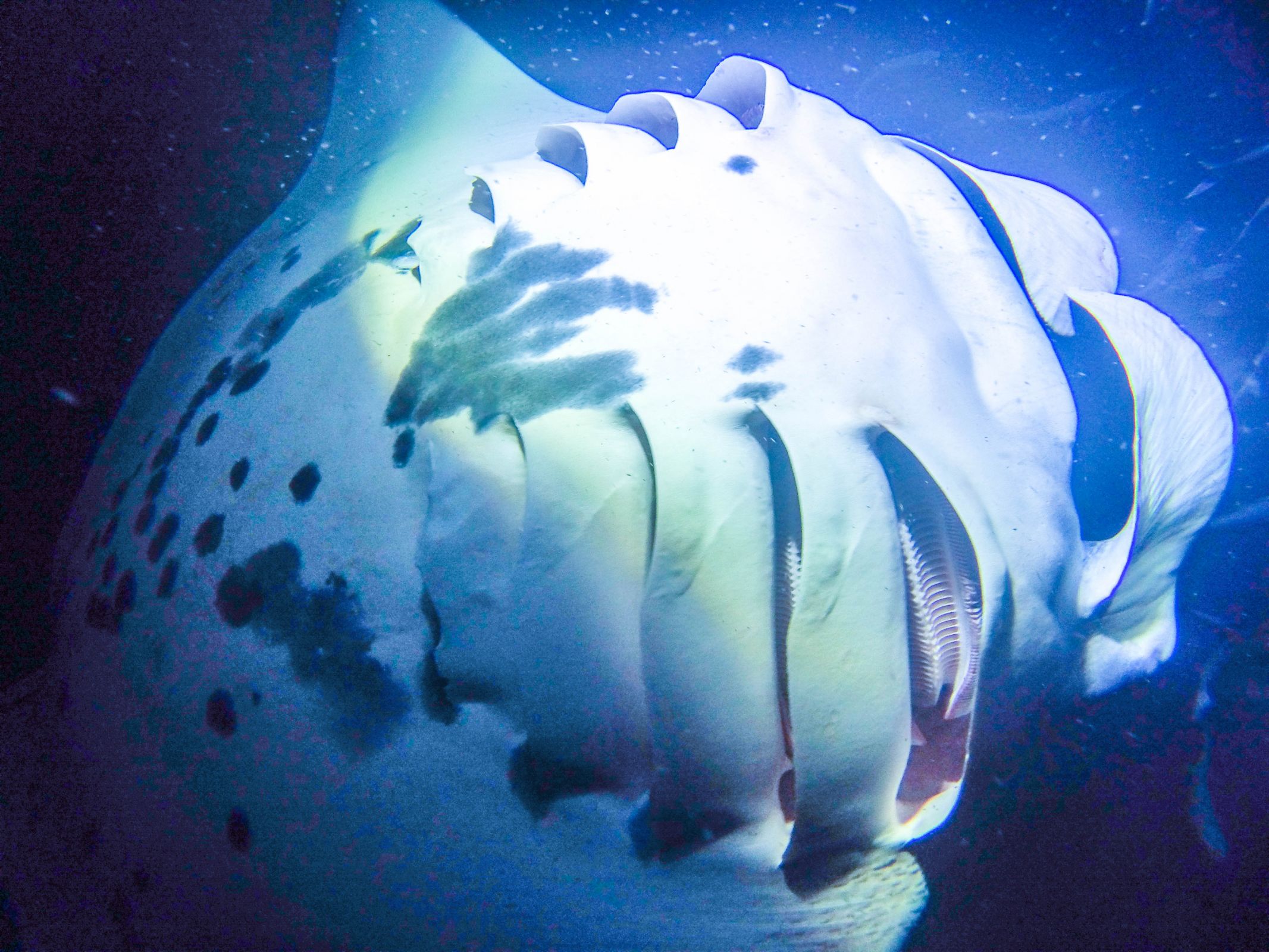
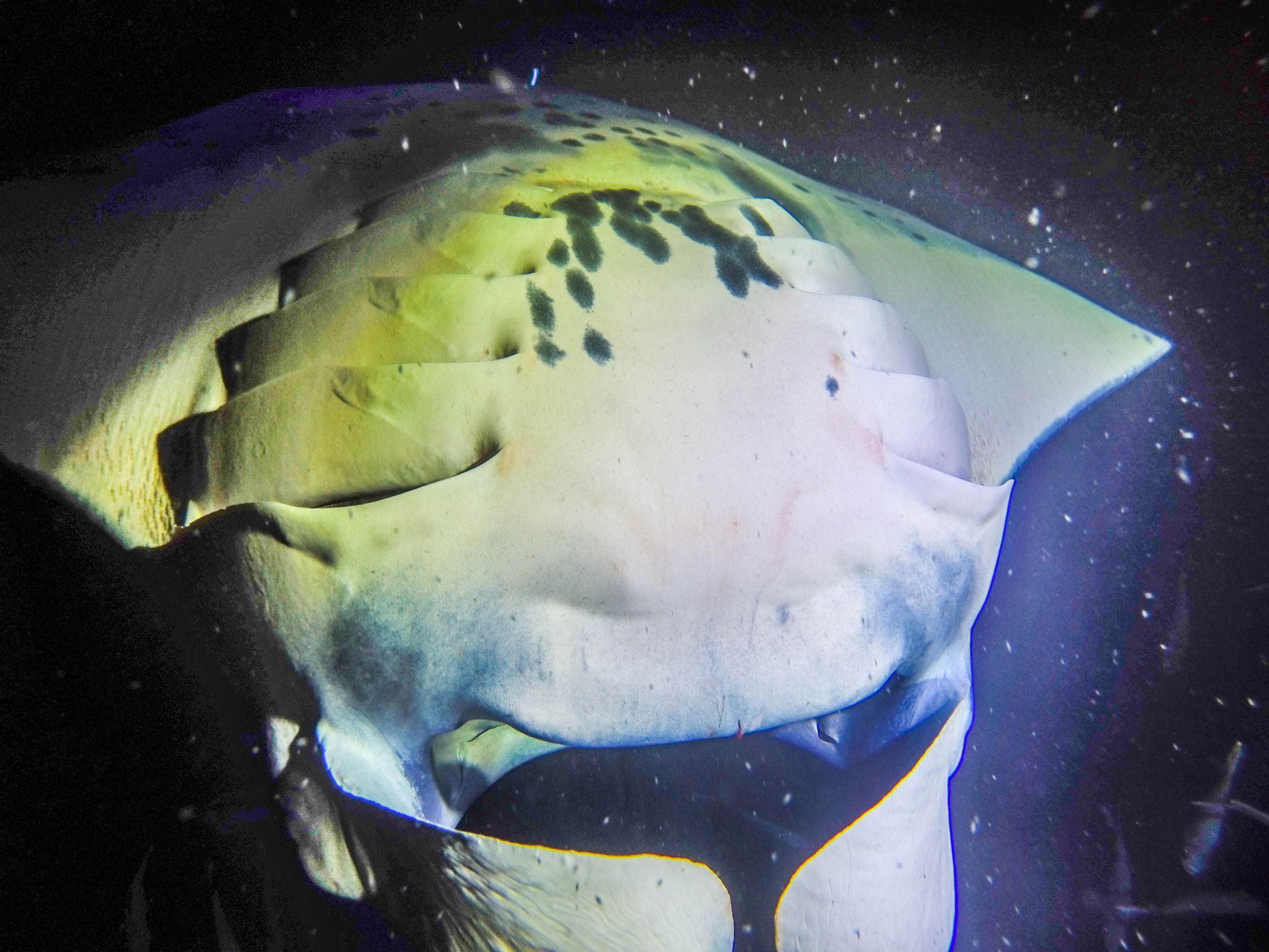
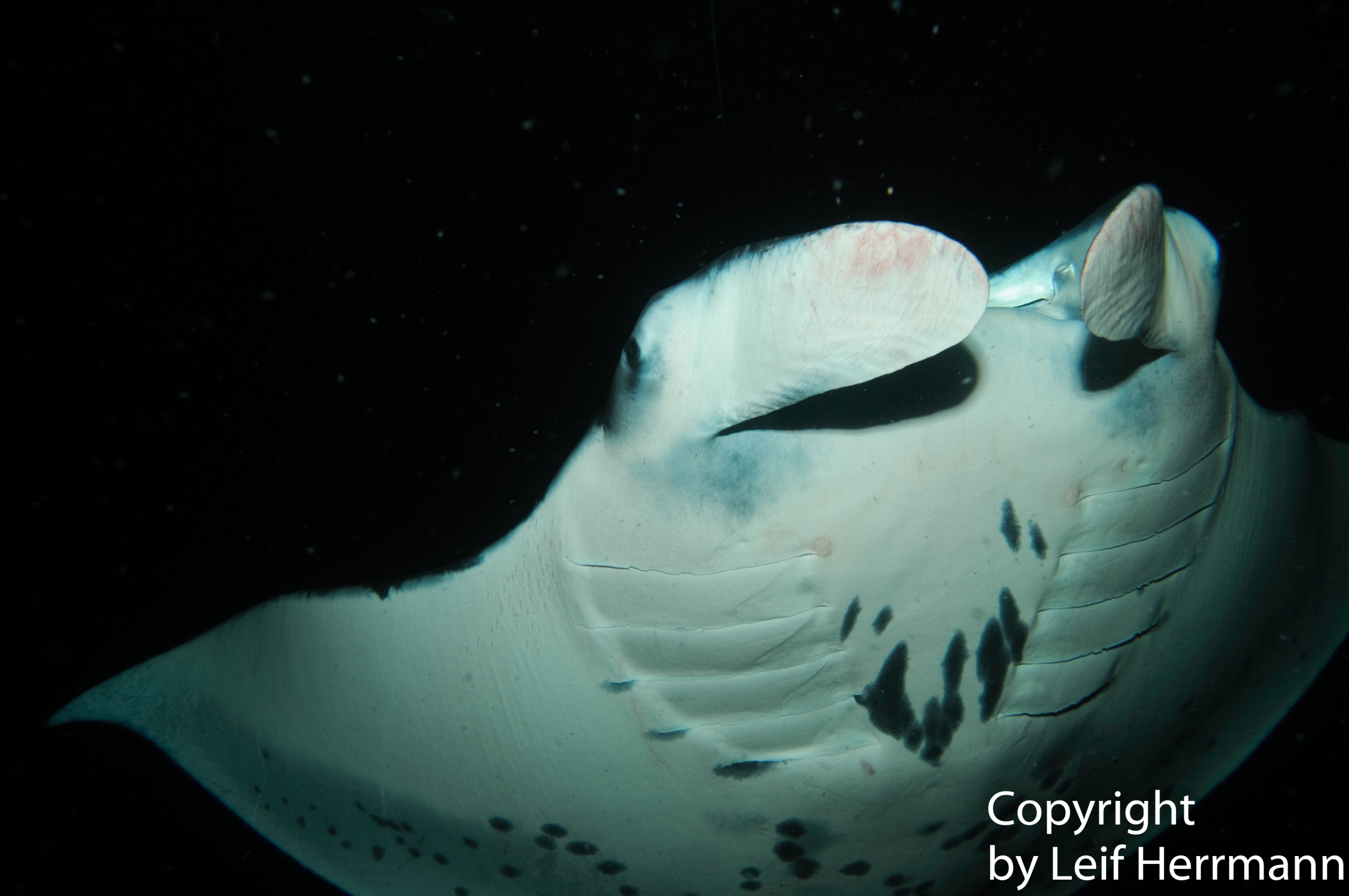
- Names were given to all of them, identified by the pattern on their bellies.
- They have the most giant brains amongst all species of fish.
- Manta Rays can heat up and cool down due to their "heat exchange system".
- A female gives birth after 13 months. The young one feeds independently immediately after it is born.
- They are cooperative feeders, which means feeding in groups called "chain feeding" one by one on a fair share basis.
- Since 2008, they have been protected around Hawaii.
Accommodation Tips for Kona
- If you are looking for a home away from home with a well-equipped kitchen and great sunsets, the Aston Kona by the Sea might be your choice.
- If you travel with kids check out the Holua Resort. Enjoy the tropical gardens and six swimming pools.
- If you prefer a homestay with a delicious breakfast in the morning have a look at The Beautiful Edge of the World B&B
Best Months to Visit
Location and Tips

Spotting manta rays up close was always on my bucket list. My friend Leif went to Kona for diving and recommended this thrilling experience. It is almost guaranteed to spot mantas just next to you.