
When Is the Best Time
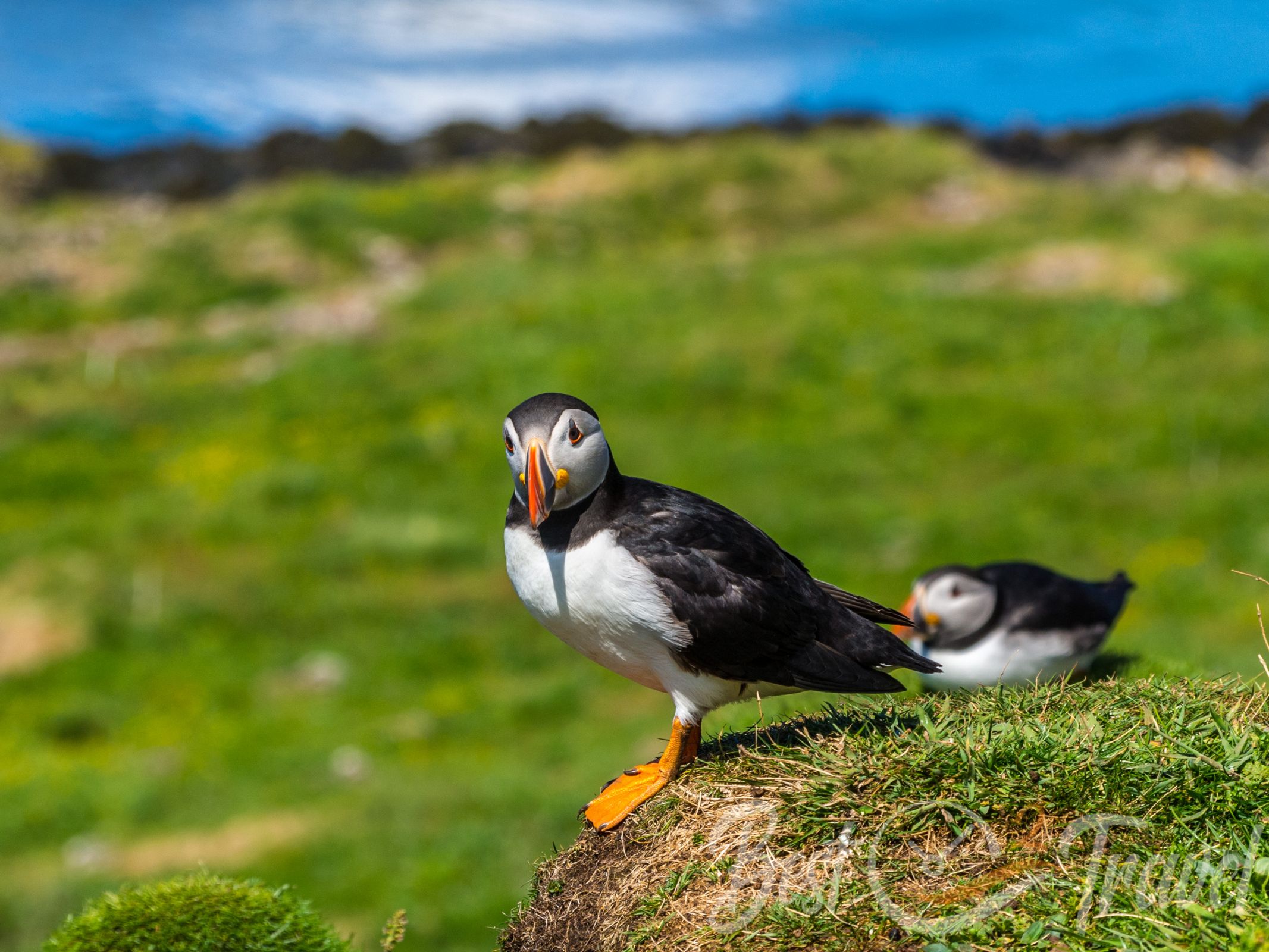
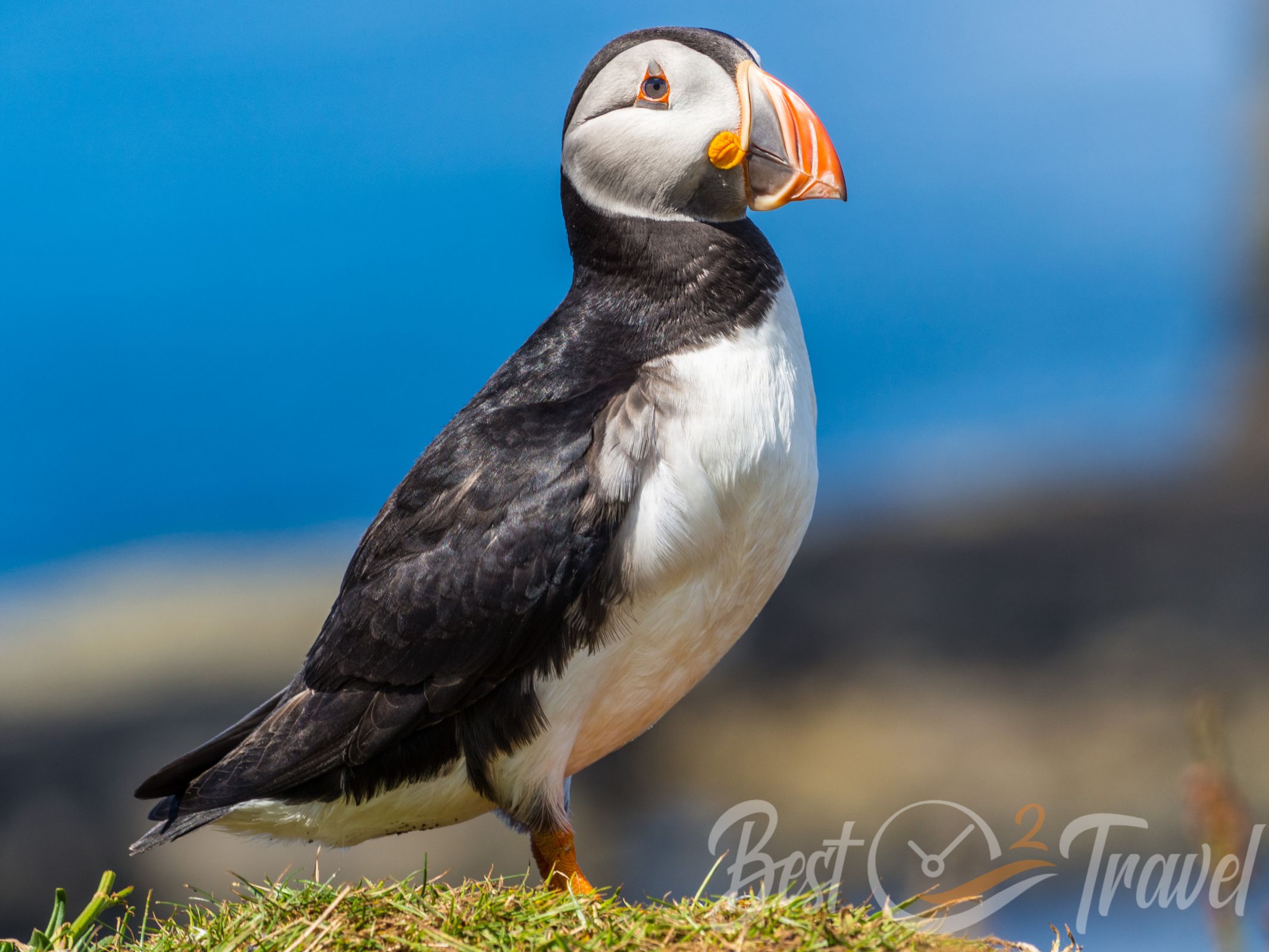
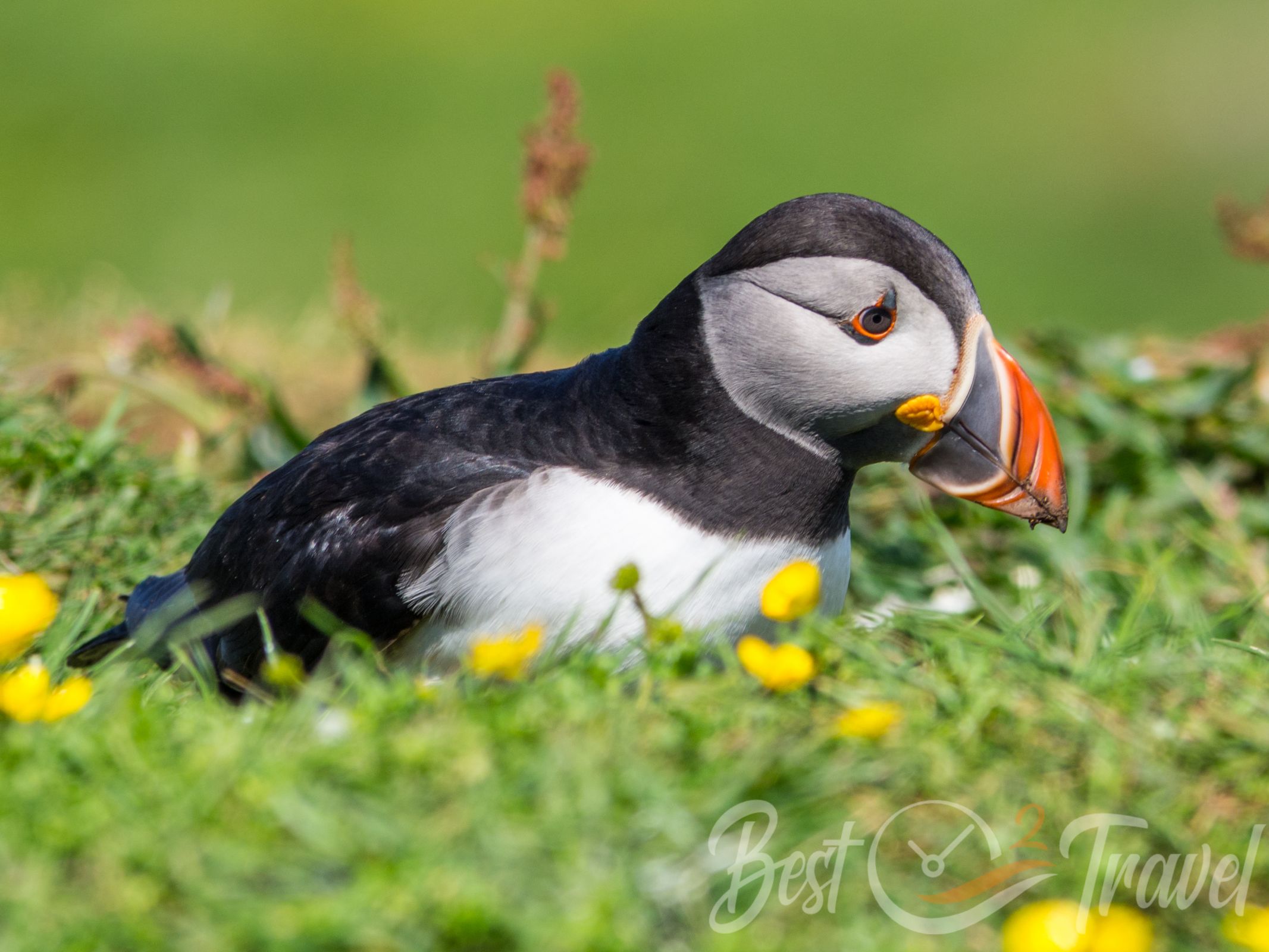
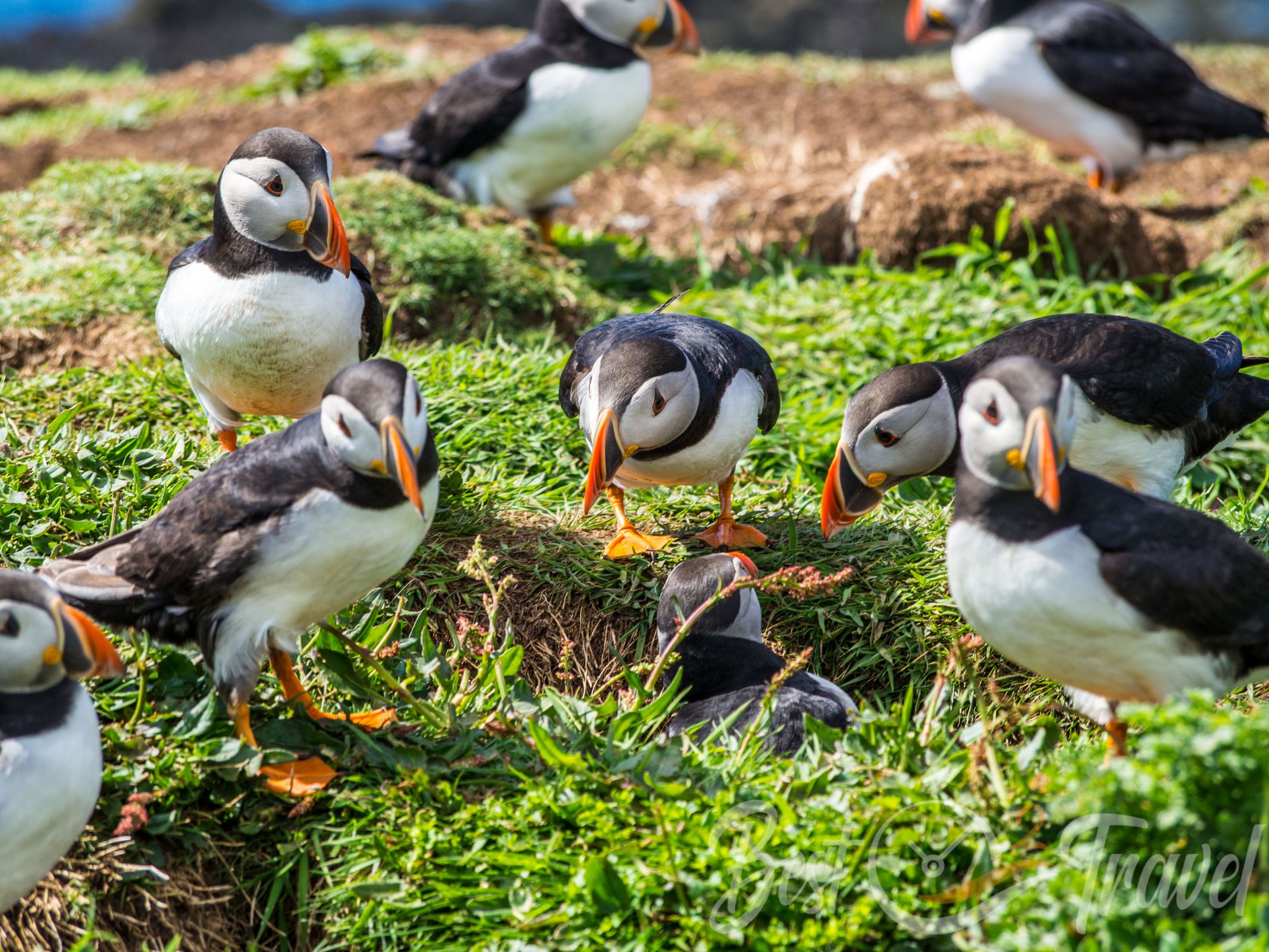
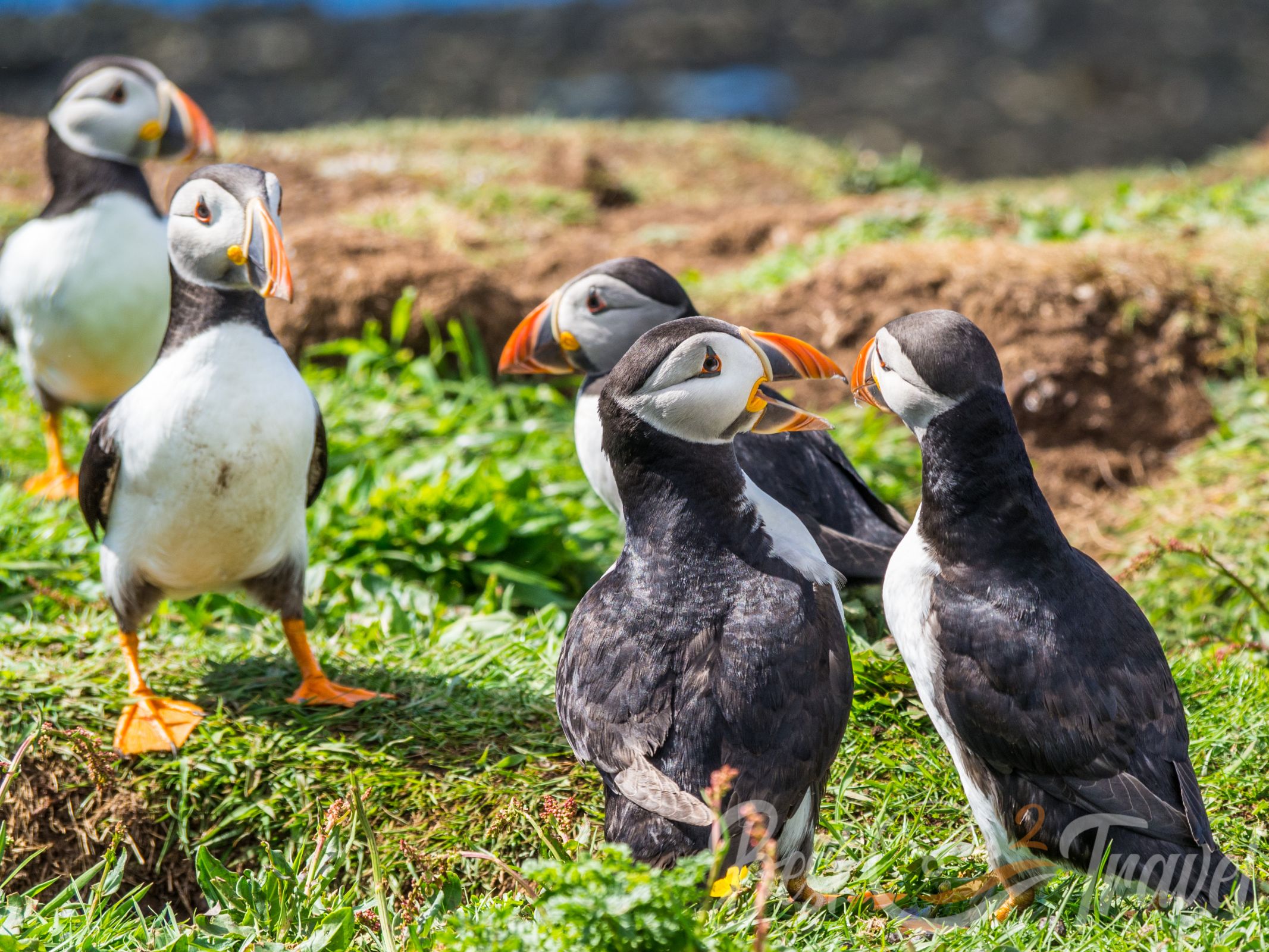
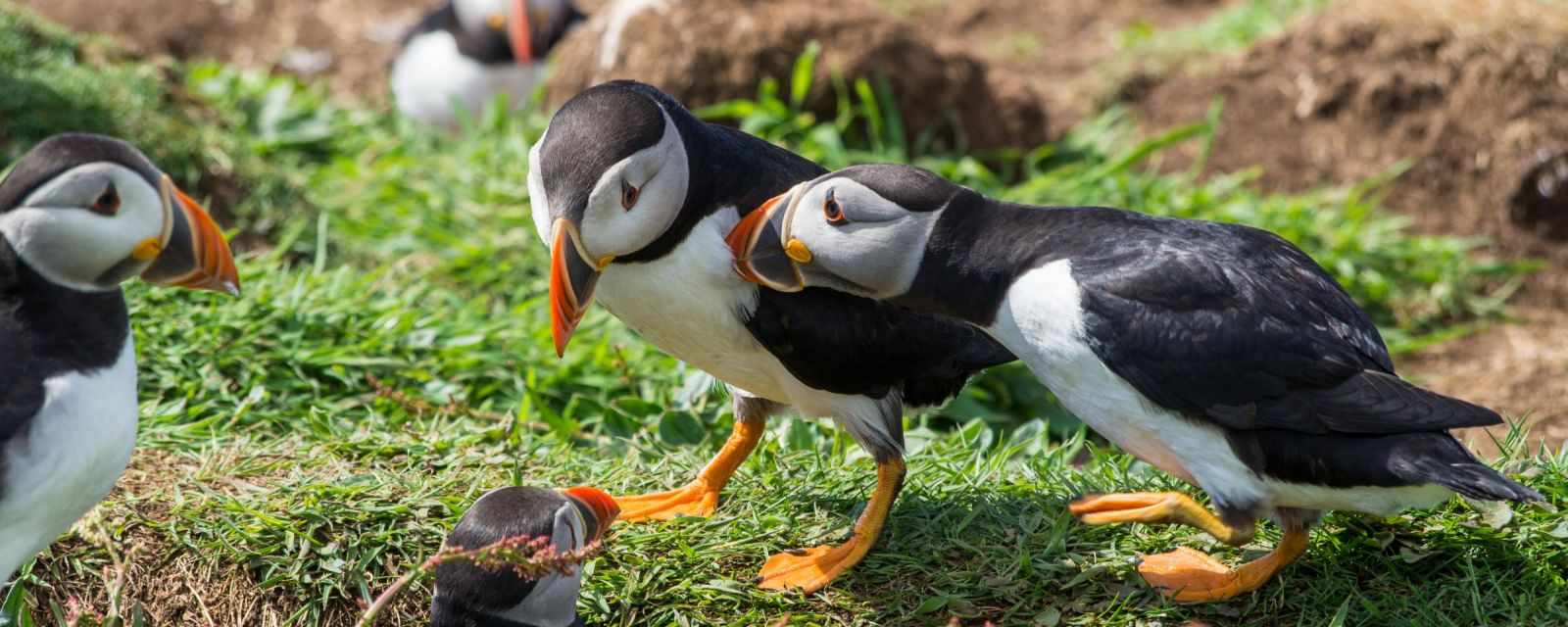
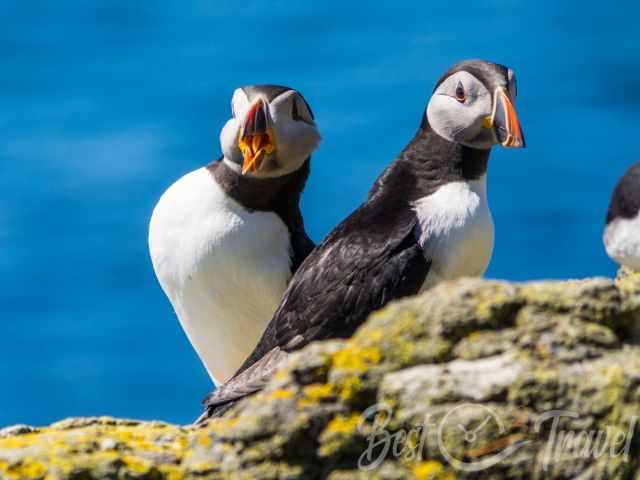
Lunga Island is the puffin paradise of the Treshnish Isles. Puffins on Lunga are unbelievably tame and let you come incredibly close while they continue their daily business right in front of you. The puffin breeding season on Lunga Island starts in mid‑April, but to see thousands of them, I recommend visiting from May onwards.
Puffin Season on Lunga Island
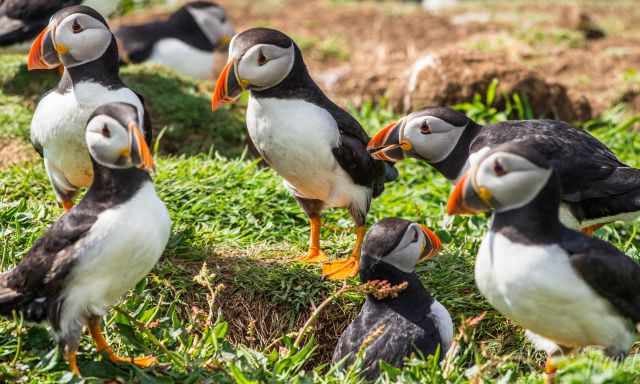
There are an estimated 4,500 puffins on Lunga Island during the peak season, and they remain here until the beginning of August. For detailed trip planning, check my monthly puffin and weather overview below — especially helpful for spring and summer visits.
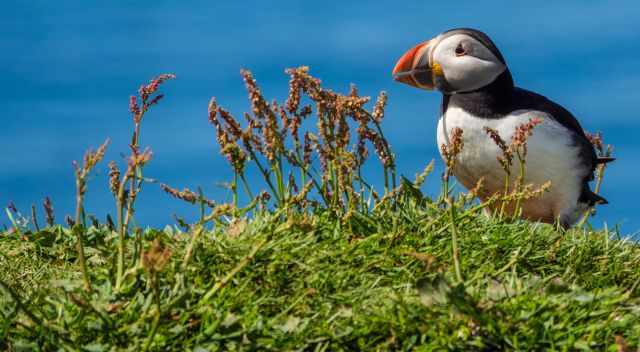
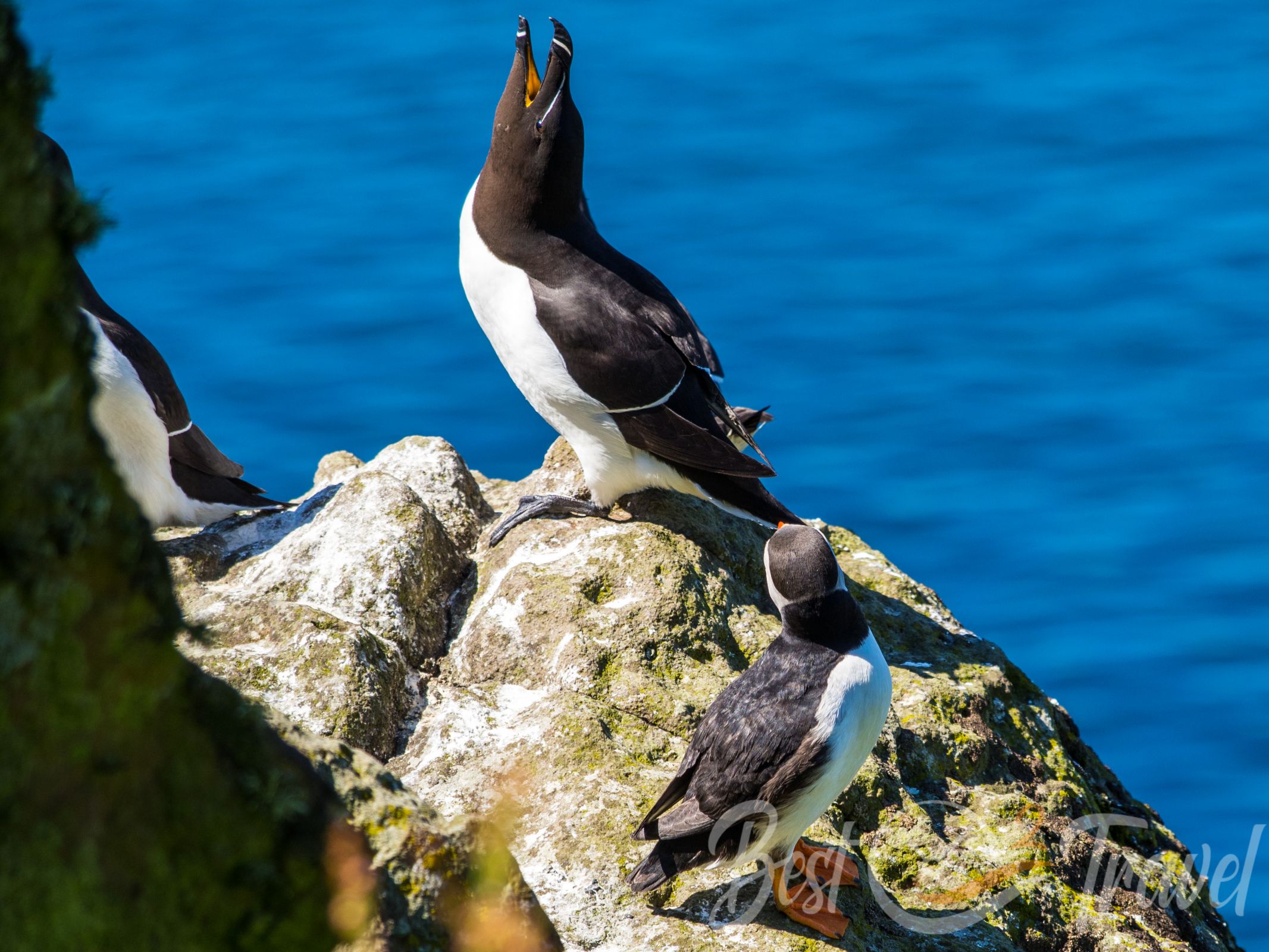
Lunga Island is the largest of the Treshnish Isles and a dream for photographers and birdwatchers. Thousands of puffins and guillemots nest here, with the guillemots occupying a massive rock opposite Lunga — you’ll hear them long before you see them. Razorbills and shags are also common, though their populations are smaller.
The best time to watch thousands of puffins during the breeding season on Lunga Island in Scotland is from May to July. They leave this nature‑protected island by early August at the latest.
Puffin Sightings on Lunga Island
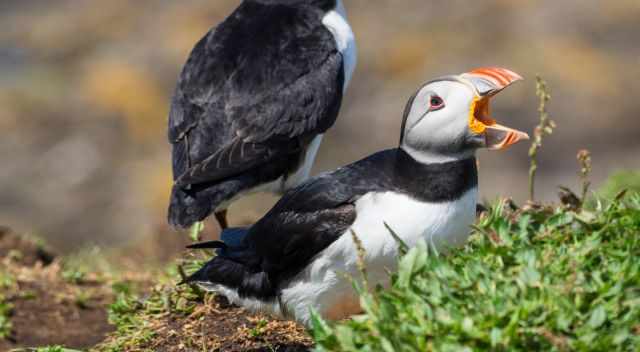
Puffin sightings on Lunga Island in Scotland follow a clear seasonal pattern. The best time to see thousands of puffins is from May to July, when the colony reaches its peak and the weather is often pleasant.
April – First Sightings
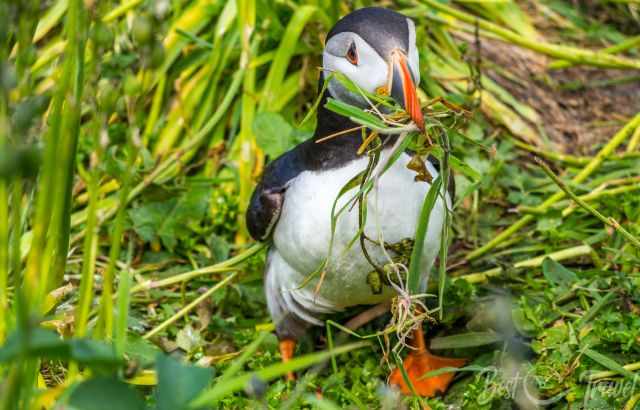
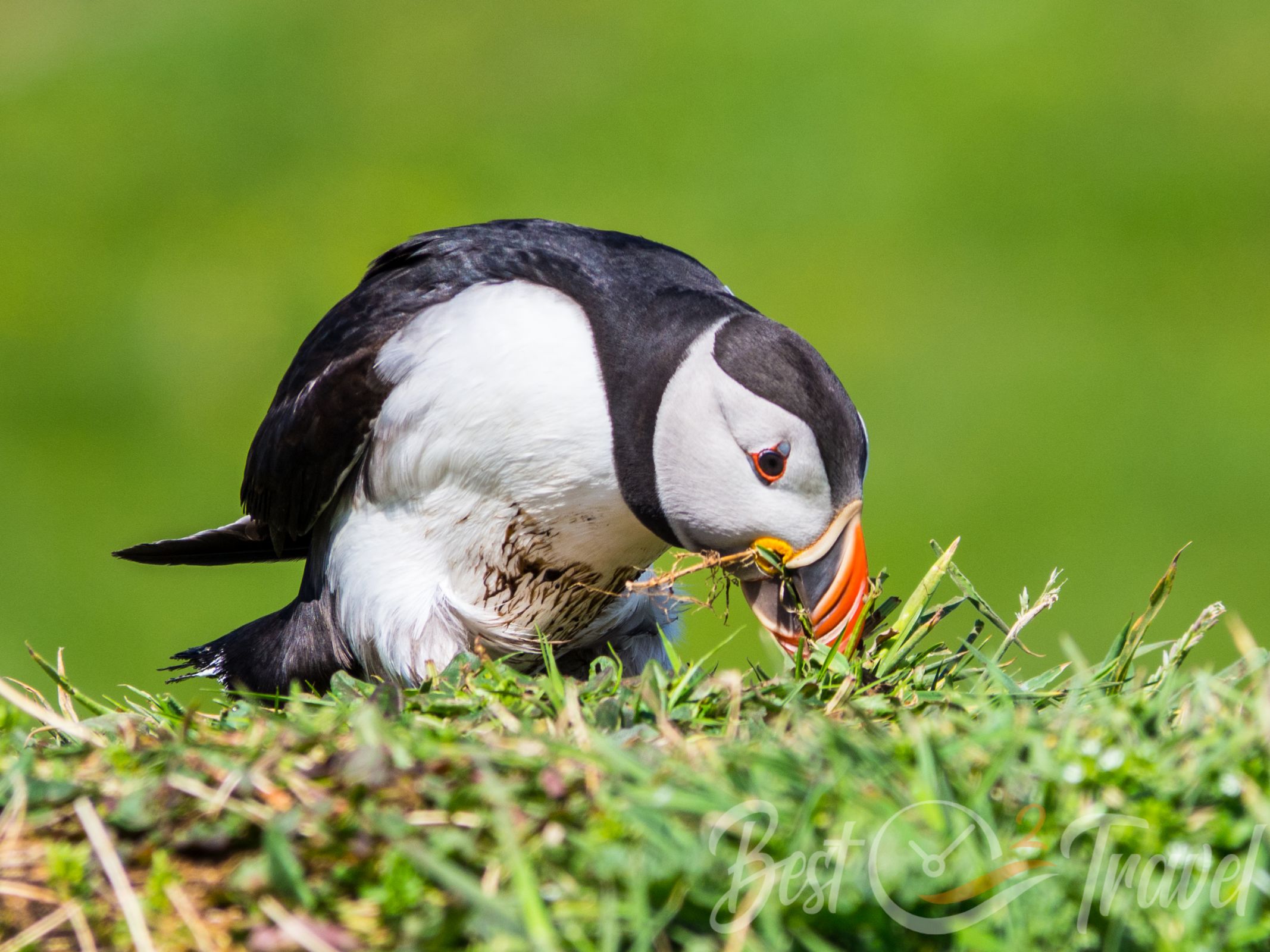
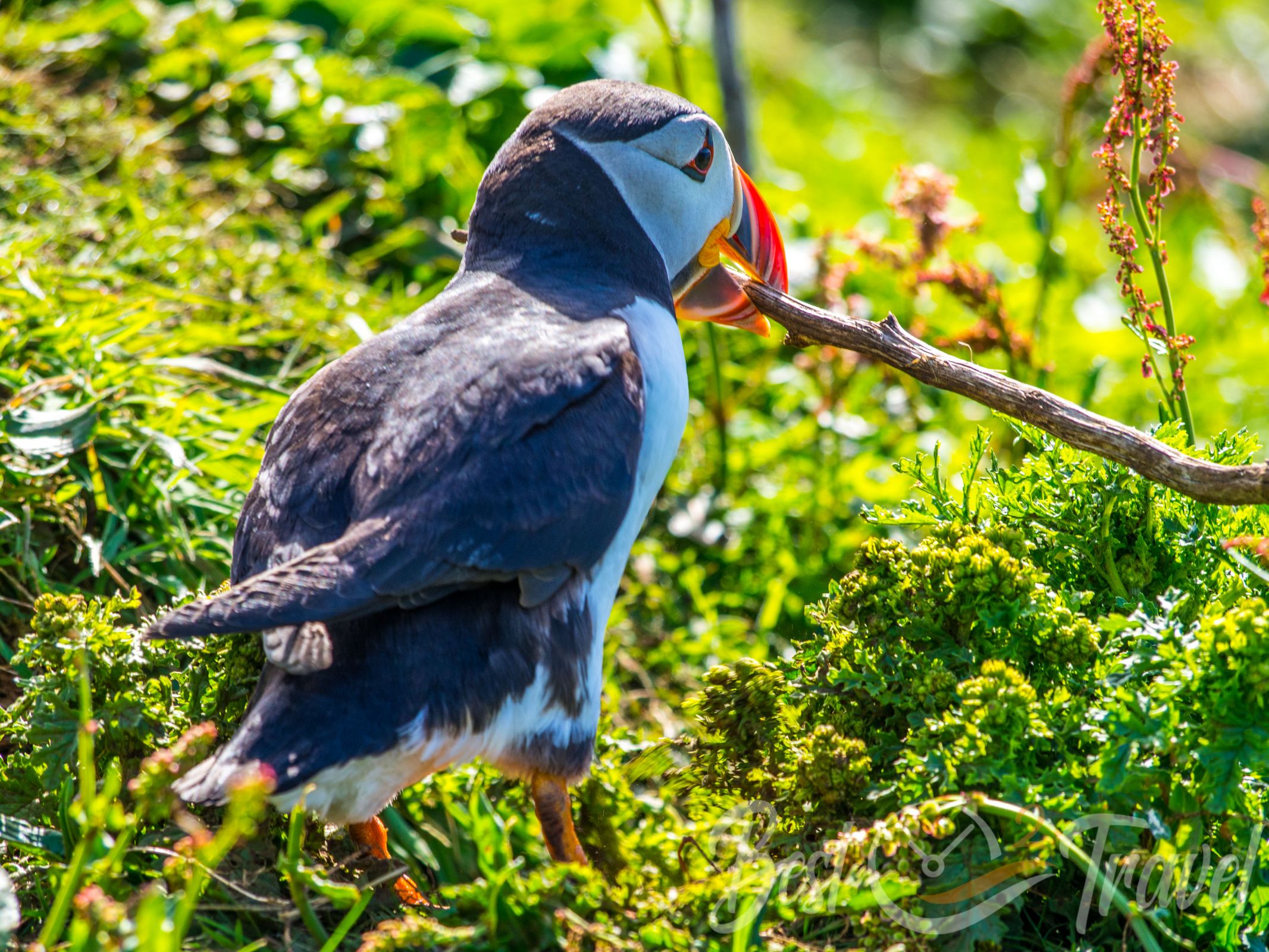
Puffins return to Lunga Island in mid‑April. Early April sightings are possible but rare. Most birds arrive between early and mid‑April, sometimes even later. They carry nesting material to their burrows and begin preparing the underground chambers for the breeding season.
May – June – July – Best Time
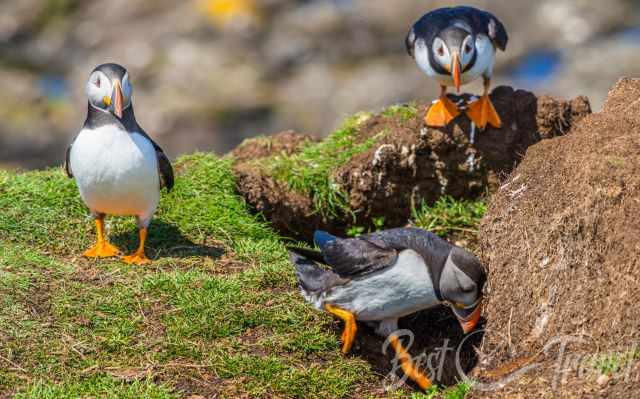
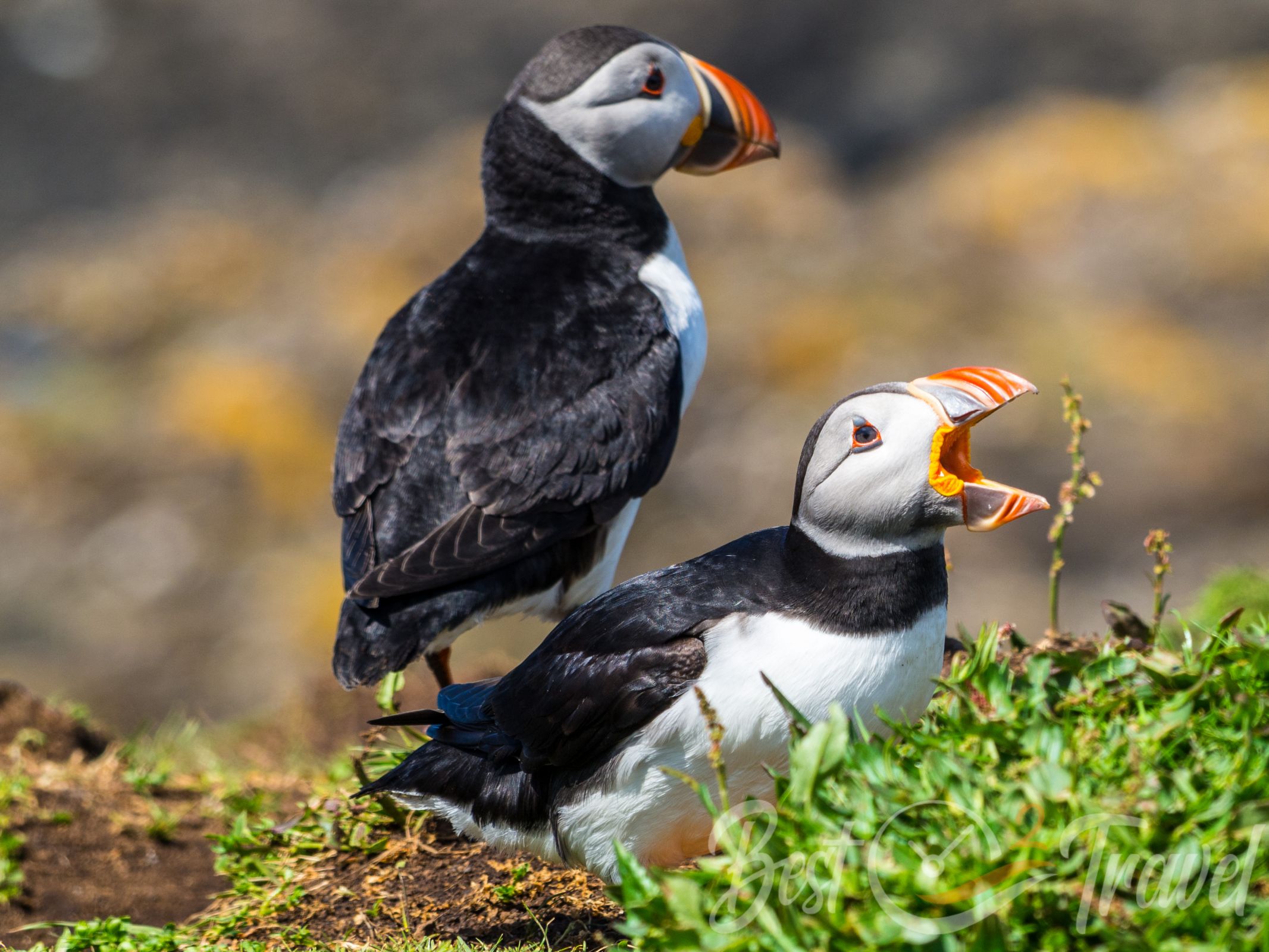
Late spring and early summer offer the best puffin viewing on Lunga. You can watch vast numbers of puffins up close as they guard their burrows, interact with neighbours, and feed their chicks. May and June often provide the most stable weather, while July remains excellent for puffin activity as adults deliver food to the burrows.
August – End of Season
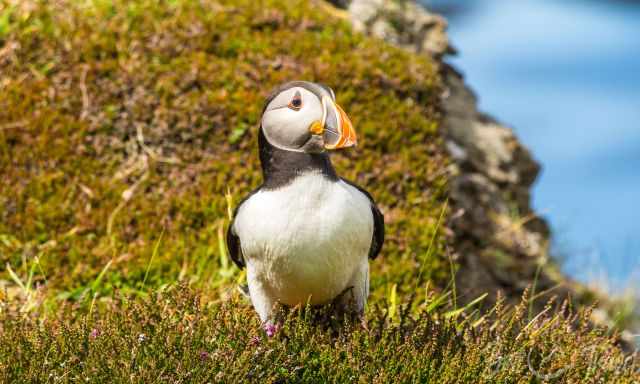
The season ends in early August. Puffins leave the island gradually, and only a few remain after the first days of the month. Some stay slightly longer, but visiting later than early August is risky if puffins are your main goal.
September – March – No Sightings
No puffins are on Lunga from autumn until early spring. The island is quiet during these months, with only resident seabirds remaining.
Other Seabirds on Lunga
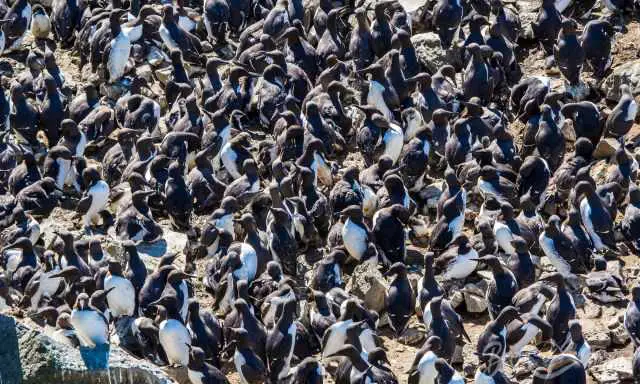
Lunga is also home to thousands of guillemots, nesting on a huge rock opposite the island — you simply follow the noise. Razorbills and shags are common too, though their populations are smaller. More about all these seabirds below.
Weather from May to July
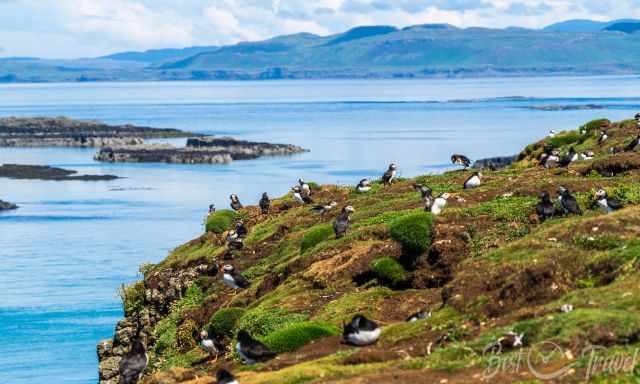
May, June, and July are the key months for puffin watching on Lunga Island, and they also offer the most reliable weather of the year. It’s essential to monitor the weather forecast closely before your trip, as conditions in the Inner Hebrides can change quickly and boat tours depend on safe sea conditions.
May and June – Driest Months
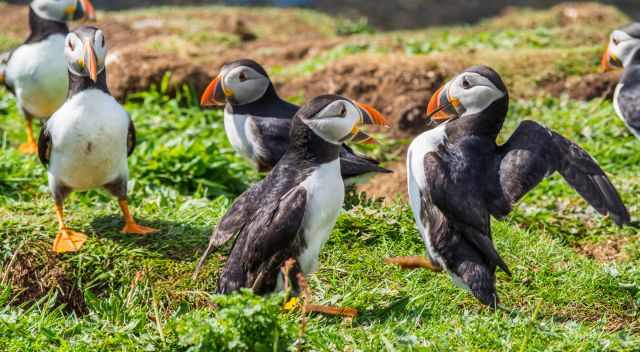
May and June are the driest months on Lunga. Daytime temperatures average 14°C, and on sunny days they can reach 20°C. These months often provide the best combination of stable weather, good visibility, and comfortable sea conditions.
July – More Rain, Still Good
Rainfall increases in July, but it is still lower than in most other months of the year. Puffin activity remains excellent, and temperatures stay mild throughout the month.
Wind & Sea Conditions
A windproof jacket and a fleece pullover are essential for the boat tour. On windy days, the sea becomes rough and choppy, and the island is fully exposed to the elements. Be prepared for strong gusts on the cliffs and sudden weather changes.
Facilities on Lunga
Lunga is a protected nature reserve with an estimated 6,000 seabirds breeding on the island. Because of its conservation status, there are no facilities on Lunga — no restrooms, no café, no shelter, and no infrastructure of any kind.
Most tour operators provide basic facilities on the boat, including a toilet and beverages. Once you land on Lunga, you are fully exposed to the elements, so come prepared.
How to Get to Lunga
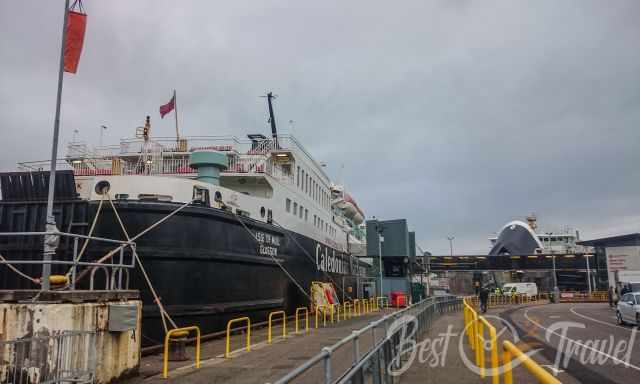
Lunga is part of the Treshnish Isles and can only be reached by boat tour. There is no public ferry and no private landing without permission, as the island is a protected wildlife reserve. Tours operate from Oban and Isle of Mull, with seasonal departures from May to August.
Departing from Oban
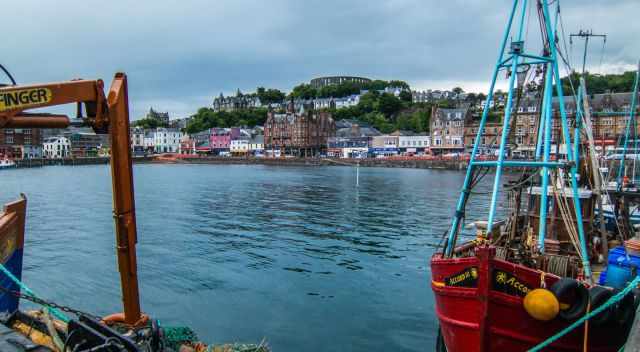
Oban is the main gateway to the Hebrides and the most convenient starting point for many visitors. Tours from Oban usually include:
A scenic cruise along the west coast, a landing on Lunga and on top a stop at Staffa and Fingal’s Cave.
Oban is easy to reach by train, bus, or car, and offers plenty of accommodation options. Book your tour well in advance, especially from May to July.
Departing from Mull
If you prefer a quieter base, you can join a tour from Isle of Mull, often departing from Ulva Ferry. This option shortens the boat ride and is ideal if you are already staying in Tobermory or exploring Mull’s wildlife and coastline.
Landing on Lunga
All tours land on Lunga via a small jetty or directly on the rocks, depending on sea conditions. Once ashore, you walk across uneven terrain to reach the puffin colony. Wear sturdy shoes and be prepared for wind, salt spray, and sudden weather changes.
Seasonal Access
Tours operate mainly from May to early August, matching the puffin season. Outside these months, there are no landings, as the birds leave the island in autumn.
Where to Stay (Lodging Tips)
You can’t stay on Lunga. There is no accommodation, shop, café, or shelter on the island, as Lunga and its bird colonies are strictly protected by law. The best option is to stay in Oban, the main ferry port for the Hebrides and the departure point for many wildlife cruises to the Treshnish Isles. Oban offers a wide range of lovely B&Bs, hotels, and guesthouses. Make sure to book your Lunga tour in advance, as spaces are limited during the puffin season.
My Recommended B&B in Oban
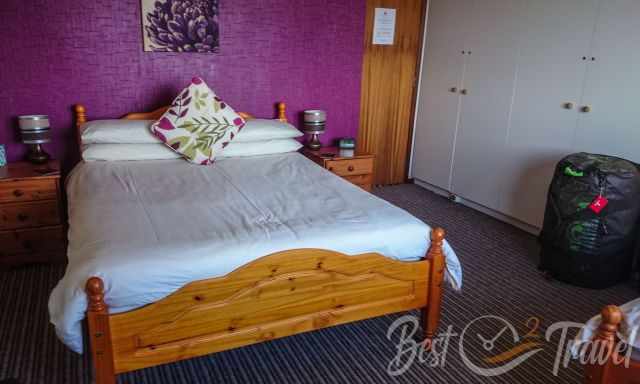
My favourite place to stay is The Manor House, ideally located within walking distance of the ferry port — perfect if your tour or ferry departs early in the morning. Stay at least two nights to enjoy the peaceful atmosphere. The Manor House is a quiet oasis in bustling Oban, with breathtaking sea views from the garden. Their afternoon tea, offered meals, and breakfast are outstanding. You really can’t wish for better.
Tobermory – Best Base on Mull
If you prefer a quieter base closer to the Treshnish Isles, staying on Isle of Mull is an excellent alternative. Mull offers beautiful coastal scenery, wildlife, and a relaxed island atmosphere. Accommodation options range from cozy B&Bs to small hotels and self‑catering cottages.
The best place to stay on Mull is Tobermory, the island’s colourful harbour town. It has cafés, restaurants, shops, and a scenic waterfront. Many wildlife cruises depart from here or nearby, making it a convenient base for exploring the island.
Access to Lunga
Tours to the Treshnish Isles also operate from Mull, especially from Ulva Ferry. Book your tour in advance, as spaces are limited during the puffin season. Staying on Mull shortens the travel time to the departure point and gives you more flexibility with weather‑dependent tours.
About the Tour
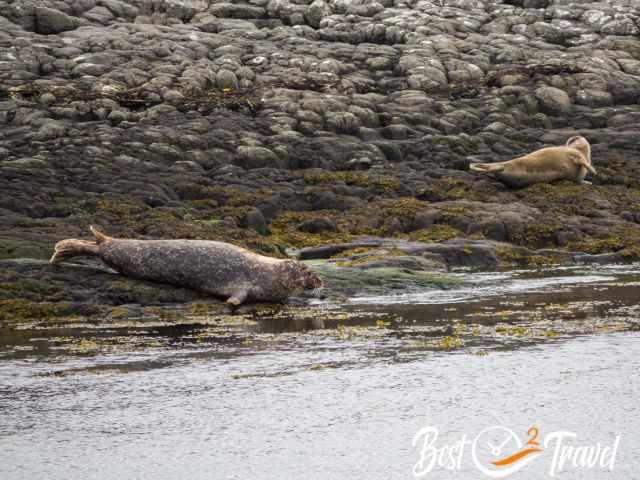
You can book a tour either from Oban or from one of the surrounding islands such as Mull. Most operators combine Lunga with Staffa and the famous Fingal’s Cave, which I highly recommend. This combination gives you both world‑class wildlife and one of Scotland’s most iconic geological wonders.
Lunga – Puffin Paradise
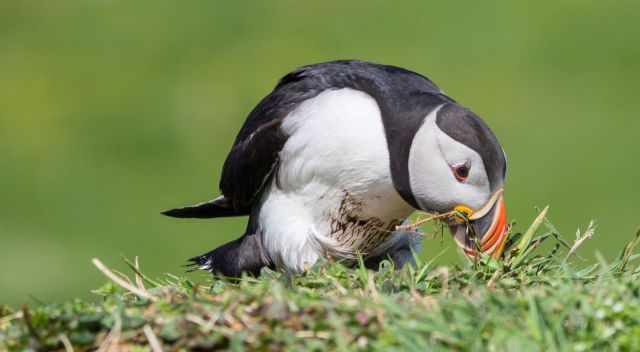
Most tours allow around two hours on Lunga. In my opinion, this is too short, as time passes incredibly fast while watching puffins return to their burrows, interact with neighbours, or carry nesting material. If puffins are your main focus, choose a tour that offers extended time on the island.
Staffa & Fingal’s Cave
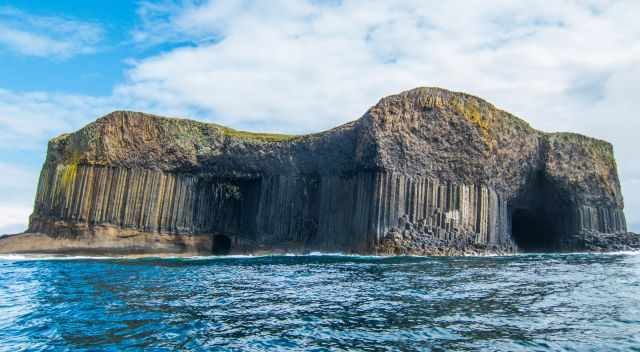
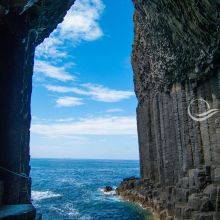
Fingal’s Cave is a highlight of any Hebrides trip. The basalt columns, the echoing sound inside the cave, and the dramatic coastline make it an unforgettable stop on the way to or from Lunga.
Tour Types
Depending on what you want to experience, operators offer:
- Combined tours (Lunga + Staffa + Fingal’s Cave)
- Birding‑focused tours with more time on Lunga
- Short wildlife cruises with limited landing time
Book early, especially from May to July, as spaces are limited during the puffin season.
Packing List for Lunga Island
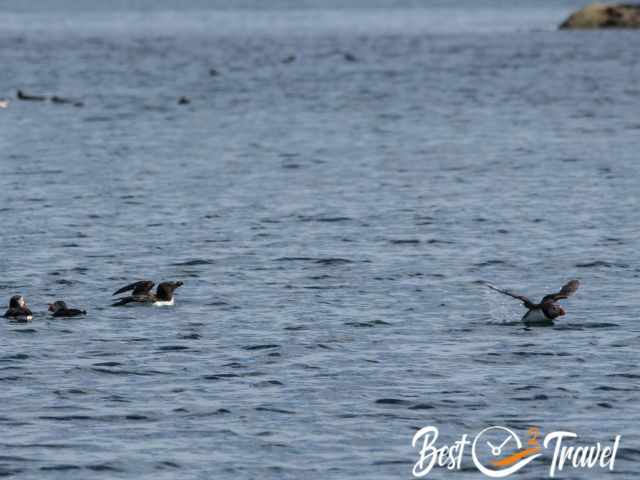
Lunga is completely exposed to the elements, and weather can change fast. A good packing list makes your visit far more comfortable — especially on windy or wet days.
Clothing
- Windproof jacket — essential for the boat ride and the cliffs
- Fleece pullover — keeps you warm when temperatures drop
- Sturdy shoes — uneven terrain, rocks, and muddy patches
- Hat or beanie — strong winds on the island
- Light rain gear — showers can appear suddenly
Photography
- Camera with zoom — perfect for guillemots, razorbills, and shags
- Wide‑angle lens — ideal for puffin burrows and landscape shots
- Extra batteries — cold wind drains battery life faster
- Microfiber cloth — salt spray on the boat
- Waterproof bag for your camera — helpful on board, Lunga and Staffa
Essentials for the Islands
- Water bottle — no facilities on Lunga
- Snacks — you’ll spend hours outdoors, however, I was too excited and ate on board
- Sunscreen — UV is strong even on cloudy days
- Small waterproof backpack — keeps everything dry and organized
- Binoculars — great for observing guillemot colonies
Foodie Tip

For the best seafood in Oban, head straight to the seafood stall at Oban port. It’s the top spot for fresh local seafood and an essential stop after your Lunga and Treshnish Isles trip. The harbour location makes it ideal for a quick, high‑quality meal with fish and shellfish straight from the west coast.
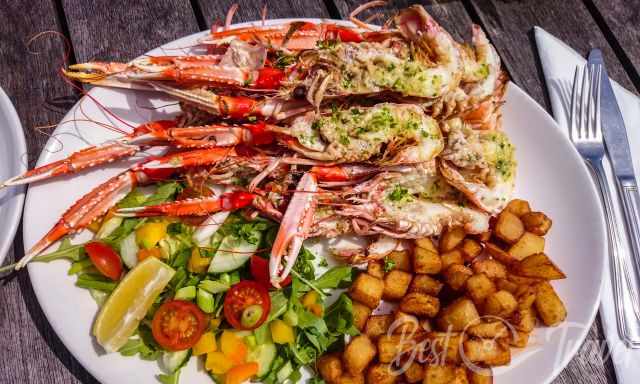
Seafood along the Scottish west coast and in the Treshnish Isles is exceptional — fresh, flavourful, and deeply connected to the region’s maritime traditions.
Puffin Facts and Other Seabirds on Lunga Island
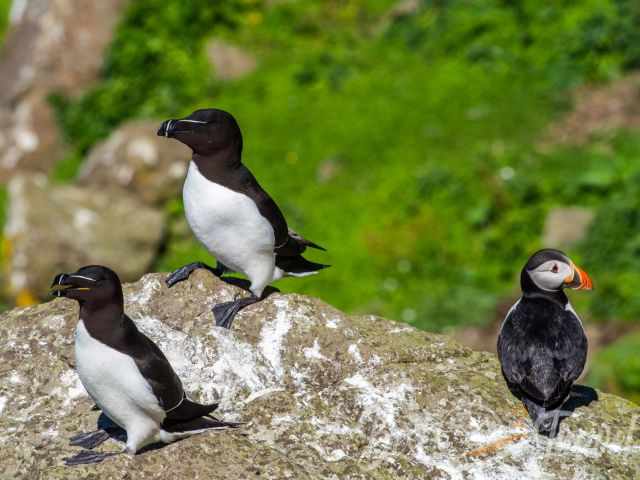
Puffins
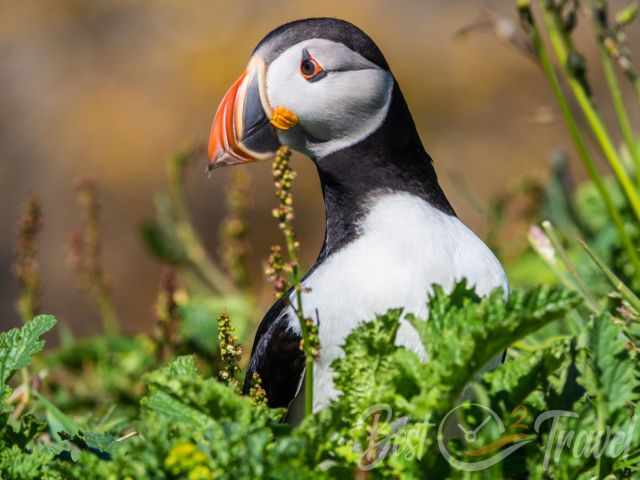
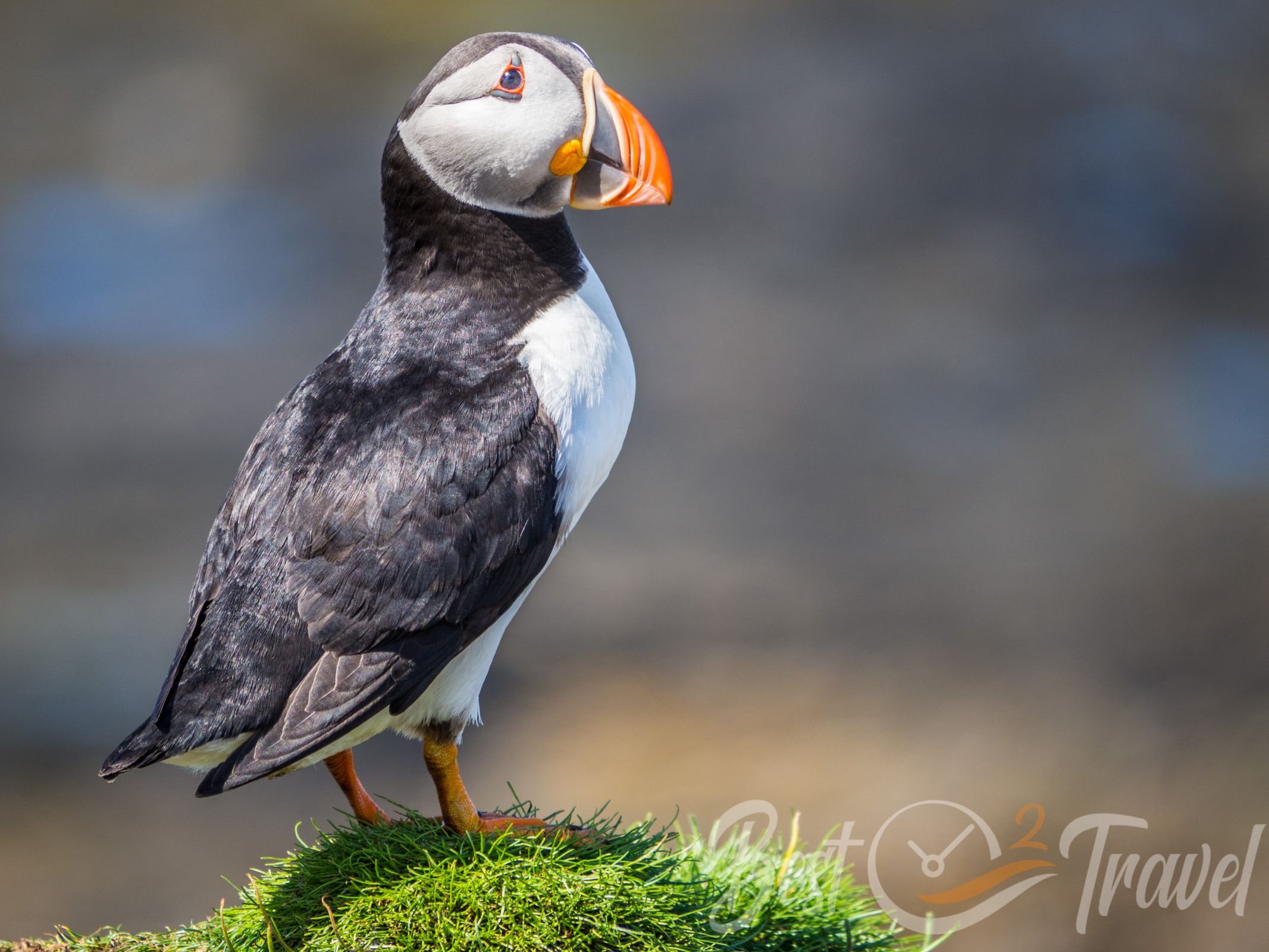
The highlight of Lunga Island are the puffins. They form large colonies, nest in burrows, and are incredibly photogenic.
- Puffin pairs stay together for life.
- Their lifespan is roughly 20 years.
- They start breeding at 5–6 years.
- Puffins lay one single egg per season, incubated for 36–45 days.
- The fledging period lasts 34–60 days, depending on location and weather.
- Their short wings allow fast flight up to 50 mph and diving up to 60 meters.
- Puffins mainly feed on sandeels, a nutrient‑rich fish crucial for breeding success.
- Main predators: gulls and peregrine falcons.
- In winter, puffins lose their bright beak colours and eye ornaments; they regrow in spring for courtship.
Guillemots
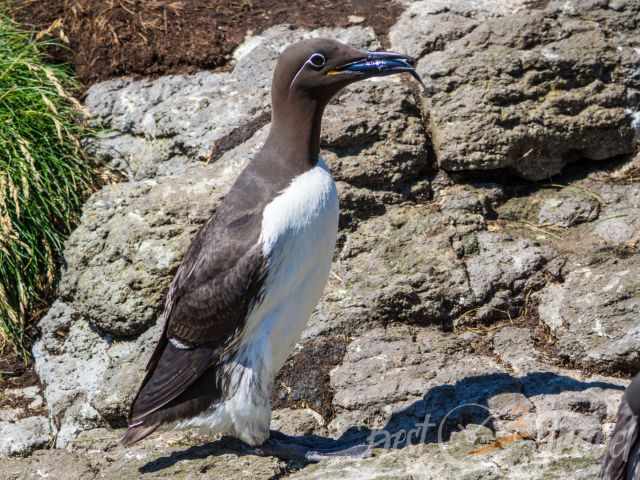
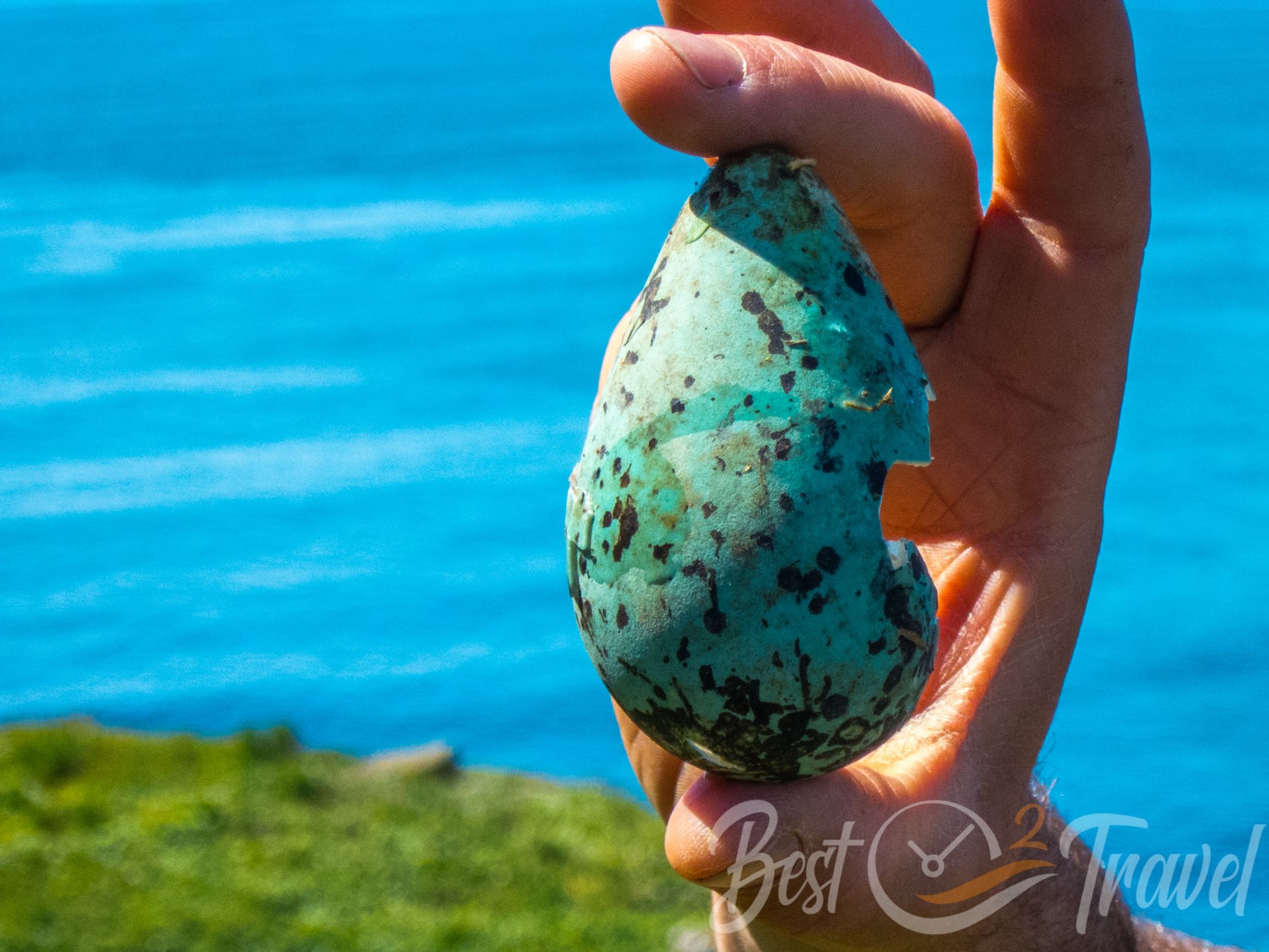
Lunga hosts a massive guillemot colony of 2000-3000 birds, closely related to puffins and razorbills.
- Guillemots also lay one single egg.
- The father cares for the chick for about two months, while the mother stays for roughly two weeks.
- They dive more than 30 meters to catch fish.
- You can hear their loud calls long before reaching the huge colony rock at the end of the trail.
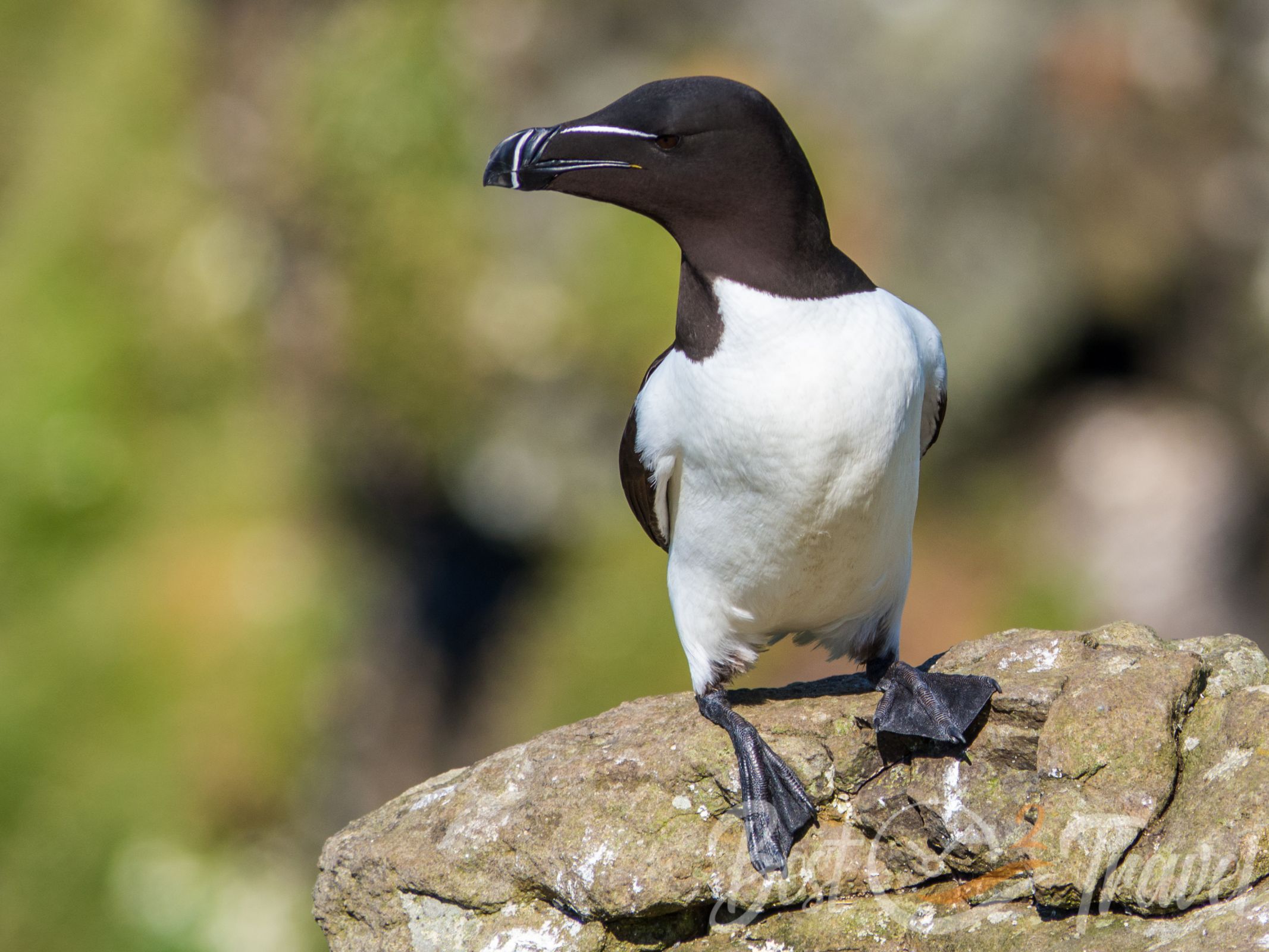
Razorbills
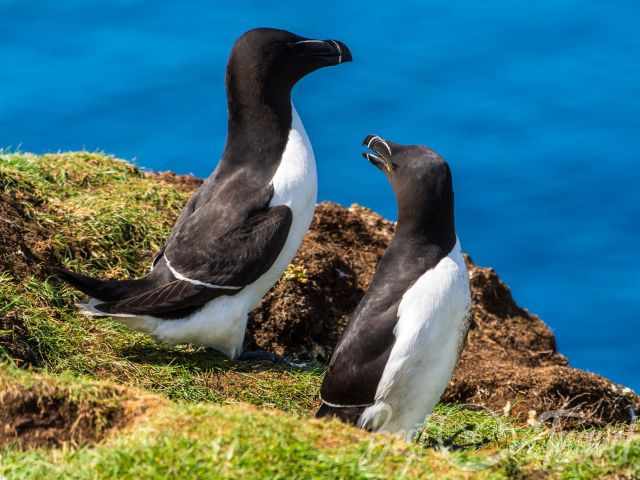
Razorbills are another member of the auk family, nesting alongside puffins and guillemots.
- They lay one egg per season.
- Razorbills can dive more than 100 meters, though they usually hunt around 25 meters deep.
- Their distinctive white facial stripe runs from the eye to the beak.
Shags
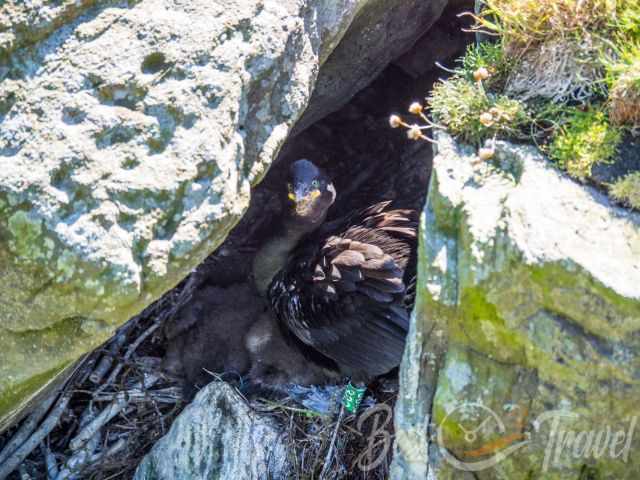
Shags resemble cormorants but are smaller with a thinner beak.
- Their breeding season runs from June to August.
- Shags dive at least 45 meters and feed on the same fish species as puffins.
- They nest on rocky ledges and are easy to spot along the coastline.
Photo Credits
Giving proper credit matters. I travelled to the Treshnish Isles and Lunga, covered all expenses myself, and spent hours in the field to capture these wildlife moments responsibly. I took all photos with my Olympus OM‑D10 and a Panasonic 100–300 mm zoom lens, always keeping enough distance not to disturb the birds.
If you wish to use any of my pictures, please contact me.
FAQ – Lunga Island
When is the best time to see puffins on Lunga Island?
The best time to see thousands of puffins is May to July. They leave Lunga Island by early August.
How many puffins live on Lunga Island?
Around 4,500 puffins breed on Lunga during the peak season.
Why are puffins so tame on Lunga?
Puffins feel safe on Lunga’s protected cliffs and burrows, so they allow visitors to come very close without fear.
Can I stay on Lunga Island?
No. Lunga is a protected nature reserve with no accommodation, café, or facilities. Stay in Oban or on Isle of Mull.
How long do tours stay on Lunga?
Most tours allow around two hours on the island. Birding tours may offer longer stays.
Where do tours to Lunga Island depart from?
Tours depart from Oban and Ulva Ferry on Isle of Mull.
Are puffins easy to photograph?
Yes. Puffins on Lunga are extremely relaxed around visitors, making close‑up photography easy.
Are there toilets on Lunga Island?
No. Most boats have a toilet on board.
Do I need hiking boots for Lunga?
Sturdy shoes are recommended due to uneven terrain, rocks, and muddy patches.
Are tours weather‑dependent?
Yes. Strong winds or rough seas can delay or cancel departures. Always check the forecast.
Best Months to Visit
Location and Tips

Lunga Island is the largest of the Treshnish Isles and a photographer's and birdwatcher's dream. There are thousands of puffins and guillemots. The guillemots are nesting on a vast rock opposite Lunga. You can't miss them, follow the noise. Also, razorbill and shags are common here, but the population is much smaller.