
When Is the Best Time
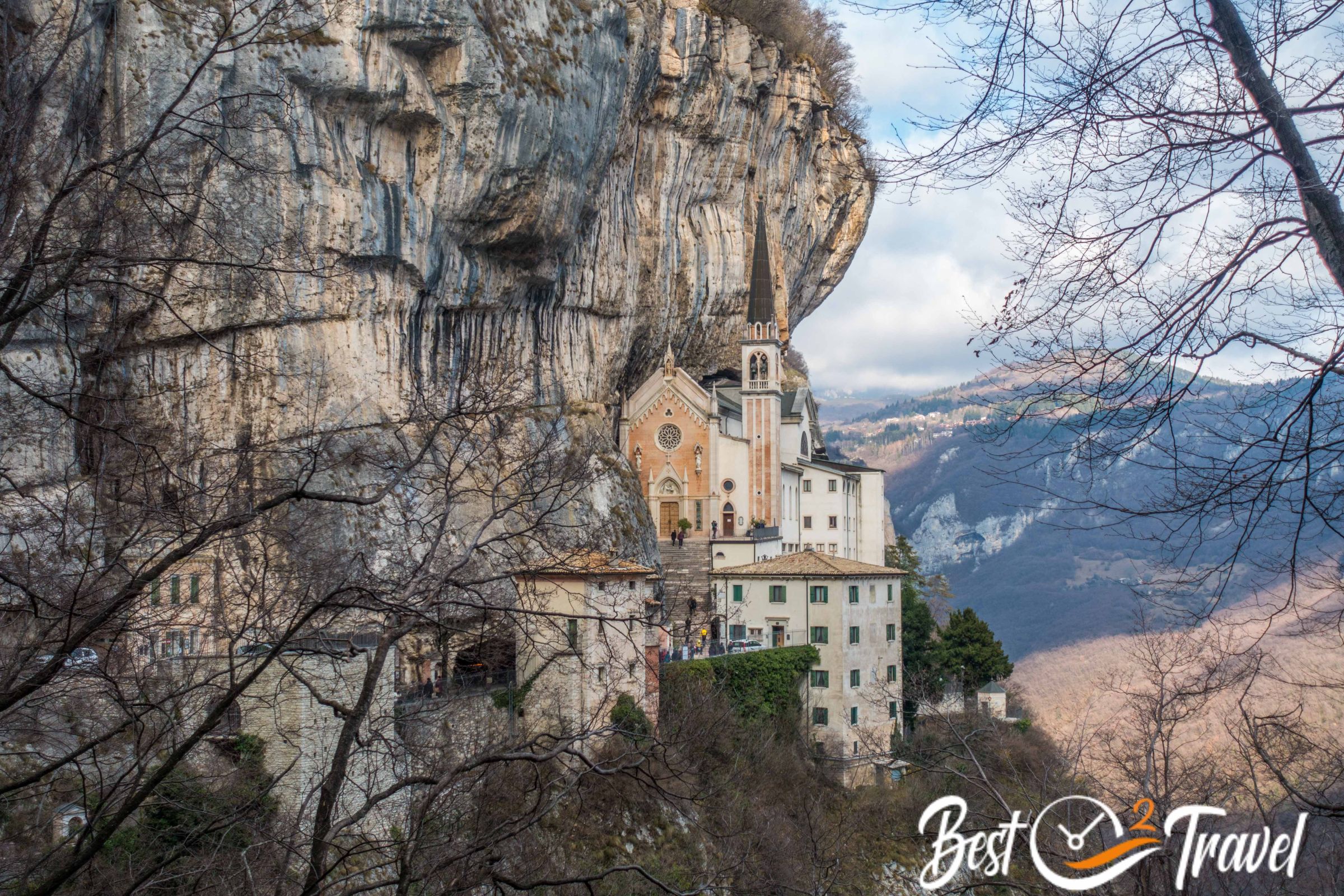
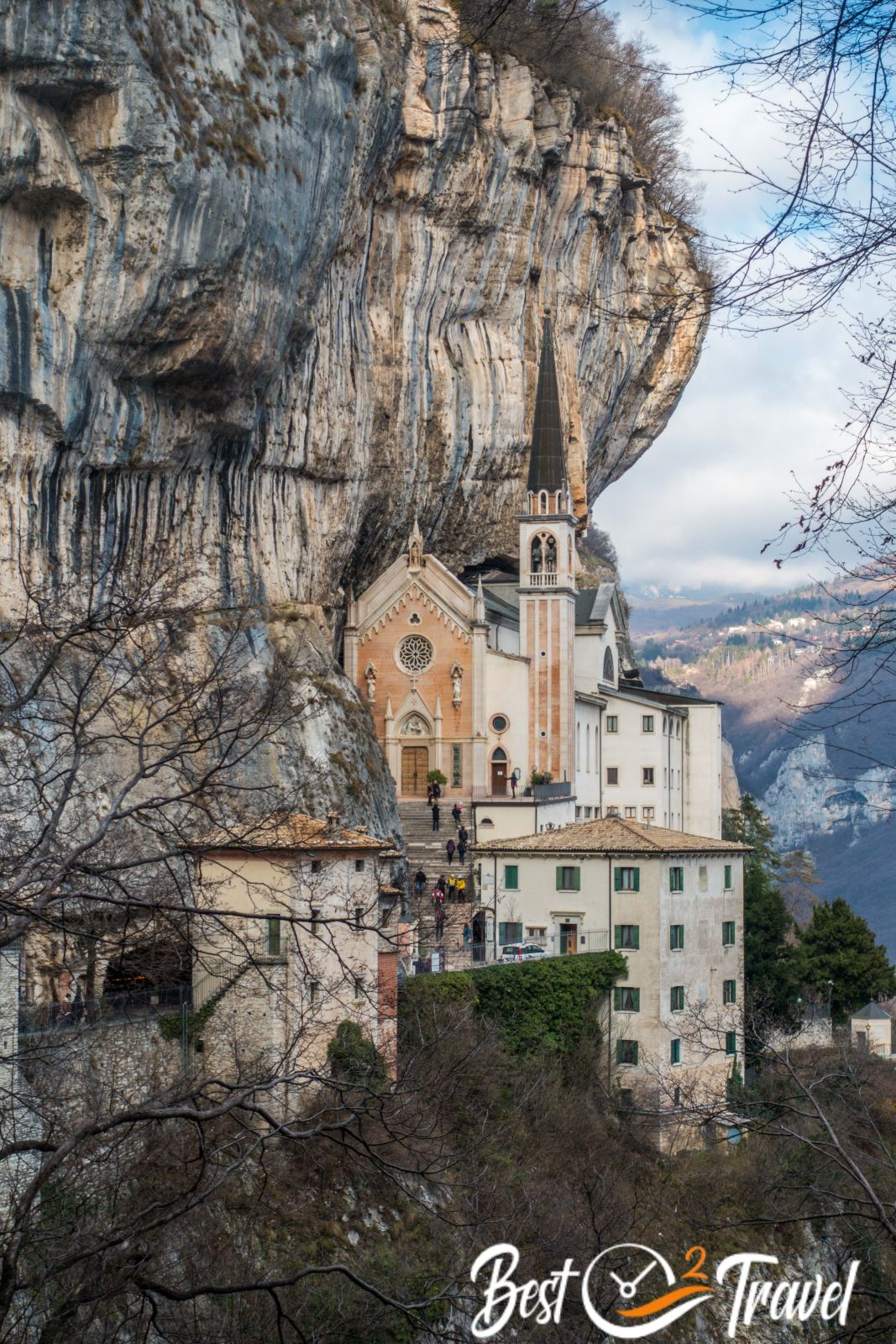
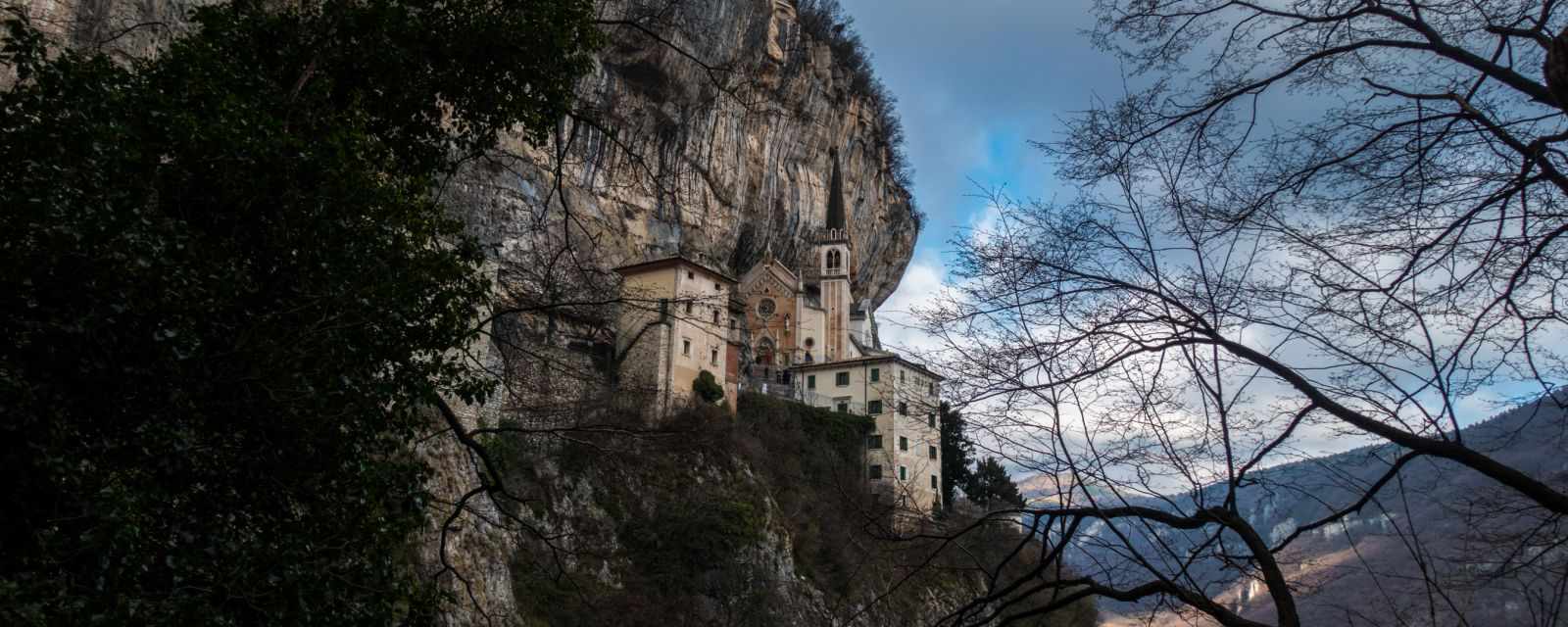
Madonna della Corona is one of the most extraordinary sanctuaries in Italy — a church built directly into the cliffs at 773 meters above the Adige Valley, just a short drive from Lake Garda. Whether you’re exploring the region for a day or a full week, this dramatic cliffside basilica is a must‑see.
Hiking to Madonna della Corona
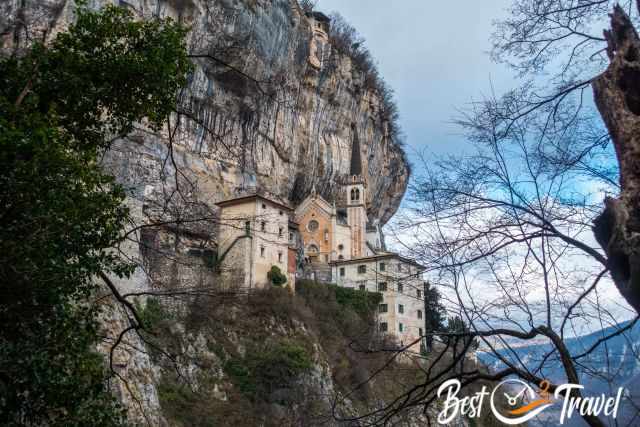
Several beautiful paths lead to Madonna della Corona, each offering a different perspective of the sanctuary perched high on the cliffs. Whether you want a full‑day adventure or a shorter walk, the routes around Spiazzi, Brentino, and the Sentiero della Speranza give you unforgettable views of the church and the dramatic Monte Baldo landscape.
Day Hike from Brentino
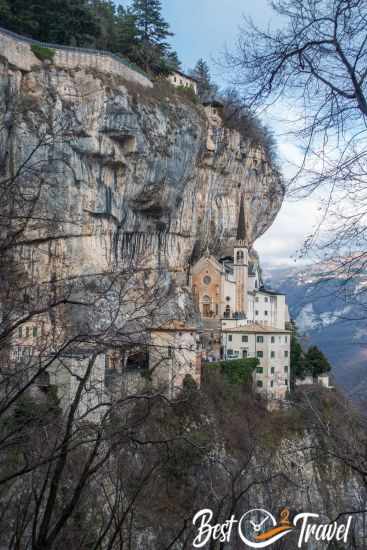
If you want the most rewarding approach, start your hike from the bottom in the village of Brentino, southwest of Avio. This route offers the best views of the sanctuary from below and lets you experience the dramatic cliffside setting in its full glory.
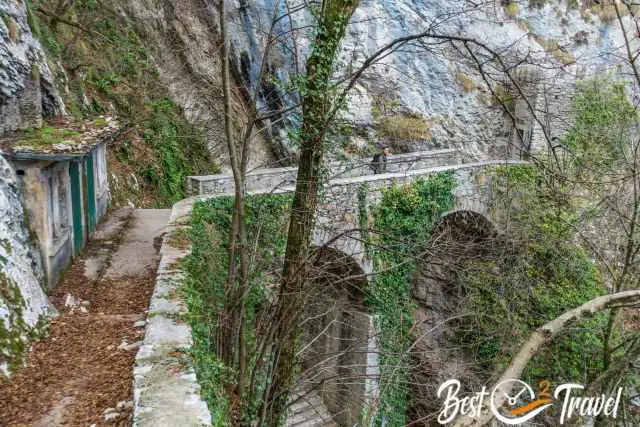
From Brentino, follow the trail on your hiking app to the basilica and then continue up to Spiazzi, where the upper parking and bus station are located. The hike is:
- 4 km one way
- 8 km return
- Hiking Trail Locus Map App
- A full‑day experience with fantastic viewpoints
- Includes the impressive Cloister along the road near Spiazzi
This is the most scenic and immersive way to reach Madonna della Corona — and the views of the church perched on the cliffs are breathtaking.
Half‑Day Walk from Spiazzi
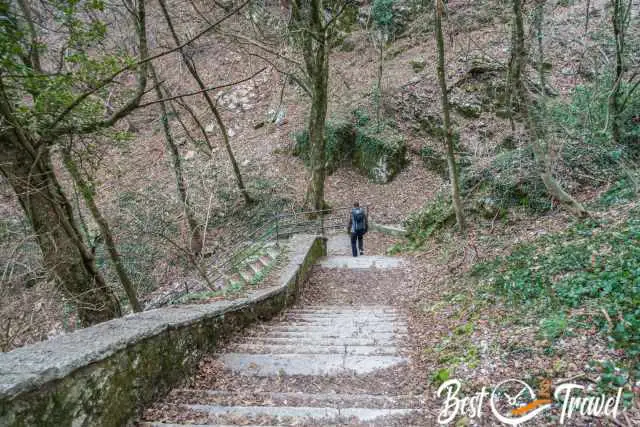
For a shorter and easier option, park at the top in Spiazzi and walk down to the sanctuary. Parking is limited, but the route is straightforward:
- 740 m one way
- 1.5 km return
- 20 minutes down, 30 minutes up
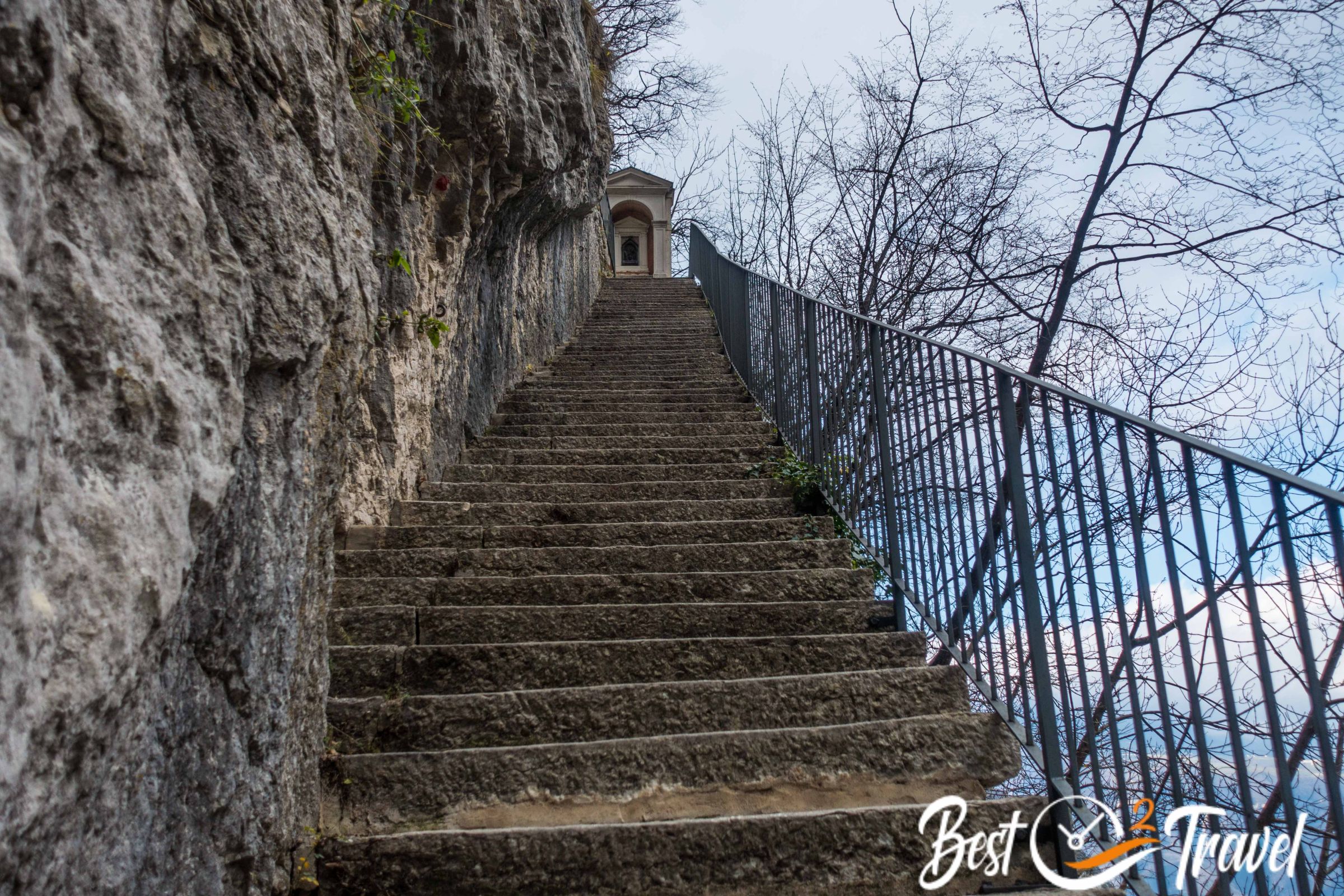
- Hundreds of steps through forest and rock
- Alternative: walk the bus road to avoid the steep staircase
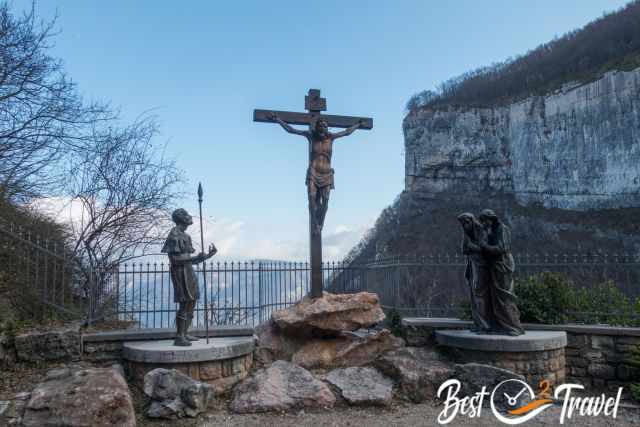
This route takes you past the cloister with bronze statues, one of the most atmospheric parts of the sanctuary complex.
Sentiero della Speranza
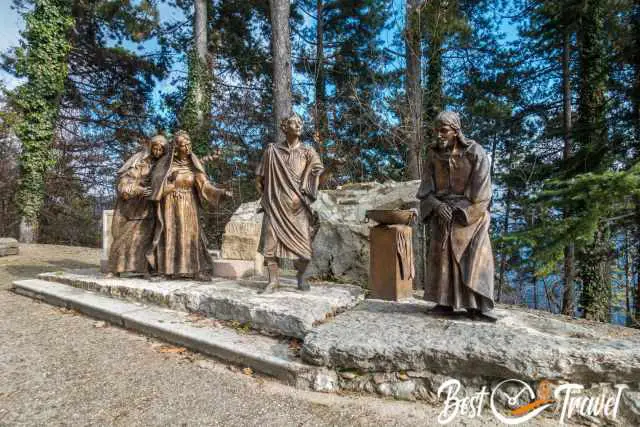
The famous Sentiero della Speranza — the “Path of Hope” — is another beautiful way to reach Madonna della Corona. It winds through nature, offering peaceful forest sections, dramatic viewpoints, and a sense of pilgrimage that fits the sanctuary’s spiritual character.
How to Get to Madonna della Corona
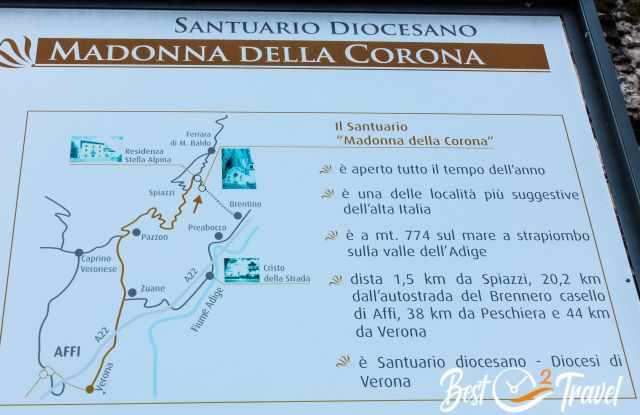
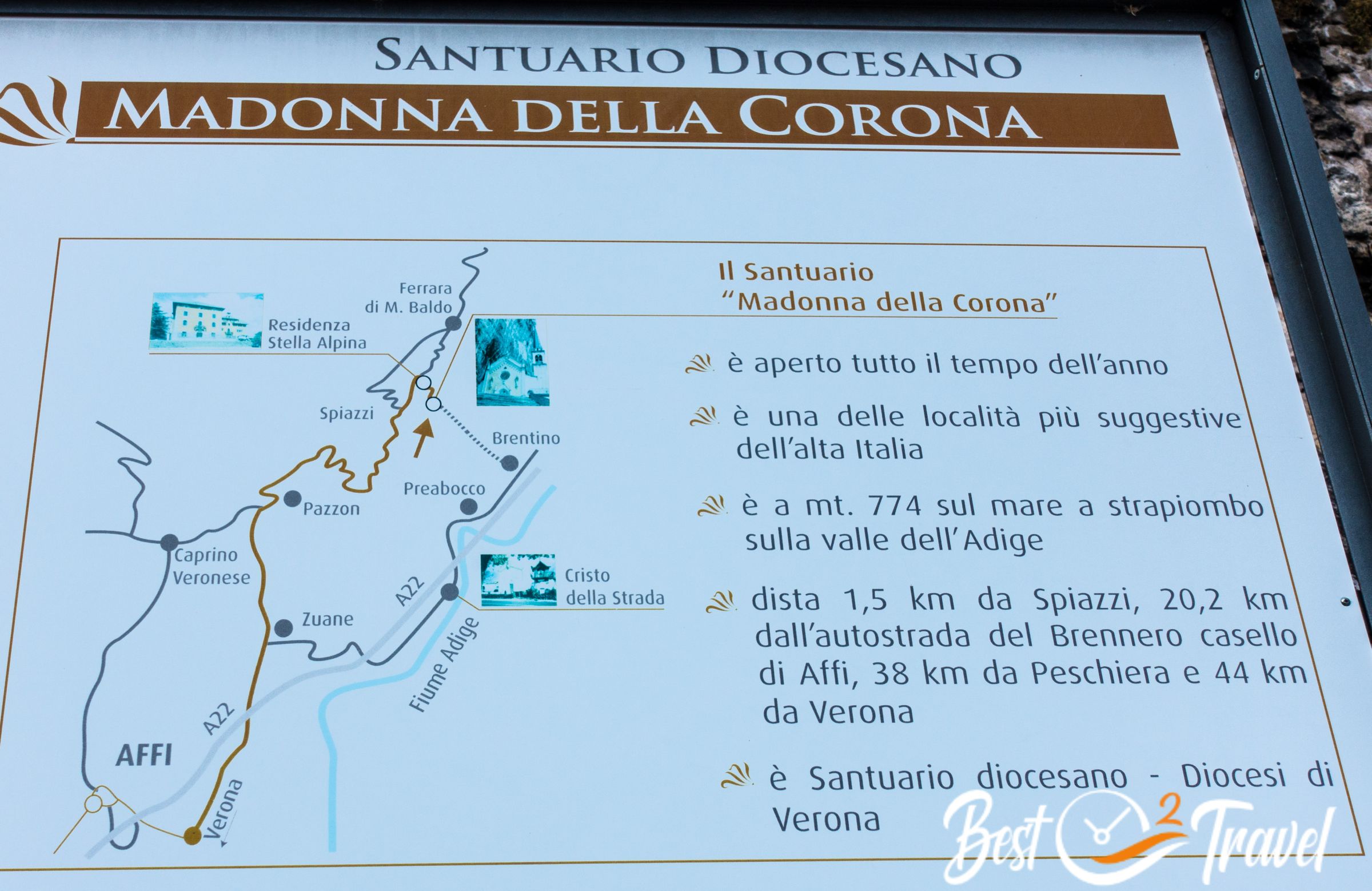
👉 Map of the area around Madonna della Corona in high resolution.
Getting to Madonna della Corona is easy, but a little planning makes the experience far more enjoyable. The sanctuary sits high above the Adige Valley on the slopes of Monte Baldo, and most visitors arrive via Spiazzi, the small village above the cliffs. From here, you can either walk down to the sanctuary or take the convenient shuttle bus, which is especially useful during the busy summer months.
Parking in Spiazzi
Parking in Spiazzi is limited. During summer and on weekends, spaces fill quickly — often by mid‑morning. In the low season or early in the day, you have a better chance of finding a spot. We parked here last winter and shared the sanctuary with only a handful of people — a wonderfully peaceful experience. The parking areas are close to the chapel, where the walking path and shuttle bus both begin.
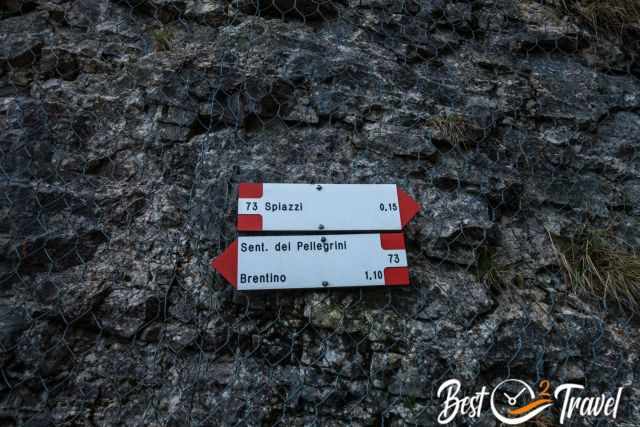
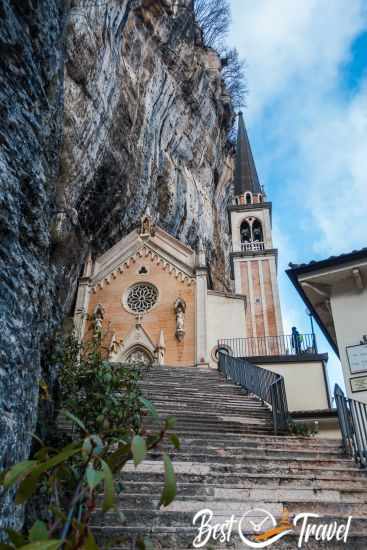
If you choose to walk, the descent follows a long staircase through forest and rock. It’s scenic but steep, and the return climb is more strenuous. You can also follow the bus road, which is less steep and easier for visitors who prefer a gentler path.
Shuttle Bus to Madonna della Corona
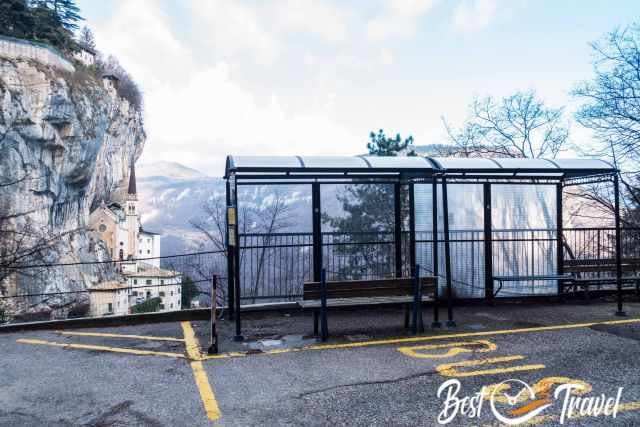
The shuttle bus is the easiest and most reliable way to reach the sanctuary, especially when parking is full. It runs regularly — typically every 20–30 minutes — and departs from the stop directly opposite the chapel in Spiazzi.
- Price: around €2 one way, €3.50 return
- Frequency: approx. every 30 minutes on weekdays, 15 minutes on Sundays and holidays
- Travel time: about 10 minutes
- Location: shuttle stop opposite the chapel
- View: you can already see the sanctuary when stepping off the bus
- Return: most visitors take the bus back up, as the uphill walk is more demanding
The shuttle avoids the steep staircase and is ideal for families, older visitors, or anyone who prefers a relaxed visit.
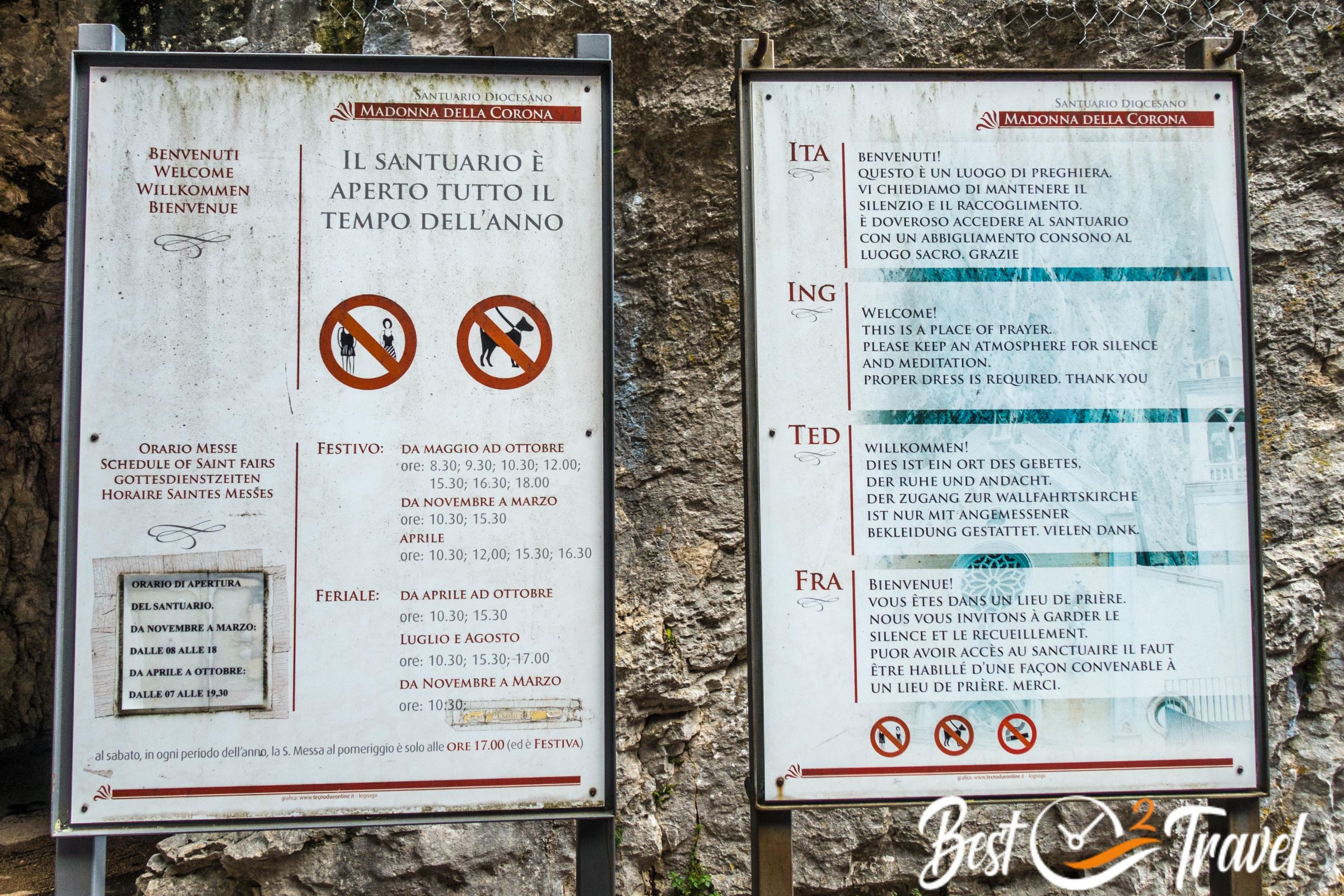
Opening Times Madonna Della Corona Church
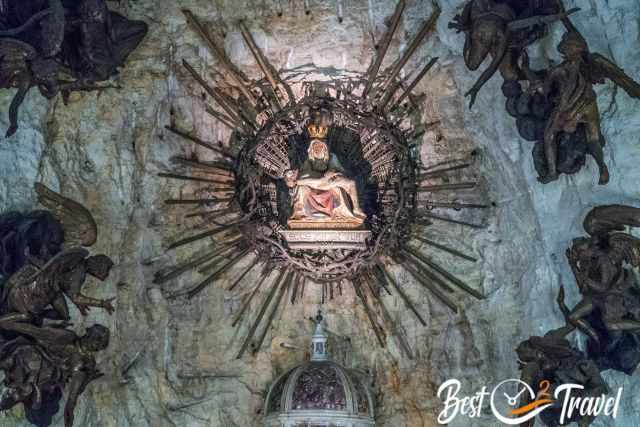
- April – October: 7 am to 7 pm
- November – March: 8 am to 6 pm
- Prayer service
People With Mobility Issues
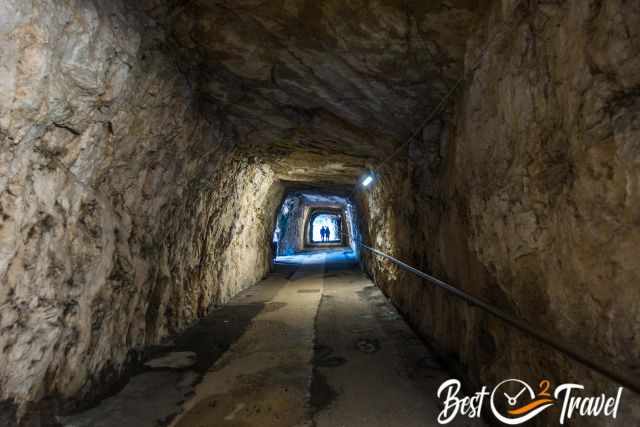
Accessing Madonna della Corona can be challenging for visitors with mobility issues, as the sanctuary sits deep within the cliffs and most approaches involve steep paths. The good news: if you can reach Spiazzi and board the shuttle bus, the final stretch is short and manageable.
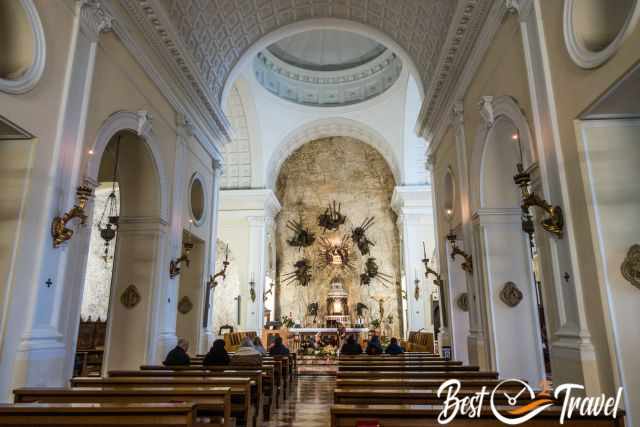
A tunnel leads directly to the entrance courtyard, and from here it’s only a brief walk to reach the inner area of the sanctuary. However, the last ascent to the church itself involves a steep staircase, as you can see in my video, and this part is unfortunately difficult for anyone with limited mobility.
If mobility is a concern, the shuttle bus is by far the easiest option — it avoids the long staircase from Spiazzi and brings you close to the sanctuary entrance.
Tips for Photographers
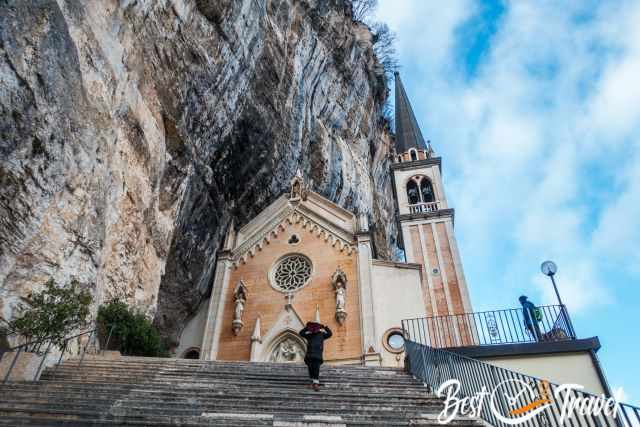
The dramatic setting of Madonna della Corona makes it a dream location for photographers. The sanctuary clings to the cliffs, and the steep staircase offers one of the most iconic viewpoints overlooking the church.
Summer Light Conditions
In summer, the basilica sits in shadow during the morning hours. For the best light on the sanctuary itself, aim for midday to early afternoon, when the sun finally reaches the cliffside and illuminates the façade beautifully.
Winter Light Conditions
Winter offers a much shorter window. You’ll get perfect sunlight only in the morning, and by midday the sun already disappears behind the mountains. If you want crisp, warm light on the church, arrive early — the shadows move fast.
Drone Restrictions
Drones are strictly prohibited, and for good reason. The sanctuary is a pilgrimage site, and the narrow valley amplifies noise. Respecting these rules helps preserve the peaceful atmosphere for everyone.
Our YouTube Video about this magical place.
History and Location
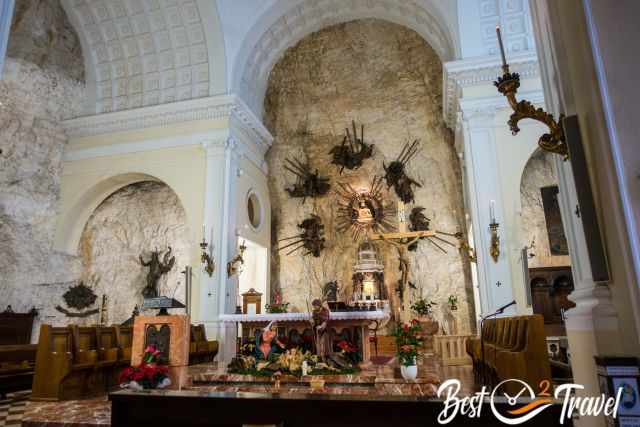
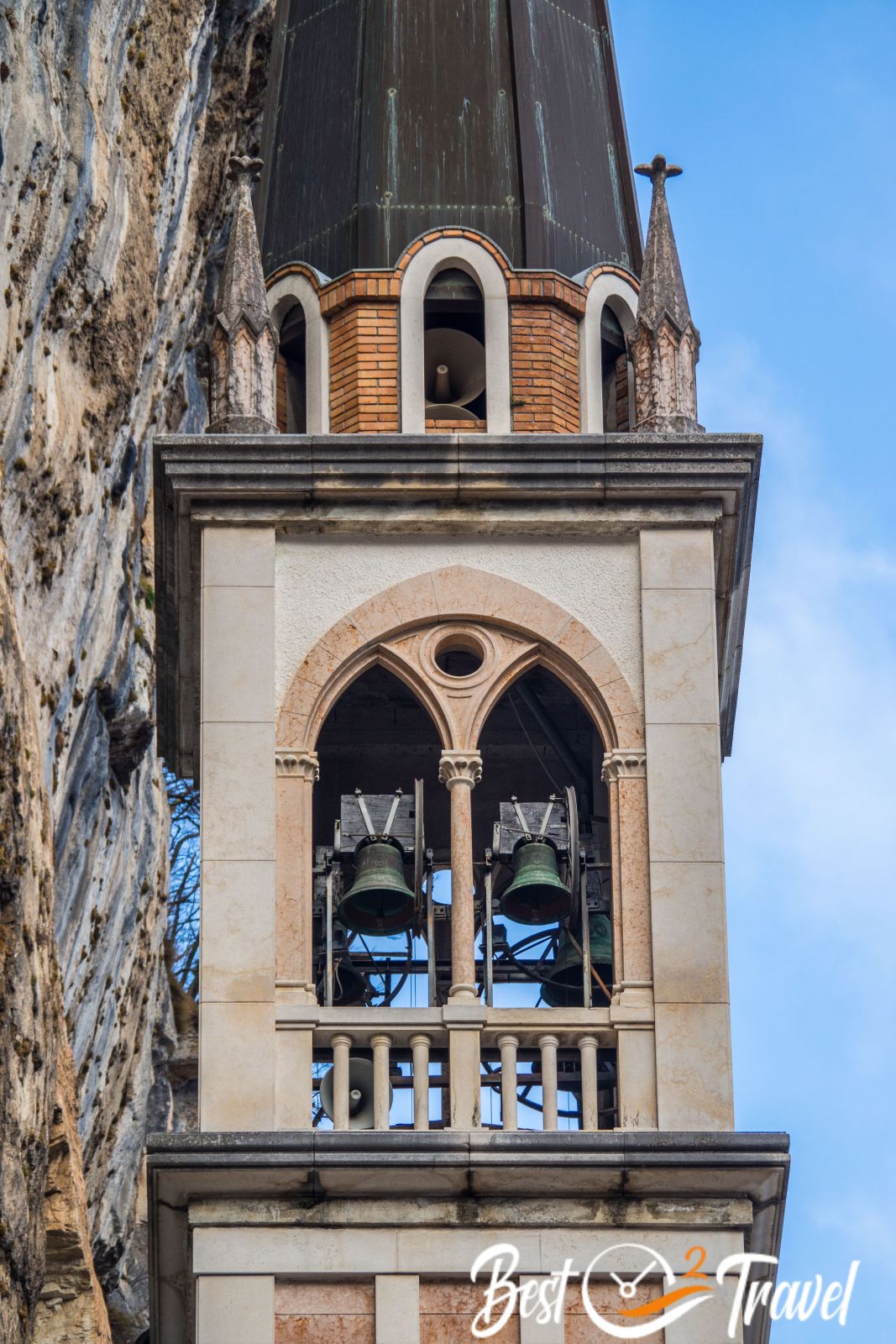
The sanctuary, known as “The Lady of the Crown,” dates back to the 16th century and sits on the rugged slopes of the Monte Baldo Massif, behind Lake Garda. Its inaccessible position protected it from destruction throughout history. In the 1970s, an Italian architect rebuilt and expanded the chapel, preserving its dramatic cliffside character.
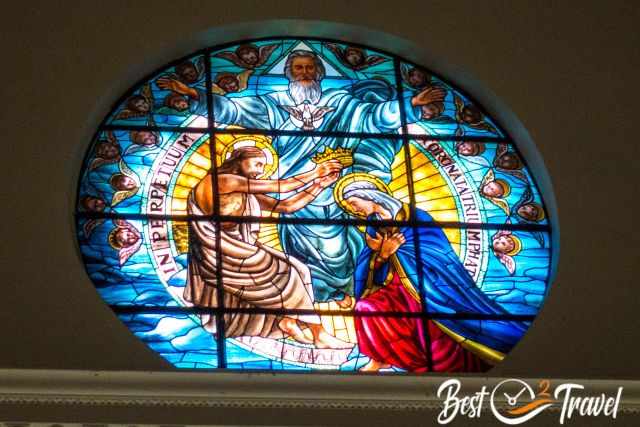
From Spiazzi, a steep staircase leads down to the church. Parking is available in the village, and there’s no entrance fee, though donations are appreciated. A small café next to the sanctuary offers drinks and snacks, and several restaurants in Spiazzi make it easy to plan a full day trip. Still, bring plenty of water and a sandwich if you’re hiking — the trail and elevation can be demanding.
Tip: Dress Code
Signs at the beginning of the trail already remind visitors to dress appropriately. Shoulders and knees must be covered to enter the sanctuary, especially in summer when light clothing is tempting. Bringing a thin scarf or light shawl is an easy solution — it keeps you cool and ensures respectful access to this sacred place.
Where to Eat in Spiazzi
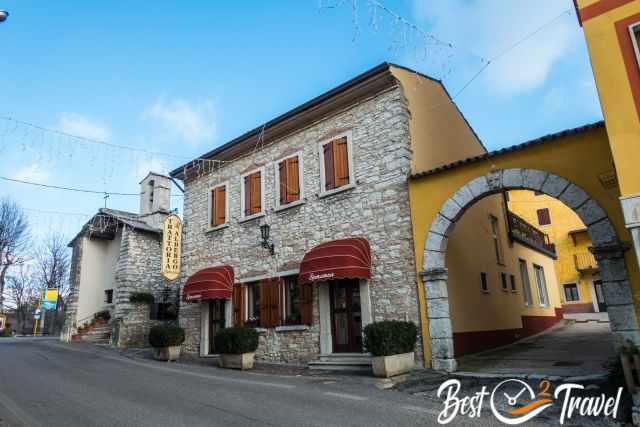
Spiazzi has a handful of small restaurants and trattorias where you can enjoy hearty mountain dishes after visiting Madonna della Corona. We ate at Trattoria Albergo Speranza, a cozy spot right in the village with classic Italian comfort food — perfect after the steep walk.
Because the sanctuary sits high in the mountains and the trail can be demanding, it’s smart to bring plenty of water and a sandwich for the hike. There are no food options along the path itself, and on hot days you’ll be grateful for the extra supplies.
Where to Stay at Lake Garda
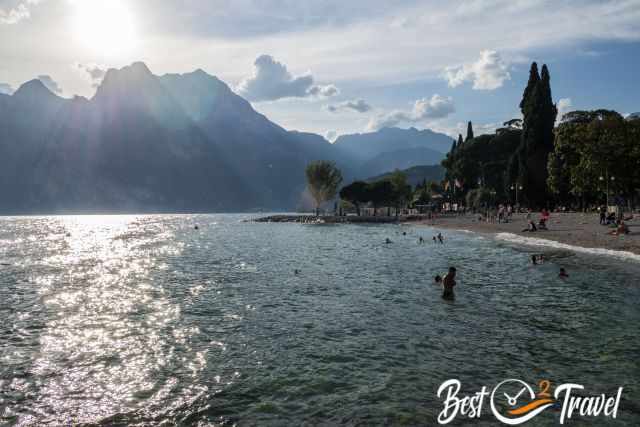
Lake Garda offers a huge variety of accommodation, from charming lakeside hotels to mountain lodges with sweeping views. Where you stay depends on the kind of experience you want — peaceful mornings, easy access to hiking trails, or lively lakefront towns with restaurants and gelaterias.
North Lake Garda – For Hikers & Nature Lovers
The northern shore around Riva del Garda, Torbole, and Arco is perfect if you love dramatic scenery. Steep mountains rise directly from the lake, giving you fjord‑like views and quick access to Monte Baldo, Madonna della Corona, and countless hiking trails. It’s quieter than the south and ideal for active travelers.
East Lake Garda – Closest to Madonna della Corona
If you want the shortest drive to the sanctuary, stay in Malcesine, Torri del Benaco, or Garda. These towns offer a beautiful mix of lakefront promenades, medieval alleys, and easy access to Monte Baldo. Malcesine is especially scenic, with its castle and cable car — a great base for combining lake days with mountain adventures.
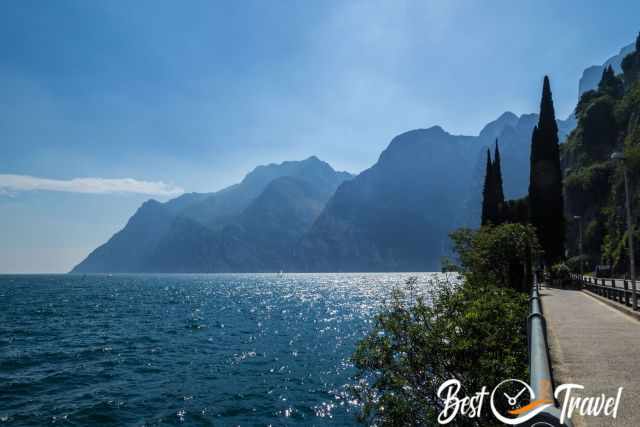
South Lake Garda – For Relaxed Holidays & Families
The southern towns like Sirmione, Desenzano, and Peschiera del Garda are warmer, flatter, and perfect for swimming, strolling, and enjoying long summer evenings. This area is busier and more resort‑like, with plenty of restaurants, beaches, and family‑friendly hotels.
West Lake Garda – For Peace & Panoramic Views
The western shore around Limone, Tremosine, and Gargnano is quieter and more traditional. Expect terraced lemon gardens, narrow mountain roads, and spectacular viewpoints. It’s ideal if you prefer a slower pace and fewer crowds.
Booking Tip
Lake Garda is extremely popular from June to September, and prices rise quickly. Booking early helps you secure better rates — especially in Malcesine and Sirmione. If you want to support my work, you can book your accommodation through my affiliate links above.
Weather and Crowds at Lake Garda
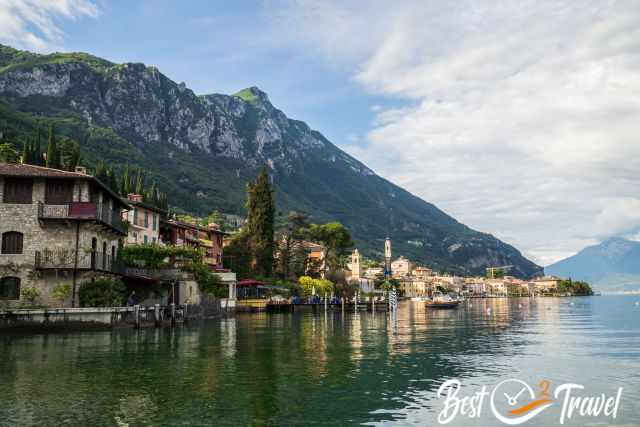
Lake Garda has a famously mild microclimate, but the higher elevations around Madonna della Corona and Monte Baldo are cooler and more unpredictable. Rain is possible year‑round, and snow can occur from late October to March in the mountains. If you visit in winter, winter tires or snow chains are essential for the winding road to Spiazzi (850 m).
Spring (March–May)
Spring is one of the best times to visit Lake Garda. Expect daytime temperatures up to 20°C, cool nights around 10°C, and increasing rainfall in May. Crowds grow steadily, especially around Easter, but the lake and mountain trails remain pleasant.
Summer (June–August)
Summer brings hot weather around 30°C, warm nights below 20°C, and frequent afternoon thunderstorms. Humidity creates hazy mornings, reducing visibility across the lake. This is the busiest season — heavy traffic, packed beaches, and high accommodation prices.
Autumn (September–November)
Autumn offers stable weather and fewer crowds. September and October stay around 20°C, ideal for hiking and exploring. November is cooler, often below 10°C. It’s also porcini season — fresh mushrooms appear in the mountain forests and local markets.
Winter (December–February)
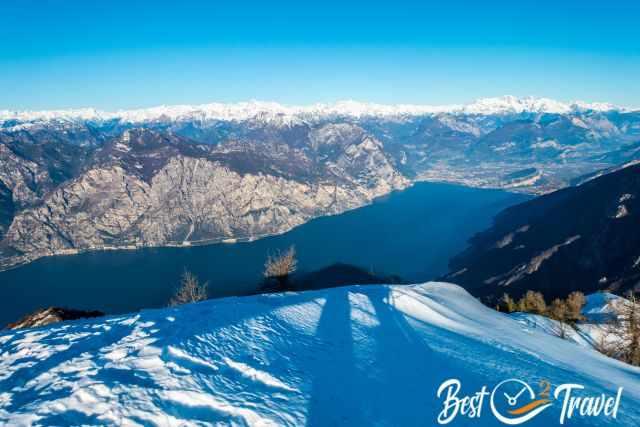
Winter is the quietest time at Lake Garda. Days are mild (5–10°C) with cold nights around freezing. Snow is common on Monte Baldo and occasionally reaches the northern shore. Clear skies and low humidity make winter perfect for photography and peaceful visits.
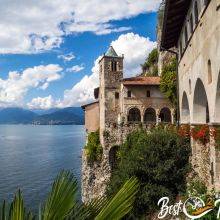
If this place inspired you, don’t miss Santa Caterina del Sasso — a stunning hermitage carved into the cliffs above Lake Maggiore.
Top Tips
If this place inspired you, don’t miss Santa Caterina del Sasso — a stunning hermitage carved into the cliffs above Lake Maggiore.
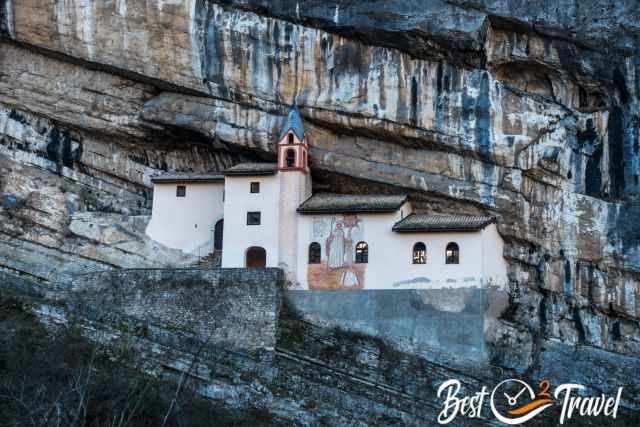
Another extraordinary place is Eremo di San Colombano — a sanctuary carved into the rock, perched above a narrow gorge near Rovereto. It’s one of the most fascinating hermitages in northern Italy and absolutely worth adding to your itinerary.
Although the hermitage isn’t open daily, you can still admire its breathtaking location from the road. The access bridge is closed by a gate outside opening hours, but even from a distance the view is awe‑inspiring. Location Google Maps
Opening Hours
- Summer: Fridays and weekends, 10:00–18:00
- Winter: Weekends only
- Access across the bridge is restricted when the gate is closed.
It’s just a short drive from Rovereto, north of Lake Garda, making it an easy and rewarding detour. You can find more details about this remarkable chapel here.
Best Months to Visit
Location and Tips

The Sanctuary of Madonna Della Corona, "The Lady of the Crown" from the 16th century, is located close to Lake Garda on the Monte Baldo Massif's back.