
When Is the Best Time
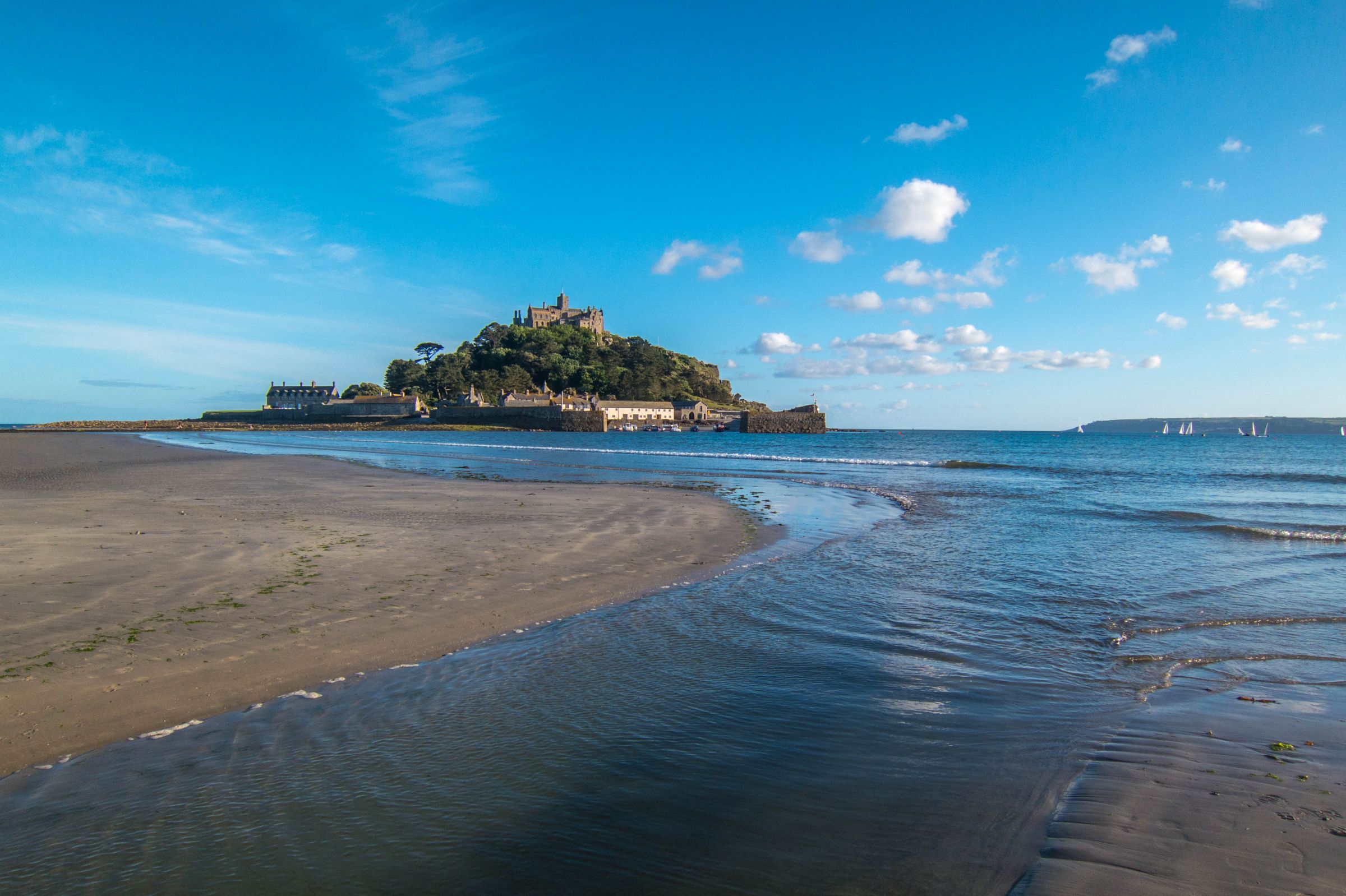
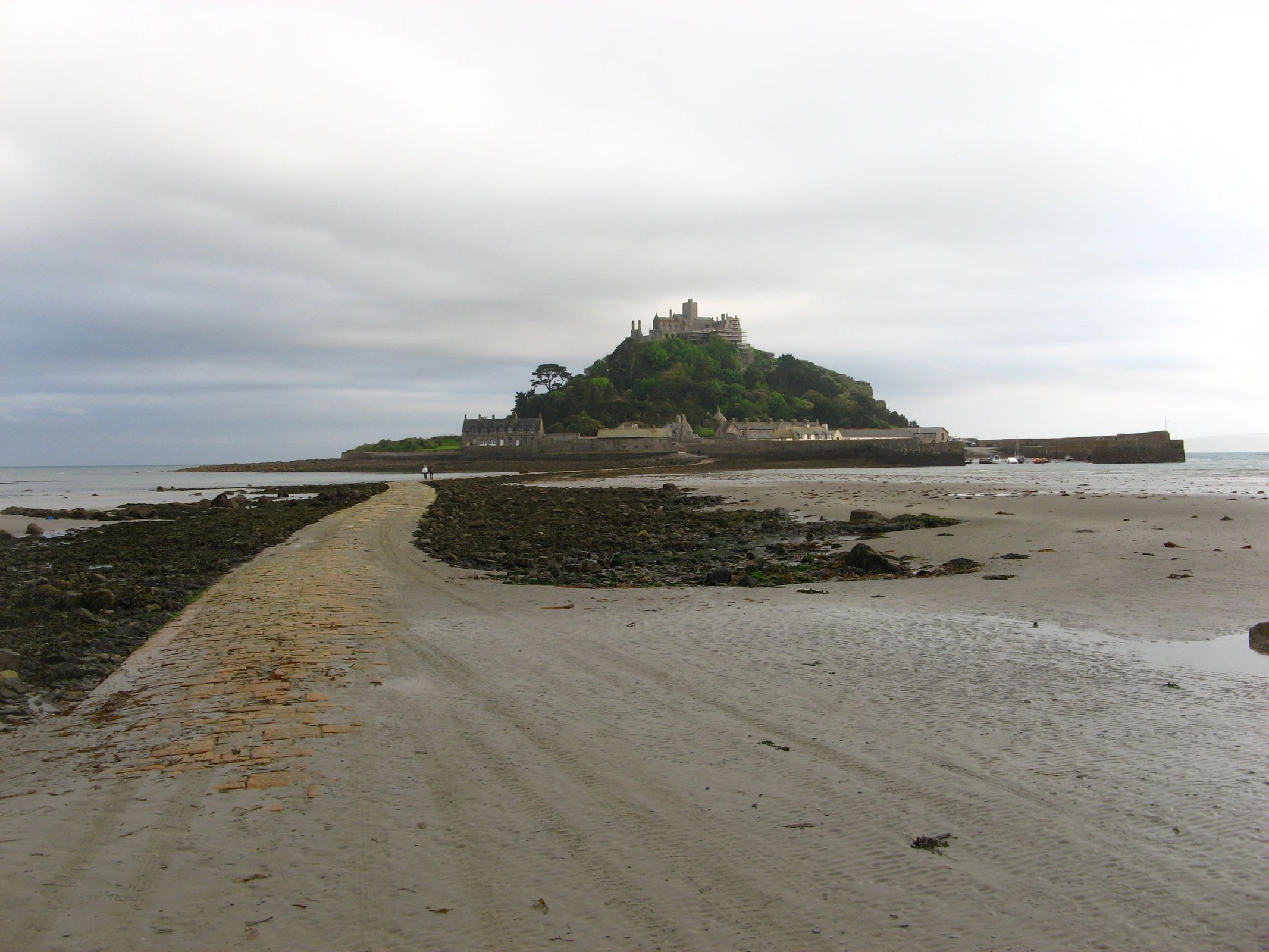
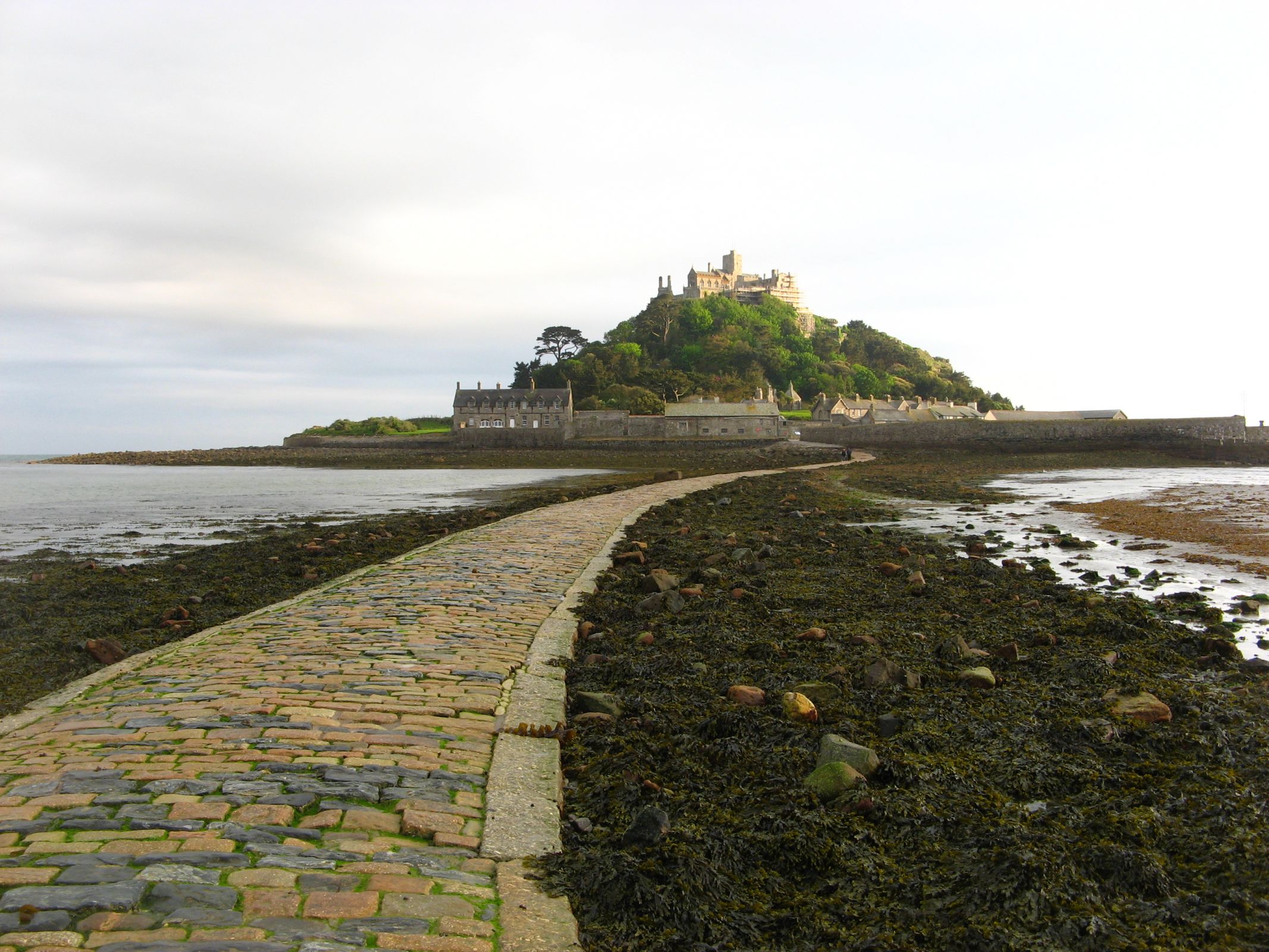
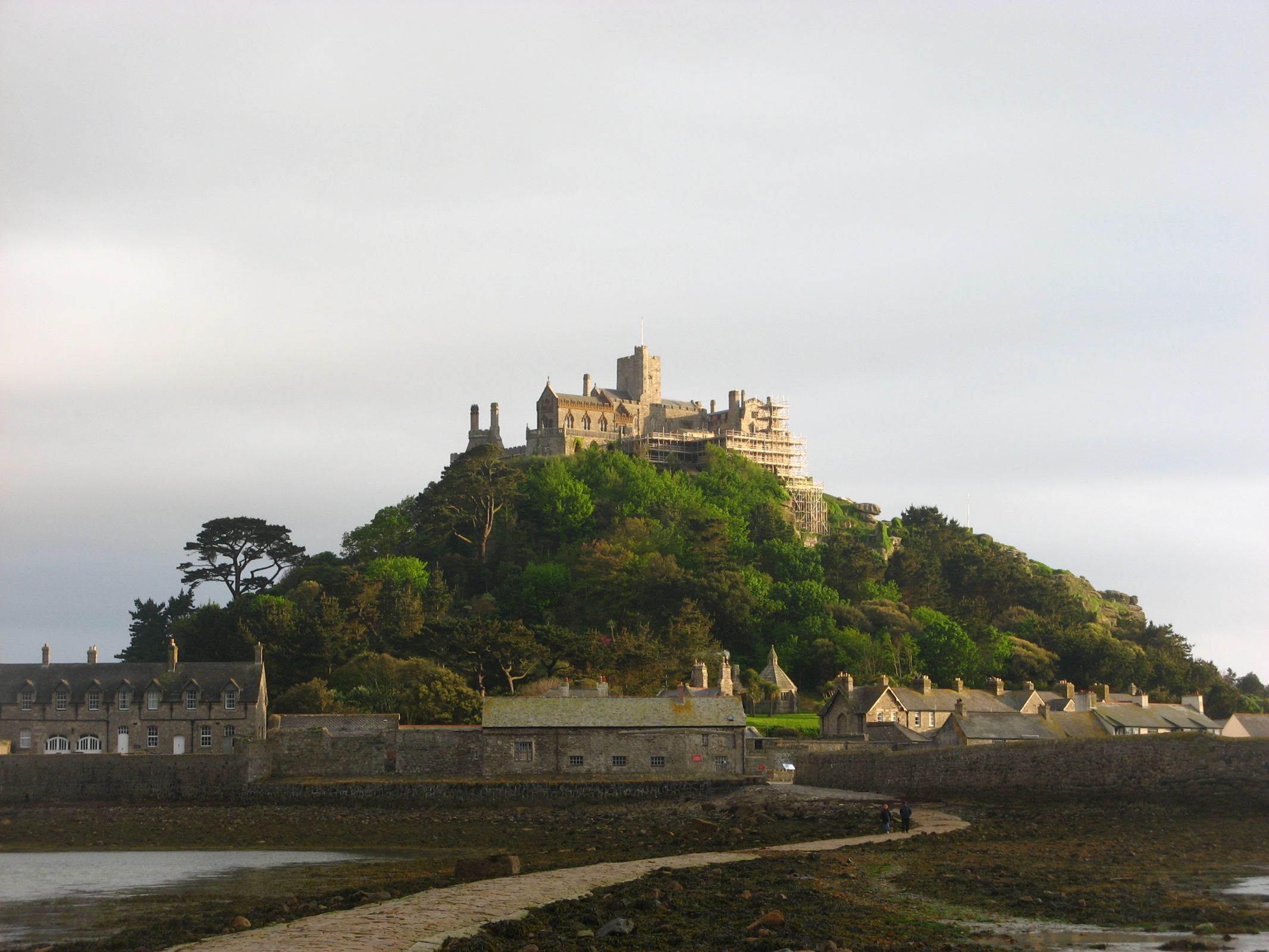
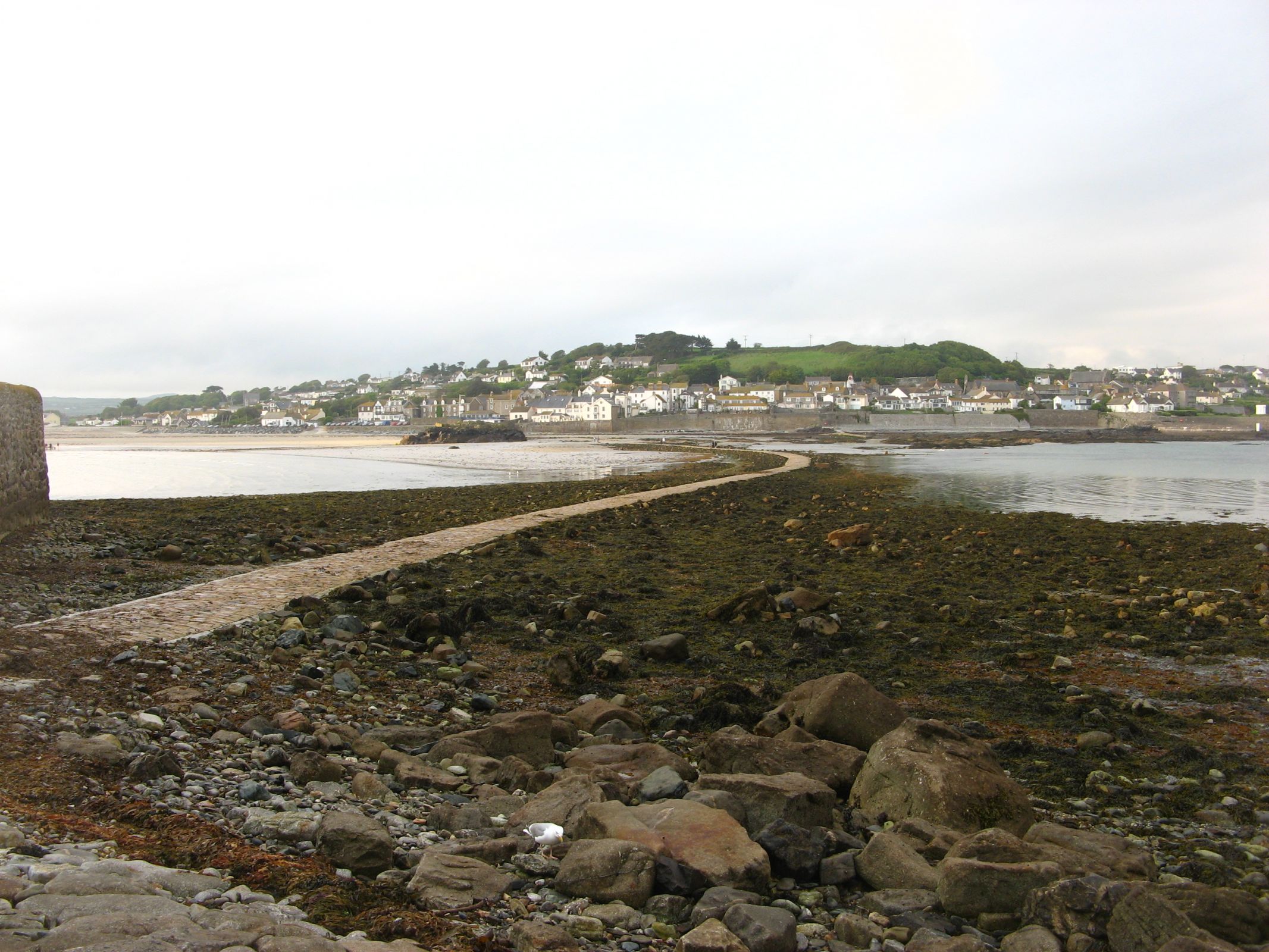
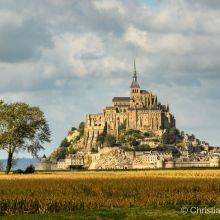
St Michael’s Mount is shaped entirely by tides and weather — every visit depends on timing. Unlike Mont‑Saint‑Michel in Normandy, the Cornish island is cut off twice a day and only walkable for a short 3–4‑hour window when the historic cobbled causeway emerges at low tide. With more than 300,000 annual castle visitors and many more crossing just for the island, it’s one of Cornwall’s most iconic landmarks — and yes, crowds can easily affect the experience.
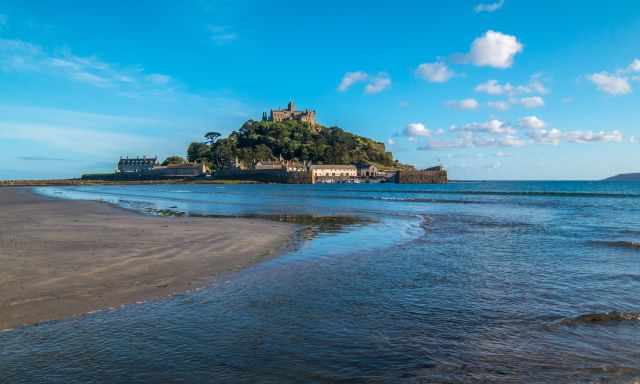
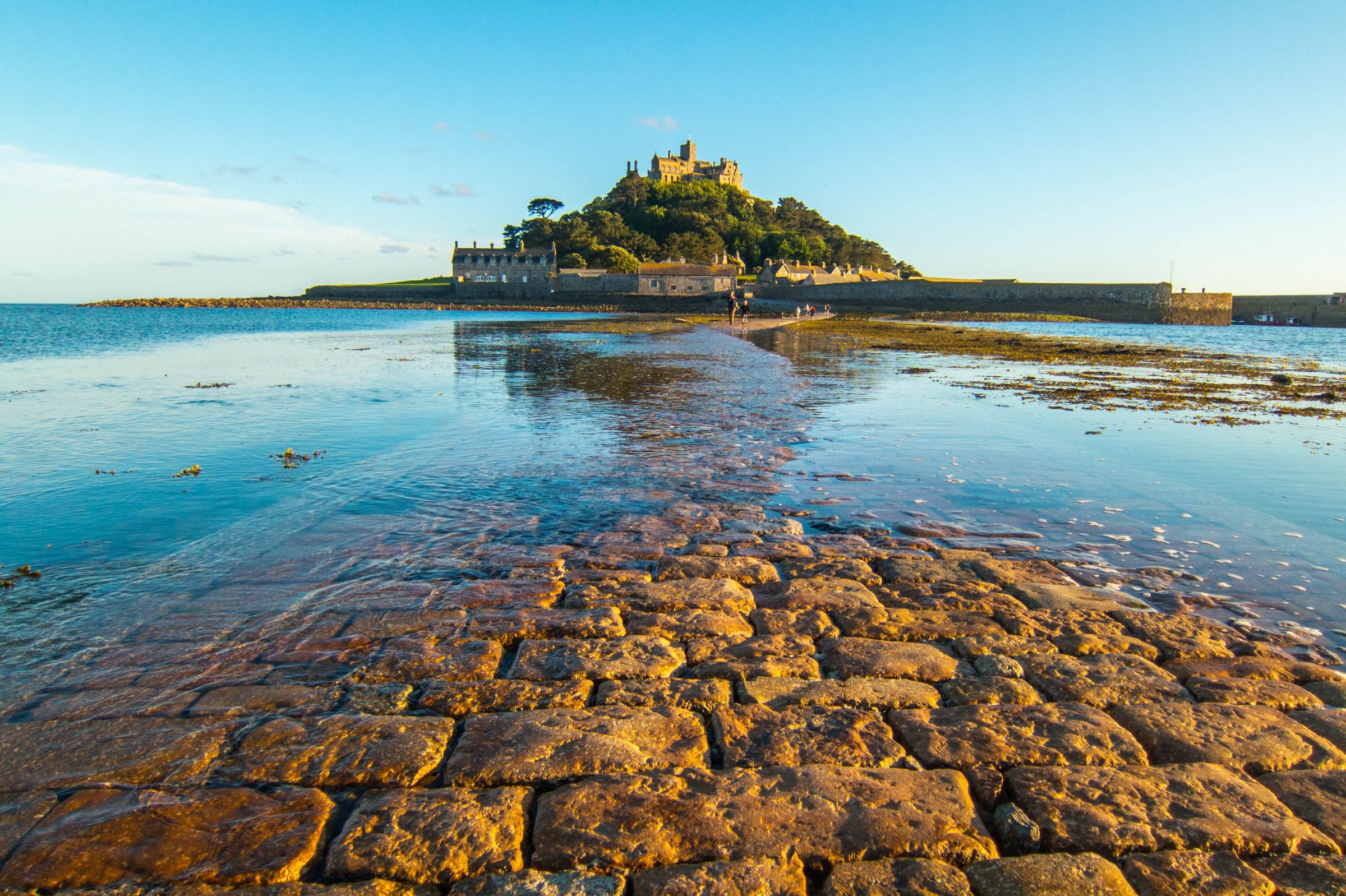
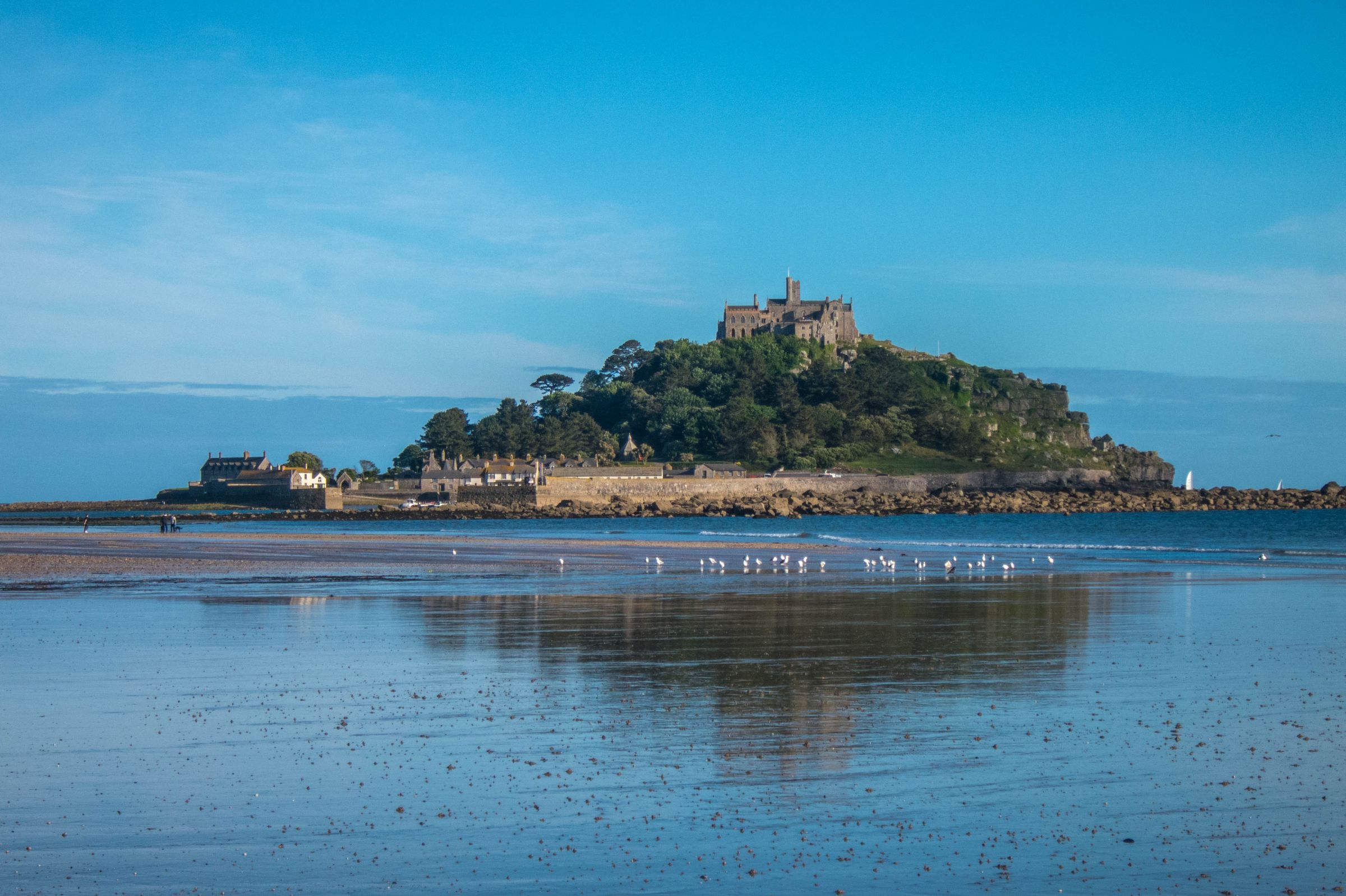
If you’re staying in the Penzance or Marazion area, plan to visit twice: once at low tide to walk the causeway, and once at high tide to see the Mount rising from turquoise water. Saturdays are fully closed, and from November to mid‑Marchthe castle and island usually shut for winter. Watching the incoming tide swallow the causeway stone by stone is unforgettable — and a good reminder to wear shoes with traction and you don’t mind getting wet.
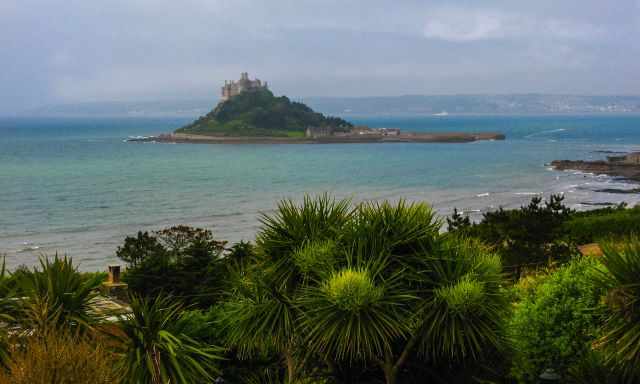
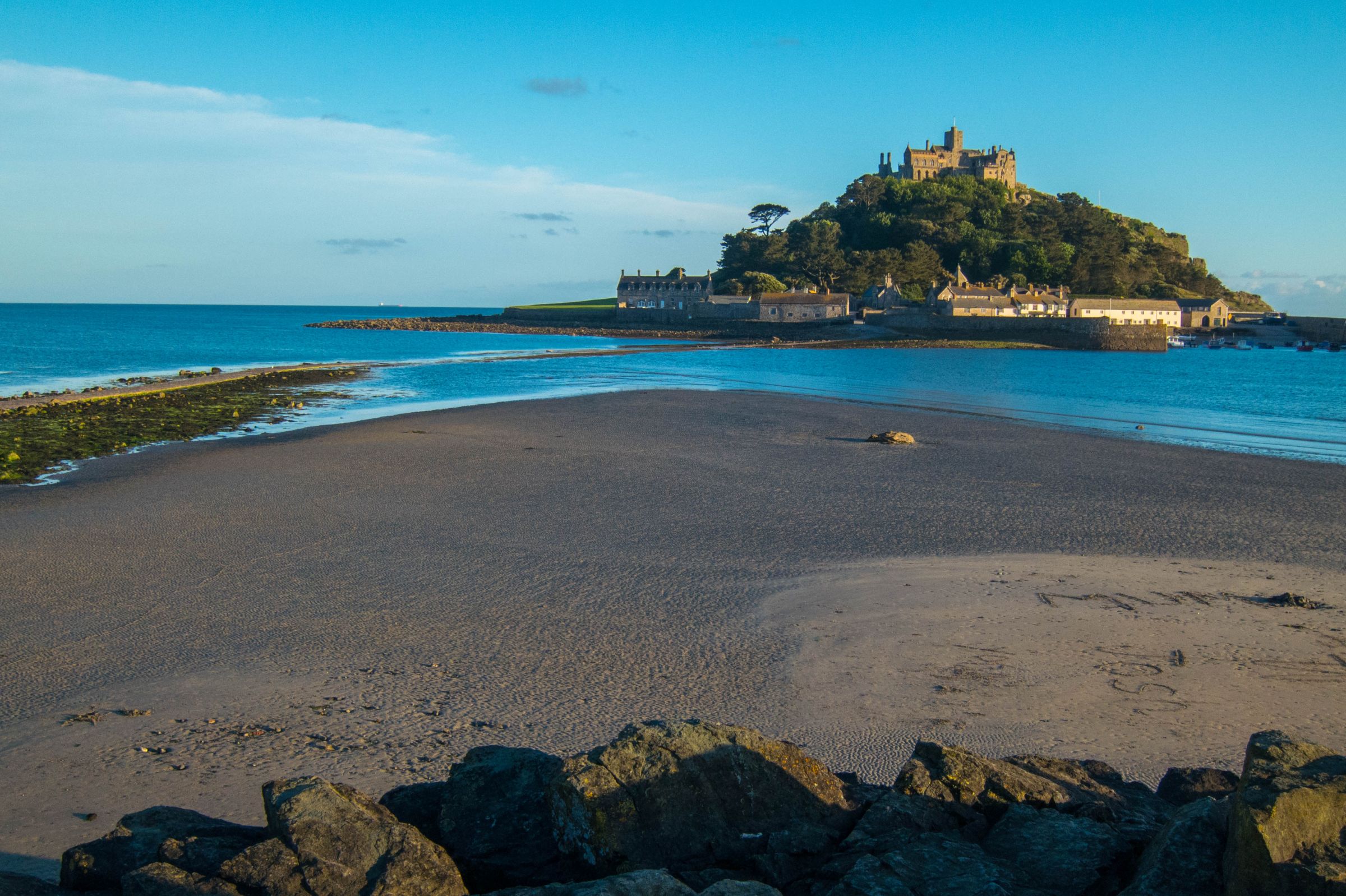
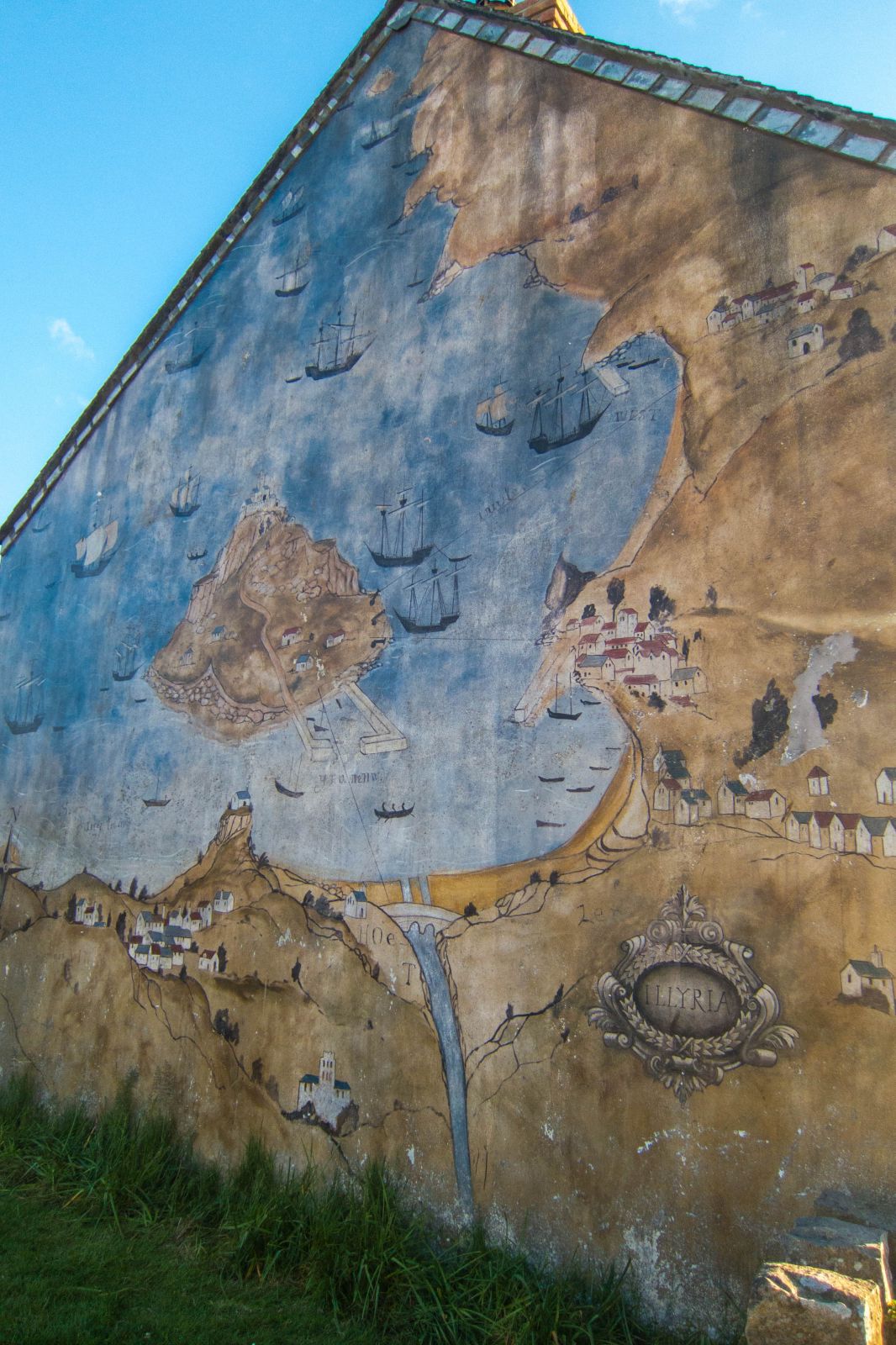
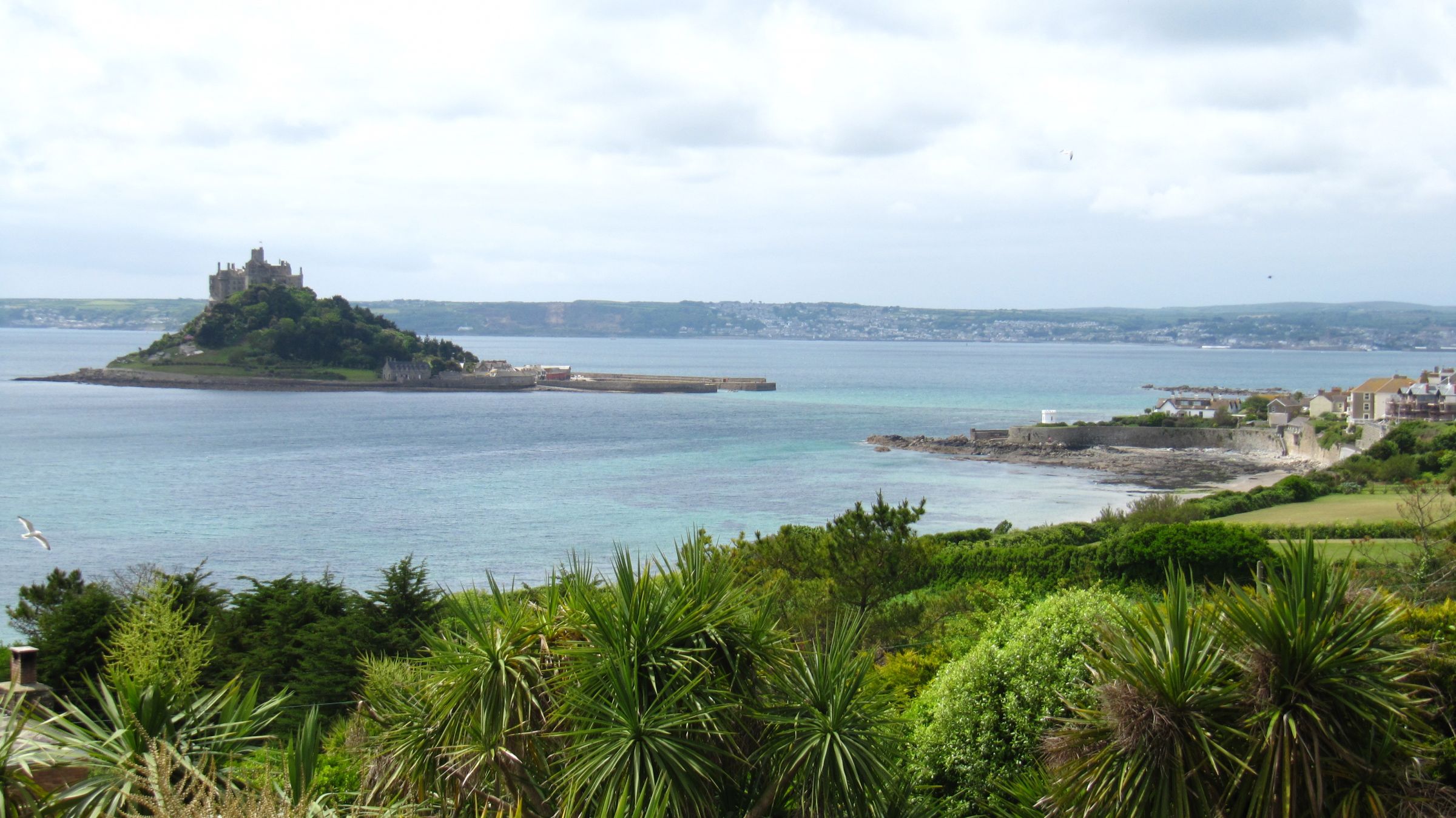
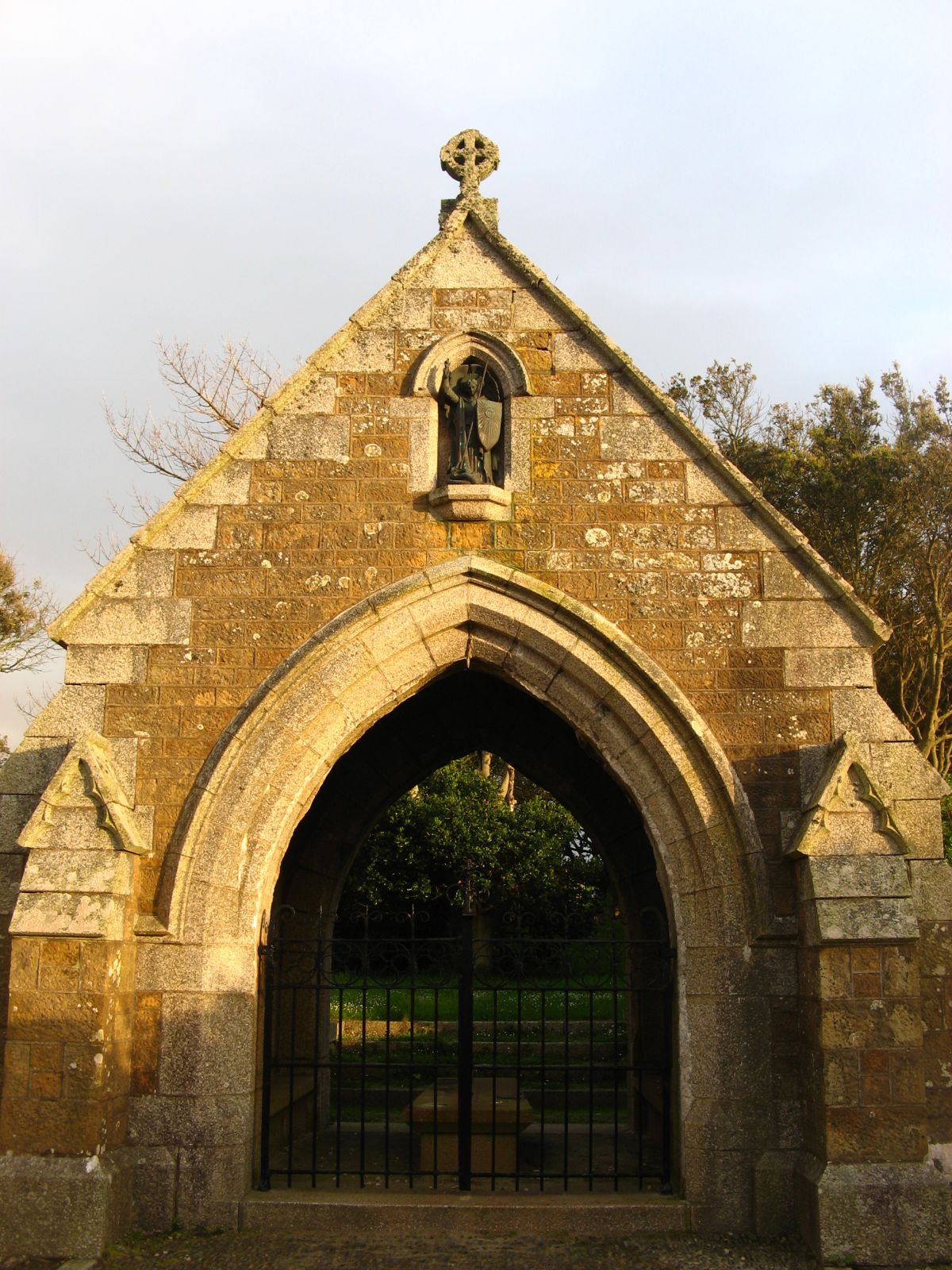
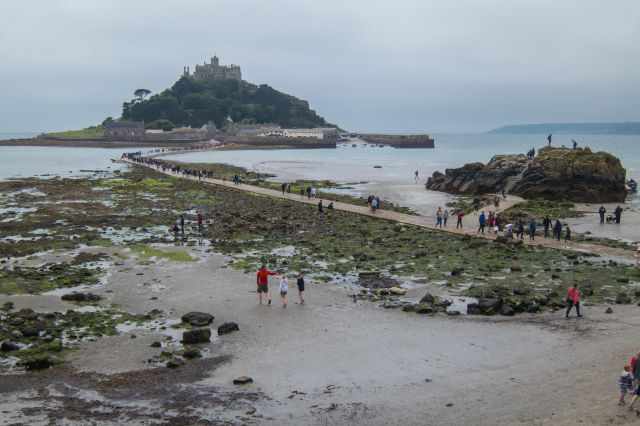
The Mount sits roughly 500 metres offshore, accessible on foot only when the tide allows. Allow at least three hours, ideally four, to explore the harbour village, castle, and gardens. The island’s name and legend mirror Mont‑Saint‑Michel: Saint Michael is said to have appeared to local fishermen in 495 AD, warning them of dangerous rocks — a story that helped establish the early chapel and later monastic site.
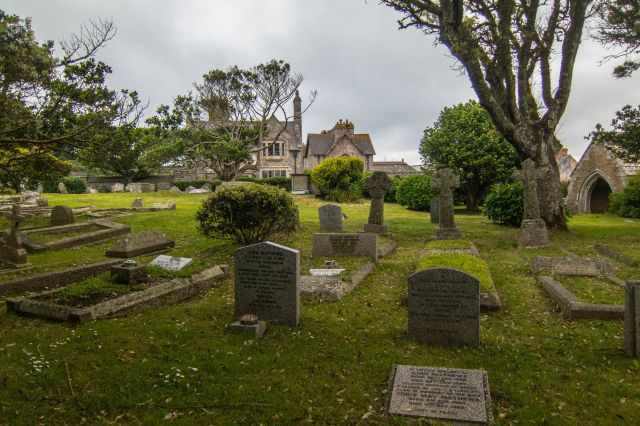
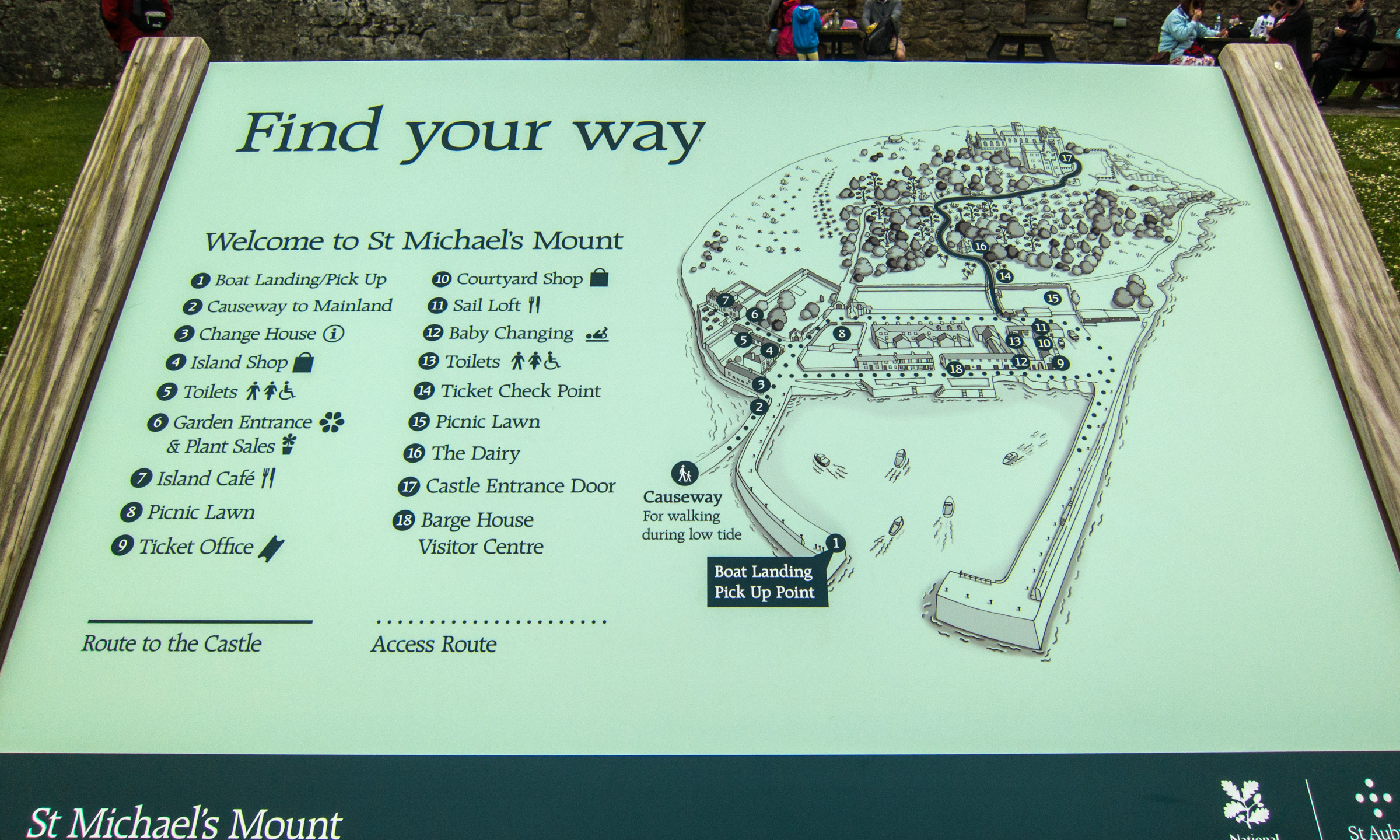
Your first stop after crossing the causeway is the Barge House, now the island’s information centre and a small exhibition. Completed in 2016, it offers an excellent introduction to the Mount’s layered history through displays and a looping video presentation.
St Michael’s Mount Tide Times & Causeway Access
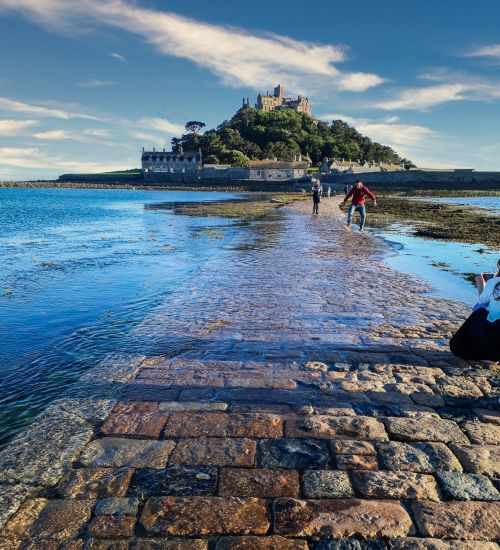
The tide controls everything at St Michael’s Mount, so check the daily causeway times before you plan your visit. The island publishes safe crossing hours each morning, and the board at Marazion shows the exact window for that day.
Causeway Accessibility
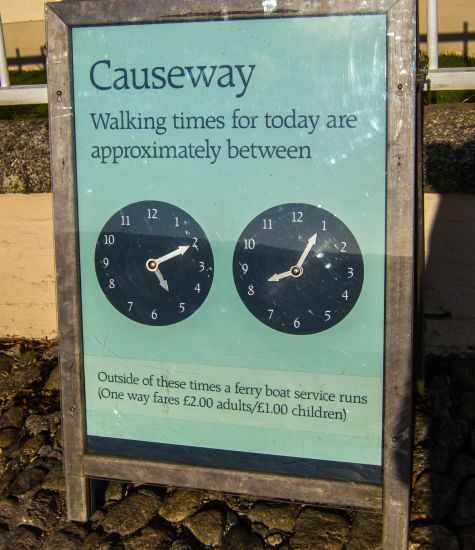
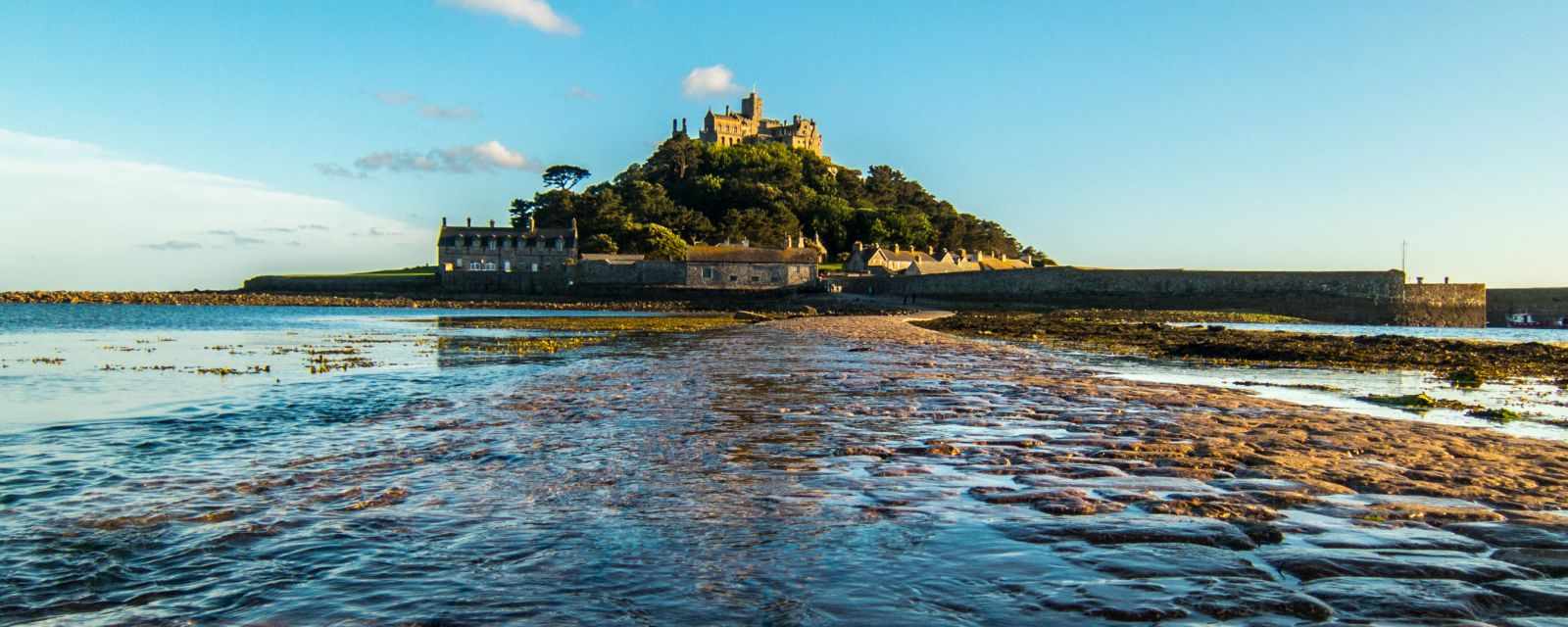
You can walk the cobbled causeway for about two hours before low tide and two hours after. This window usually appears once during daylight and once at night, depending on the tide cycle. Because the timing shifts every day, always confirm the causeway crossing times before you head out.
The causeway floods quickly, so keep an eye on the incoming tide — many visitors end up with wet shoes when they misjudge the last few minutes.
Best Time to Visit St Michael’s Mount
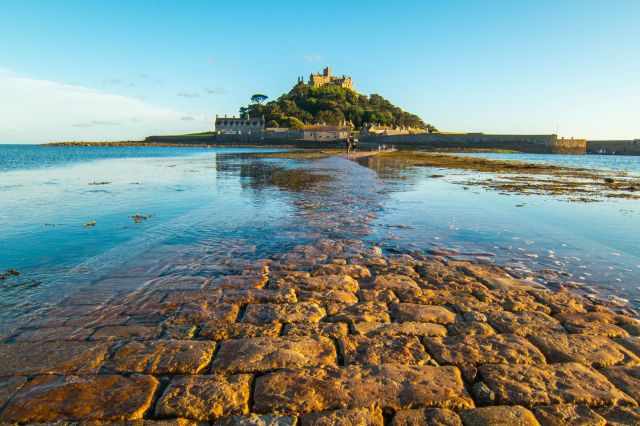
Visit from April to September for the driest weather and the best chance of a low‑tide crossing. If you want a quieter experience, come on Saturday. The castle closes, but the village and harbour stay open, and the crowds drop noticeably.
Best Time of Day for Photography
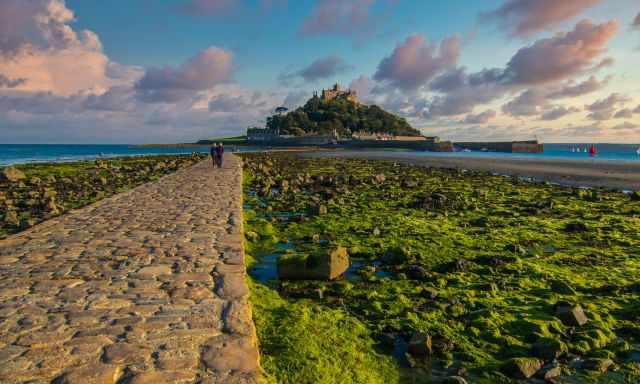
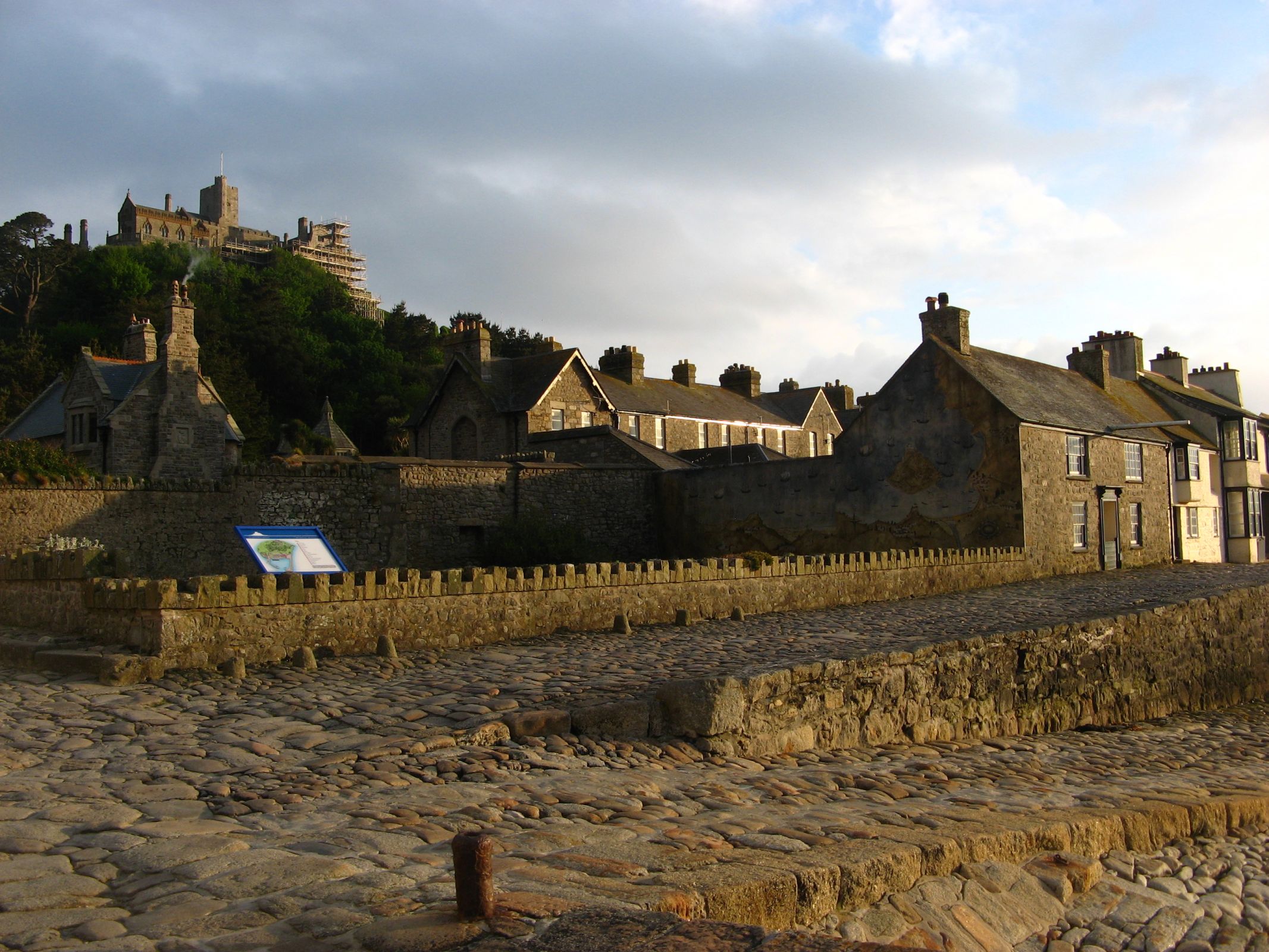
Evening light transforms the Mount. When the sun sets behind the island, the warm glow creates dramatic colours and long shadows — perfect for photography. Most day‑trippers leave by late afternoon, so you get calmer conditions and cleaner compositions.
Sunset at low tide is especially beautiful. The exposed causeway leads straight toward the castle, and the wet stones reflect the sky like a mirror.
Weather, Crowds & Opening Hours at St Michael’s Mount
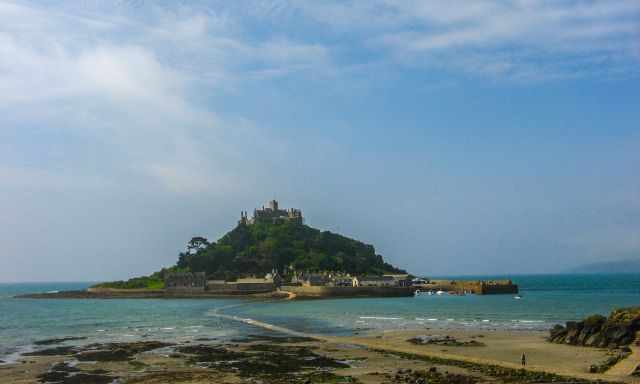
St Michael’s Mount changes dramatically with the seasons. Weather, crowds, and opening hours all shift throughout the year, so planning ahead makes a huge difference. The Mount attracts most visitors from April to September, when Cornwall is at its driest. Mist often rolls in from the sea, so sunny days feel especially magical. Low tide draws the biggest crowds because everyone wants to walk the causeway, and long queues form for castle tickets and boat transfers. If you want a calmer visit, avoid late morning and midday when tour buses arrive.
Below is an overview of what to expect in each season — including typical weather, crowd levels, and when the castle, village, and garden open. Please keep in mind the castle is closed on Saturdays throughout all seasons.
Spring (Mid‑March to End of April)
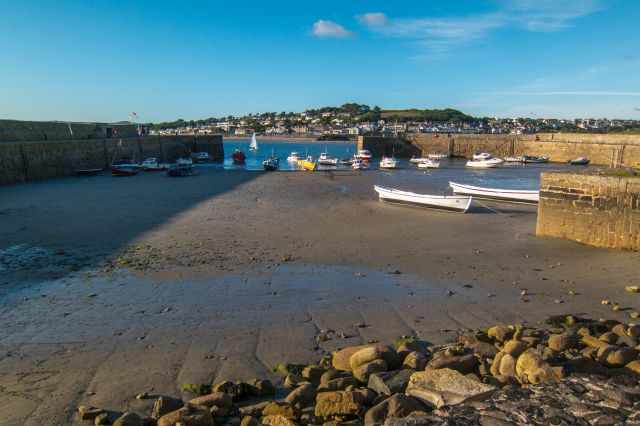
Spring brings mild weather, fresh colours, and manageable crowds. March and early April stay quieter, while May begins to feel busier but still pleasant. Daytime temperatures range from 10°C in March to 14°C in May, though sunny days can feel warmer.
Opening Hours (Spring Season)
- Castle: Open Sunday–Friday
- Village, harbour, shops, cafés, gallery: Open and free to access
- Garden: Closed in spring (March and April)
- Dogs: Allowed in the village; restrictions apply during Easter
- Access: By boat at high tide or on foot at low tide
Spring is ideal if you want atmosphere without the summer crowds. You can explore the village freely, enjoy Afternoon Tea, and walk the causeway during low tide.
Summer (May to Mid‑September)
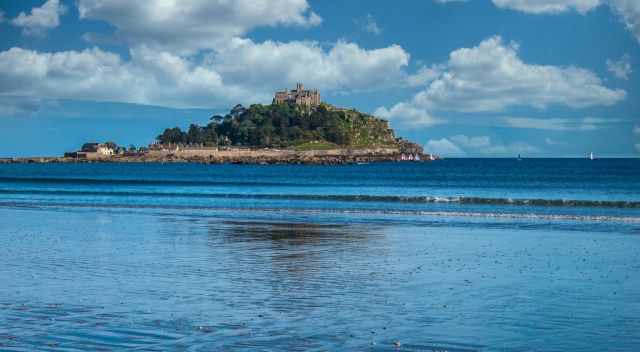
Summer delivers Cornwall’s best weather — warm days, blue skies, and clear views. It also brings the largest crowds. June is busy, while July and August are extremely crowded. Expect queues for castle entry, boat transfers, and even the causeway itself. Early mornings and late evenings offer the only real quiet moments.
Opening Hours (Summer Season)
- Castle: Open Sunday–Friday
- Garden: Open Monday–Friday, closed weekends
- Village: Open to ticket holders
- Garden closes mid‑September
- Dogs: Assistance dogs only
- Access: By boat or on foot
Summer is perfect for photography and long days outdoors, but plan around peak times if you want breathing room.
Autumn (Mid‑September to End of October)
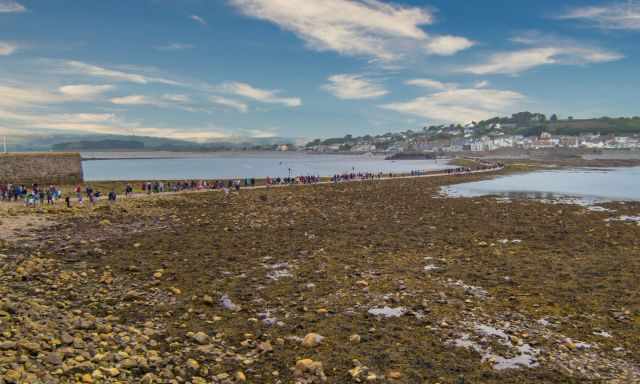
Autumn feels calmer and more atmospheric. September resembles May with pleasant temperatures around 17°C. Crowds thin out in October. Misty mornings and dramatic skies create beautiful conditions for photography.
Opening Hours (Autumn Season)
- Castle: Open Sunday–Friday, closed Saturdays
- Village, harbour, shops, cafés, gallery: Open and free
- Garden: Closed
- Dogs: Welcome in the village; assistance dogs only inside the castle
- Access: By boat or on foot
Autumn is one of the best times to enjoy the Mount’s peaceful atmosphere.
Winter (November to Mid‑March)
Winter brings quiet days, chilly temperatures below 10°C, and a lot more rain — especially in November, which is one of the wettest months at St Michael’s Mount. The island feels atmospheric and peaceful, but access becomes limited.
The castle and island usually close from November until mid‑March, so always check the current schedule before you plan a visit. Cornwall rarely freezes, but storms and heavy rain are common, and boat transfers may not operate.
If the castle opens briefly in early December, you can enjoy crowd‑free views and beautiful sunset light. After Christmas, visitor numbers rise again for a short period, but the overall season stays very quiet.
3 Tips to Avoid the Crowds at St Michael’s Mount
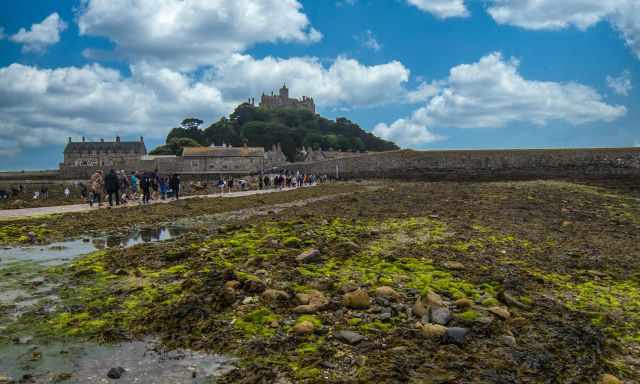
The cobbled causeway gets packed at low tide, especially in summer and on weekends. With a bit of planning, you can still enjoy a quiet and atmospheric visit.
1. Arrive Early in the Morning
Come before the tour buses reach Marazion. Early mornings give you calm conditions, empty causeway views, and the best chance to enter the castle without long queues.
2. Stay for the Late Afternoon and Evening
The Mount empties out after 4 p.m. When the day‑trippers leave, the island becomes peaceful again. Check the tide times first — you may need the boat transfer at high tide or can walk back across the causeway at low tide.
3. Visit on Saturday if You Don’t Need the Castle
Saturdays are the quietest day of the week because the castle is closed. You can still explore the village, harbour, cafés, and shoreline without the usual crowds.
Boat and Amphicraft Rides
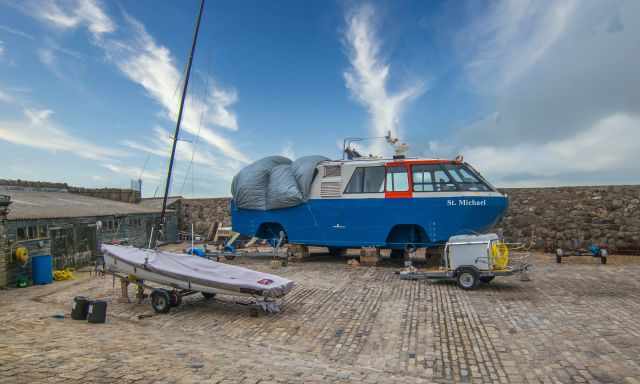
You can reach St Michael’s Mount at high tide from several landing points along Marazion’s shoreline. A fleet of small boats runs frequent transfers, and queues often build up around midday in summer.
Boat Transfers
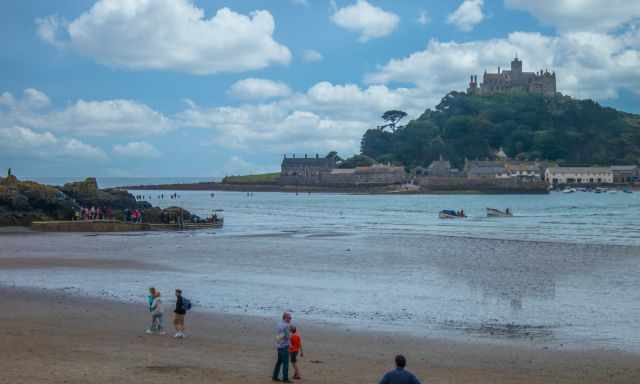
Regular boats operate whenever the sea is calm. Prices have increased in recent years, so expect a small fee per person for a one‑way crossing.
Amphicraft Transfers
The amphicraft — a hybrid land‑and‑sea vehicle built in 2002 — still operates today. It steps in when the sea turns rough, especially in winter, and launches from the slipway near the Marazion car park. The amphicraft carries around 46 passengers and costs slightly more than the standard boat transfer.
Accommodation in Penzance, Marazion & West Cornwall
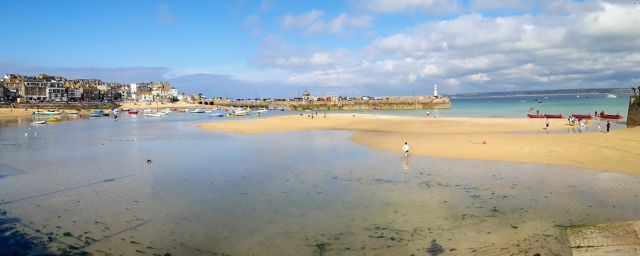
Cornwall’s coastal towns are full of character, and staying in the right location makes exploring St Michael’s Mount much easier. During our ten‑day trip, we booked two cottages in different areas to reduce driving time. This allowed us to visit the Mount twice — once in the quiet morning hours, and again in the evening when most visitors had left. The castle was already closed, the light was soft, and the sunset over Mount’s Bay was unforgettable.
From May to September, accommodation fills quickly, so advanced booking is essential if you want one of the best‑rated cottages, guesthouses, or boutique hotels.
Where to Stay Nearby
- Marazion — closest to St Michael’s Mount; ideal for sunrise or sunset visits.
- Penzance — great transport links, many restaurants, and a wide range of hotels and cottages.
- St Ives — beautiful but busy; parking can be tricky, so check availability before booking.
Wherever you stay, choose a base that keeps your daily driving manageable — Cornwall’s narrow roads and summer traffic can slow you down more than expected.
Cornwall's Coastline
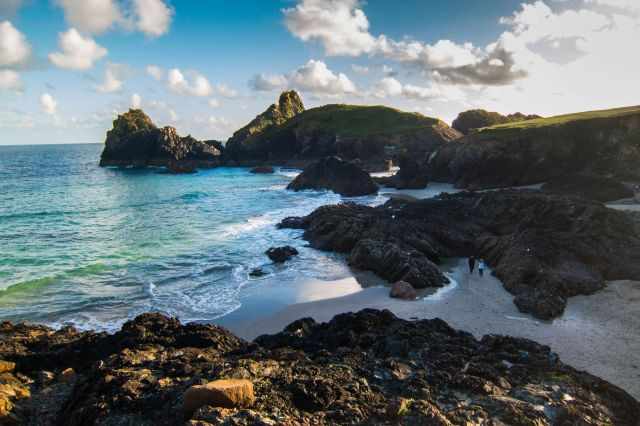
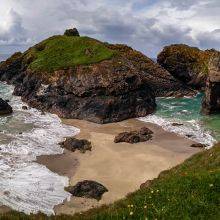
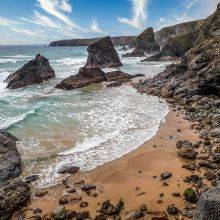
If you’re exploring Cornwall’s coastline, don’t miss Kynance Cove — one of the most spectacular beaches on the Lizard Peninsula, best visited at low tide for turquoise water and dramatic rock formations. More unique places to visit can be found below.
Parking in Marazion for St Michael’s Mount
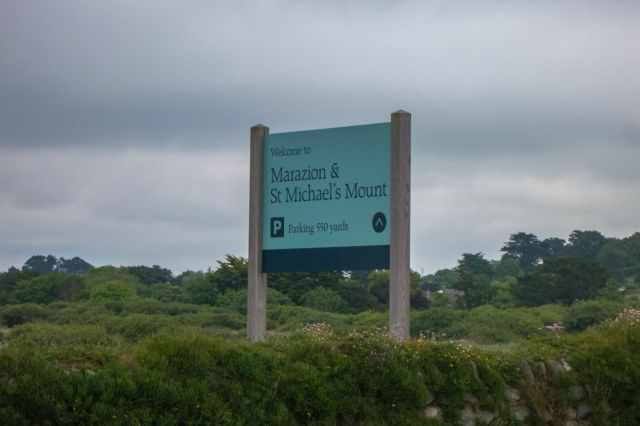
Marazion offers several parking options, but the town itself has narrow streets and very limited on‑street spaces. Most visitors use the designated car parks located at the edge of town or near the seafront. On busy days, especially in summer, the main car parks fill quickly and the overflow parking becomes essential which we used too.
Main Parking Options
- Long‑Stay Parking — ideal if you plan to spend several hours exploring the Mount, the village, or the beach.
- Short‑Stay Parking — suitable for quick visits or a short walk along the seafront.
- Overflow Parking — used during peak season or busy weekends when the main car parks are full.
Wheelchair & Mobility Accessibility on St Michael’s Mount
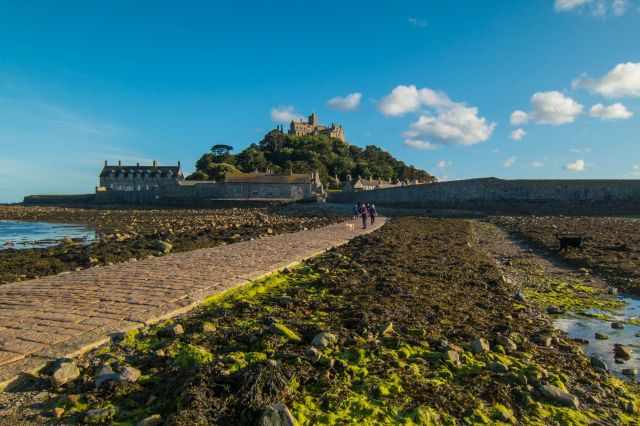
St Michael’s Mount is ancient, steep, and rugged, so accessibility varies across the island. The cobbled causeway is the easiest way to reach the Mount, although the stones make it a bumpy ride. With support from a companion, most wheelchair users manage the crossing during low tide. High‑tide access by boat is possible, but only with a folded wheelchair, and the harbour steps make boarding and disembarking challenging.
Once on the island, you can reach the visitor centre, village, harbour, shops, cafés, and facilities via ramps. These areas are manageable for most visitors with limited mobility. However, access becomes restricted beyond the village: the paths to the castle and the garden are steep, uneven, and cobbled, with no handrails and several unguarded edges. Unfortunately, wheelchairs and pushchairs cannot reach the summit or the castle rooms.
Tramper – All‑Terrain Mobility Scooter
St Michael’s Mount offers a Tramper, an all‑terrain mobility scooter, to help visitors explore the village area. It provides assisted access on designated routes and can be booked in advance. Only one booking per day is available, so early reservation is essential.
To book the Tramper: [email protected] or call +44 (0)1736 710265
Collect the Tramper at the Change House near the island entrance on the day of your visit. Availability is limited and offered on a first‑come, first‑served basis.
Before You Visit
If you plan to visit with a wheelchair or have limited mobility, it’s best to contact the Mount team in advance. They can advise on tide times, boat access, and the most suitable routes for your visit.
St Michael’s Mount Garden: Subtropical Terraces and Coastal Views
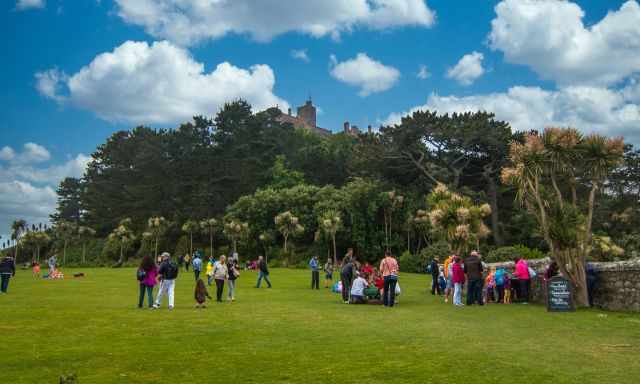
The garden at St Michael’s Mount offers a completely different perspective of the island and its castle. From the terraced rock paths, you look up at the fortress rising above subtropical plants. The Gulf Stream shapes the climate here, keeping frost rare and allowing exotic species to thrive on the steep granite slopes.
The garden has limited opening days to protect its fragile terraces and narrow pathways. It opens only during a short summer window and on selected days outside that period. This careful management keeps the plant life healthy and preserves the historic stonework.
When you enter the garden, you walk through a maze of steep stone terraces filled with succulents, palms, and heat‑loving plants. Every turn reveals a new angle of the castle above you and the sea below. If you enjoy horticulture, you’ll love the daily 1 p.m. gardener talk, where a member of the garden team shares insights about the subtropical plants, their care, and the challenges of gardening on a windswept island.
Before you leave, stop by the small plant sales area. You can buy some of the same succulents and coastal plants grown on the Mount — a perfect souvenir if you love gardening.
St Michael’s Mount Castle Highlights and the Best Views
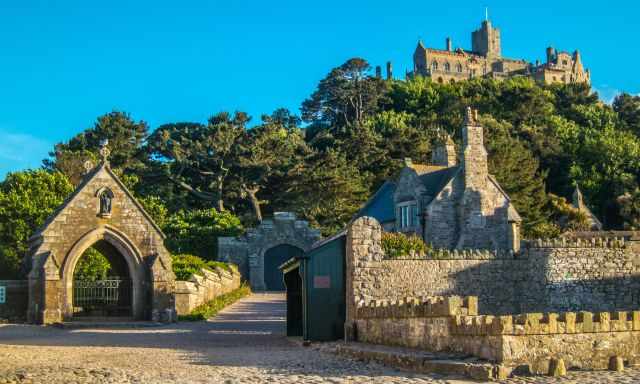
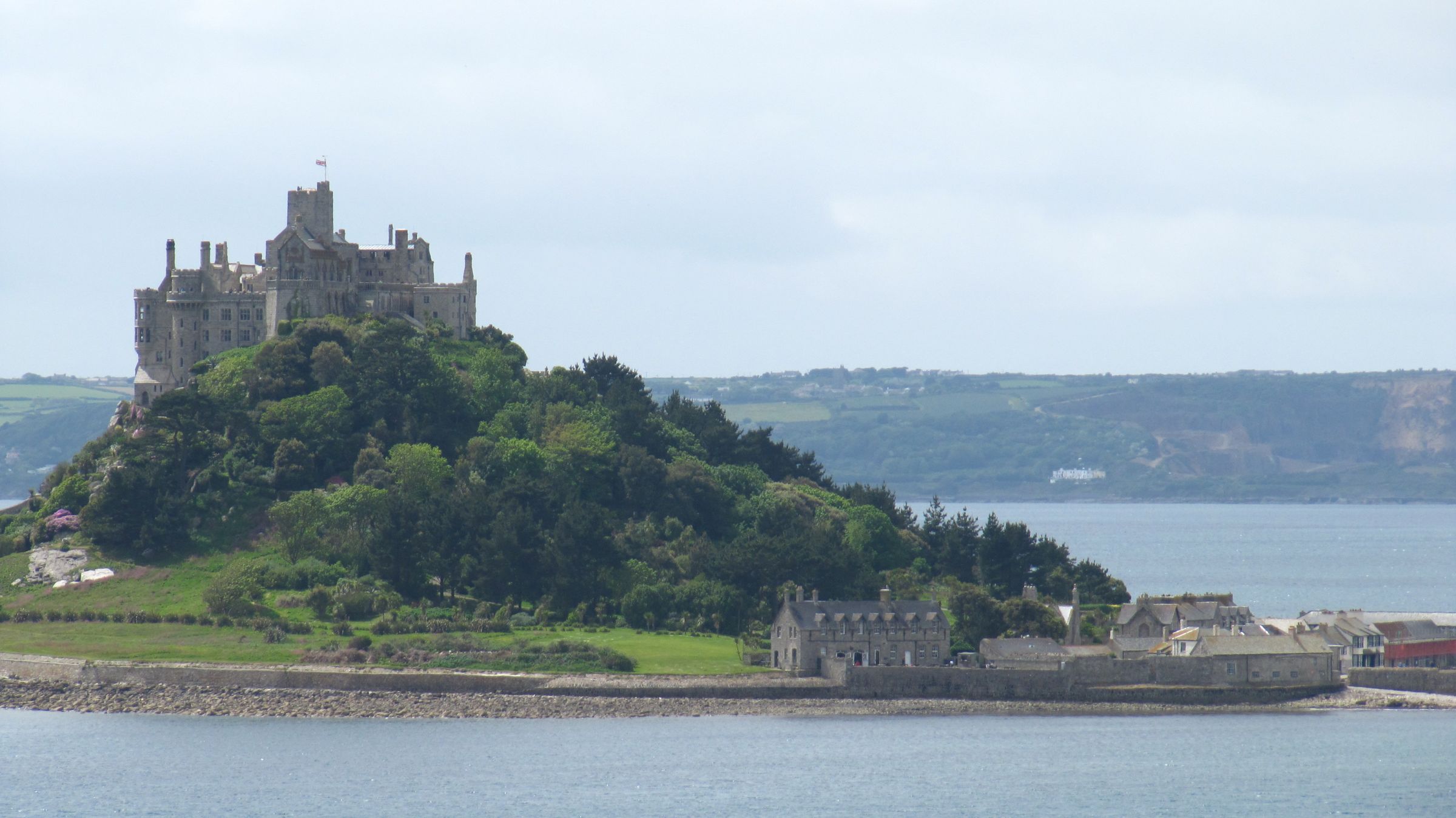
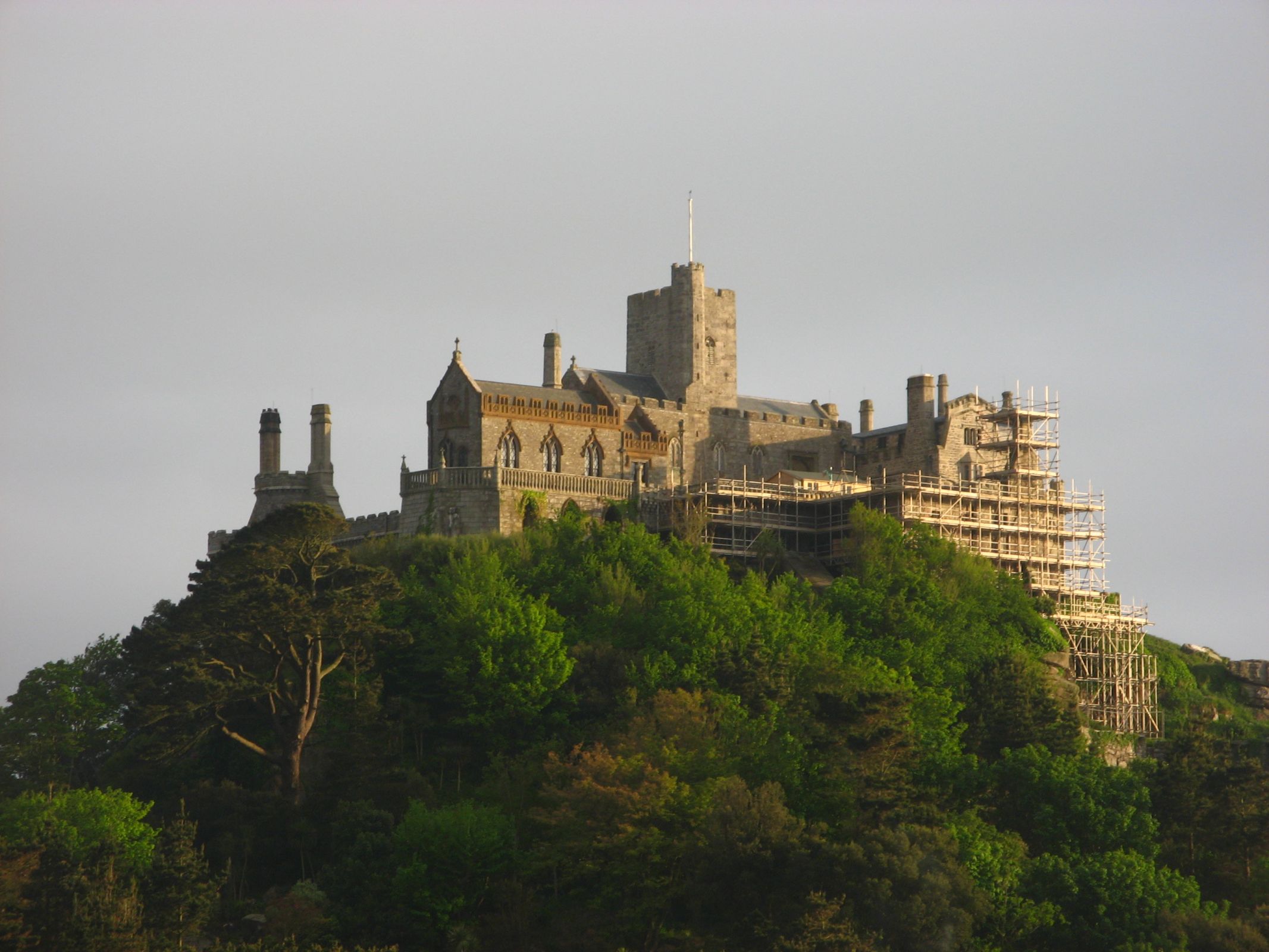
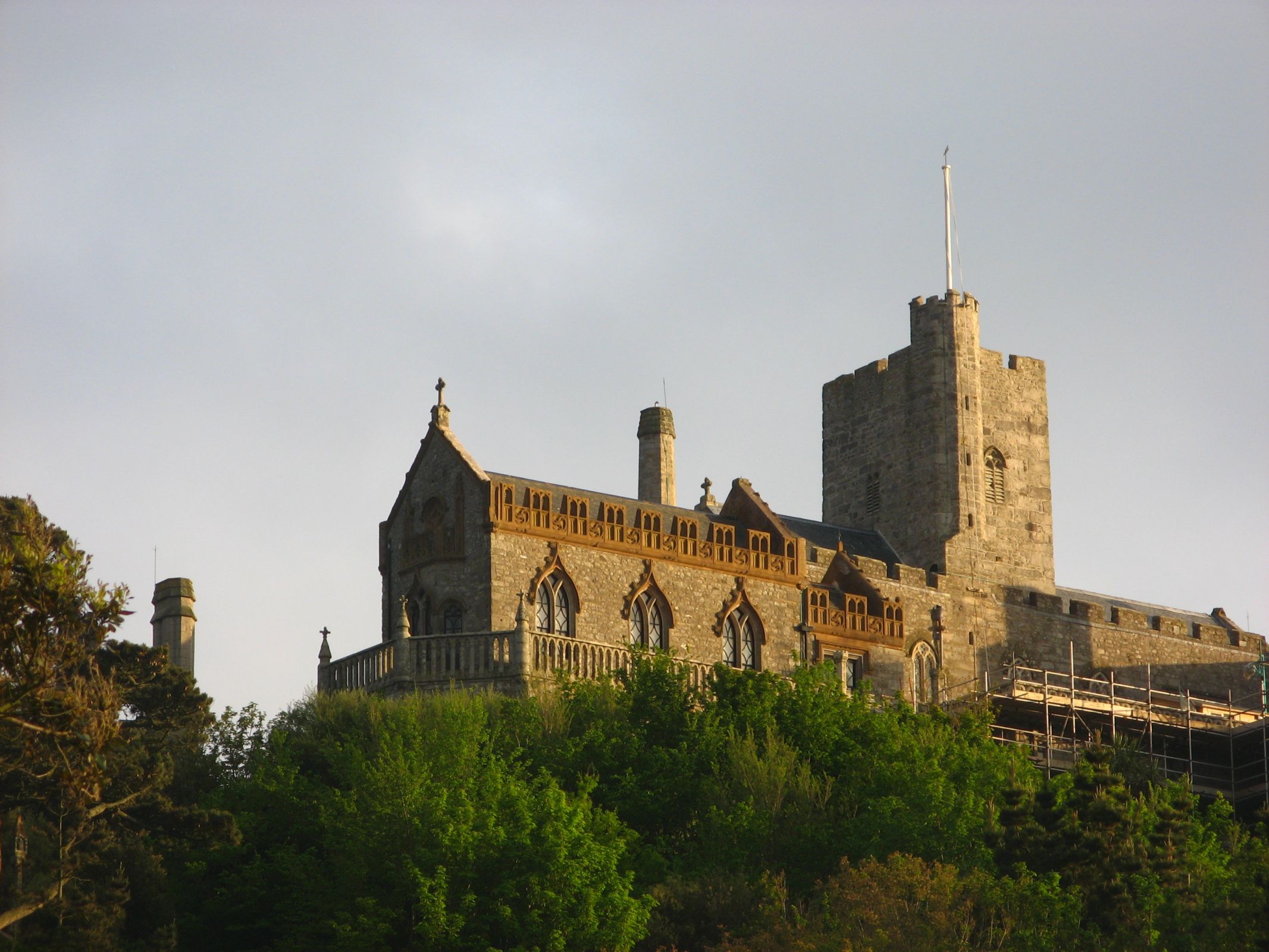
The castle rises above St Michael’s Mount like a storybook fortress, and exploring it is one of the most rewarding parts of your visit. The Aubyn family has lived here since the 17th century, and their legacy shapes every room, terrace, and viewpoint.
You start your ascent at the castle entrance, passing the old Mount’s dairy and soon reaching the Giant’s Well, a natural freshwater spring that made early settlement possible. The path climbs steeply over uneven granite, and although the walk takes only about five minutes, it feels like stepping back through centuries of history.
At the top, the views open dramatically. You can look across the sea toward Marazion, watch the tide wrap around the island, and enjoy one of the most iconic panoramas in Cornwall. Inside, six historic rooms are open to visitors, each filled with artefacts, family stories, and details that reveal the Mount’s long past.
The highlight is the vantage point from the upper terraces. Whether you arrive in the golden hour of spring or on a clear summer afternoon, the castle’s viewpoints deliver unforgettable scenes over the coastline and the Atlantic beyond.
Packing List for St Michael’s Mount
A few essentials make your visit smoother and more enjoyable, especially with the island’s steep paths and the cool Cornish sea.
- Proper footwear — The cobbled causeway and castle paths get slippery, especially when wet.
- Water bottle — Drinks on the island are pricier than on the mainland.
- Snacks or a picnic — The Sail Loft Café and Island Café serve home‑baked cakes, scones, fresh crab sandwiches, and cream tea, but queues can be long and prices higher.
- Towel and swimsuit — The patrolled beach in Marazion is perfect for a dip in summer. The sea stays refreshing even in July and August, with average temperatures around 15–17°C in July and 16–18°C in August, occasionally warming to 19°C in the shallow bay on hot days.
St Michael’s Mount History and Facts
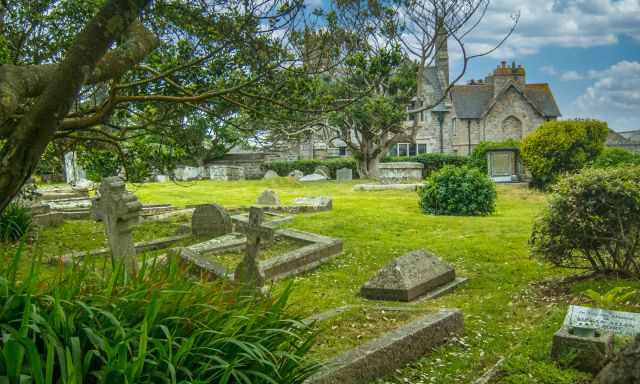
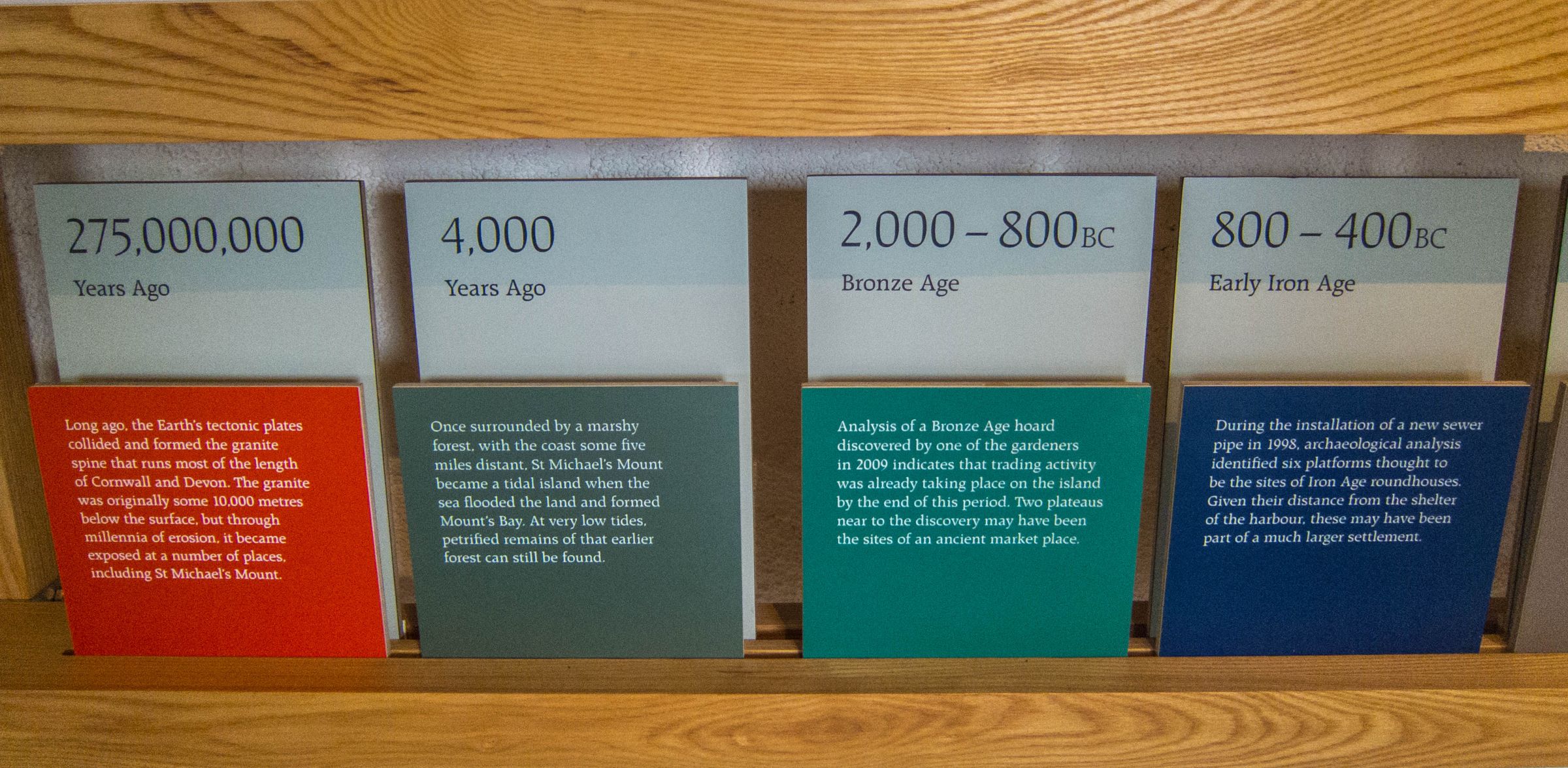
St Michael’s Mount has one of the richest histories in Cornwall. People settled here more than 3,000 years ago, and ancient writers already mentioned the island before Christ, calling it Ictis, a tidal trading hub.
Early History
The Mount’s strategic position made it important long before the medieval period. When the Normans conquered England in 1066, they also took control of the Mount. In the 12th century, monks from Mont‑Saint‑Michel in Normandy built a church and priory on the summit. These early religious buildings still form the core of today’s castle.
Ownership Through the Centuries
St Michael’s Mount remained in royal hands until Elizabeth I, who sold it to Robert Cecil in 1599. Forty‑one years later, the Basset family took ownership. Since 1659, the island has belonged to the St Aubyn family, who still live here today.
In 1954, the family transferred the Mount to the National Trust under a unique agreement: the St Aubyns may continue living on the island for 999 years and run the visitor operations. John and Mary St Aubyn moved to the Mount in 2003.
Remarkable Events
- 1755 Tsunami: On November 1st, a three‑metre wave struck the island after the devastating Lisbon earthquake.
- 1828: Sir John St Aubyn attempted to purchase Mont‑Saint‑Michel in Normandy.
- 1901: The underground tramway was installed to transport goods from the harbour to the castle — and it still operates today.
- Until 1909: A herd of cows lived on the island to supply milk and dairy products for residents.
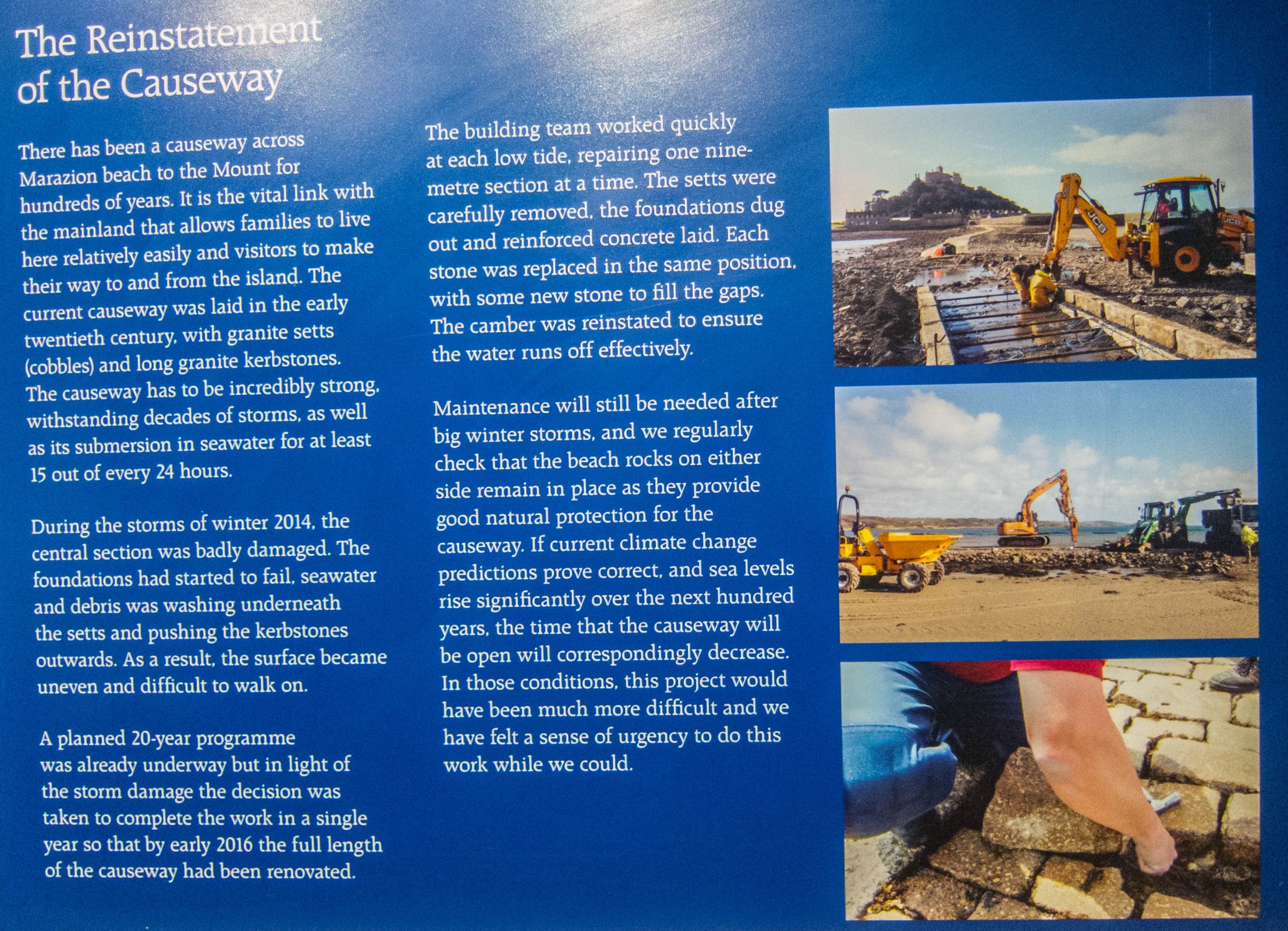
- 2014: Winter storms severely damaged part of the causeway. The entire cobbled path was restored within a year, with work only possible at low tide.
Life on the Island
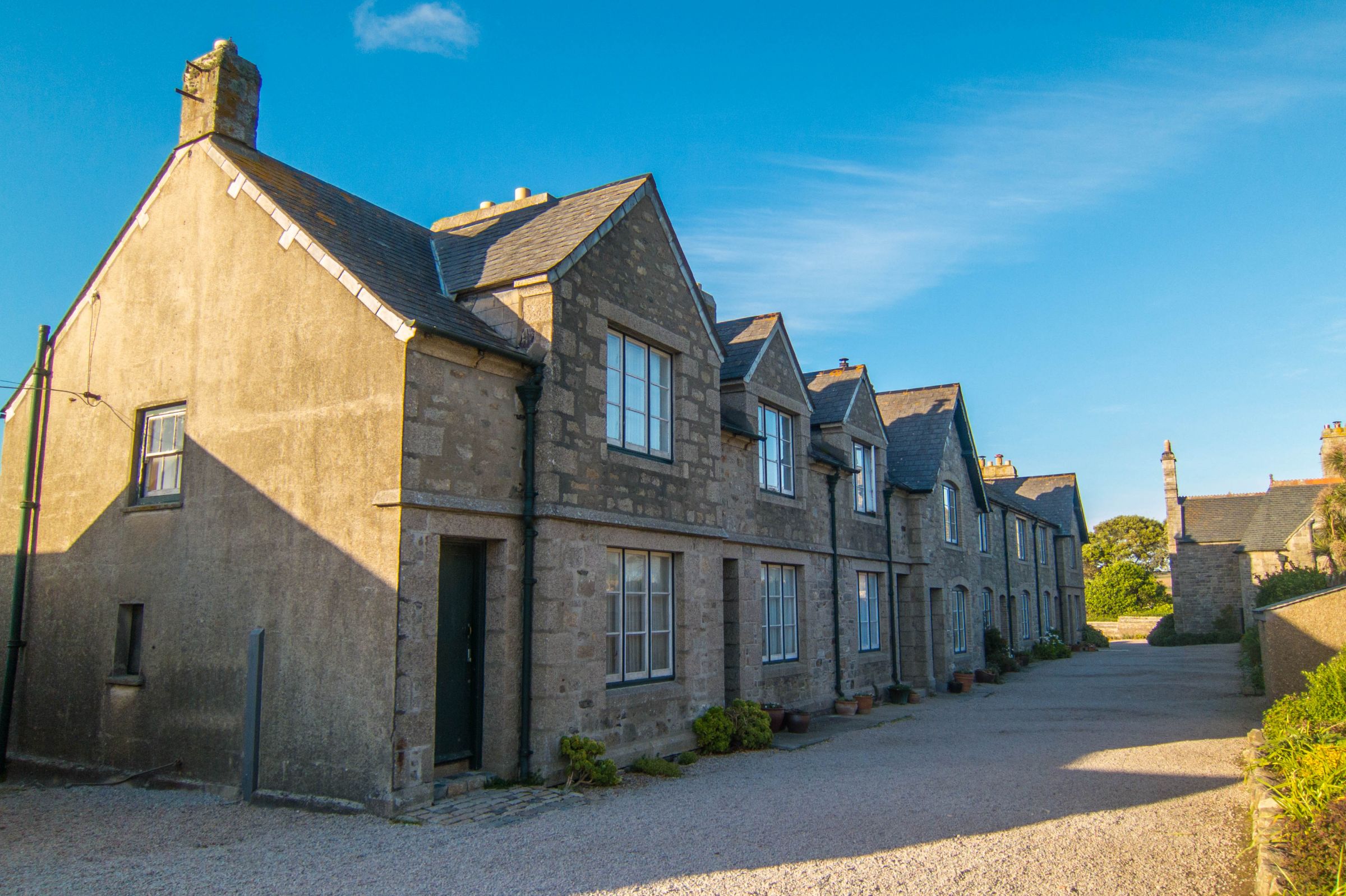
Living on St Michael’s Mount has always been challenging. In the early 18th century, around 300 villagers lived in 53 houses, and children travelled by boat to reach school on the mainland. Today, about 35 people live and work on the island, maintaining its heritage and welcoming visitors.
Other Nearby Places
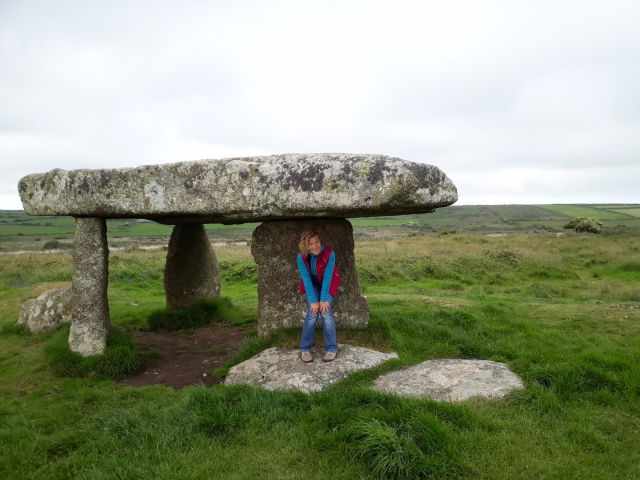
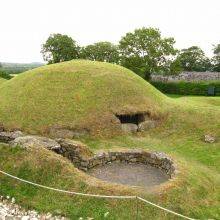
Both Men-an-Tol and Lanyon Quoit lie only about twenty minutes from Marazion, making them easy prehistoric side trips after exploring St Michael’s Mount. These ancient sites add a completely different layer to the region — quiet moorland, Bronze Age mystery, and a sense of Cornwall far beyond the coast.
And that’s exactly why you should stay a couple of days here: within a short radius you can experience tidal magic, rugged beaches, atmospheric moors, and some of Cornwall’s most iconic historic landmarks without ever rushing.
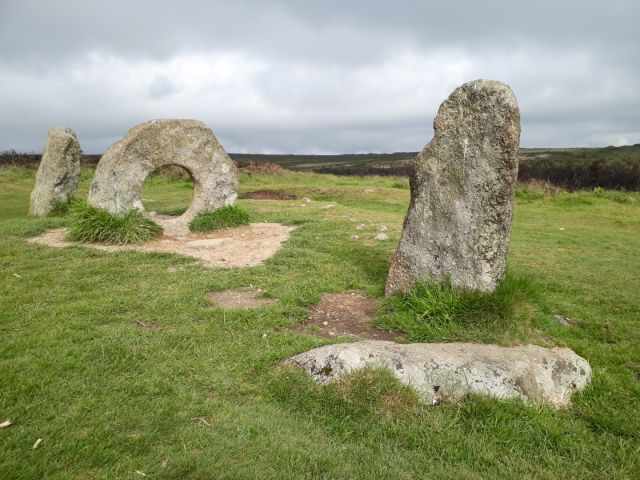
Men-an-Tol — the mysterious holed stone of West Penwith, part of a Bronze Age monument that has inspired legends, healing rituals, and curiosity for over 3,000 years. Google Maps and another 7 minutes drive to Lanyon Quoit.
Lanyon Quoit; It is believed to be the buried chamber of a mound. Google Maps
Why Credit Matters
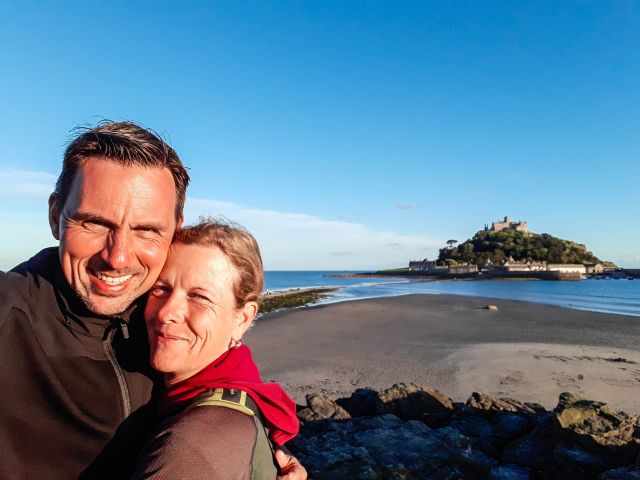
We are married for more than 25 years and still love exploring the world together. At the moment we are more focused on Europe, and our ten‑day journey through Cornwall reminded us once again how rewarding slow, experience‑based travel can be. We explored the coast, the moors, and the ancient sites in Cornwall — and returned to St Michael’s Mount twice because the island reveals a different atmosphere with high and low tide. Giving credit matters because these guides are built on my own experiences, photography, and the places I’ve personally walked. This guide is not generic AI‑generated content — it’s built on my own travels, photography, and first‑hand experiences. Sharing it on social media helps others discover authentic, experience‑based travel advice and supports my goal of building long‑term credibility as a trusted travel writer.
Best Months to Visit
Location and Tips

The Mount (nickname) is situated 500 meters from the mainland and accessible by feet at low tide. Schedule a minimum of three hours for the Mount, better four. It’s such a unique place to visit. So, where does the name come from?