
When Is the Best Time
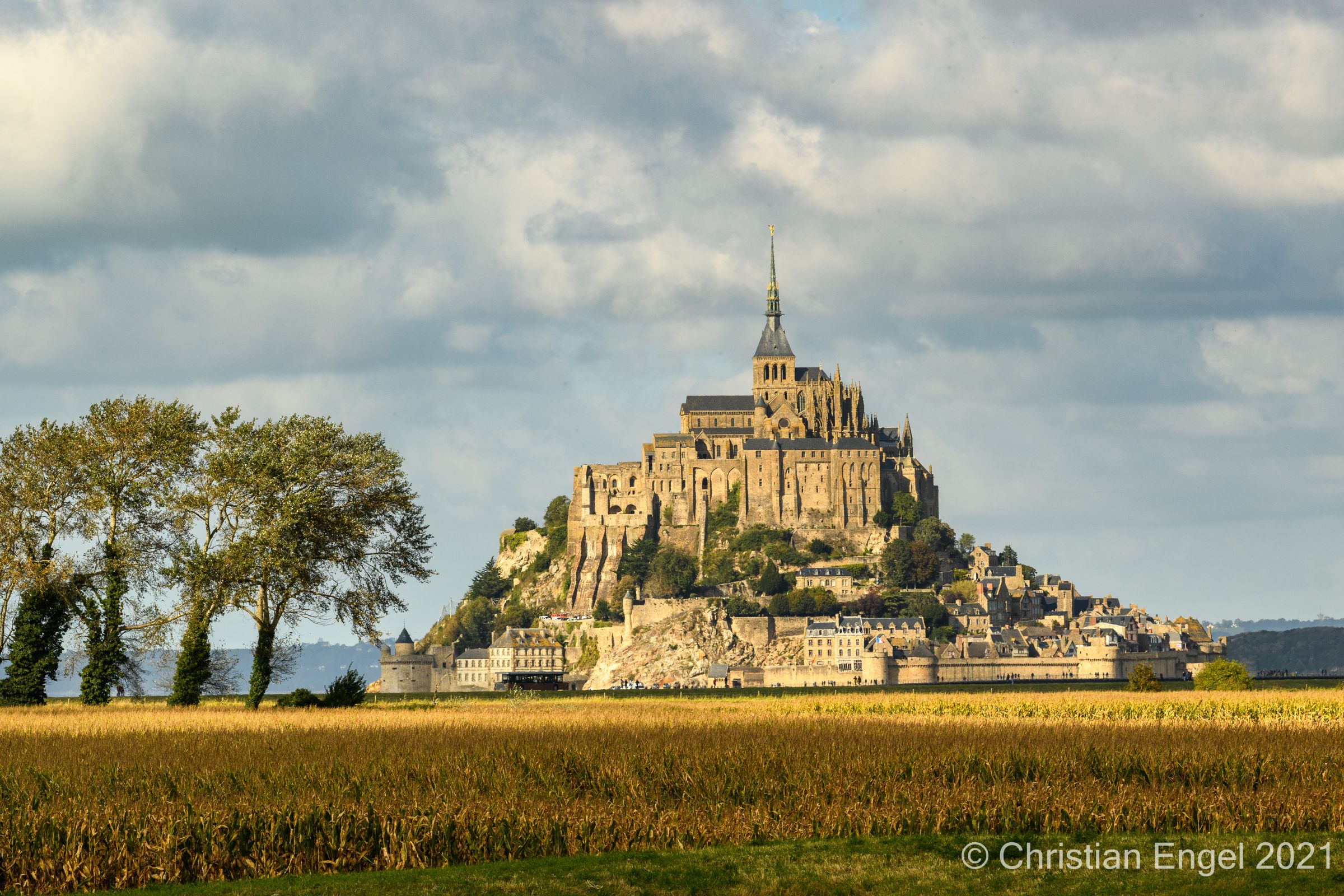
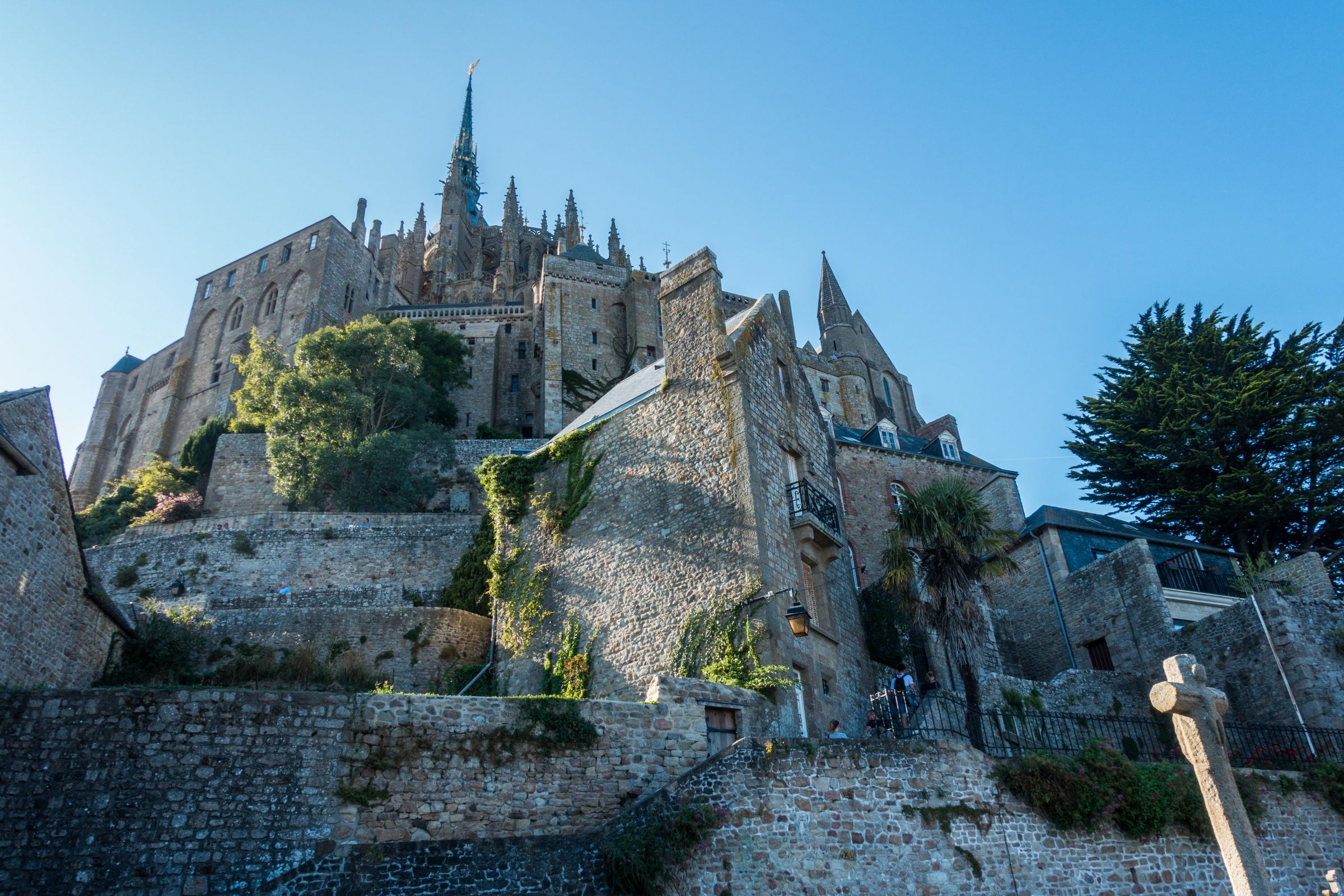
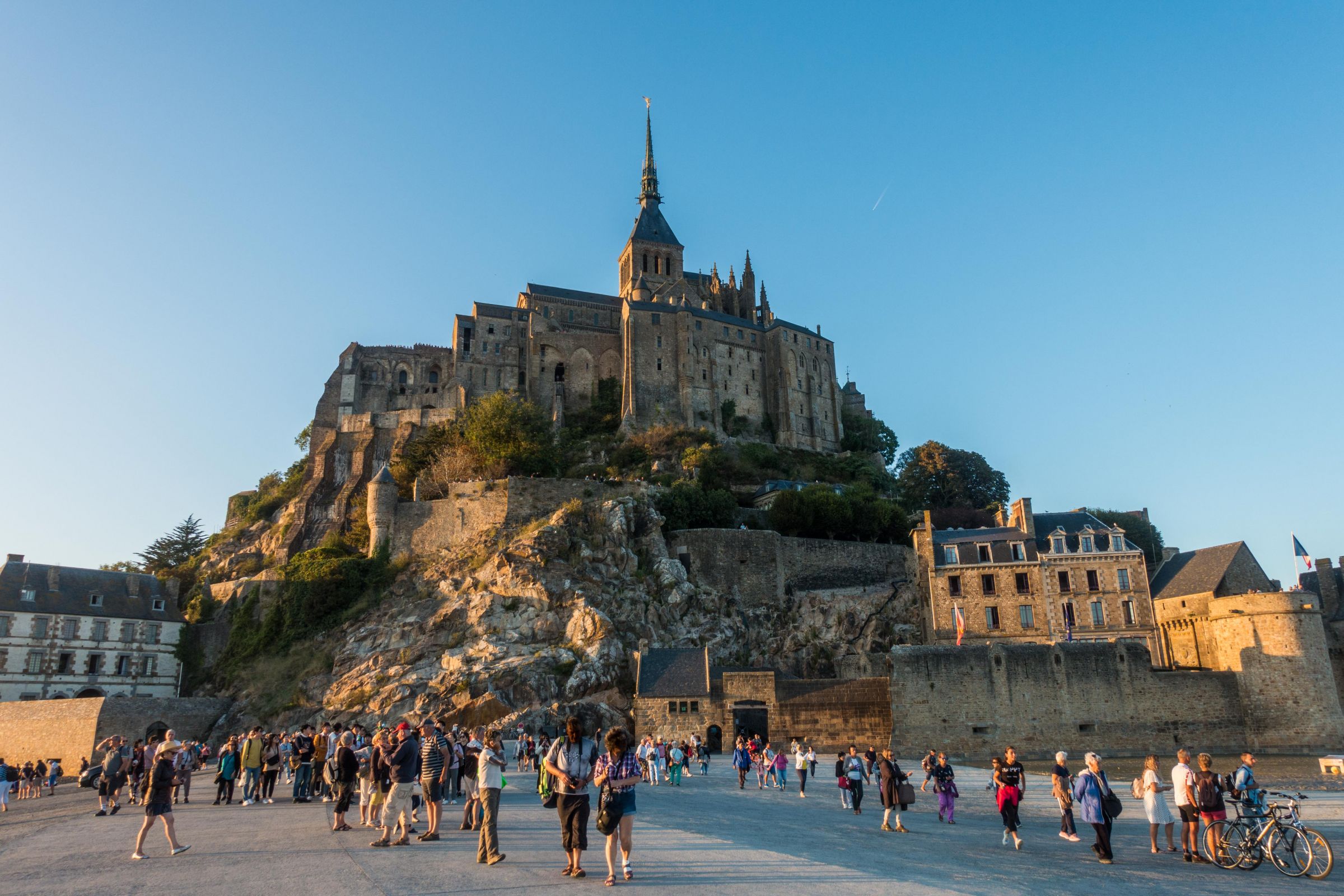
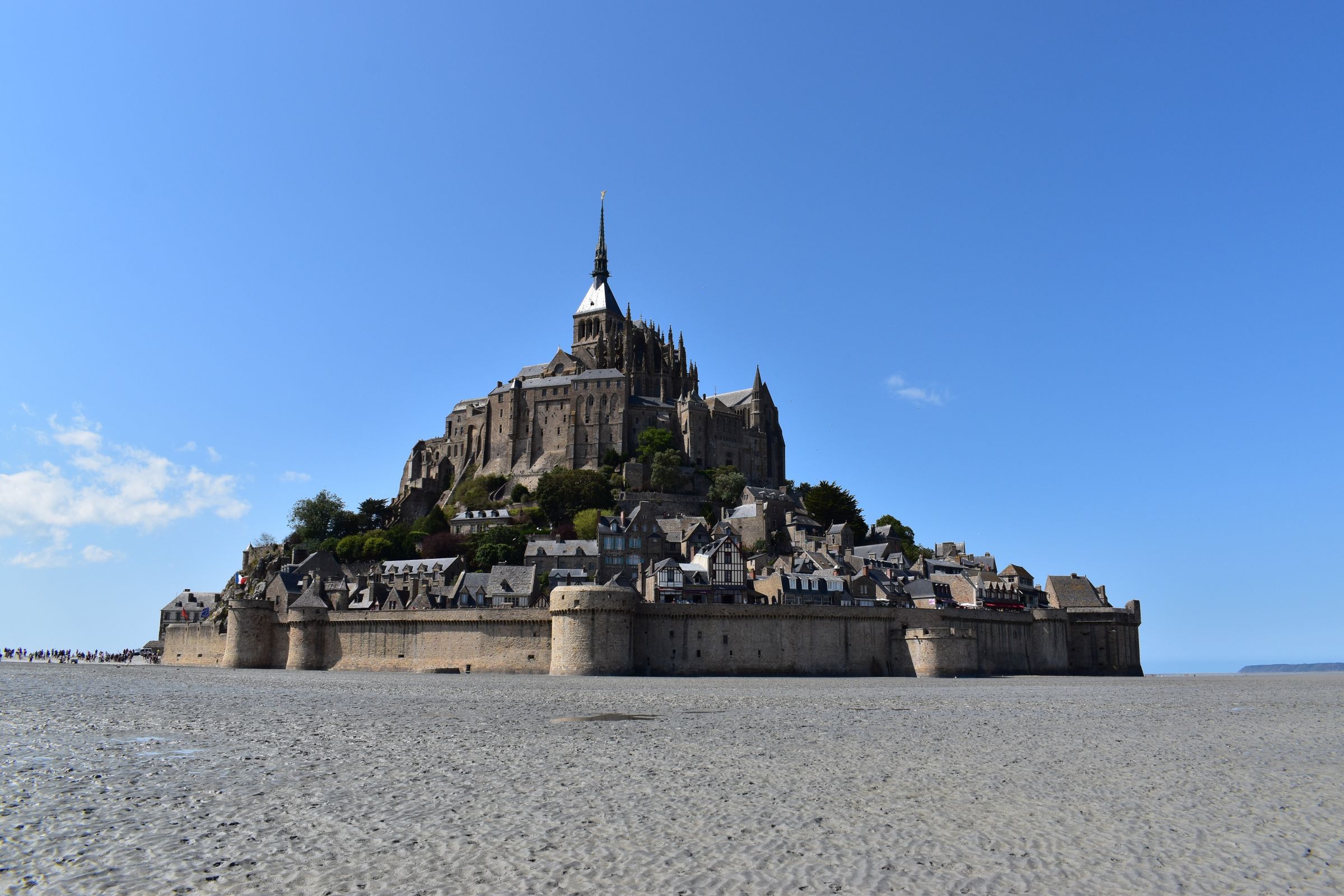
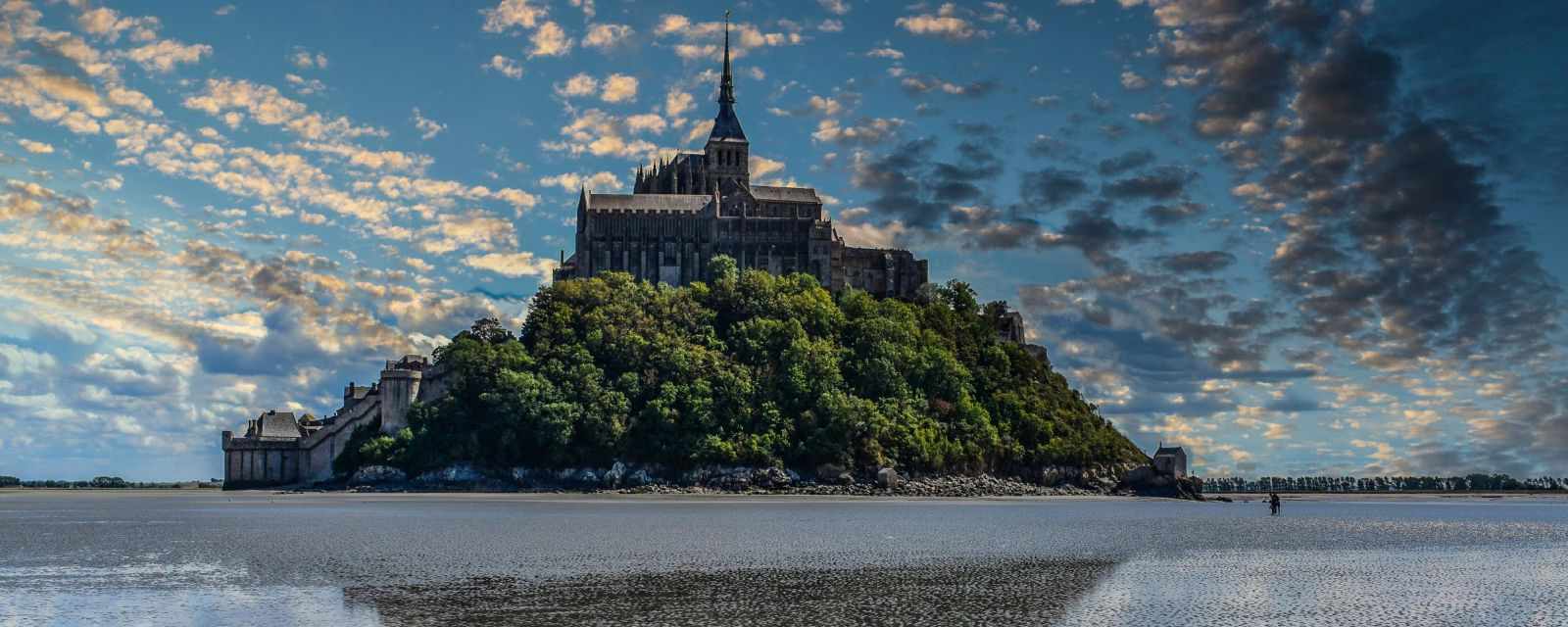
Mont Saint‑Michel is one of the most spectacular places in France — a rocky island rising 78 meters (256 ft) above the bay, shaped by the highest tidal range in Europe, reaching up to 15 meters. Around three million visitors come each year to experience this UNESCO World Heritage Site, its medieval village, and the dramatic tides that occasionally turn the mount into a true island.
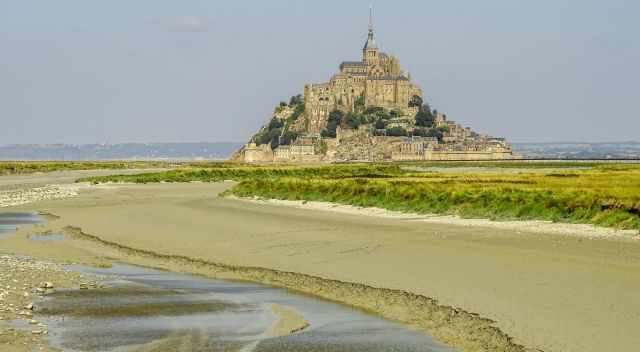
Although only about 30 people live on the island today, Mont Saint‑Michel has its own microclimate, a long monastic history, and a landscape that changes completely between low and high tide. Watching the sea rush in from the west terrace was one of the most unforgettable moments for us.
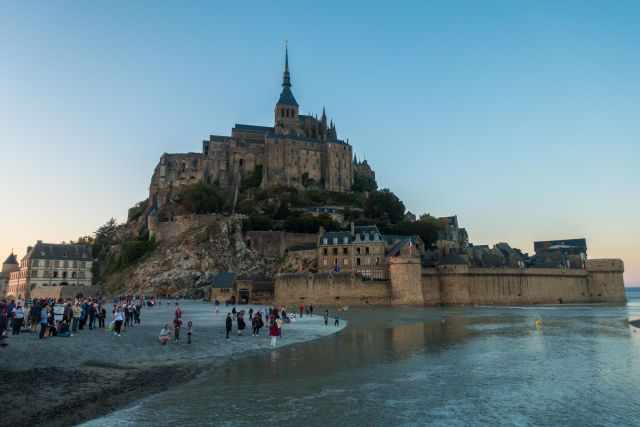
Mont Saint‑Michel is breathtaking in every season — whether you come for the Abbey, the medieval streets, or the extraordinary tides.
This guide covers everything you need for an unforgettable visit. Use the Table of Contents to jump directly to the sections that matter most to you.
Tickets, Access & the Restored Island Character
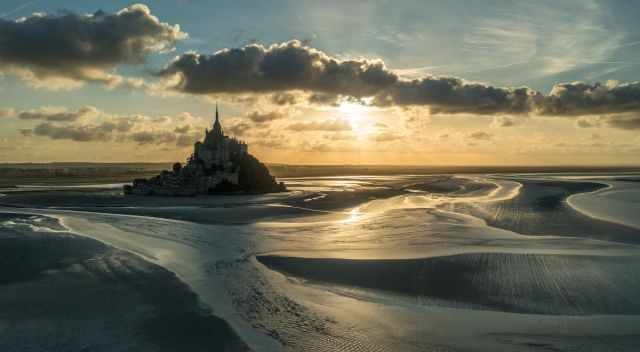
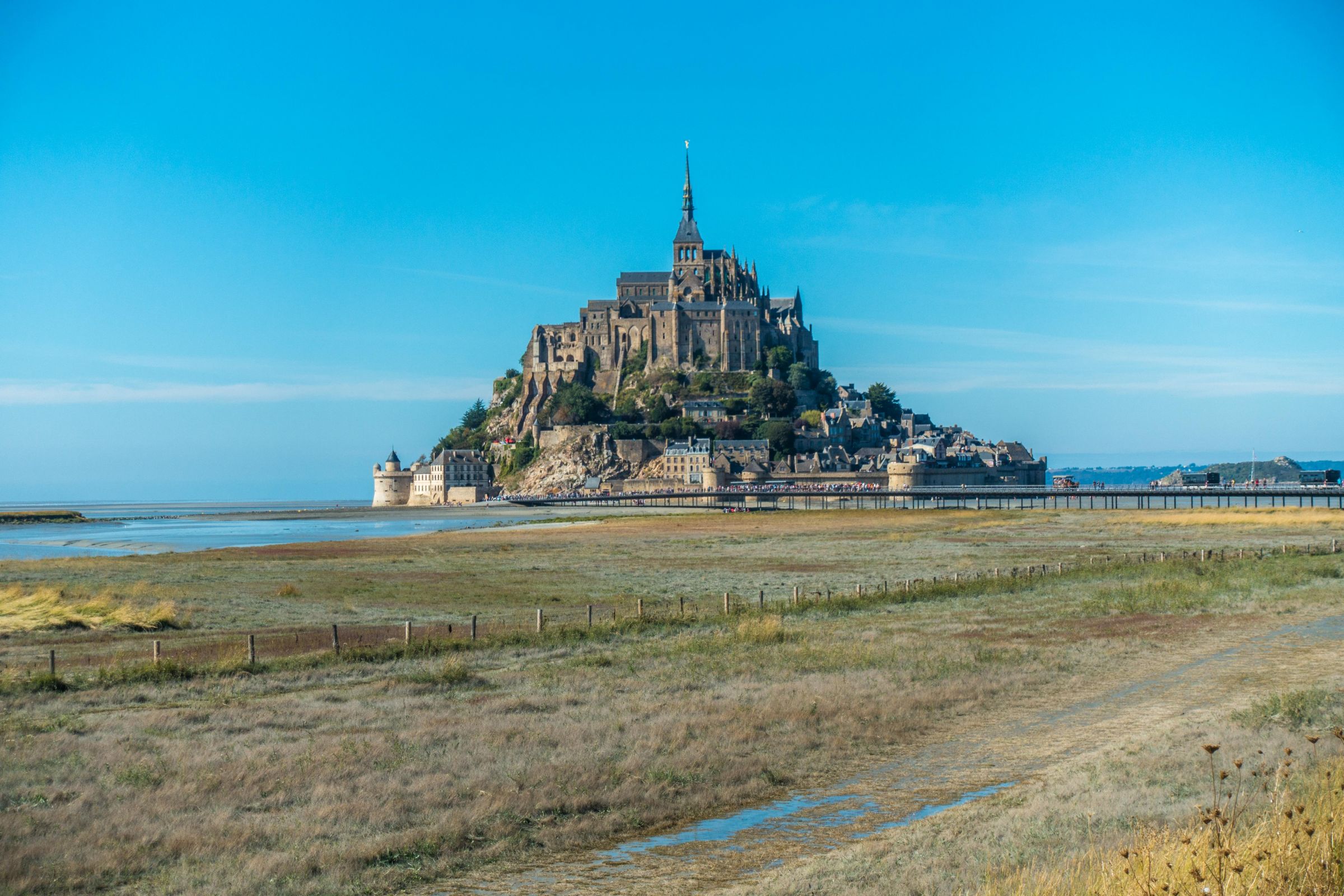
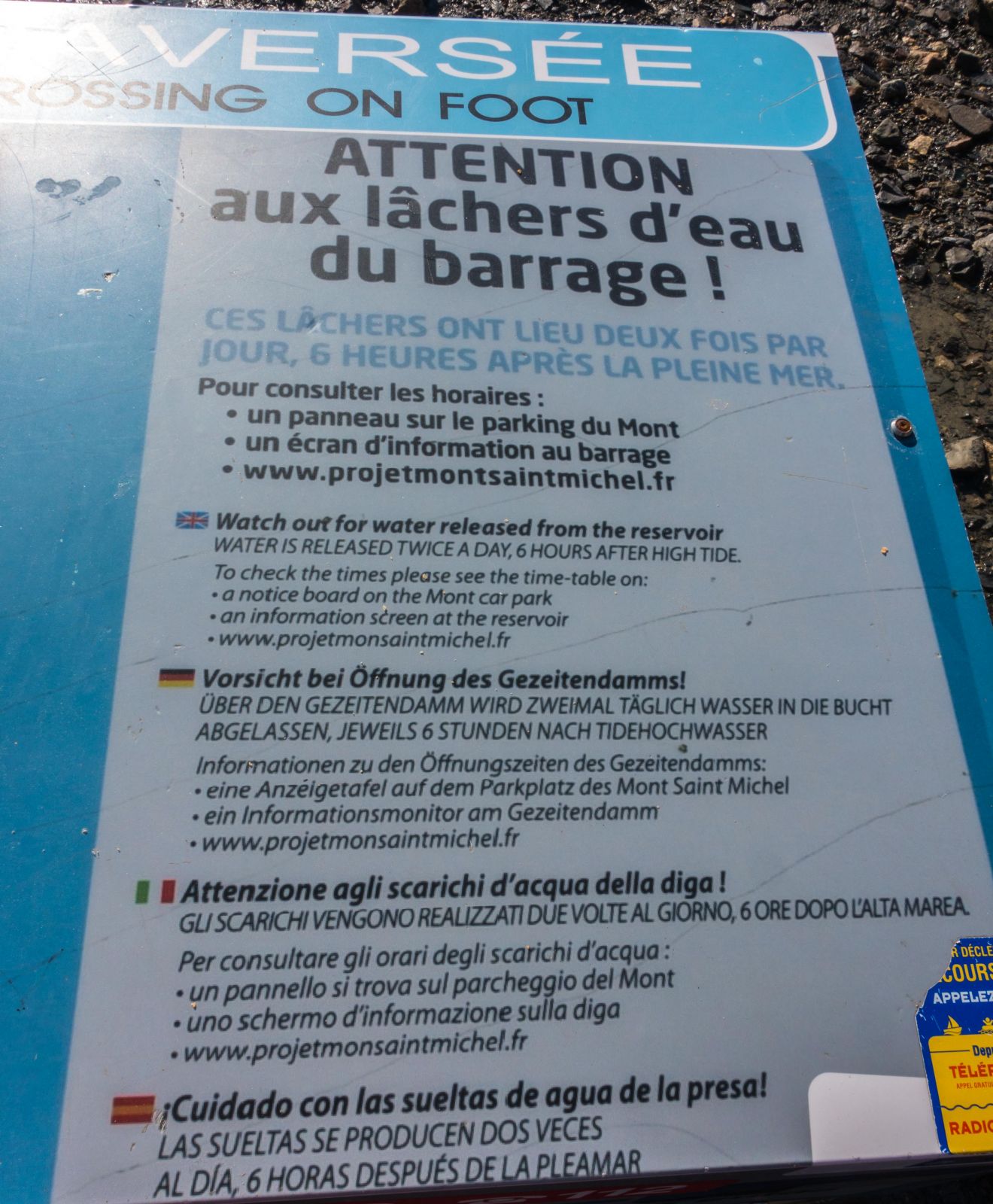
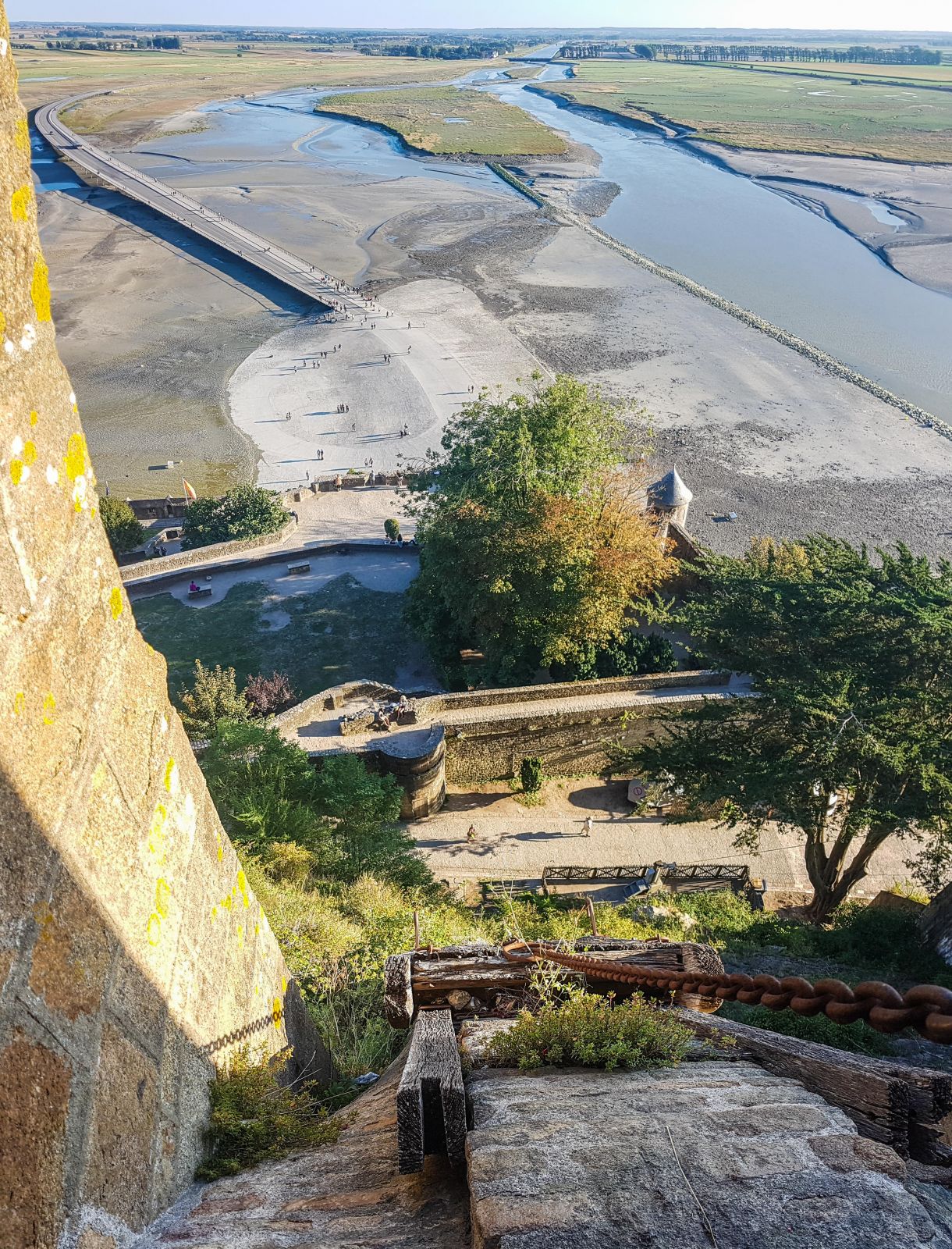
To manage the increasing number of visitors, a time‑slot admission system was introduced for the Abbey. Access to the island itself remains free year‑round, and the new 760‑meter bridge (completed in 2015) has restored the mount’s island character. The former causeway trapped sediment, but today, a controlled water release from the Couesnon reservoir helps clear the bay — allowing the sea to surround Mont Saint‑Michel more than 50 times per year again. Only the very highest tides — 14 meters and above — turn the mount into a true island for a short time.
Time‑Slot Admission Ticket for the Abbey
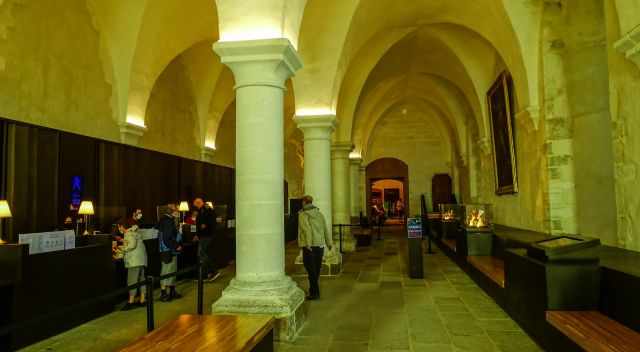
To manage the growing number of visitors, Mont Saint‑Michel introduced a time‑slot admission system for the Abbey in 2022. This regulates the flow of people and significantly reduces overcrowding inside the monument.
For the smoothest experience, I highly recommend booking your Abbey ticket online before your visit. Same‑day tickets are sometimes available at the ticket counter, but during busy periods you may wait a long time — or not get your preferred time slot at all.
What you need to know:
- Online booking via GetYourGuide comes without extra fees.
- Ticket price: 13 € per adult (2026).
- Time slots ensure faster access and prevent long queues at the entrance.
Best Time to Visit Mont Saint‑Michel
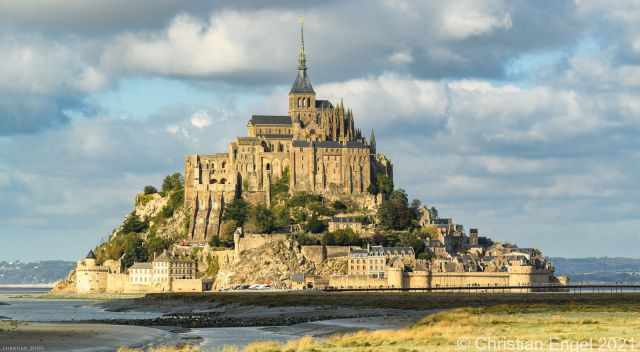
The most pleasant months to visit Mont Saint‑Michel are May to October, when the weather is mild and the days are long. This is also the best period for photography, walking the bay, and enjoying the illuminated Abbey in the evening.
Mont Saint‑Michel is home to the highest tidal range in Europe, reaching up to 15 meters. Visiting during a spring tide is a truly unique experience — only then does the sea rise high enough to surround the mount completely and turn it into an island for a short time. These exceptional tides occur mainly in March and September/October.
That said, Mont Saint‑Michel is breathtaking in every season. Below, you’ll find a detailed overview of the tides and the island effect, weather, seasons, and what to expect throughout the year.
Best Time of Day With Fewer Crowds
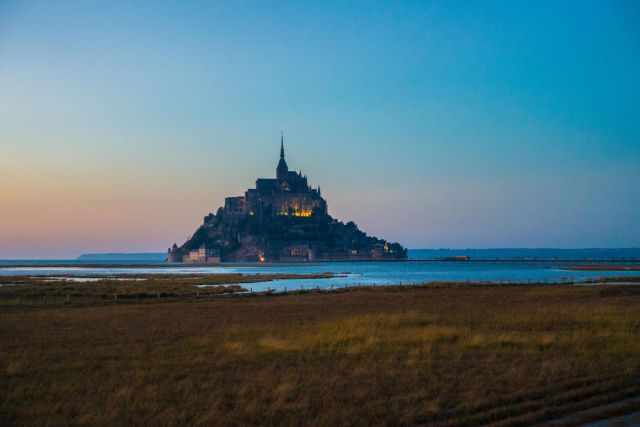
The quietest and most atmospheric times to visit Mont Saint‑Michel are early in the morning and late in the evening. Most day‑trippers and tour buses arrive after 10:00, and many leave again in the late afternoon. If you come outside these peak hours, the narrow medieval streets feel far more relaxed.
Mont Saint‑Michel is especially magical at dusk. As the sun sets, the bay glows in warm colors, and the Abbey slowly lights up — a breathtaking sight, particularly on clear evenings. During our September visit, we experienced an unforgettable sunset that made the entire mount shimmer.
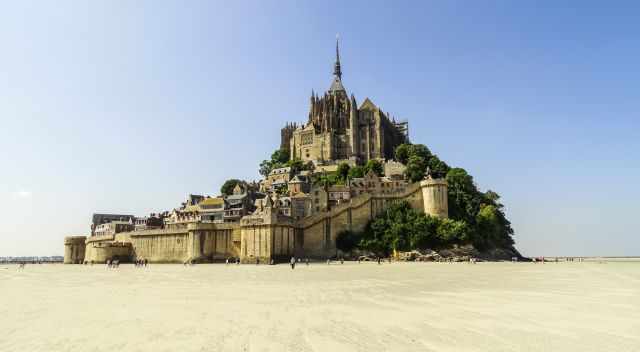
If you enjoy calm moments, atmospheric light, or photography, sunrise and sunset are the best times to experience Mont Saint‑Michel at its most peaceful. Staying for one night on the island is the real secret: once the day‑trippers leave, the mount becomes quiet, intimate, and almost timeless. You can wander the empty alleys, watch the Abbey glow above you — and in the morning, step outside your door into a village that feels like it belongs entirely to you.
My top accommodation tip: Auberge Saint‑Pierre with its cozy restaurant — staying here lets you experience the mount after dark, when the village feels almost medieval again.
How to Get to Mont Saint‑Michel
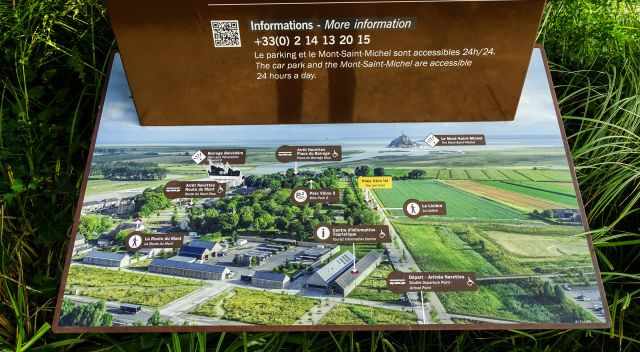
By Car (Rental or own vehicle)
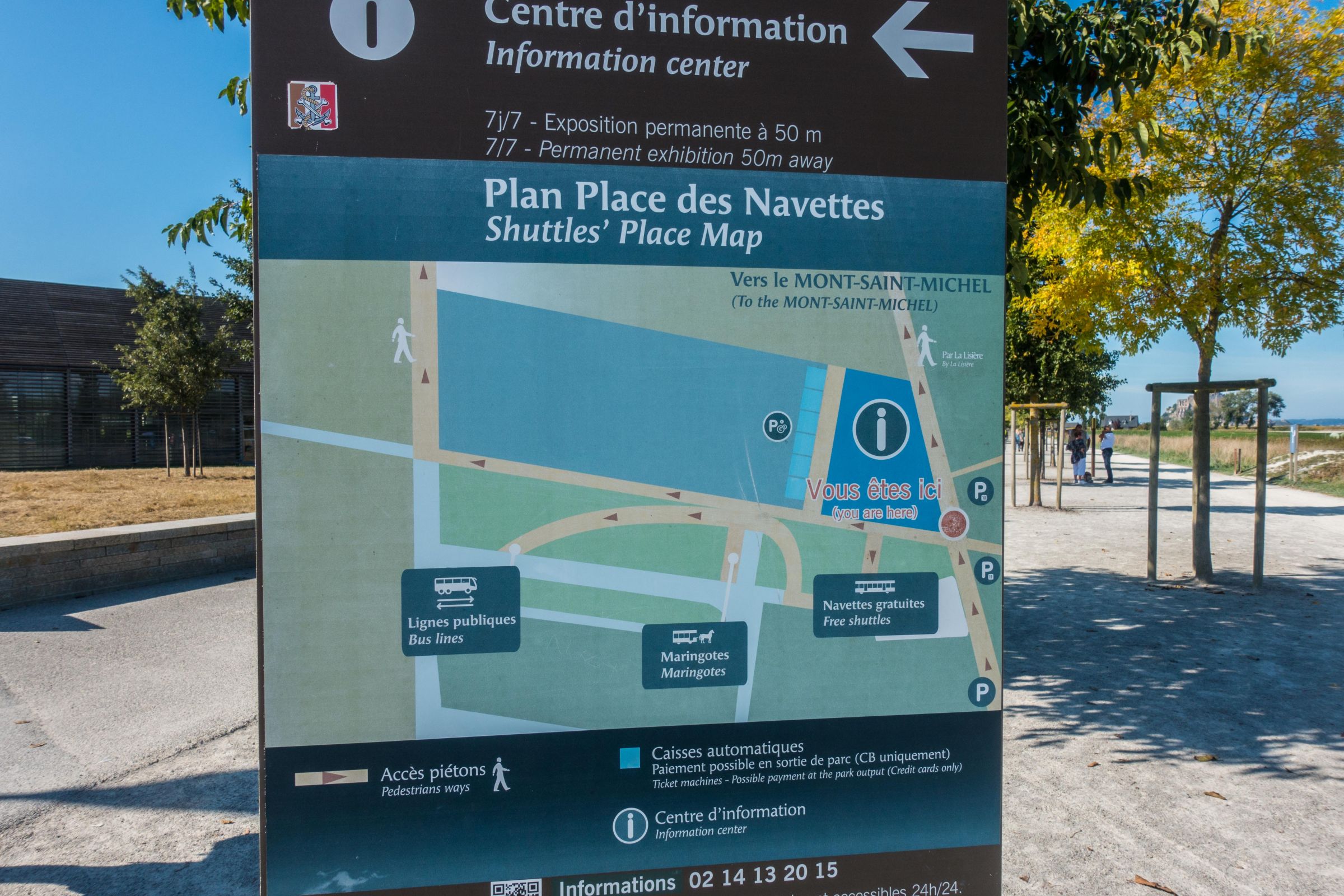
Driving is the most flexible option. Park on the mainland and reach the mount by free shuttle (10 minutes) or by walking the 760‑meter bridge (25–35 minutes). Parking is free after 18:30 (except July & August), making evening visits ideal.
By Train + Shuttle
Take a TGV from Paris to Rennes or Dol‑de‑Bretagne, then a TER to Pontorson. A dedicated shuttle brings you to the mount in 20 minutes.
This is the best public‑transport option if you don’t want to drive. Check the availability at Trainline
Day Trips From Paris
The easiest option for first‑time visitors. A direct bus takes you from Paris to Mont Saint‑Michel, usually including Abbey entry and free time on the mount.
👉 Mont Saint‑Michel Day Trip from Paris
Total duration: 12–14 hours.
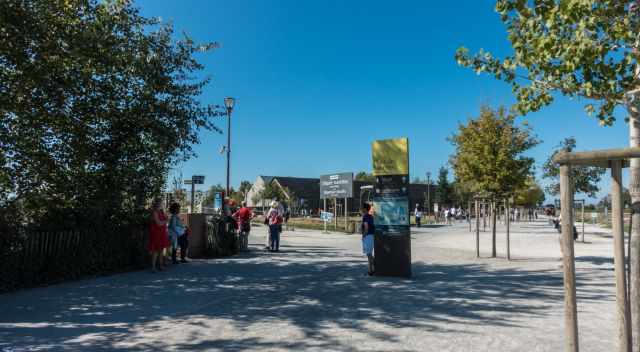
Walking the Bridge
A beautiful way to arrive, especially at sunrise or sunset. From the parking area, the walk takes 25–35 minutes with stunning bay views.
Free Shuttle (“Le Passeur”)
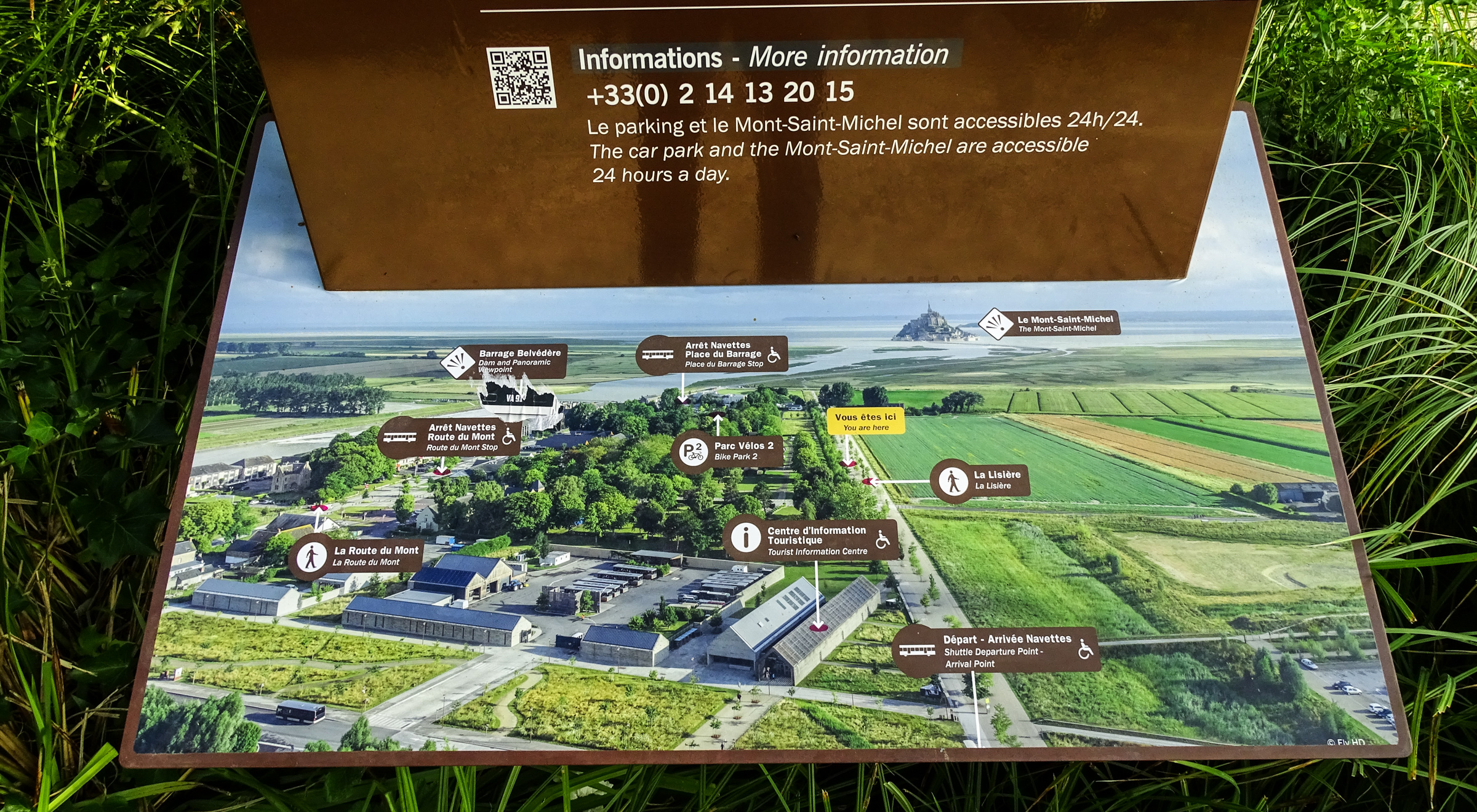
It is a 2.5 km/1.5 miles walk from the parking to Mont Saint-Michel. For those who are not good at walking or simply want to avoid the summer heat a shuttle runs every few minutes from the parking area to the mount. Drops you 400 meters from the entrance, as the final stretch of the bridge is pedestrian‑only. Quiet in the morning and evening, busy midday.
Parking
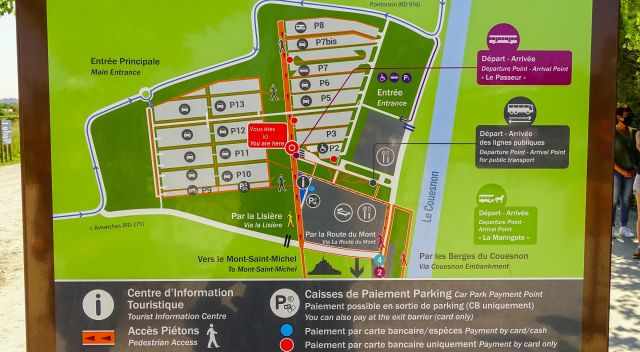
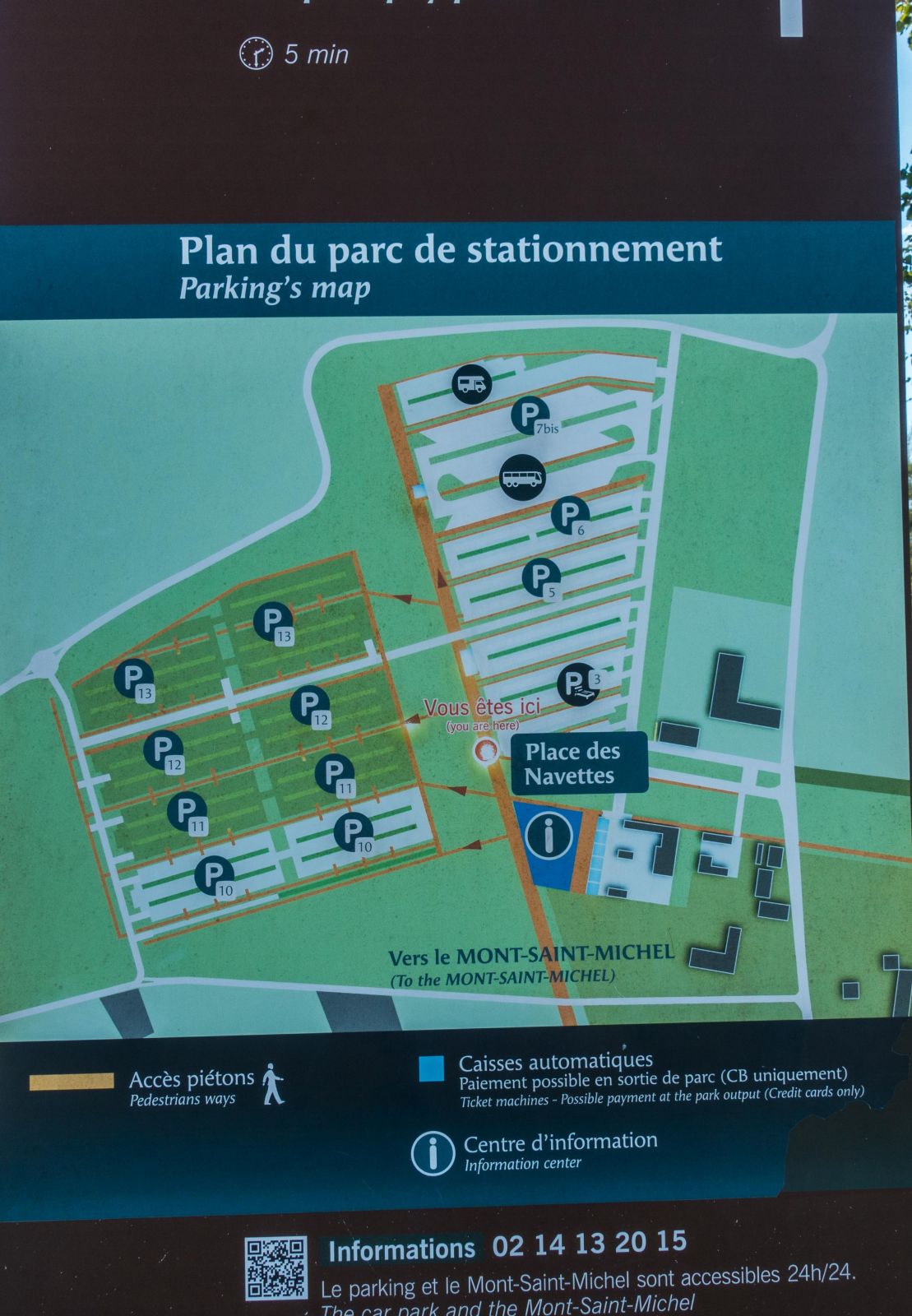
The huge car park is divided into 13 sections. It is open 24/7. Only credit cards are excepted—parking for camper vans is available.
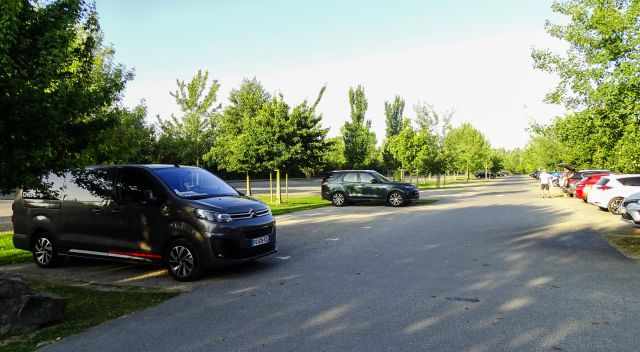
Parking is free in the evening from 18:30, except during the peak summer months of July and August, when regular rates apply. This makes late‑day visits ideal for enjoying the sunset without parking costs.
Understanding the Tides at Mont Saint‑Michel
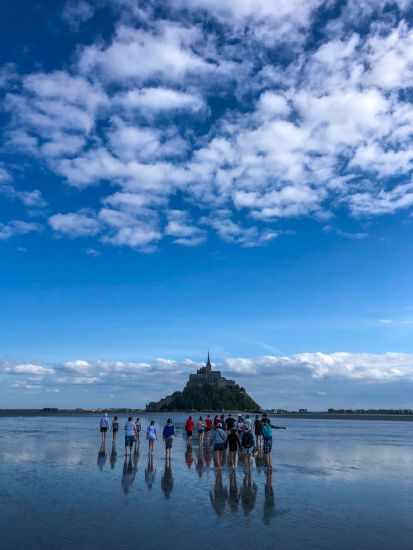
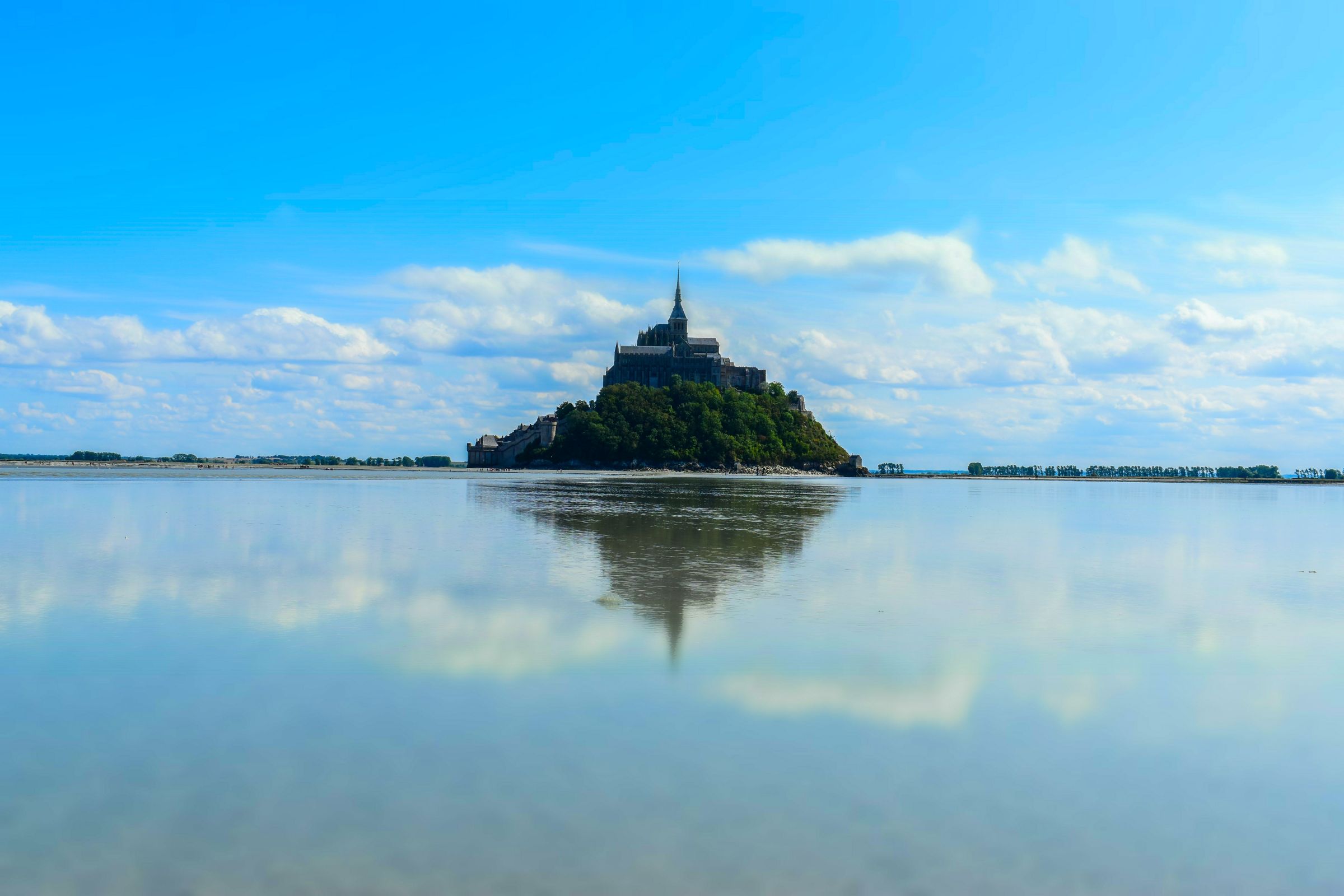
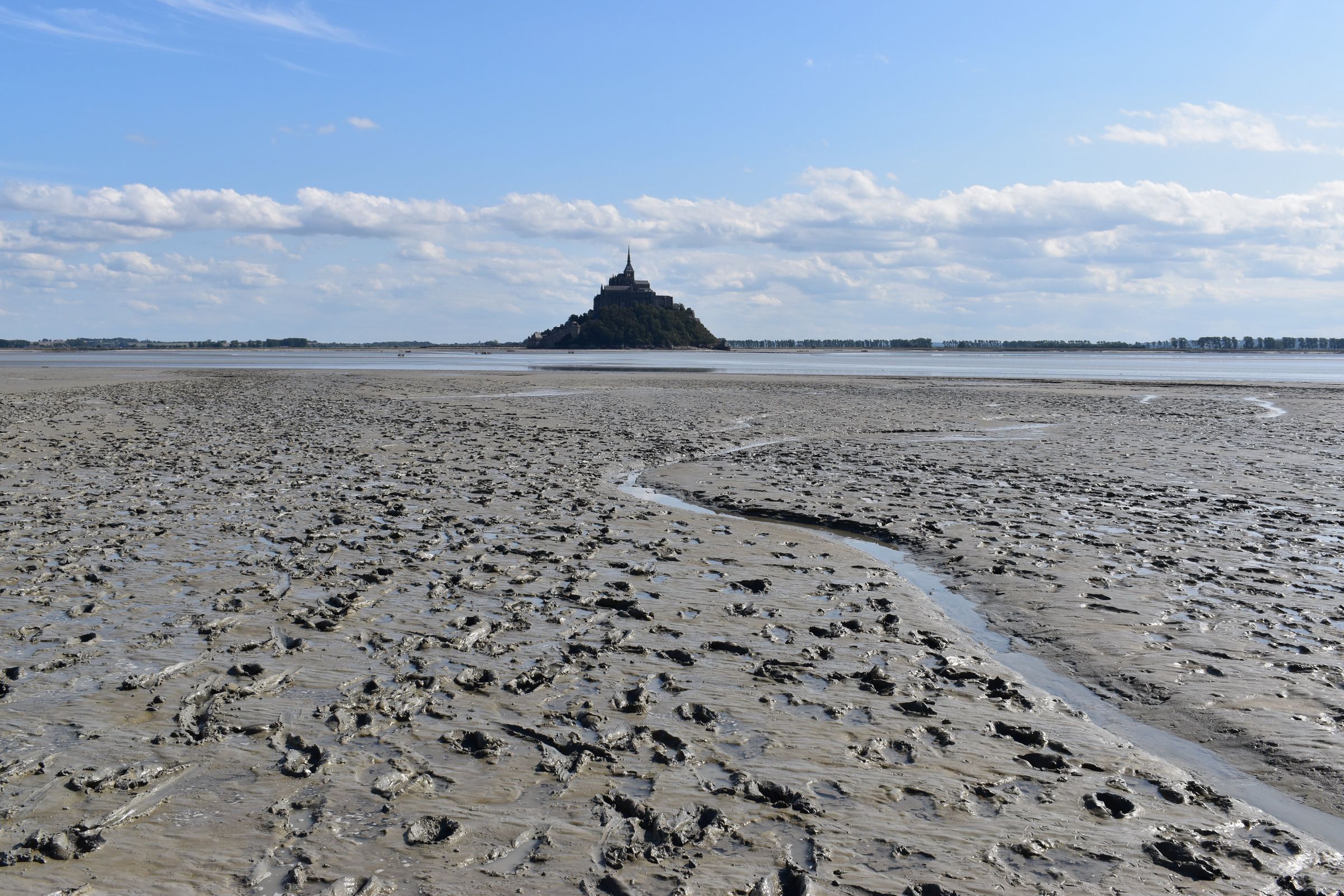
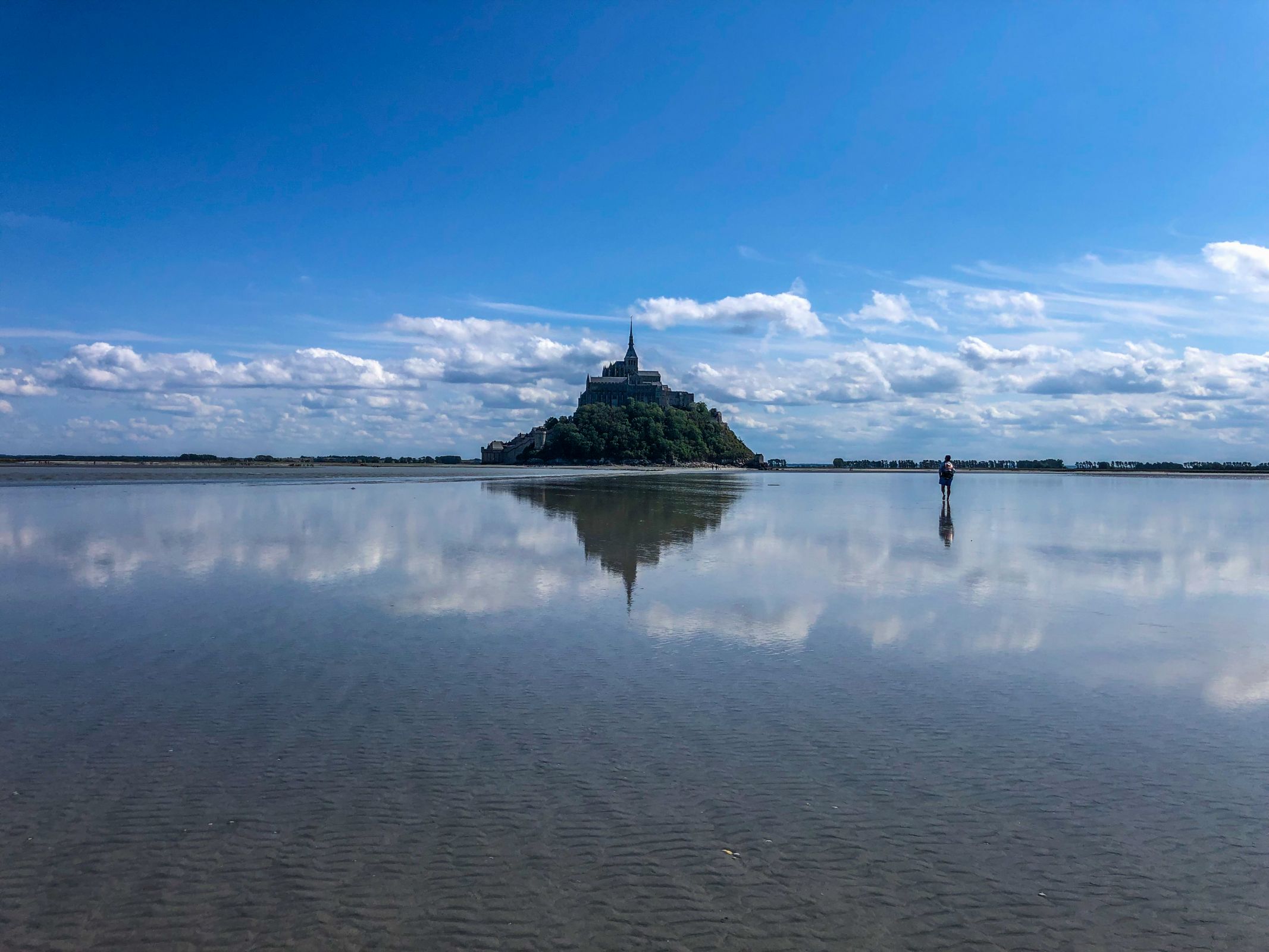
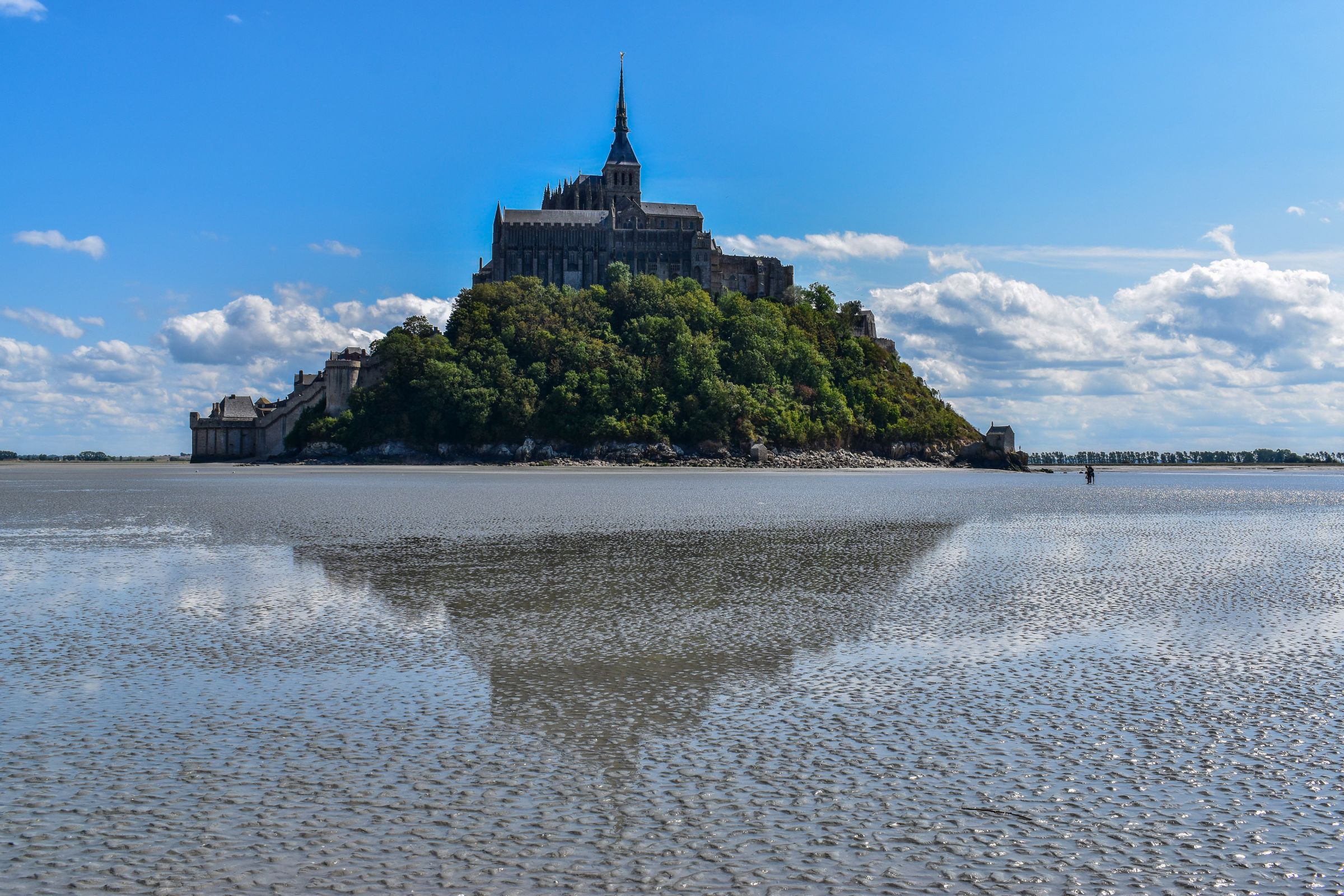
The tides at Mont Saint‑Michel are among the most powerful in Europe and shape the entire experience of visiting the mount. Twice a day, the sea transforms the landscape: at low tide, vast sandbanks stretch to the horizon; at high tide, the water returns quickly and surrounds the mount in a dramatic rise. On a few special days each year, the tide becomes so strong that Mont Saint‑Michel turns into a true island for a short time.
You don’t need to be an expert to enjoy this spectacle — just knowing when the tide is high or low helps you plan the perfect visit. Whether you want to see the mount surrounded by water, watch the tidal bore rush in, or explore the bay at low tide with a guide, the tides add a unique rhythm to every trip. More about the fascinating tides below. Tide Times Mont Saint Michel
Tidal Flat Tours — Quicksand, Safety & Guided Experiences
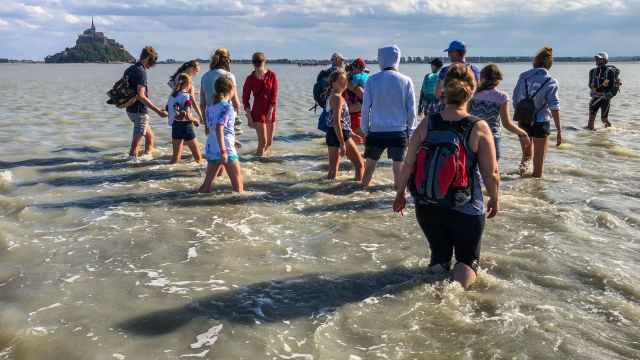
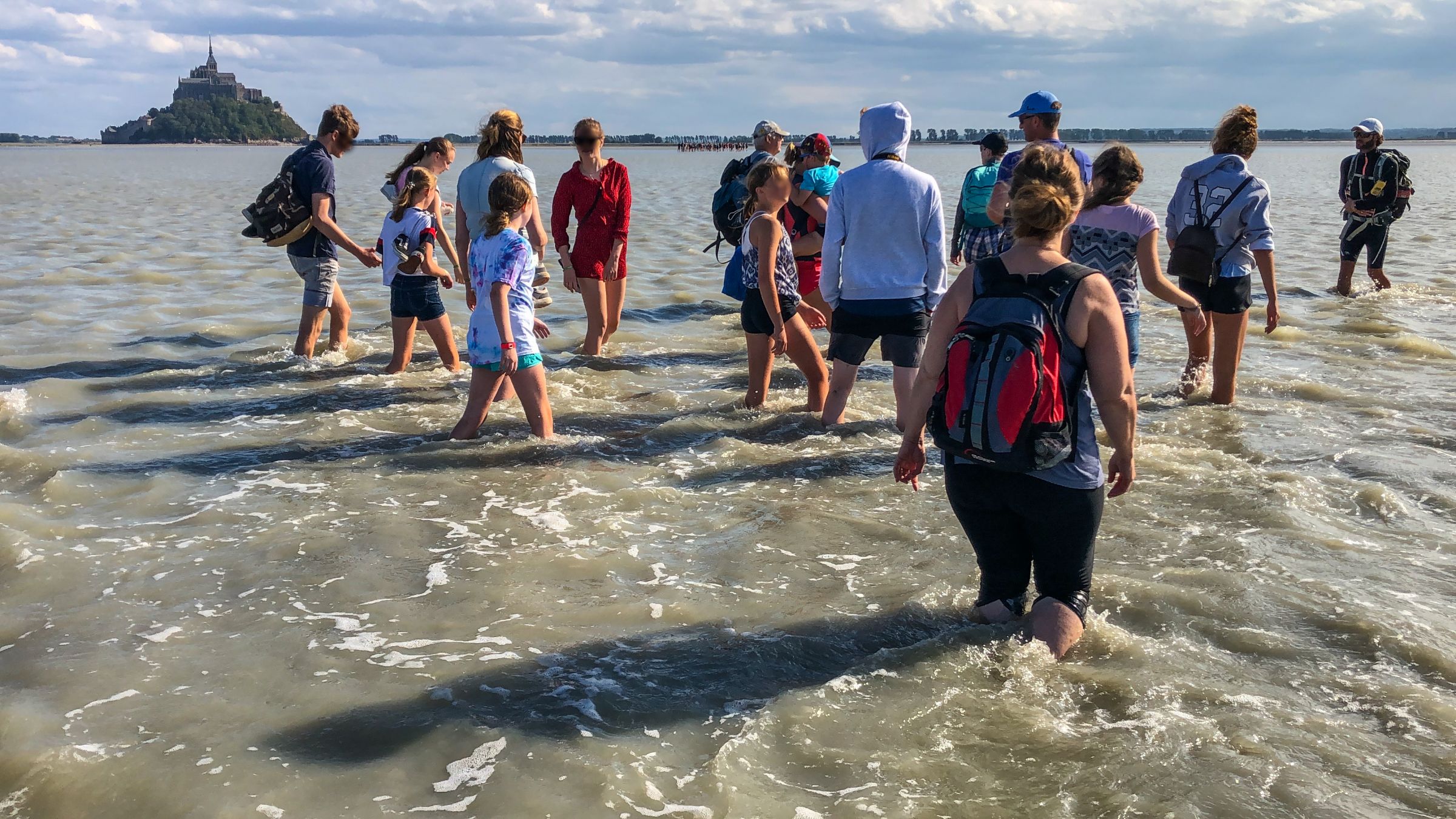
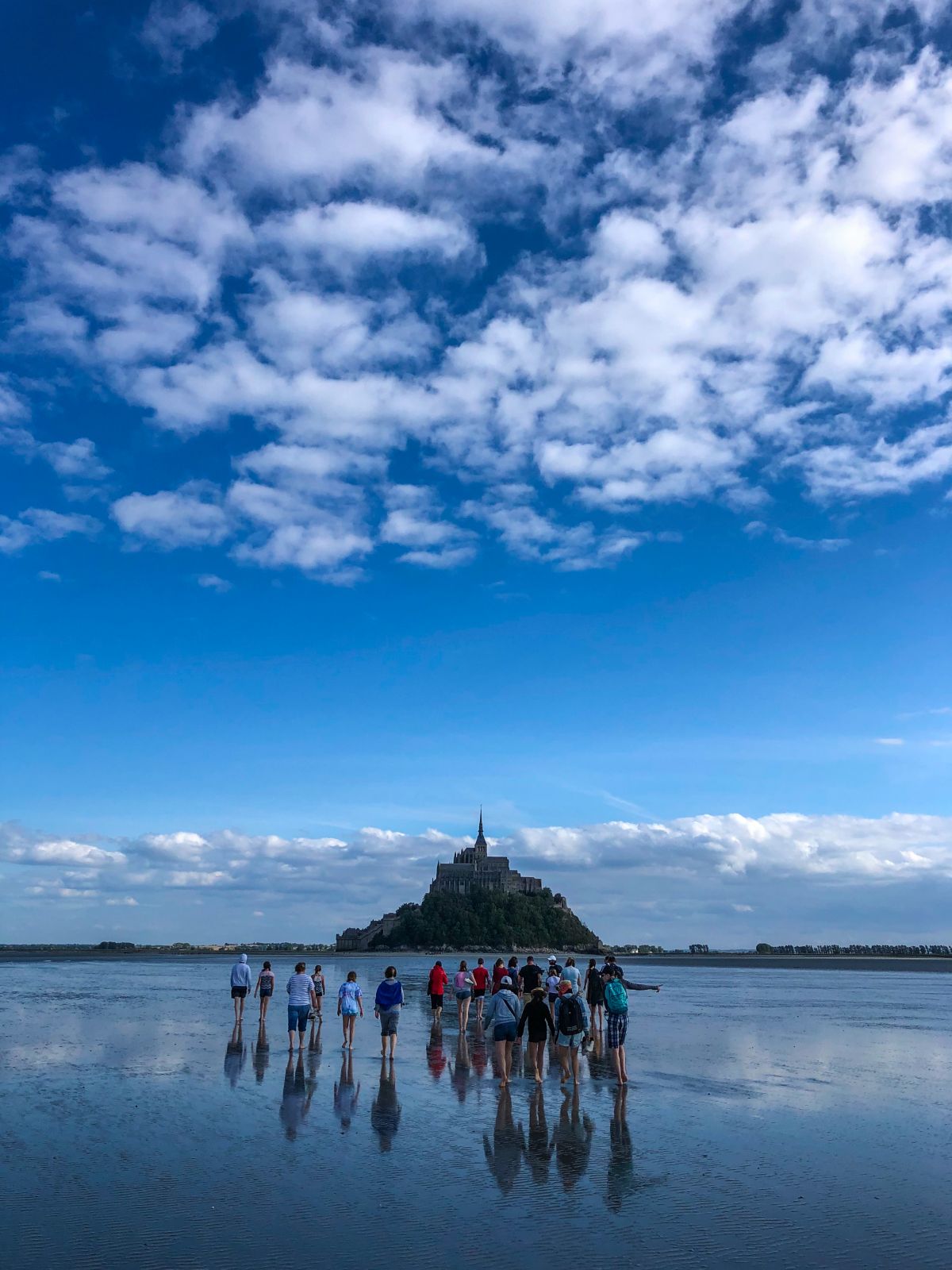
Walking across the tidal flats around Mont Saint‑Michel is one of the most unique experiences in the region — but it is also one of the most dangerous without a certified guide. The bay is known for quicksand, hidden waterholes, and a fast‑moving tide that can advance at nearly 30 km/h. For this reason, guided tours are essential.
Tidal flat tours take place only at low tide and are usually not offered in the coldest winter months. The good news: you can now book these tours in advance again, which makes planning much easier.
👉 Tidal & Quicksand Guided Tour
A guided walk lets you safely explore the vast bay, learn about its ecosystem, and even experience the quicksand under your feet — all while having a professional guide who knows the tide schedule and the safe routes.
If you are staying in the area for more than one day, this is an unforgettable highlight and one of the most authentic ways to experience Mont Saint‑Michel.
Exploring the Village & Climbing to the Abbey
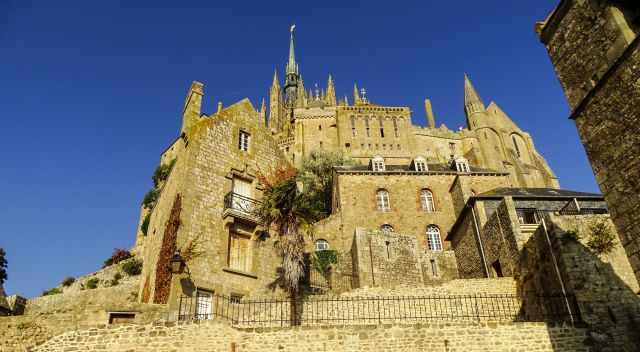
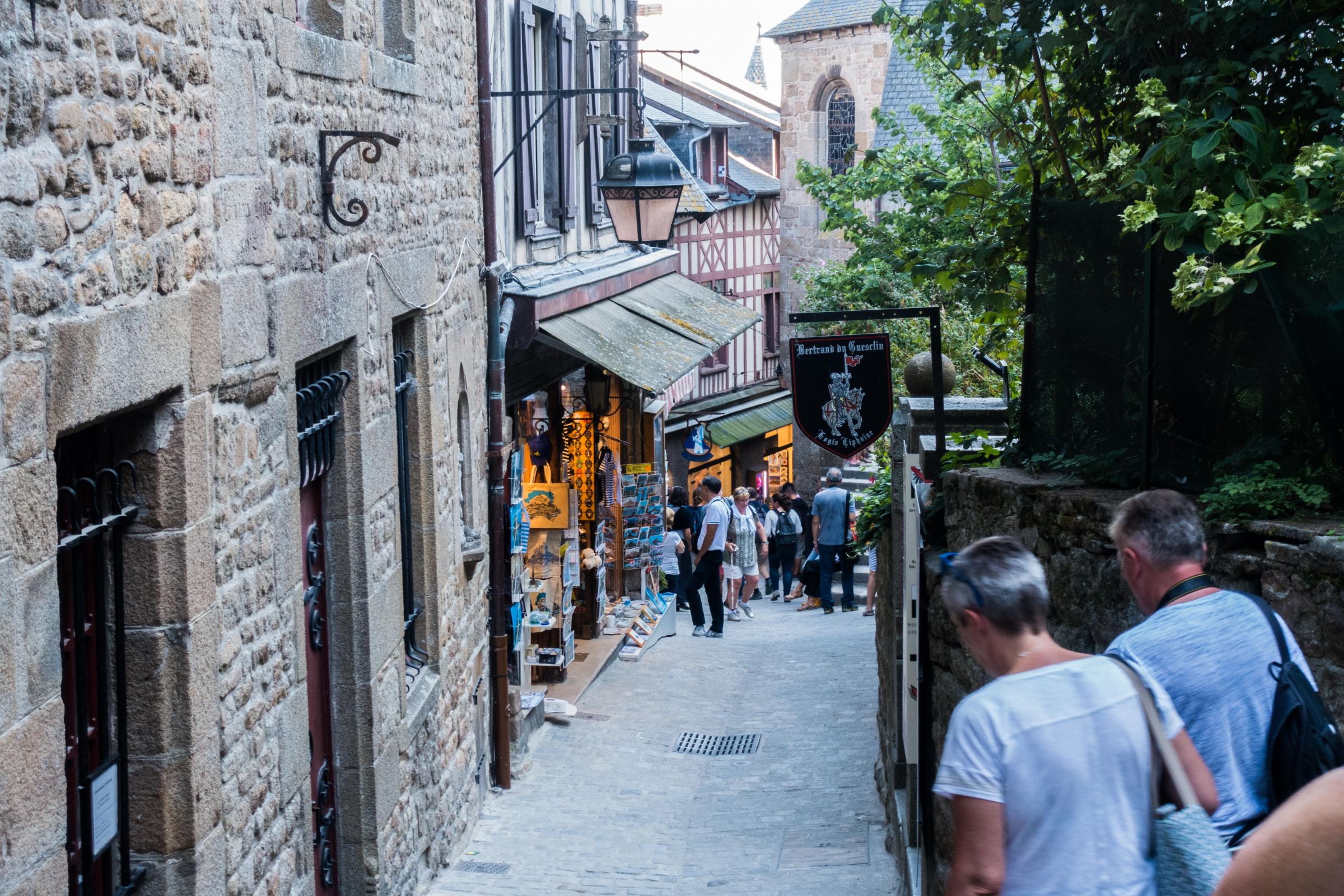
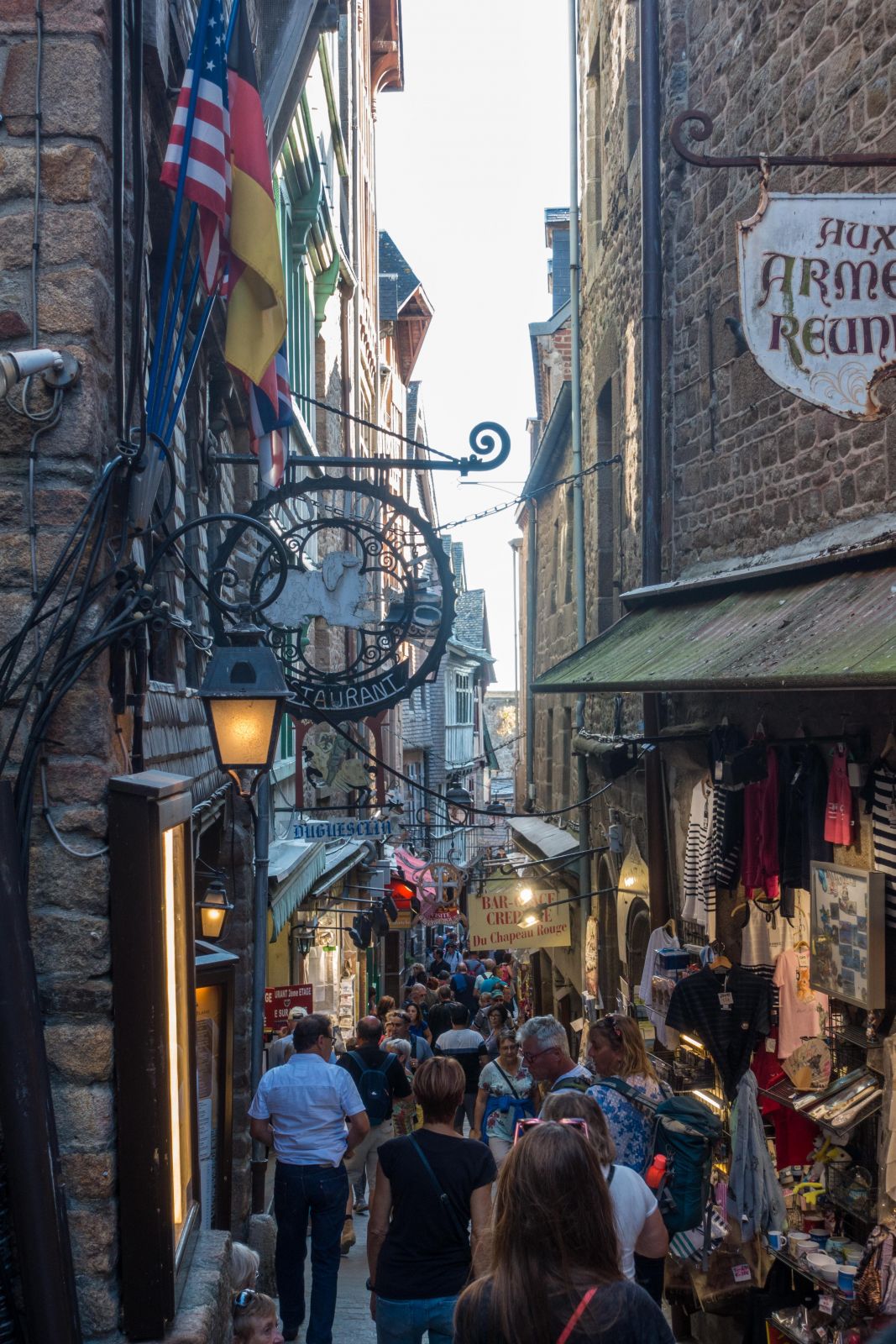
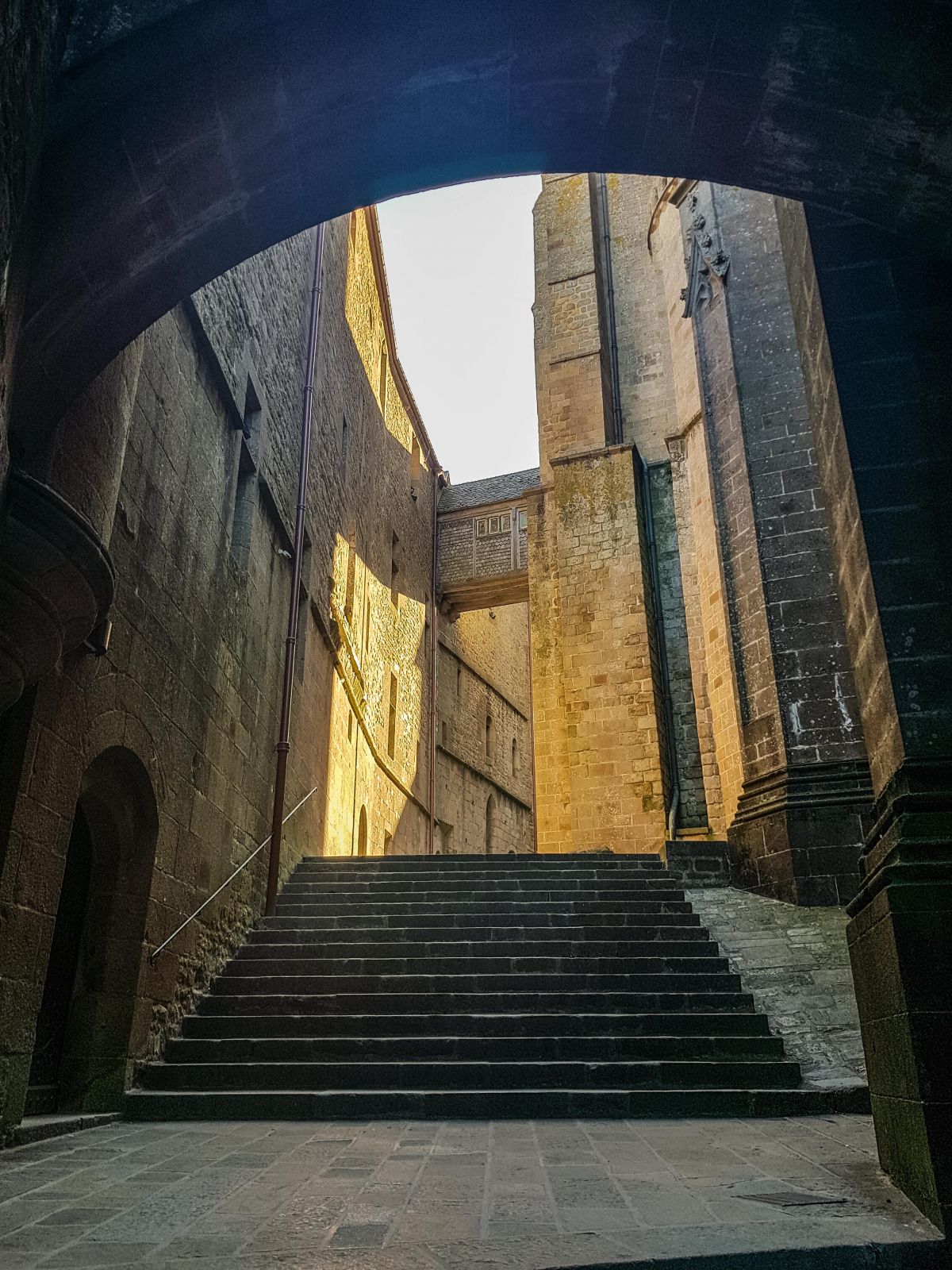
Entering Mont Saint‑Michel through the main gate feels like stepping back into medieval times — narrow alleys, timber‑framed houses, and steep stone stairways leading toward the Abbey. The only modern distraction is the line of souvenir shops along the Grand Rue, which can be crowded during the day.
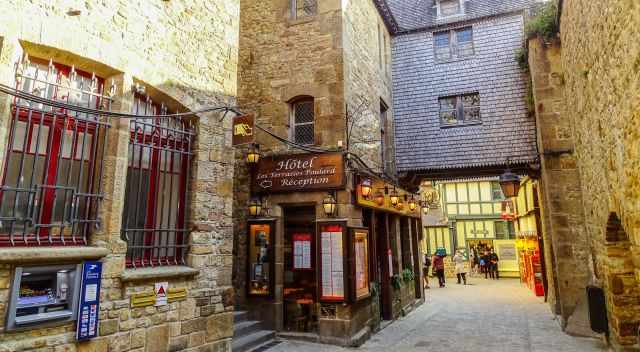
If you follow the Grand Rue, you’ll pass La Mère Poulard, famous for its 19th‑century omelette created for pilgrims. A little higher up stands La Sirène, a charming 15th‑century wooden house that once served as a lookout point.
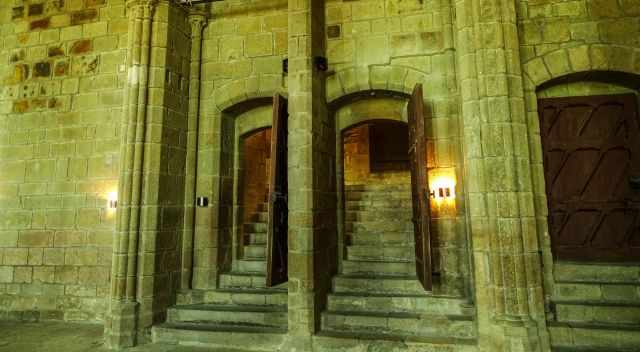
For a quieter and more atmospheric ascent, enter via the Fanils entrance on the left side of the mount. The climb is steeper, but you’ll discover empty alleys, hidden stairways, and a far more authentic feel — especially in the late afternoon when most visitors have already left.
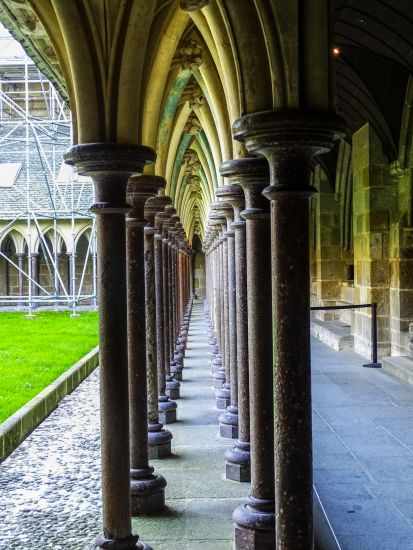
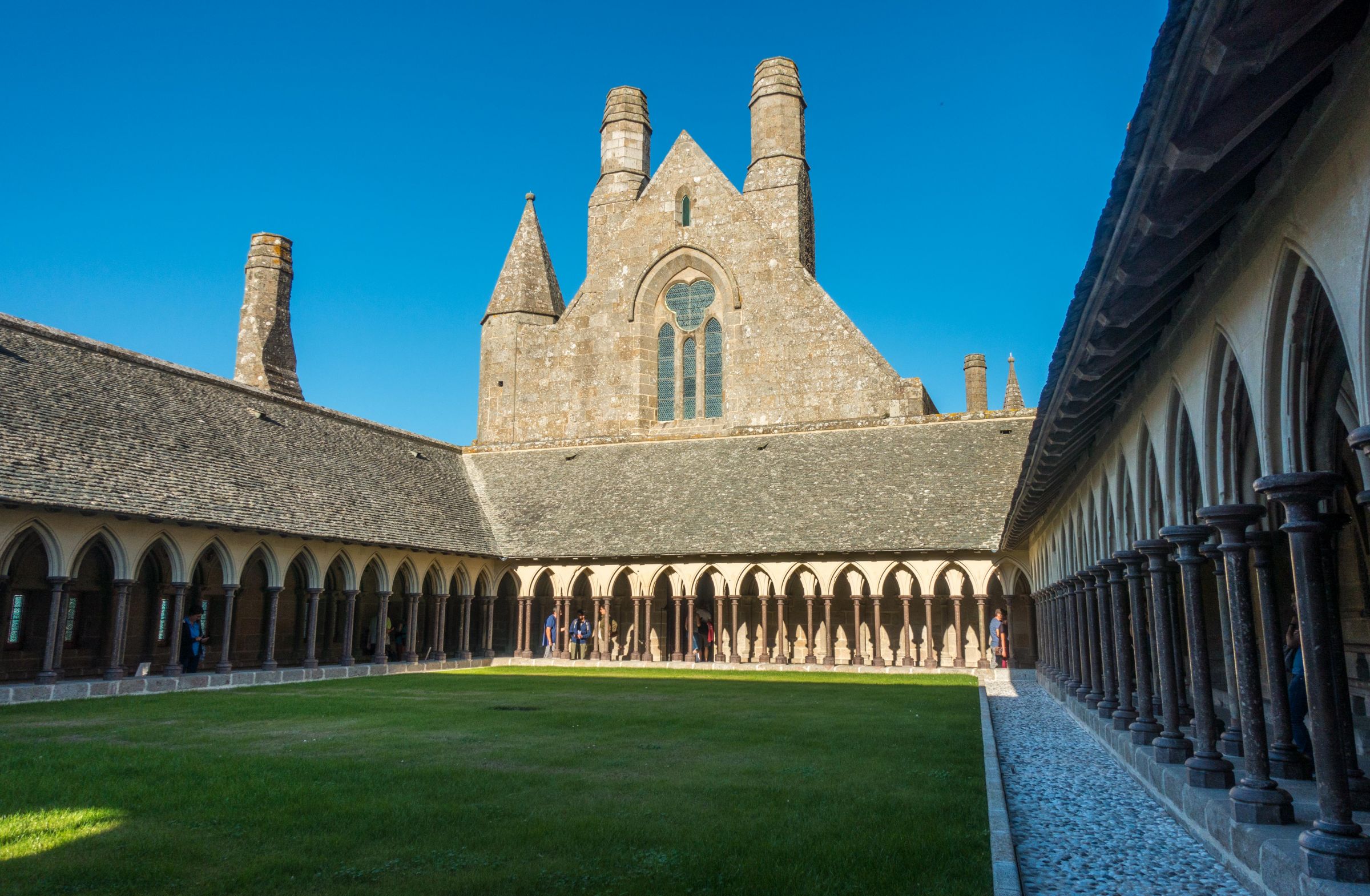
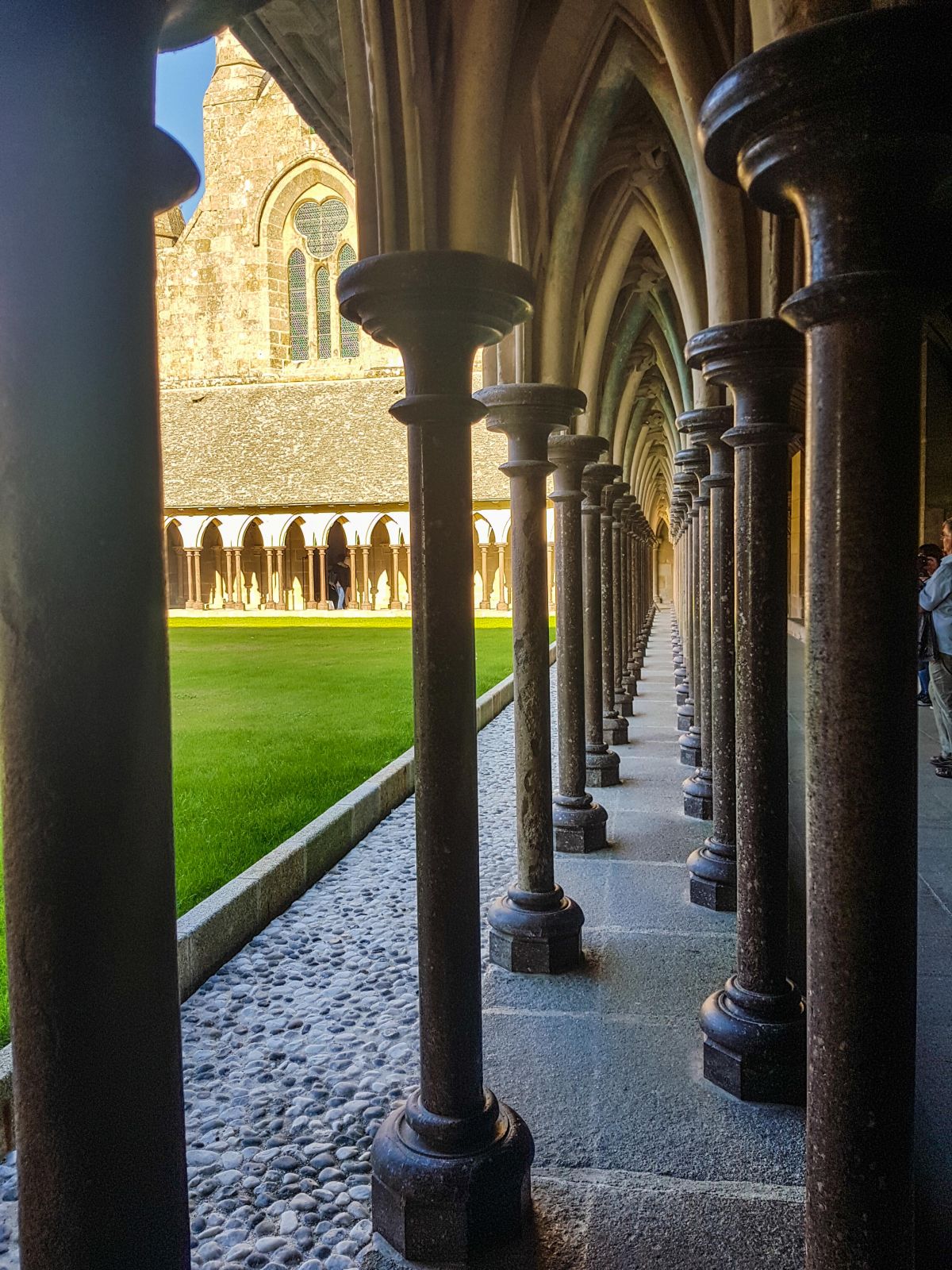
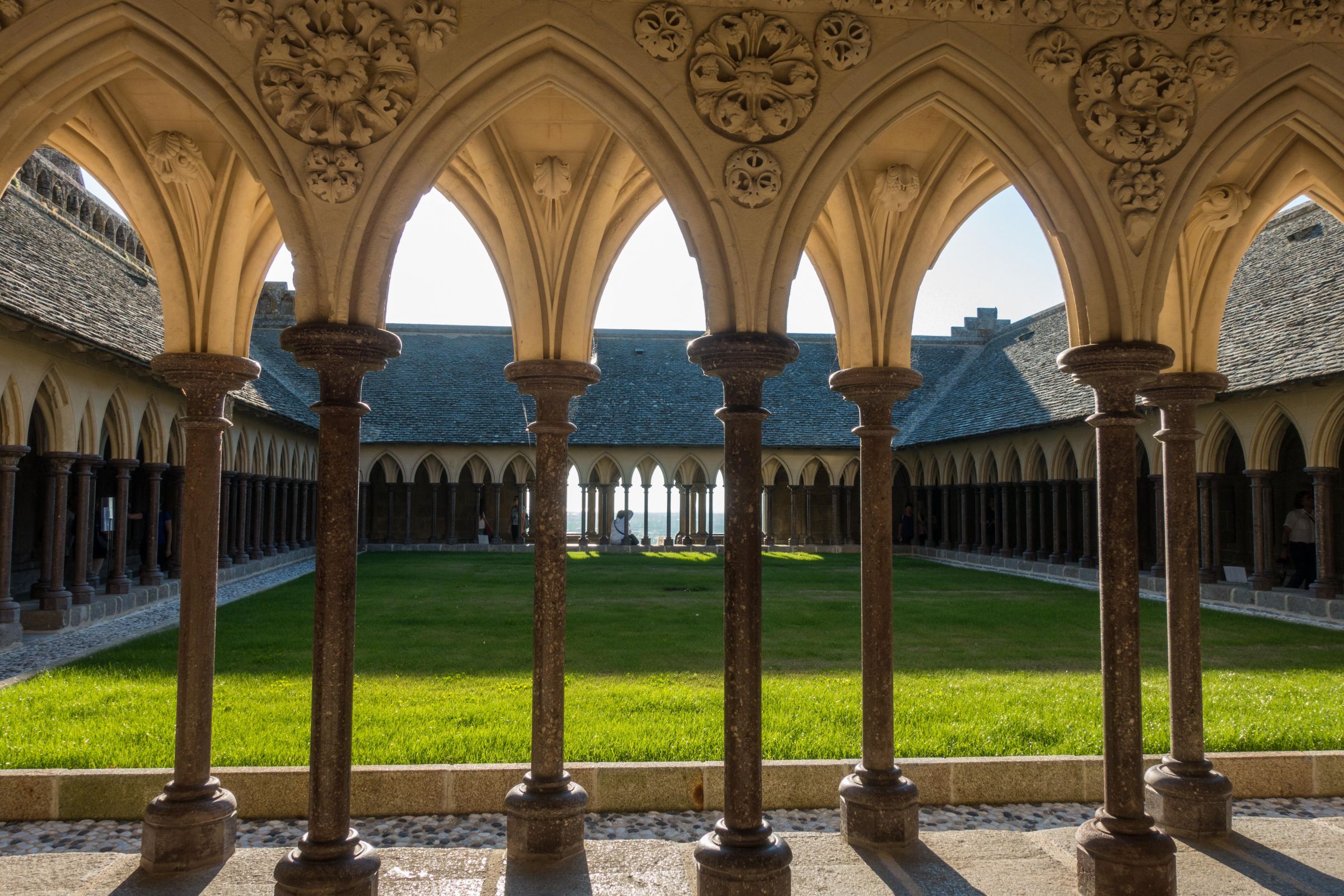
We reached the Abbey around 5 pm during a spring tide, when opening hours were extended into the late evening. The crowds had thinned, and we explored the magnificent halls and the serene cloister almost alone — a magical experience that’s hard to find earlier in the day.
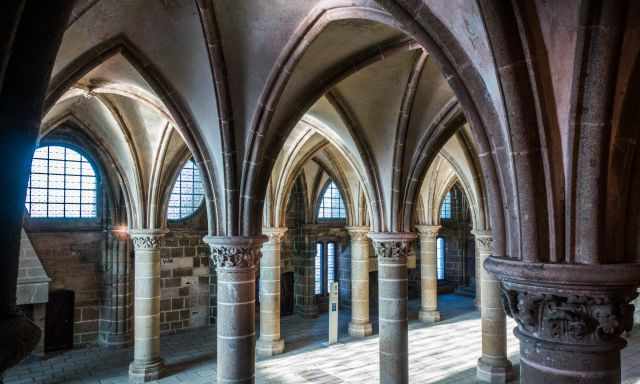
Tip: Spend at least half a day here — and if possible, stay one night on the island to enjoy the peaceful atmosphere after sunset.
Where to Stay at Mont Saint‑Michel
Auberge Saint‑Pierre — the “Hogwarts” experience
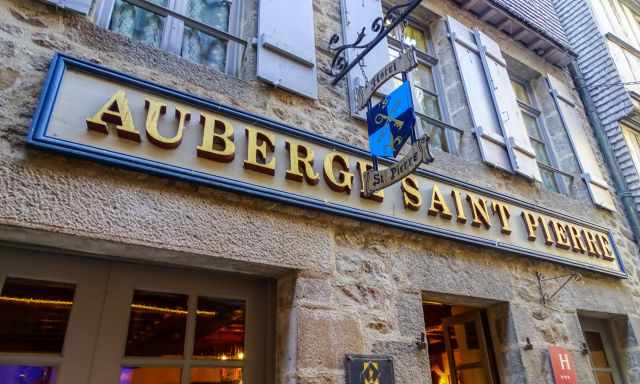
My top recommendation for staying on the island. This 15th‑century timber‑framed house gives you that magical, medieval feeling — especially once the crowds leave. Staying here means wandering empty alleys at night and watching sunrise with almost no one around.
Relais Saint‑Michel — best mainland hotel with views
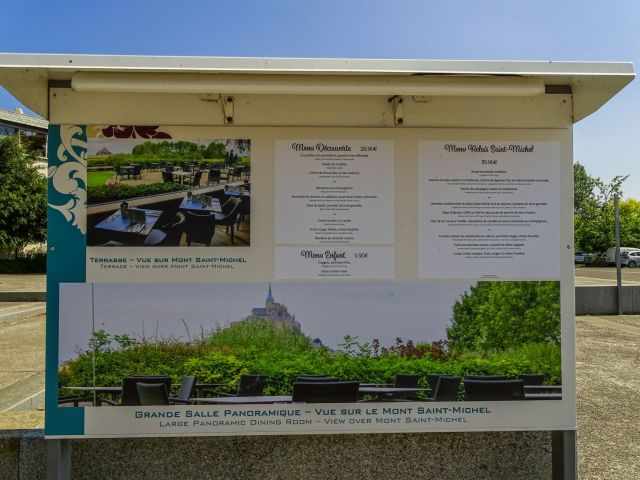
A more affordable and comfortable option just beside the walkway. Ask for a room with Mont‑Saint‑Michel view — the sunrise from your balcony is unforgettable.
Camping du Mont Saint‑Michel — closest to the walkway
Perfect for one‑night stays or motorhomes. Facilities are basic but the location is unbeatable.
Camping Les Pommiers — best for longer stays
Better facilities, an indoor pool, and cabins with private bathrooms. Ideal if you want to stay several days in the area.
Where to Eat on Mont‑Saint‑Michel
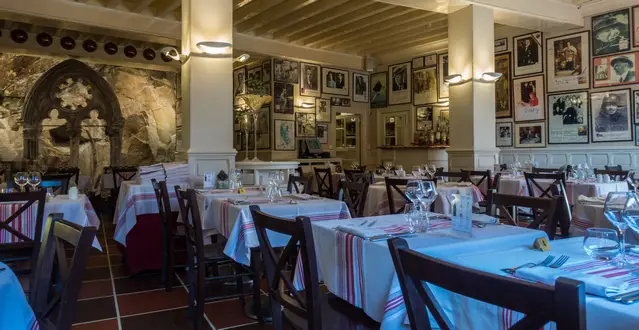
Restaurants on Mont‑Saint‑Michel mainly serve steamed mussels, seafood, and the iconic La Mère Poulard omelette, one of the most searched dishes on the island. Dining inside the medieval walls is expensive, with higher prices and average food quality compared to the mainland. Popular restaurants like La Mère Poulard, Le Relais du Roy, and La Confiance fill up quickly — table reservations are strongly recommended, especially during peak season. Because food and drinks on Mont‑Saint‑Michel are costly, many visitors bring water, a sandwich, and snacks to avoid high restaurant prices. This is the best budget tip if you plan a long visit or arrive during busy tidal hours.
12 Fascinating History Facts About Mont Saint‑Michel
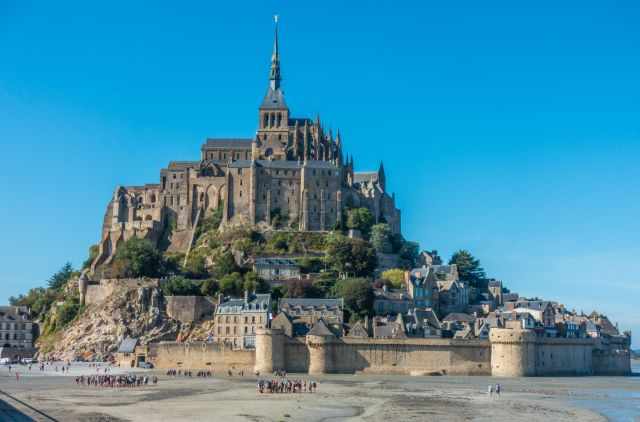
- Archangel Michael — According to legend, the Archangel appeared to Aubert, Bishop of Avranches, instructing him to build a chapel on the rocky island. The first church was recorded in October 709.
- Benedictine Monks — The monks settled on the mount in 966, establishing the spiritual foundation that shaped the site for centuries.
- Early Monastery — Construction of the first major monastic buildings began in the 11th century, supported by the Norman dukes. A small village soon developed at the base.
- 12th‑Century Expansion — The monastery grew significantly during the 1100s, adding new Romanesque structures.
- 13th‑Century Fire — A devastating fire destroyed parts of the abbey and village, prompting a major reconstruction.
- The Merveille — Rebuilt in elegant Gothic style, the “Merveille” (“Marvel”) became one of the finest examples of medieval monastic architecture in Europe.
- Hundred Years’ War — Despite a 30‑year siege, the English never captured Mont Saint‑Michel. It became a powerful symbol of French resistance.
- Pilgrimage Site — After the 15th century, the mount flourished as one of the most important pilgrimage destinations in medieval Europe.
- French Revolution Prison — During the Revolution, the abbey was converted into a prison — often called the “French Alcatraz” — until it closed in 1863.
- Causeway Construction — In 1879, a solid causeway connected the island to the mainland, unintentionally trapping sediment and altering the tidal flow.
- Return of the Monks — After more than a century, monks returned to the abbey in 1966, restoring its spiritual life.
- UNESCO World Heritage — Mont Saint‑Michel and its bay were designated a UNESCO World Heritage Site in 1979, recognizing their cultural and natural significance.
Continue Your Normandy Trip
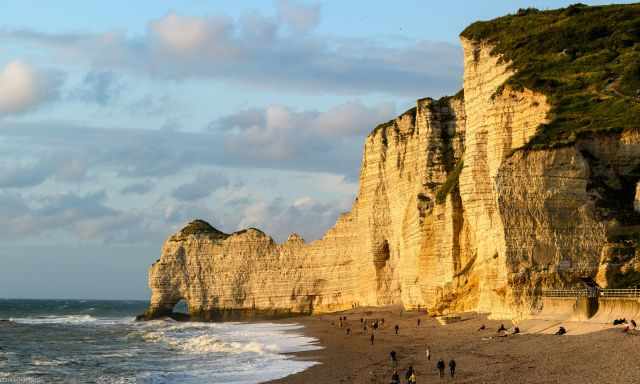
If you’re exploring more of Normandy, consider adding the spectacular white‑cliff coastline of Étretat to your itinerary. Its dramatic arches and coastal trails are among the most breathtaking landscapes in France — a perfect next stop after Mont Saint‑Michel. You can find my full guide here: Étretat Travel Guide.
Weather at Mont Saint‑Michel
Mont Saint‑Michel has a coastal climate with its own microclimate, shaped by the tides and the exposed location in the bay. It is usually a little cooler and windier than inland Normandy. Rain falls throughout the year, but totals are modest at around 750 mm annually. Sunshine is most frequent from May to September, and even in summer the seawater stays below 20°C. Because of the wind, a hoodie or light jacket is useful year‑round — and umbrellas are often impractical.
Spring (March–May)
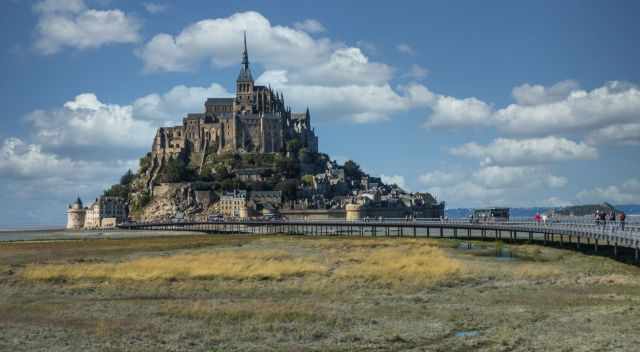
Spring begins cool and gradually becomes pleasant. Crowds are manageable in March and April; May is already popular across Normandy.
- March: daytime temperatures just above 10°C, still chilly at night
- April: slightly warmer, less rainfall
- May: comfortable around 16°C, but nights below 10°C
Summer (June–mid‑September)
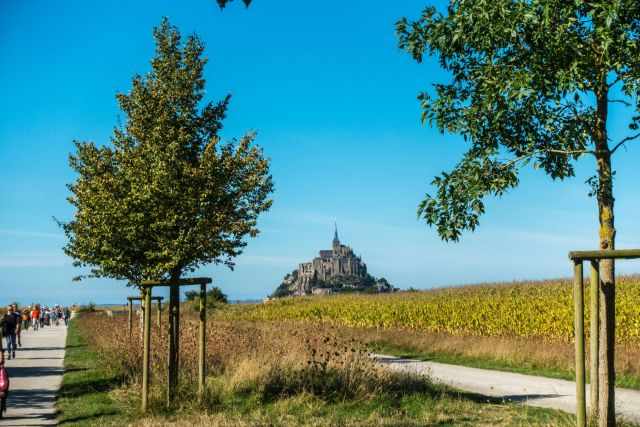
Summer is the most popular season, with mild, pleasant weather. Arriving early morning helps avoid the midday rush or early evening.
- Average temperatures around 20°C, occasionally reaching 25°C
- Long daylight hours and the driest period of the year
- Occasional showers, but many sunny days
Autumn (mid‑September–November)
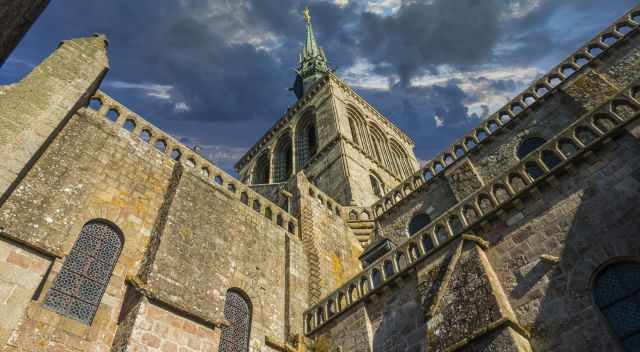
Autumn starts mild and atmospheric, with dramatic skies and fewer crowds.
- October: 16°C by day, 11°C at night
- Rain increases from mid‑October onward
- Beginning of the wetter season (lasting until January)
Winter (December–February)
Winter is chilly but peaceful — the quietest time of the year except Christmas. Mont Saint‑Michel in winter has a stark, dramatic beauty — and almost no crowds.
- Temperatures between 3–9°C
- High humidity and wind make it feel colder
- Wettest season, though not constant rain
- Clear blue skies do occur, especially in February as rainfall decreases
- Tidal and Quicksand Tours aren't offered.
Tides at Mont Saint‑Michel — How the Island Effect Really Works
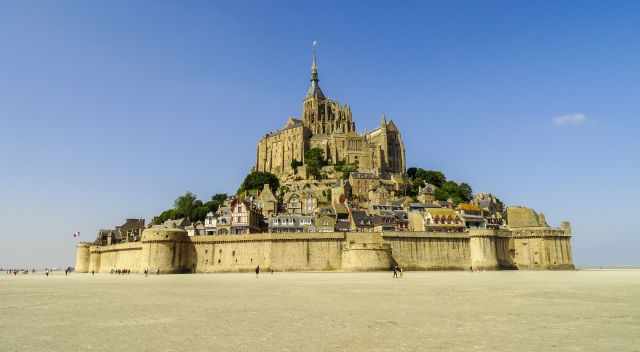
If you want to understand how the tides work — and why Mont Saint‑Michel sometimes becomes a true island — the next sections explain everything clearly.
Mont Saint‑Michel is famous for its dramatic tides, among the strongest in Europe. During the highest coefficients, the sea rises so far that the mount becomes a true island — completely surrounded by water. This natural spectacle is rare, but with the right timing, you can experience it yourself.
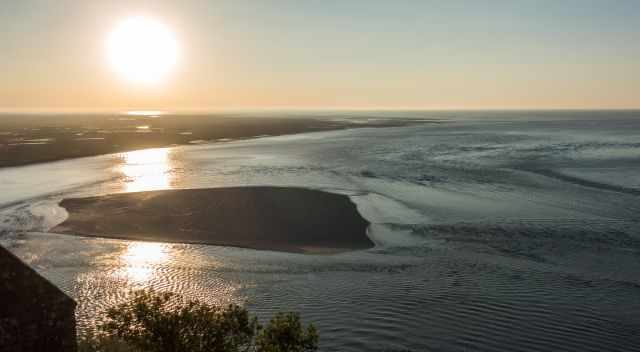
The tides in the Bay of Mont Saint‑Michel are shaped by the funnel‑shaped coastline. As the Atlantic pushes water into the narrowing bay, the tidal range increases dramatically. The difference between low and high tide can reach 14–15 meters, creating one of the most powerful tidal movements in Europe. The water rises quickly — locals say it “comes in as fast as a galloping horse.”
What Tide Height Is Needed for the Island Effect (≥14 m)
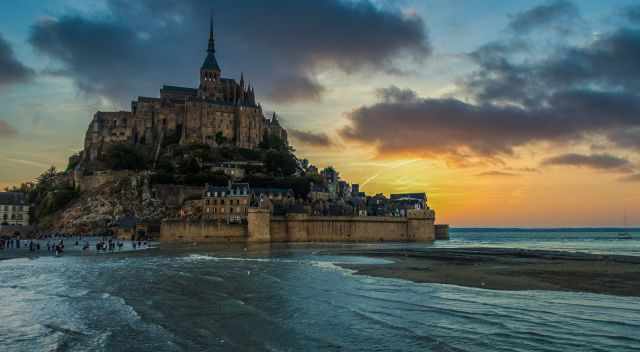
Mont Saint‑Michel only becomes a true island when the tide height reaches 14 meters or more. Below this threshold, the sea fills the bay but does not rise high enough to surround the mount completely. During these exceptional tides, the sea covers the surrounding sandbanks and flows beneath the modern bridge, isolating Mont Saint‑Michel just as it did in the Middle Ages.
Why This Happens Mostly in March and September/October
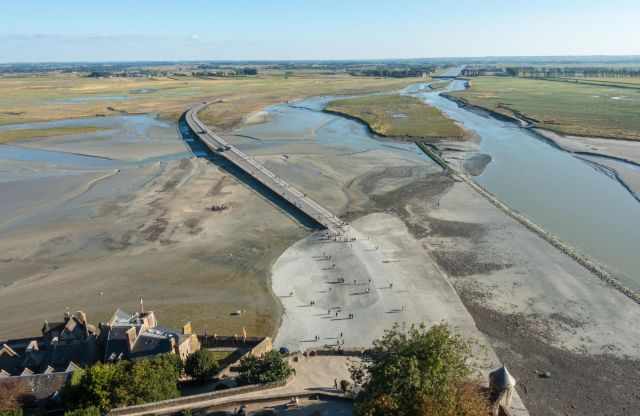
The strongest tides occur when the sun, moon, and Earth align, amplifying gravitational pull. This happens around:
- the spring equinox (March)
- the autumn equinox (September/October)
These periods create the highest tide coefficients of the year. However, the highest tides at Mont Saint‑Michel follow an 18.6‑year lunar cycle. Some years produce many exceptional tides above 14 meters, like 2024 and 2025, while others — like 2026 — have none or very few. This is completely normal and depends on the Earth–Moon–Sun alignment.
Where to Check the Next Island‑Effect Dates
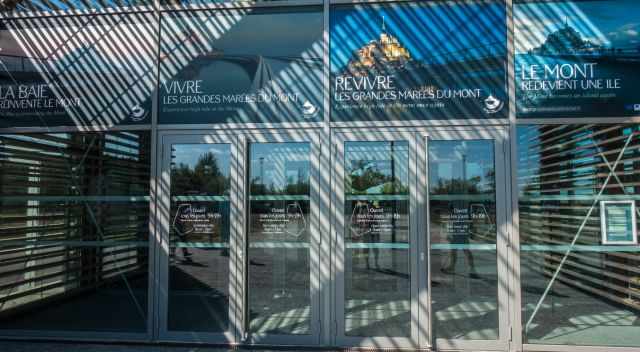
One of the most accurate and user‑friendly sources is the Mont Saint‑Michel tide forecast from Marine MeteoConsult.
Look for:
- Tide coefficient ≥ 100
- High tide ≥ 14 m
If both conditions are met, Mont Saint‑Michel will be fully surrounded by the sea.
How Often the Island Effect Occurs Per Year
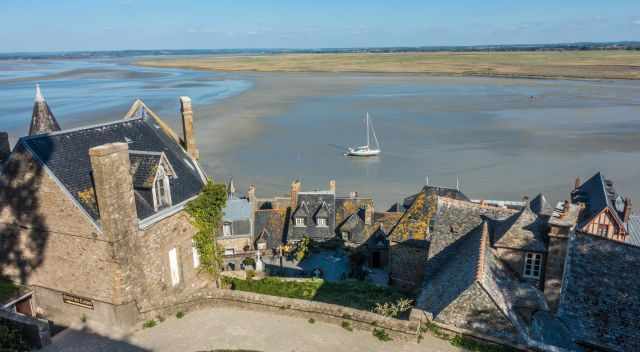
On average, the island effect happens:
- 6–10 times per year except for 2026,
- mostly in March and September/October,
- occasionally during exceptional winter tides.
The island effect usually lasts 1–2 hours around peak high tide.
What to Expect During High Tide
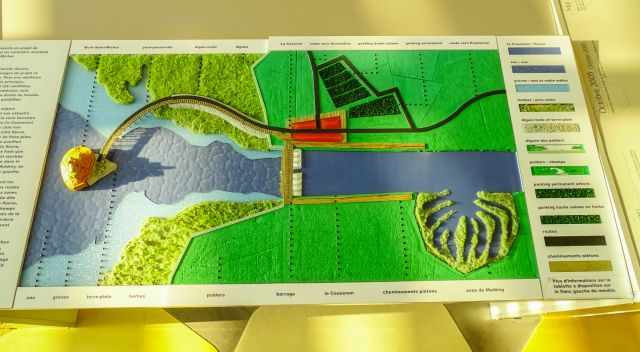
During strong high tides:
- The causeway may be temporarily submerged.
- The mount appears to “float” in the sea — a spectacular sight.
- Crowds gather at the viewing platforms, especially near sunset.
- The water retreats quickly, revealing vast sandbanks within hours.
High Tide Access & Safety at Mont Saint‑Michel
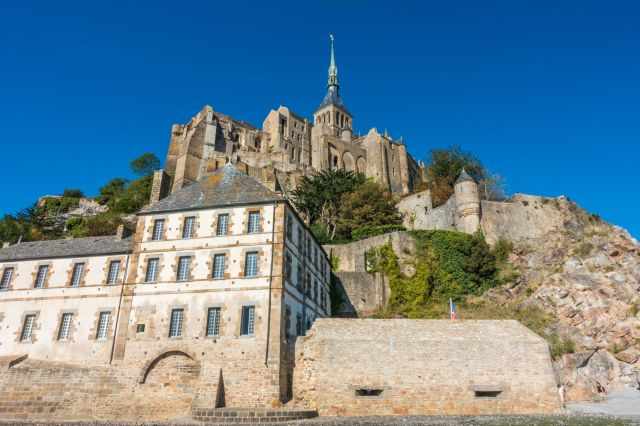
During the strongest spring tides (usually ≥14 m), the sea can rise high enough to cover the small area directly in front of the main gates. The modern bridge itself never floods, but the entrance zone may be temporarily closed to protect the historic buildings and ensure visitor safety.
What this means for visitors:
- The bridge remains accessible at all times.
- The main gates may close for a short period during peak high tide.
- If the gates are closed, you simply wait until the water recedes — usually 1–2 hours.
- Visitors already inside may need to remain on the mount until access reopens.
- Walking on the tidal flats is only safe with a certified guide due to strong currents and quicksand pockets.
These closures are rare, but important to know if you visit specifically for the island effect.
Tidal Bore at Mont Saint‑Michel — The First Wave of the Incoming Tide
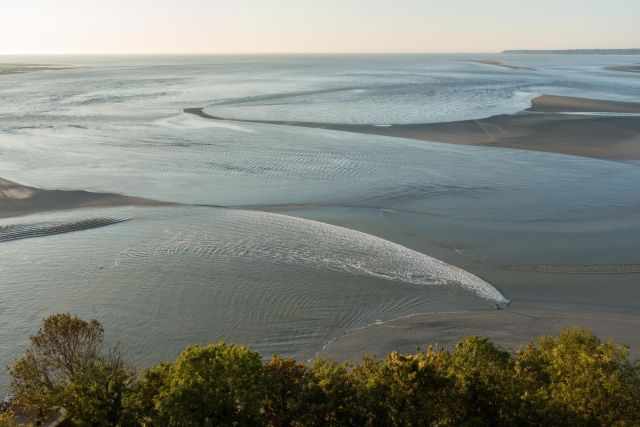
The tidal bore is one of the most impressive natural phenomena at Mont Saint‑Michel. During strong spring tides, the sea rushes back into the bay in a single, fast‑moving wave that travels across the sandbanks. We heard the wave rolling in long before we saw it — a deep roar as the water advances at nearly 30 km/h (18 mph).
Best Viewpoint to Watch the Tidal Bore
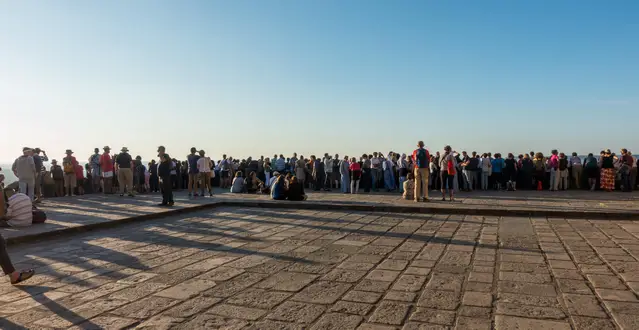
Everybody is waiting on the West Terrace for the incoming tide.
The West Terrace of the Abbey is the best place to watch the incoming tide. From here, you have a clear view of the bay and can see the first wave forming on the horizon.
To get the best spot:
- Enter the Abbey about one hour before the predicted tidal bore.
- During busy months, you may need to queue for the Abbey entrance.
- Booking your ticket online ensures you reach the terrace in time.
The atmosphere is incredible — visitors gather quietly, waiting for the moment when the first wave appears and the sea begins to surround the mount.
How the Tidal Bore Works
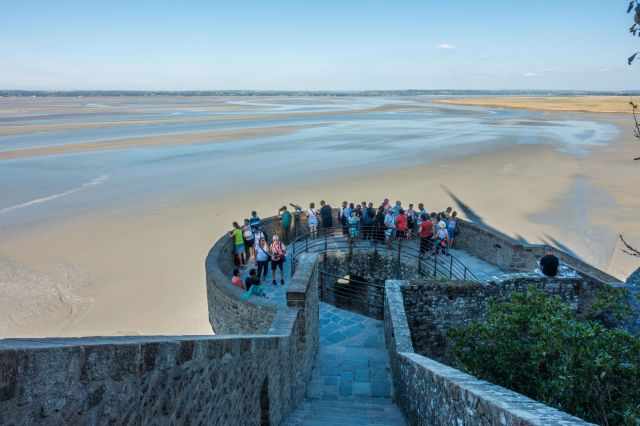
During spring tides, the sea retreats up to 15 km from the mount. When the tide turns, the water rushes back with immense force, creating a visible first wave (the tidal bore), a rapid rise in water level, and a dramatic transformation of the landscape within minutes. It’s one of the few places in Europe where you can witness such a powerful tidal bore safely from above.
Photo Credits & Usage
My wonderful friends from Calgary provided the pictures of the tidal‑flat tour, and the newest images were taken by my brother René. Drone shots and footage are courtesy of my friend Chris from his October visit. I took most of the photos myself. If you wish to obtain usage rights for any of these images, please contact me — unauthorized use will be pursued.
Best Months to Visit
Location and Tips

Mont Saint Michel is a unique place. I will give you all details in this guide for an outstanding day at this UNESCO World Heritage Site in Normandy at the border to Britannia. The bay is already part of Britannia.