
When Is the Best Time
Andrew Molera State Park is one of Big Sur’s most underrated gems — a wild, open landscape of coastal bluffs, rolling meadows, and a long, windswept beach where the Big Sur River meets the Pacific. It’s quieter than Pfeiffer Big Sur and Point Lobos, yet just as rewarding, especially if you enjoy uncrowded trails and dramatic coastal scenery.
The park is known for its seasonal river crossing, its purple‑sand beach, and a network of trails that feel wonderfully remote. This guide gives you everything you need for a safe and memorable visit.
Quick Facts
- Location: Big Sur, California
- Parking: Small lot at the entrance (fills on weekends)
- River Crossing: Seasonal; required to reach Molera Beach
- Best Time: Spring & fall for mild weather and clear views
- Trail Difficulty: Easy to moderate
- Dogs: Not allowed on trails
- Camping: Walk‑in campground (seasonal)
Why Visit Andrew Molera State Park
Andrew Molera is one of the few places in Big Sur where the landscape still feels untouched. There are no paved roads inside the park, no crowds lining up for photos, and no commercial development. Instead, you get:
- a wild, open coastline
- a long, quiet beach
- purple sand after winter storms
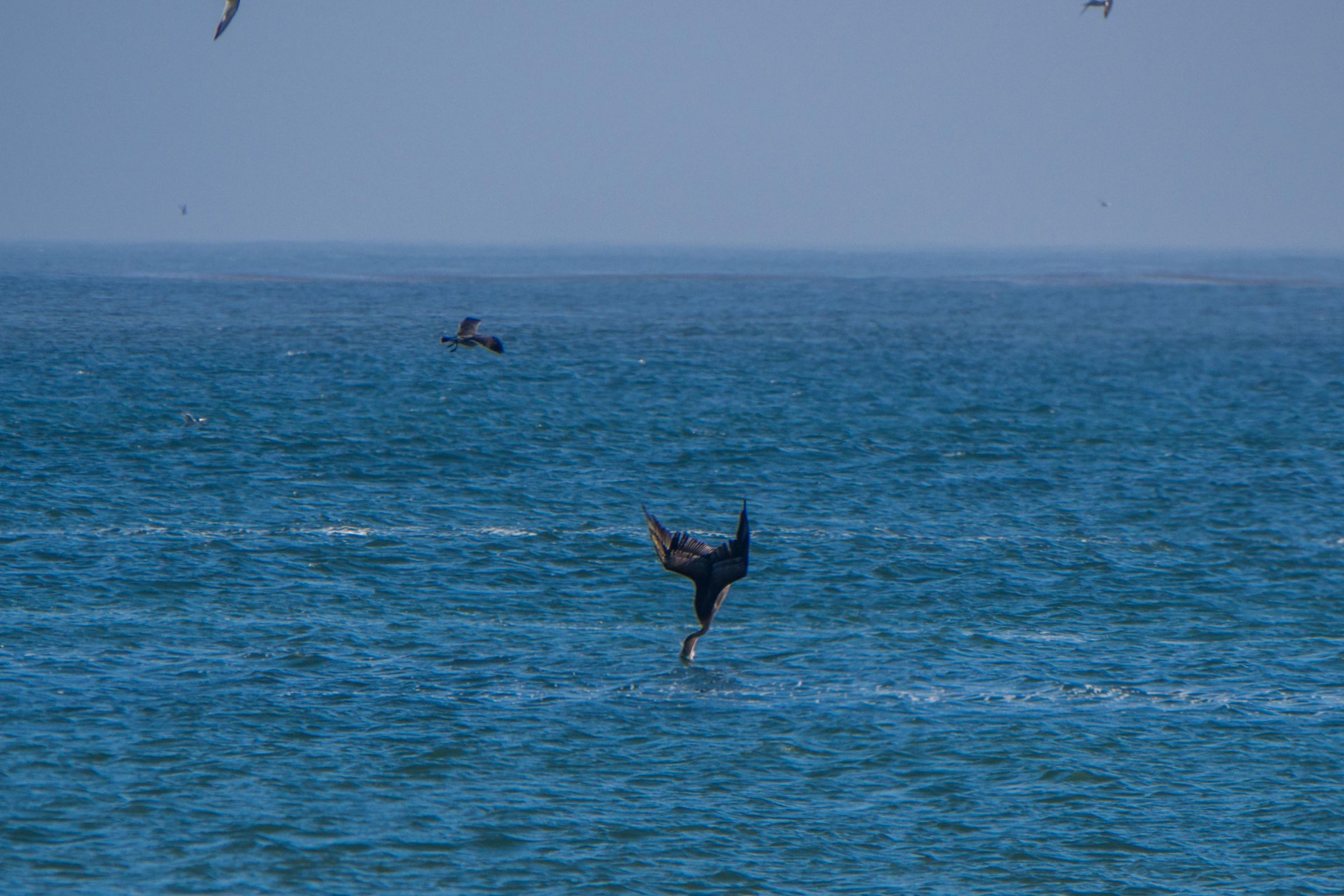
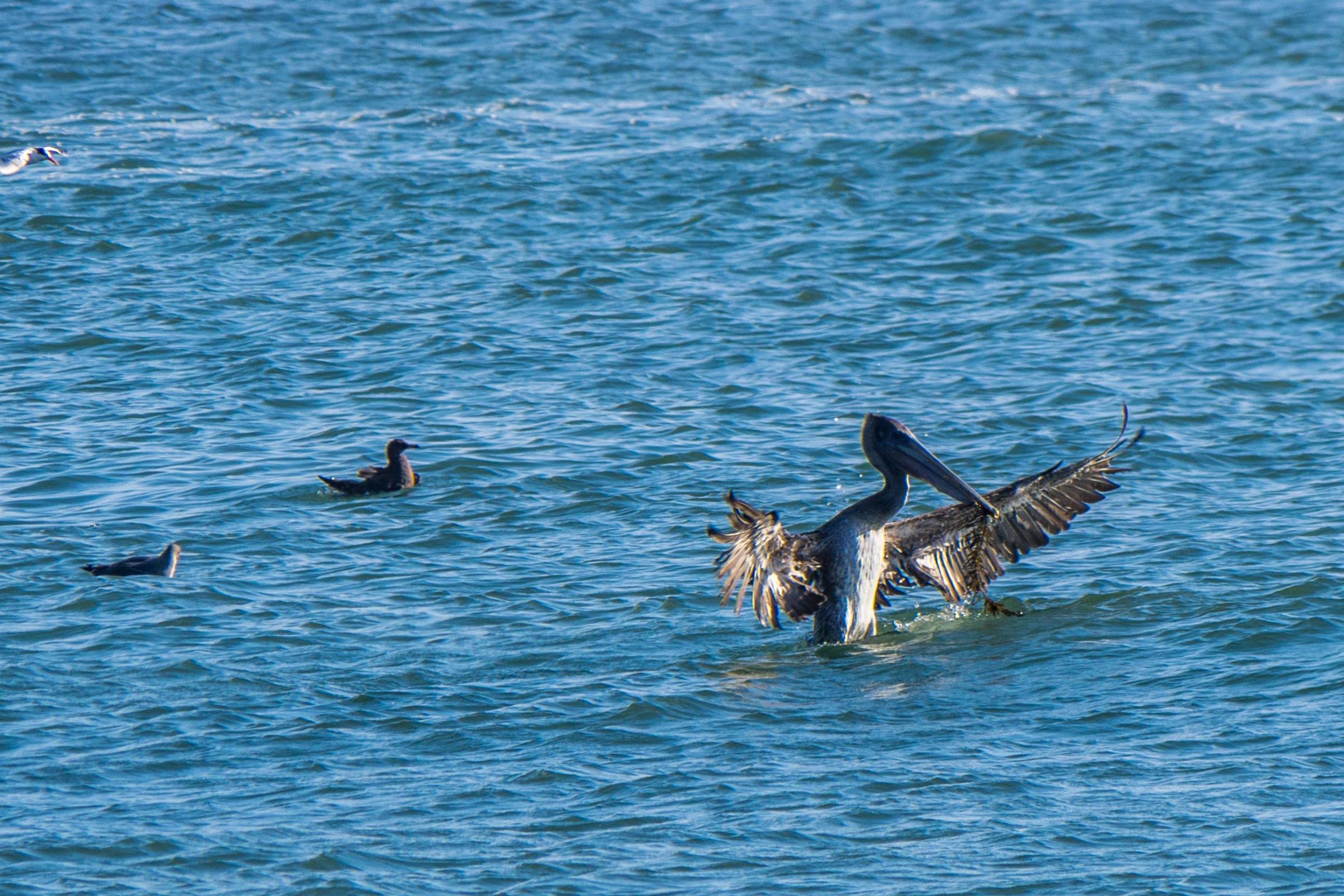
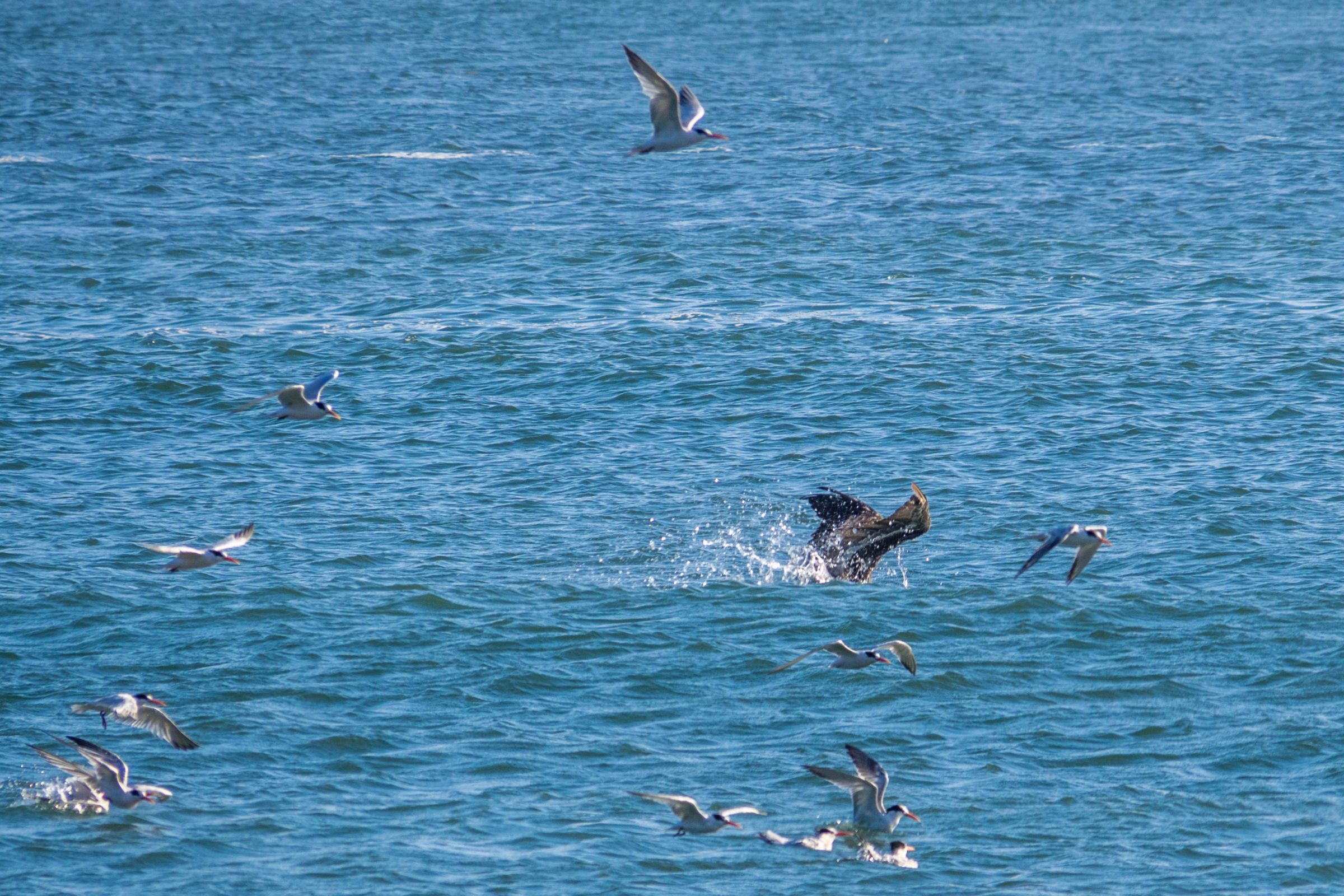
- excellent birding and wildlife
- meadows full of wildflowers in spring
- coastal bluffs with sweeping views
It’s Big Sur the way it used to be.
The River Crossing
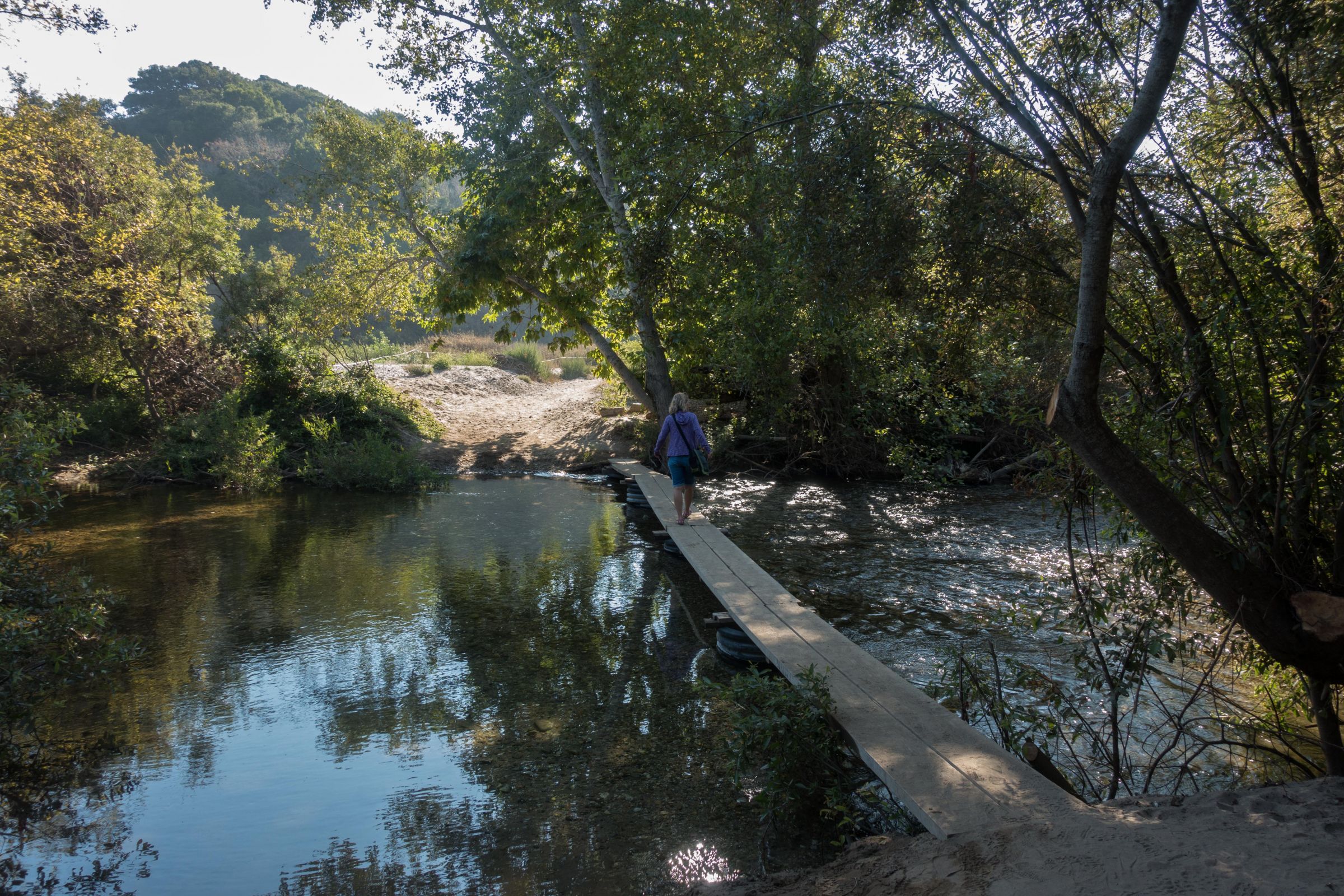
The most unique feature of Andrew Molera is the Big Sur River crossing, which you must wade through to reach the beach and most trails.
How deep is it?
It changes constantly. In summer and early fall, the water is usually ankle‑ to knee‑deep. After winter storms, it can be waist‑deep or temporarily unsafe.
Footwear
Most hikers simply walk through barefoot or in sandals. The riverbed is rocky, so water shoes are helpful.
When the crossing is closed
After heavy rain, the park may close the crossing for safety. When this happens, only the inland trails remain accessible.
Molera Beach & the Purple Sand
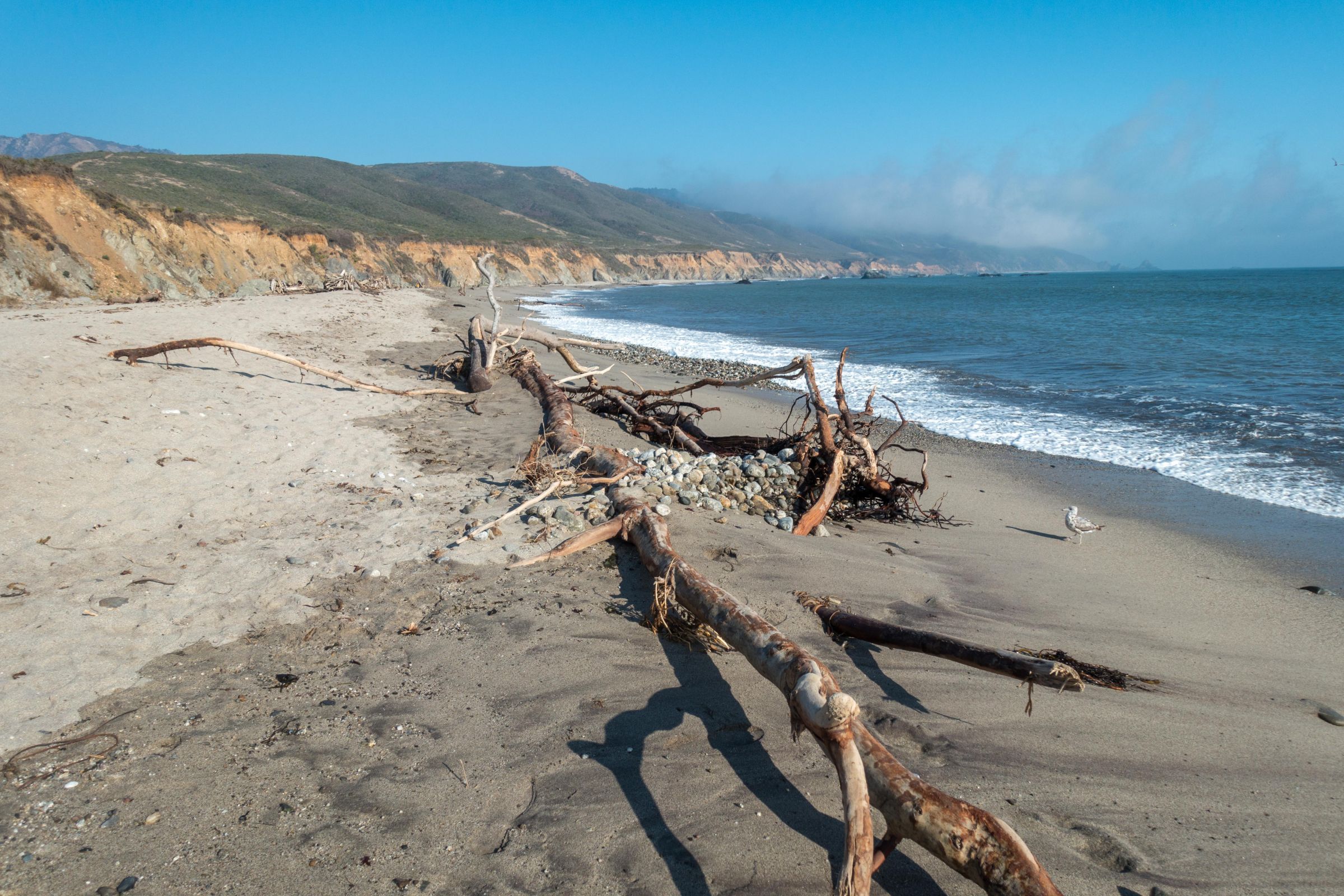
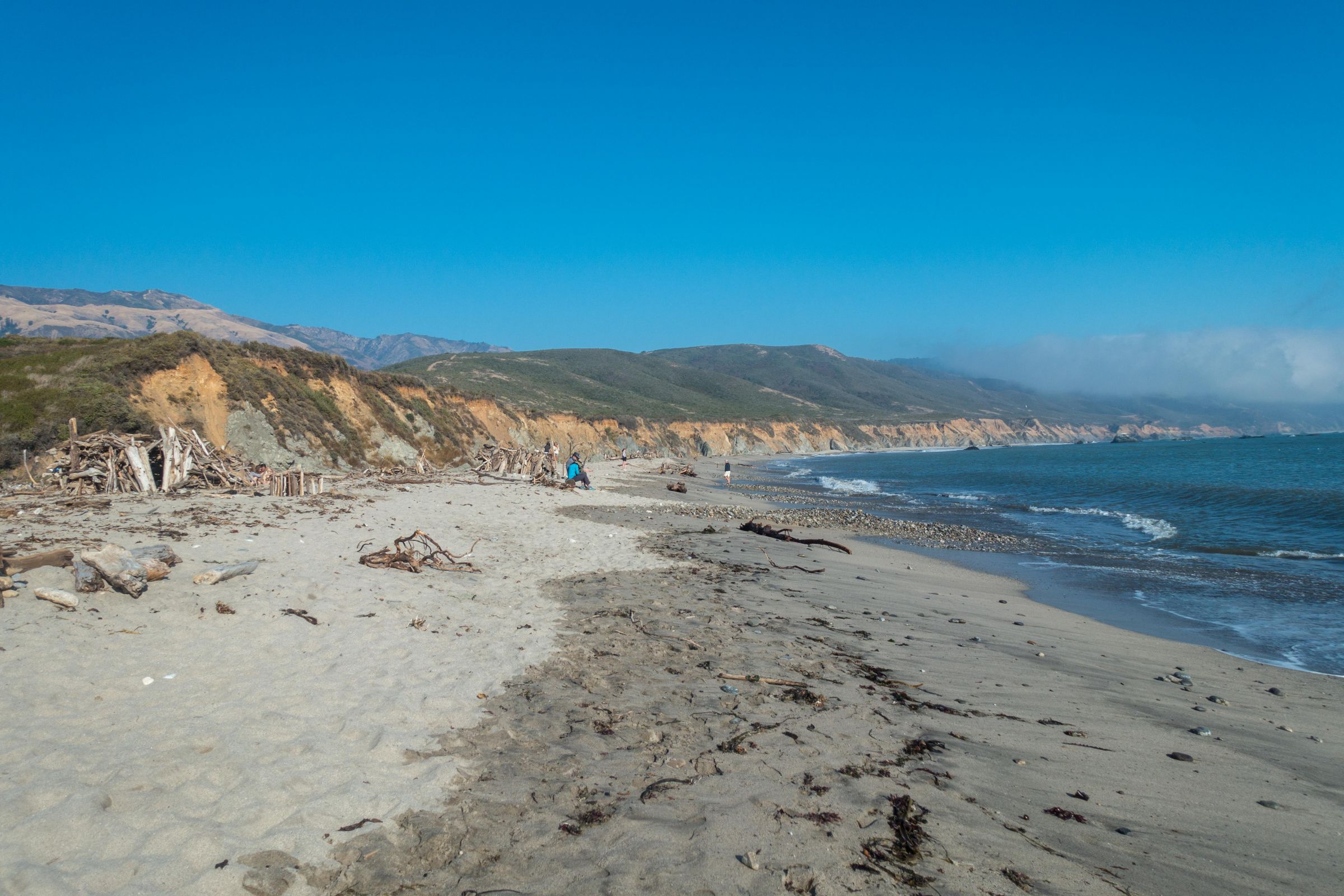
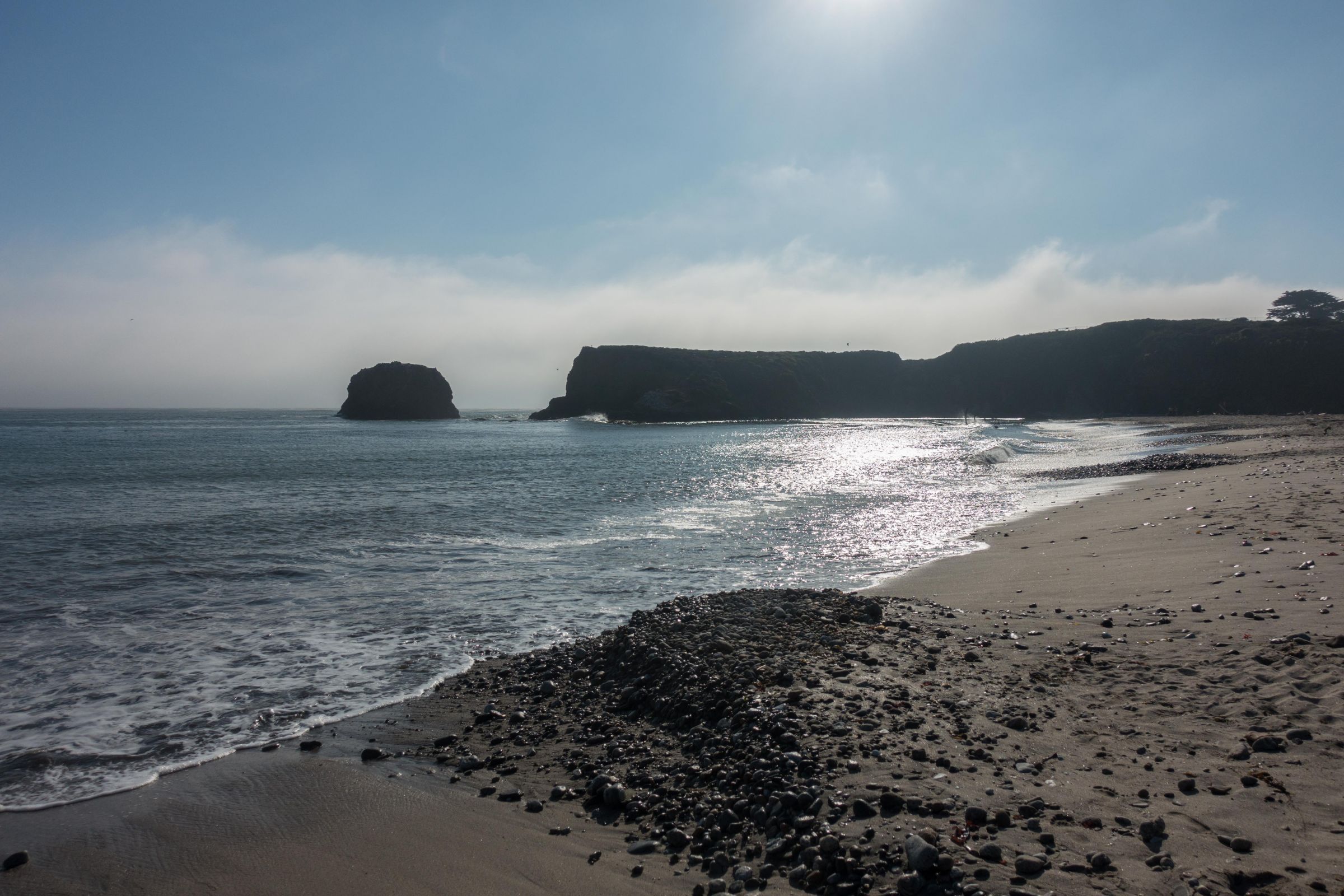
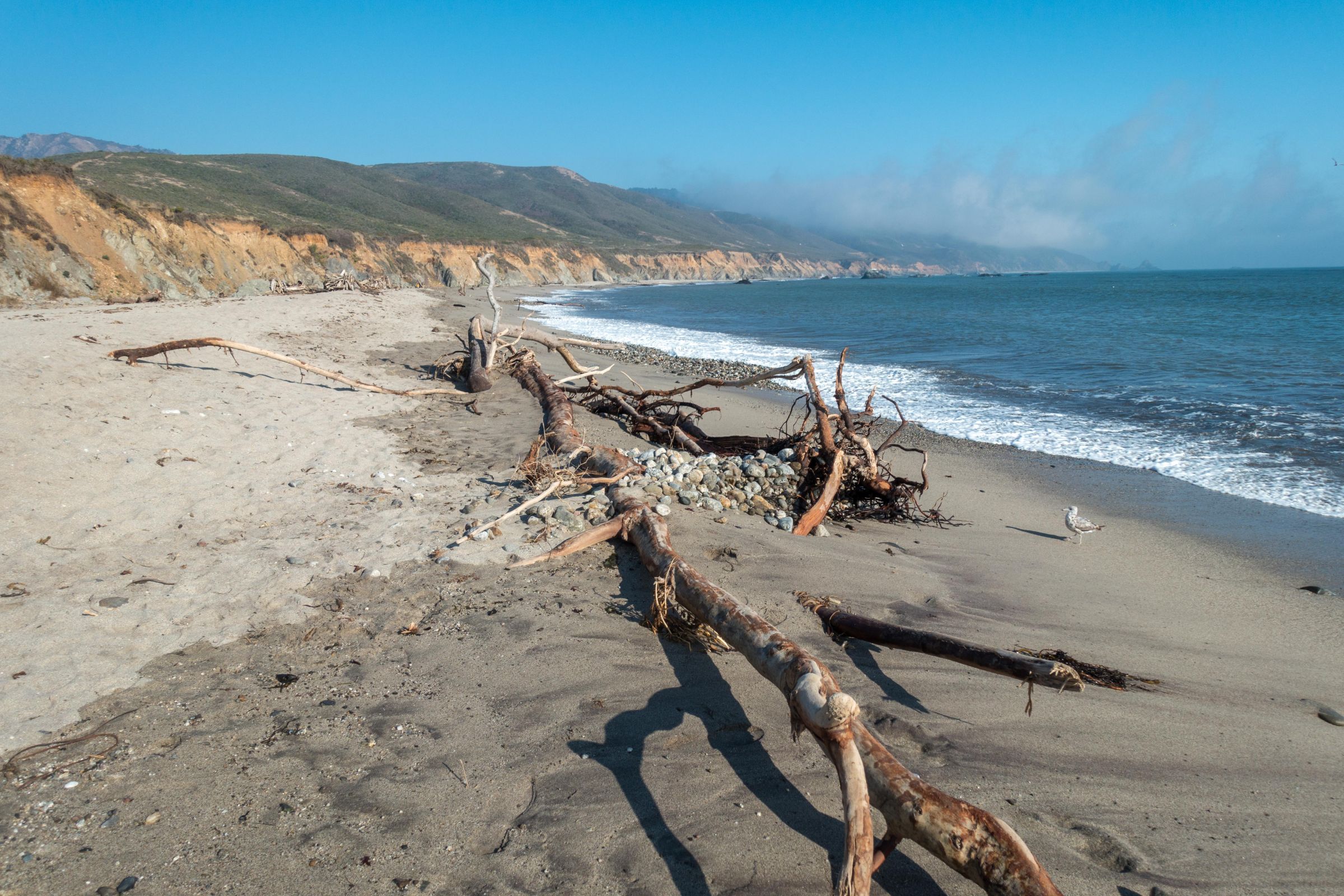
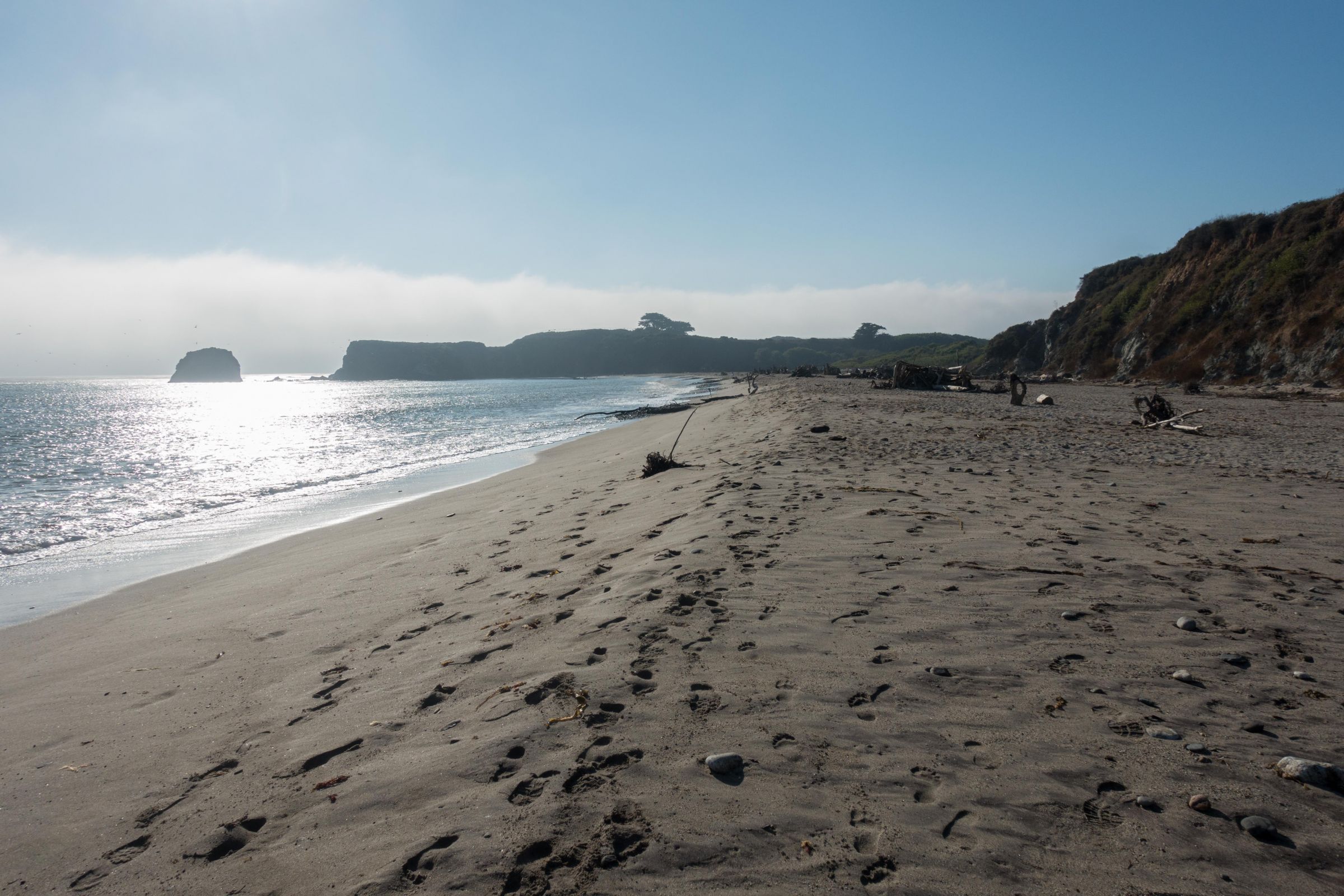
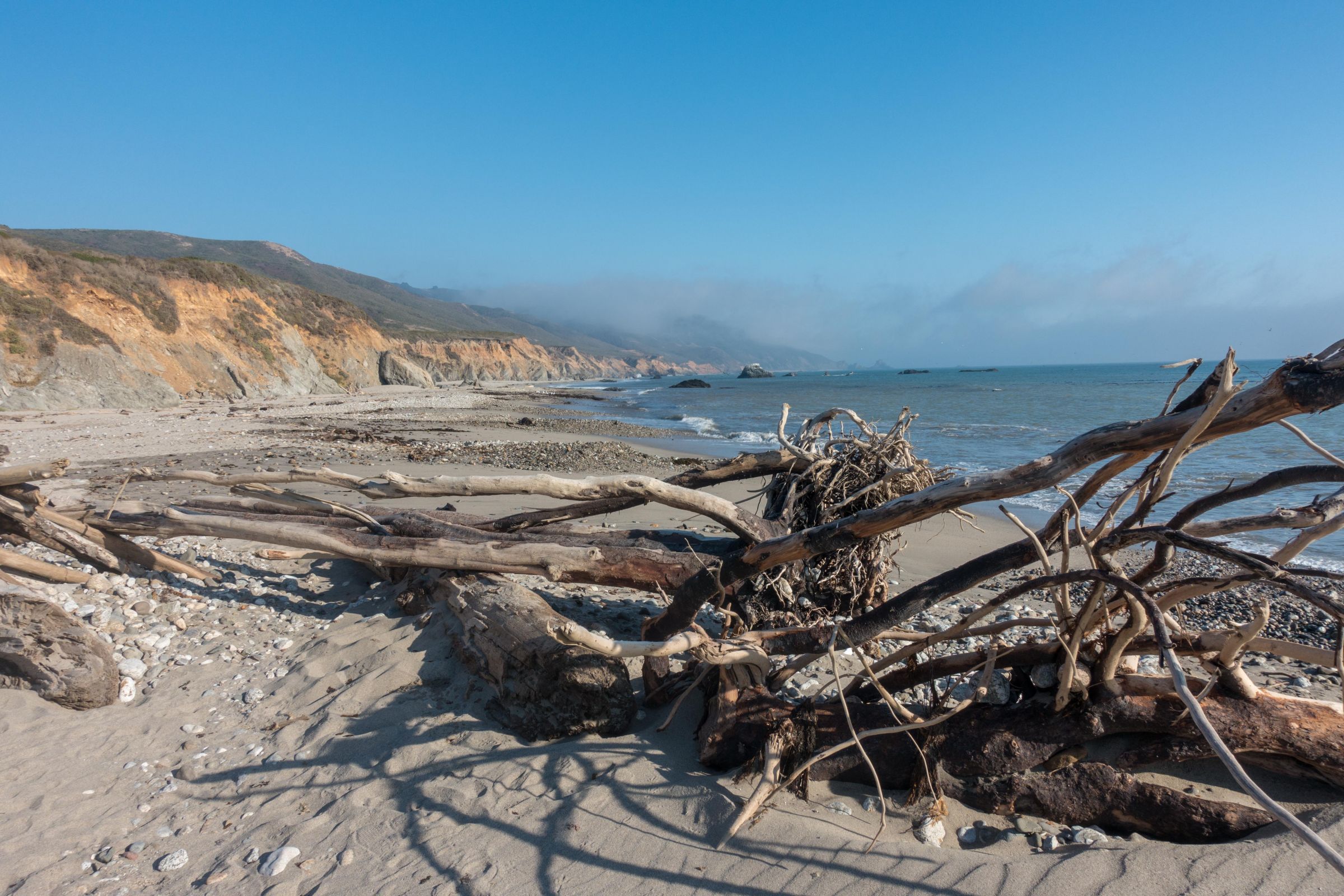
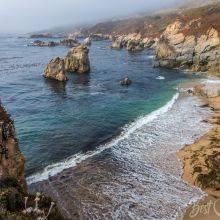
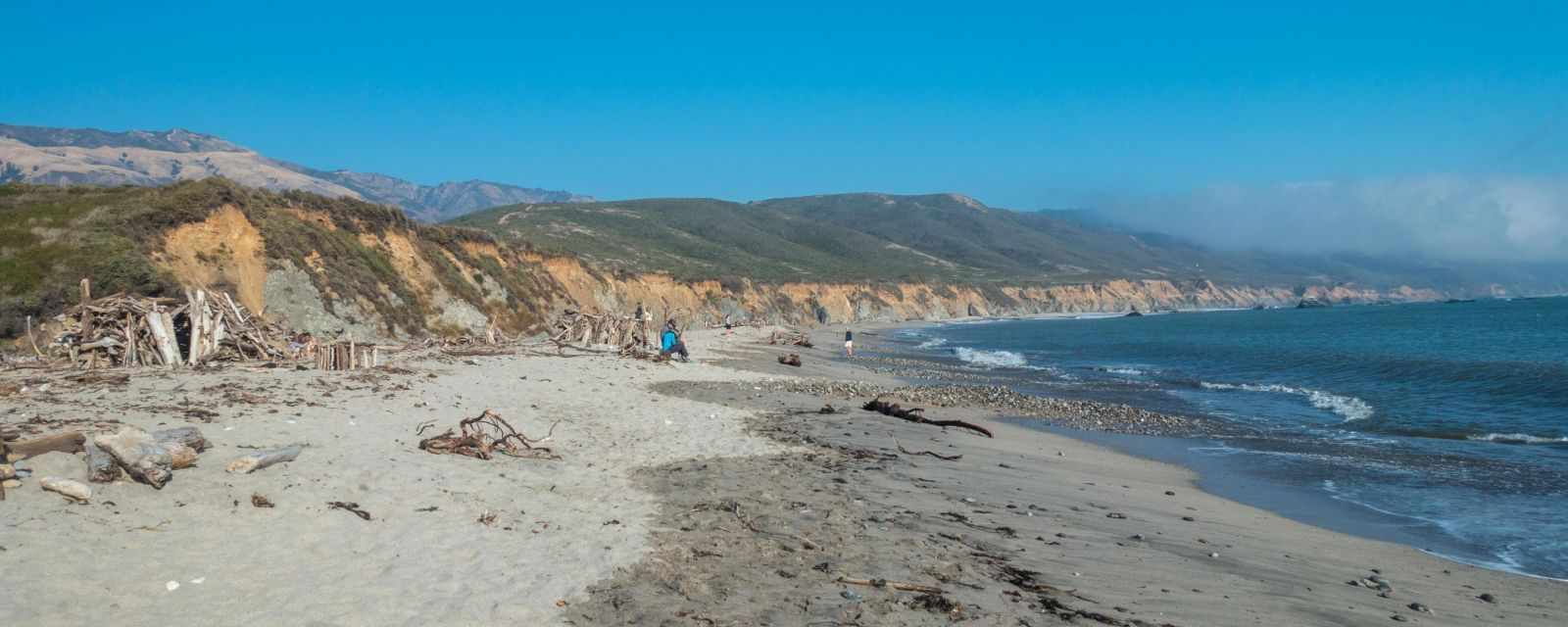
Molera Beach is a long, wild stretch of coastline shaped by the river and the Pacific. It’s rarely crowded, even on weekends.
Purple Sand
After winter storms, manganese‑rich minerals wash down from the cliffs and create streaks of purple sand along the beach. It’s not guaranteed, but when it appears, it’s spectacular.
Swimming
Not recommended. The surf is powerful, and there are no lifeguards. Enjoy the beach, but stay well back from the water during strong swell.
Best Trails in Andrew Molera State Park
You must cross the Big Sur River right at the beginning to reach Molera Beach and connect to several other coastal trails. Depth varies by season.
1. Beach Trail
Distance: 1.2 miles (1.9 km) round‑trip
Duration: 20–30 minutes
This is the classic, easy walk to Molera Beach. After the river crossing, the trail follows open meadows straight to the coast. Ideal for a short visit or sunset stroll.
2. Bluffs Trail
Distance: 5.0 miles (8 km) round‑trip
Duration: 2–3 hours
A scenic loop along the coastal bluffs with sweeping Pacific views. Many hikers combine it with the Beach Trail for a varied half‑day outing. Mostly moderate with a few short climbs.
3. Ridge Trail
Distance: 8.5 miles (13.7 km) round‑trip
Duration: 3.5–5 hours
A longer, more strenuous route climbing into the hills above the park. Best on clear days when the views stretch across Big Sur. Expect steady elevation gain and exposed sections.
4. Creamery Meadow Trail
Distance: 2.0 miles (3.2 km) round‑trip
Duration: 45–60 minutes
A gentle, easy trail through meadows and wildflowers in spring. Often used as an alternative approach to the beach when the river crossing is shallow.
Wildlife
Andrew Molera is one of the best wildlife spots in Big Sur. You may see:
- California condors soaring above the bluffs
- Sea otters near the river mouth
- Harbor seals resting on the beach
- Deer in the meadows
- Hummingbirds and raptors along the trails
Always keep your distance — especially from seals and otters.
Camping
The park has a walk‑in campground about a half‑mile from the parking area. It’s rustic, quiet, and surrounded by meadows. Reservations are required in peak season.
Parking & Crowds
The parking lot is small and fills quickly on weekends. Arrive early or visit mid‑week for a more peaceful experience. There is no shuttle and no overflow parking, so once the lot is full, you must wait for a space.
Photography Tips
- The best light is in the afternoon when the sun illuminates the bluffs.
- Purple sand is most visible after winter storms.
- For wildlife, bring a zoom lens — animals are usually far away.
Safety Tips
- The surf is powerful — stay back from the water.
- The river crossing can be deeper than expected after rain.
- Trails can be muddy in winter and exposed in summer.
- Poison oak grows along many paths — stay on the trail.
Traveling Highway 101?
Here are more of my favorite stops along the route:
👉 Explore all my Highway 101 guides here
Leave No Trace
Andrew Molera is a fragile coastal ecosystem. Please pack out everything you bring in, stay on marked trails, and respect wildlife.
Photo Use
All photos on this website are my own. If you wish to use any of them, please contact me first. I’m happy to give permission, but I expect to be asked and credited. Unfortunately, many of my images have been used without approval, which is why I include this reminder.
Best Months to Visit
Location and Tips

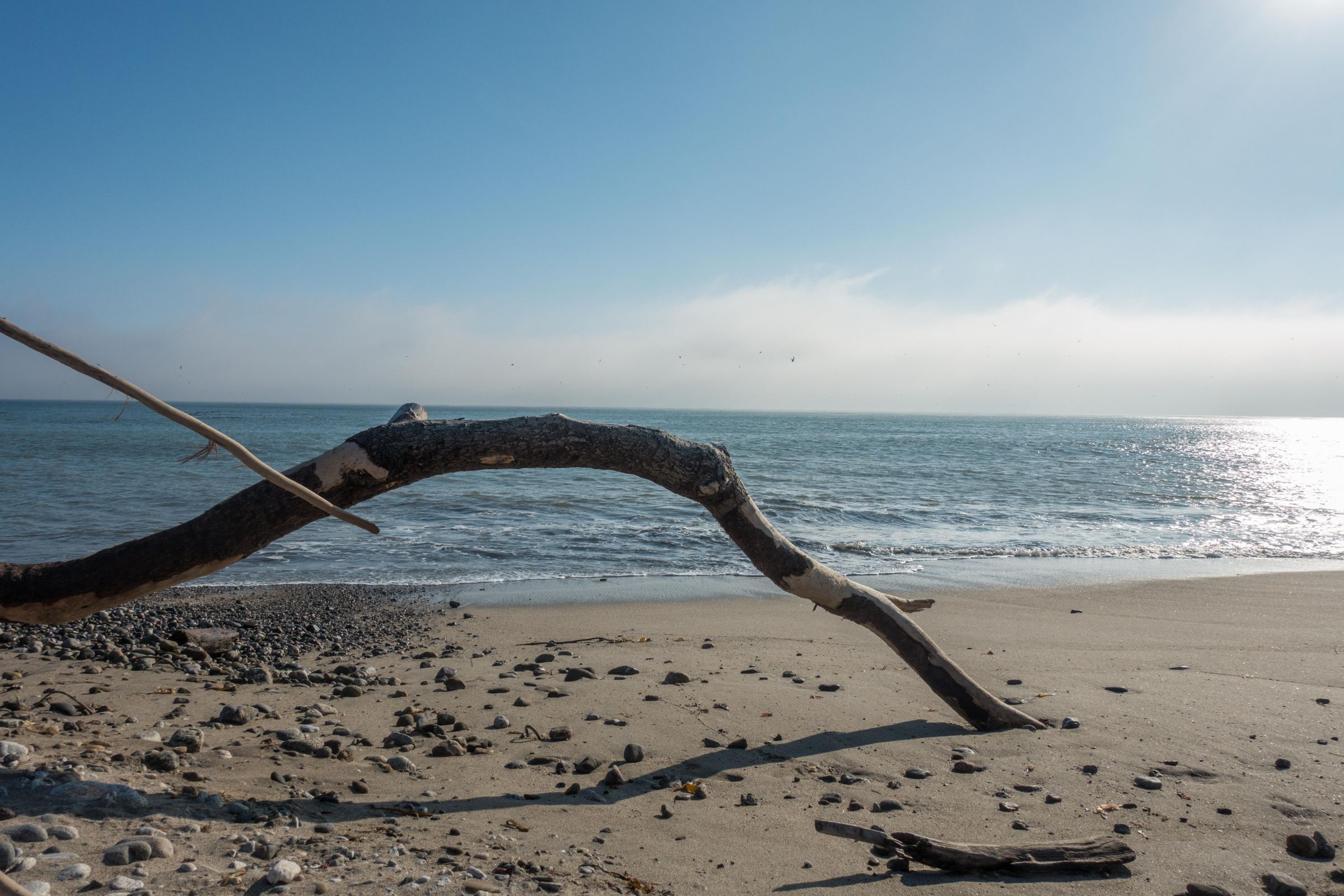
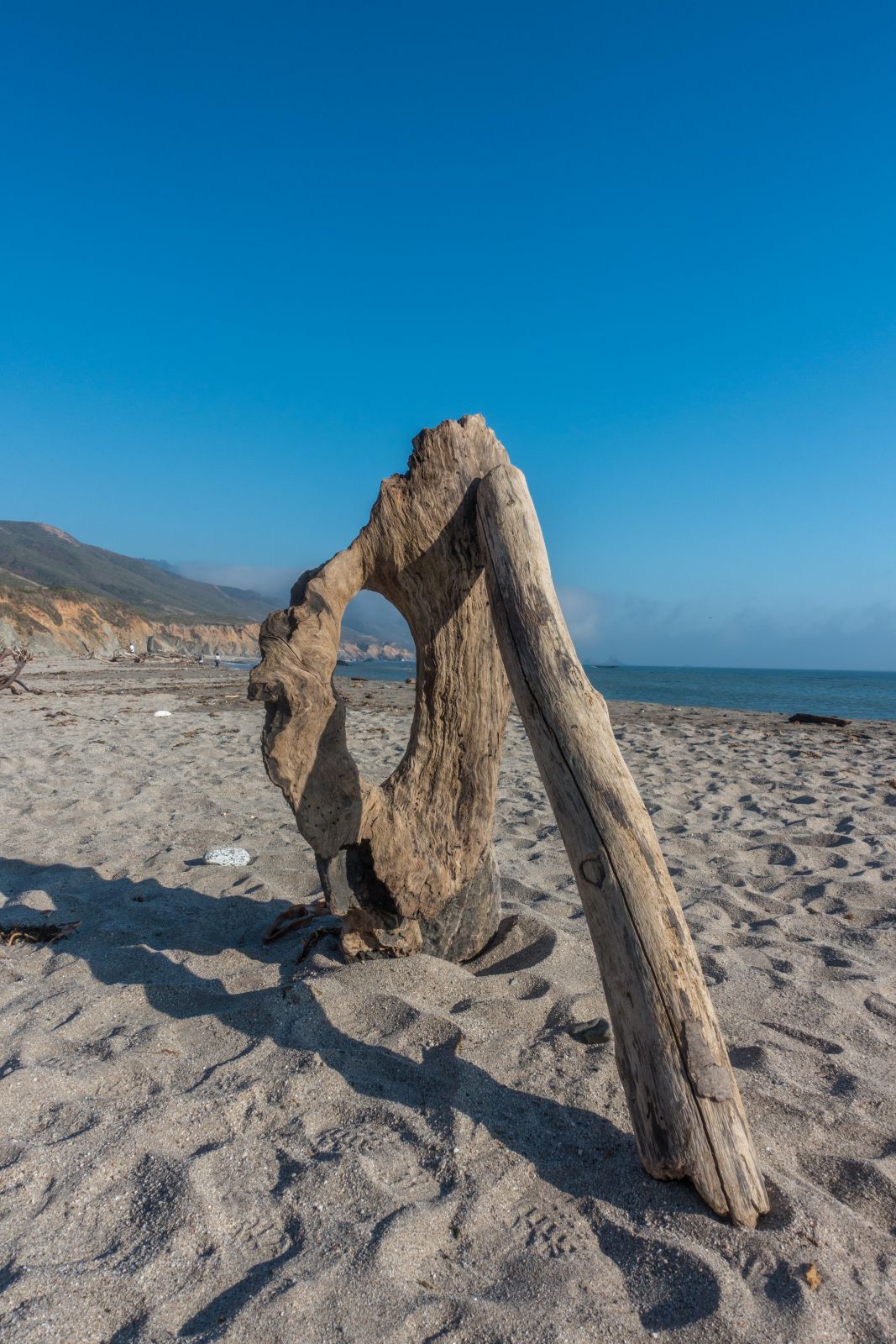
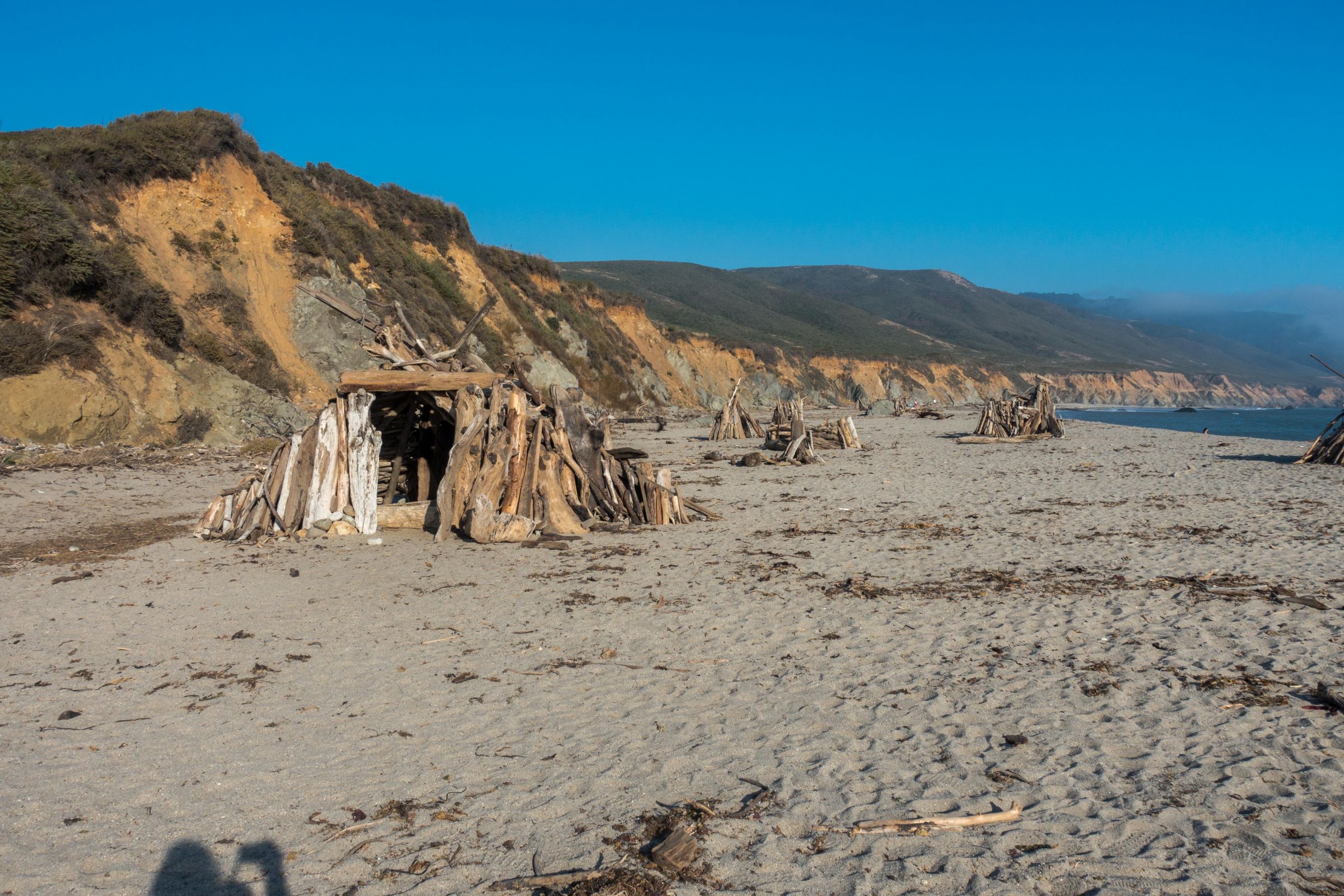
The beach is absolutely stunning — a wild stretch of coastline scattered with driftwood that feels like a giant natural playground for kids. Most visitors stay close to the entrance, but once you walk for about ten minutes, the crowds disappear and you often have the beach almost entirely to yourself. Swimming is not safe here; powerful waves can knock you off your feet, and the surf can throw masses of pebbles with surprising force. It’s best to enjoy the shoreline from a safe distance and simply take in the raw beauty of Big Sur.