
When Is the Best Time
Death Valley is an extreme but fascinating place, and except for the summer months it’s worth staying at least one night to experience the incredible night sky. With almost no light pollution, Death Valley is certified as the largest Dark Sky National Park in the United States — a dream for stargazers and photographers.
Best Time to Visit Death Valley
The best time to visit Death Valley is the cooler season from November to March. Winter nights can drop below freezing, but the park is wonderfully quiet. From May to September, daytime temperatures become dangerously hot, and only early mornings and evenings are pleasant. Summer — especially July to September — is also the busiest period due to many European visitors.
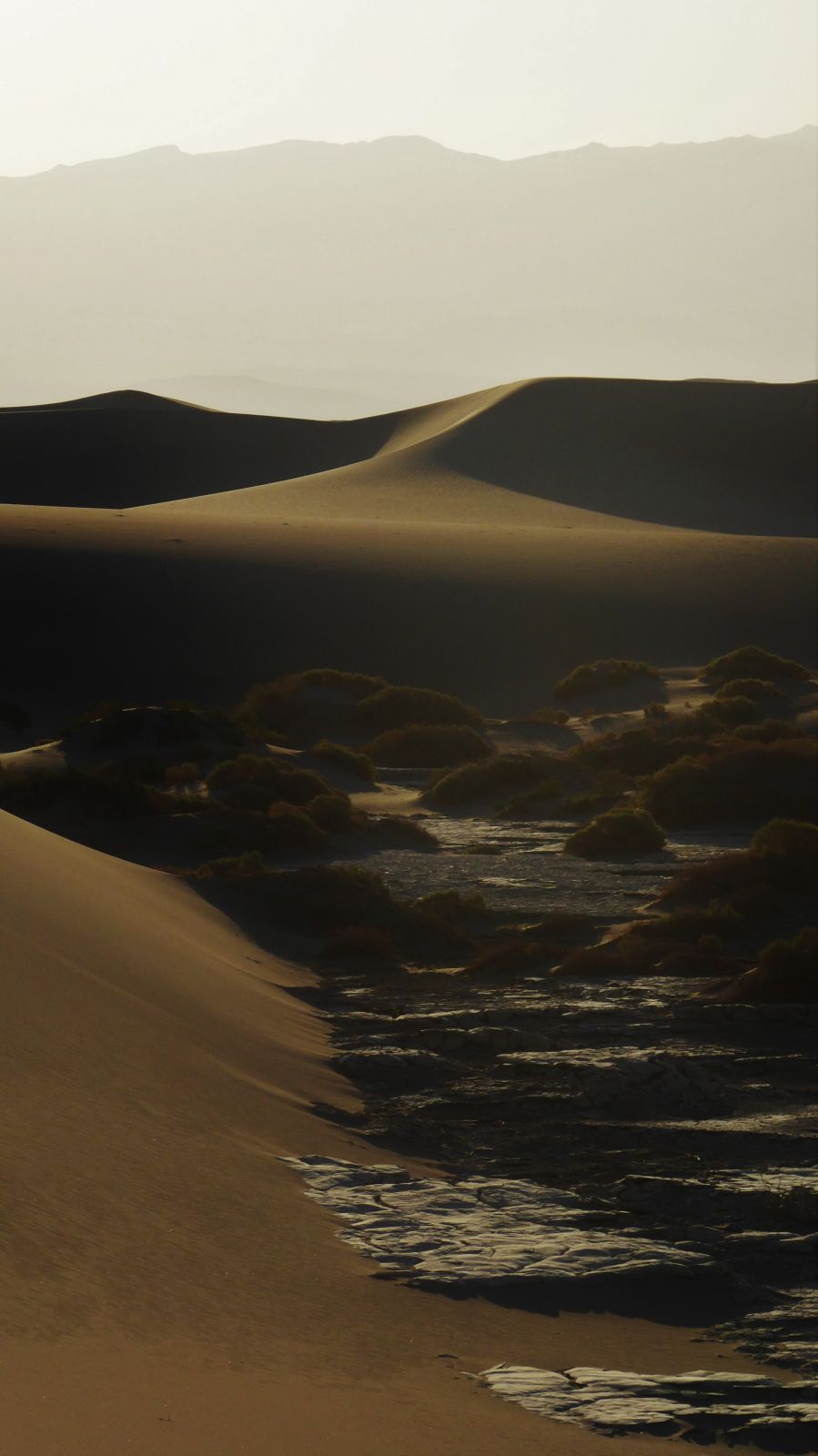
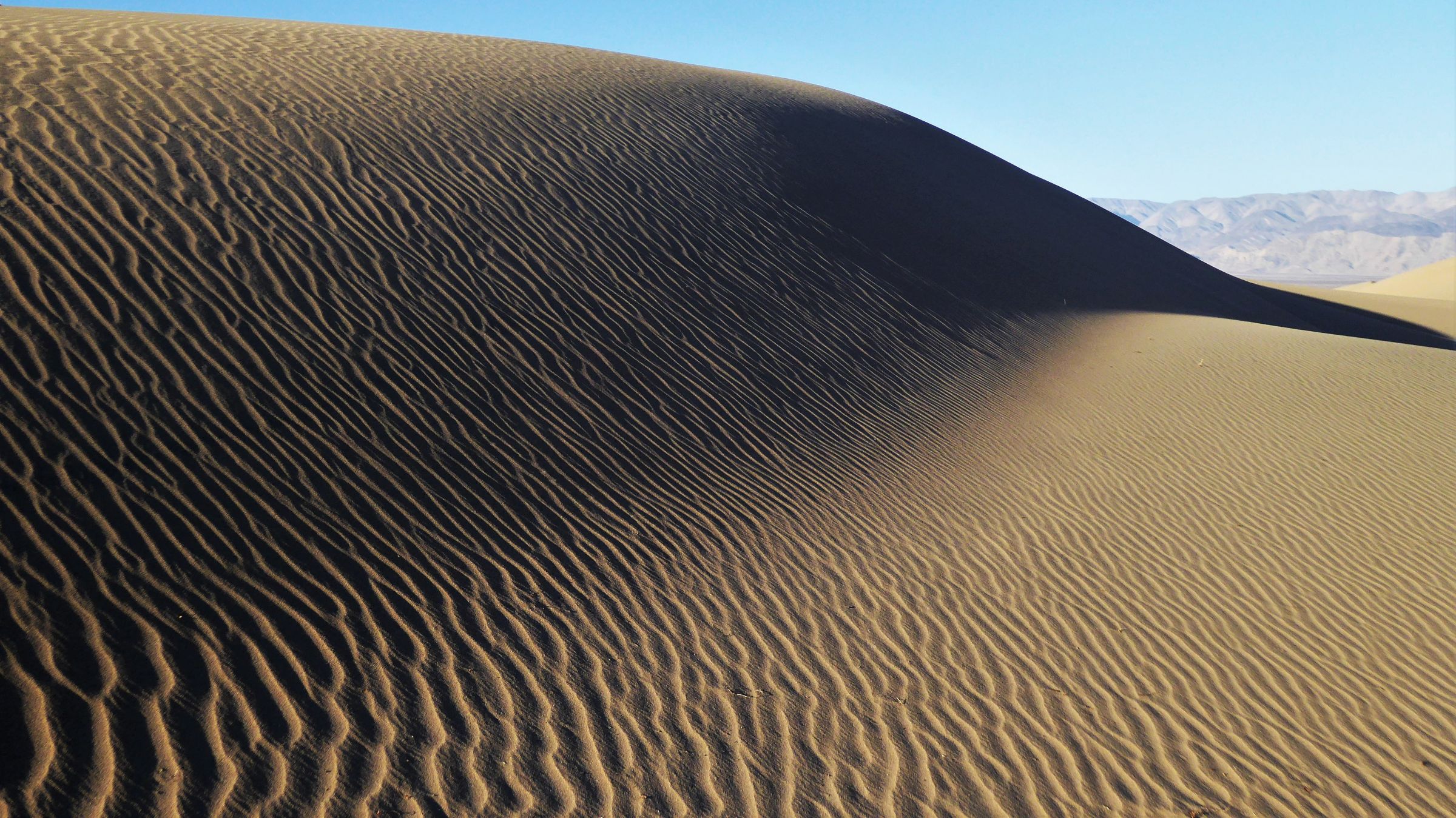
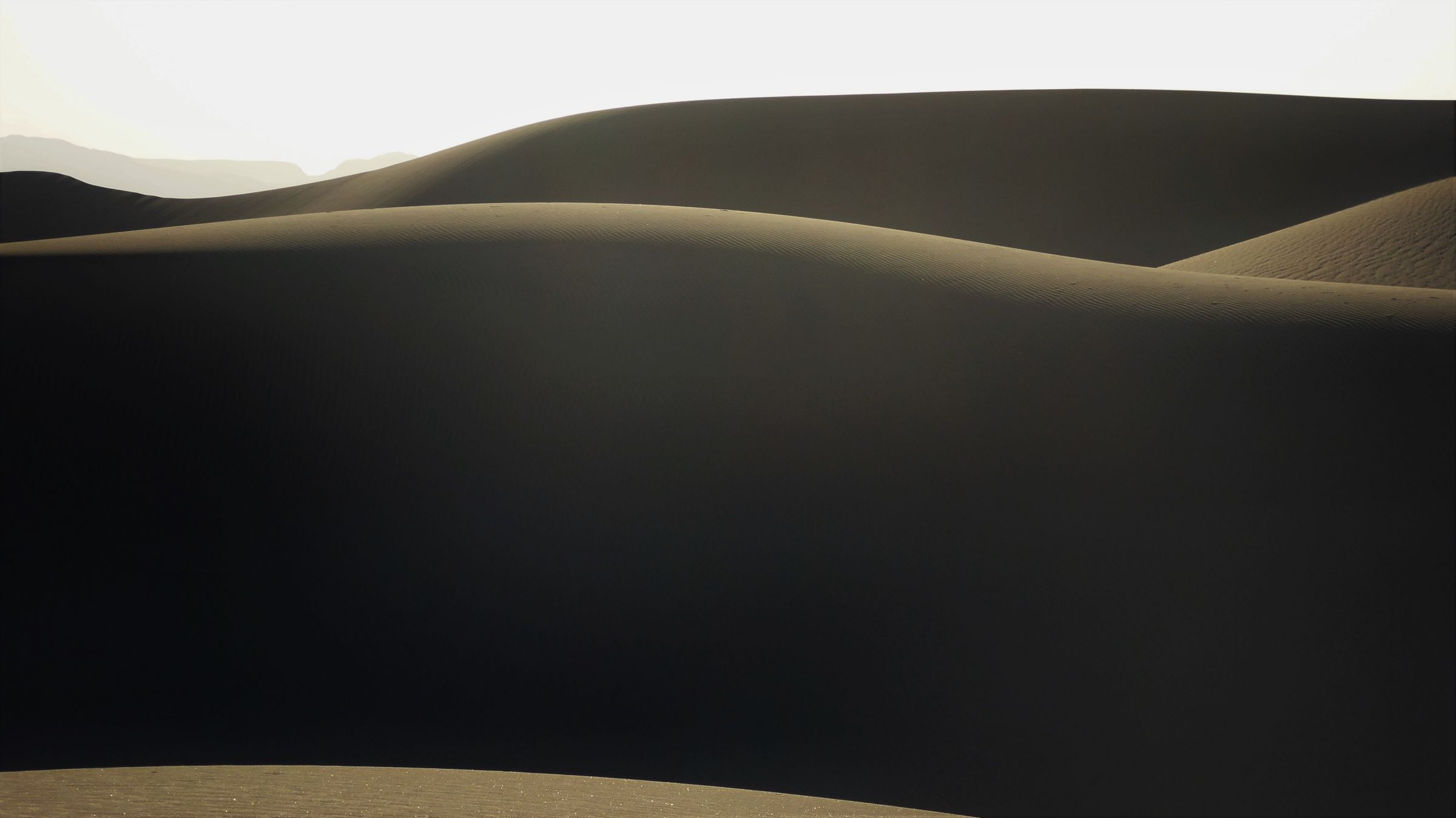
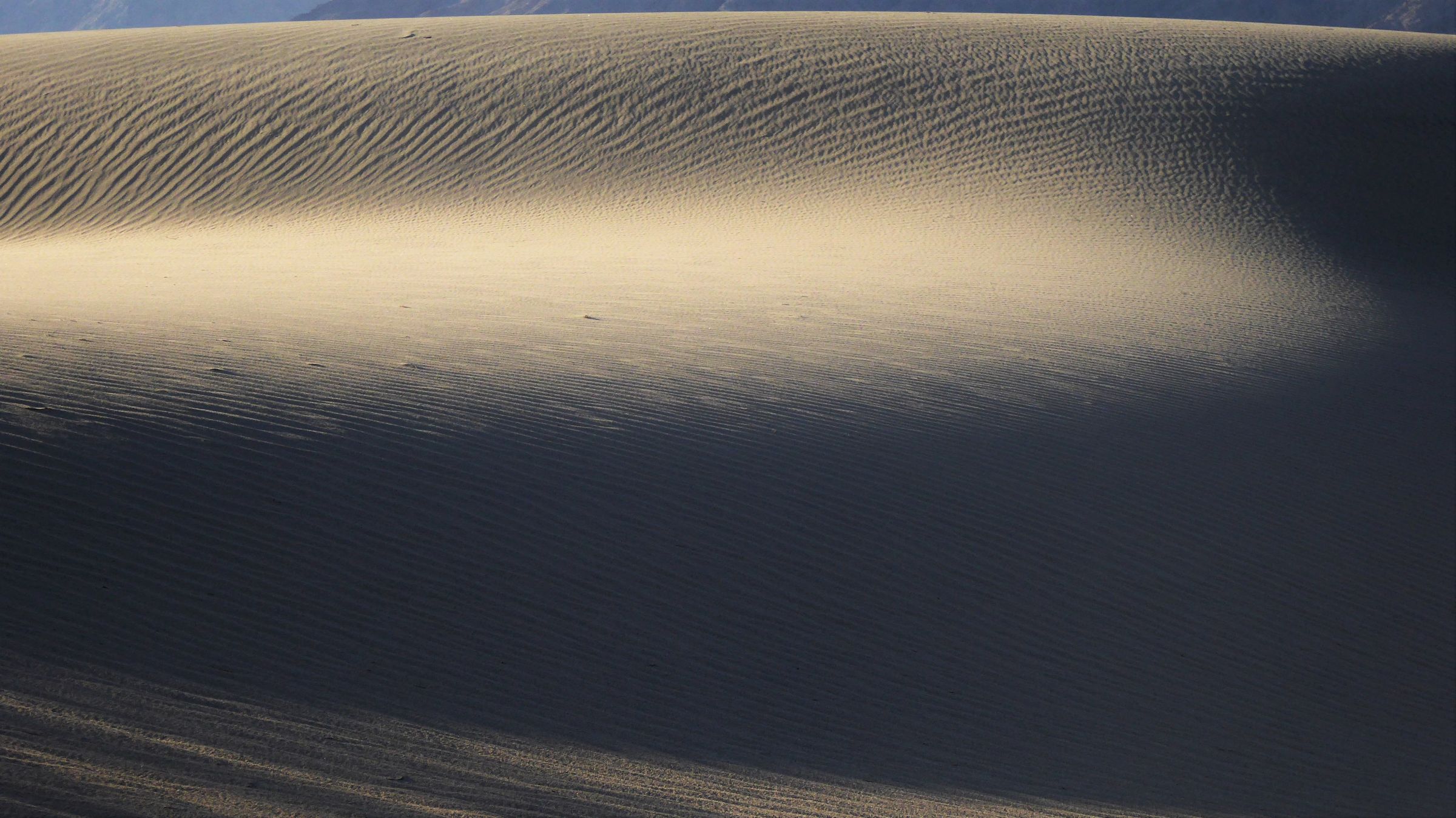
Sunrise at Mesquite Flat Sand Dunes
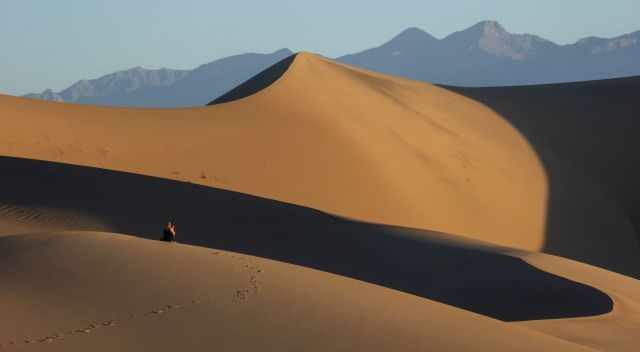
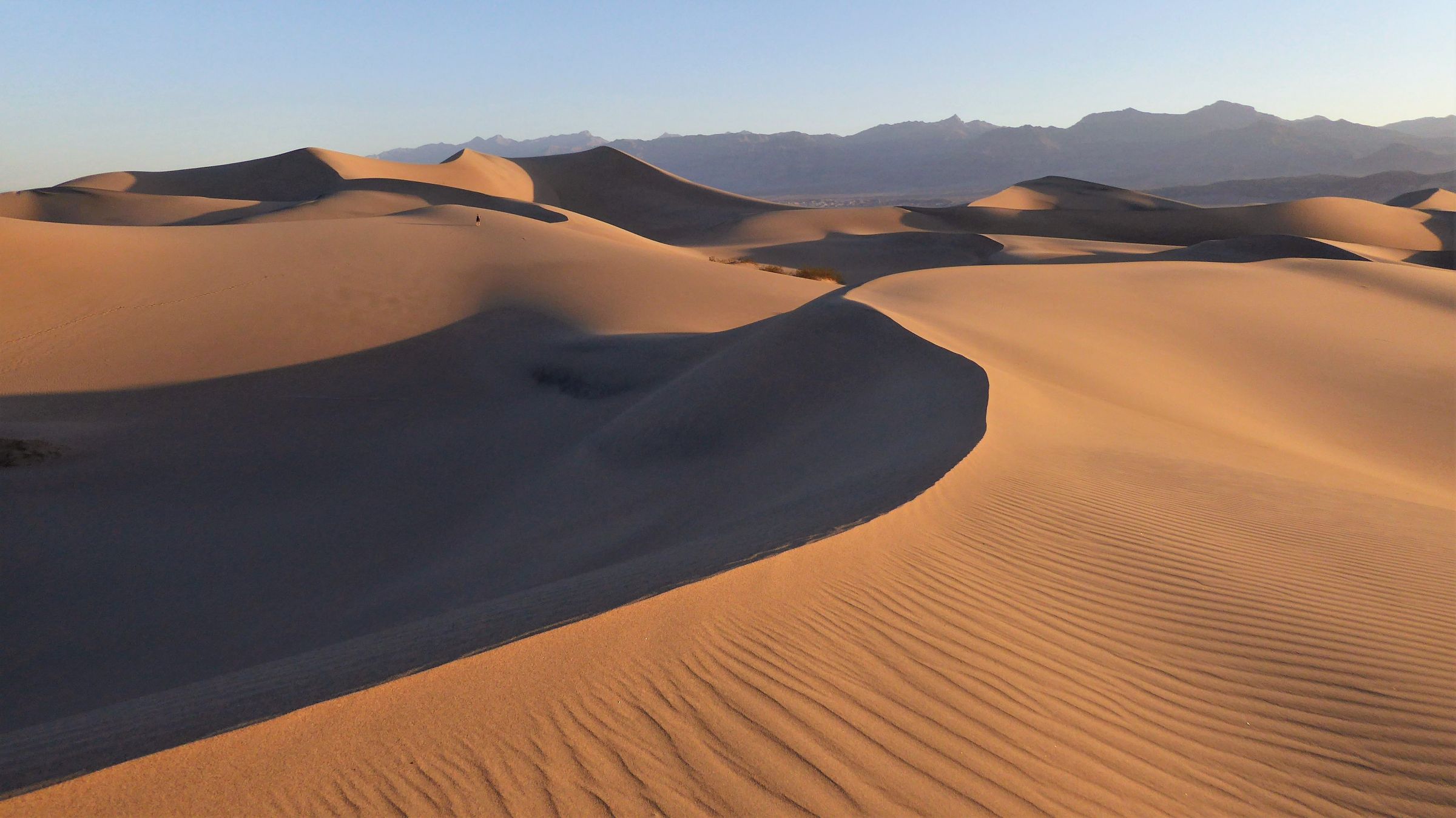
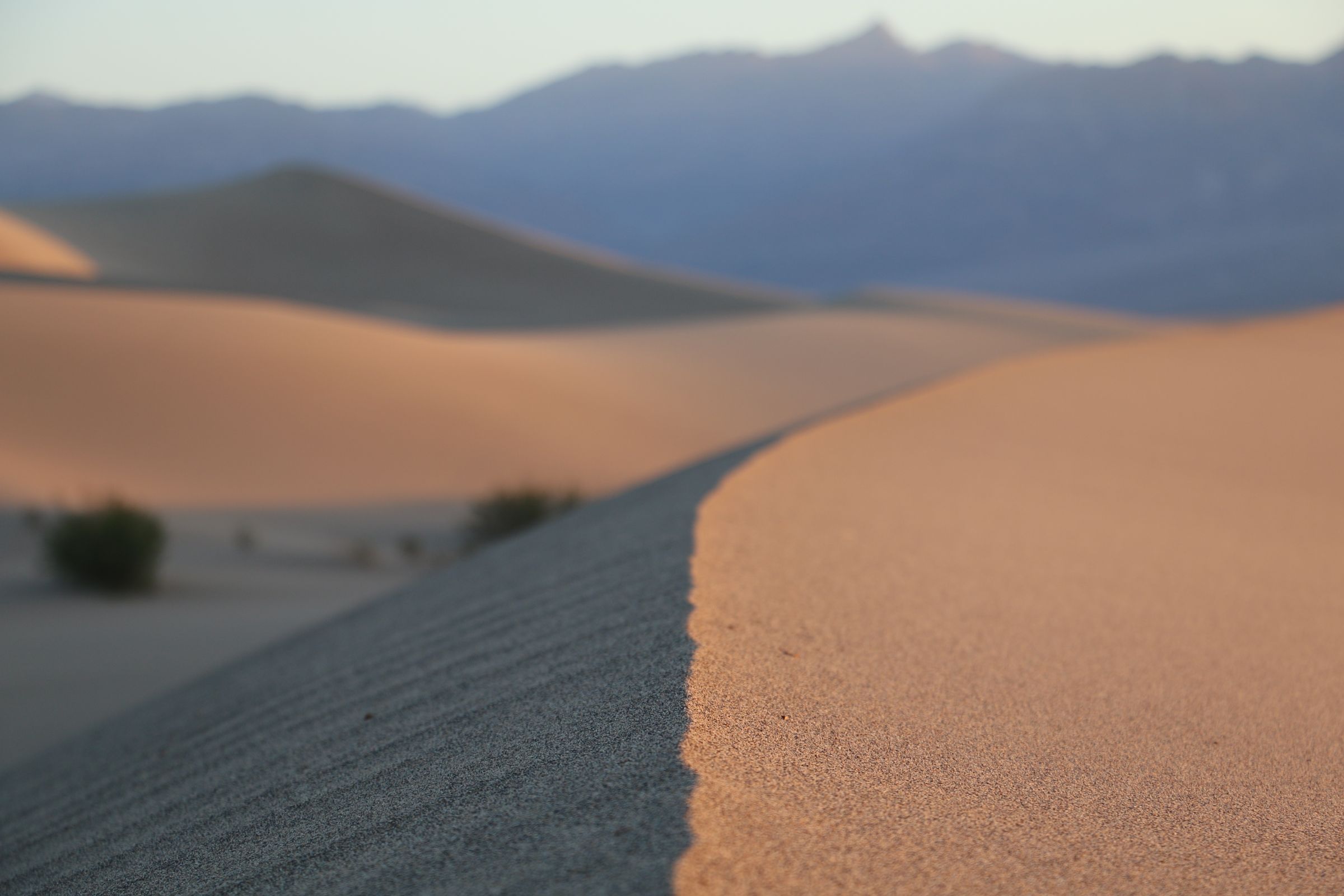
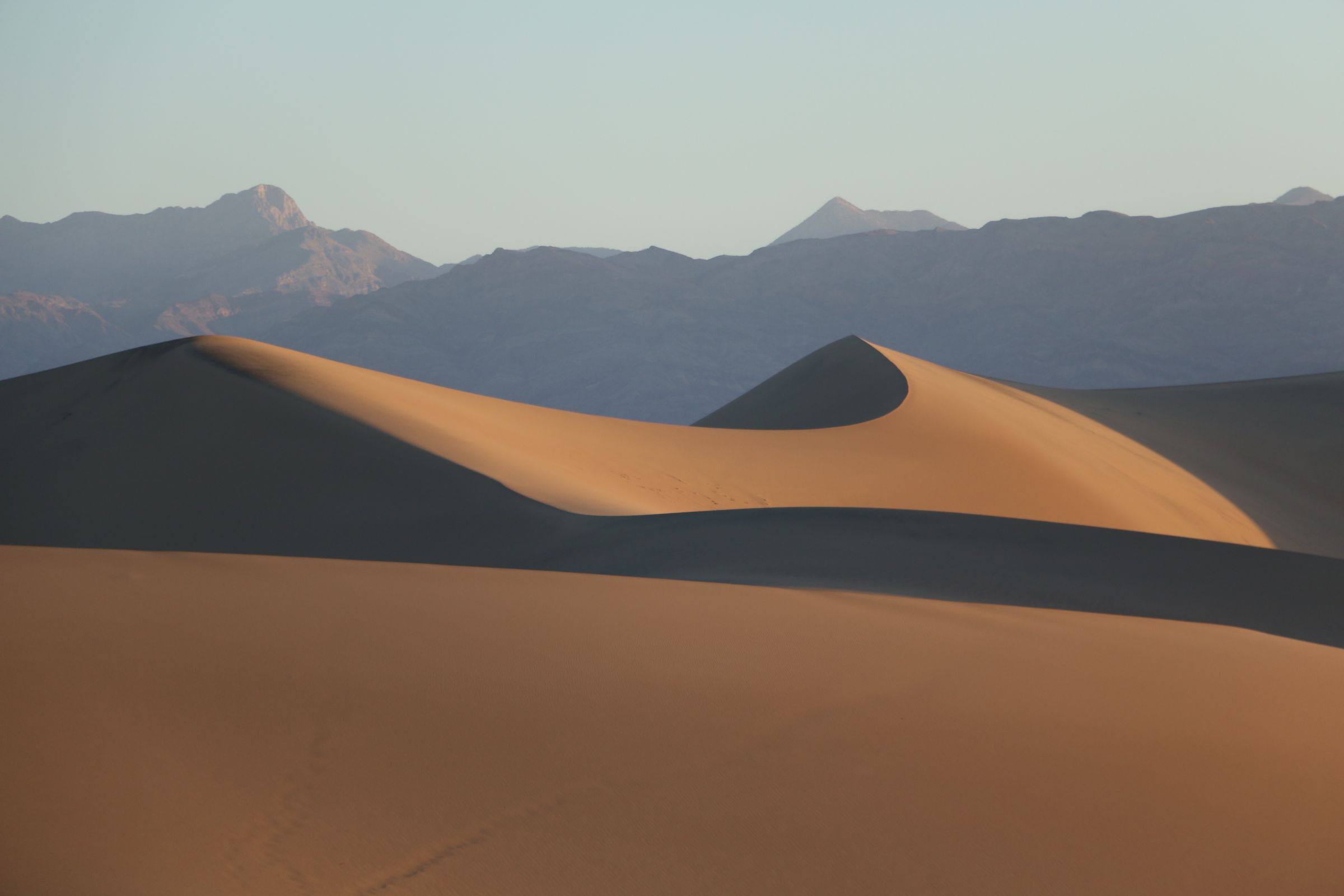
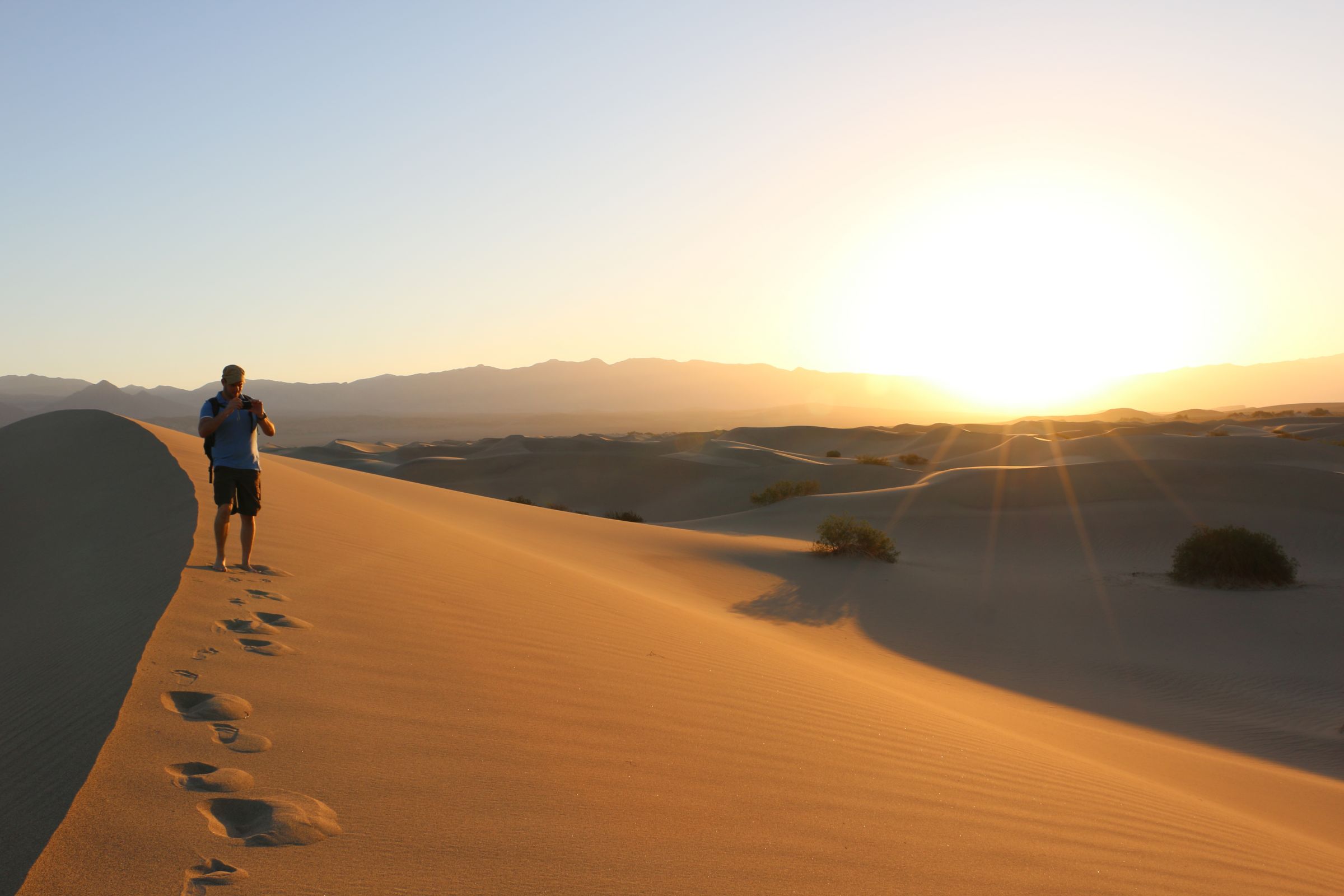
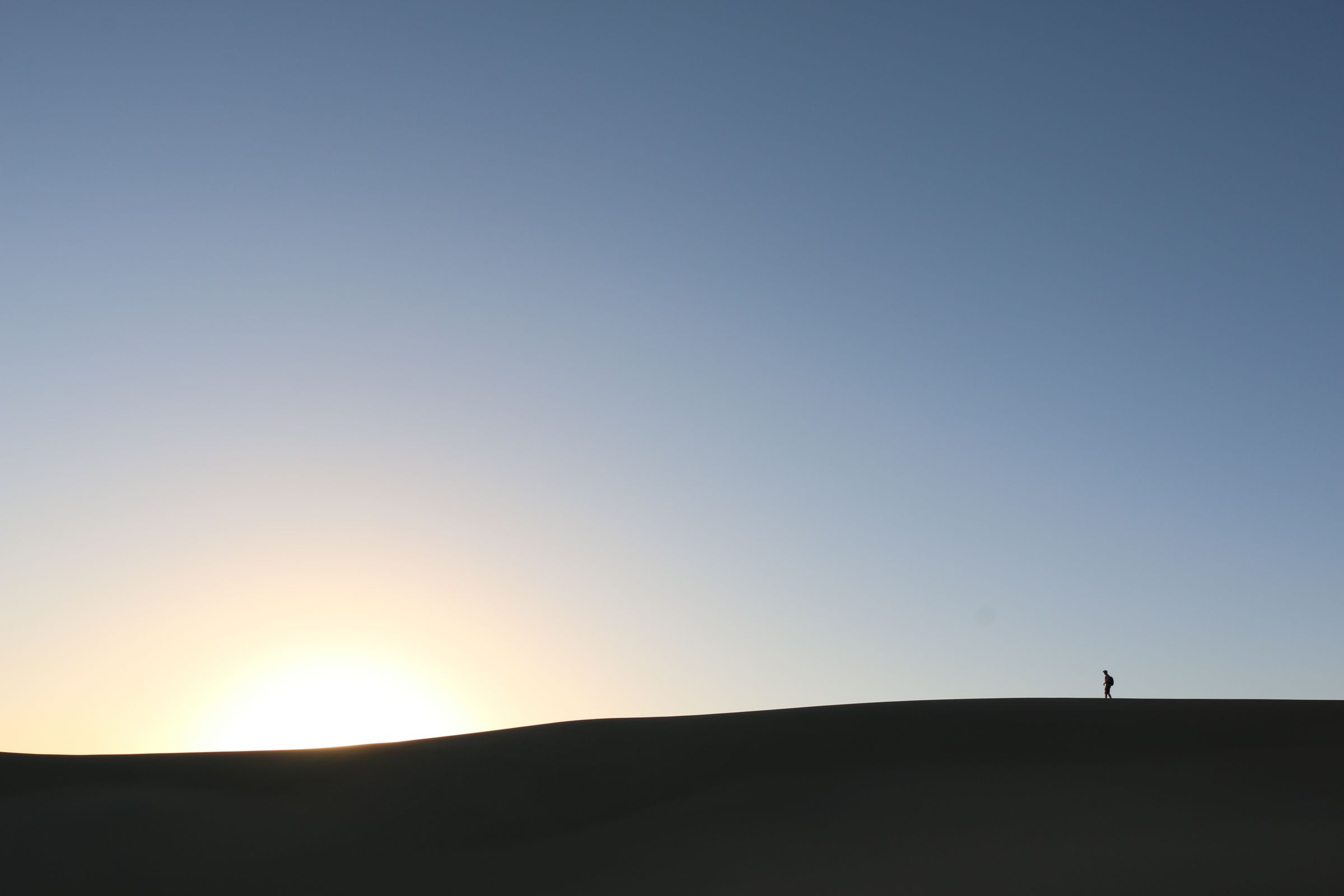
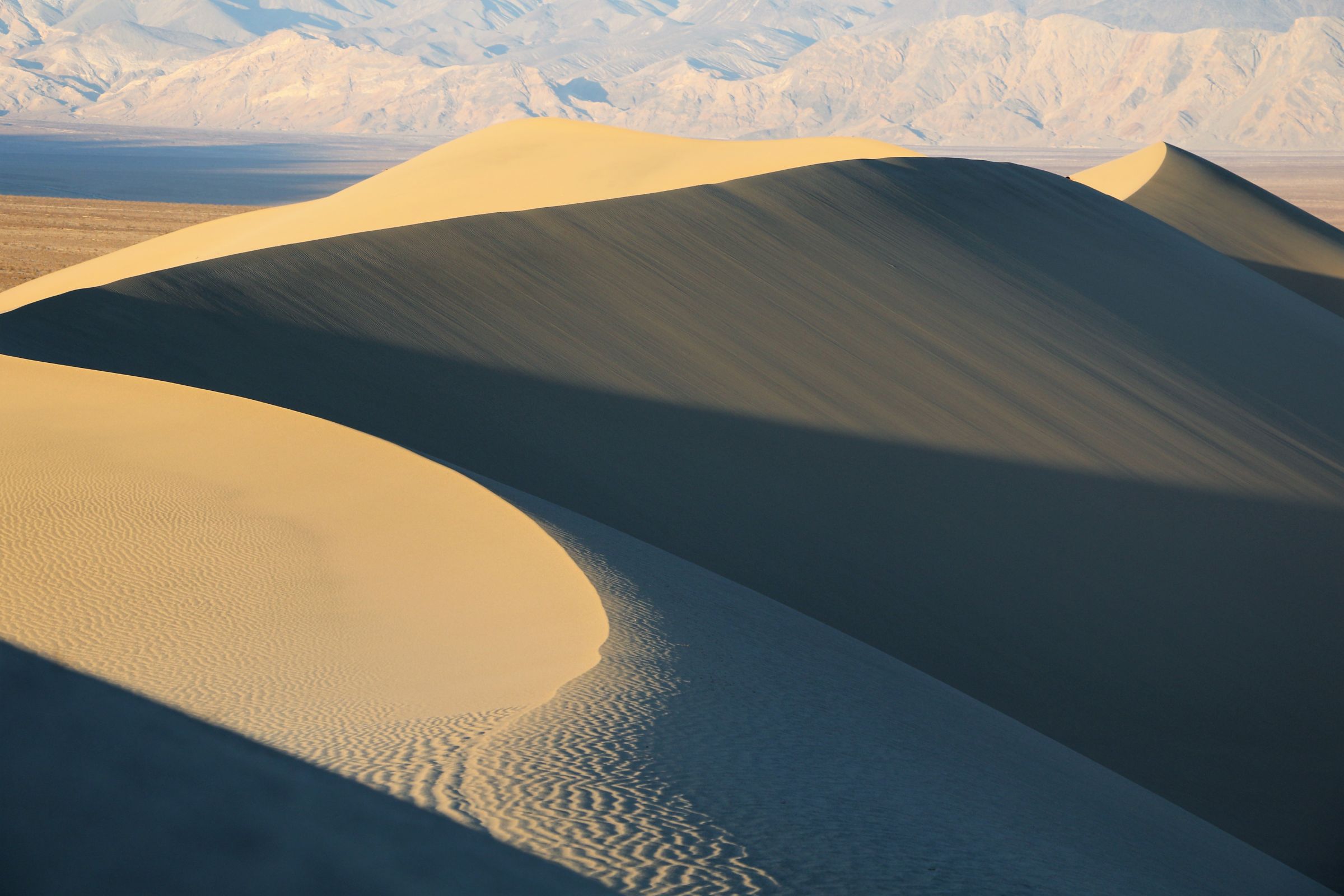
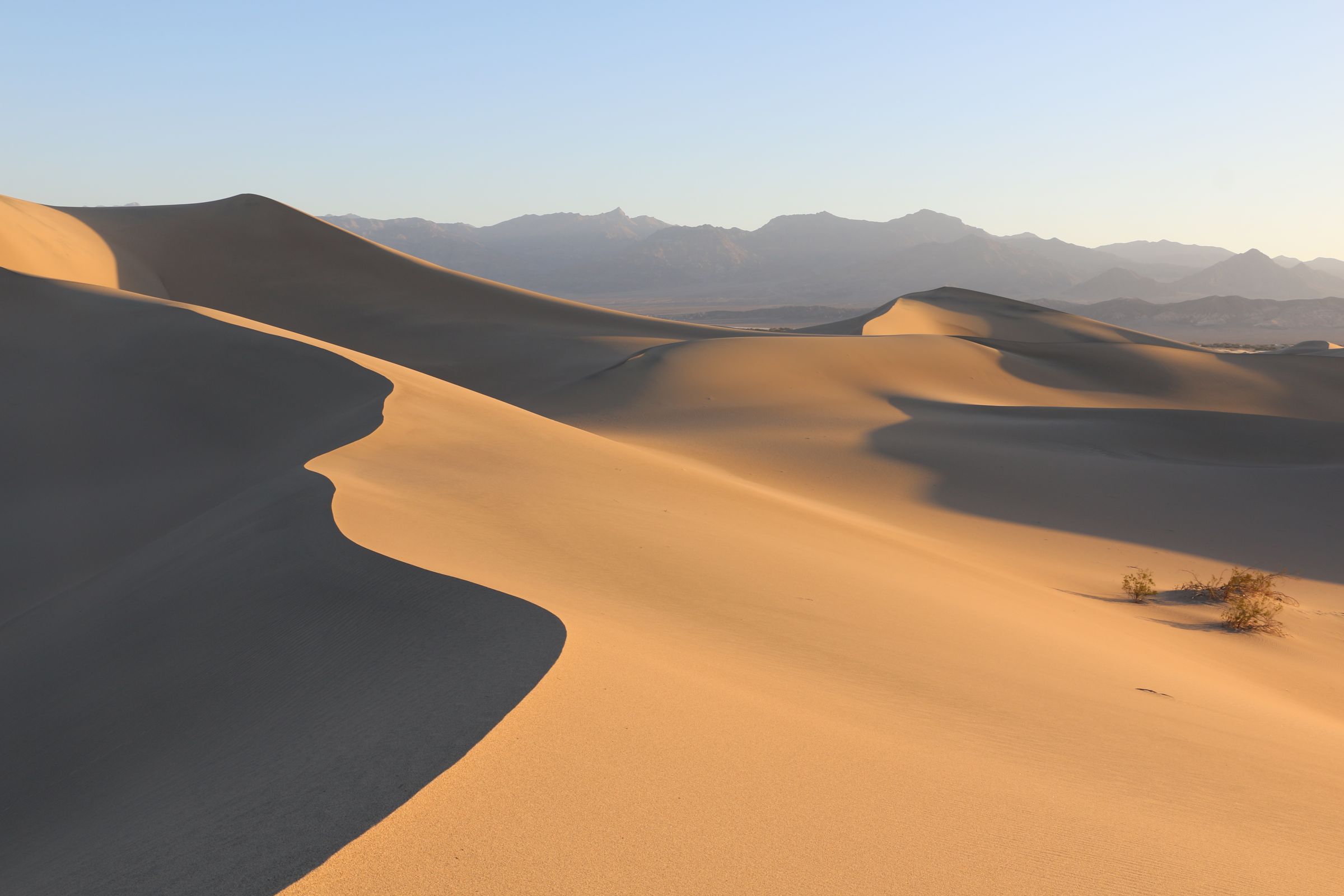
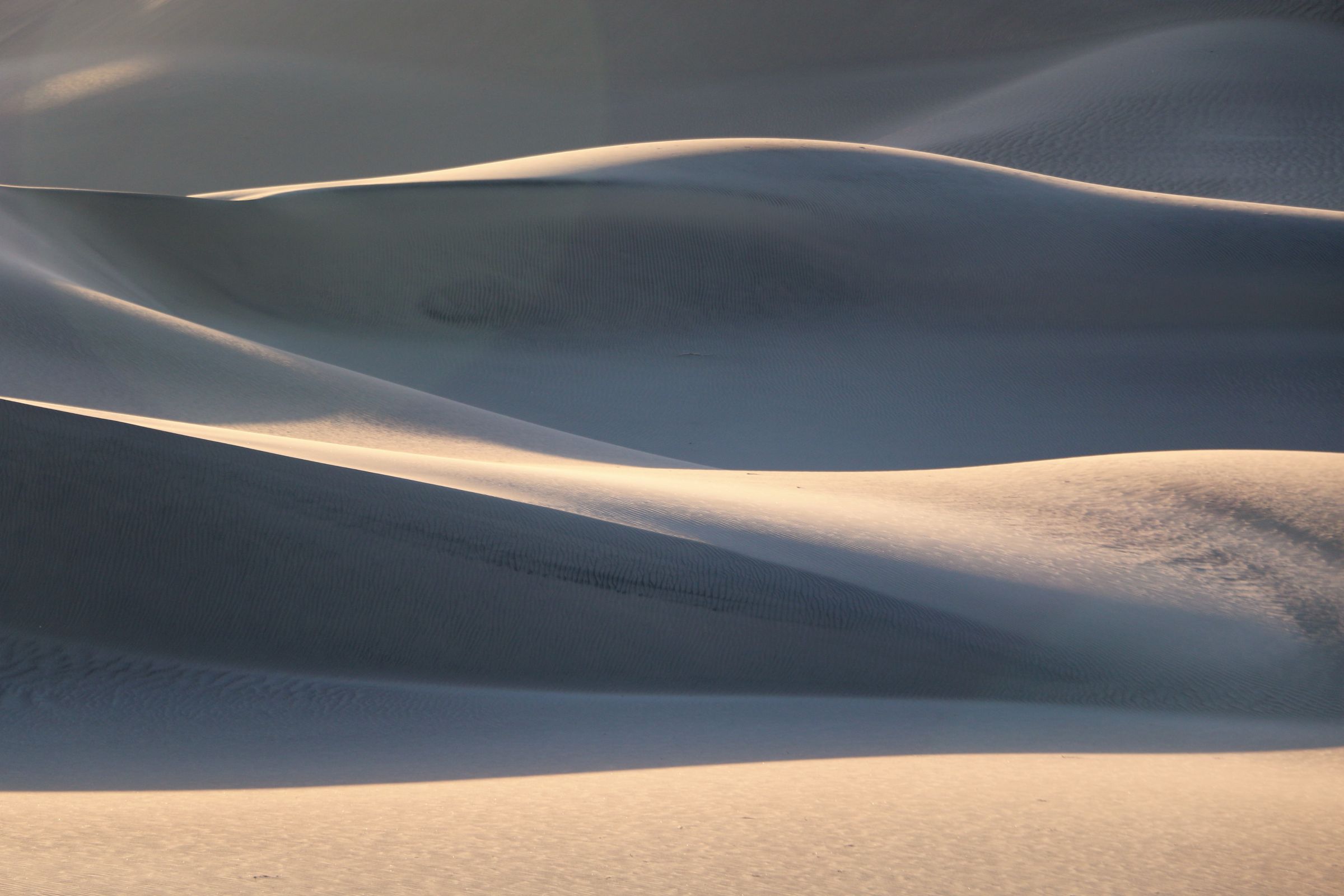
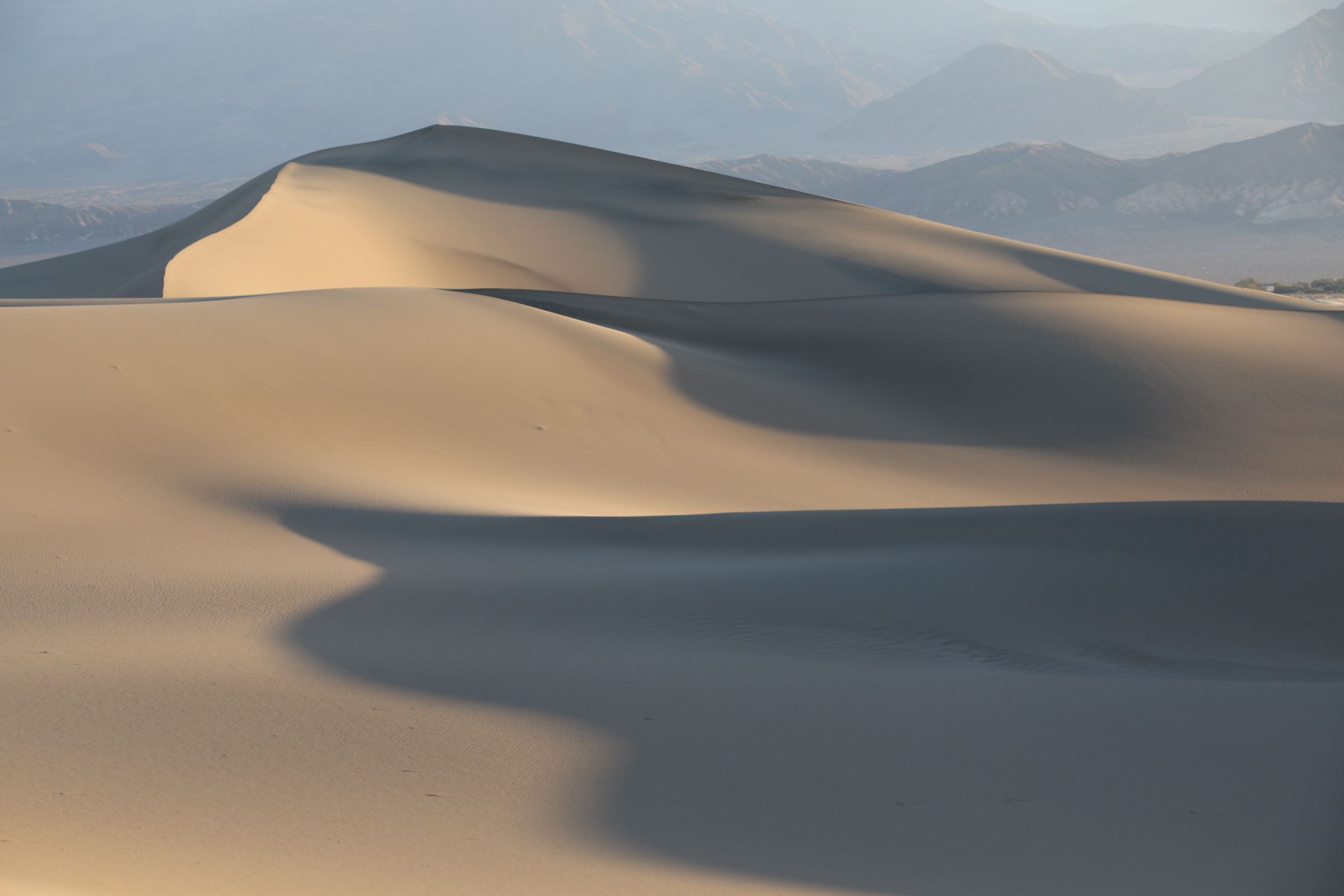
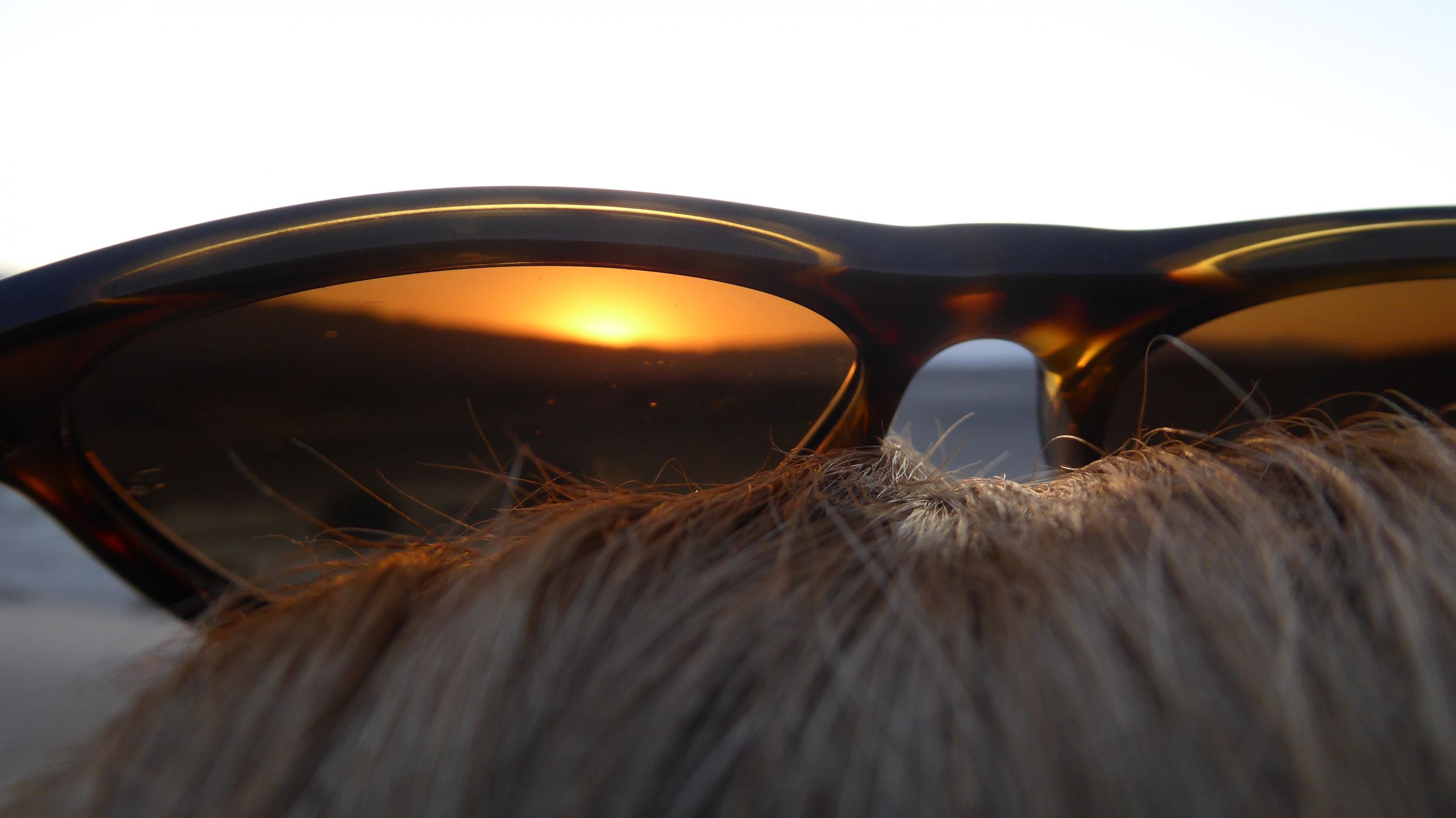
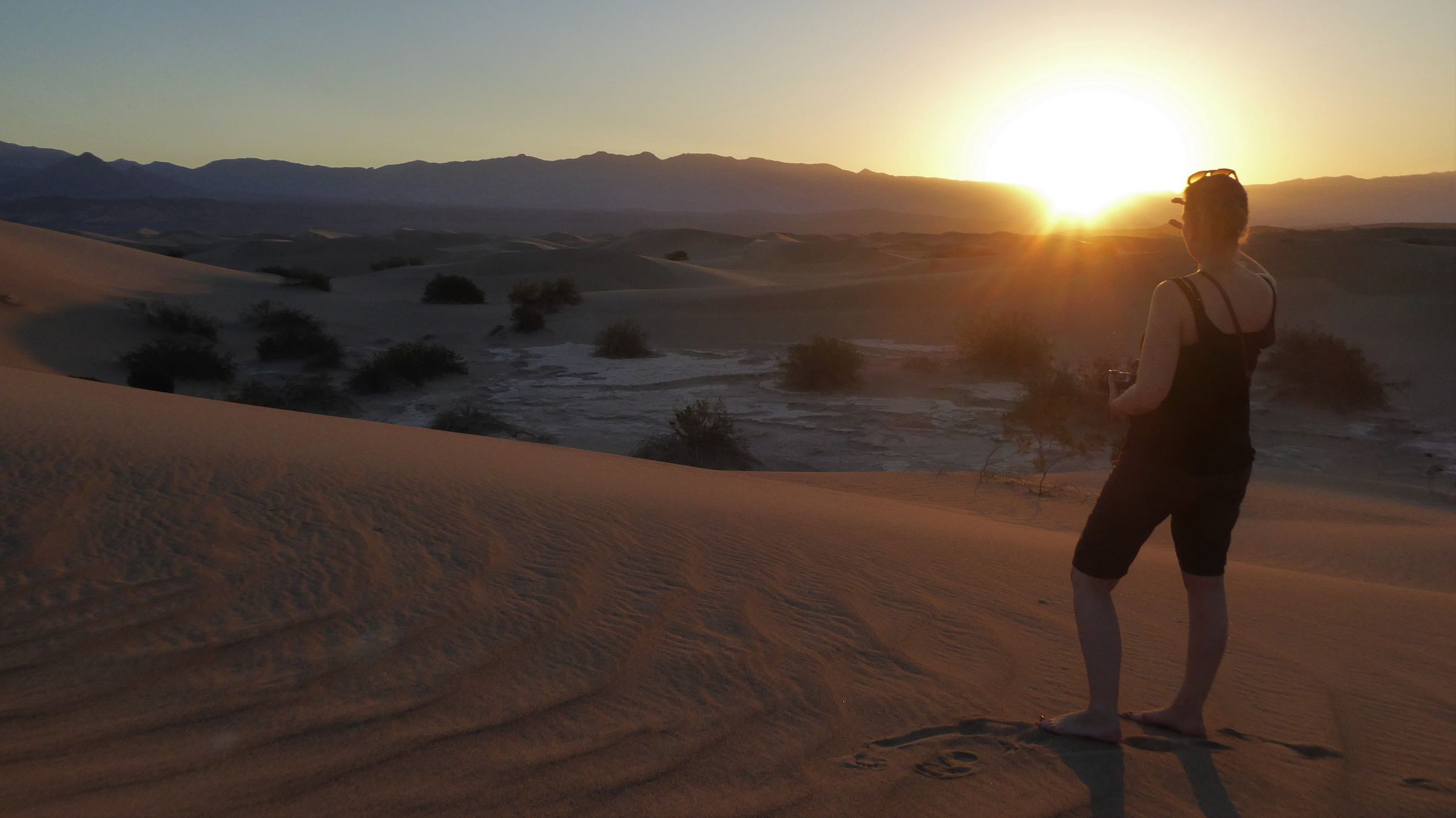
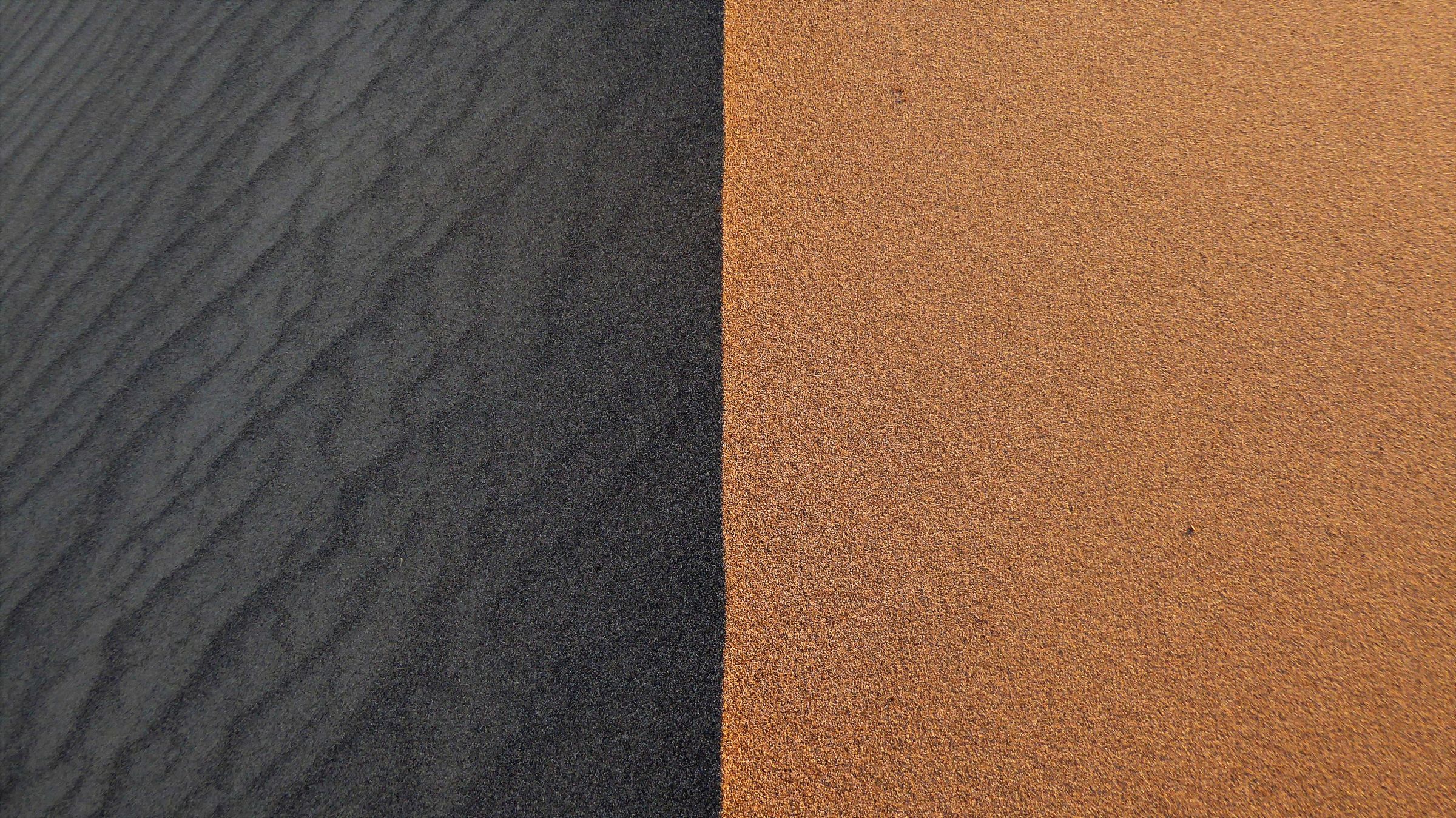
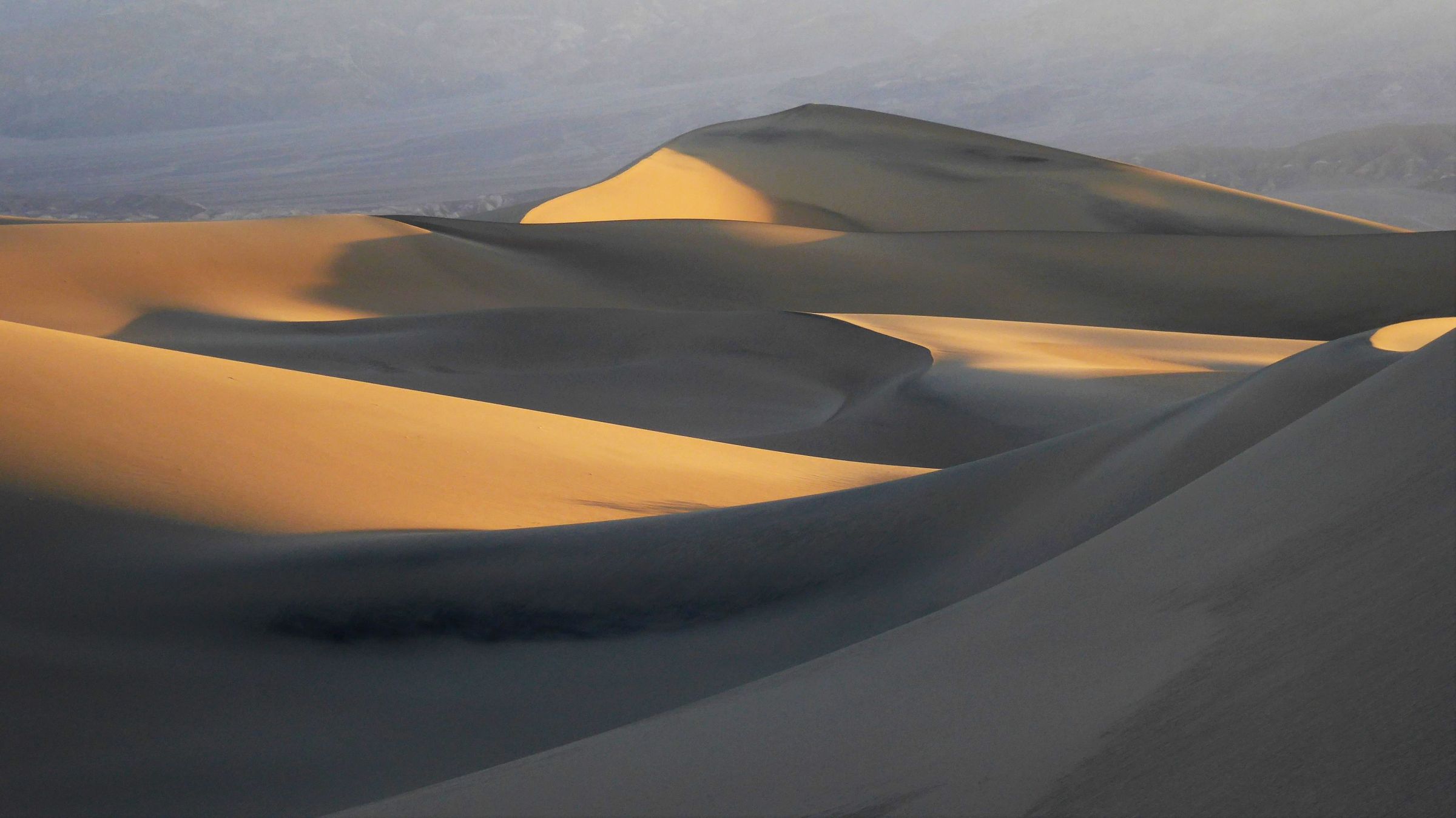
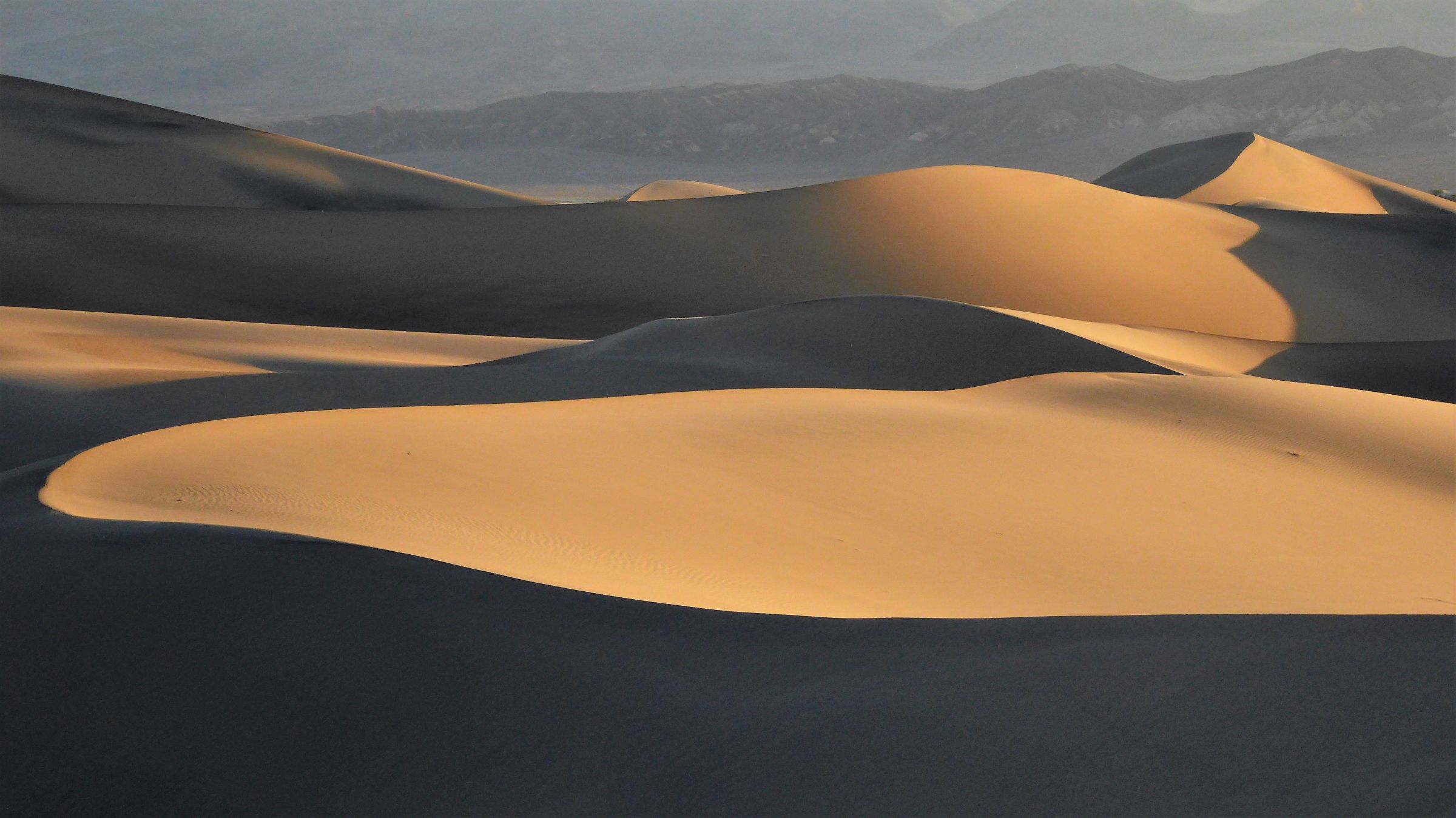
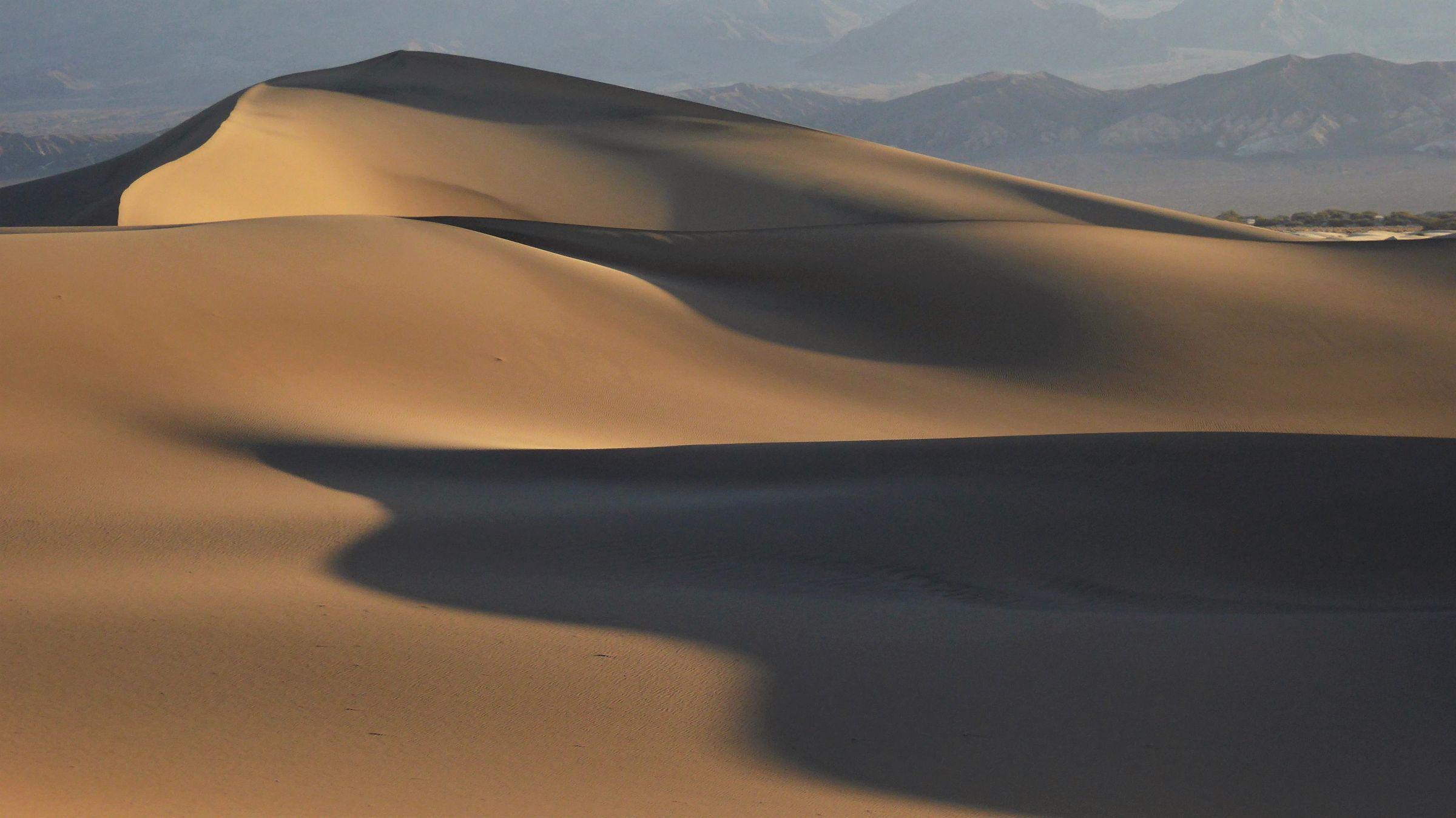
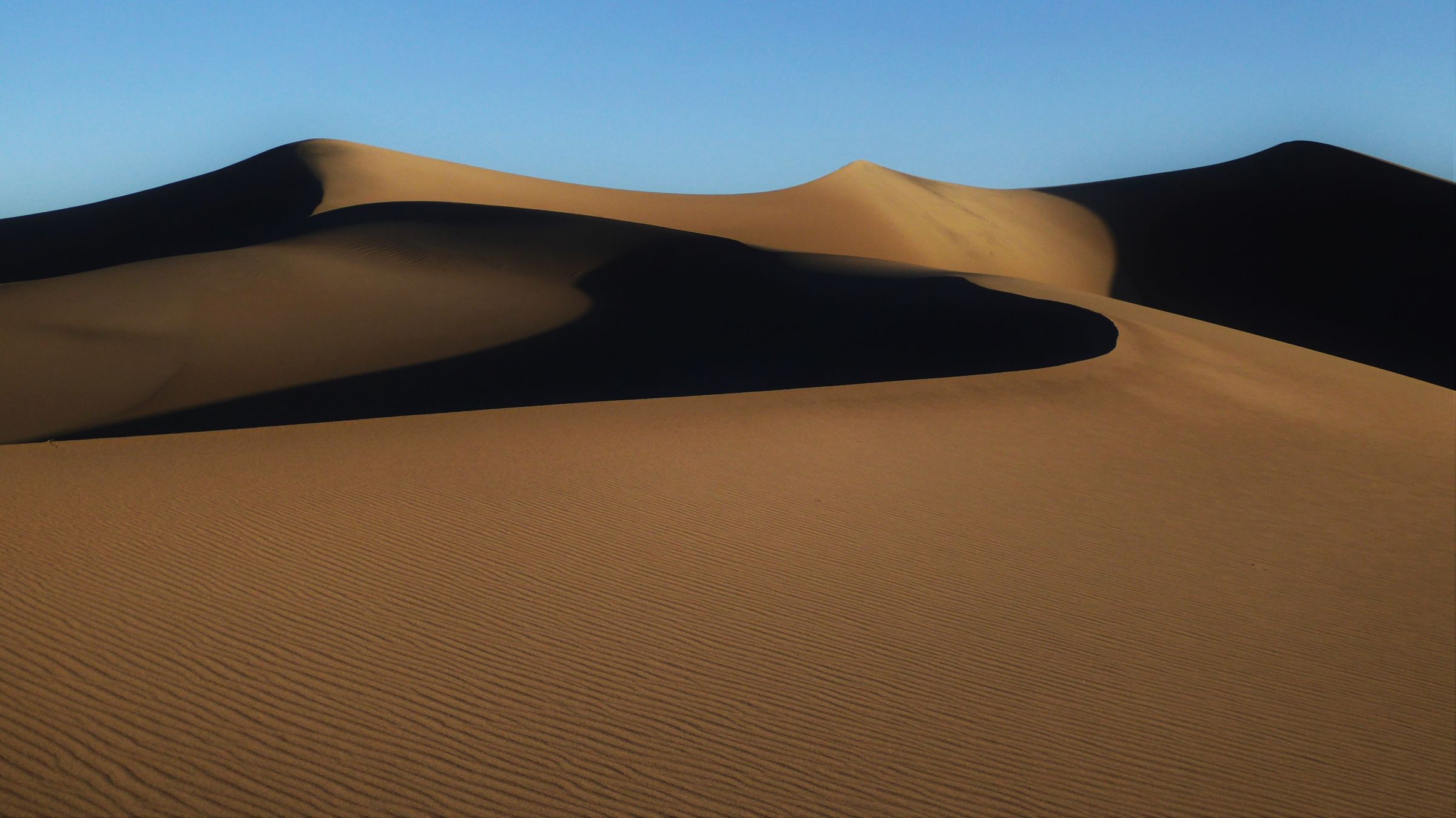
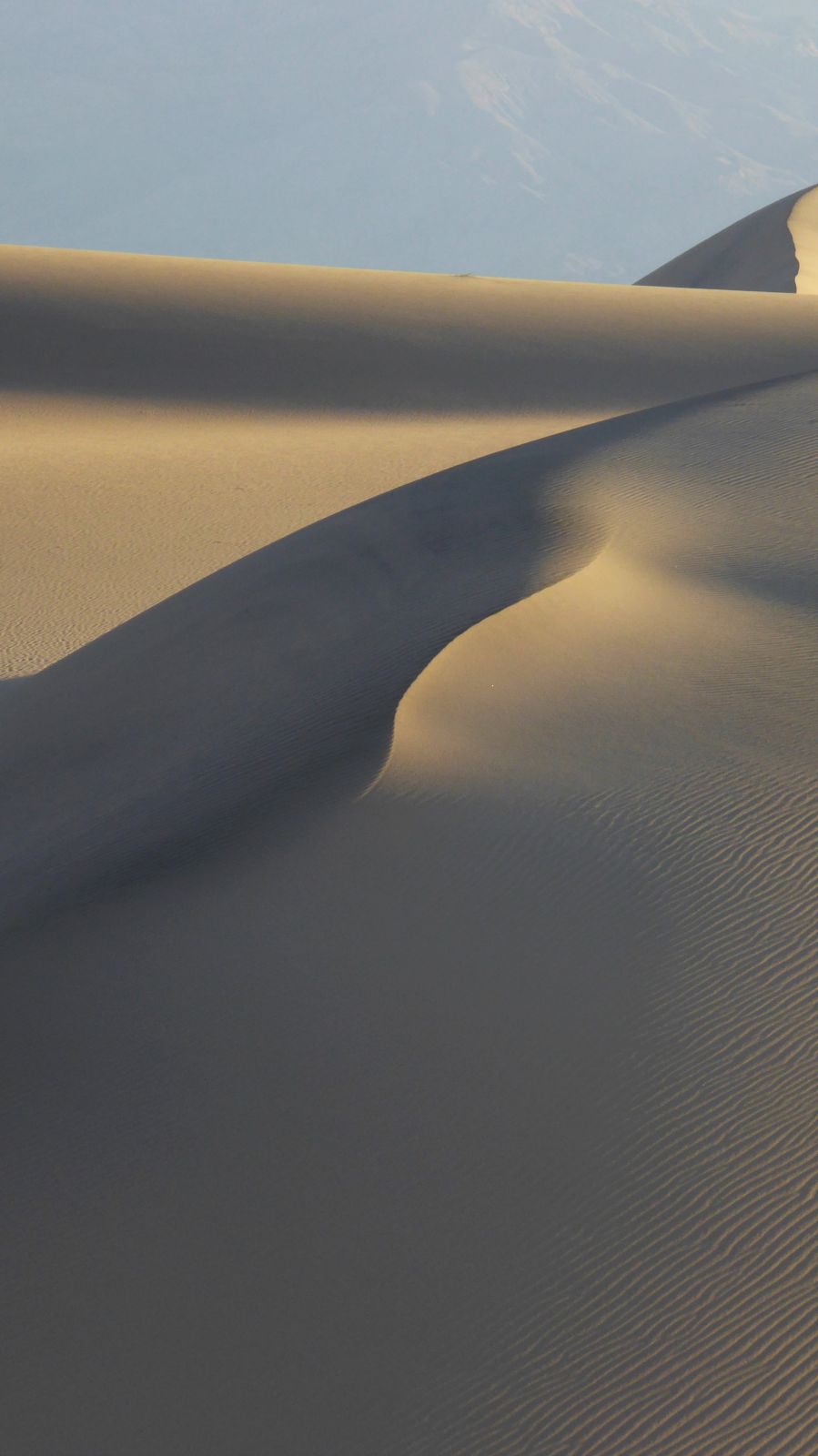
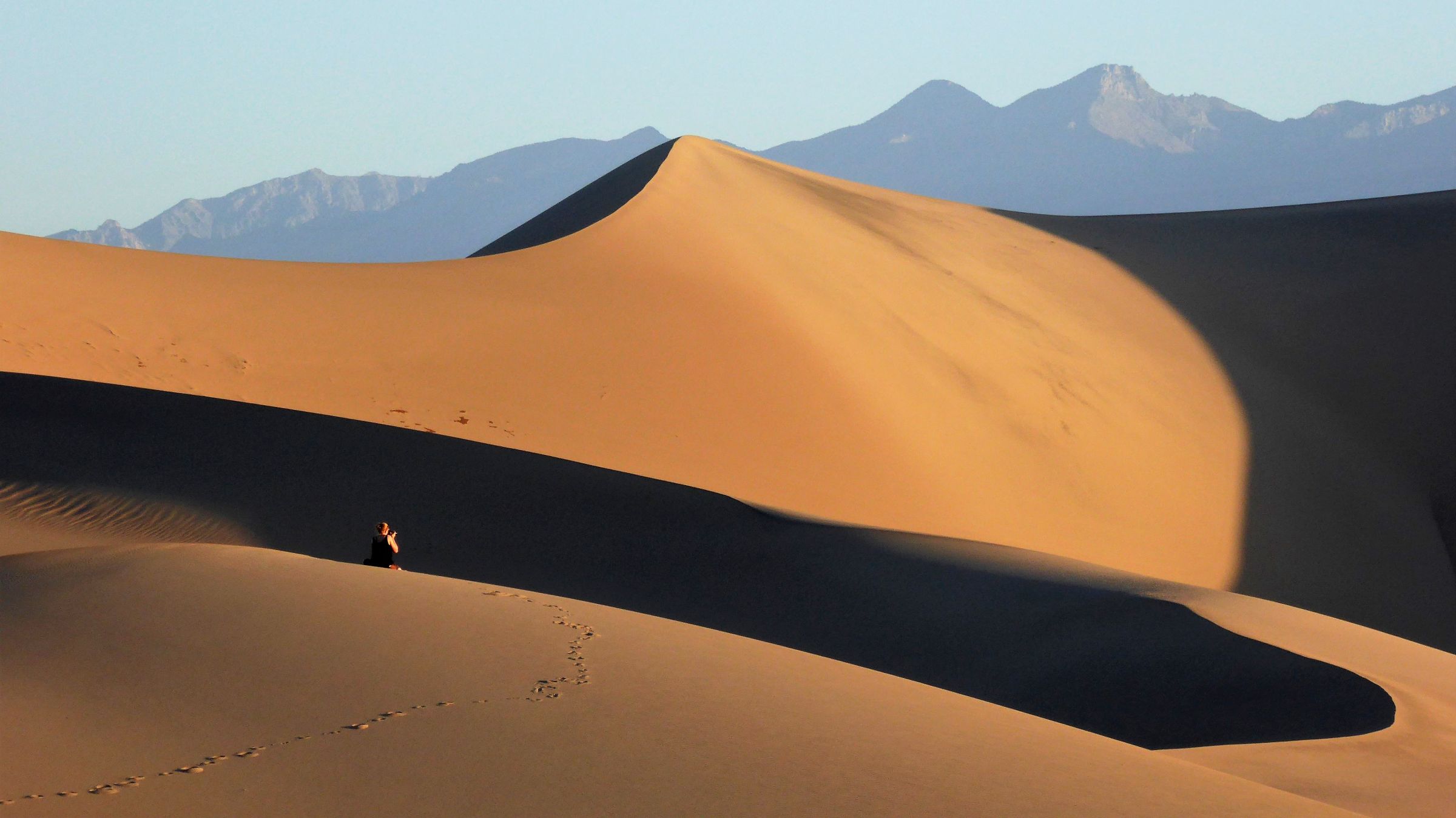
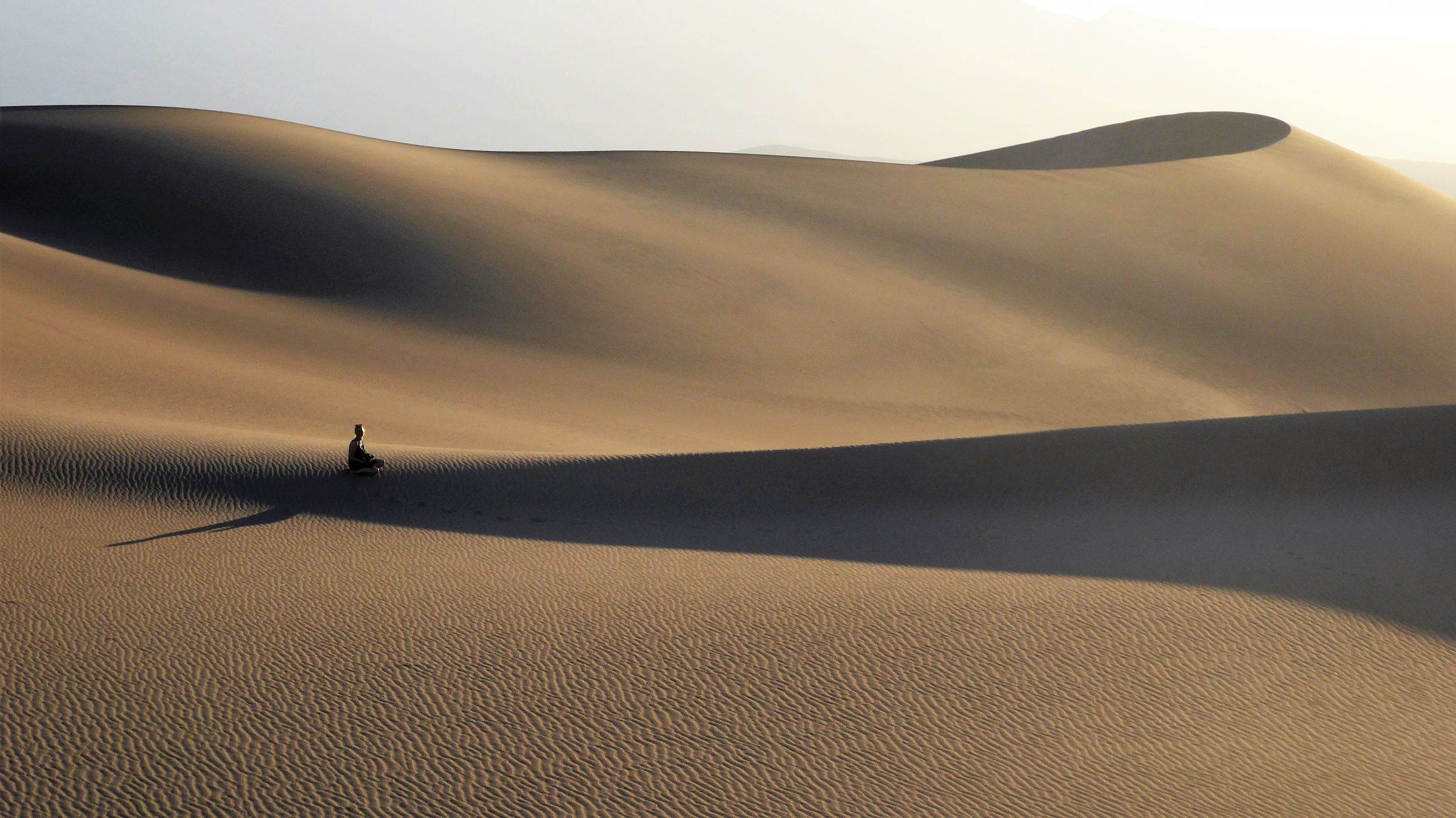
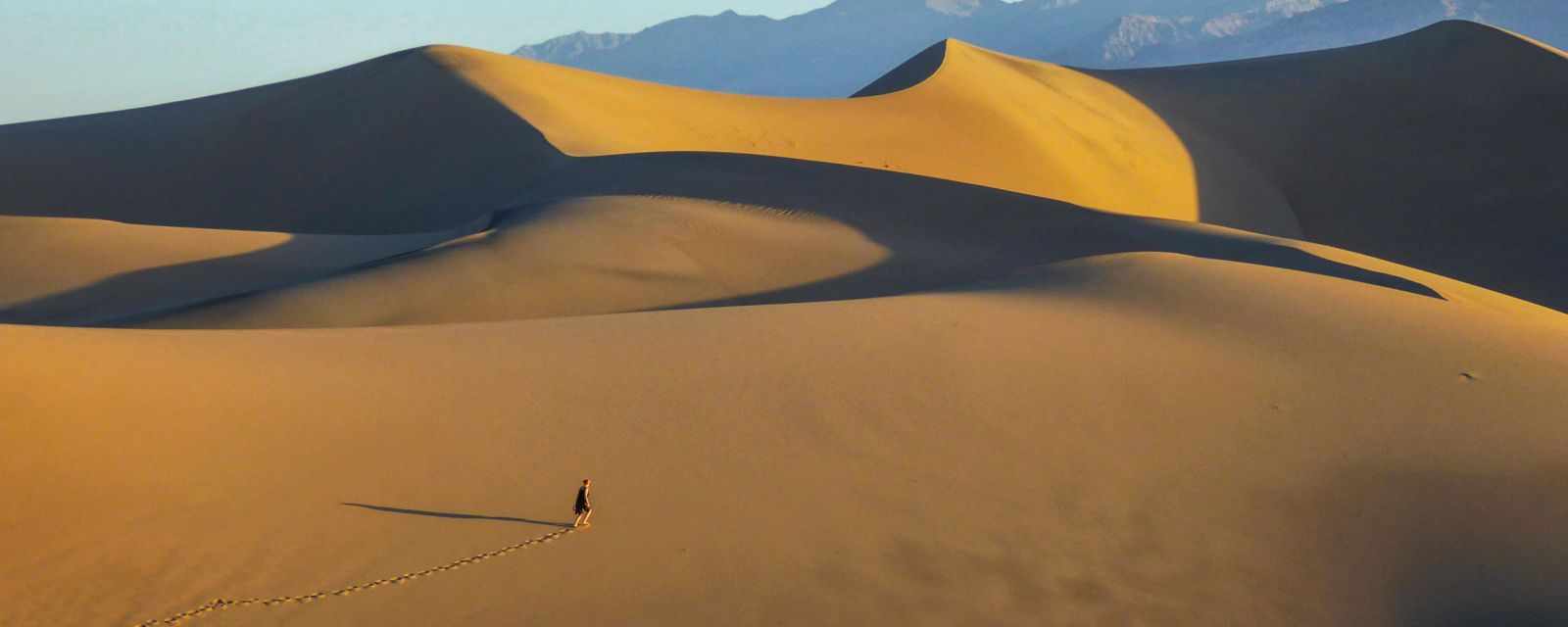
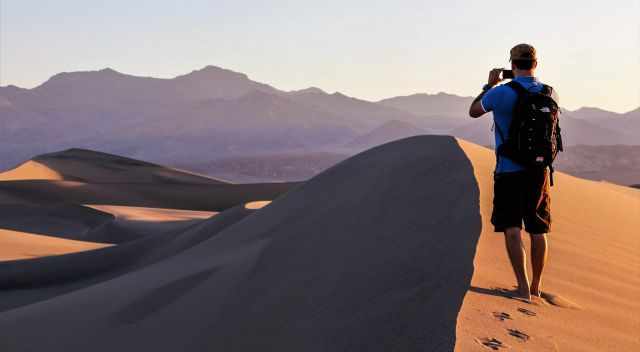
Early morning is the most magical and quietest time of day in Death Valley. Before sunrise, the dunes are still cool, the air is calm, and the soft light slowly paints the sand in warm tones. This is the ideal moment to climb the dunes, enjoy the silence, and capture the most photogenic conditions. In summer, starting before sunrise is essential to avoid the extreme heat and to experience the dunes before the daytime crowds arrive.
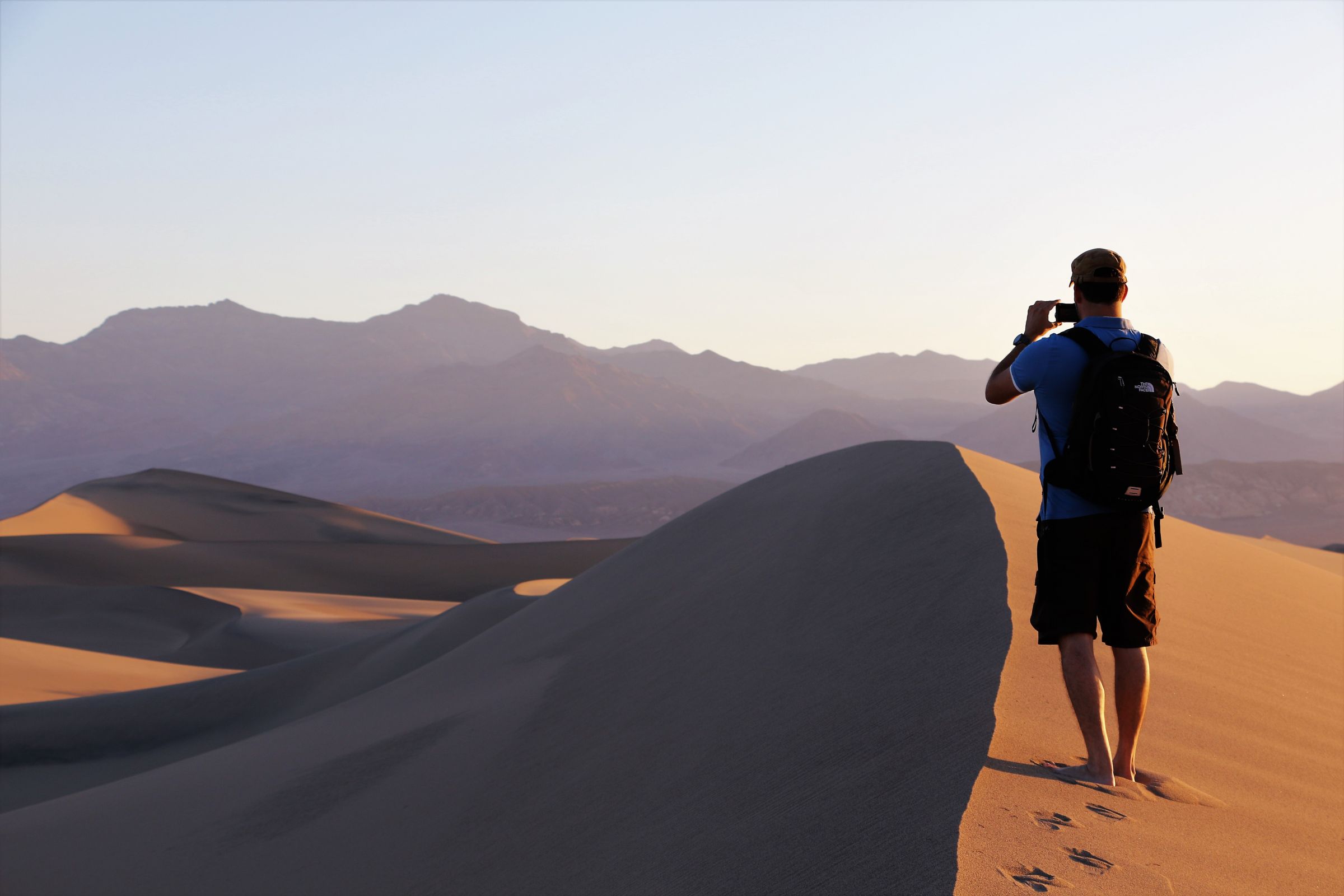
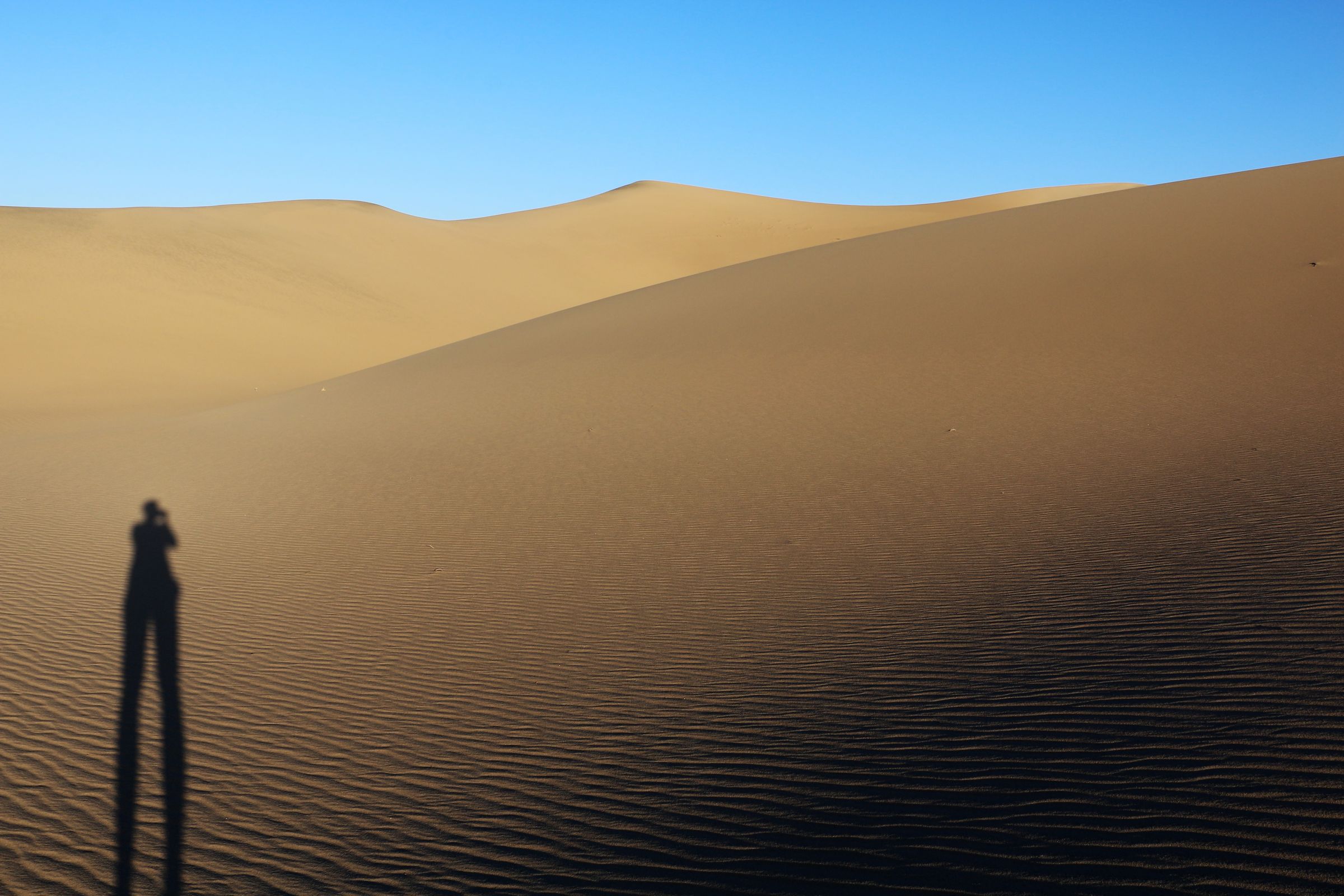
There is no marked trail here — simply wander into the dunes, soak in the silence, and watch the landscape change with the rising or setting sun.
Death Valley Heat Safety
Death Valley is one of the hottest places on Earth, and heat safety is essential when exploring the Mesquite Flat Sand Dunes or any other part of the park. From May to September, temperatures can rise far above 40°C, and even short walks become dangerous. Always start hikes before sunrise or late in the evening, carry plenty of water, wear sun protection, and avoid strenuous activity during the day. Keep your vehicle’s fuel tank full, as distances are long and gas stations are extremely limited inside and outside the park. Heat-related emergencies happen quickly in Death Valley, so planning ahead is the key to a safe and enjoyable visit.
Weather and Seasons in Death Valley
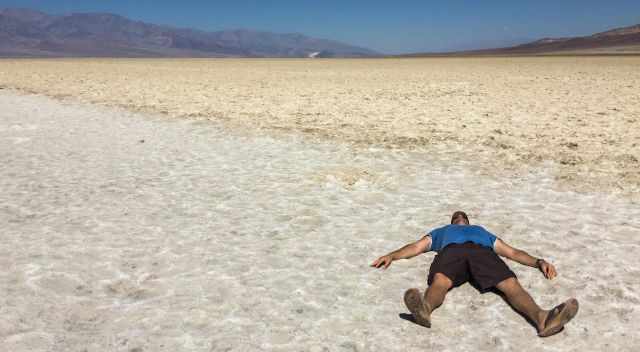
Four mountain ranges lie between the Pacific Ocean and Death Valley, creating a strong rain shadow effect. As moist air rises over the mountains, it loses nearly all precipitation before reaching the valley. Combined with the lowest elevation in North America at Badwater Basin (–86 m / –282 ft), the trapped hot air creates one of the most extreme hot desert climates on Earth.
Summers are brutally hot, winters mild and pleasant, though nights can be chilly. Rainfall is rare, averaging only 20 days per year, with occasional winter storms or summer thunderstorms bringing dramatic skies.
Winter (December–February)
Winter is one of the best seasons to visit Death Valley. Days are mild and ideal for hiking under the strong Californian sun, with average temperatures between 10–20°C (50–68°F). Bring a jacket or fleece for the cooler hours. Nights drop to 3–8°C (37–46°F), and higher elevations like Telescope Peak often receive snow. Rain is possible but still rare — the valley averages only 2.2 inches of annual precipitation.
Spring (March–April)
Spring is usually pleasant, though temperatures begin to rise quickly. Expect 13–27°C (55–81°F) in March and 17–32°C (63–90°F) in April. If winter rainfall was sufficient, wildflowers can bloom spectacularly. Spring is also known for strong winds and sudden dust storms. During spring break, the park becomes very busy.
Summer (May–September)
Death Valley is one of the hottest places on the planet. Daytime temperatures range from 30–45°C (86–113°F) — and often higher. The dry heat is brutal without air‑conditioning, and even short walks can be dangerous. Thunderstorms may cause flash floods, but overall rainfall remains extremely low.
August 2021 example: Temperatures exceeded 53°C (127°F), and two hikers died from heat exposure. Limit all hiking to early morning hours and finish by 10 a.m. Carry plenty of water and salty snacks, and never underestimate the heat.
Autumn (October–November)
Temperatures become more comfortable, averaging 17–25°C (63–77°F), though days can still exceed 30°C (86°F). October marks the start of the hiking and camping season, but midday heat should still be avoided. Nights cool to 9–17°C (48–63°F). These months are generally quiet, except for the busy Veterans Day week in November.
7 Must‑Know Tips for Mesquite Flat Sand Dunes
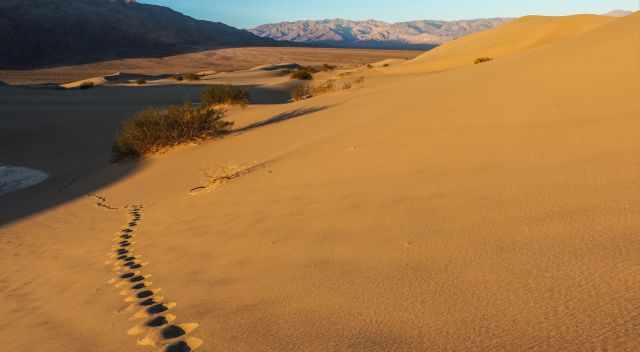
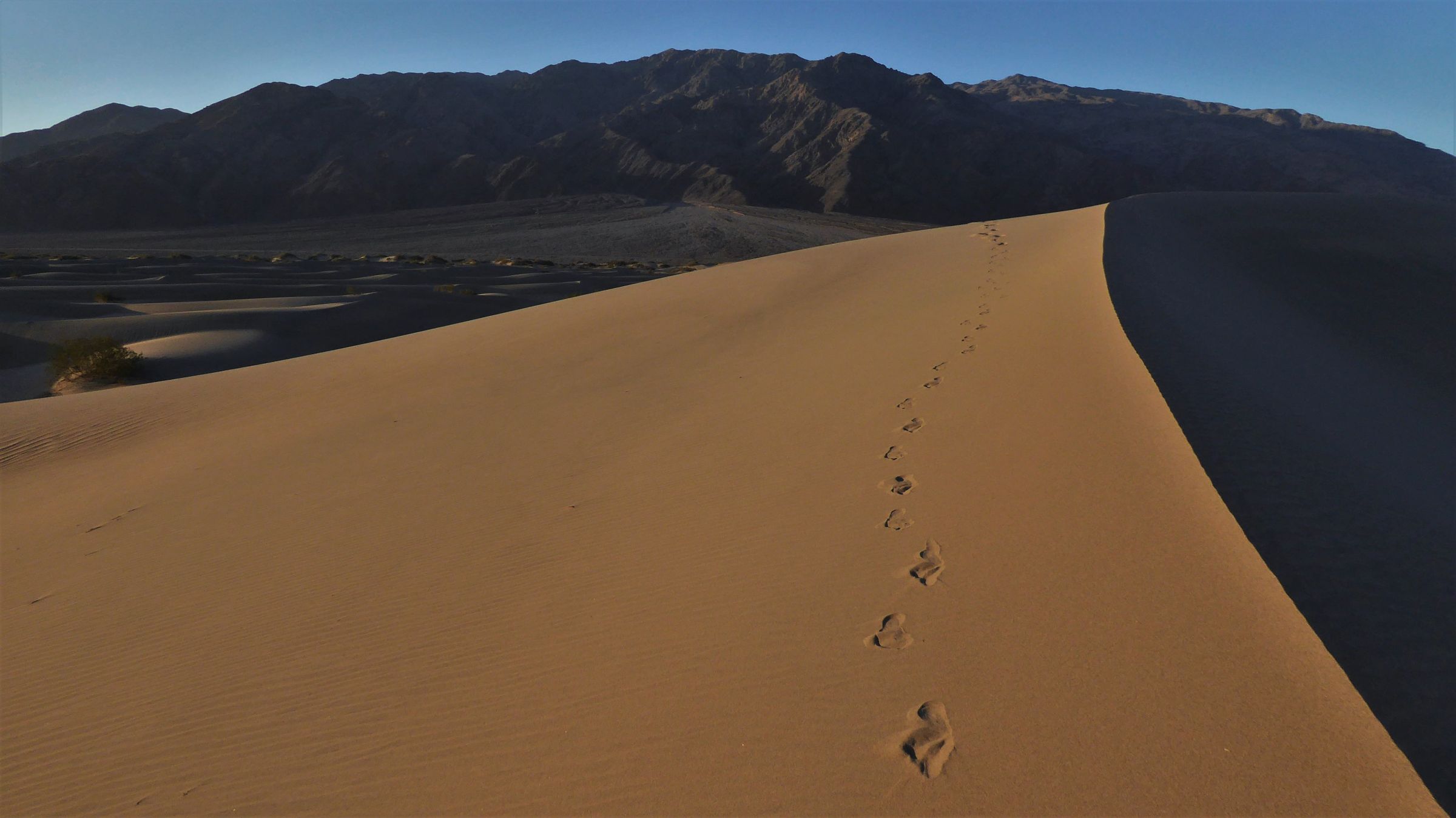
- Arrive early for footprint‑free photos — The dunes look pristine at sunrise, before visitors leave tracks. Later in the day, walk farther into the dune field to find untouched sand.
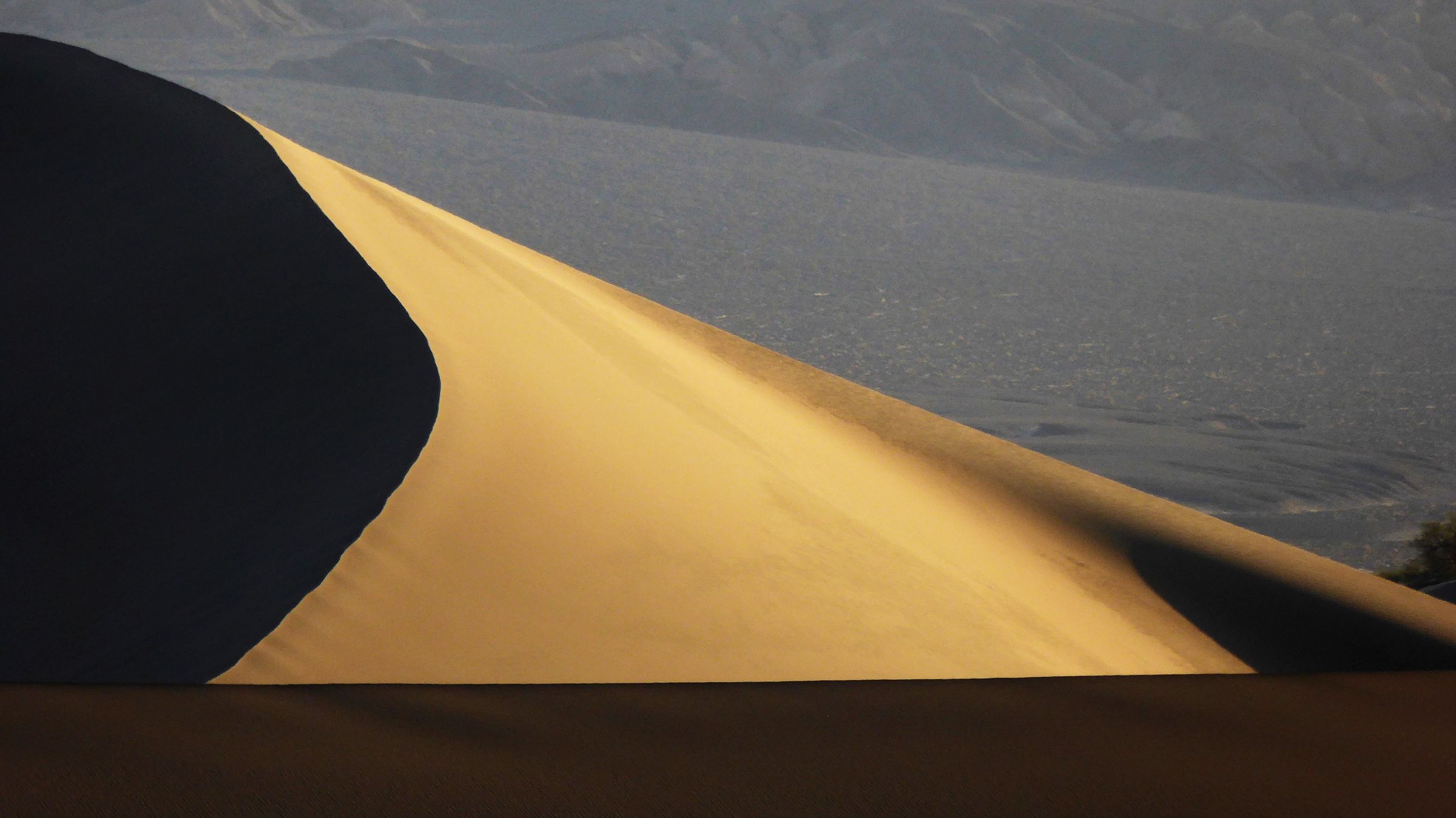
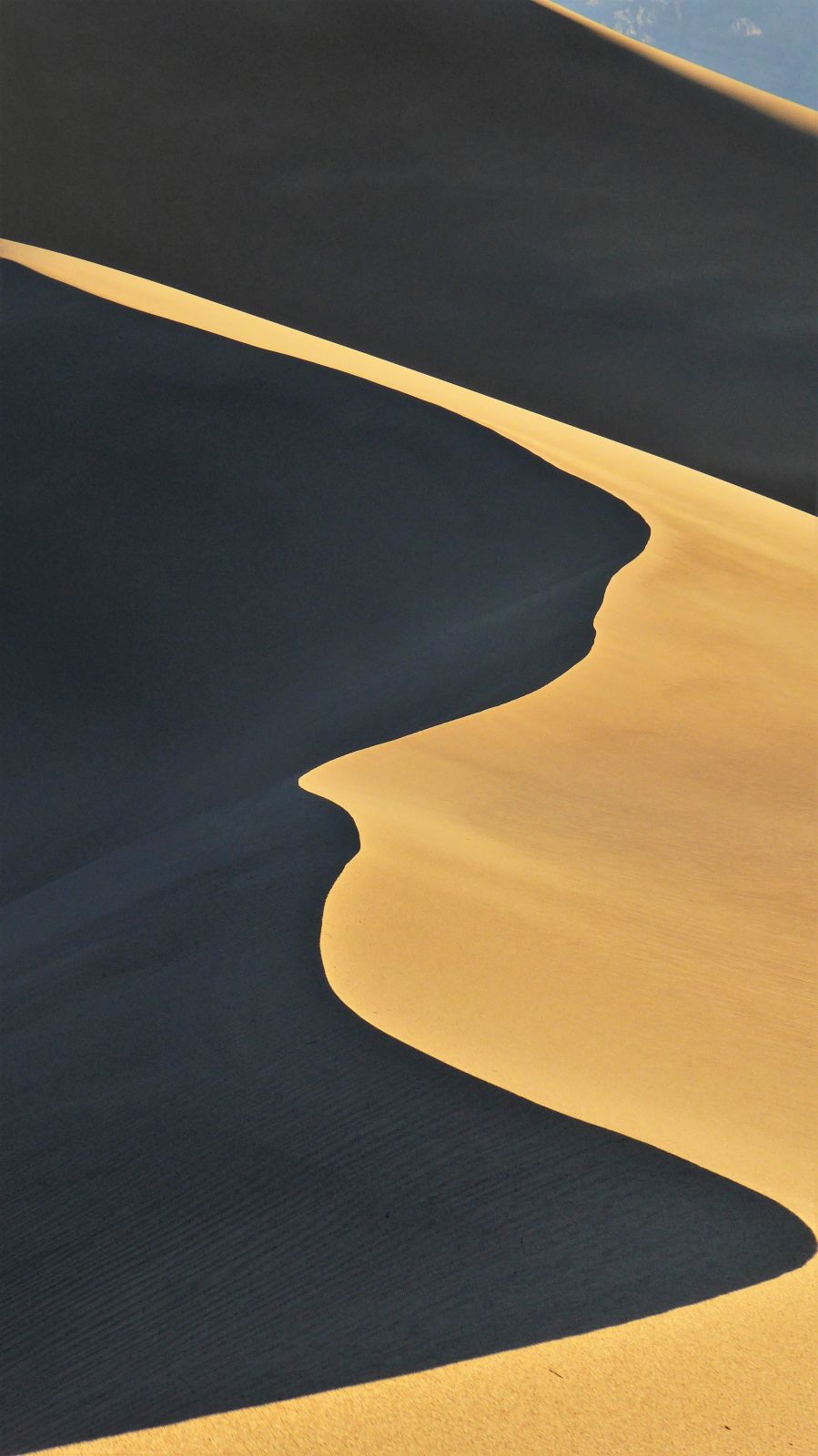
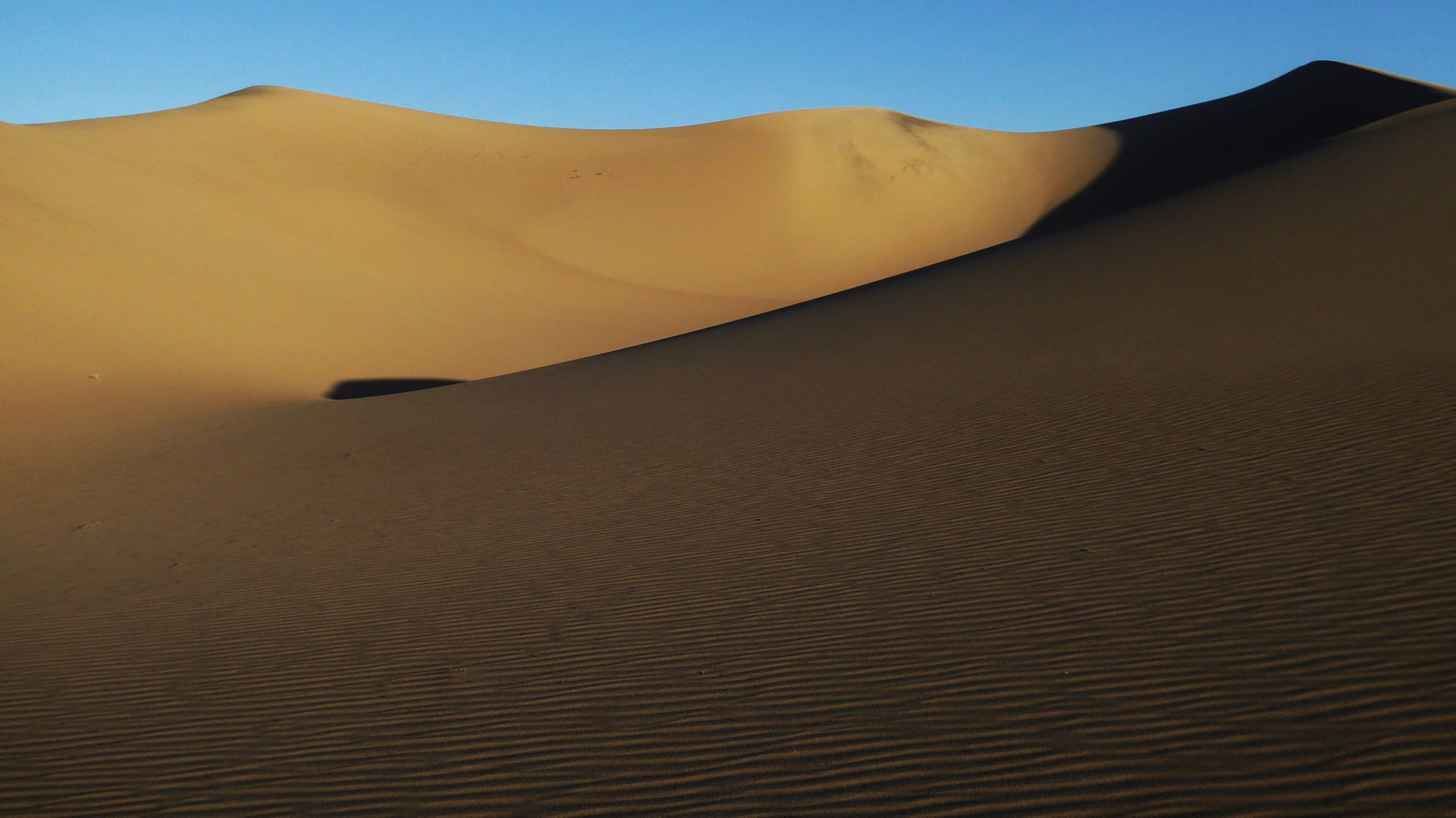
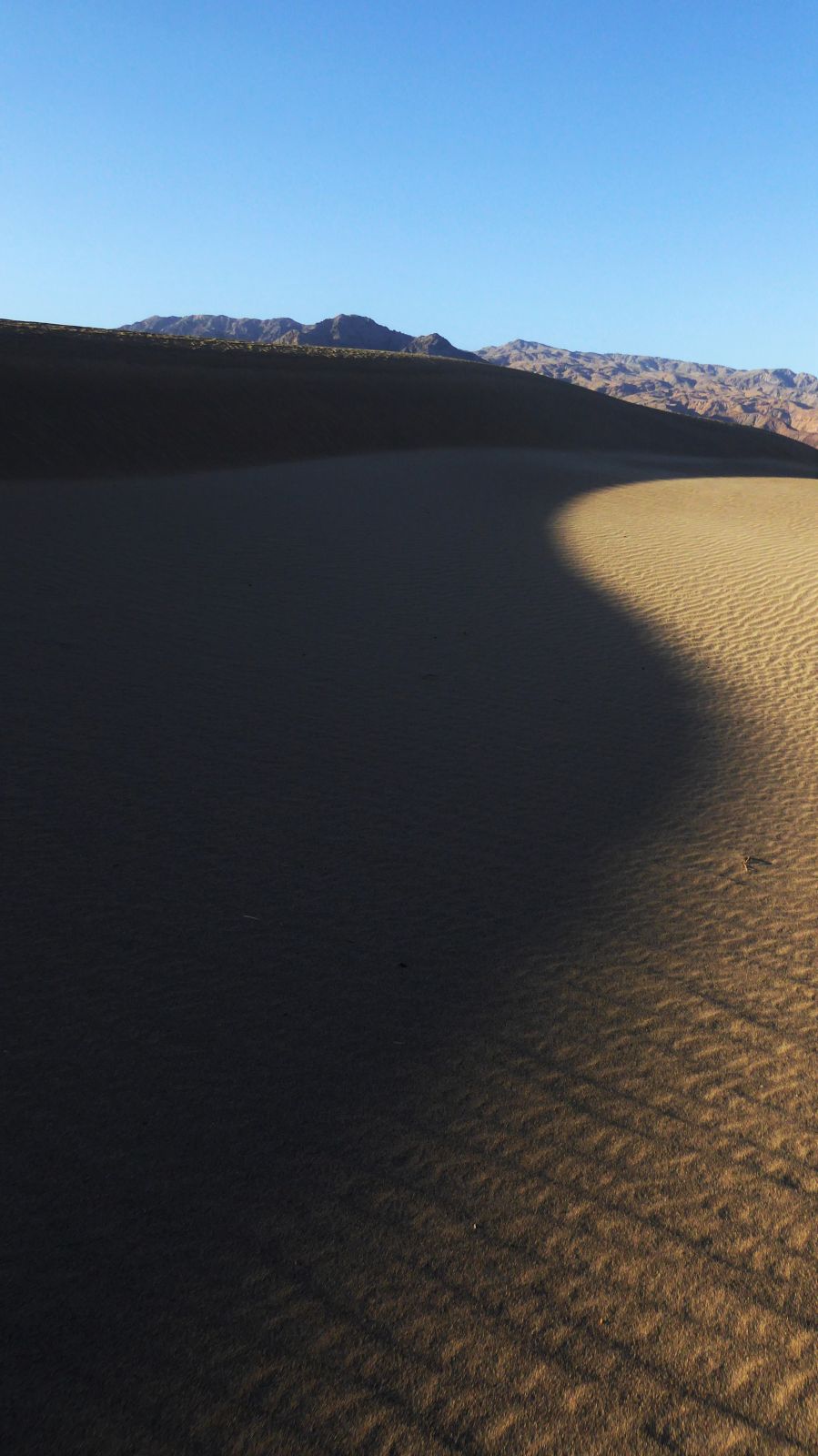
- Capture sunrise or sunset — The low light creates dramatic shadows and soft golden tones, perfect for photography.
- Enjoy world‑class stargazing — With almost no light pollution, the dunes are one of the best places in Death Valley for night‑sky viewing.
- Walk farther to escape the crowds — Most visitors stay near the parking area. A short walk into the dunes gives you silence and solitude.
- Easy access from Highway 190 — The dunes are only a few minutes from Furnace Creek and require no special vehicle.
- No facilities available — Bring water, snacks, and sun protection; there are no restrooms or shade.
- Monitor your fuel level — Gas stations are extremely limited inside and outside the park. Always keep your tank full.
5 Highlights in Death Valley
1 Mesquite Flat Sand Dunes
A dream location for photographers, especially at sunrise and sunset when the dunes glow in soft golden light. Walk farther from the parking area to escape footprints and crowds. The dunes are easily accessible from Highway 190 and close to Furnace Creek.
2 Badwater Basin
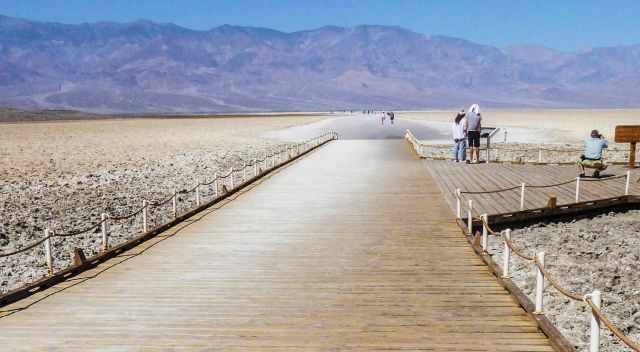
At 282 ft / 86 m below sea level, this is the lowest point in North America. The vast salt flats create surreal patterns and endless photo opportunities. A short 2‑mile walk into the basin rewards you with spectacular views and complete silence.
3 Zabriskie Point
One of the most iconic viewpoints in Death Valley, located near Furnace Creek on the way to Dante’s View. The colorful badlands are stunning at any time, but early morning and evening offer the best light and fewer visitors. It’s a short walk from the large parking area.
4 Dante’s View
A must‑visit viewpoint high above the valley at 5,577 ft / 1,700 m. The final stretch of road climbs in serpentines, but the reward is a breathtaking panorama over Badwater Basin and the surrounding mountains. It’s one of the most impressive overlooks in the entire park.
5 Devil’s Golf Course
A bizarre, otherworldly landscape formed by an ancient evaporated lake. The jagged salt formations are so sharp and uneven that “only the devil could play golf here.” It’s a surreal stop and a great contrast to the smooth dunes of Mesquite Flat.
Where to Stay in Death Valley
The best place to stay inside Death Valley is Furnace Creek, which offers the most central location for exploring the Mesquite Flat Sand Dunes, Badwater Basin, Zabriskie Point, and other major highlights. The Inn at Death Valley is excellent located in the middle of "nowhere", a hidden gem with fantastic views and lovely staff. However, accommodation and gasoline are expensive throughout the park. Because gas stations are extremely limited both inside and outside the park boundaries, always keep your tank full and monitor your fuel level carefully. Staying inside the park saves long driving distances
Best Months to Visit
Location and Tips

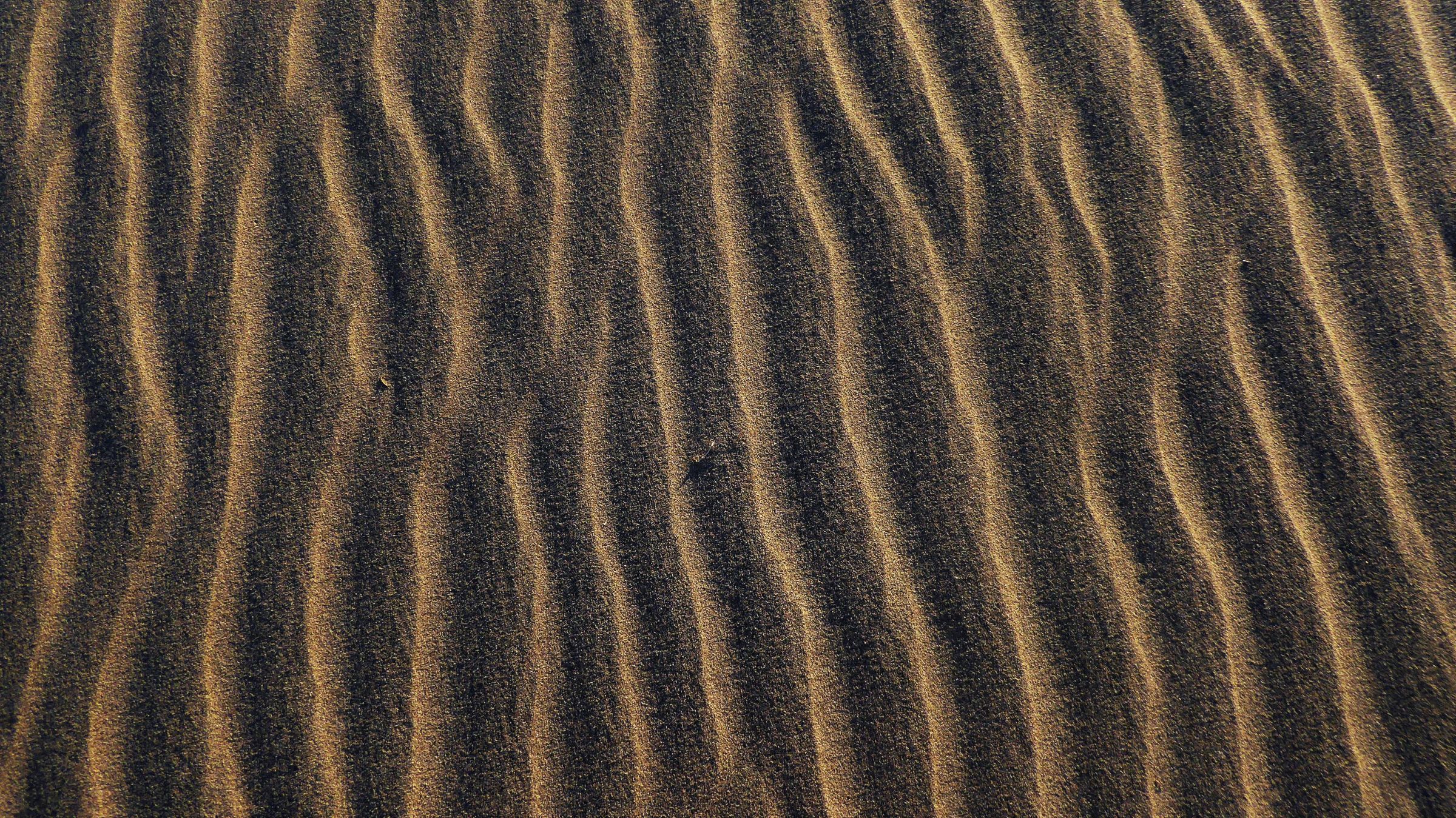
At Mesquite, Flat Sand Dunes is no trail to follow; just explore this beautiful place on your own. Watch the sun come up and paint the dunes, enjoy the peace and silence and surround yourself with pure nature.
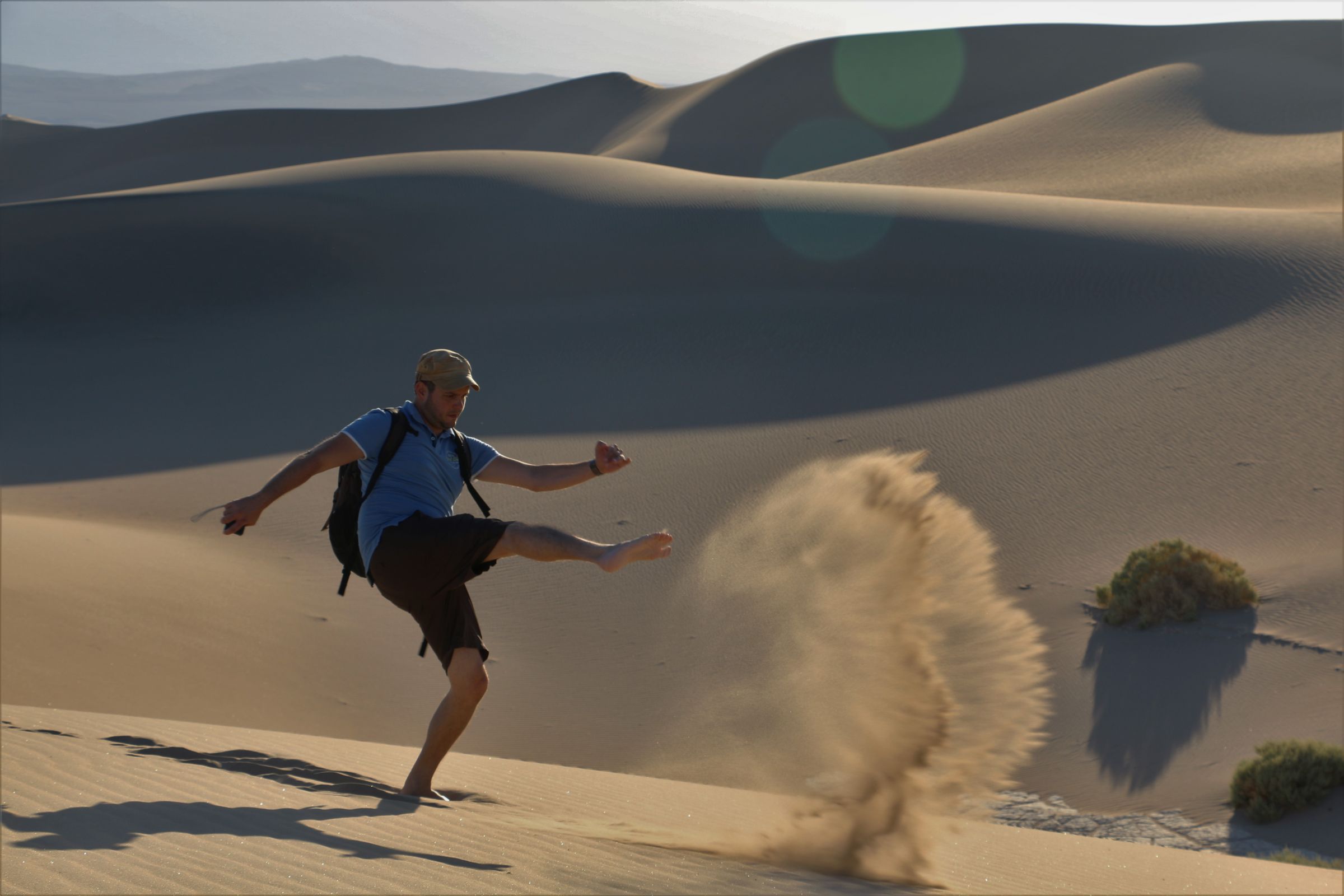
These stunning photos were captured by my friends Marc and Andrea, who share the same love for travel that we do. I visited Death Valley once in May, and the heat was so extreme that it became almost unbearable.