
When Is the Best Time
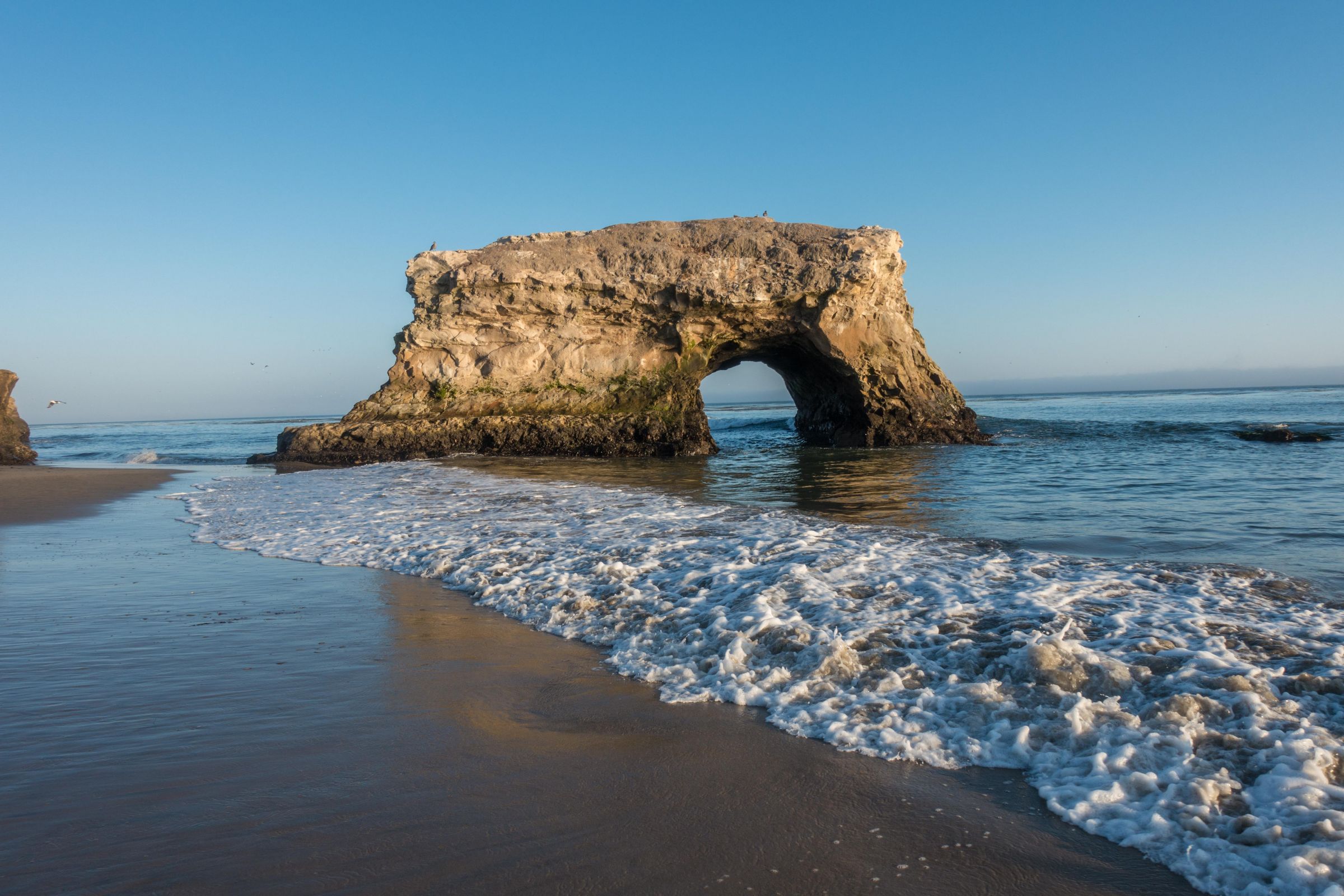
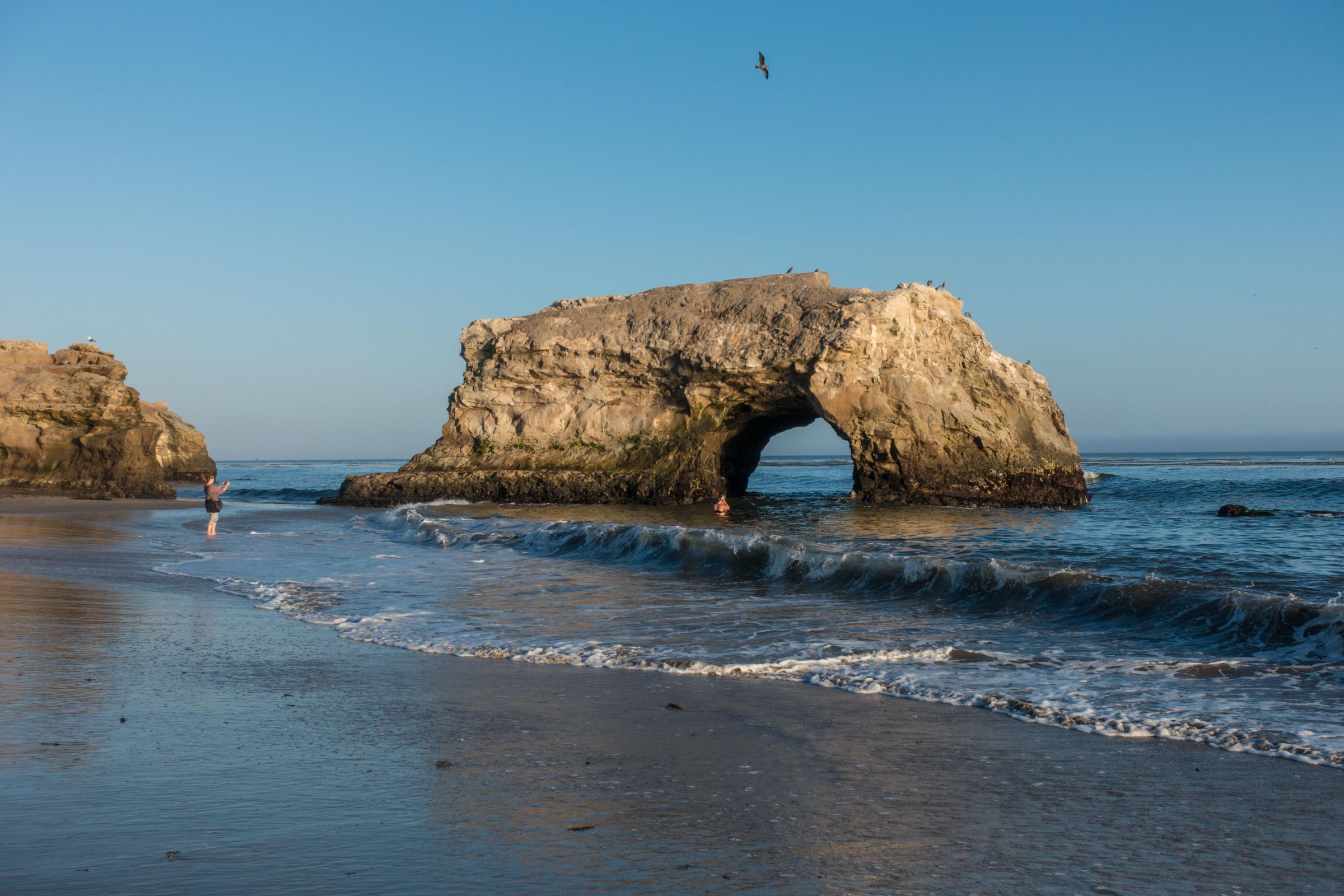
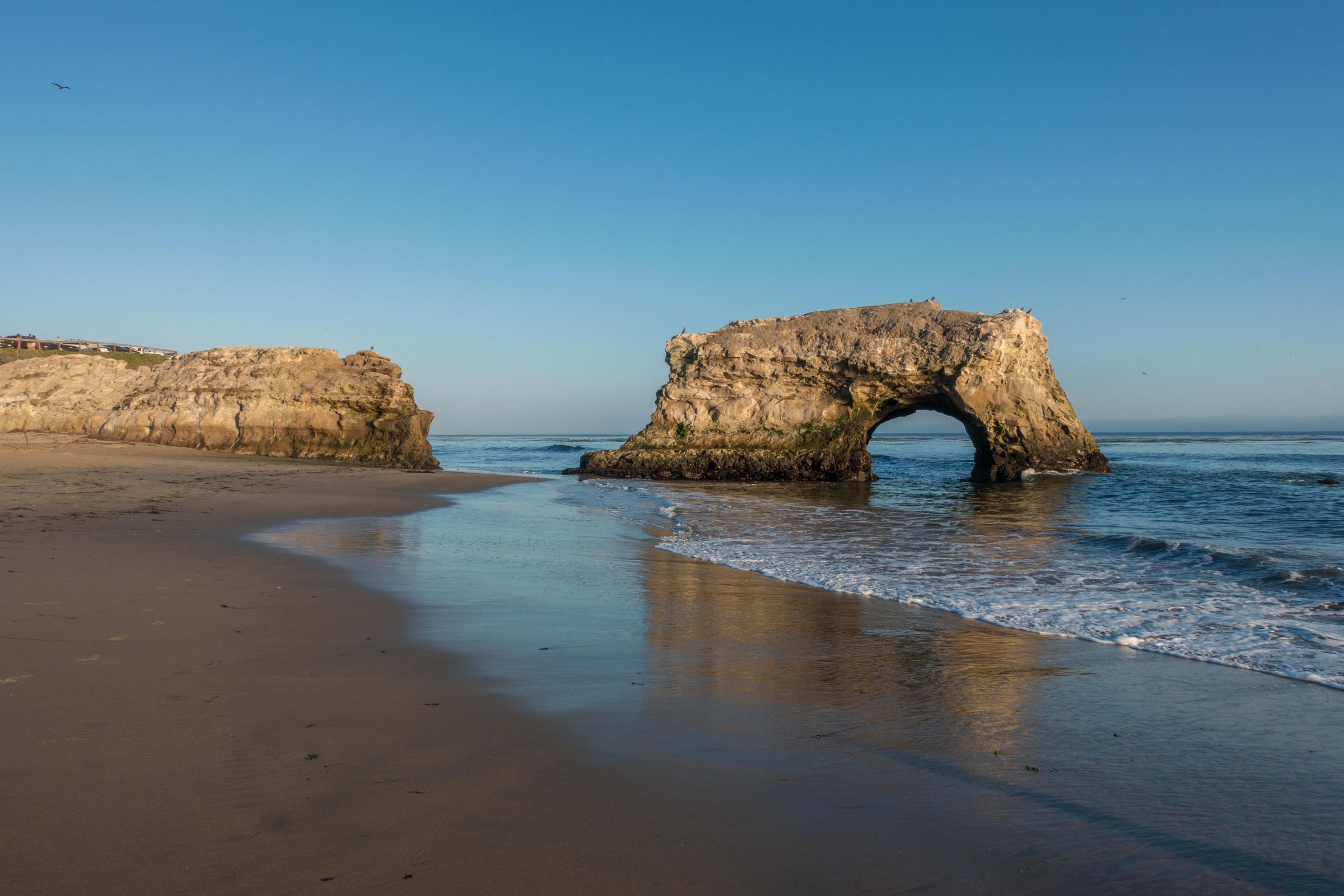
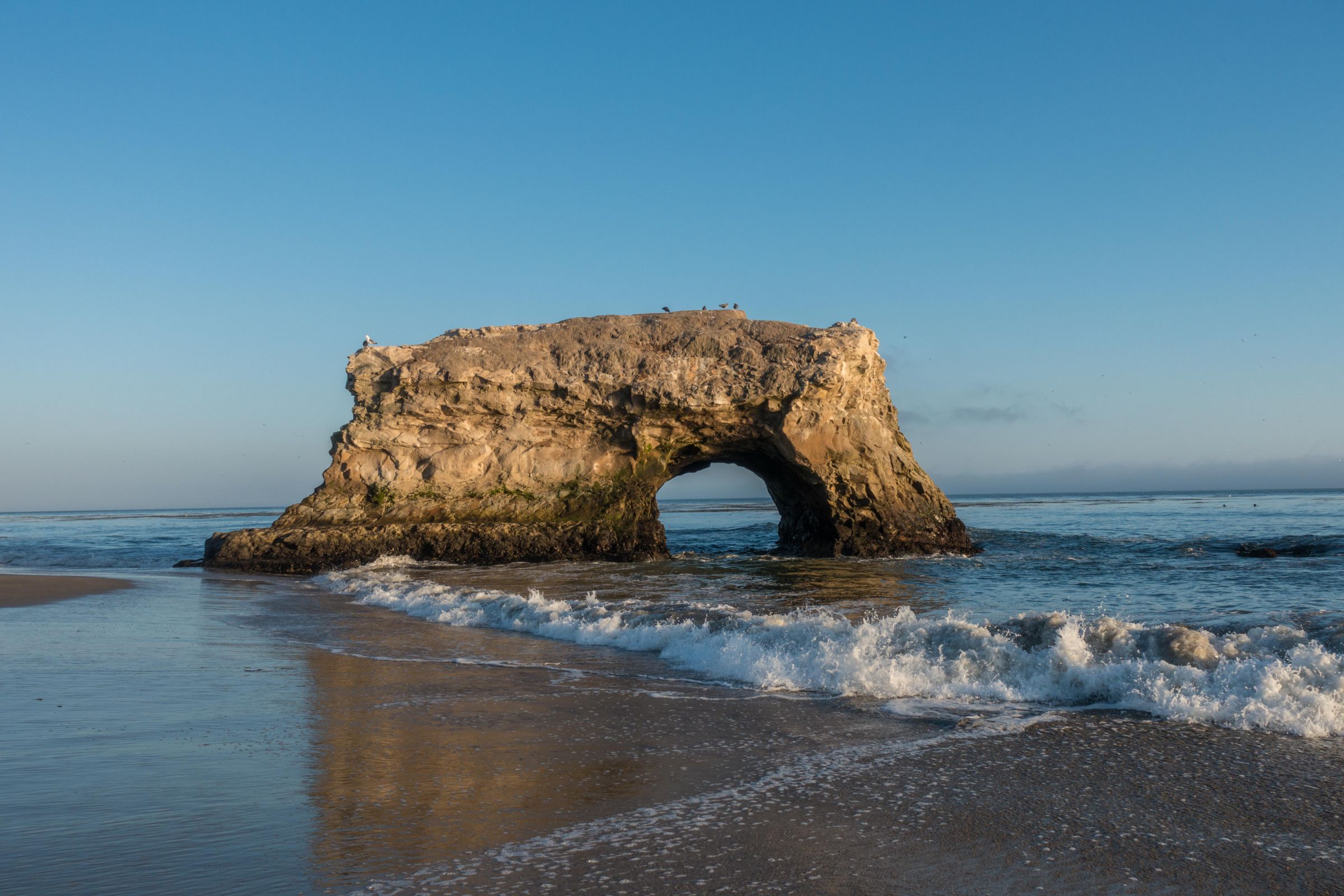
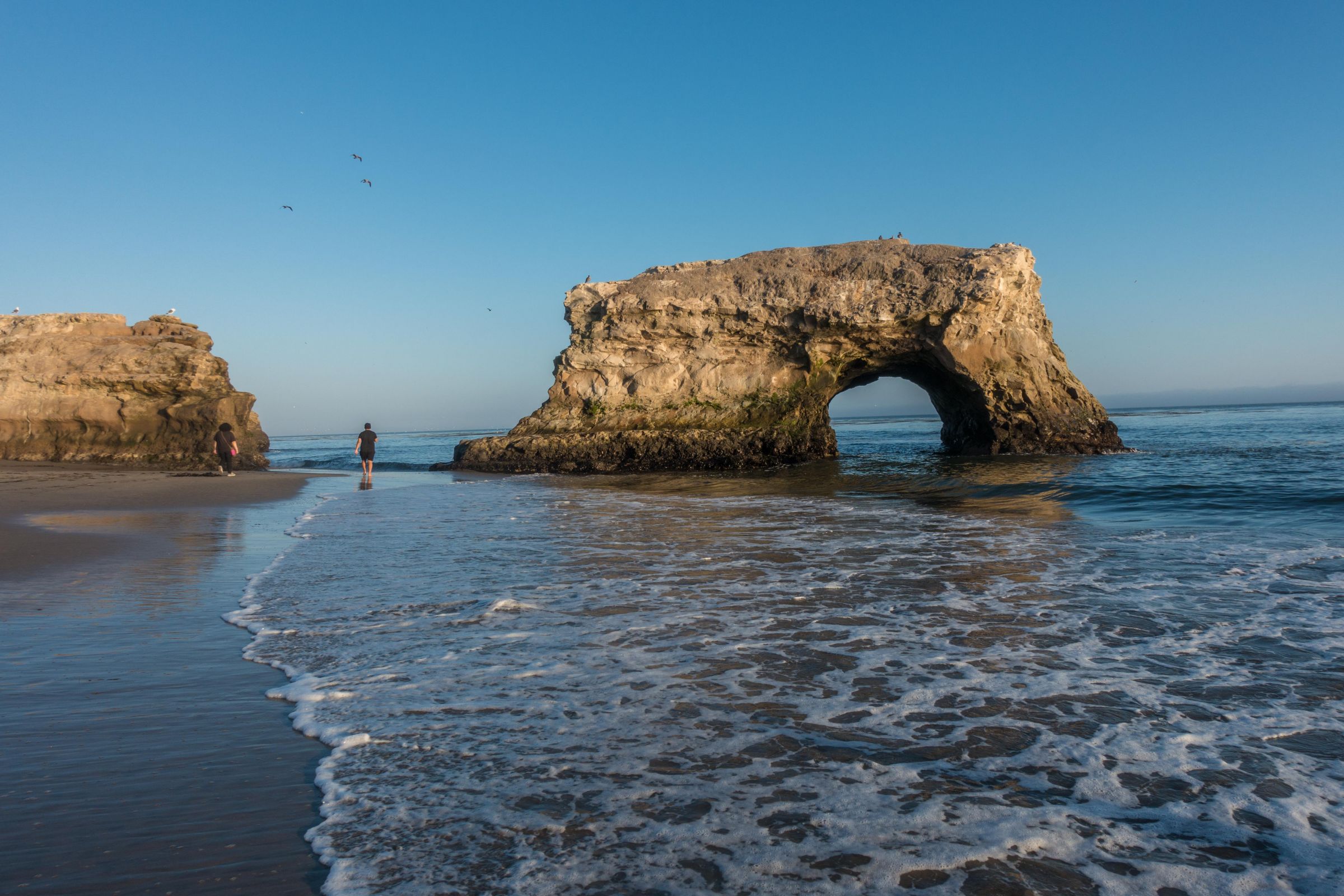
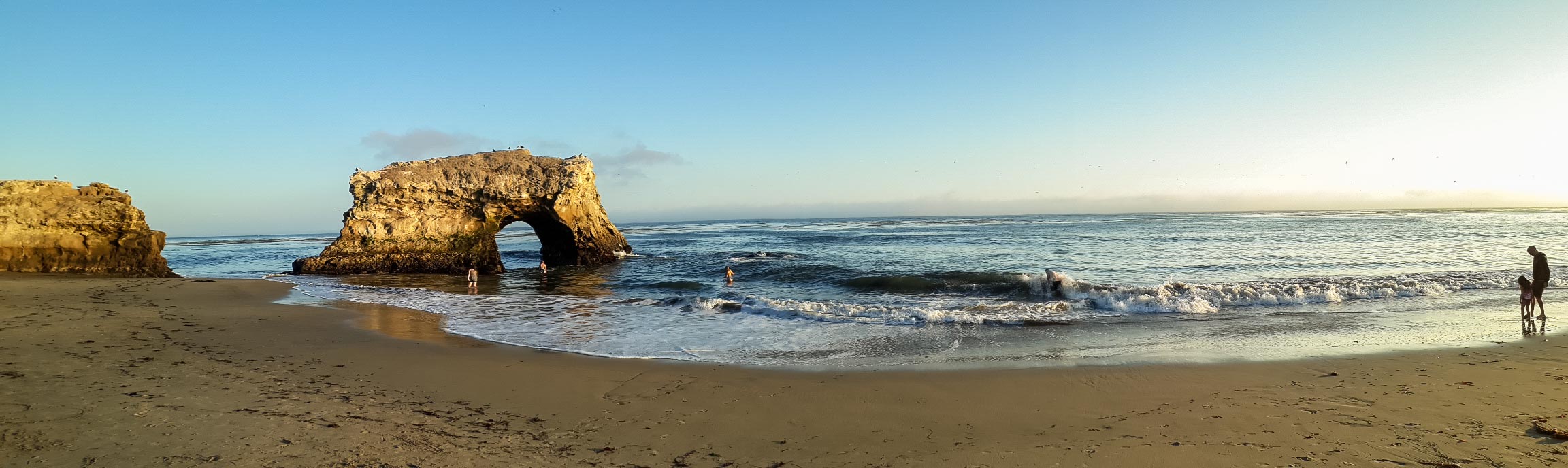
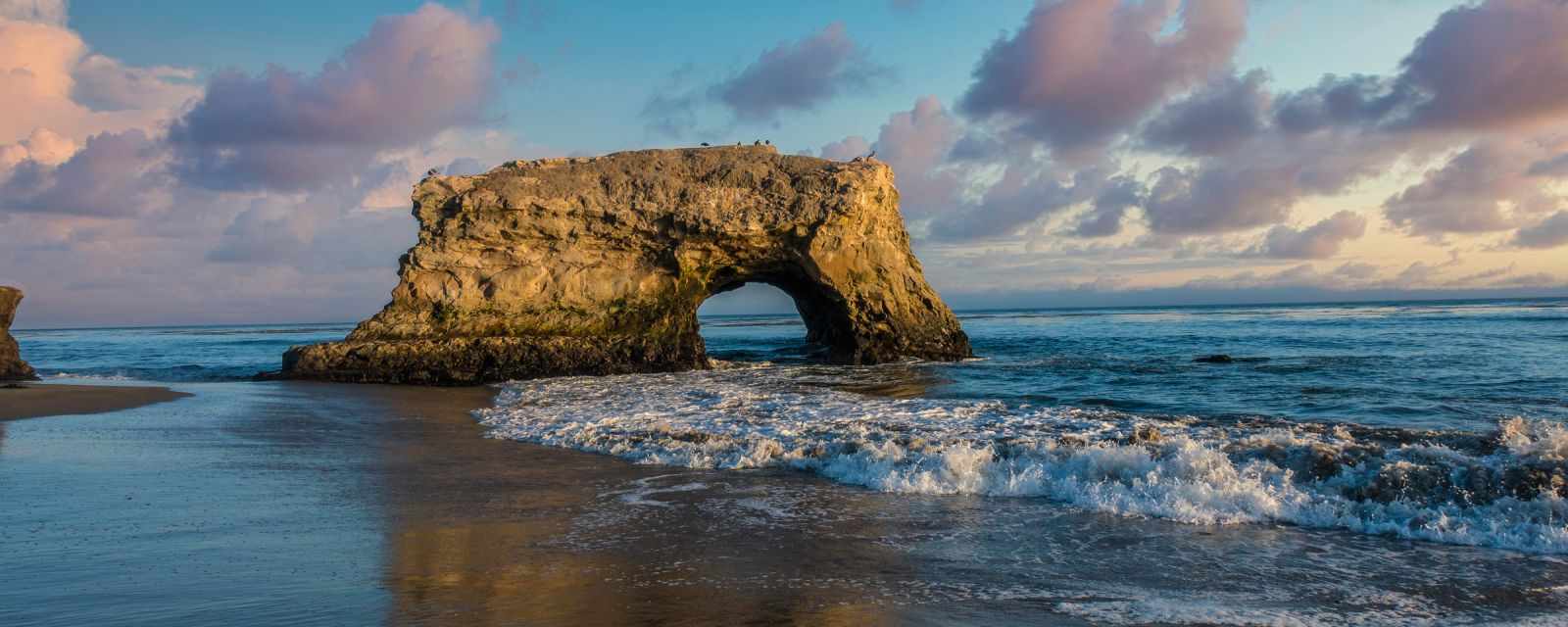
Natural Bridges State Beach in Santa Cruz is best known for its colorful tide pools, the iconic sea arch, and its seasonal Monarch butterfly grove. The small beach is popular for swimming in summer, with lifeguards on duty during the day, but the real highlight appears at low tide — especially during King Tide, when the water drops so far that the arch is surrounded by only about a foot of water. This is the perfect time to spot sea stars, anemones, crabs, and other marine life.
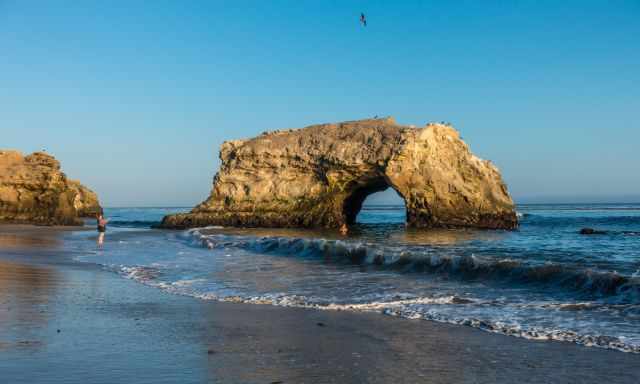
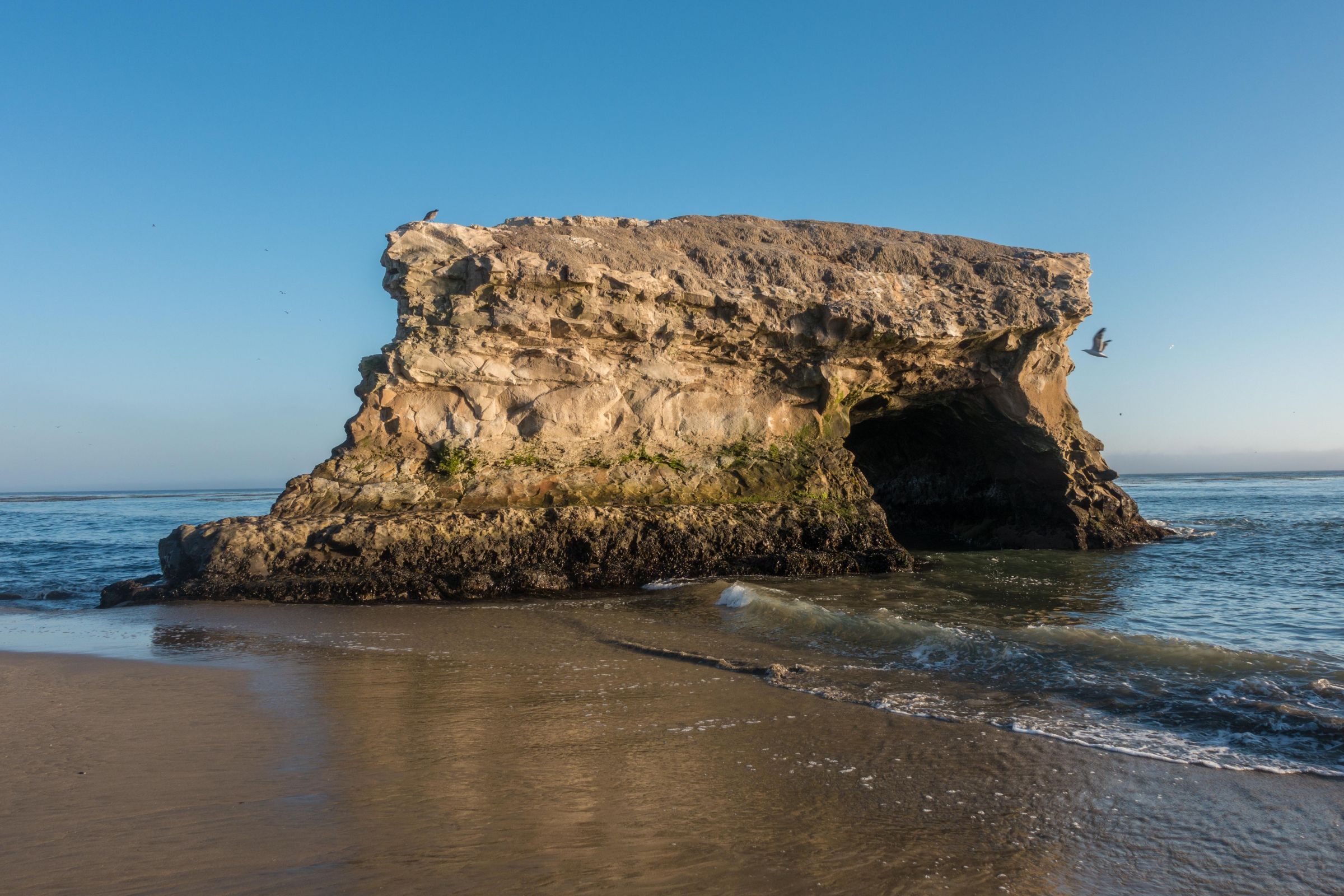
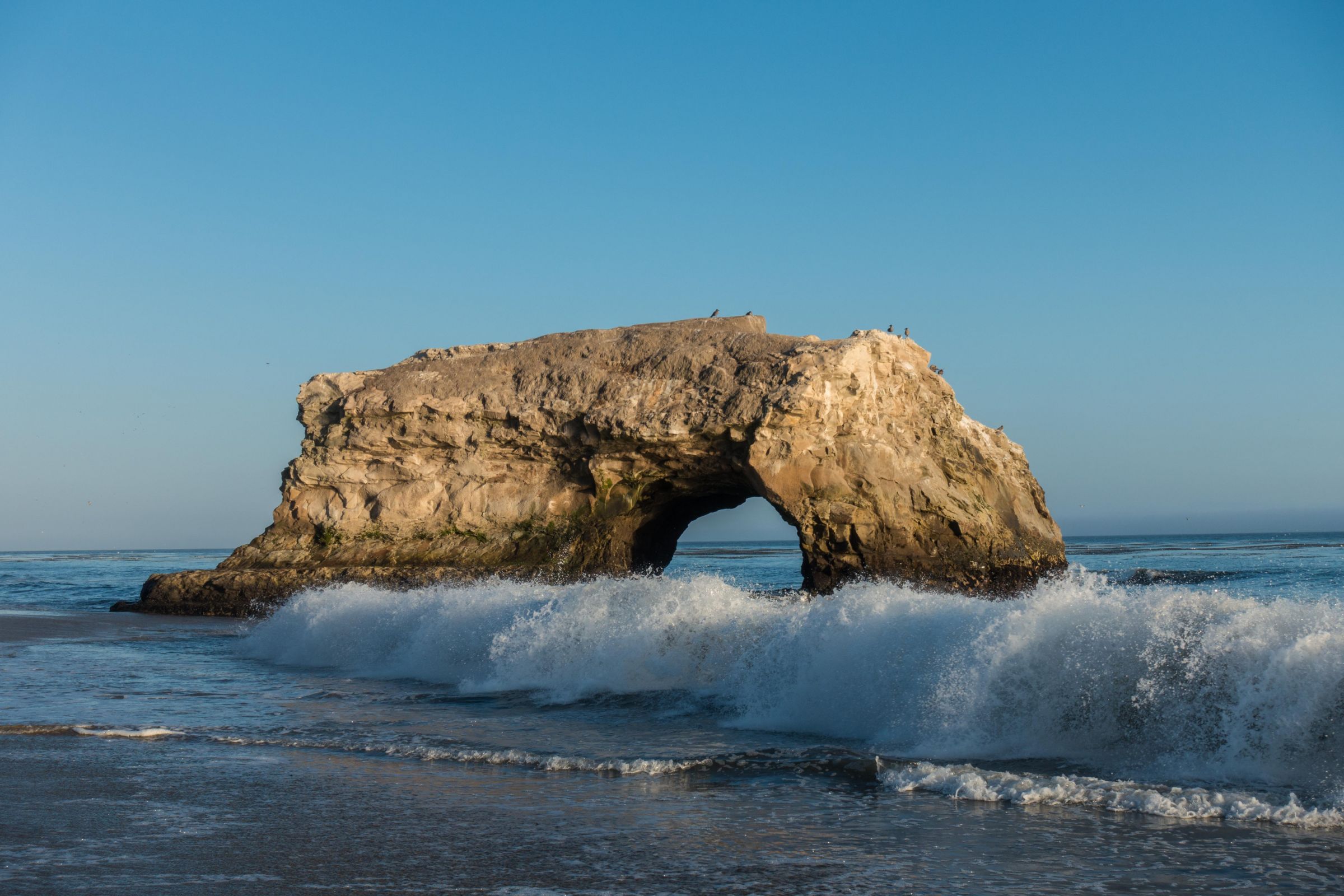
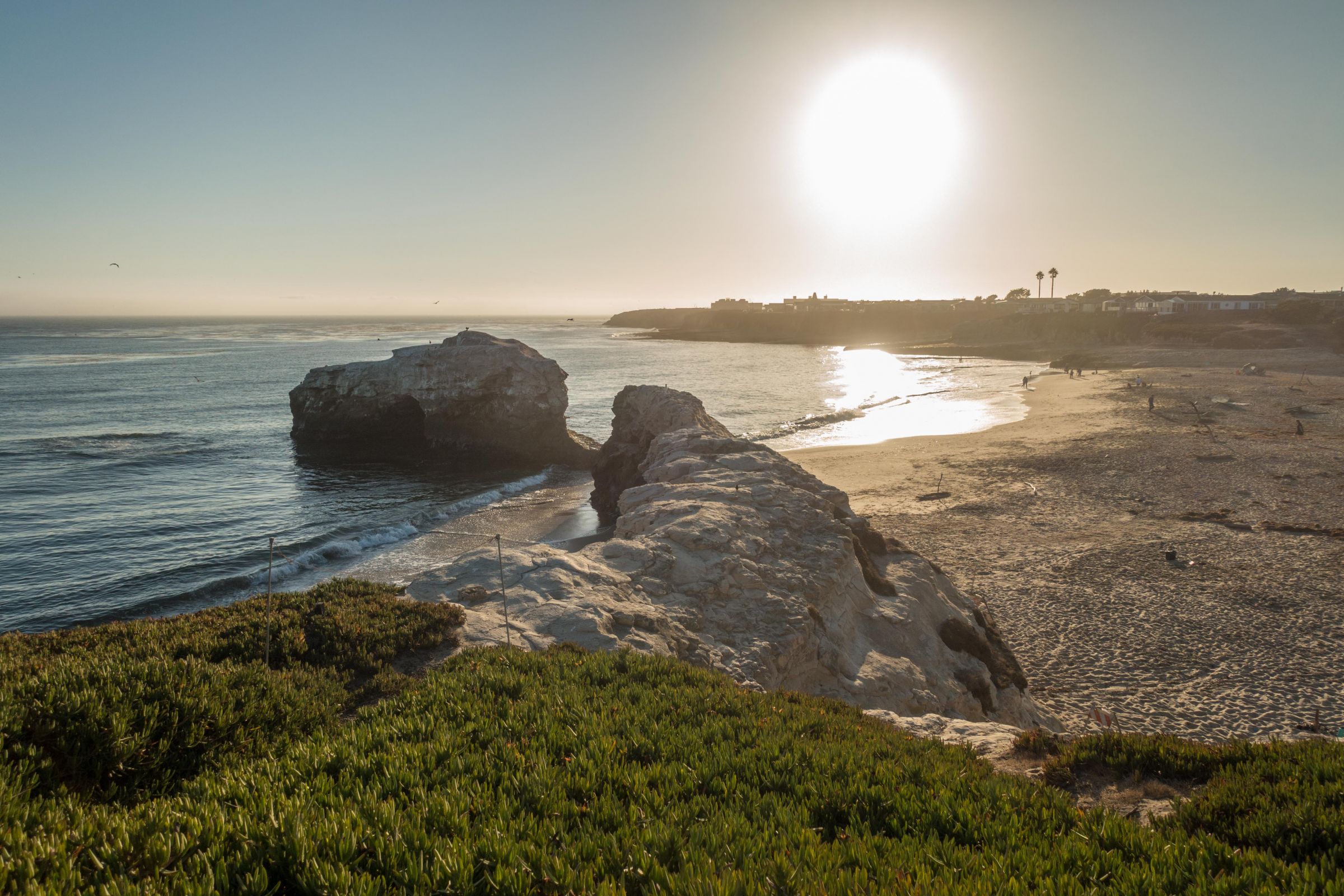
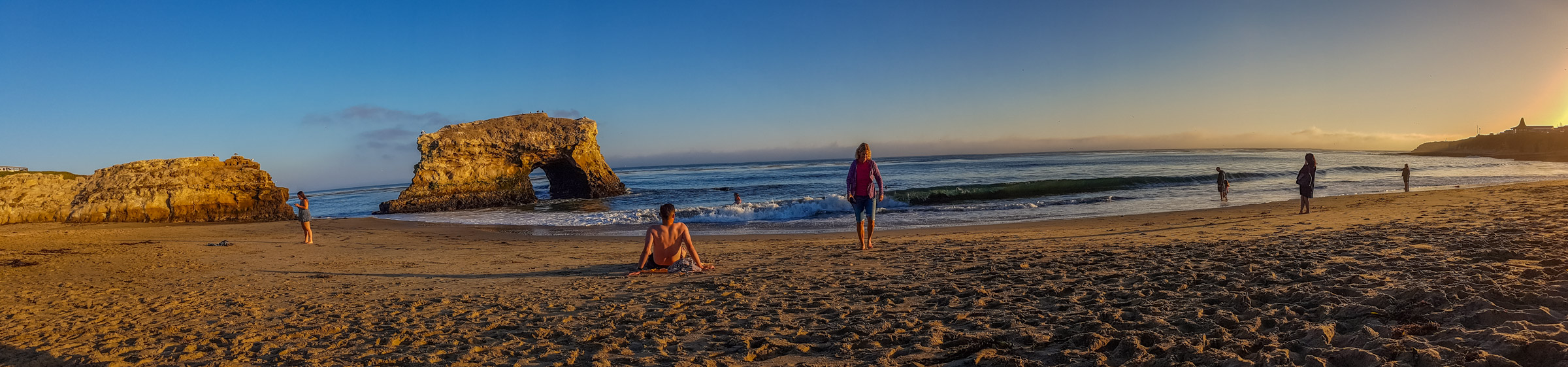
The beach is quieter in the evening and absolutely stunning at sunset, when the arch glows in warm light. Natural Bridges is a compact but beautiful state beach, ideal for a short visit or a full day of exploring. The name comes from the three natural bridges that once stood here; only the middle one remains today after storms collapsed the others.
Wildlife is abundant: pelicans and shorebirds are common, and lucky visitors may spot otters, seals, or even migrating whales from the short‑term parking lot.
Natural Bridges State Beach Opening Hours
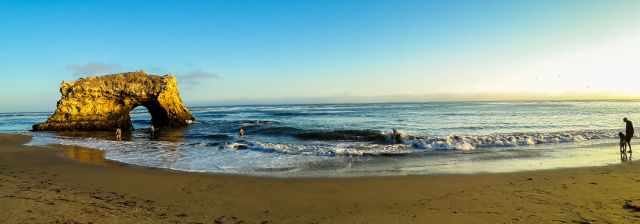
Natural Bridges State Beach is open daily from 8 a.m. until sunset, giving you plenty of time to explore the tide pools at low tide or enjoy the beach in the evening. The small visitor center is usually open from 10 a.m. to 4 p.m., offering information about the tide pools, wildlife, and the history of the sea arch.
Parking at Natural Bridges State Beach
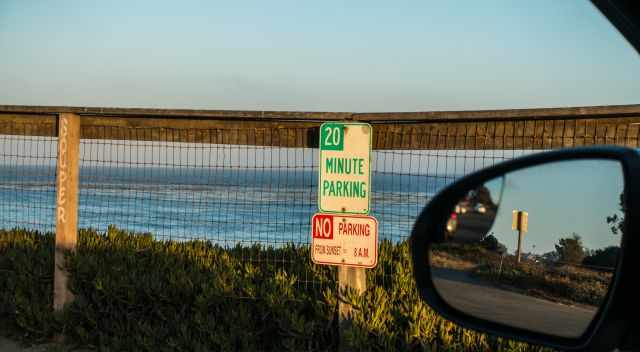
Parking at Natural Bridges is straightforward but limited, especially on summer weekends. A small 20‑minute short‑term parking area sits directly in front of the beach — perfect for quick photo stops or drop‑offs. For longer visits, the main parking lot near the visitor center offers day‑use parking for a $10 State Beach fee.
If the lots are full, you can usually find free street parking outside the entrance or along the shoulder before the kiosk. Arrive early on weekends or during tide‑pool season, as the area fills quickly when low tide aligns with good weather.
Tide Pools at Natural Bridges State Beach
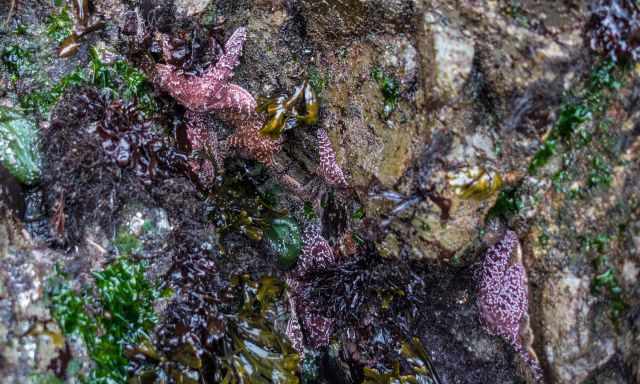
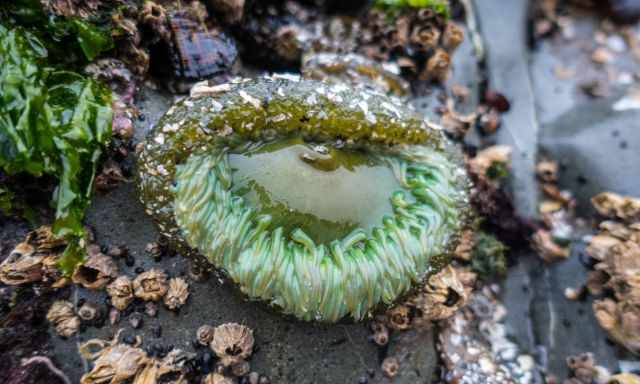
The tide pools at Natural Bridges are one of the park’s biggest highlights and the best place in Santa Cruz to see marine life up close. At low tide you can find giant green sea anemones, sea stars, crabs, mussels, barnacles, and sea urchins clinging to the rocks around the base of the arch. These pools are easy to access when the tide is low, and they become truly exceptional during King Tide or spring tide, when the water level drops dramatically and exposes far more of the rocky reef.
Other Highlights and Seasonal Events
King Tide: The Best Time for Tide Pooling
Walking around the base of the arch is only possible a few times a year during King Tide or extreme spring tides. King Tide is an astronomical phenomenon and occurs in
-
Always: December – January
-
Sometimes: late November or early February
when the sun and moon align and their combined gravitational pull creates the lowest low tides of the year.
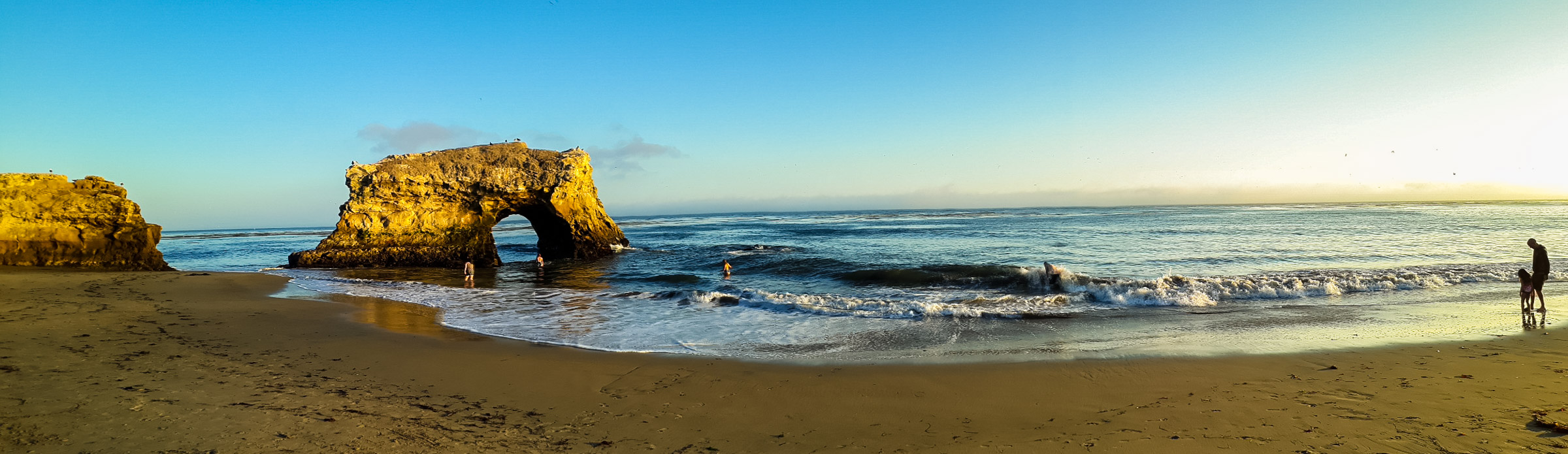
During these rare events of extreme low tides, the sea arch is surrounded by only about a foot of water, revealing marine creatures that are usually hidden beneath the waves. If tide pooling is your goal, King Tide offers the best conditions of the entire year. For the exact tide times at Natural Bridges, check out the tide chart so you can plan your visit around the best tide‑pooling window.
Swimming and Safety
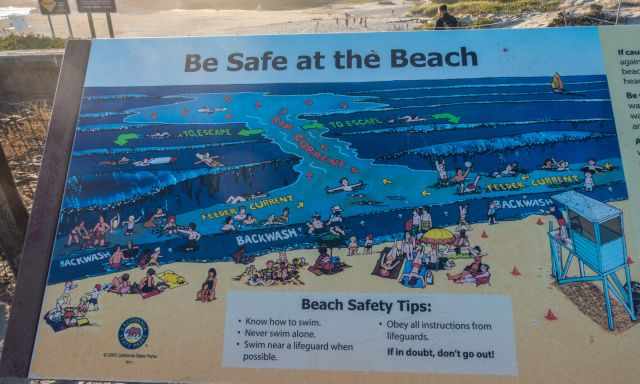
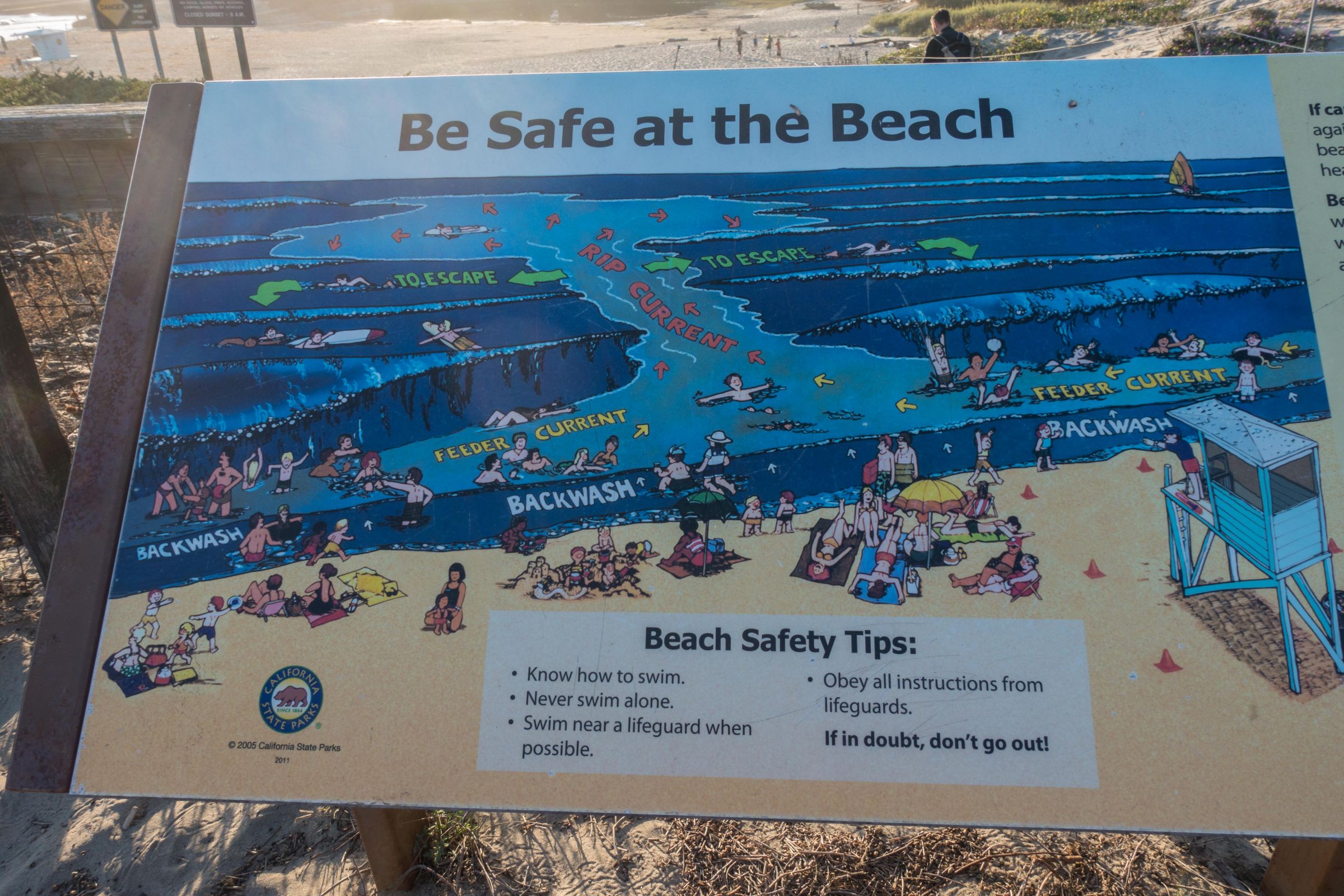
Natural Bridges is also a beautiful beach for swimming in summer, and lifeguards are on duty during the day. However, rip currents can occur, especially near the arch, so always check the safety signs before entering the water. Even in summer, the ocean stays cold at around 61°F / 16°C, which is too chilly for many visitors without a wetsuit.
Wildlife and Seasonal Highlights
- The second Saturday in February is dedicated to the annual whale migration, and you can sometimes spot gray whales from the short‑term parking lot.
- In spring, wildflowers bloom along the cliffs and trails.
- Pelicans, shorebirds, otters, and seals are often seen year‑round.
Monarch Butterfly Season at Natural Bridges
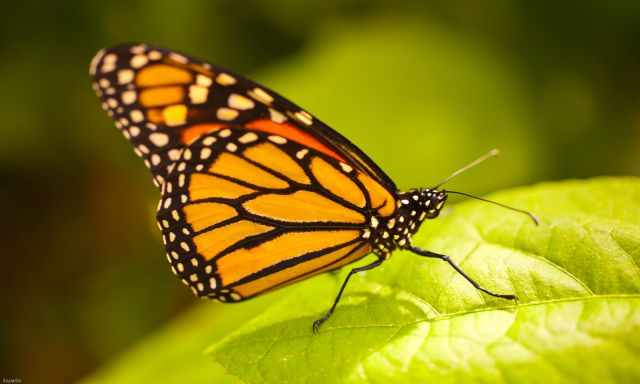
Natural Bridges State Beach is one of the most important wintering sites for Western Monarch butterflies along the California coast. From mid‑October to late January or early February, thousands of Monarchs cluster together in the eucalyptus grove, using the trees as shelter from wind, rain, and cold temperatures. On sunny days, they open their wings like tiny solar panels to warm up before taking flight — a beautiful sight for visitors.
Monarch Welcome Day
Every year on the second Sunday in October, the park hosts Monarch Welcome Day, a family‑friendly festival celebrating the arrival of the butterflies. The event usually runs from 11 a.m. to 4 p.m. and includes educational talks, activities for kids, and guided walks into the grove.
Why Monarchs Come to Natural Bridges
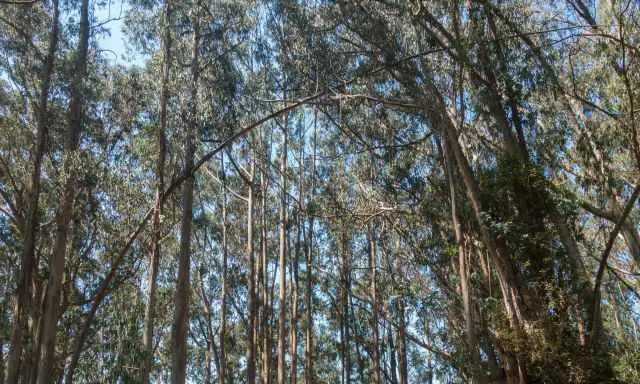
The mild coastal climate and the grove of eucalyptus trees create the perfect overwintering habitat. Monarchs cannot fly when temperatures drop below 55°F / 13°C, so they rely on sheltered, sun‑warmed areas like Natural Bridges to survive the winter months.
Milkweed, Nectar, and Survival
Monarchs feed on nectar from milkweed, the only plant where they lay their eggs. Milkweed contains natural toxins that accumulate in the caterpillars and adult butterflies, making them distasteful to predators — an essential survival strategy for this endangered species.
Population Trends
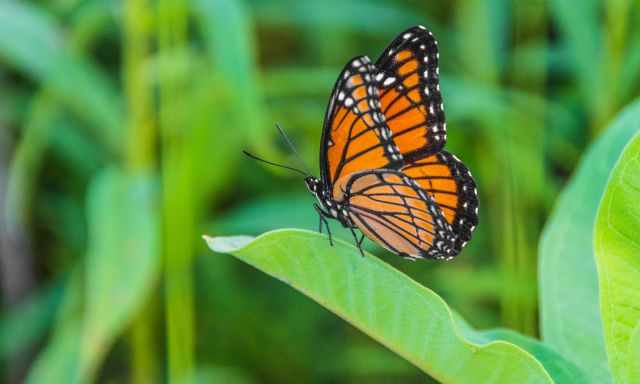
The Western Monarch population has faced dramatic declines over the past decades due to habitat loss, pesticides, and reduced milkweed availability. Numbers fluctuate each year, but recent counts show modest improvements compared to the historic lows of 2018–2020. While still endangered, the population has shown signs of recovery in some winters.
Guided Monarch Tours
During fall and winter, the park offers guided Monarch Butterfly Tours at 11 a.m. and 2 p.m., where rangers explain the migration, behavior, and conservation efforts. These tours are especially helpful for spotting clusters high in the eucalyptus canopy.
Weather and Sea Temperature
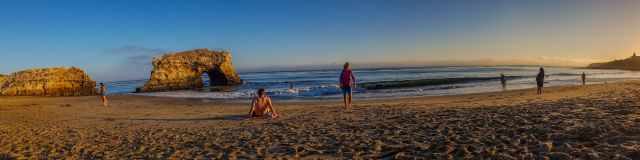
Summers (June–August) are dry and can be warm, with average daytime temperatures around 62°F / 17°C, occasionally rising to 86°F / 30°C. Winters (December–February) are mild and wetter, with average daytime temperatures around 50°F / 10°C. Most rainfall occurs in January and February, which also aligns with the King Tide season — the best time for tide pooling.
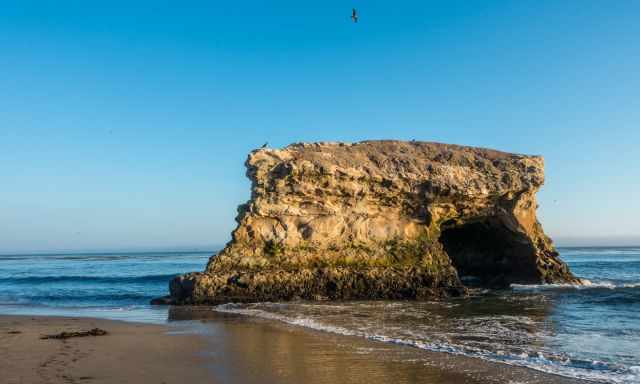
King Tide is an astronomical phenomenon that occurs in winter and early spring when the sun and moon align and their combined gravitational pull creates the highest high tides and the lowest low tides of the year. During these extreme low tides, the sea arch is surrounded by only about a foot of water, revealing marine creatures that are usually hidden beneath the waves.
For the exact tide times at Natural Bridges, scroll down to the tide chart so you can plan your visit around the best tide‑pooling window.
Wheelchair Accessibility at Natural Bridges State Beach
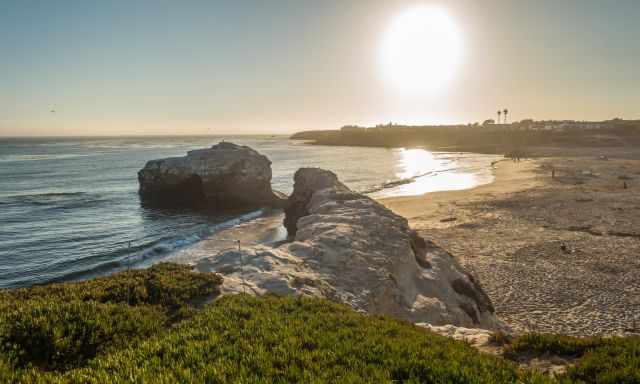
Natural Bridges State Beach has made significant improvements in recent years to become more accessible for all visitors. The main parking lot, visitor center entrance, picnic area, and restrooms have all been upgraded with accessibility in mind. A paved, wheelchair‑accessible path leads from the parking area toward the beach, offering easy access to the viewpoint and picnic tables.
Beach Wheelchairs
Beach wheelchairs are available free of charge at the visitor center. These chairs make it possible to reach the sand and enjoy the shoreline, even though the regular path does not extend all the way onto the beach. Availability can vary, so it’s best to request one early in the day.
Restrooms
Accessible restrooms are located near the main parking lot and the picnic area behind the beach. These facilities were part of the park’s accessibility upgrade and are suitable for most mobility needs.
General Accessibility Notes
- The path to the beach is smooth and suitable for wheelchairs and strollers.
- The sand is soft, so a beach wheelchair is recommended for reaching the shoreline.
- The visitor center is fully accessible and offers information about tide pooling, wildlife, and the history of the sea arch.
- Parking includes designated accessible spaces close to the main path.
Dogs at Natural Bridges State Beach
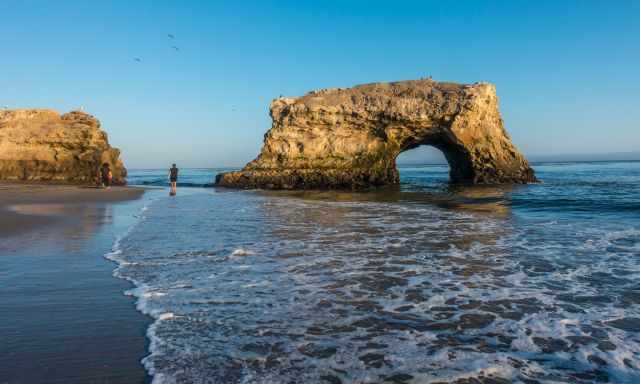
Dogs are not allowed on the beach or the trails at Natural Bridges State Beach. This restriction protects the sensitive coastal habitat, the tide‑pool ecosystem, and the wildlife that lives along the shoreline.
Dogs are only permitted in the parking areas and the picnic area, where they must remain on a leash at all times. These zones offer space for a short walk, but access to the sand, the arch, and the tide pools is strictly prohibited for pets.
If visitors want to explore the tide pools, the beach, or the Monarch Grove, they will need to leave their dog at home or arrange pet care, as there are no dog‑friendly coastal trails within the park.
Printable Park Map and Brochure - Download PDF
Traveling Highway 101?
Here are more of my favorite stops along the route:
👉 Explore all my Highway 101 guides here
Where to Stay Nearby
Camping is not allowed at Natural Bridges State Beach, but the nearby city of Santa Cruz offers a wide range of accommodations for every budget. Staying in Santa Cruz is ideal if you want to explore the tide pools at low tide, visit the Monarch Grove, or enjoy sunset at the sea arch without rushing back.
Thank you for booking through my website. Your support helps me keep these detailed travel guides free for everyone.
Best Months to Visit
Location and Tips

Natural Bridges once had three natural sea arches, carved over thousands of years by waves, wind, and saltwater eroding the softer coastal rock. The outer arch collapsed more than a century ago, and the inner arch fell during a powerful storm in 1980. Only the middle arch remains today, now known as Arch Rock. The same erosional forces that created these bridges are still at work and will eventually cause the last arch to collapse as well.