
When Is the Best Time
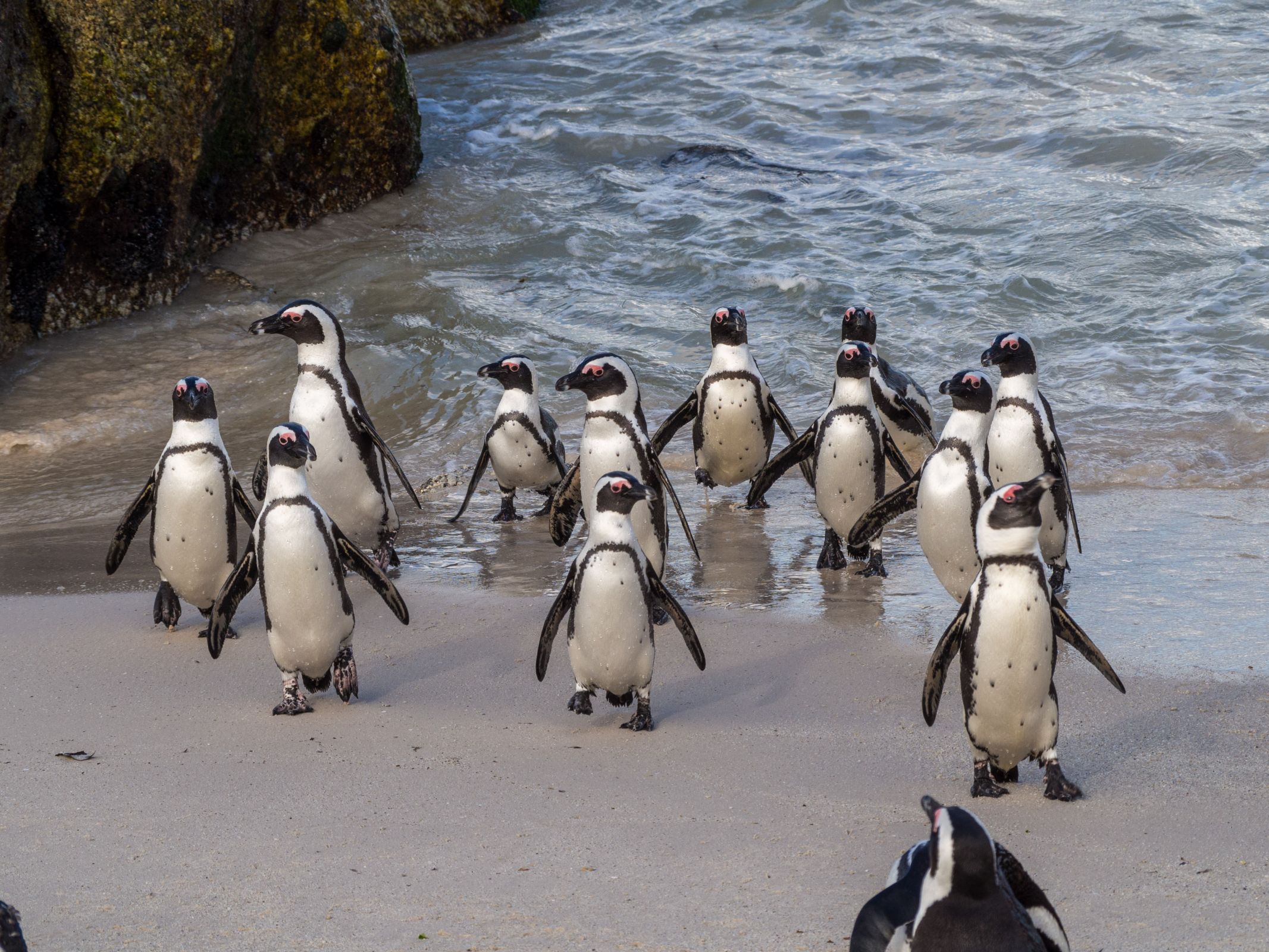
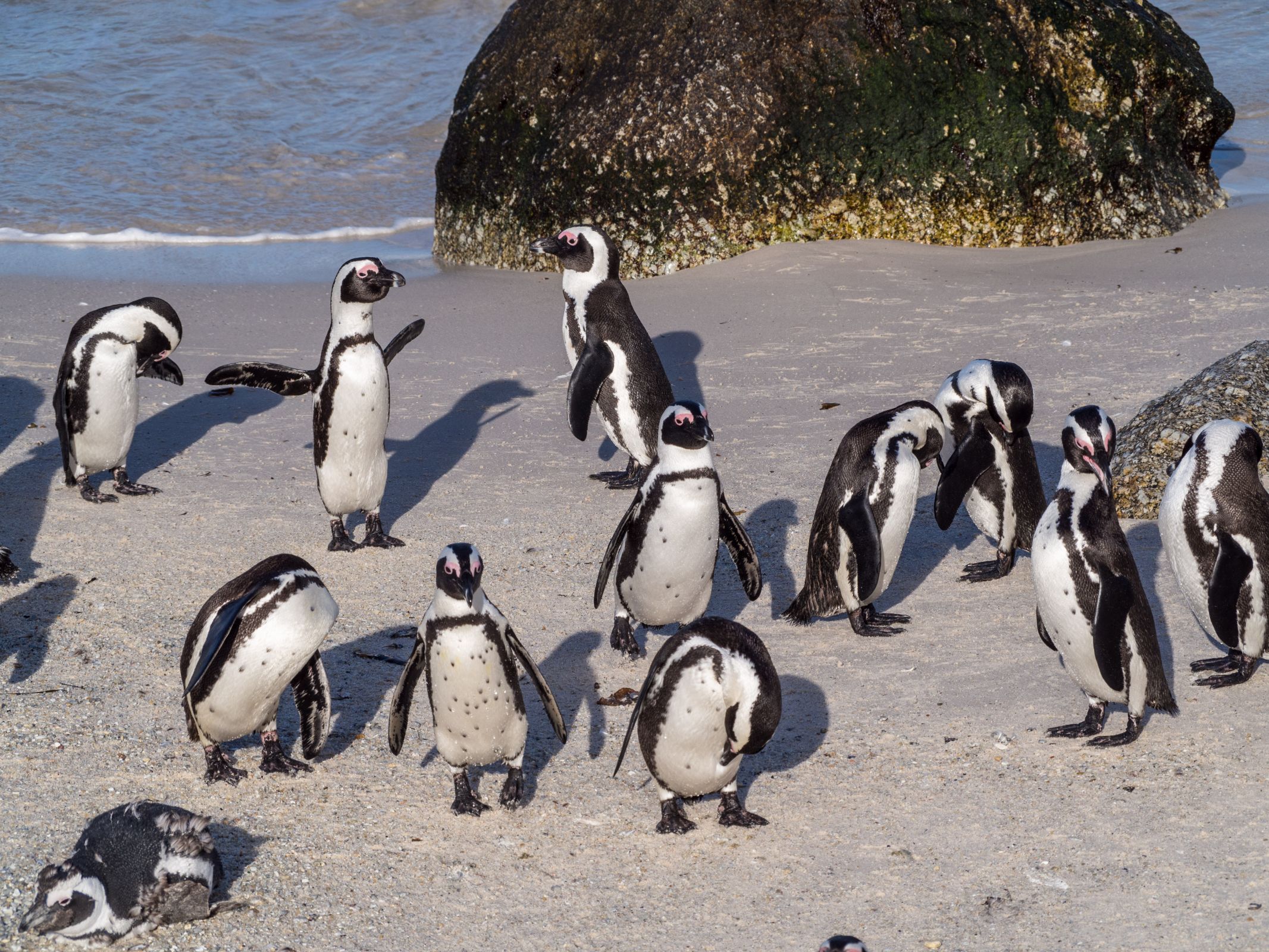
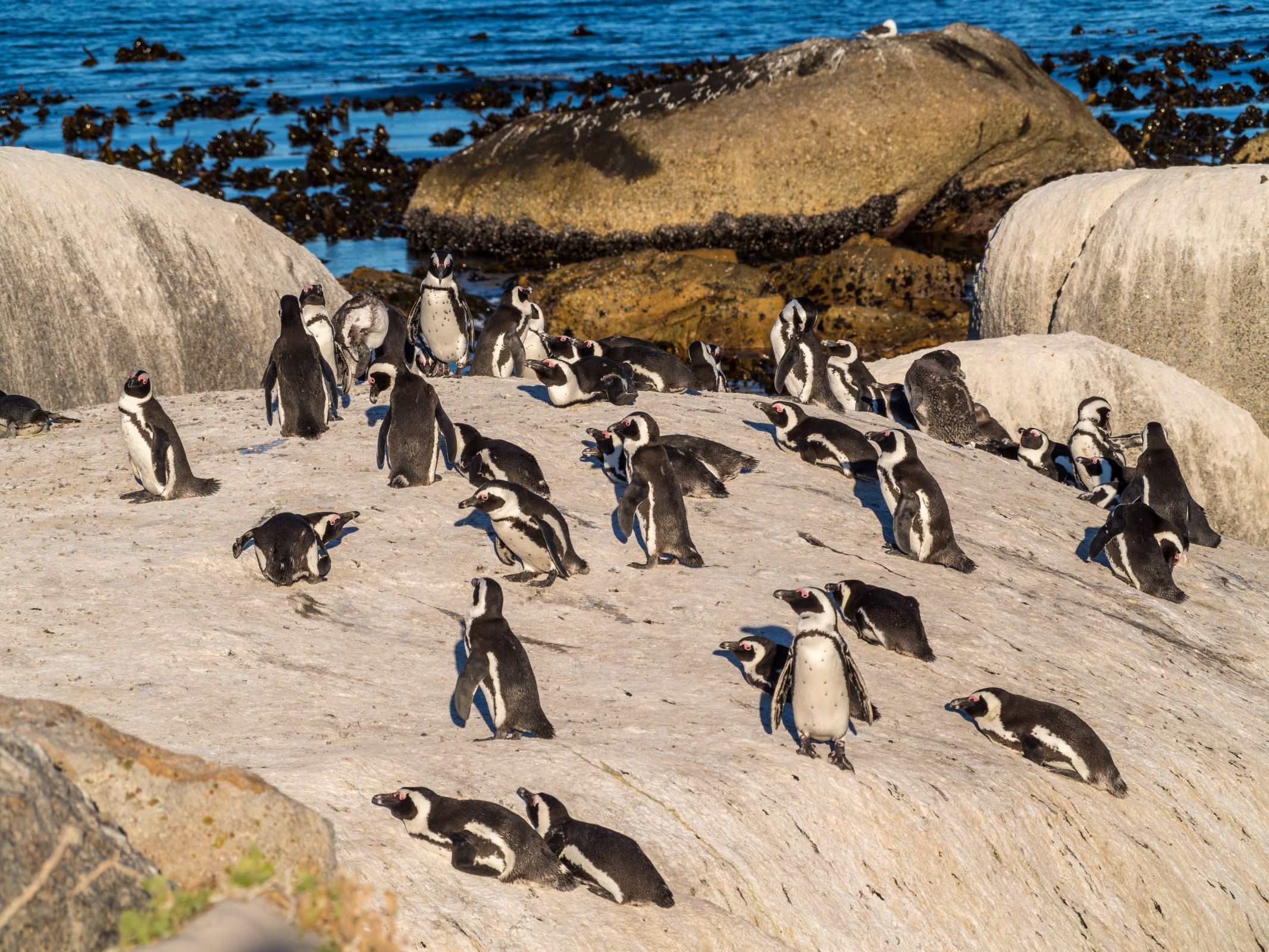
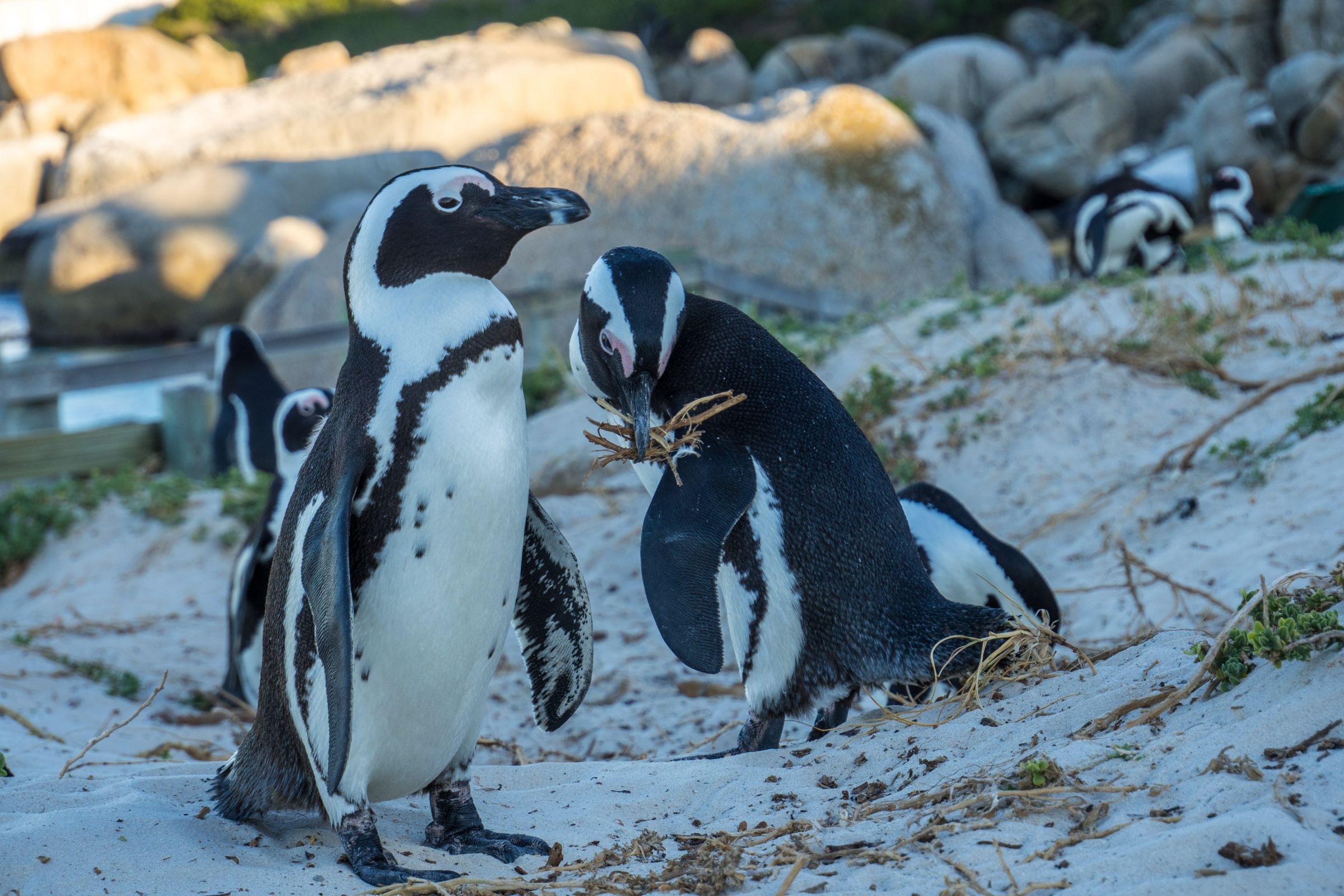
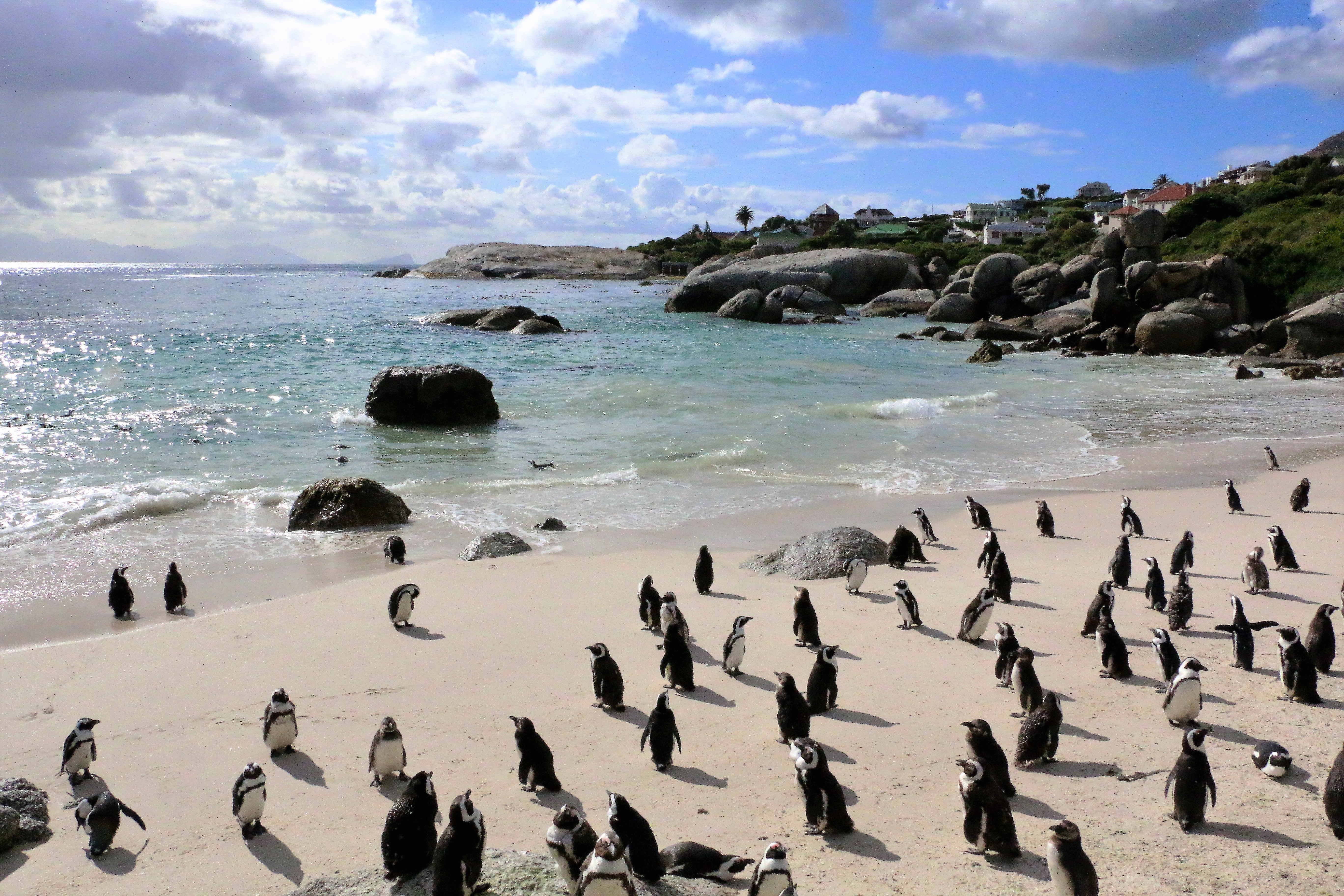
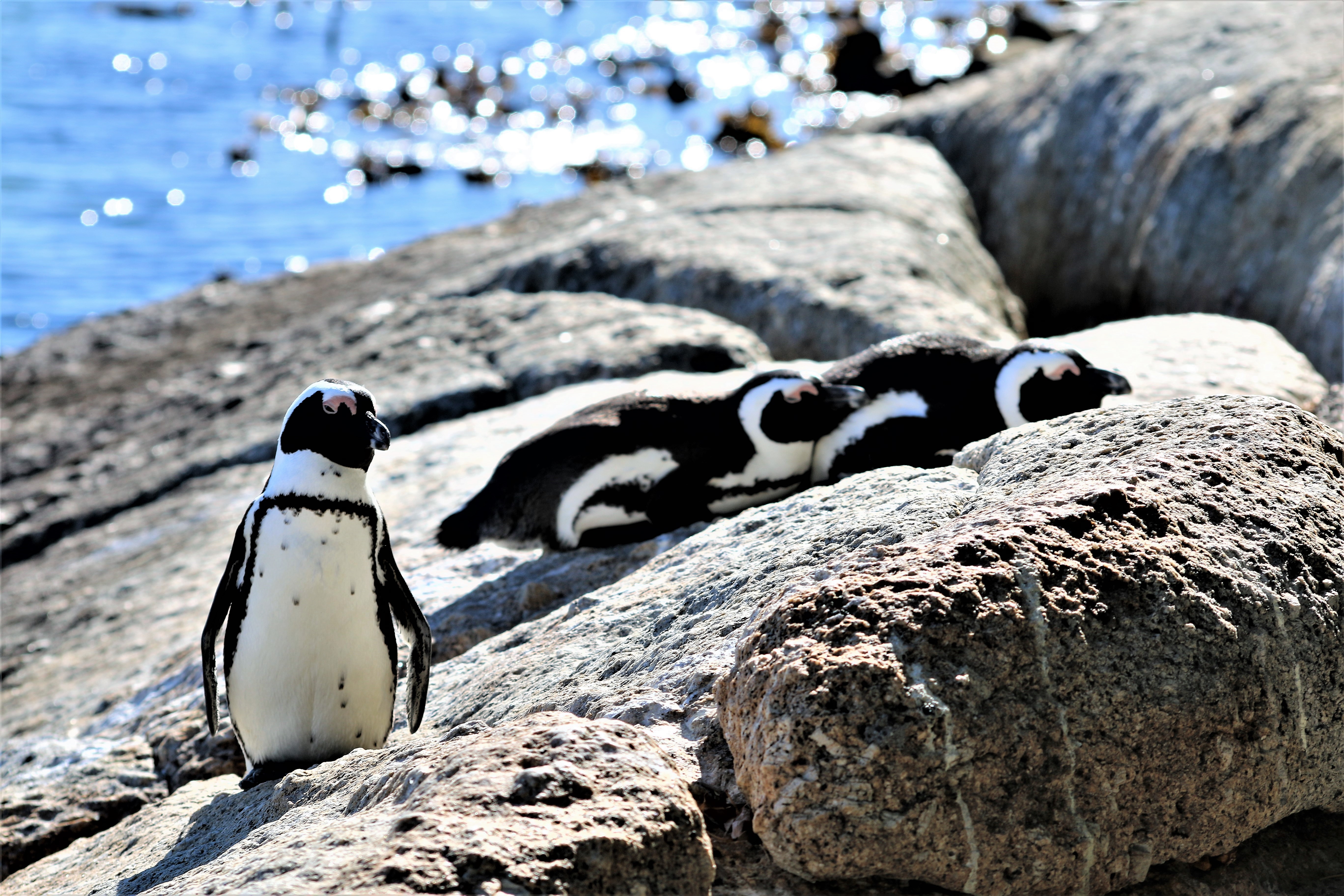
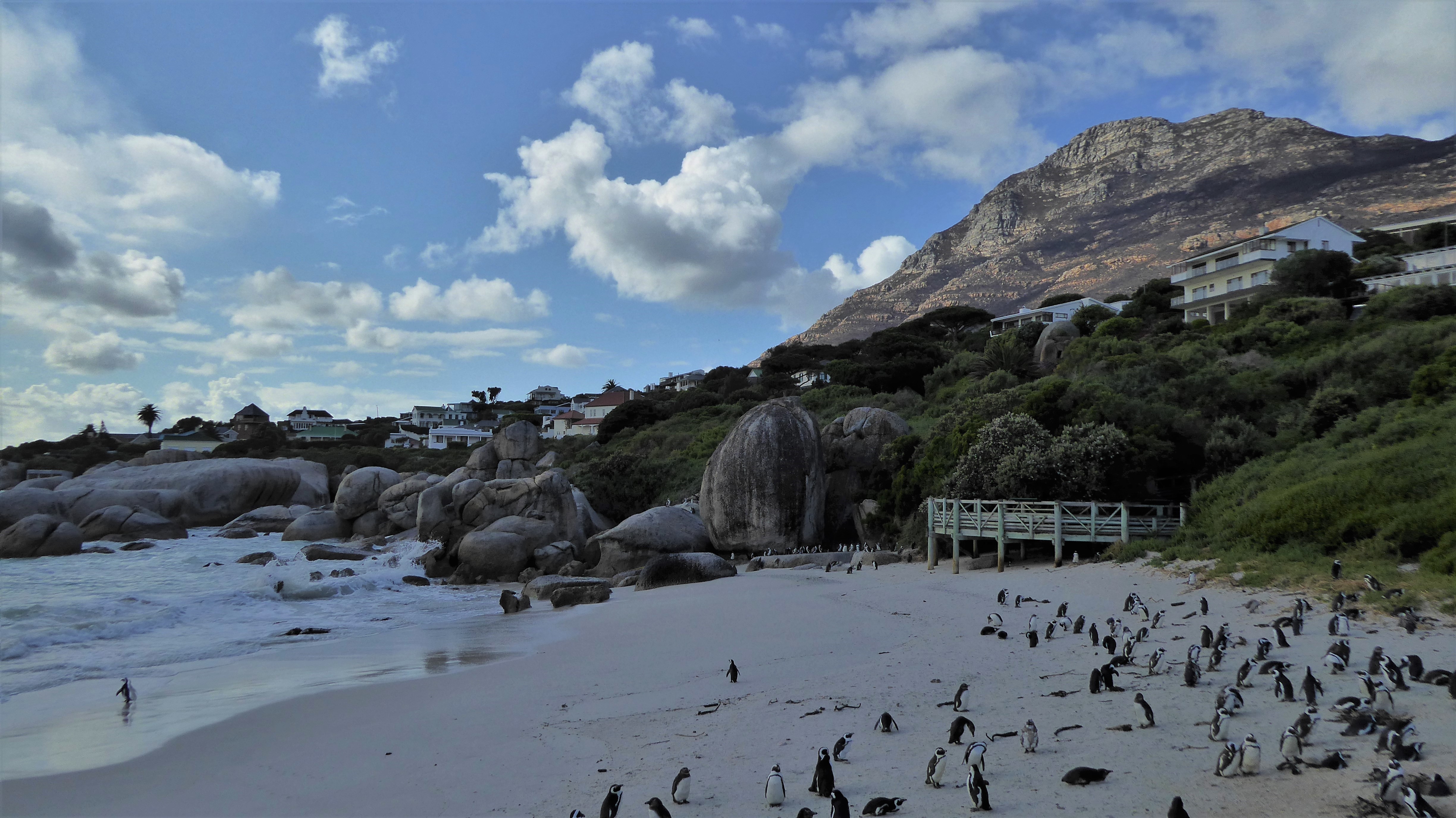
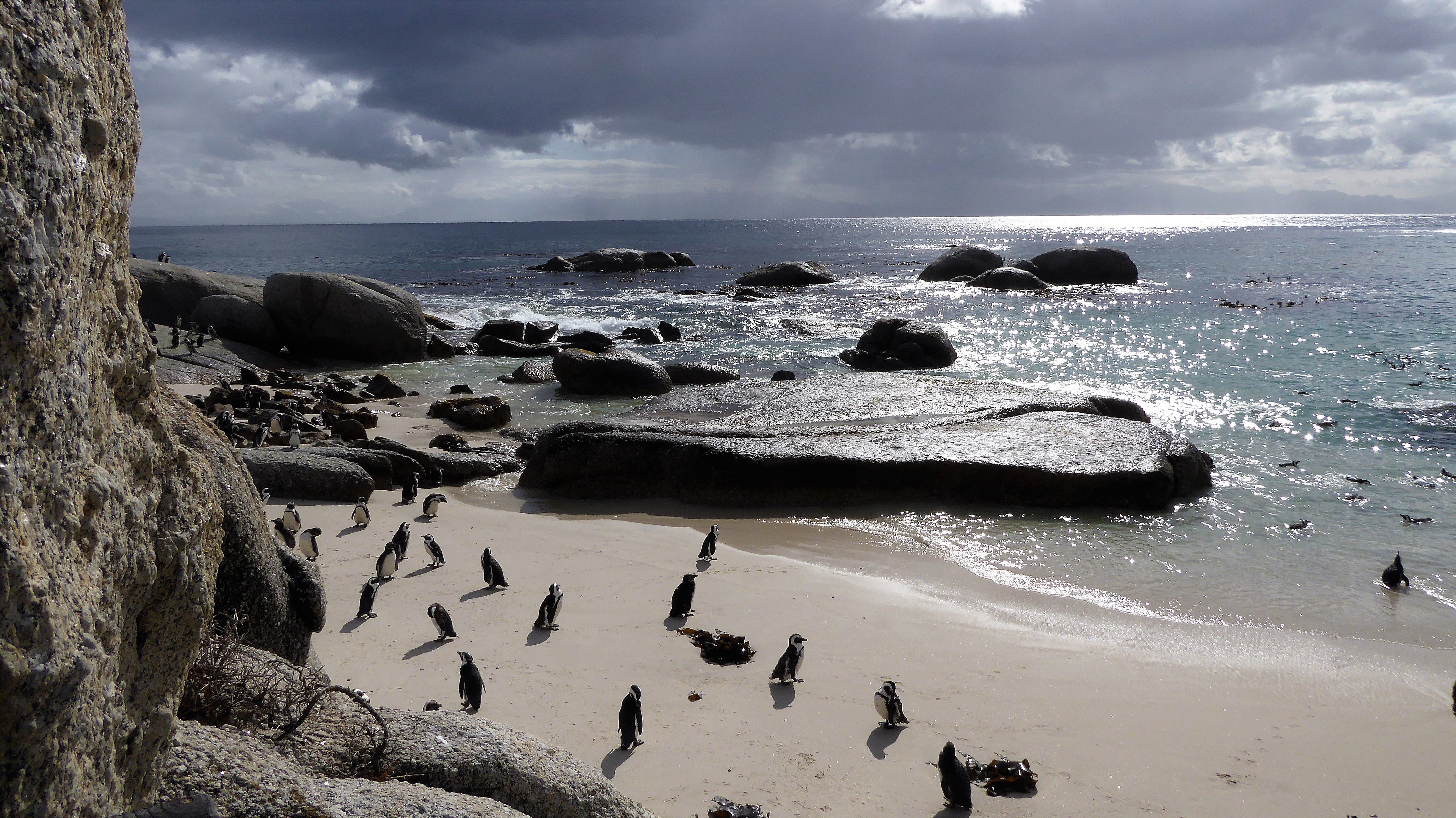
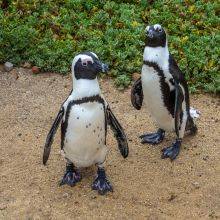
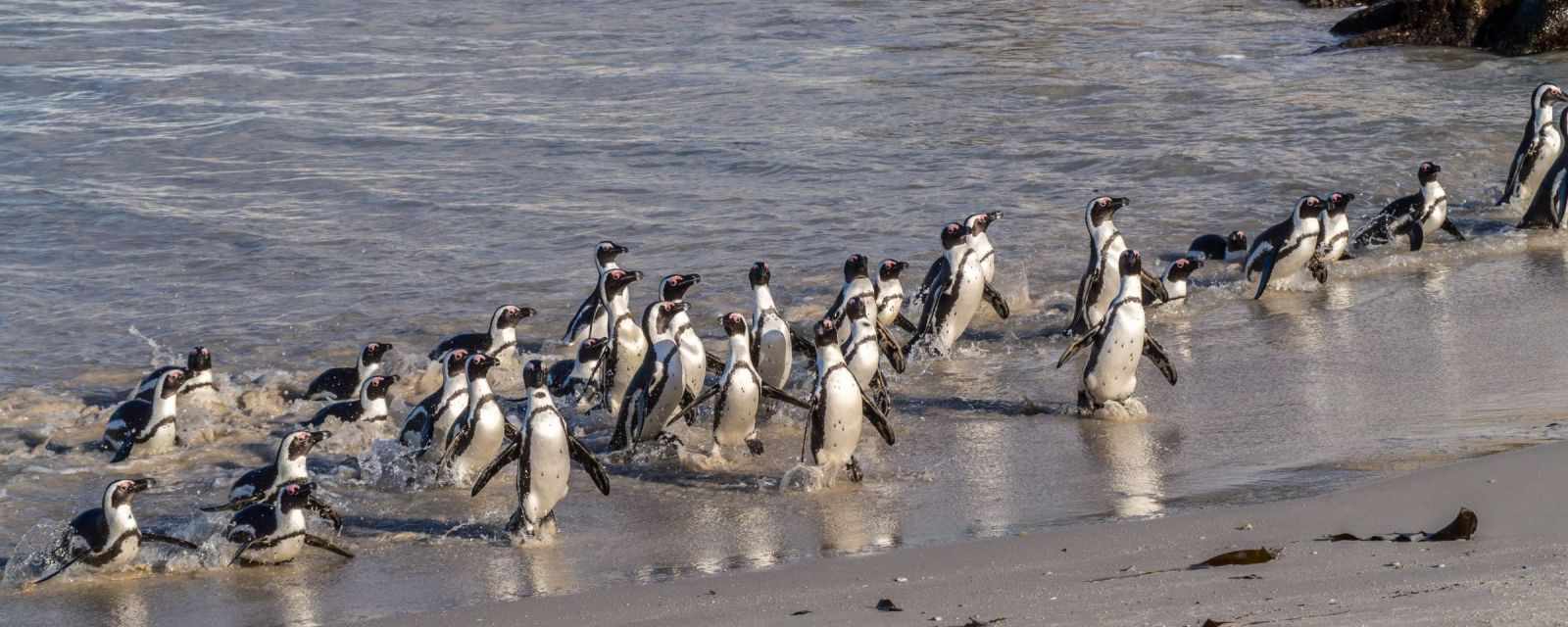
Boulders Beach is one of the most extraordinary places in the world to watch penguins in the wild. Although the area is known as Boulders Beach, the heart of the colony lies at nearby Foxy Beach, where most African Penguins nest, raise their chicks, and return from their daily foraging trips.
We’ve visited Boulders Beach many times over the years, and every visit feels special. Watching penguins waddle across the sand, call to their partners, or gather in the golden evening light is an unforgettable experience.
Why Boulders Beach Is a Year‑Round Penguin Destination
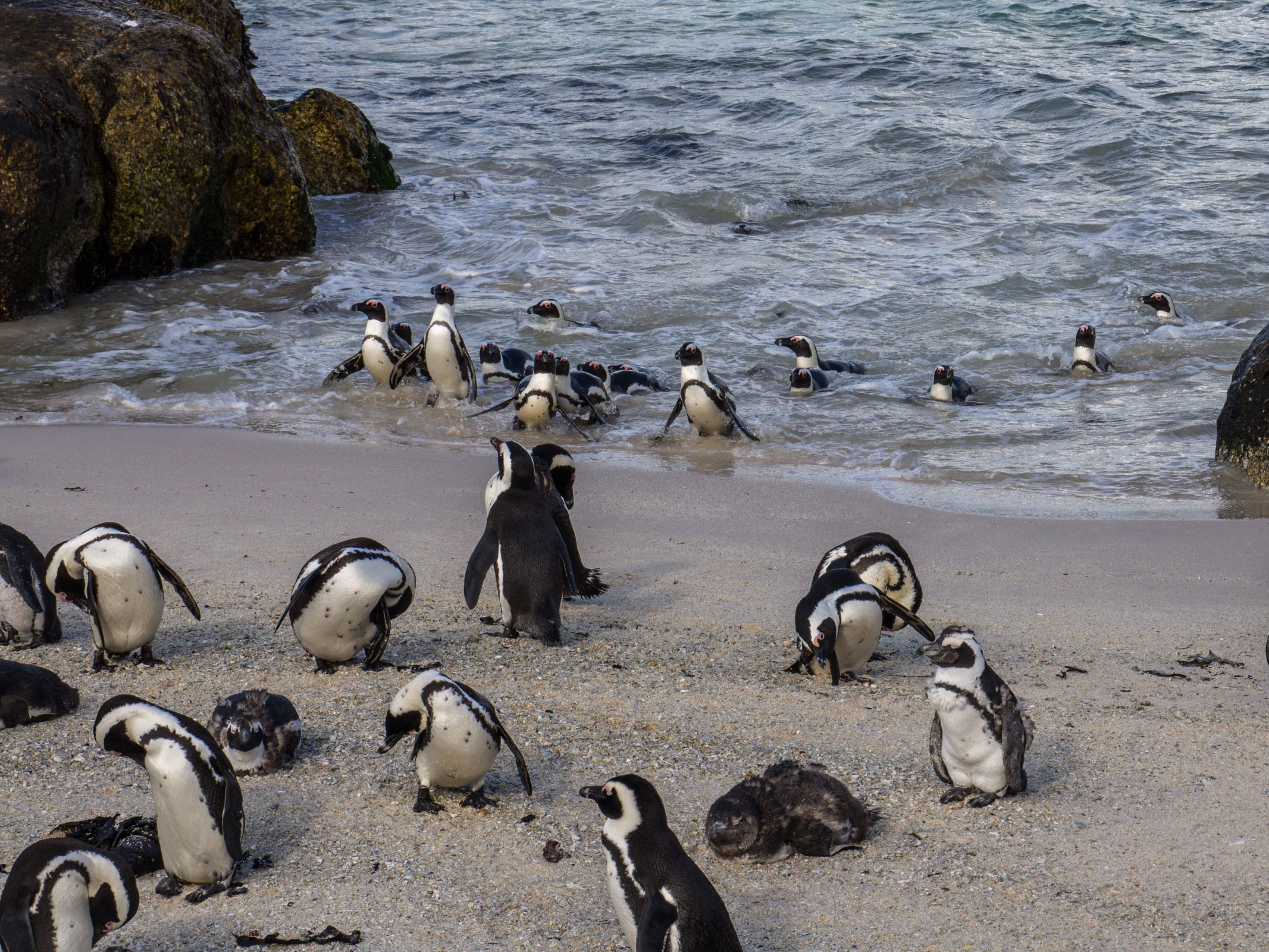
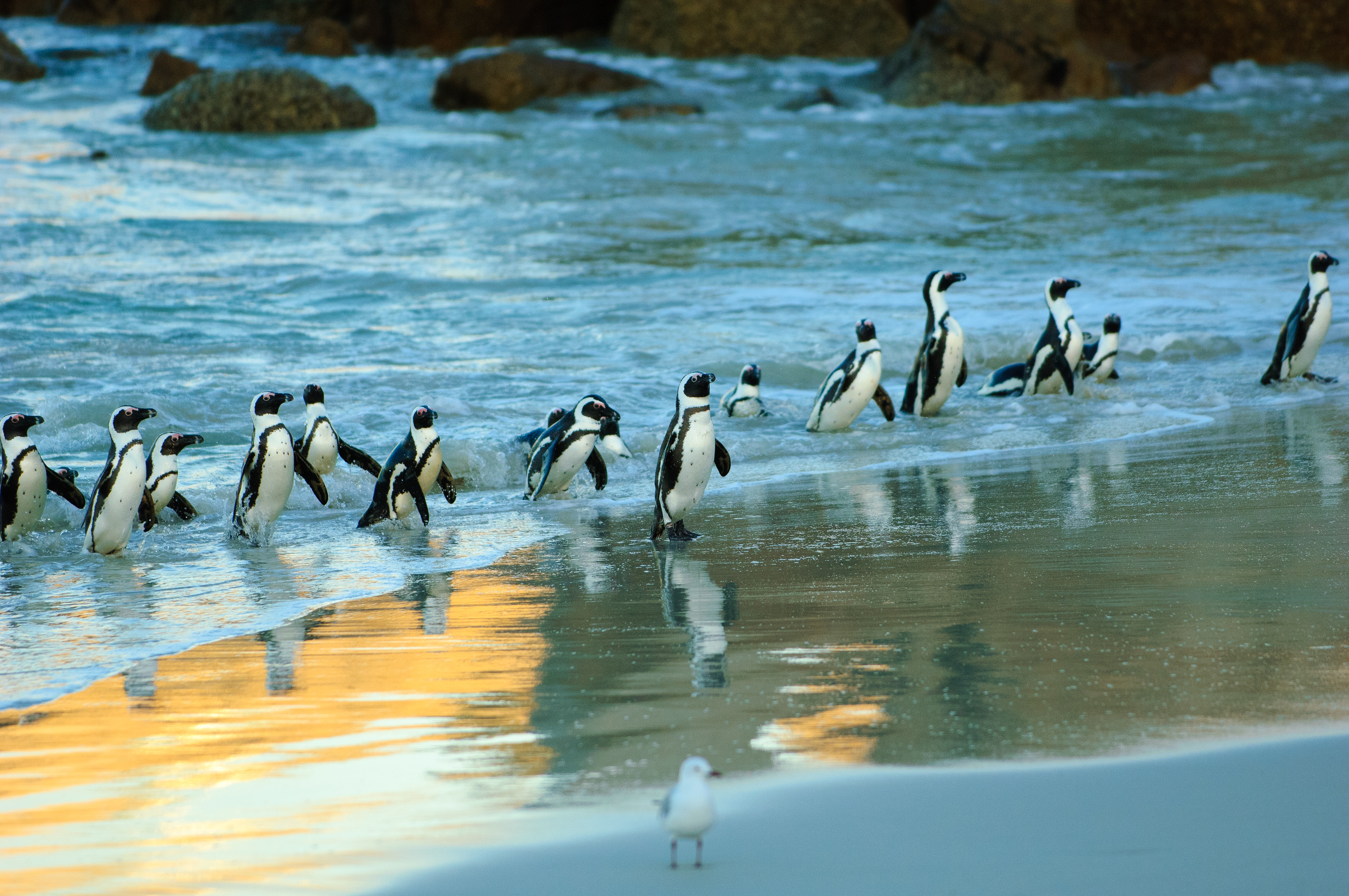
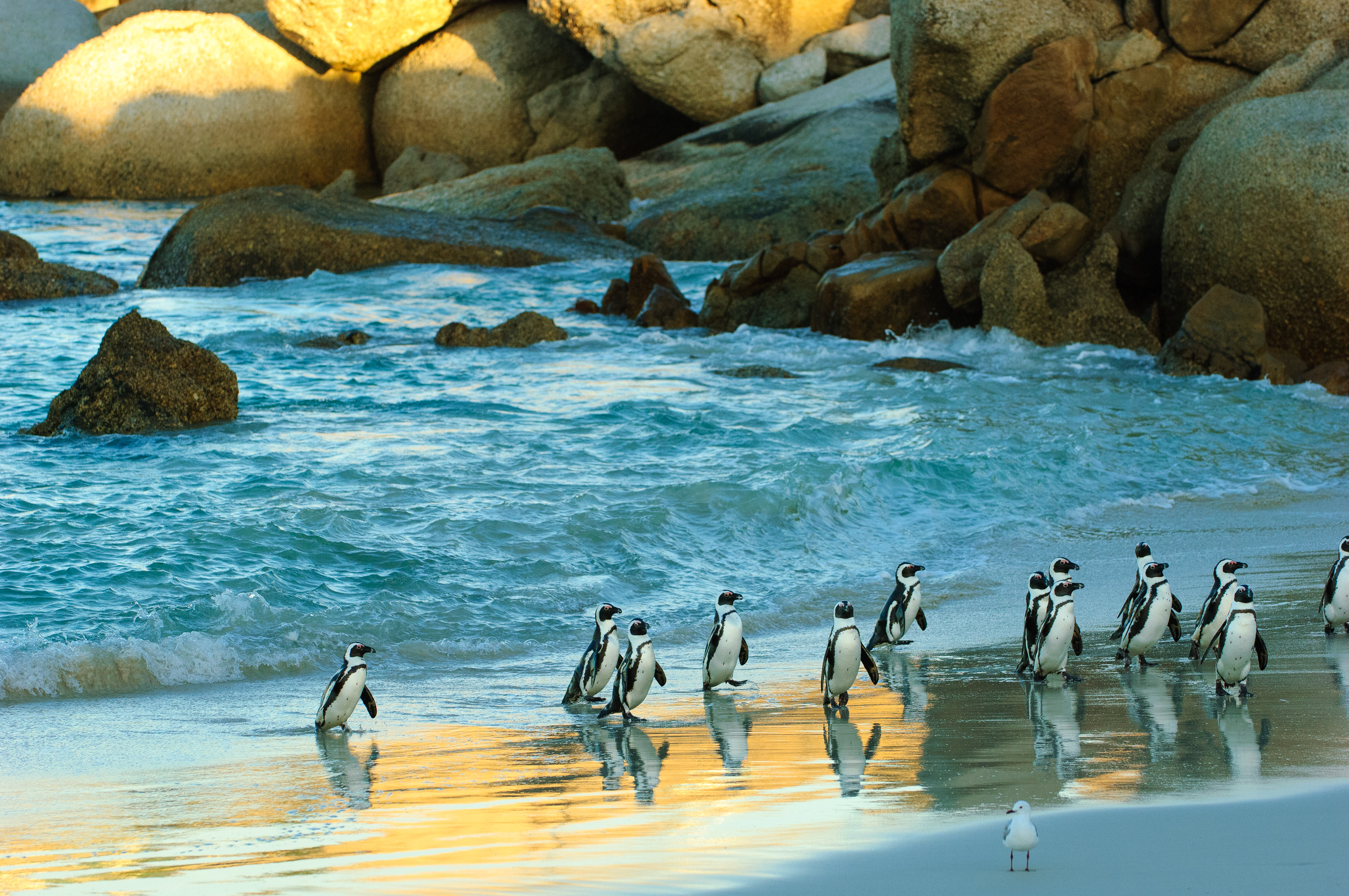
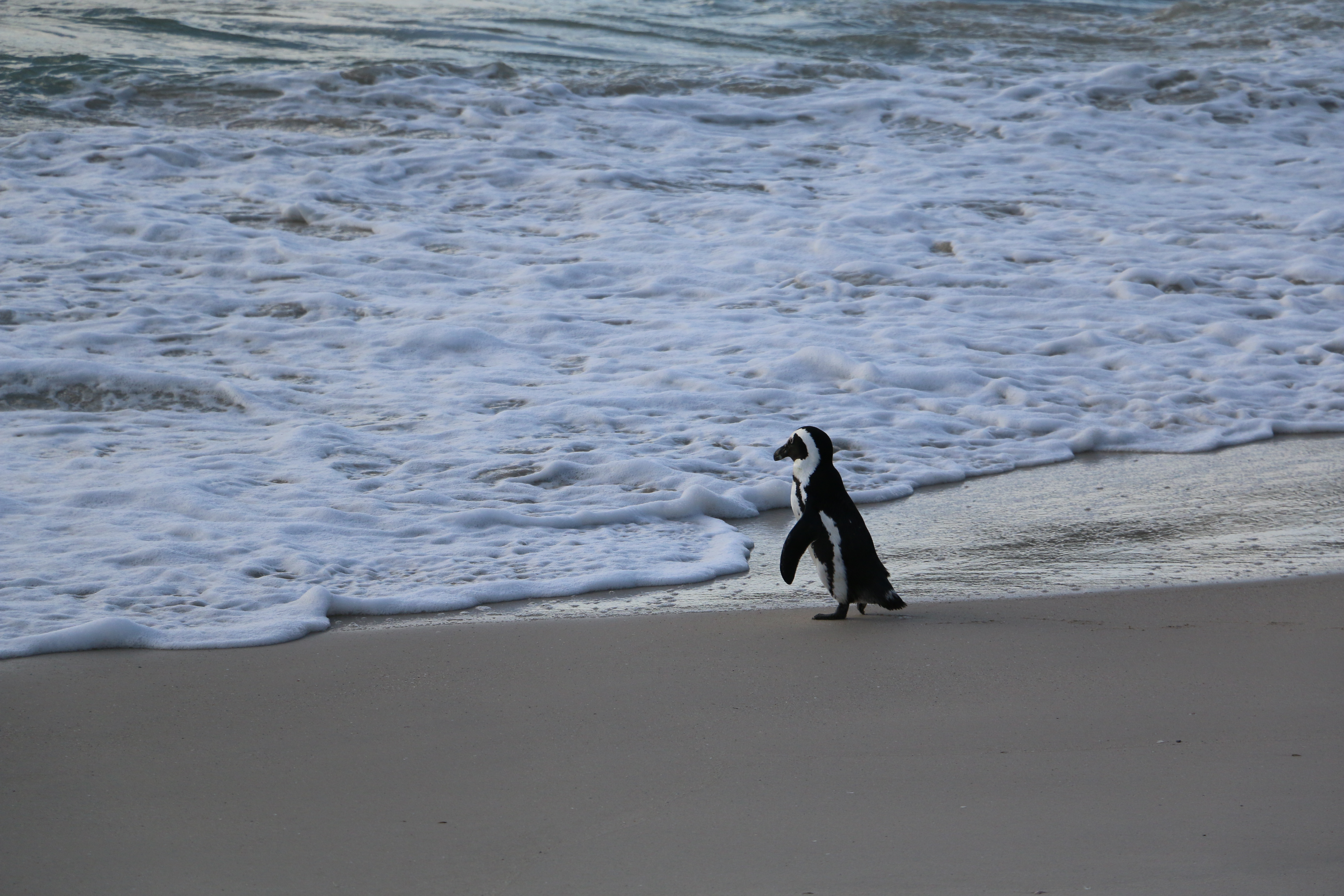
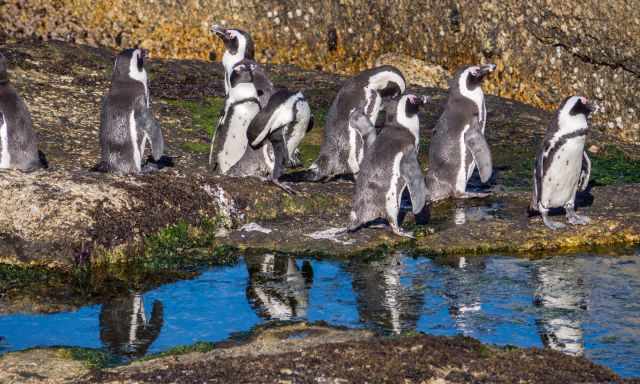
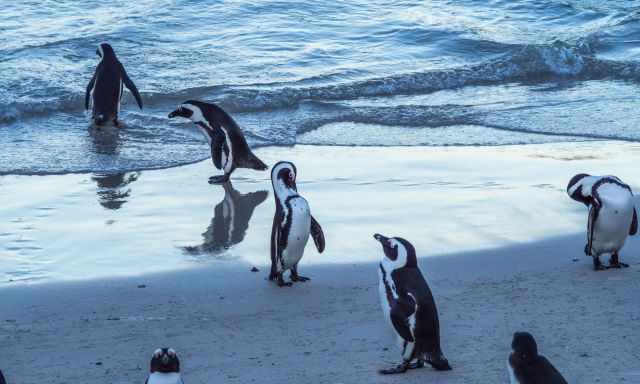
Boulders Beach is spectacular throughout the year — not only during breeding season. You can always see penguins here, but their numbers and behavior change with the seasons. Late afternoon is particularly magical: penguins return from the sea, the light becomes soft and golden, and the boardwalk grows quieter.
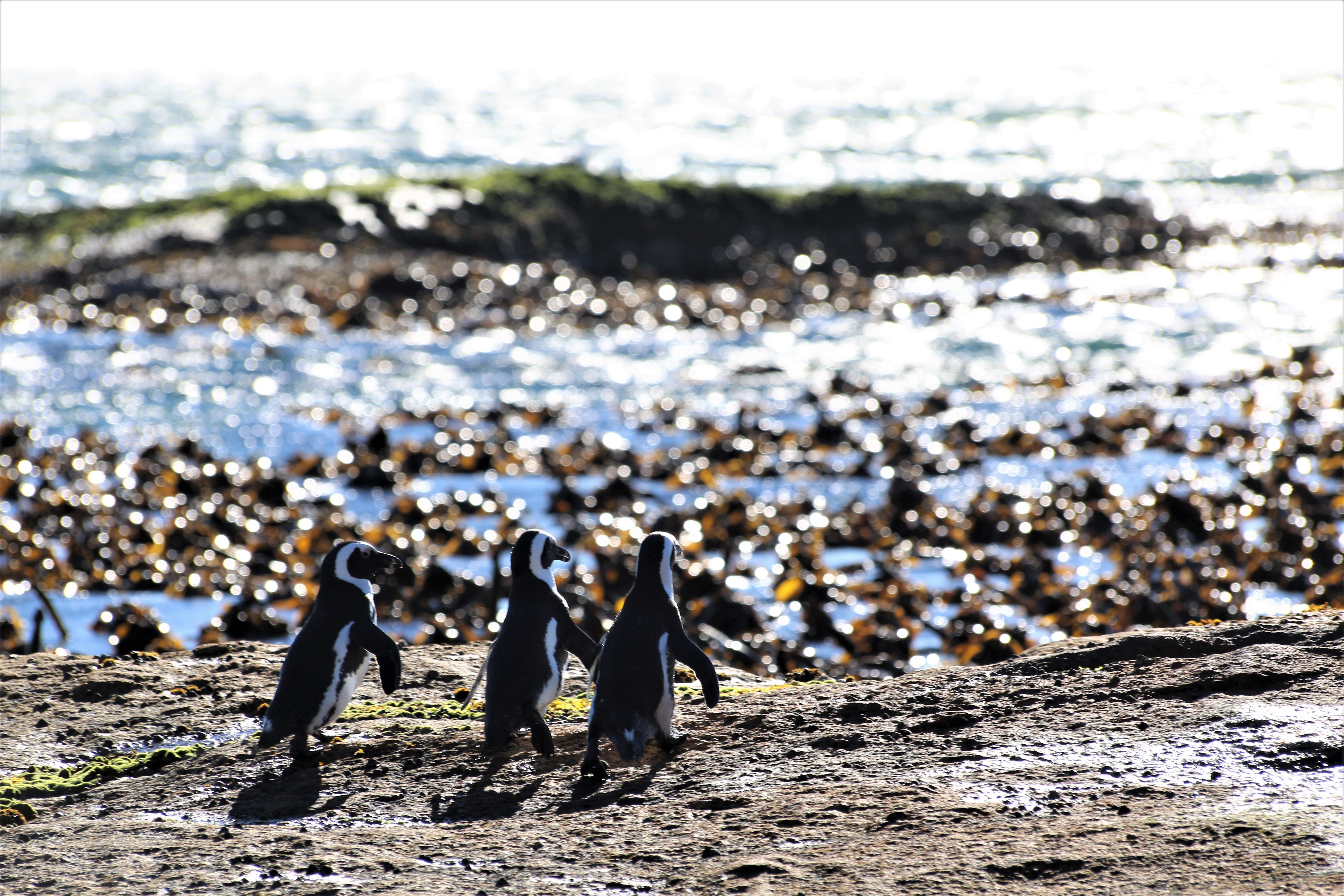
Reflections in the tidal pools, penguins preening after a long day, and the warm evening glow make this one of Cape Town’s most photogenic wildlife moments.
When You Can See the Most Penguins
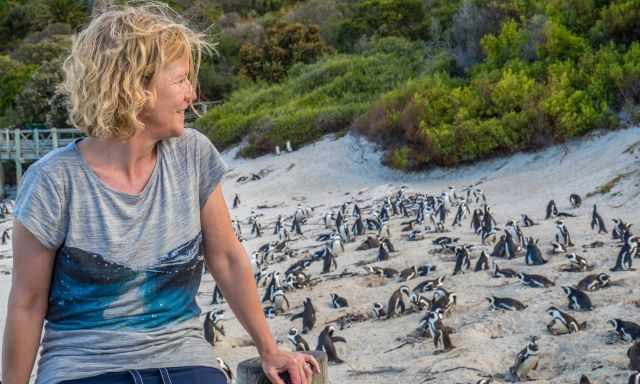
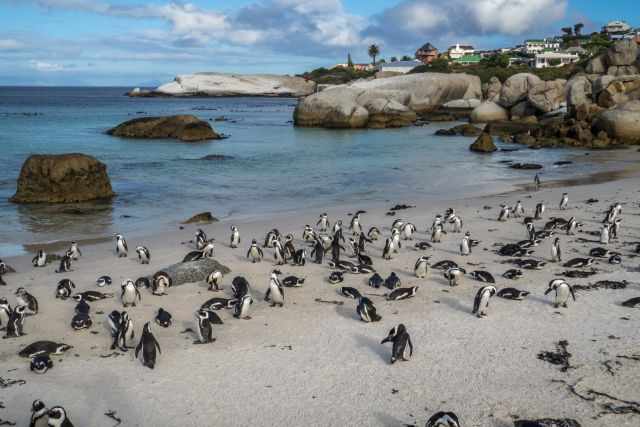
The best months to see large numbers of penguins are November to August, especially in the late afternoon. During peak months, it’s possible to see more than 1,000 penguins across Boulders and Foxy Beach.
If you prefer fewer tourists, the quieter months are April to June, except during Holy Week. Even in summer, crowds thin out toward closing time, making late afternoon the ideal moment for photography and peaceful wildlife watching.
Simon’s Town: Home of the Closest Penguin Colony to Cape Town
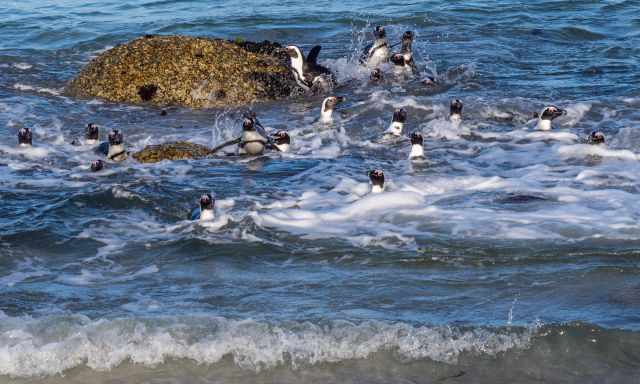
Simon’s Town, just a short drive from Cape Town, has a long maritime history and is home to South Africa’s Naval Base. In 1982, the first pair of African Penguins settled at Boulders Beach — and the colony has grown ever since. Today, roughly 2,000 penguins live in the greater Boulders area, though numbers fluctuate throughout the year.
This is one of only two land‑based penguin colonies in South Africa and the closest one to Cape Town, making it incredibly accessible for visitors.
Conservation: Why This Colony Matters
African Penguins are endangered, and their numbers in South Africa and Namibia continue to decline due to:
- domestic pets
- seals and kelp gulls
- overfishing
- climate change
- habitat loss
- even cars
Boulders Beach is the only relatively stable colony because it lies within a Marine Protected Area. Please keep your distance, avoid touching them, and let them stay wild.
Why We Keep Returning
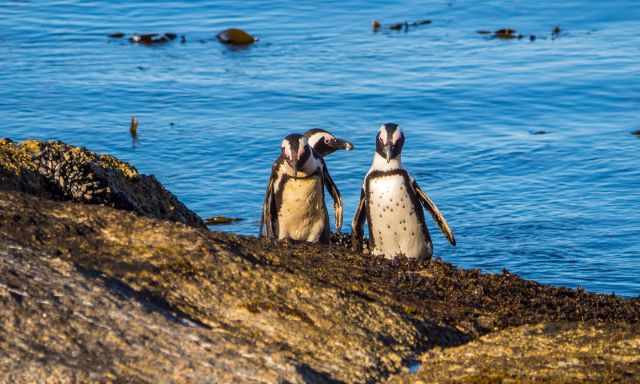
Every visit leaves us smiling. Boulders Beach is a rare place where wildlife, scenery, and conservation come together. In this guide, you’ll learn:
- the best times to visit
- when you can see over 1,000 penguins
- how penguin seasons work
- the difference between Boulders Beach and Foxy Beach
- how to avoid crowds and enjoy the quietest moments
- how to make the most of your visit near Cape Town
Best Time to See Penguins at Boulders Beach
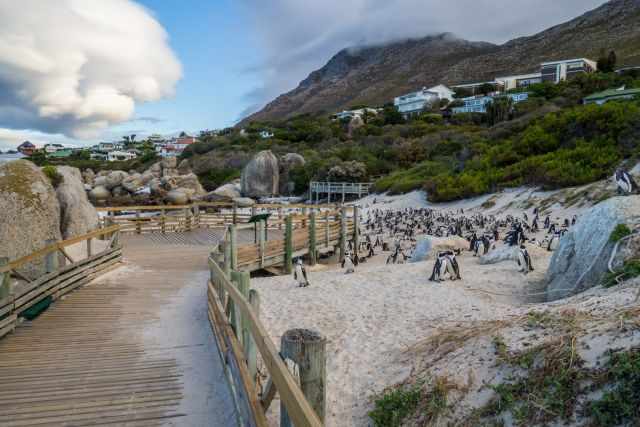
Boulders Beach is a year‑round penguin destination, but the experience changes dramatically depending on the season and time of day. If you want the best combination of penguin activity, beautiful light, and fewer crowds, timing is everything.
Late Afternoon: The Absolute Best Time of Day
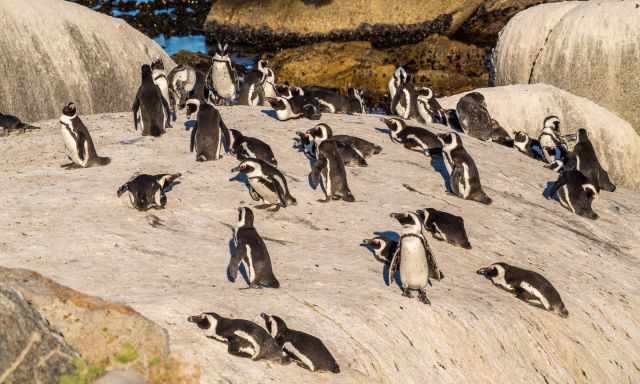
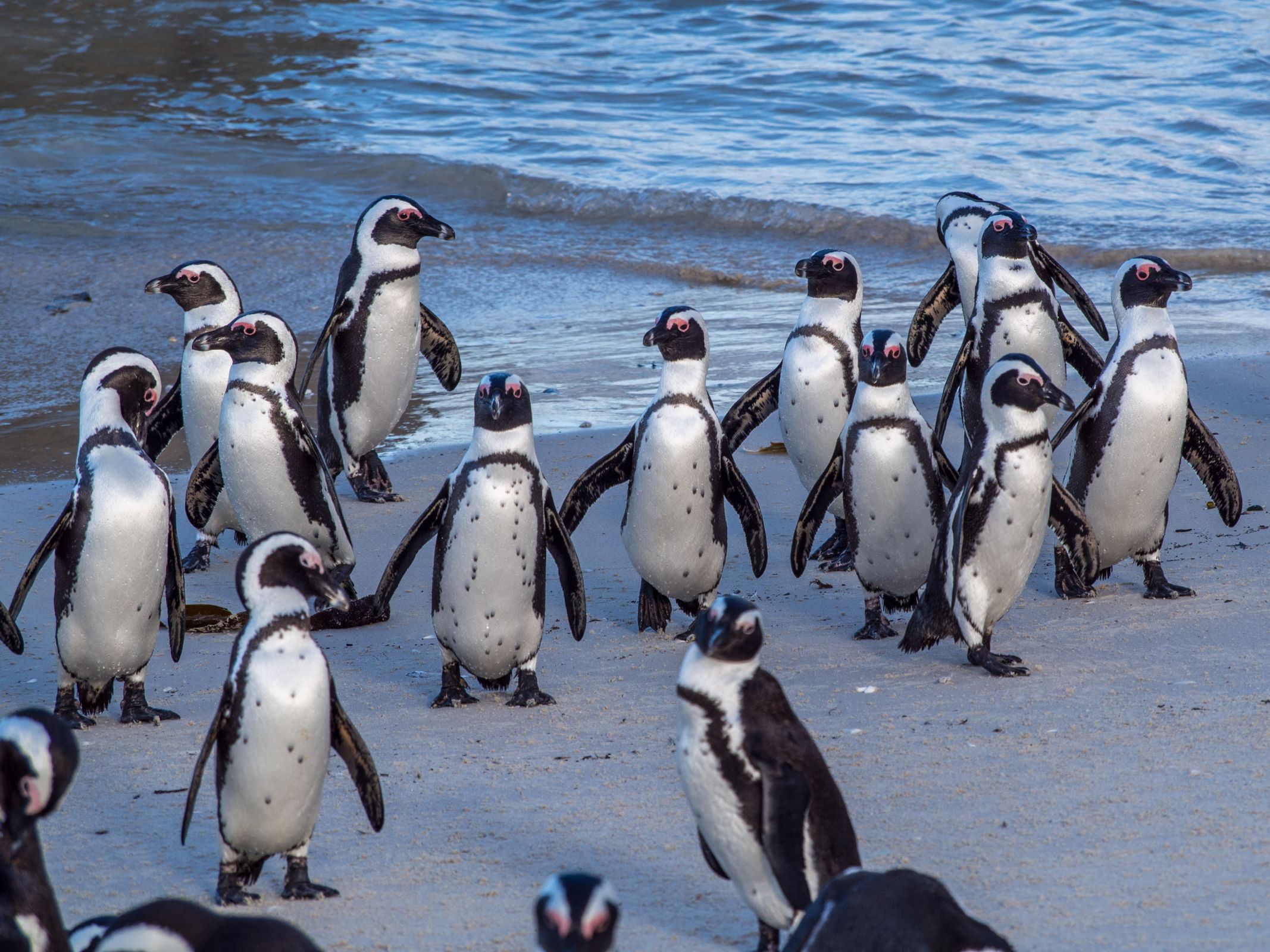
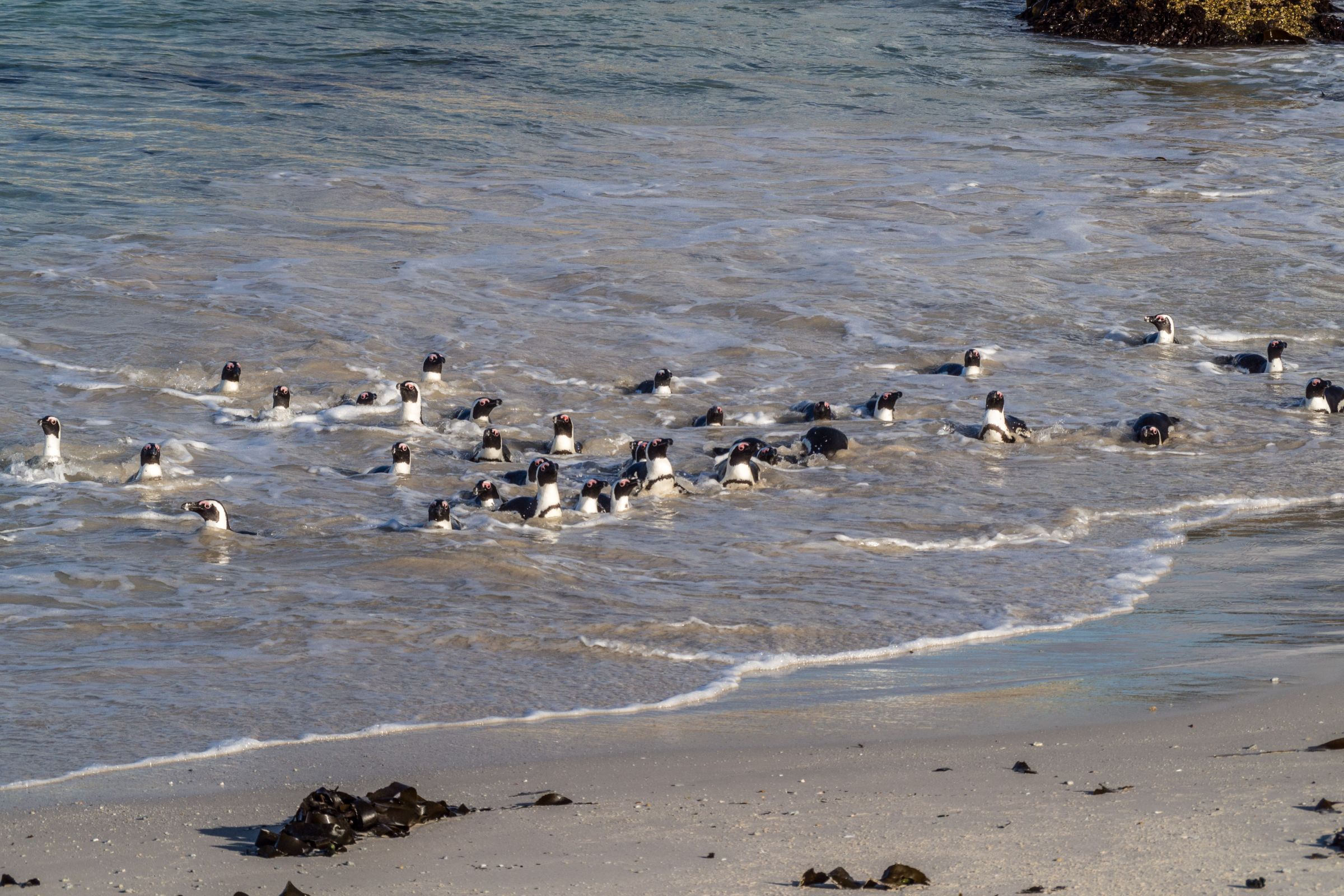
Late afternoon is the most rewarding time to visit Boulders Beach and Foxy Beach. About 2–3 hours before closing, penguins begin returning from their daily foraging trips, gathering in large numbers along the beach and boardwalk.
This is when you’ll see:
- Penguins arriving from the sea
- Parents feeding their chicks
- Beautiful reflections in the golden evening light
- Fewer people on the boardwalk
- Calm, peaceful conditions perfect for photography
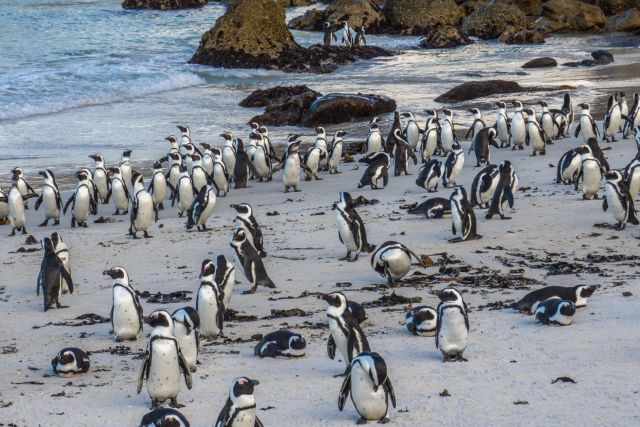
We’ve spent countless afternoons here over the last 15 years, often staying until closing time. During the final hour, we were almost alone — watching hundreds of penguins arrive from the ocean. It’s one of the most magical wildlife experiences near Cape Town.
Early Morning: Quiet but Fewer Penguins
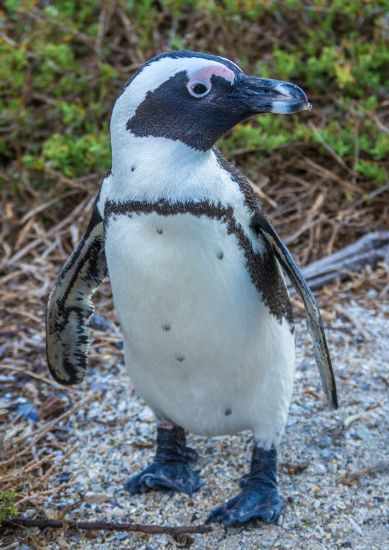
Arriving early helps you secure a parking spot and avoid midday crowds, but penguin activity is lower:
- Fewer penguins are on land
- Light is harsher for photography
- Most penguins are still out foraging
Morning is ideal for avoiding people — but late afternoon is ideal for penguins.
Best Months to See the Most Penguins
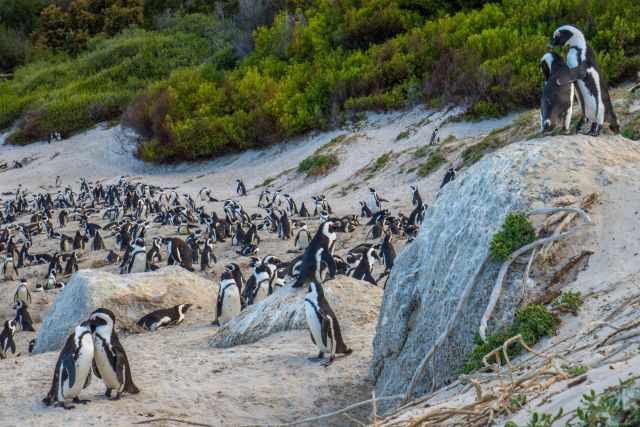
Penguins are present all year, but numbers peak from:
- November to August — highest penguin activity
- December to February — busiest tourist season, but good penguin numbers
- April to June — quieter months with excellent viewing
- Avoid Holy Week — surprisingly busy
During peak months, it’s possible to see more than 1,000 penguins across Boulders and Foxy Beach.
Avoiding Tourist Crowds
Boulders Beach is extremely popular, especially during the European winter holidays. To enjoy a quieter experience:
- Visit late afternoon year‑round
- Choose April–June for fewer tourists
- Avoid midday during December–February
- Arrive early if you need parking — but expect fewer penguins
Late afternoon remains the best balance of penguin activity and peaceful boardwalks.
Summary: The Perfect Time to Visit
- Best time of day: Late afternoon
- Best months: November–August
- Quietest months: April–June
- Worst time: Midday in December–February
- Most penguins: Late afternoon during peak months
This timing gives you the best chance to see large numbers of penguins, enjoy beautiful light, and avoid the crowds.
Every season offers something different — from mating displays to chick‑rearing.
Opening Hours and Map
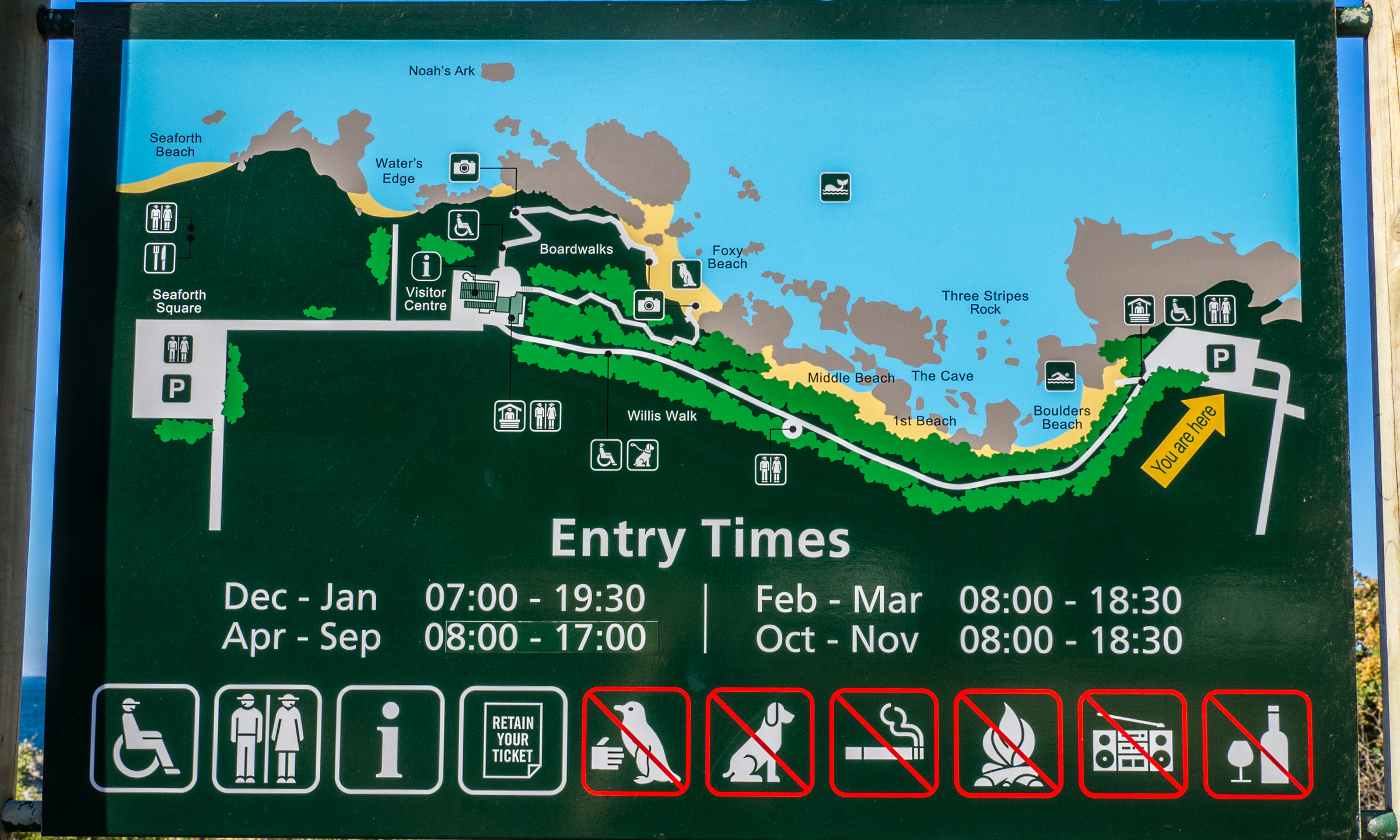
The closure time depends on the available daylight. The shop, the visitor centre, Boulders Beach, and Foxy Beach get closed at the mentioned time below.
Boulders and Foxy Beach Map bigger size
- Summer: December - January 07:00 - 19:30
- February - March 08:00 - 18:30
- October - November 08:00 - 18:30
- Winter: April - September 08:00 - 17:00
Parking at Boulders Beach
If you arrive by rental car, you can park at Seaforth Square or Bellevue Road. Seaforth Square is the larger lot and open 24 hours, while Bellevue Road is smaller and its gate closes earlier — always ask the attendant for the exact closing time. To avoid crowds and find parking easily, come in the morning or late afternoon. A small tip for the parking attendants is customary when leaving.
How to Get to Boulders Beach
Boulders Beach lies on the False Bay side of the Cape Peninsula, close to Simon’s Town. It’s about 30 minutes from Muizenberg and 40 minutes from Hout Bay, and combines perfectly with a visit to the Cape of Good Hope, which is only 23 km away.
By Rental Car, Uber, or Taxi
From Cape Town’s V&A Waterfront, the drive takes about one hour. This is the most flexible option, especially if you want to combine Boulders Beach with other Cape Peninsula highlights.
By Train
Take the Southern Line to Simons Town Station. From there, it’s a 3 km walk, or you can continue by Uber or taxi to the entrance.
Guided Tours
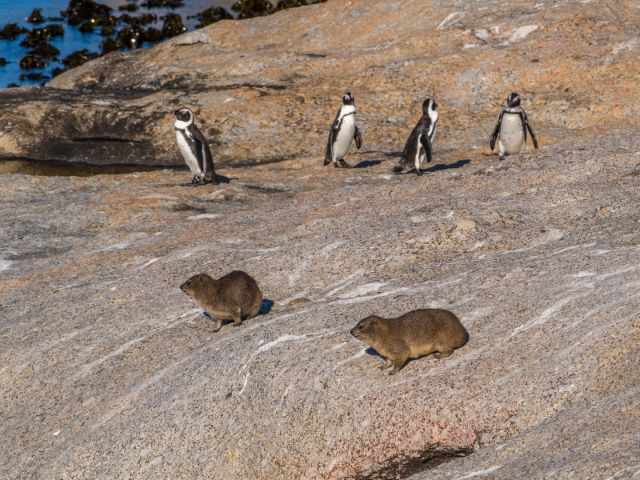
If you’re not driving, booking a guided tour is the most convenient and stress‑free way to reach Boulders Beach. The Half‑Day Penguin Watching Tour offers easy transport from Cape Town and plenty of time at Foxy Beach — perfect for travelers without a rental car.
For a full peninsula experience, the Cape of Good Hope & Penguins Day Tour includes Boulders Beach, Cape Point, Chapman’s Peak Drive, and scenic coastal stops, making it the ideal all‑in‑one option without worrying about parking or navigation.
Accommodation Tip Close to Boulders Beach
Watercolours Studios in Simon's Town
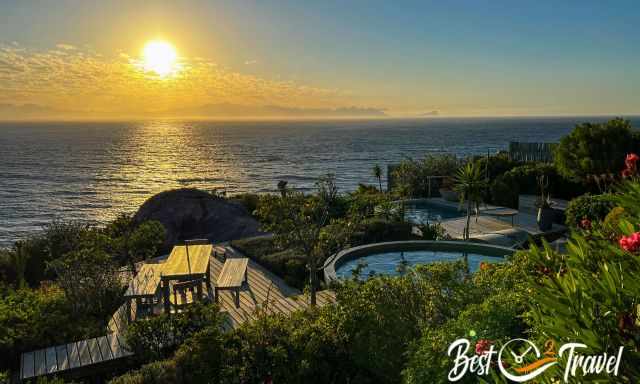
Recently, my friends Marc and Andrea visited Boulders Beach, and they showed me pictures from their outstanding studio and the property of the Watercolours Studios. The owners walk an extra mile, and the pool and garden are magnificent.
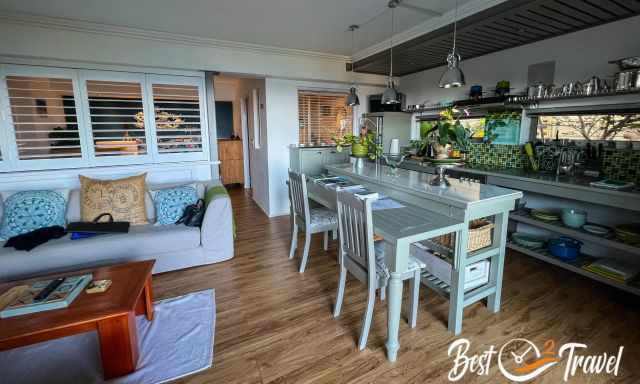
The breakfast is delicious and a great start to your day. The location is perfect for an early or late visit to Boulders Beach, just 3 km south of the penguins.
Penguin Life Cycle & Seasonal Highlights at Boulders Beach
A Year in the Life of the African Penguin
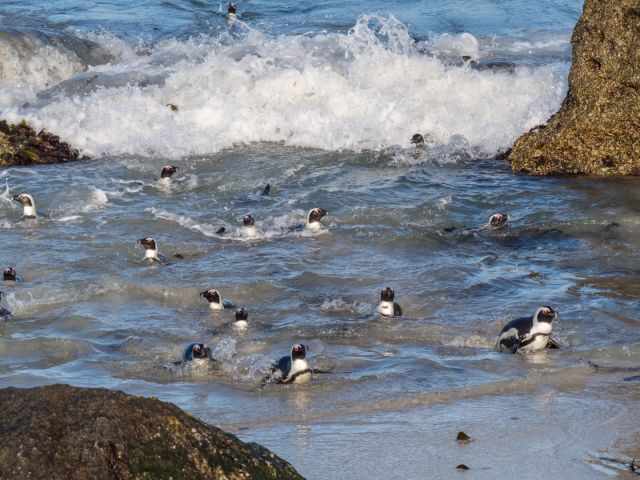
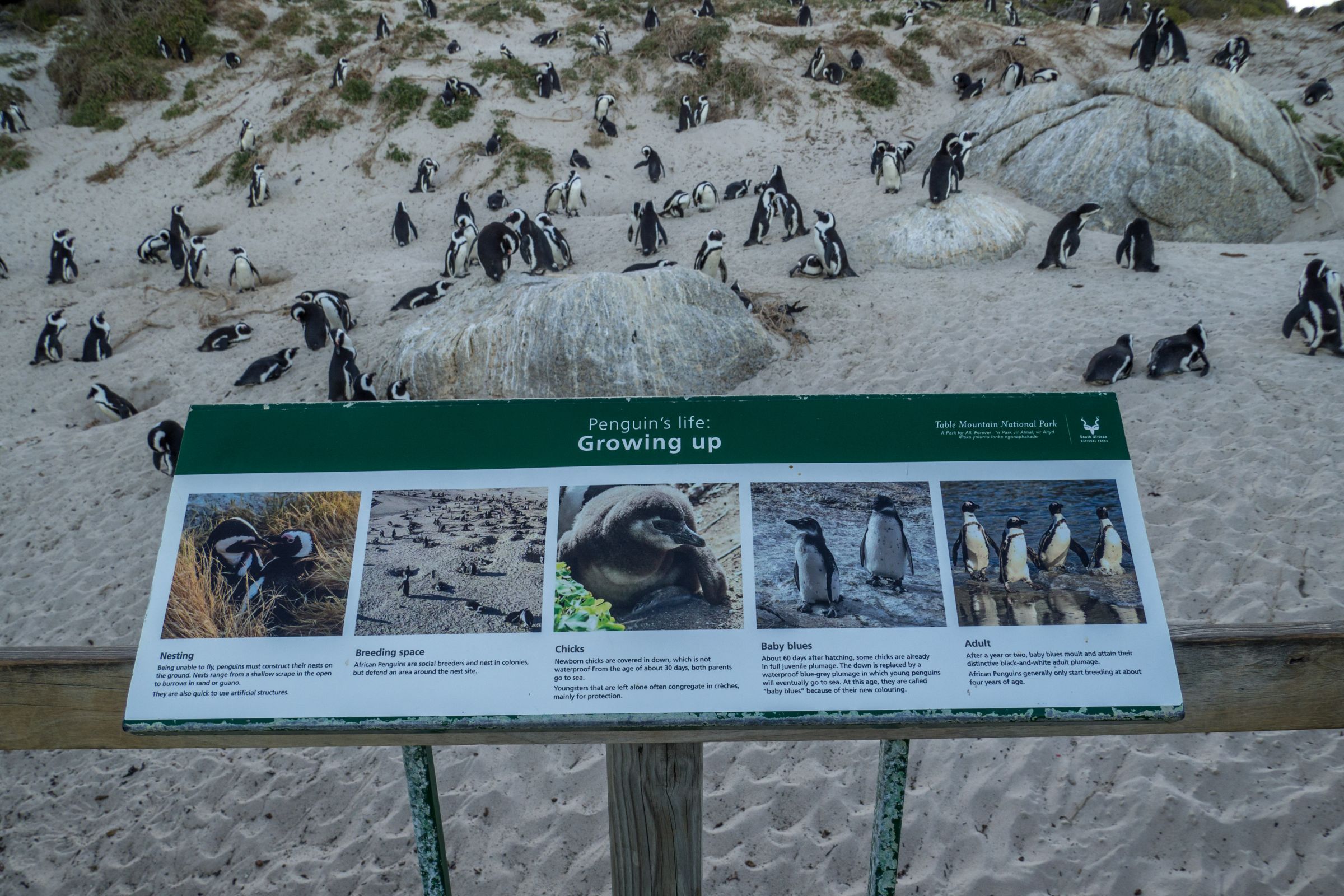
African Penguins are perfectly adapted to life at sea, but they must come ashore to breed, moult, and raise their chicks. Boulders and Foxy Beach offer a rare chance to observe their entire life cycle up close — from mating pairs to fluffy chicks and juveniles preparing for adulthood.
Mating Season (November–April)
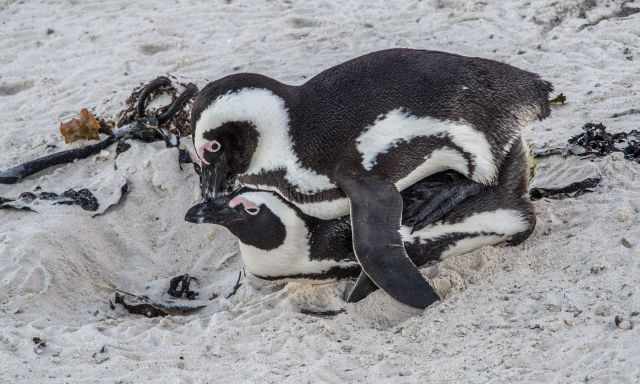
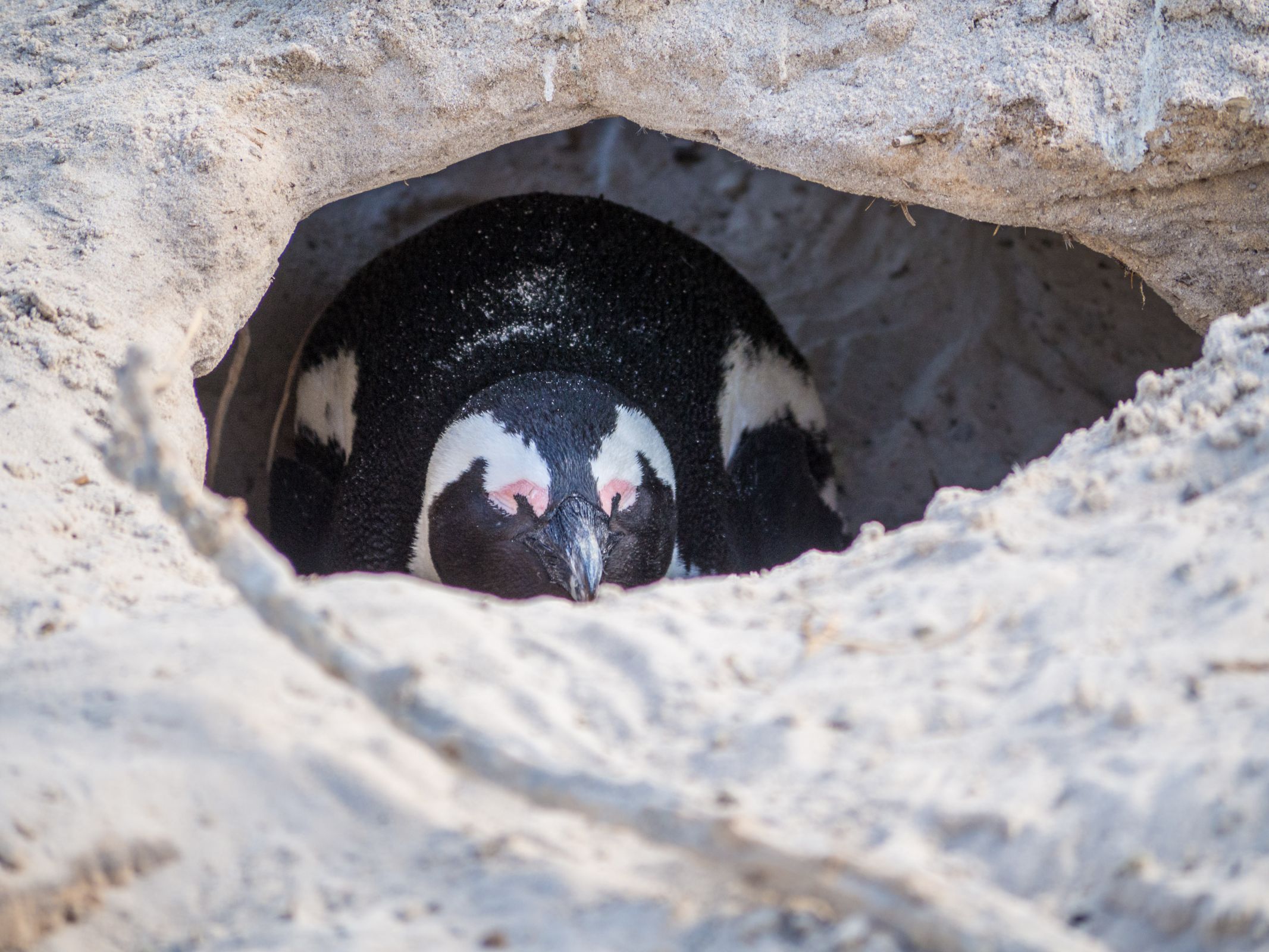
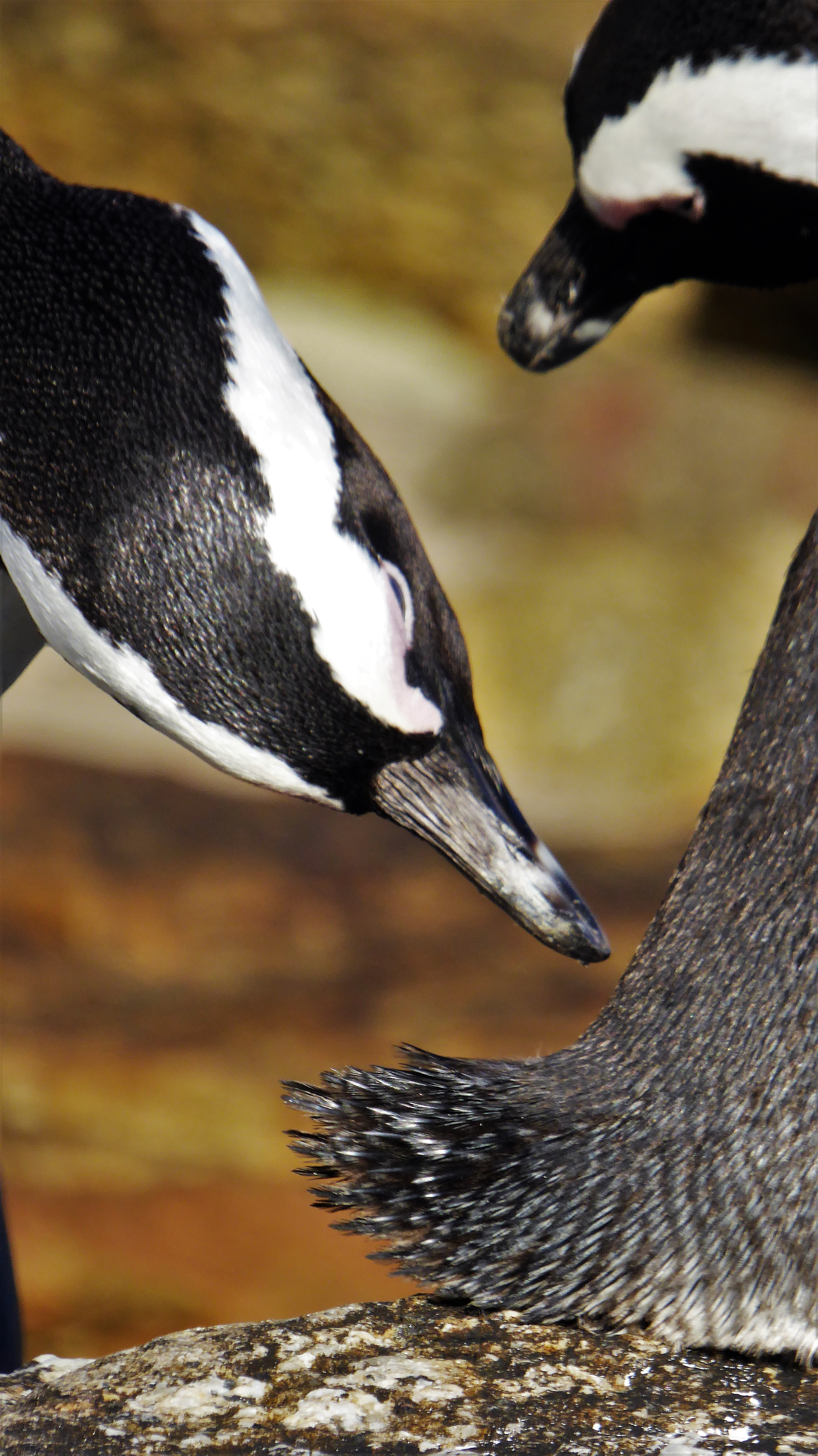
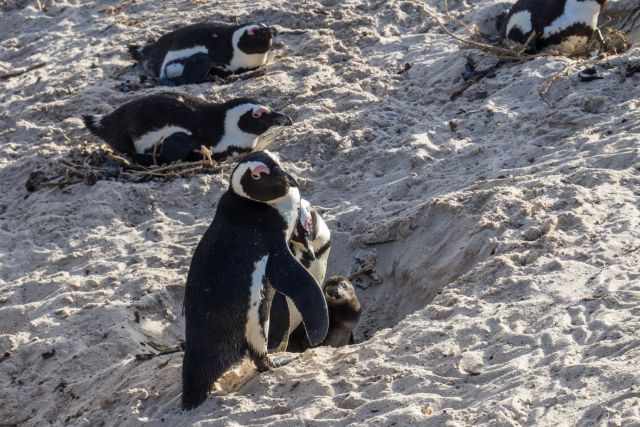
Penguins usually mate for life and return to the same nest each year. Mating can be seen from November until April, sometimes even into May. During this period, the colony feels lively: pairs calling, bonding, and preparing their nests.
Breeding Season (February–August, Peak March–May)
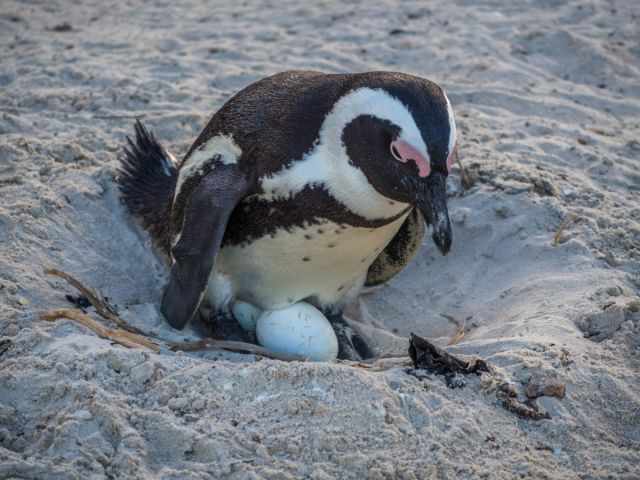
Breeding can occur throughout the year, but it is most common from February to August, with a clear peak from March to May. This is when you’ll see:
- Penguins incubating one or two eggs
- Adults guarding nests
- Pairs taking turns at sea and on land
- High penguin numbers on the beach
Egg incubation lasts 38–42 days, and most pairs lay two eggs — though predators like kelp gulls sometimes steal them.
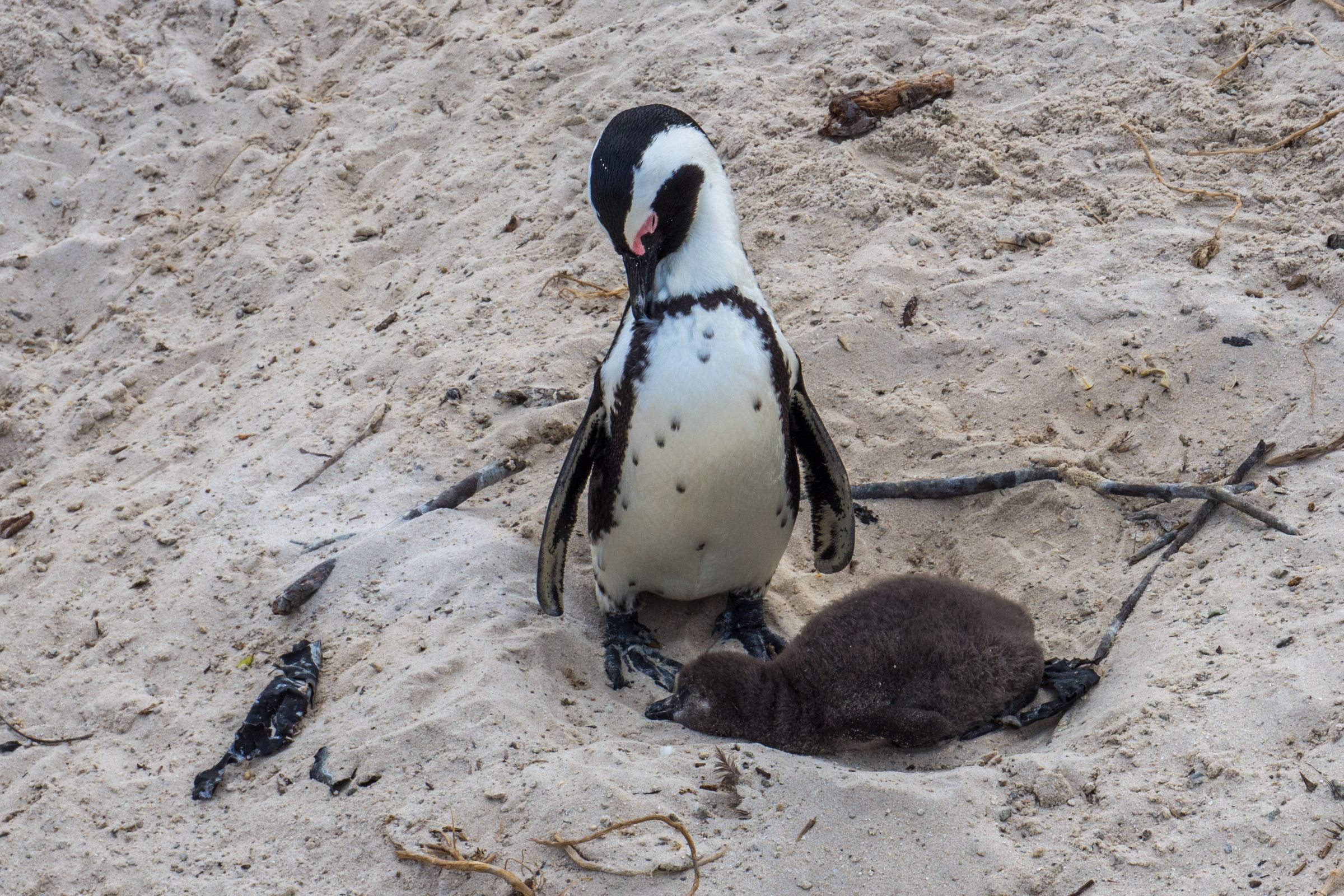
Chick Season (March–June)
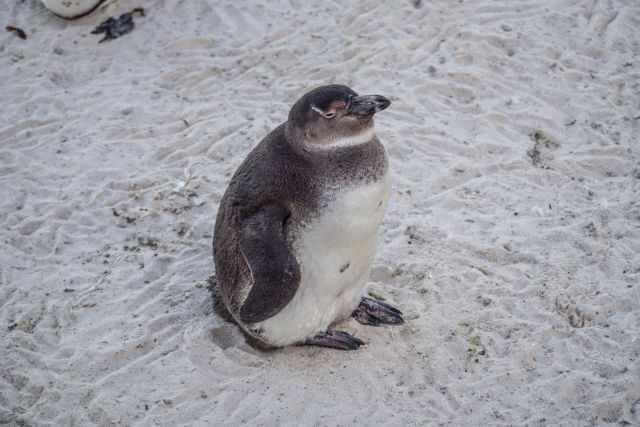
March and April are especially rewarding months. You’ll often see:
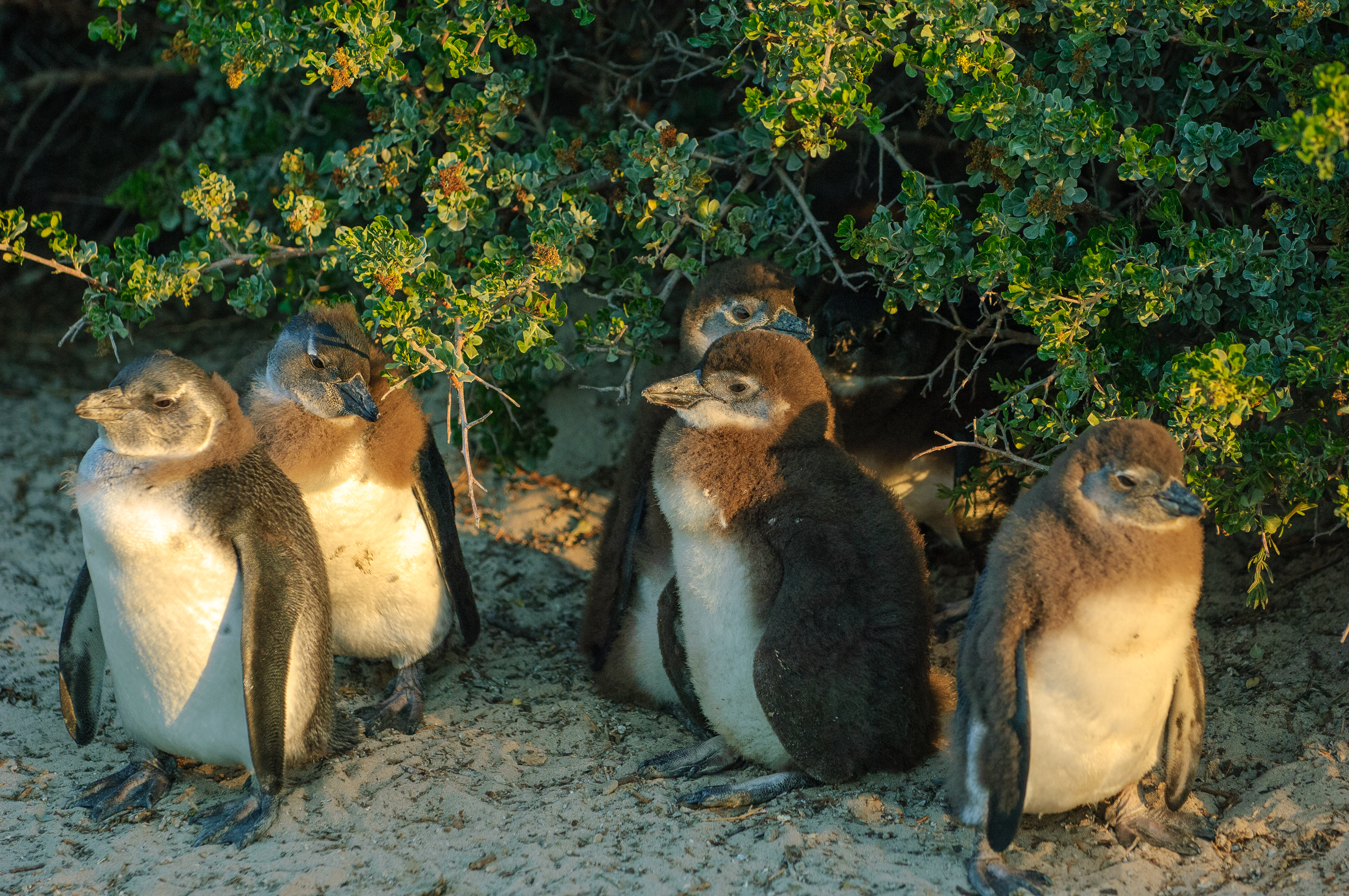
- Fluffy grey chicks waiting for food
- Juveniles in their blue‑grey plumage
- Parents returning from the sea to feed their young
- Chicks being fed for about two months
Watching penguins return from foraging in the late afternoon is one of the most magical experiences at Boulders Beach. First you spot them far out in the waves, then they waddle up the beach to their nests — determined, noisy, and adorable.
Foraging Season (September–October)
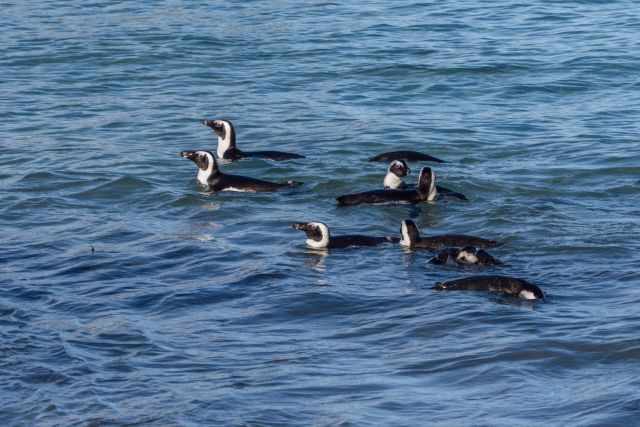
After the breeding season, penguins spend more time at sea to prepare for moulting. During September and October, you’ll see:
- Fewer penguins on land
- More penguins swimming offshore
- Adults feeding heavily to build fat reserves
This is a quieter time at the colony, but still beautiful.
Moulting Season (November–December)
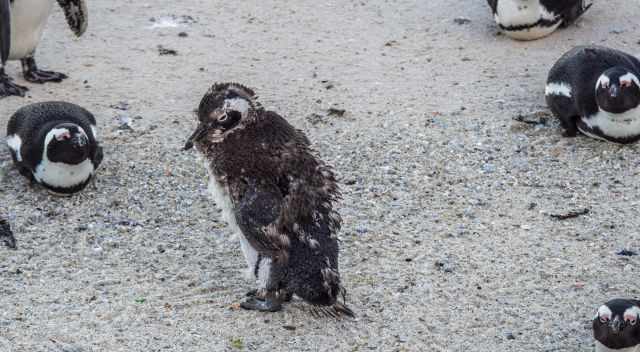
Moulting happens once a year and lasts about three weeks. Penguins lose their waterproof plumage and grow new feathers — a process that makes them look fluffy and slightly miserable.
During moulting:
- Penguins cannot swim
- They cannot forage
- They stay on land or hide in the bushes
- They rely on fat reserves built up beforehand
You’ll see many penguins resting on the beach, conserving energy.
Monthly Overview
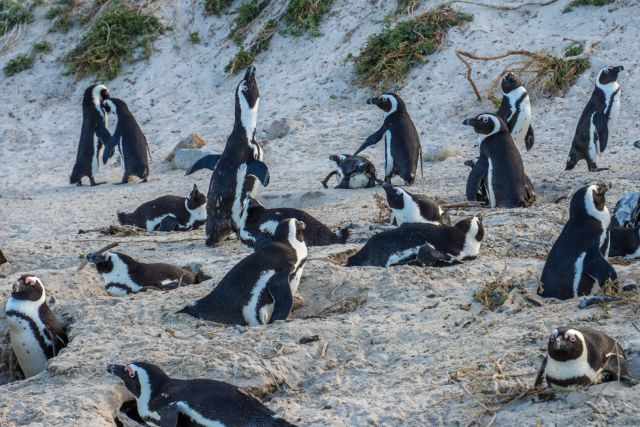
- January: Juveniles moulting after ~1.5 years at sea; adults feeding up
- Feb–Aug: Main breeding season; peak March–May
- March–June: Chicks and juveniles visible
- Sept–Oct: Foraging season; fewer penguins on land
- Nov–Dec: Annual moulting; penguins stay ashore
Foxy Beach vs. Boulders Beach — What’s the Difference?
Foxy Beach: The Main Penguin Colony
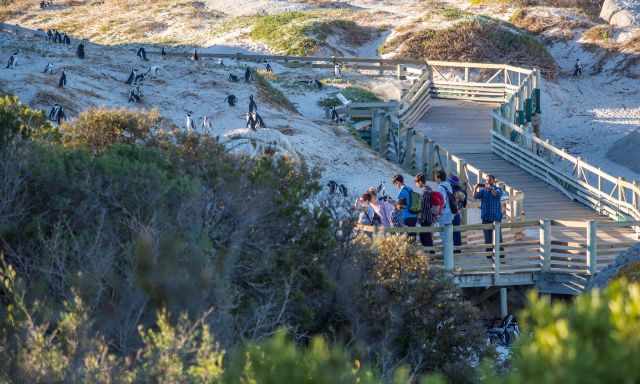
The real heart of the African Penguin colony is Foxy Beach and the best place to observe penguins up close. This is where most penguins:
- build their nests
- incubate eggs
- raise their chicks
- return from foraging
- interact socially in large groups
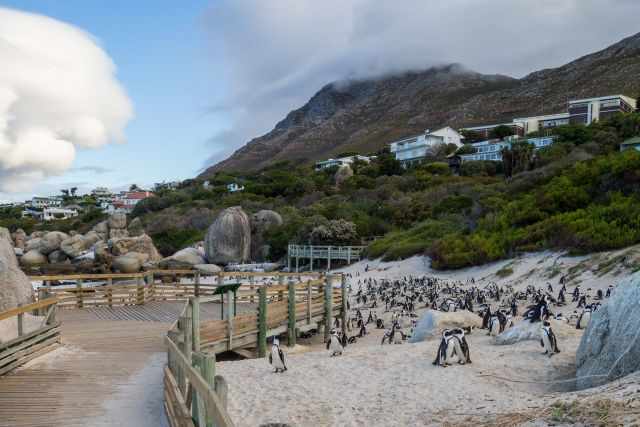
The boardwalk system at Foxy Beach protects the fragile nesting habitat while giving visitors exceptional views. There is the main boardwalk and a smaller one. To get to the smaller one, turn immediately right after the entry. It’s a little quieter, but the view is best from the main boardwalk. You’ll see penguins:
- waddling between nests
- feeding their chicks
- calling to their partners
- resting in the shade
- returning from the sea in the late afternoon
If you want guaranteed penguin sightings, Foxy Beach is the place to go.
Boulders Beach: Beautiful, but Not the Main Colony
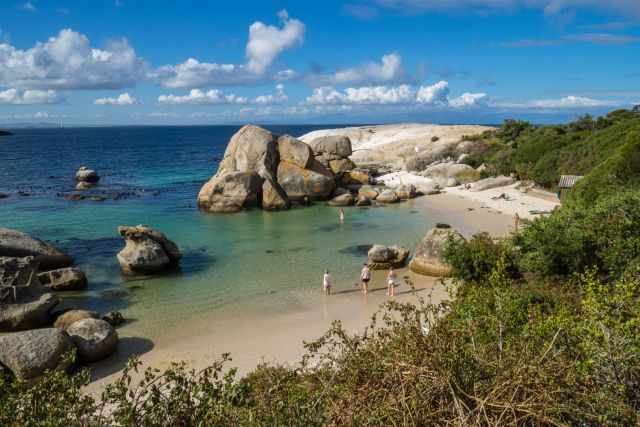
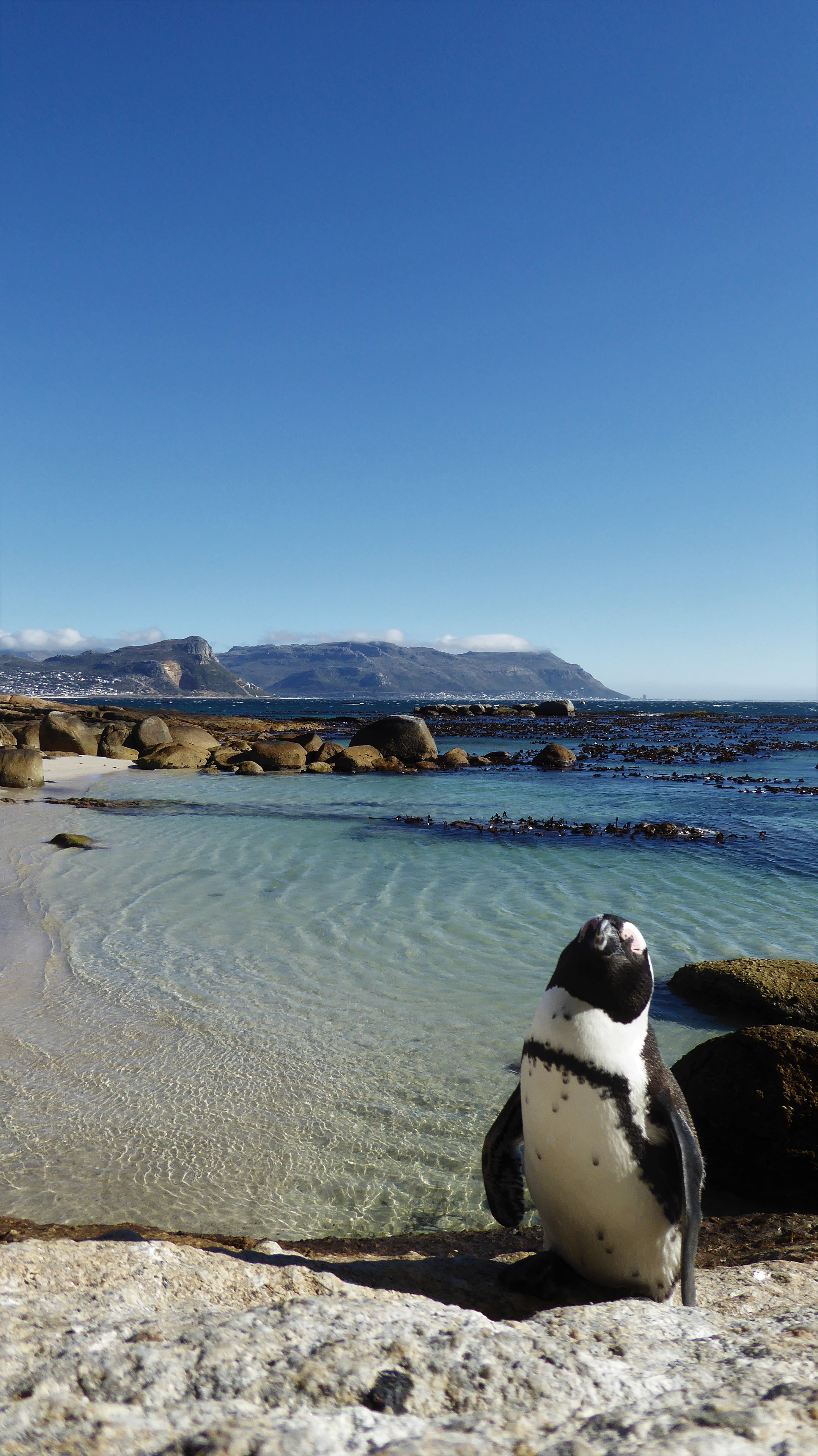
Boulders Beach is the famous swimming beach, sheltered bay with giant granite boulders and turquoise water. The water temp is around 20°C in summer and 14°C in winter. The beach itself is a 7-8 minutes walk from the main entrance. During the peak season, you can enter the beach with your ticket only. If it gets too busy, the rangers close the beach for additional visitors. More space on the beach during low tide. Tide Times Boulders Beach
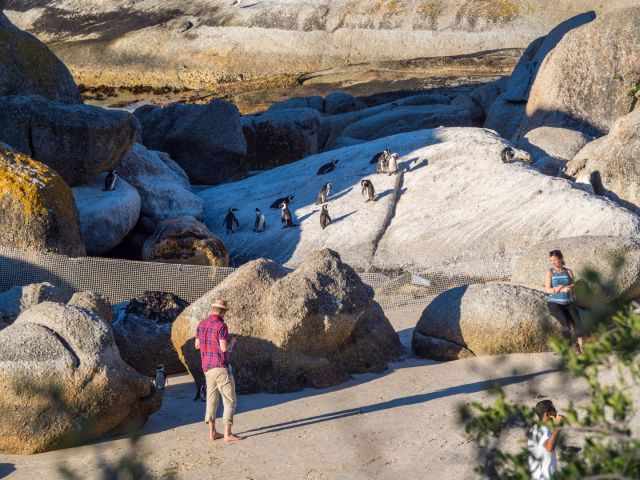
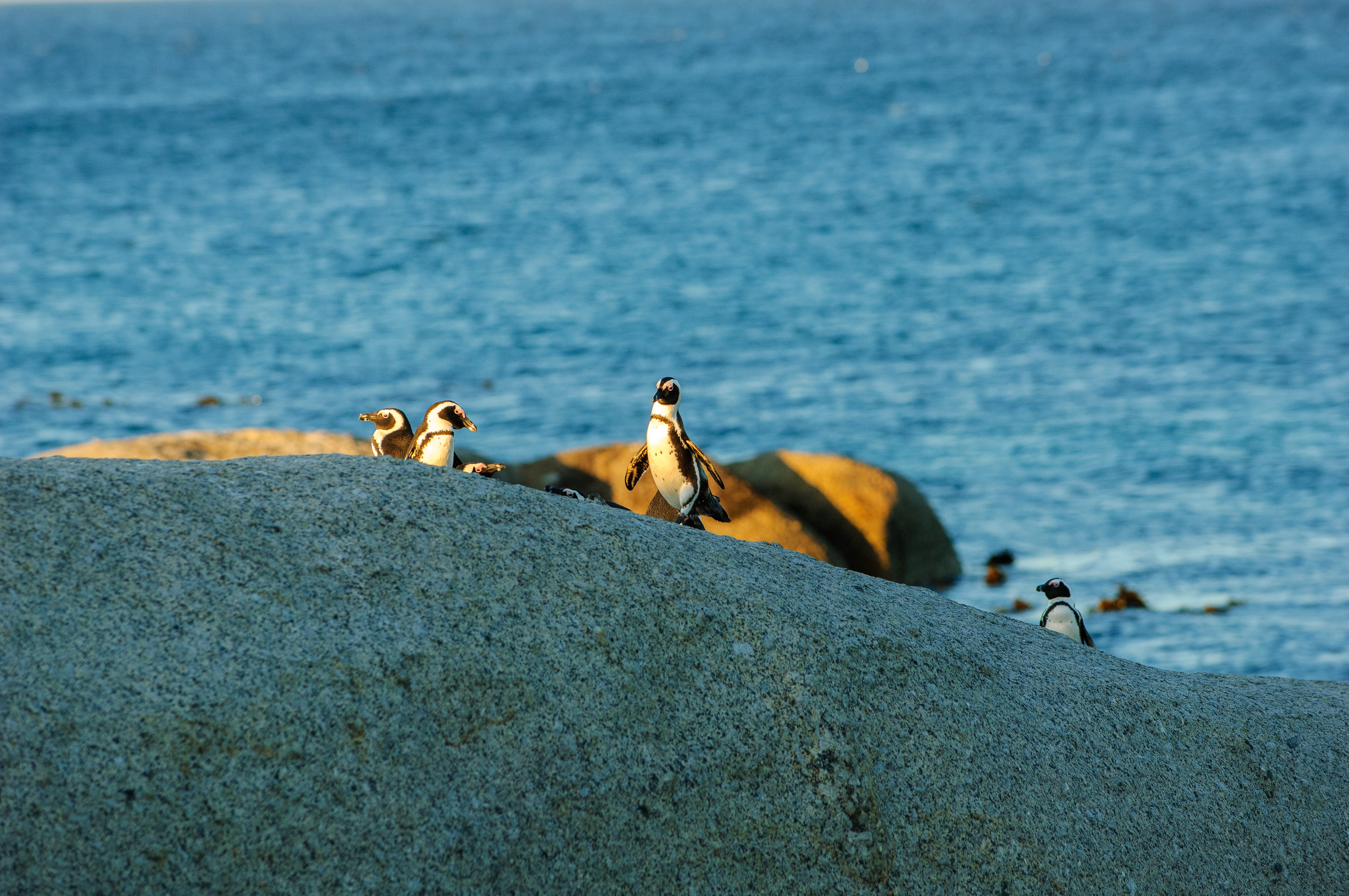
Boulders Beach is picturesque and there is the chance of seeing penguins on the sand, but it is not where the colony lives. Penguins do appear here — sometimes even walking between sunbathers — but:
- far fewer penguins nest here
- penguin numbers vary daily
- it’s not the core breeding area
- access is limited to protect wildlife
Which One Should You Visit?
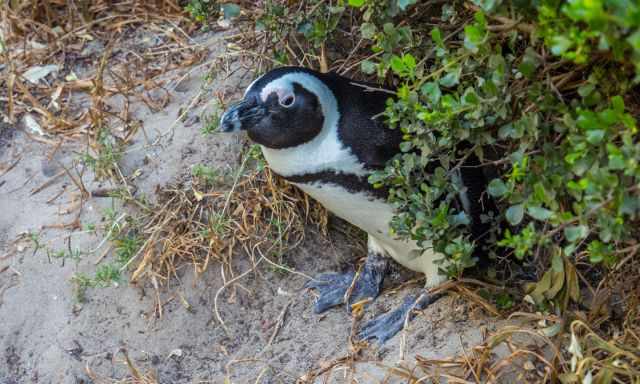
For wildlife watching and photography: Foxy Beach is the best choice.
For scenery, swimming (outside the protected area), and a chance encounter: Boulders Beach is lovely — but not reliable for penguin numbers.
Most visitors enjoy both, but if you only have time for one, choose Foxy Beach.
Best Alternative Spots to See Penguins Near Boulders Beach
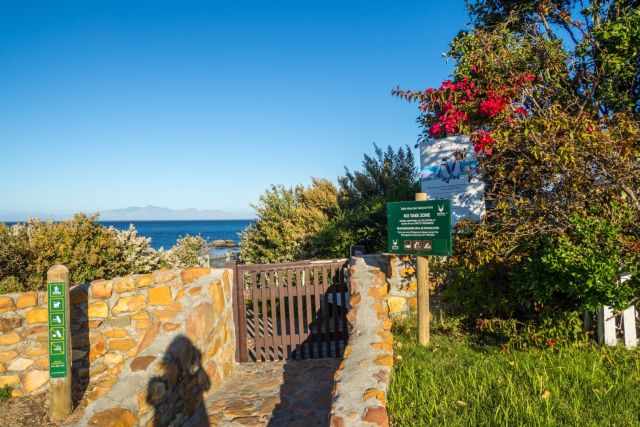
If you want to explore beyond the main colony at Foxy Beach, you can also spot smaller groups of penguins at Water’s Edge Beach and Seaforth Beach — both within easy walking distance. From the Bellevue Road parking area, you can follow Burgers’ Walk along the neighbourhood houses for another free viewing spot. These areas are lovely and uncrowded, but none offer the same guaranteed sightings or close‑up views as Foxy Beach.
SANParks, Boardwalks & Protected Penguin Habitat
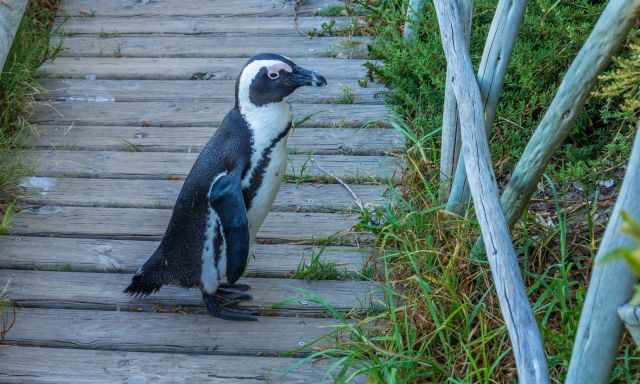
Boulders Beach is part of Table Mountain National Park and managed by SANParks. The protected area includes several beaches, three boardwalks, and two official penguin viewing areas. The main colony and viewing platforms are at Foxy Beach, while Boulders Beach is the smaller swimming beach where penguins occasionally wander through. You may also spot penguins along the narrow path toward Windmill Beach, though numbers are smaller.
Before entering, you must pay the conservation fee, which supports SANParks and penguin protection.
Why the Boardwalks Matter
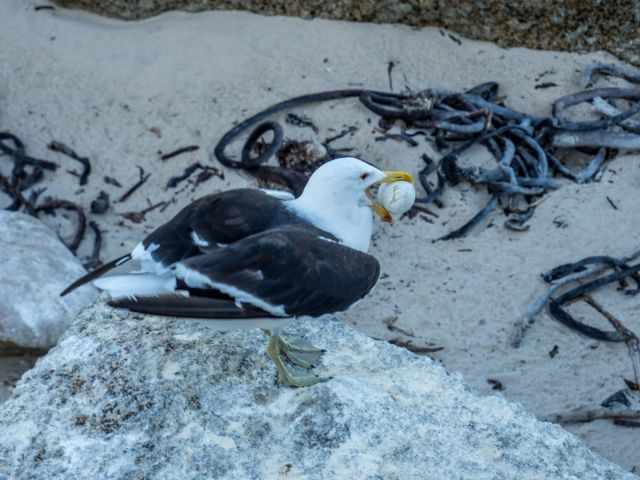
Visitor numbers have increased dramatically — up to 5,000 people per day in December and January, and around 2,000 daily throughout the rest of the year. To protect the endangered African Penguins and their fragile nesting habitat, SANParks built wheelchair‑friendly boardwalks that guide visitors through the colony without disturbing the birds.
The boardwalks offer:
- excellent close‑up viewing
- safe nesting areas for penguins
- minimal human impact
- perfect angles for photography
Because this is a Marine Protected Area, you must follow the rules of Cape Peninsula National Park: never remove marine life, avoid feeding wildlife, and respect the recommended 3‑meter distance from penguins — their beaks are strong, and they can bite. Fishing, smoking, and alcohol are prohibited.
Rules Inside the Protected Area
Because Boulders is a Marine Protected Area, several activities are prohibited:
- fishing
- smoking
- alcohol
- feeding wildlife
- disturbing penguins
14 Fascinating African Penguin Facts
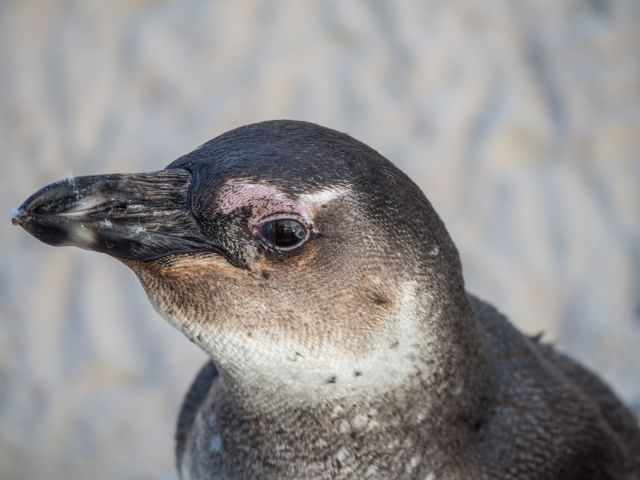
African Penguins are full of quirks and remarkable adaptations. These facts help you understand what you’re seeing at Boulders and Foxy Beach.
1. Pink glands show how penguins cool down
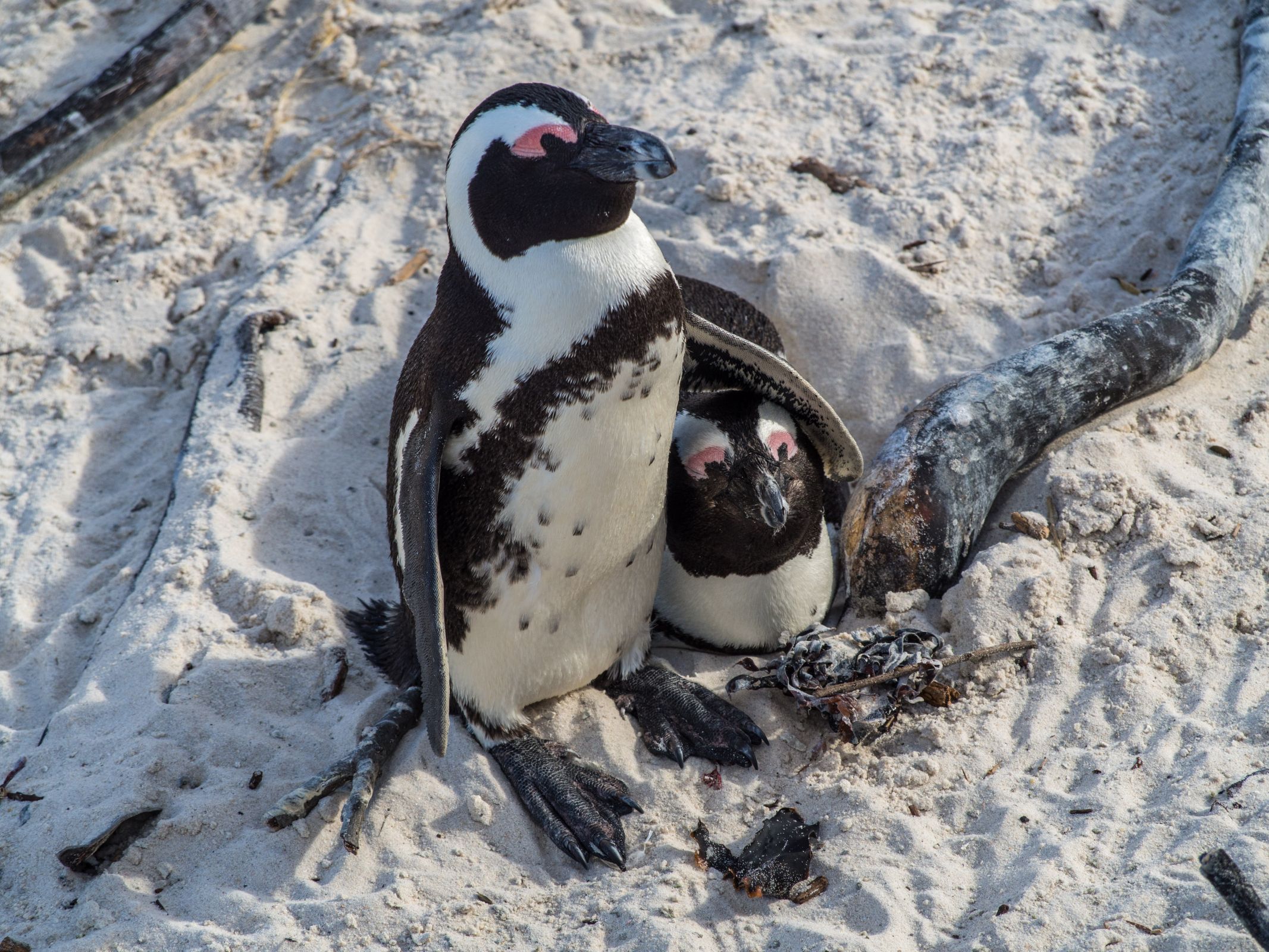
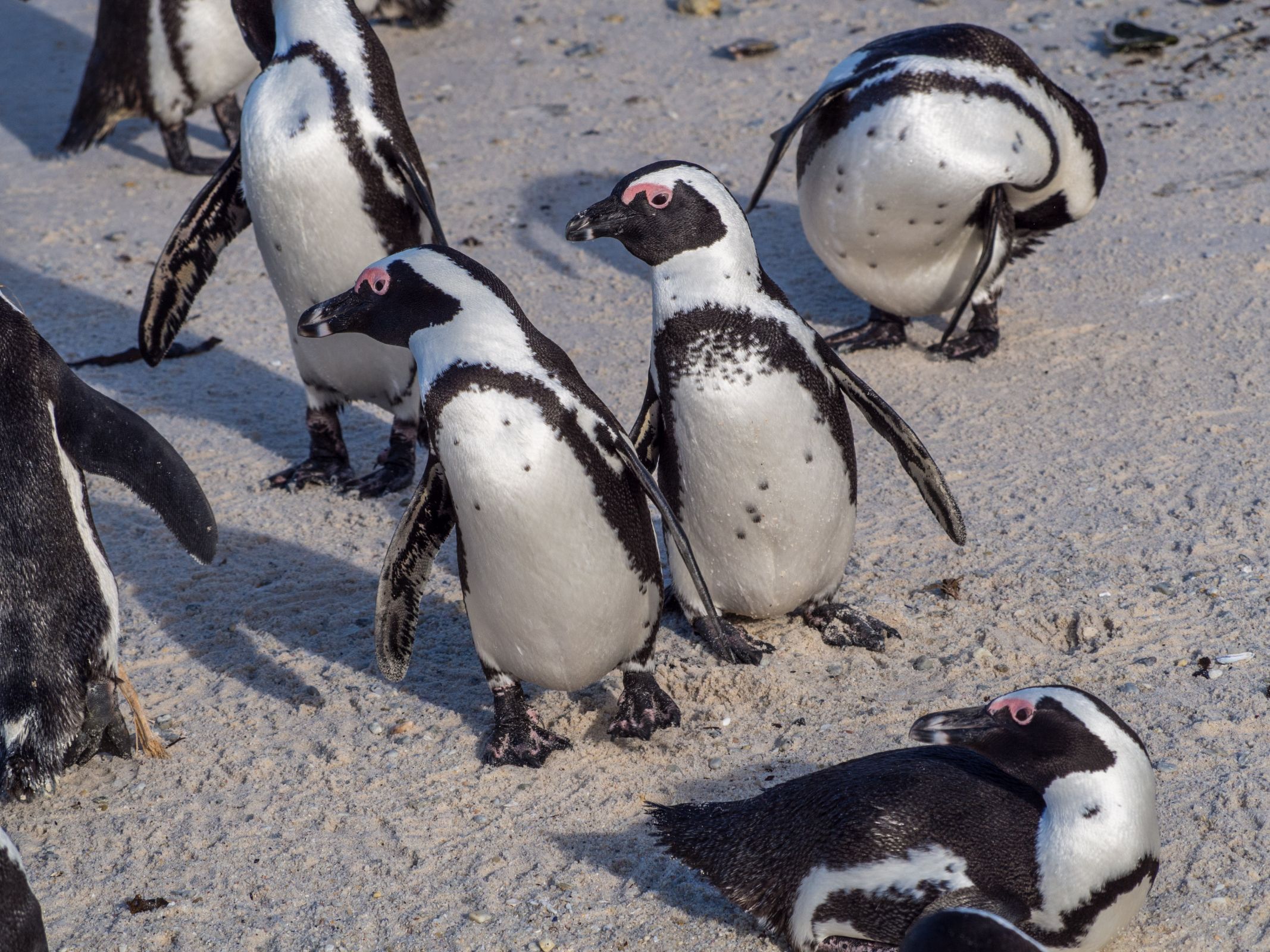
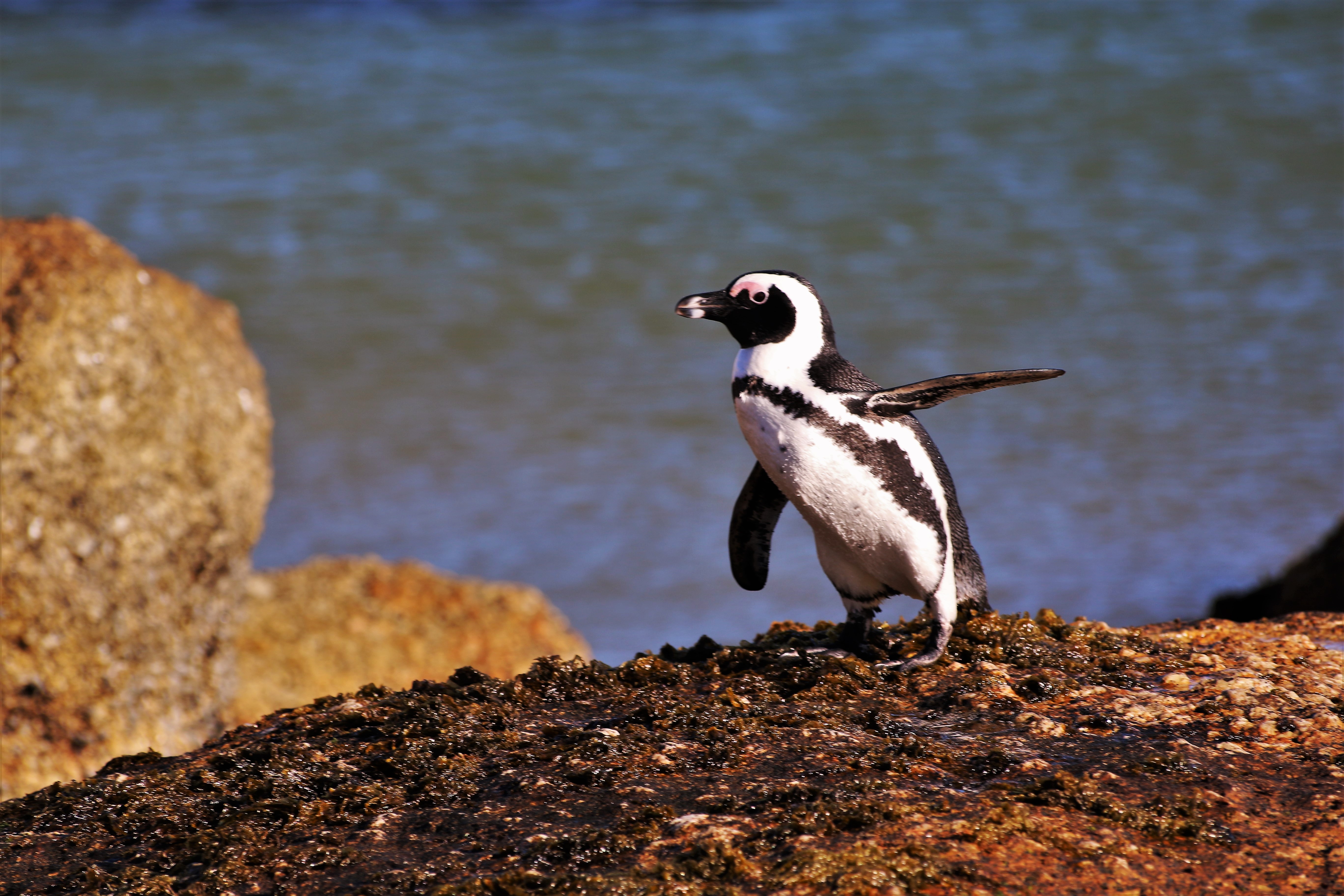
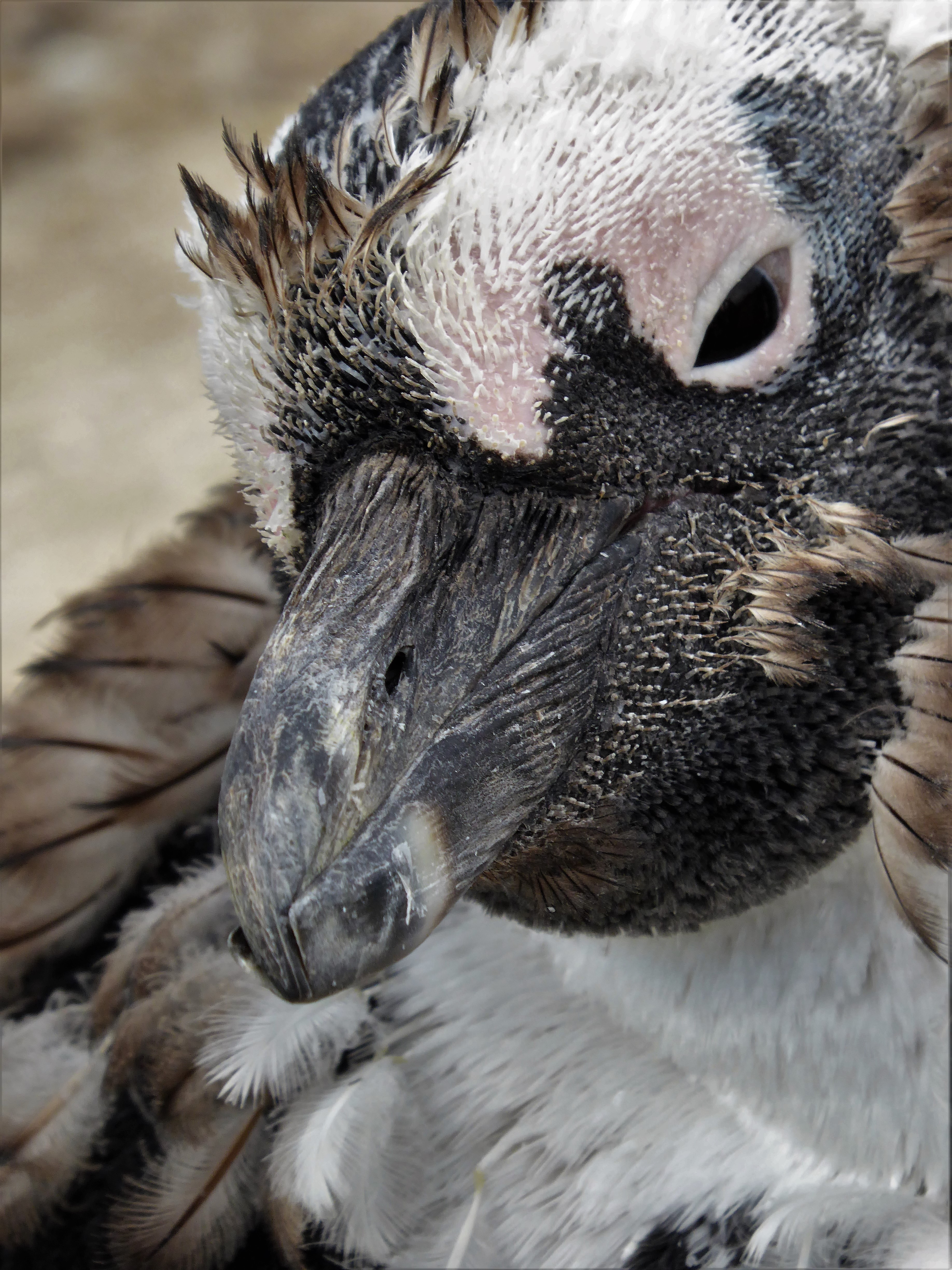
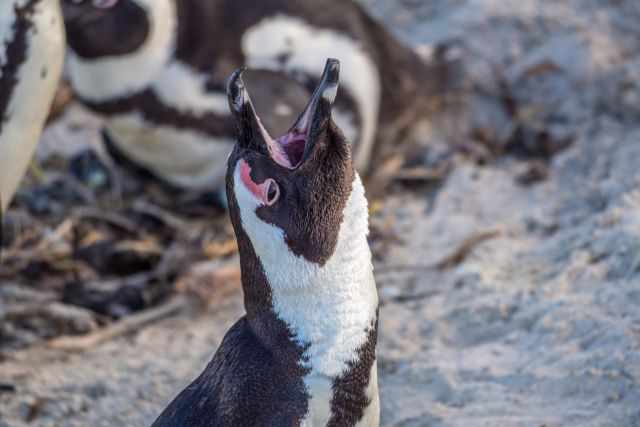
The pink patches above their eyes regulate temperature. The hotter it gets, the pinker the glands become as blood flows there to cool down.
2. Formerly called “jackass penguins”
Their donkey‑like braying gave them the nickname, but other penguin species make similar sounds — so the official name is now African Penguin.
3. Social breeders
They breed in large colonies for protection and social interaction.
4. Mate for life
Most pairs stay together and return to the same nest every year.
5. Size & weight
They weigh 2–4 kg and reach 60–70 cm in height.
6. Lifespan
In the wild, they live around 15 years.
7. Deep divers
They dive up to 130 m, hunting sardines, anchovies, squid, and small fish. They can hold their breath for about 2.5 minutes.
8. Counter‑shading camouflage
Their white belly hides them from predators below, while their black back blends with the dark ocean from above.
9. Two eggs per clutch
Both parents incubate and feed the chicks.
10. Baby blues
Around 60 days after hatching, chicks develop juvenile plumage — a soft blue‑grey color.
11. Maturity
They reach adulthood at 2–4 years.
12. Underwater vision
They see excellently underwater but are slightly nearsighted on land.
13. Unique chest patterns
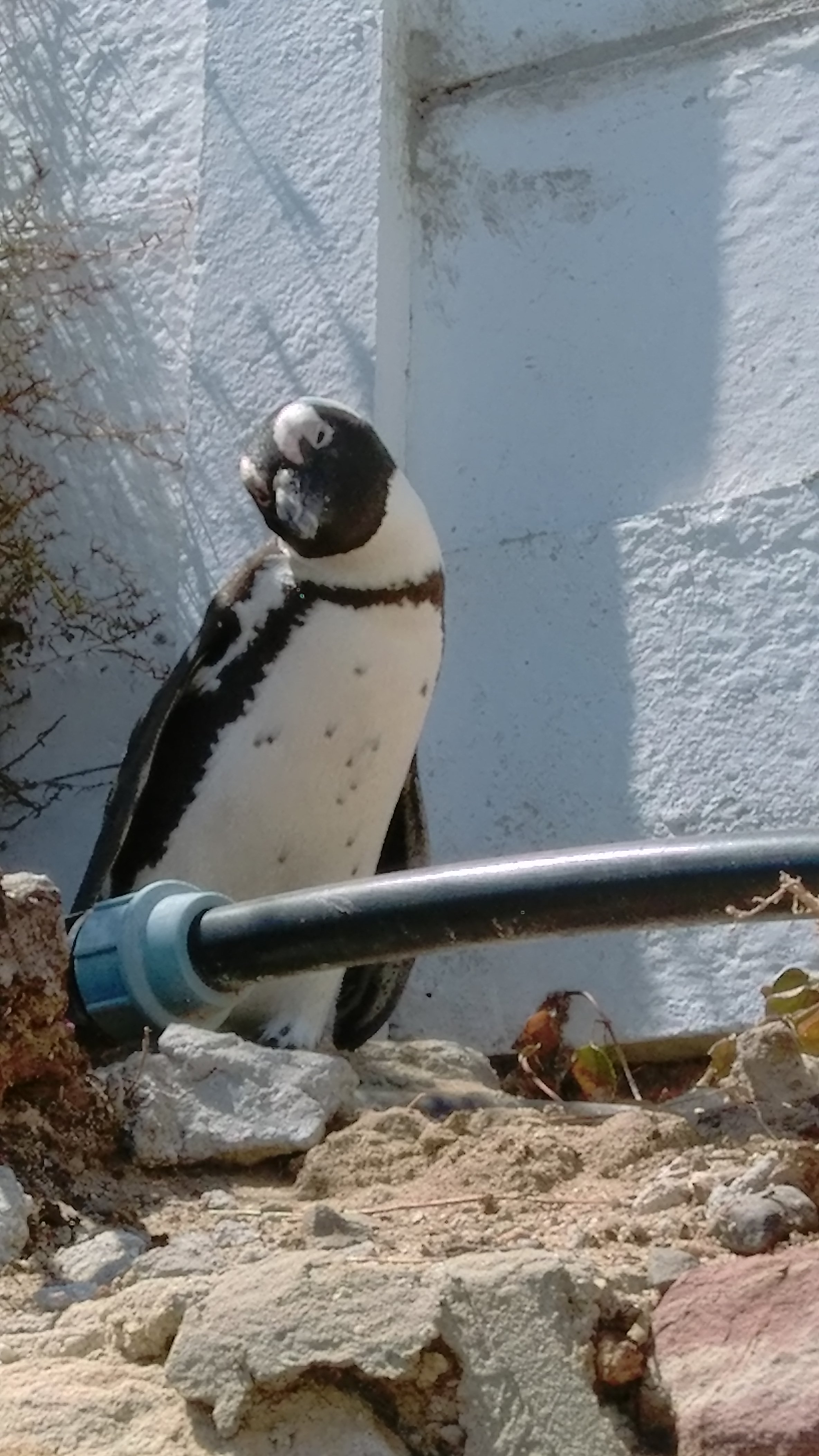
Each penguin has a unique spot pattern on its chest — like a fingerprint.
14. Salt‑water glands
Penguins drink seawater. Their glands filter out salt, which they sneeze out as crystals.
Weather at Boulders Beach
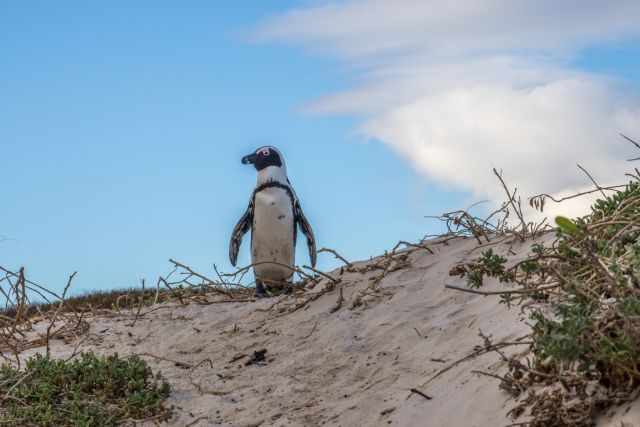
Boulders Beach lies on the False Bay side of the Cape Peninsula, which is known for mild temperatures, plenty of sunshine, and occasional strong winds. The most pleasant months are October to March, with daytime temperatures usually above 20°C. Winter is quieter but cooler, and the famous Cape winds can appear at any time — bring a windbreaker.
Spring (September–November)
Spring brings decreasing rainfall and comfortable temperatures. Days average around 20°C, nights around 13°C, and conditions are often partly cloudy with occasional overcast spells. It’s a lovely time for walking the boardwalks and watching penguins prepare for the breeding season.
Summer (December–February)
Summer is the driest and sunniest period. Daytime temperatures average 24°C and can reach 30°C, while nights stay around 15°C. The light breeze keeps conditions pleasant, though the southeaster — known as the Cape Doctor — can blow strongly for days. Water temperatures hover around 18°C, refreshing but chilly.
Autumn (March–May)
March remains mostly dry, with rainfall increasing from April onward. Daytime temperatures stay above 20°C, and conditions are often sunny or partly cloudy. Misty mornings can occur, especially in April. Nights cool to around 13°C. This is a beautiful season with plenty of penguin activity.
Winter (June–August)
Winter brings a mix of sunny, cloudy, and overcast days. Rainfall peaks in June, with around 90 mm per month. Daytime temperatures average 18°C, dropping to 10°C at night. Despite cooler weather, winter offers peaceful boardwalks, dramatic skies, and wonderful late‑afternoon penguin viewing.
Essential Travel Tips for First Time Visitors
Don't miss out on my first-timer's guide and learn all about the South Africa Travel Tips: 12 Things You Must Know Before Your Trip
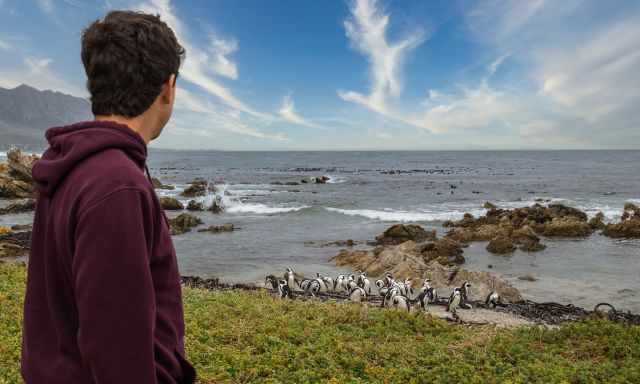
Betty's Bay is the other exceptional place less known to watch these cute guys closely. It is a 1.5-hour drive around False Bay to the east to the Garden Route.

Planning more adventures around Cape Town? My detailed Table Mountain hiking guide covers the best routes, safety tips, and when to start your climb for the most rewarding views.
FAQ – Boulders Beach & African Penguins
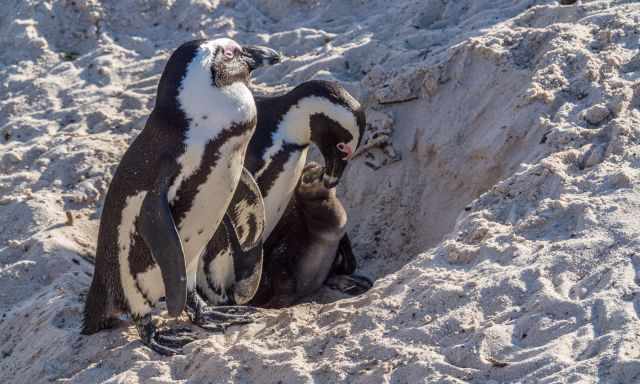
1. Can you see penguins at Boulders Beach all year?
Yes — African Penguins are present year‑round. Their numbers and behavior change with the seasons, but you can always see penguins at Foxy Beach and often at Boulders Beach itself. Late afternoon offers the best activity and light.
2. What is the best time of day to see penguins?
Late afternoon is ideal. Penguins return from foraging 2–3 hours before closing, gather in large numbers, feed their chicks, and the boardwalk becomes quieter. Early morning is peaceful but has fewer penguins.
3. What are the best months to see the most penguins?
The highest penguin activity is from November to August, with peak viewing from March to May. April–June offers excellent sightings with fewer tourists.
4. Where is the main penguin colony?
The main colony is at Foxy Beach, not Boulders Beach. Most penguins nest, breed, and raise chicks here. The boardwalks provide close‑up viewing without disturbing the birds.
5. Can you swim at Boulders Beach?
Yes — swimming is allowed at Boulders Beach, the sheltered bay with turquoise water and giant granite boulders. Penguins may appear on the sand, but this is not the main colony.
6. How far is Boulders Beach from Cape Town?
It’s about one hour from Cape Town’s V&A Waterfront, 30 minutes from Muizenberg, and 40 minutes from Hout Bay. It pairs perfectly with a visit to the Cape of Good Hope (23 km away).
7. How do I get to Boulders Beach without a car?
Take the train to Simon’s Town Station (3 km away) and continue by Uber or taxi. Guided Cape Peninsula tours also include Boulders Beach, Cape Point, and Chapman’s Peak Drive.
8. Where can I park at Boulders Beach?
Use Seaforth Square (larger, open 24 hours) or Bellevue Road (smaller, closes earlier). Ask the attendant about gate closing times. Morning or late afternoon offers easier parking.
9. Are there other places nearby to see penguins?
Yes — smaller groups can be seen at Water’s Edge Beach, Seaforth Beach, and along Burgers’ Walk. These spots are free but less reliable than Foxy Beach.
10. Why is Boulders Beach a protected area?
African Penguins are endangered. Boulders lies within a Marine Protected Area, which keeps the colony stable. Fishing, smoking, alcohol, feeding wildlife, and disturbing penguins are prohibited.
11. How close can I get to the penguins?
Keep a 3‑meter distance. Penguins have strong beaks and can bite. The boardwalks ensure safe, respectful viewing.
12. How many penguins live at Boulders Beach?
Around 2,000 African Penguins live in the greater Boulders area, though numbers fluctuate throughout the year. During peak months, you may see more than 1,000 penguins across Foxy and Boulders Beach.
13. What makes late afternoon so special?
Golden light, fewer visitors, penguins returning from the sea, reflections in tidal pools, and calm conditions — perfect for photography and peaceful wildlife watching.
14. Is Boulders Beach suitable for families?
Yes — boardwalks are wheelchair‑friendly, safe, and easy to navigate. Kids love watching penguins up close, and the swimming beach is sheltered.
15. Do I need to pay an entrance fee?
Yes — a conservation fee is required to enter the protected area. This supports SANParks and penguin protection.
Best Months to Visit
Location and Tips

We visited Boulders Beach multiple times and always left this place with a big smile. I will give you all the information about the best times, when to spot more than one thousand penguins, the different penguin seasons, and how to get the most out of your visit at Boulders Beach or Foxy Beach, close to Cape Town.
If you wish to use any of my photos, contact me, but I will take action against picture theft. Why do I write this here? Hundreds of my pictures are used worldwide without any credit, nor did they get my permission. I don’t mind giving permission, but I want to get asked for it and to be mentioned. The World Wide Web changed a lot, and rewriting honest travel content with AI is the new business for many fake travel websites. Do you wish to know more about this topic and how to unmask such websites quickly? Read my article “The Truth About Fake Travel Websites and Picture Theft.”