
When Is the Best Time
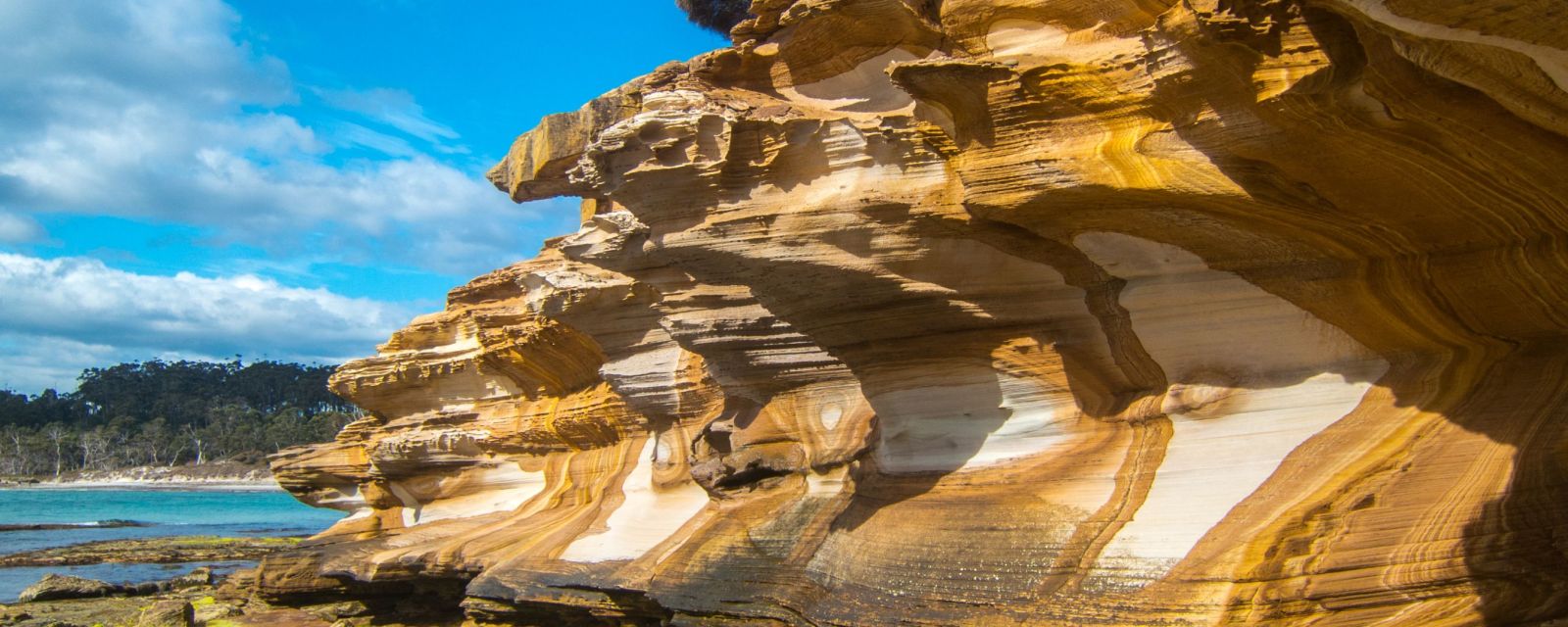
The Painted Cliffs on Maria Island are one of Tasmania’s most underrated natural wonders — a true hidden gem for hikers, photographers, and nature lovers. Located within Maria Island National Park, which was established in 1971, the island is car-free, making proper planning and ferry booking essential for your visit.
Maria Island is also famous for its abundant wildlife, including wombats, wallabies, Cape Barren geese, and even Tasmanian devils — a highlight for many visitors.
When we visited the Painted Cliffs, we had the place entirely to ourselves — not a soul in sight. While most visitors stay just a few hours, we highly recommend spending one or two nights on the island. Once the daytrippers leave, wildlife becomes more active, and the island transforms into a peaceful paradise for birdwatching and wallaby spotting.
We spent a full month exploring Tasmania, and Maria Island was the highlight — our entire itinerary was built around experiencing the Painted Cliffs at the perfect time.
In this guide, you’ll find everything you need to know, so check the Table of Contents to navigate through all chapters.
Best Time and Daytime for the Painted Cliffs
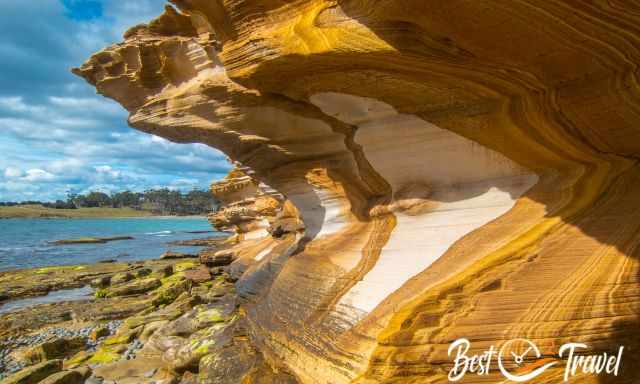
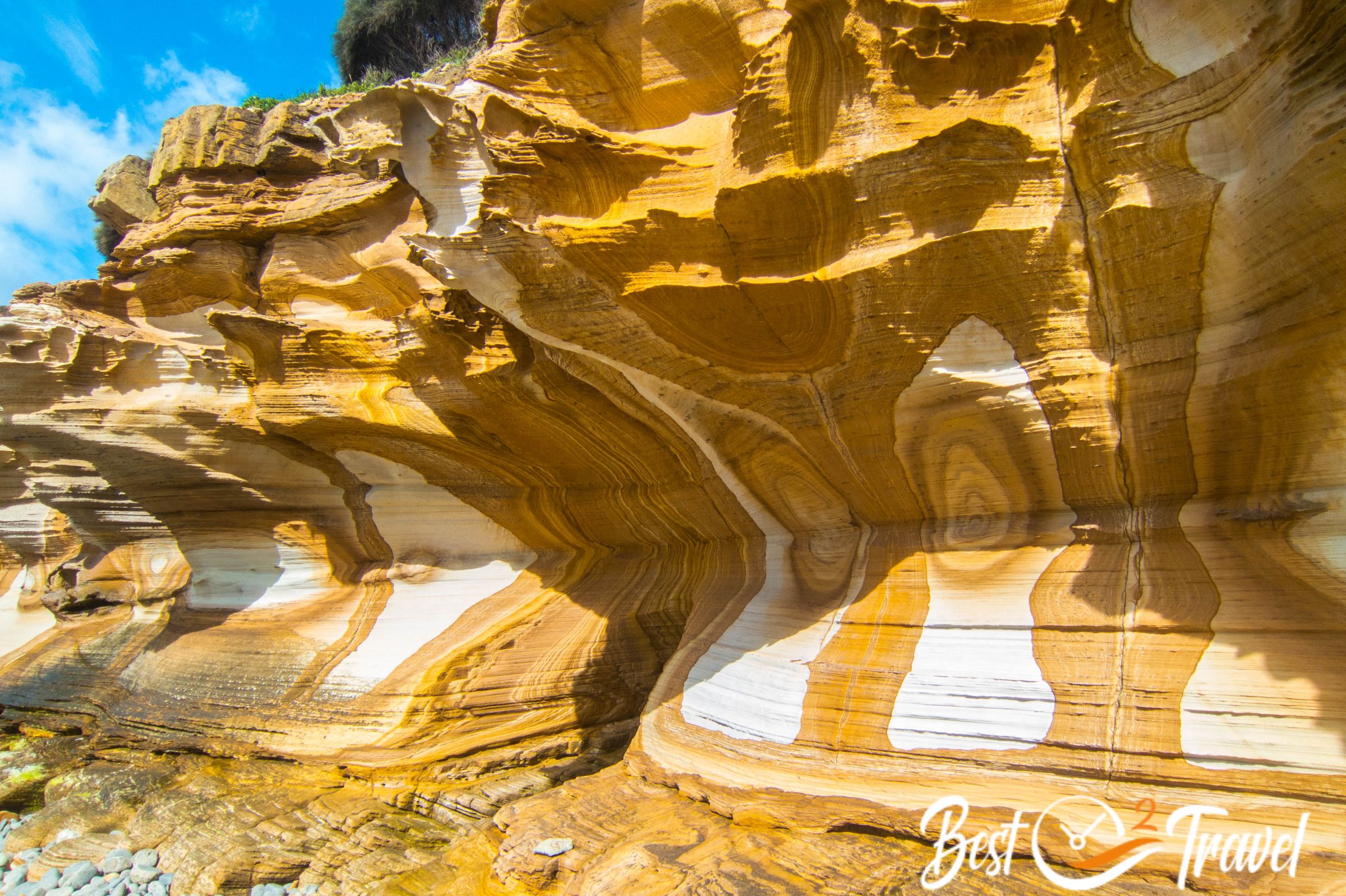
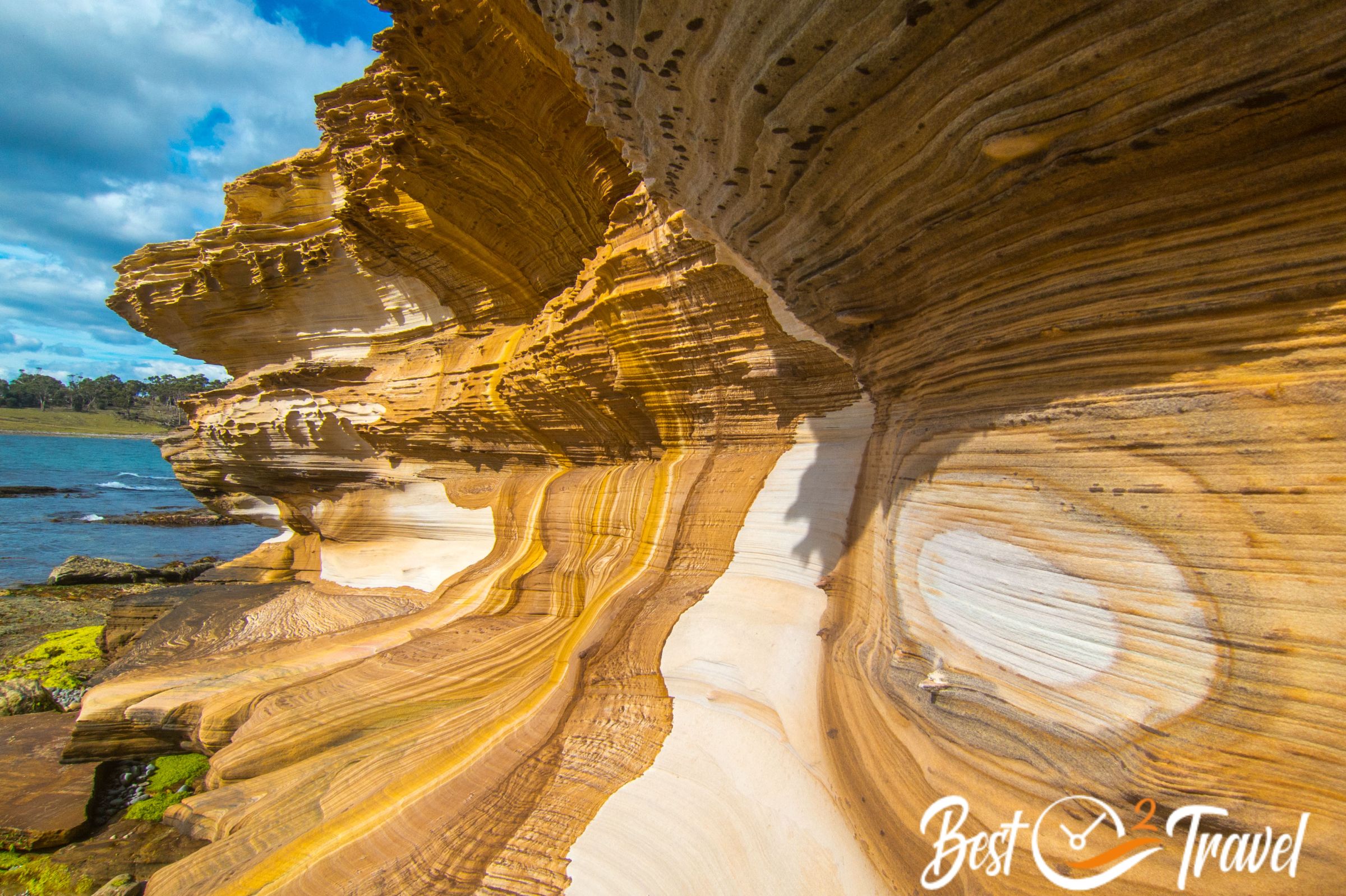
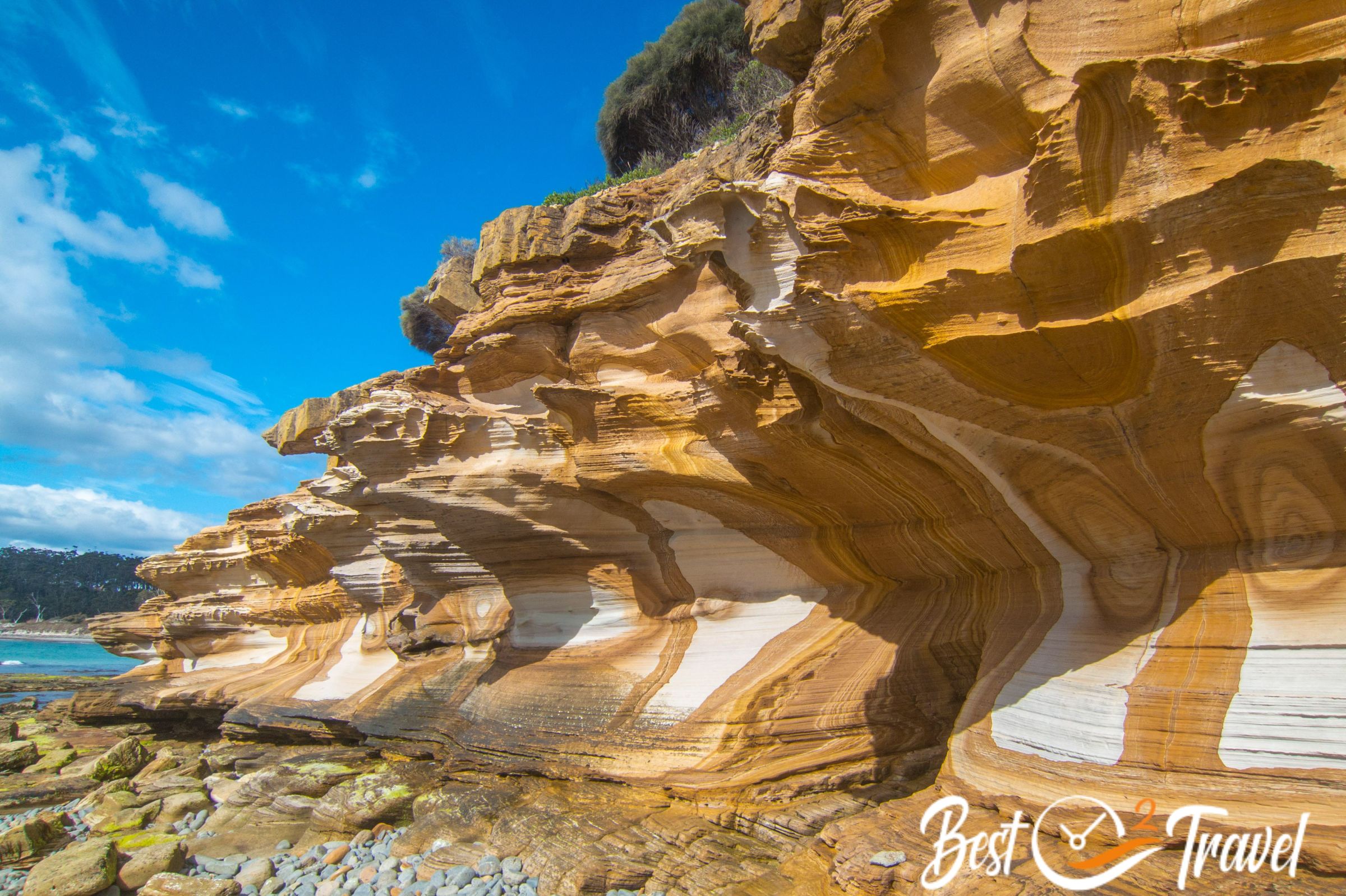
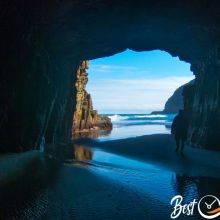
The Painted Cliffs are at their most spectacular in the afternoon sunlight, when the golden rays bring out the vivid patterns in the sandstone. Timing your visit with low tide is essential — the rock platform is only safely accessible within about two hours on either side of low tide. This means there are fewer than ten ideal days each month for photography and close‑up exploration.
Summer offers the longest daylight hours but is also the busiest season. To enjoy the cliffs with fewer visitors, plan your trip between September and November or April and May, or consider staying overnight on Maria Island. We camped for two nights in November and loved every moment, despite the crisp day and night temperatures.
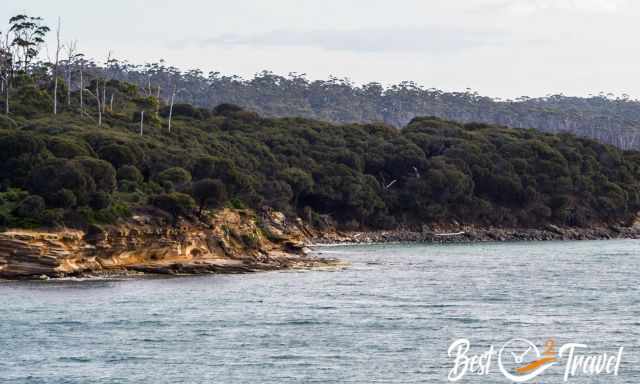
Wind, waves, and weather constantly shape the fragile sandstone here, making each visit unique. Before setting out, always check the Maria Island tide times to ensure safe access and the best possible experience.
How to Get to Maria Island - Ferry Details
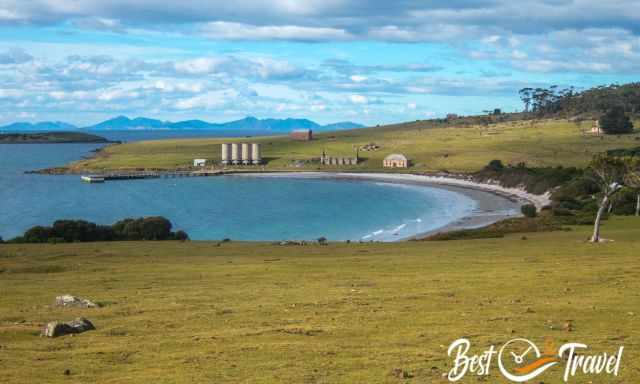
Darlington Bay and its historic jetty mark the arrival point on Maria Island. This is where you’ll find the visitor centre, pick up your park permit, and begin exploring one of Tasmania’s most remarkable landscapes. Maria Island lies just off Tasmania’s east coast, a short distance from Triabunna, and is easily reached by ferry.
The Maria Island Ferry operates several times a day and takes only 30 minutes to cross from Triabunna to Darlington, the island’s main settlement. Established as a convict station in 1832, Darlington is now part of the UNESCO World Heritage–listed Australian Convict Sites, making the ferry arrival itself a step into history.
Why Visiting Maria Island by Bike Is a Game‑Changer
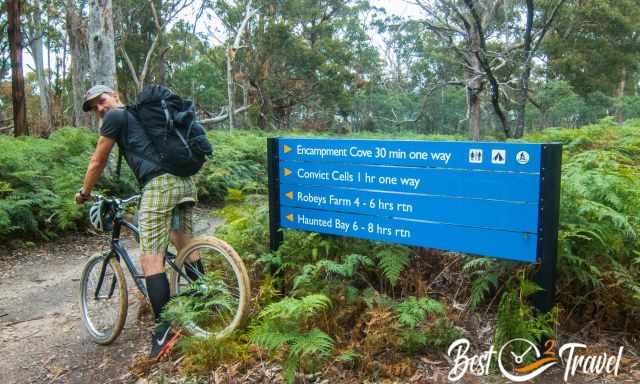
Maria Island is surprisingly large — about 20 km long and 13 km wide — and exploring it entirely on foot is challenging. Renting a bike is a major advantage. Combining hiking with biking allows you to reach trailheads quickly and explore more in a single day. This is exactly what we did, and it made our visit far more flexible and enjoyable. It was absolutely the right decision and the reason we could explore the Painted Cliffs, Fossil Cliffs, and Bishop and Clerk with ease.
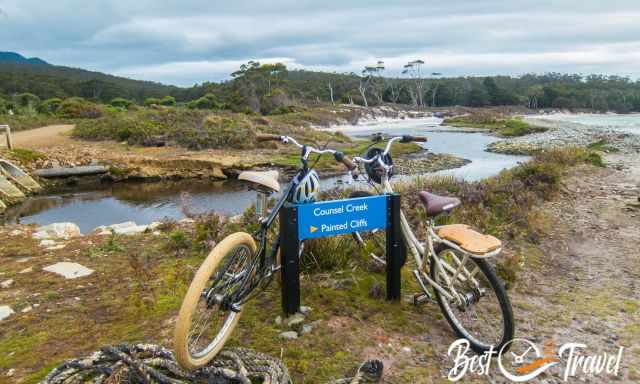
Bike rentals must be booked together with your ferry ticket, and while the price is on the higher side, it’s worth every dollar — especially if you plan to stay overnight.
Luggage, Fees & What You Need to Know

The ferry operator has increased return fares, and the park authority now charges an additional National Park fee. The standard ferry ticket includes one bag up to 7 kg. If you’re staying overnight — like we did with our tent and sleeping bags — you’ll need to pay an extra luggage fee for additional gear.
You also require a National Park Holiday Pass to stay on the island.
Ferry Timetable Overview
September–April (Peak Season)
Up to five daily departures, depending on demand and bookings. Maria Island is extremely popular in summer, and ferries often sell out — booking early is essential.
May–August (Winter Season)
Up to three daily departures on five days per week, depending on demand. Winter is quieter, but weather conditions can affect schedules.
Check the latest Maria Island ferry timetable, booking and return fares before planning your trip.
Painted Cliffs on Maria Island – How Nature Created This Masterpiece
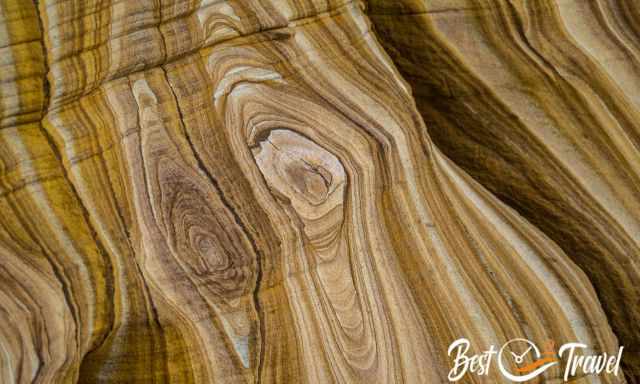
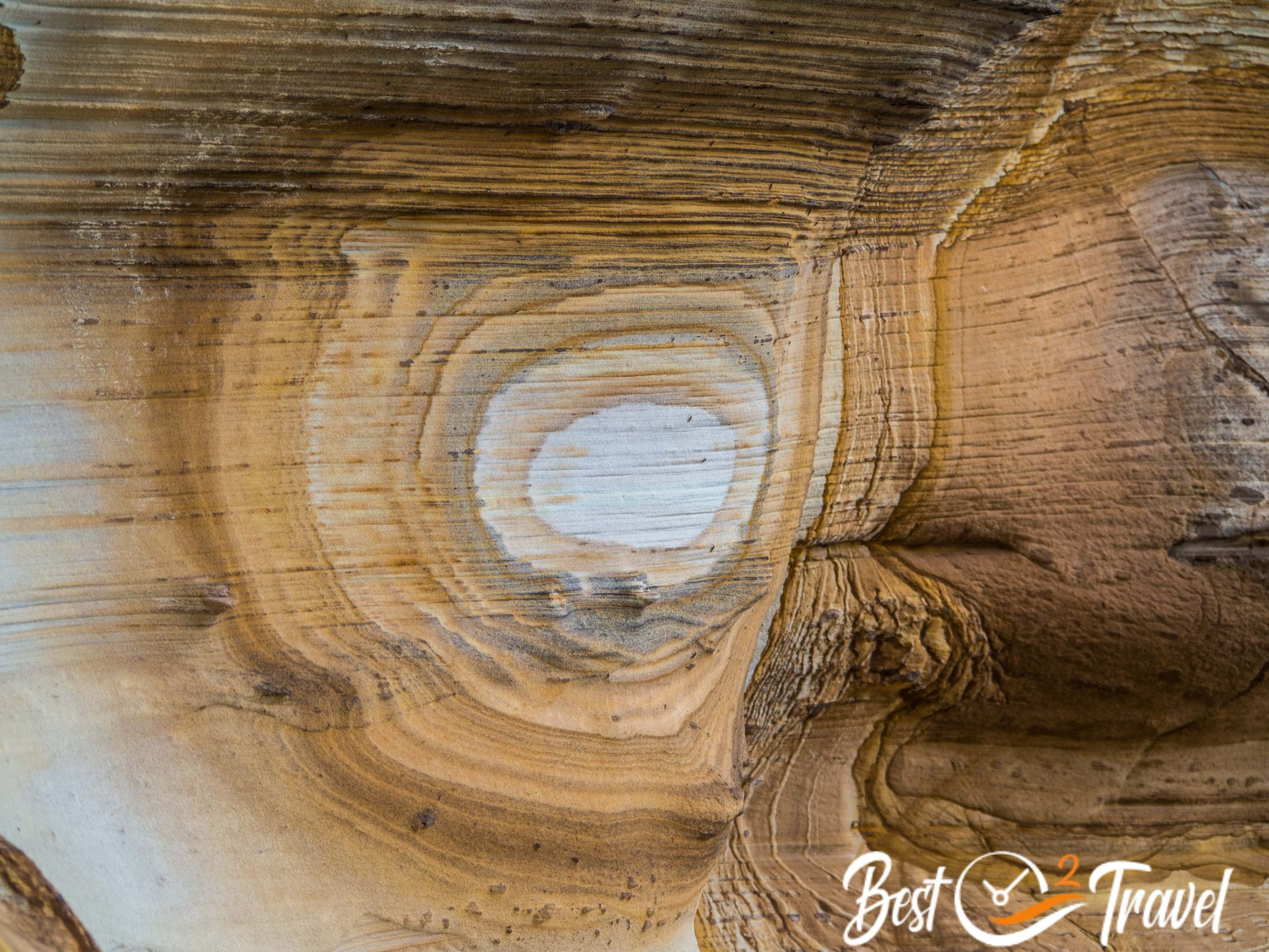
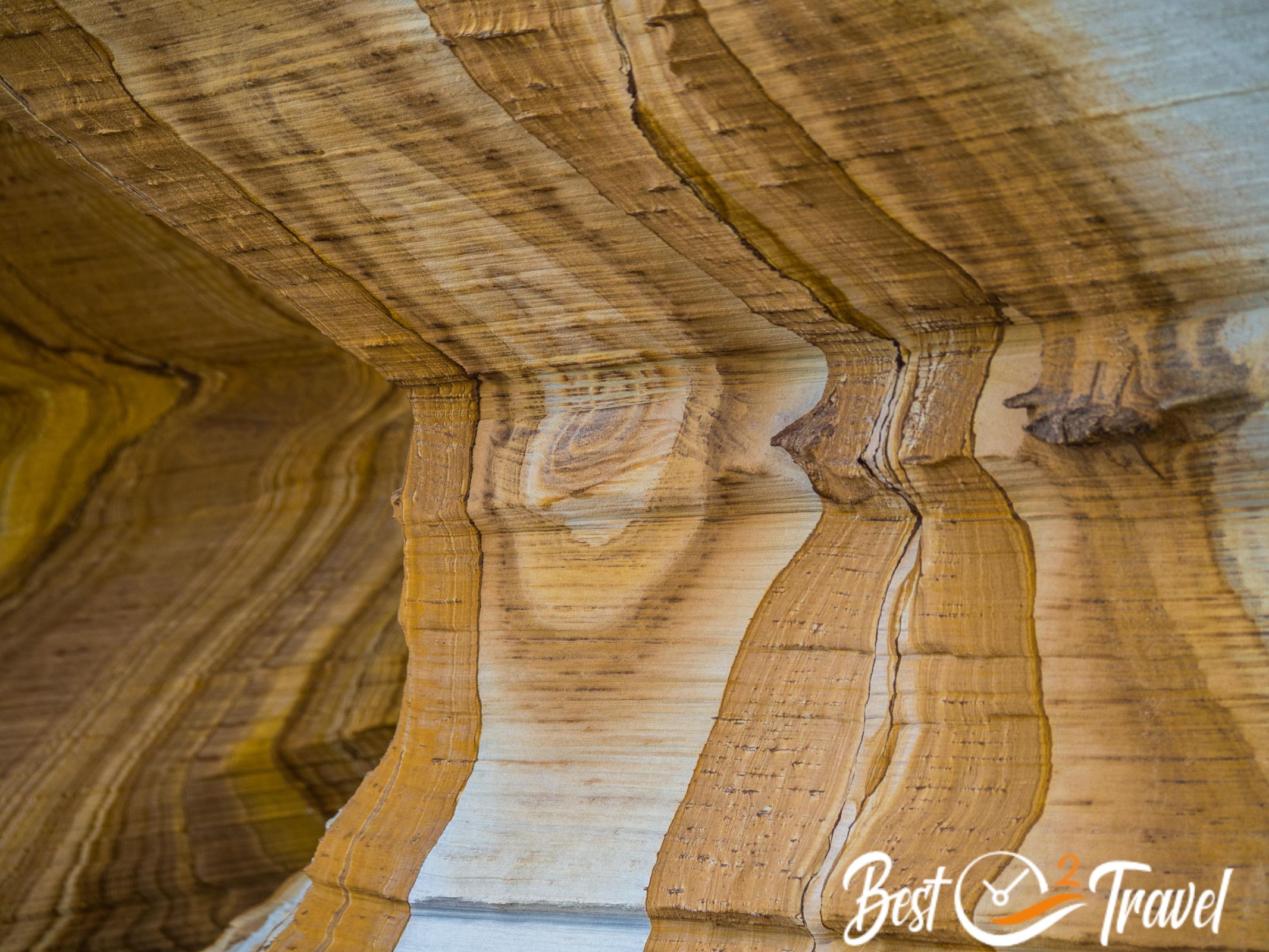
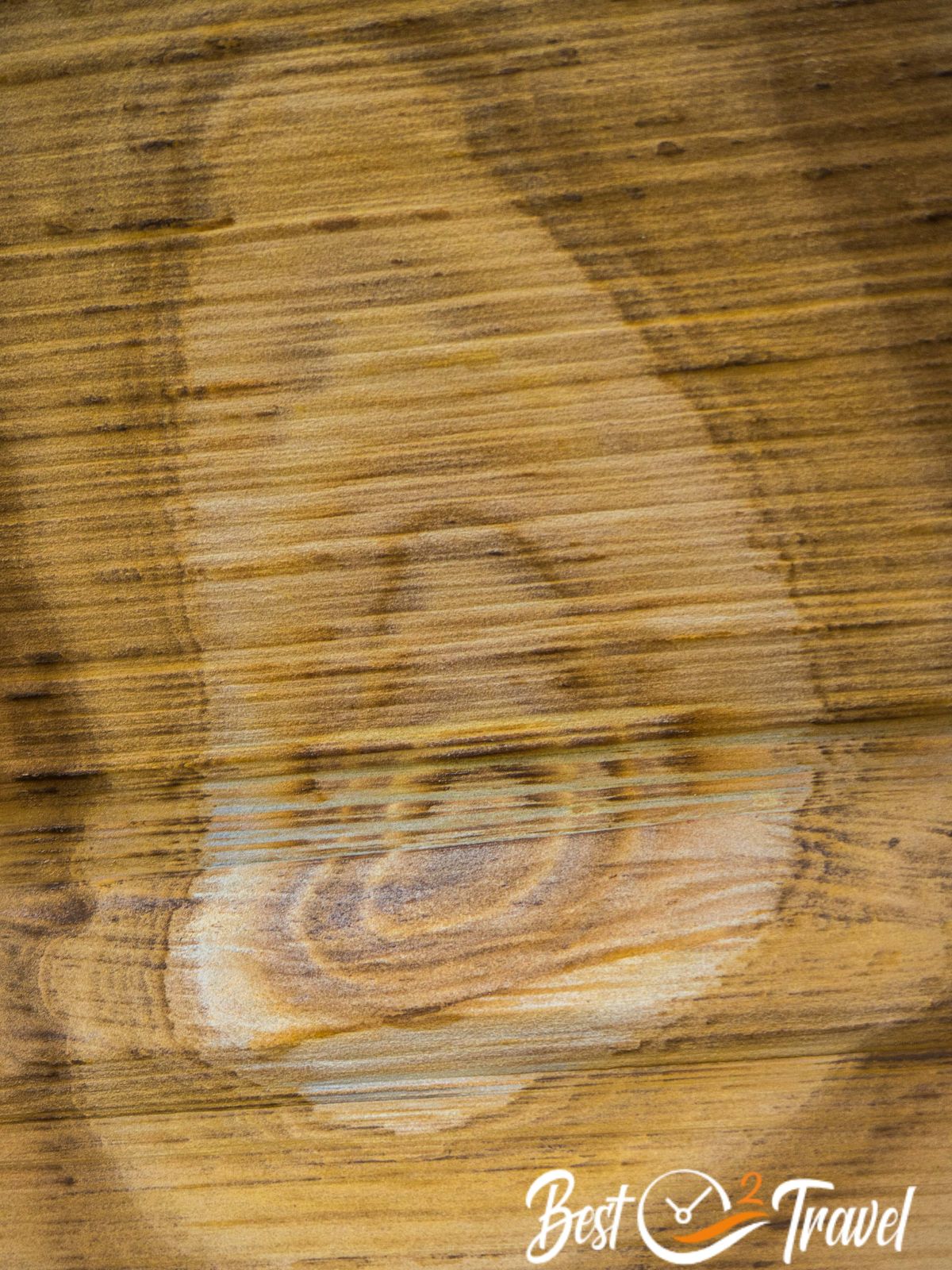
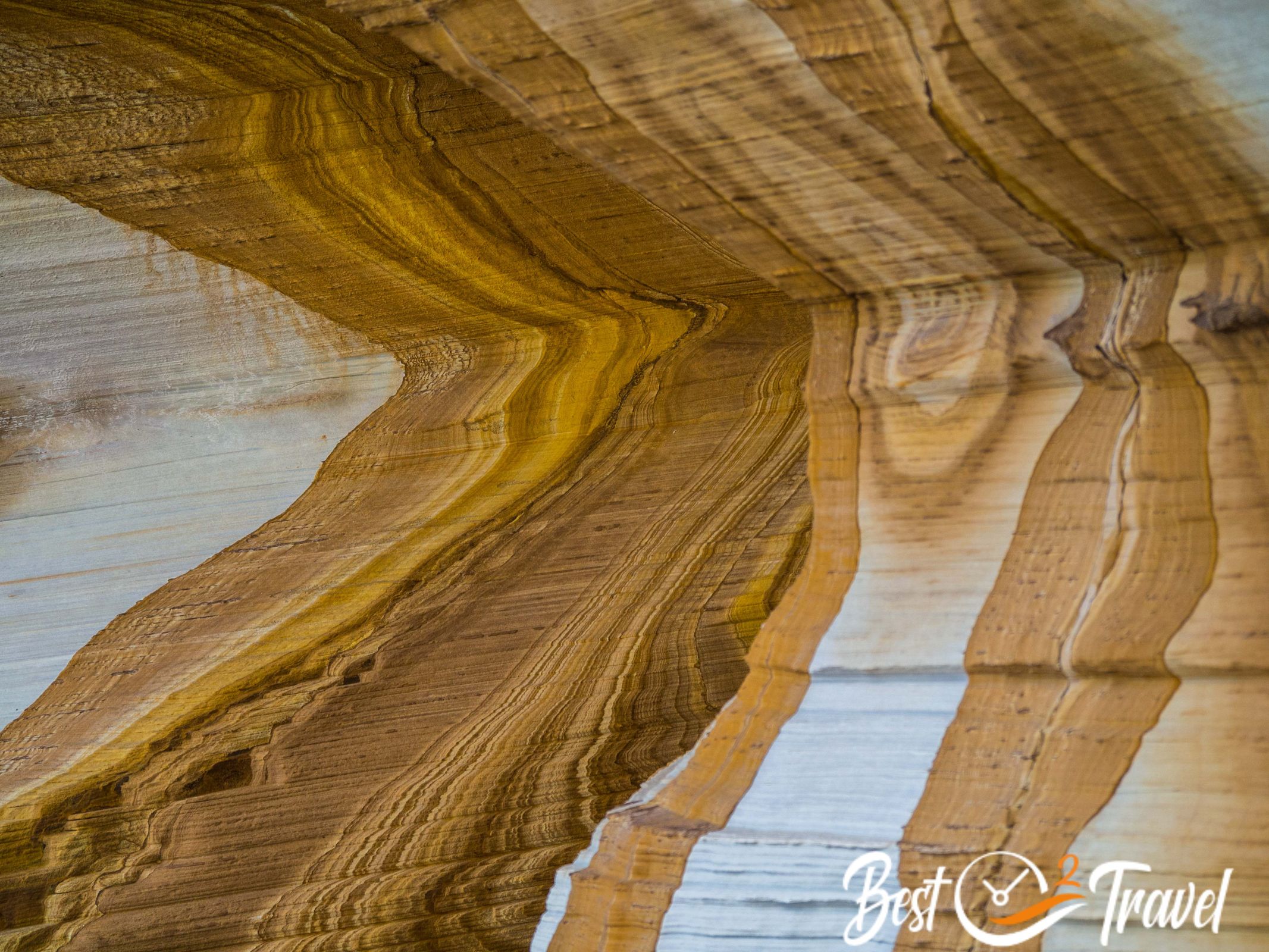
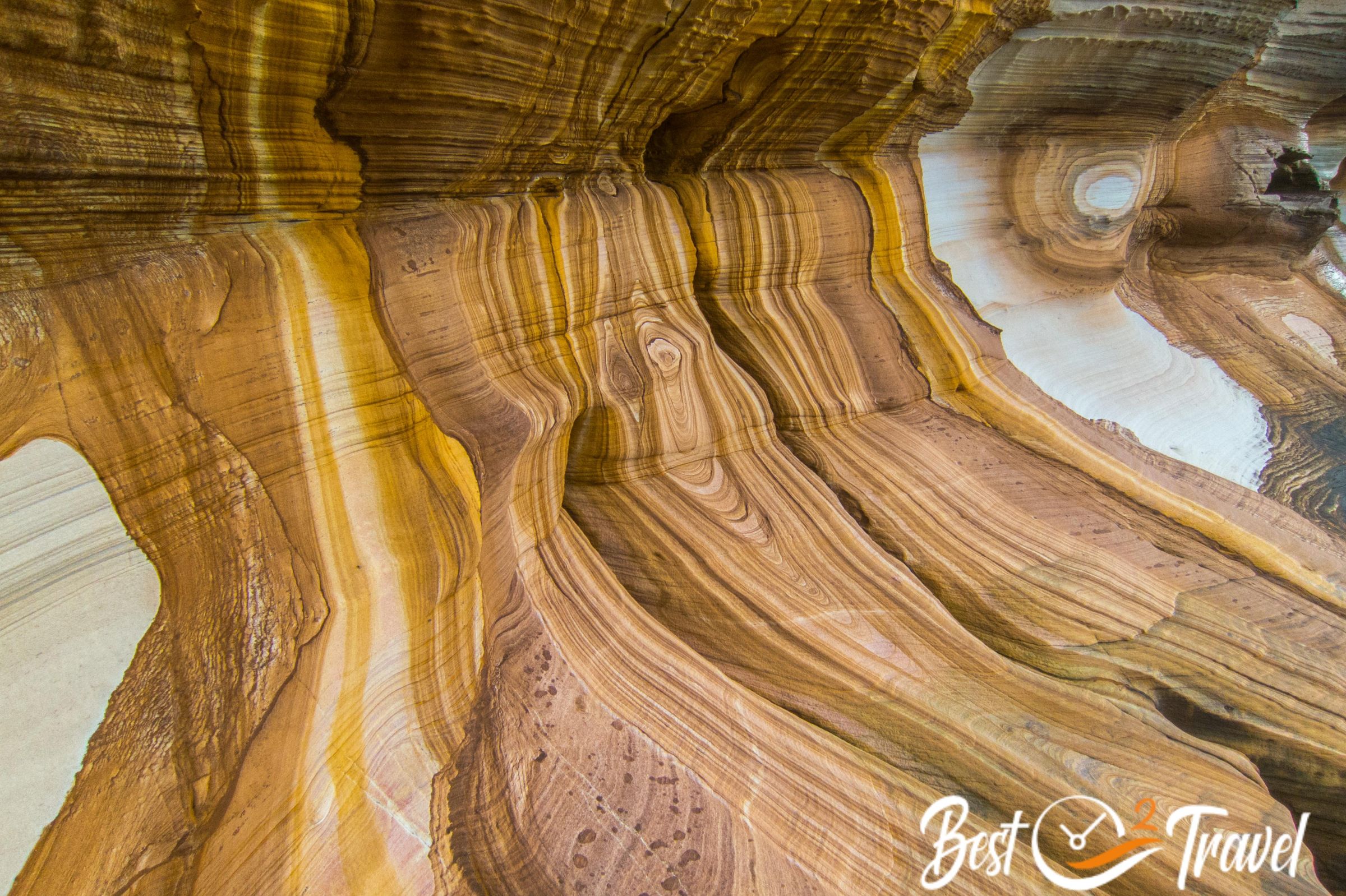
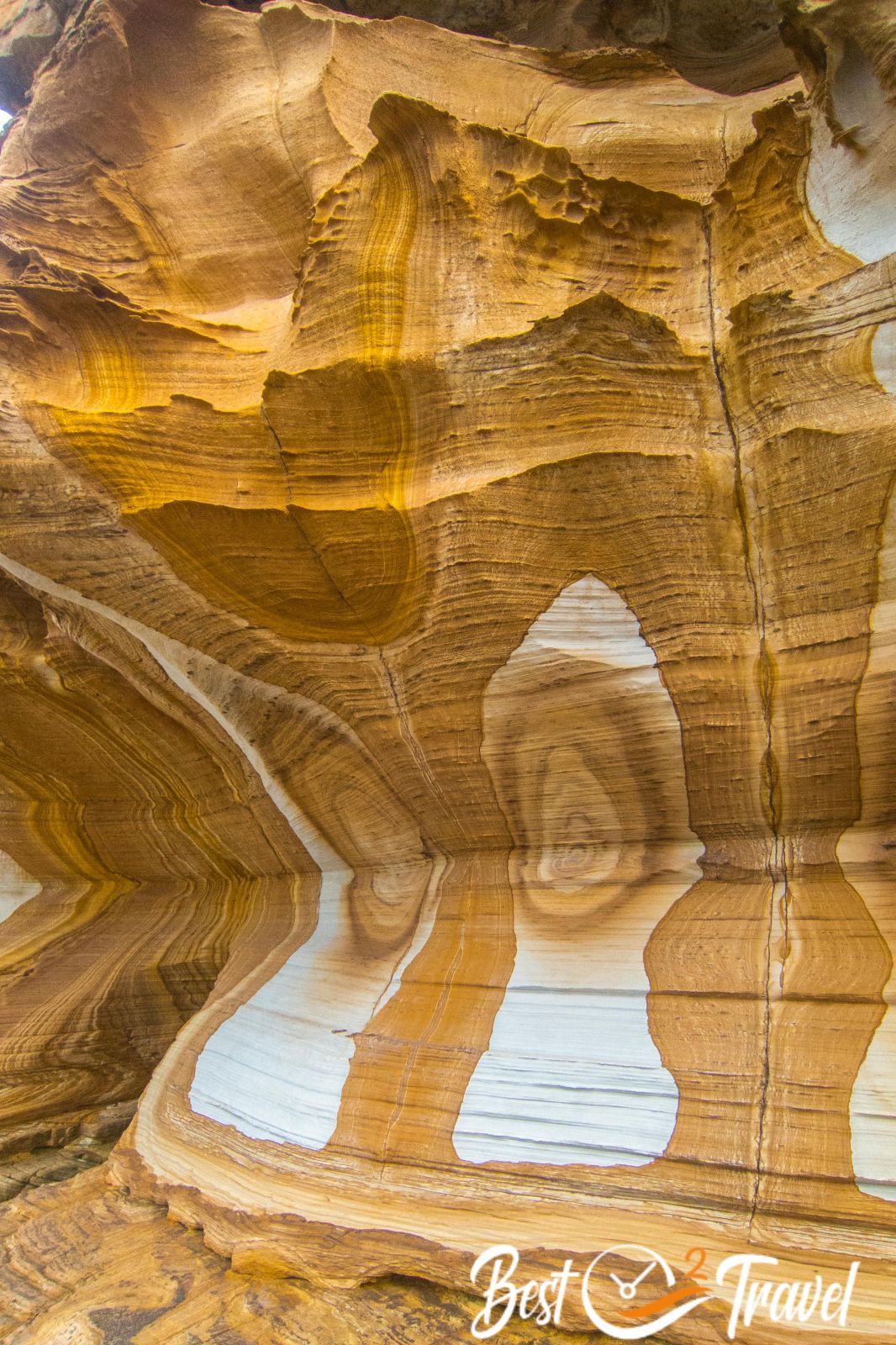
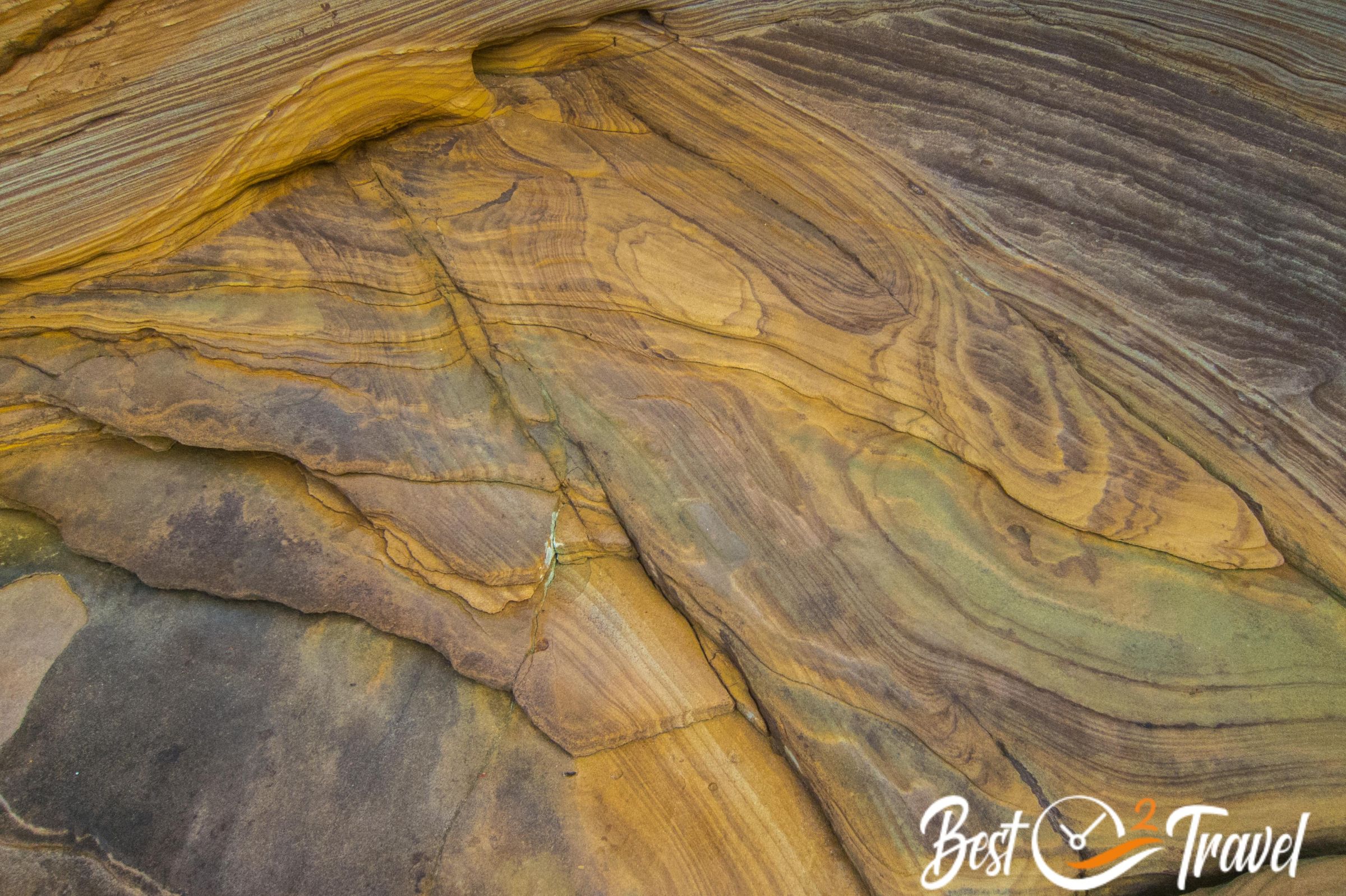
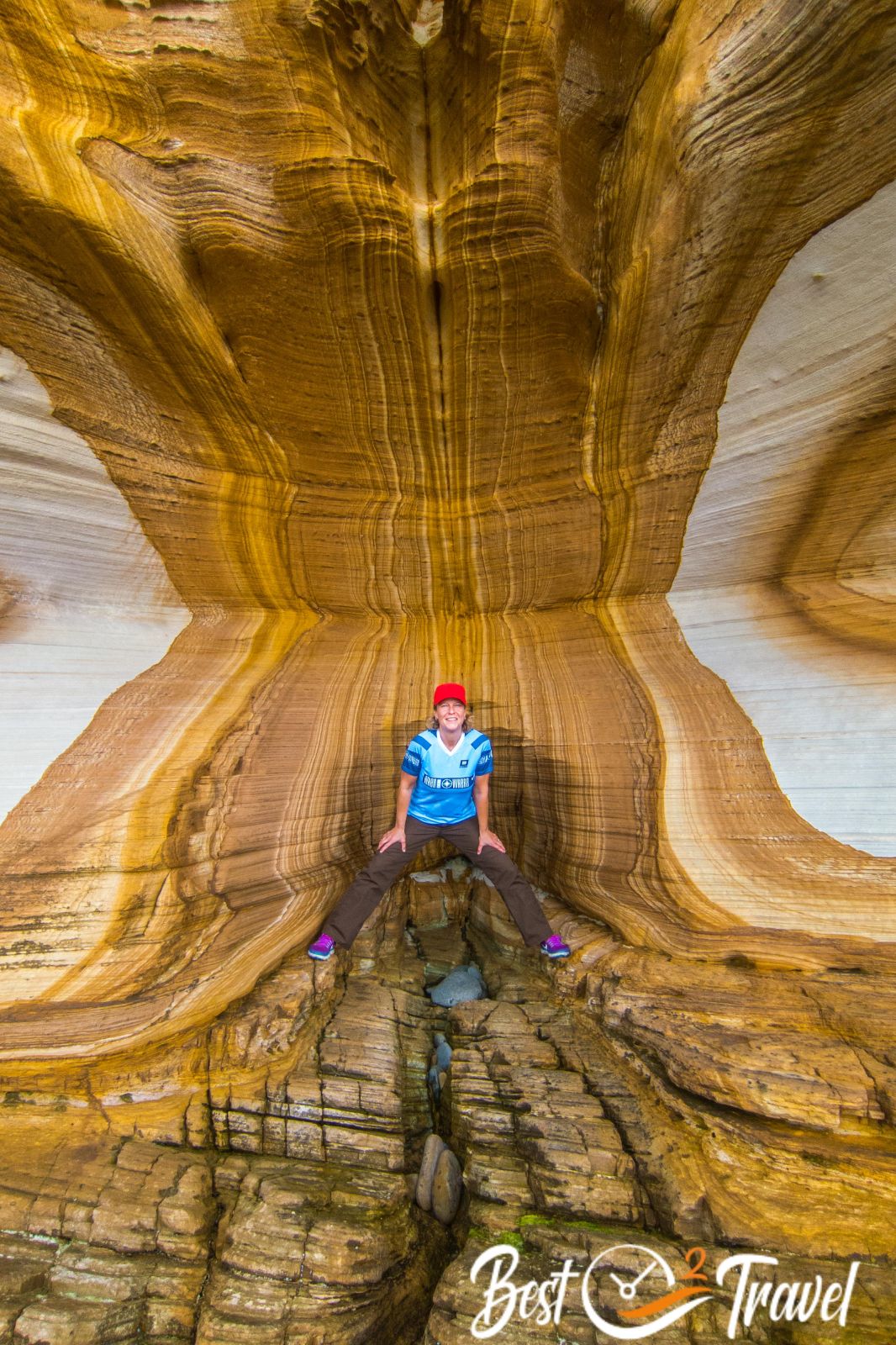
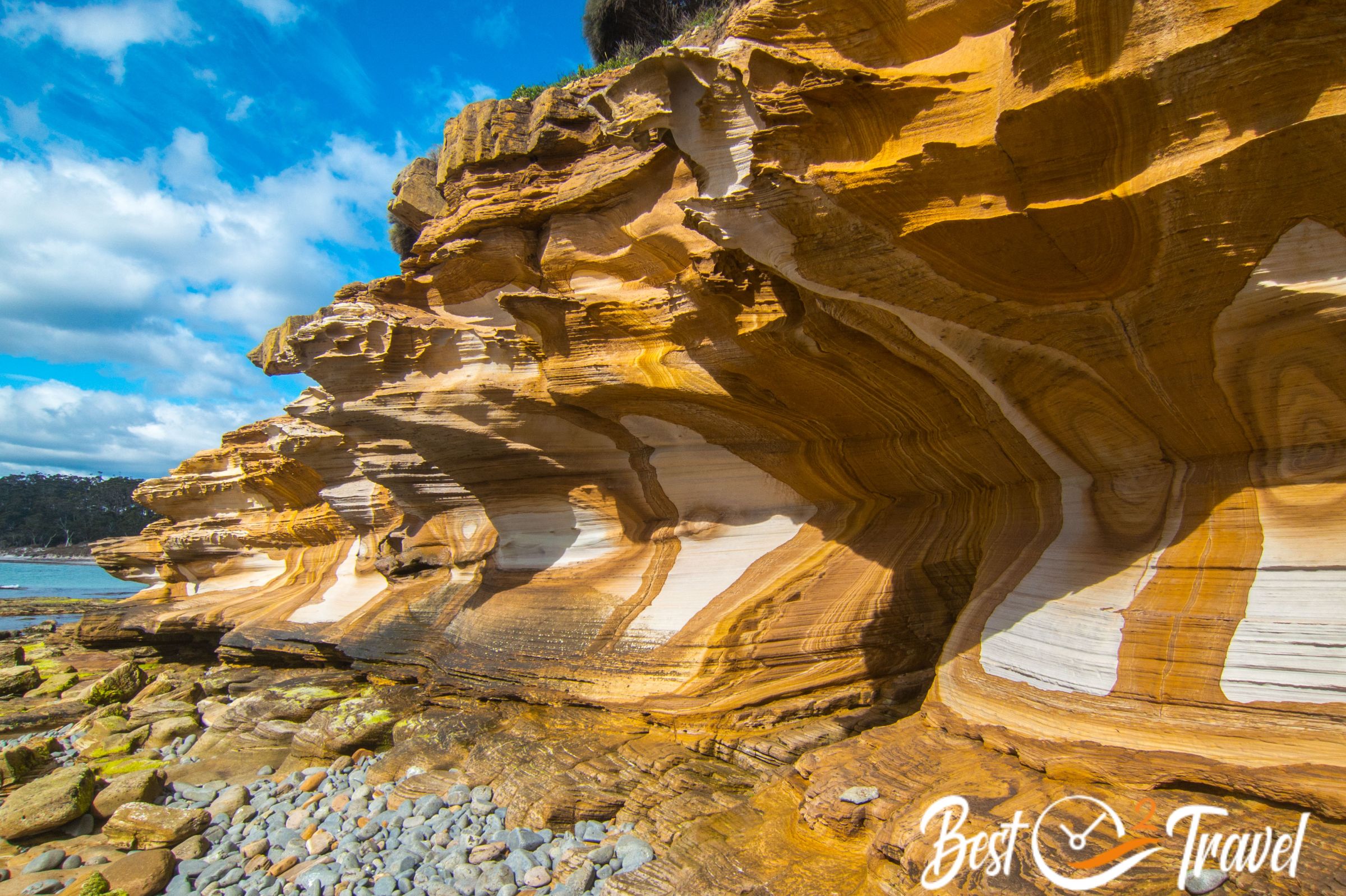
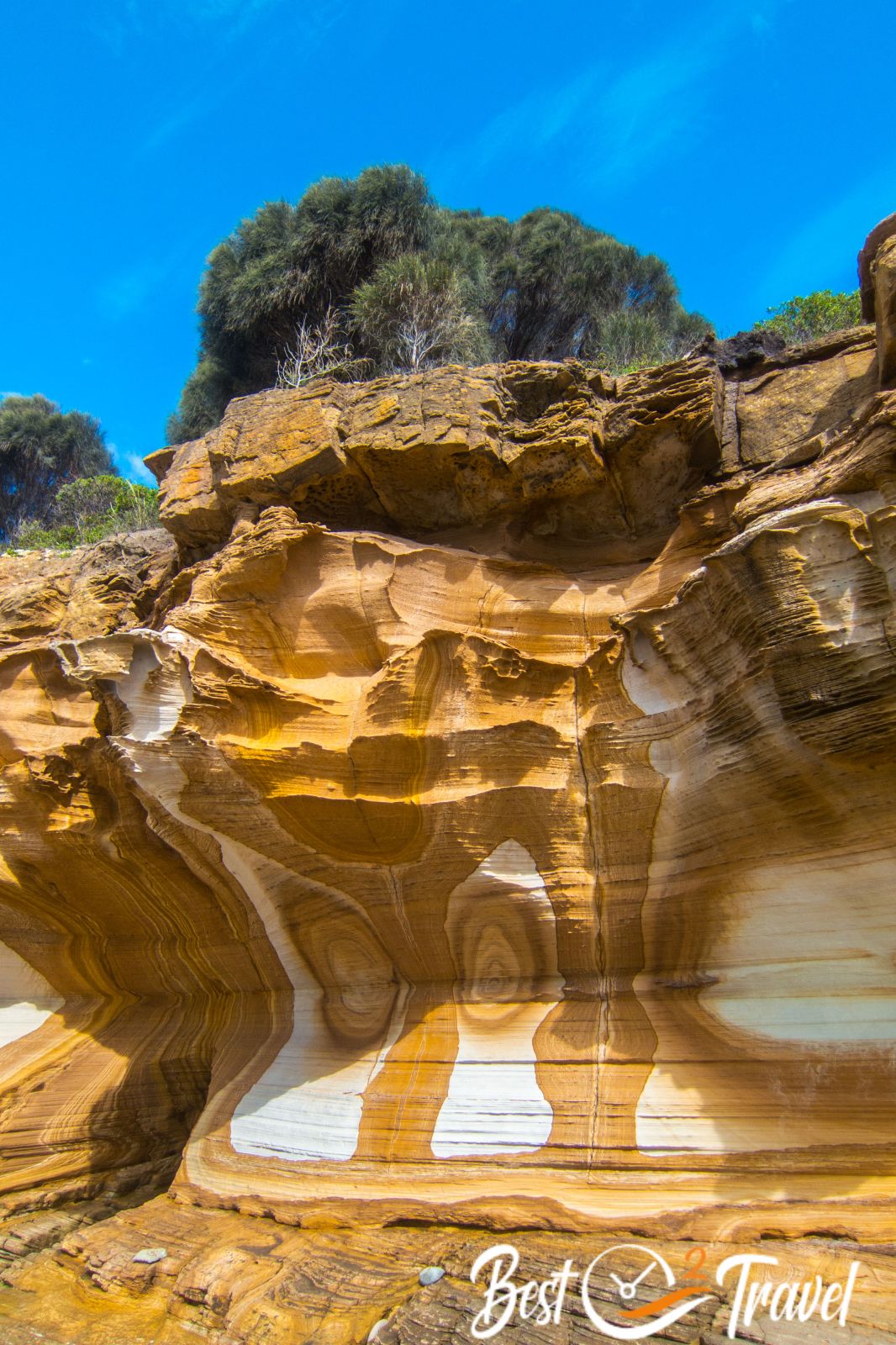
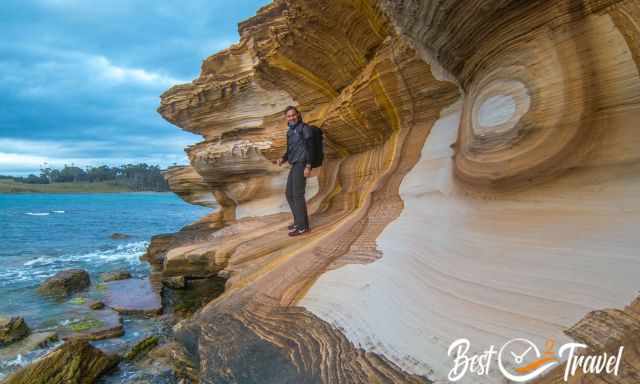
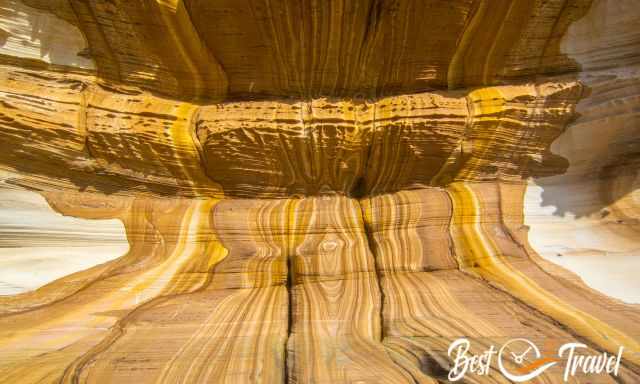
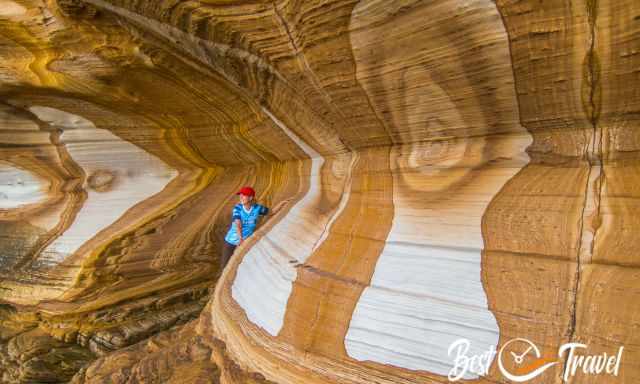
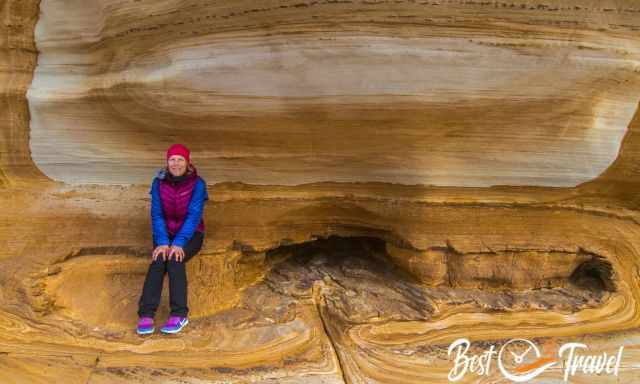
The Painted Cliffs on Maria Island are one of Tasmania’s most iconic natural wonders. Their swirling patterns and vivid colours formed millions of years ago when mineral‑rich groundwater seeped through layers of sandstone. As iron oxides and other minerals accumulated, they stained the rock in striking bands, creating the unique formations you see today.
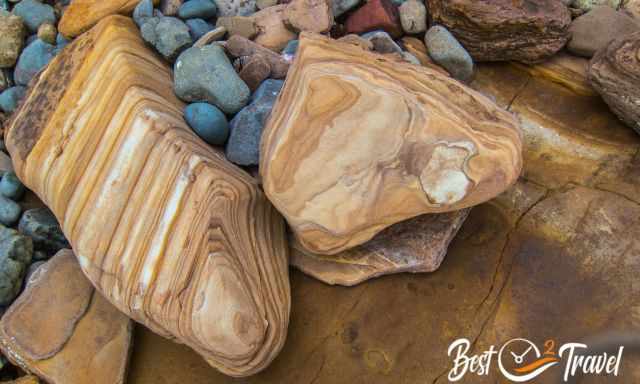
These cliffs are constantly changing. Wind, waves, and weather gradually reshape the sandstone, and even the sea spray plays a role. As salt crystals form inside the rock, they carve out delicate honeycomb textures — beautiful, but also weakening the stone over time. Recently, part of the cliff top at the far end collapsed, a reminder that this natural artwork is ever‑evolving.
The Painted Cliffs won’t last forever. They are evanescent, shaped and reshaped by nature each year.
Where Are the Painted Cliffs on Maria Island Located?
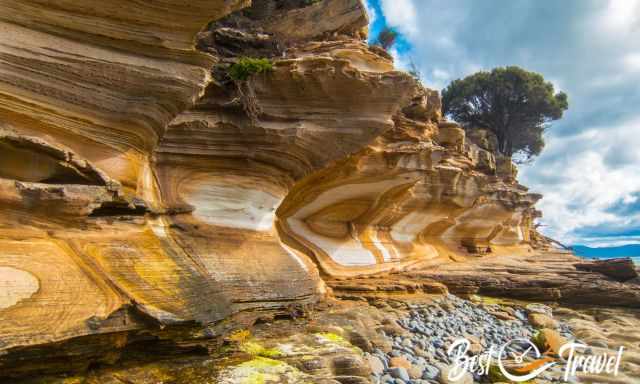
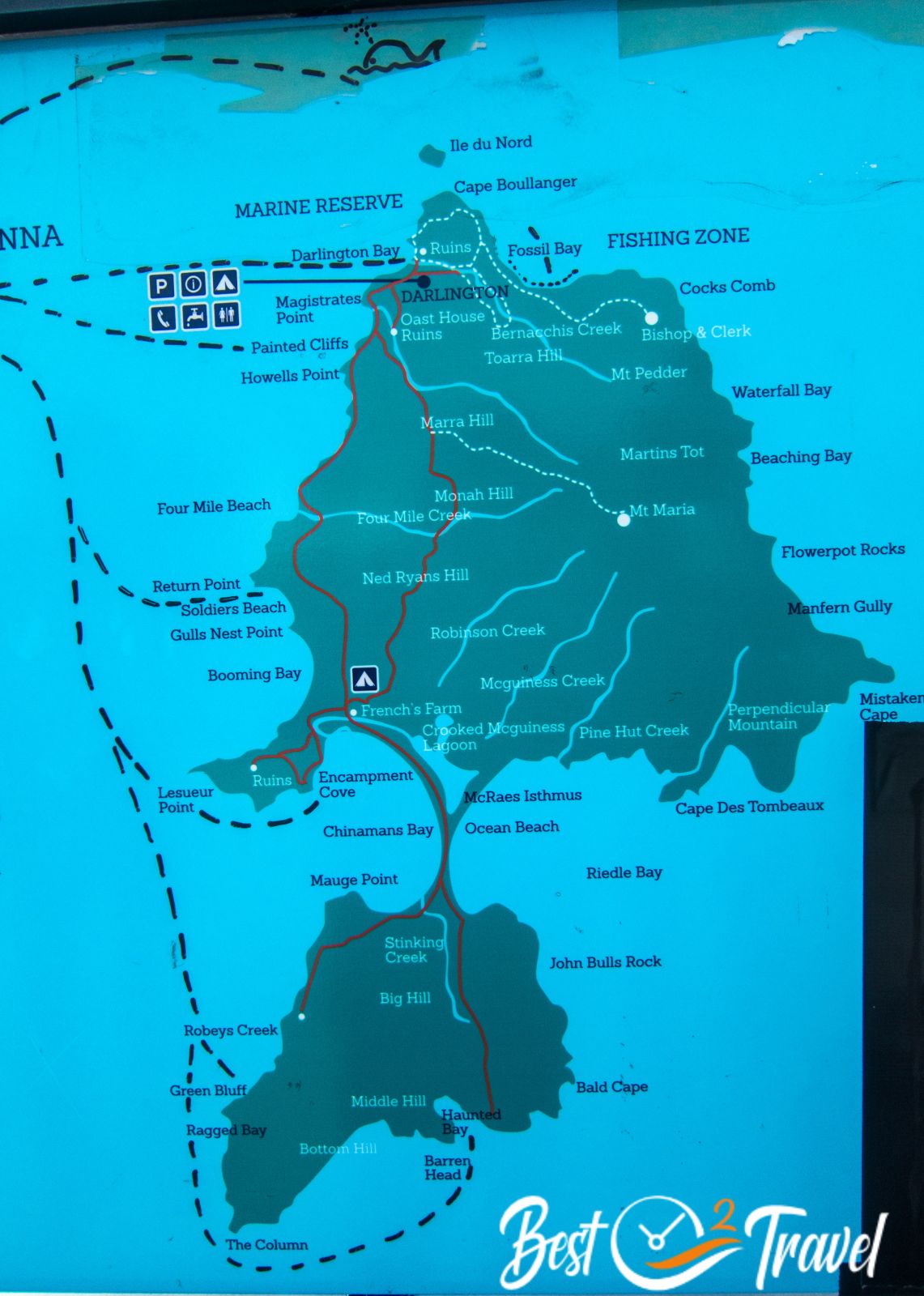
The Painted Cliffs are located just south of Darlington, the main settlement on Maria Island. It’s a 5.4 km return walk from the Darlington harbour along the Coast Road — more a gravel road than a hiking trail. National Park rangers use it with 4WD vehicles, which makes it easy to reach by bike.
At high tide, the Painted Cliffs are separated from the beach, and access may be limited. At low tide, they are just around the corner and easy to explore.
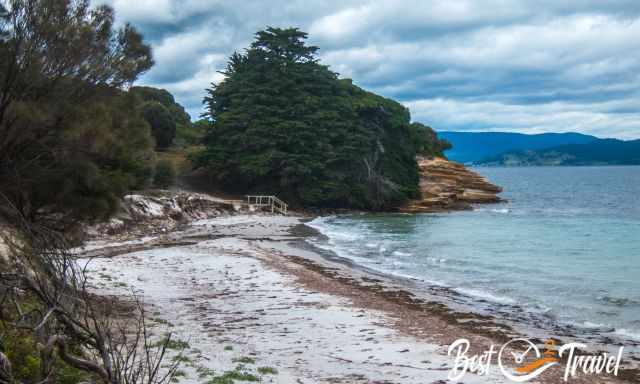
Before heading out, check the Maria Island tide times to ensure the cliffs are accessible during your visit. To be safe, we stayed two nights at the Darlington campground — giving us multiple opportunities to visit the cliffs at the perfect time and during sunshine as well.
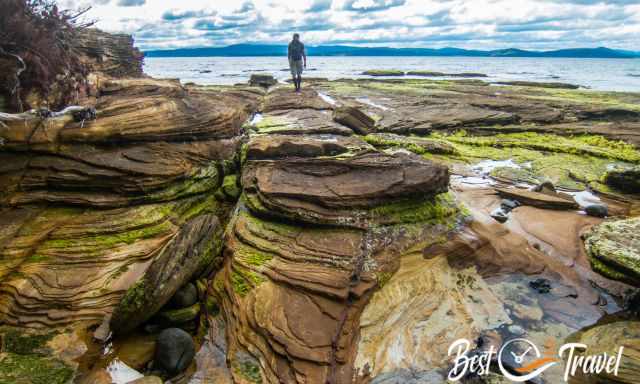
- Hiking Map Locus Map
- Maria Island Map
Avoiding Crowds on Maria Island
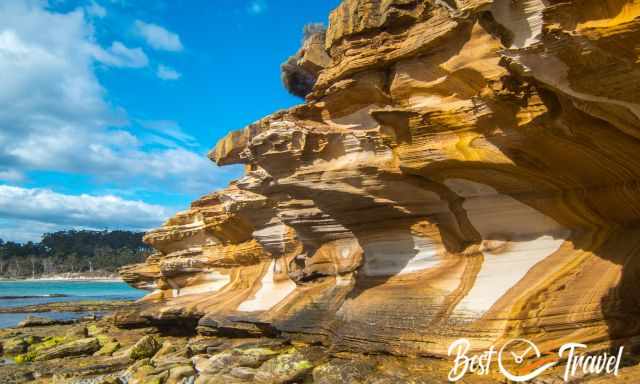
Since April 2017, the Maria Island ferry has operated more frequently, and rising visitor numbers led to the restoration of the Maria Island jetty, improving access for both tourists and locals. As a result, day‑tripper numbers have increased significantly, especially during summer. In peak season, several hundred visitors arrive on the island each week — a trend that grew even more after the pandemic.
Best Time to Avoid Crowds
If you prefer a quieter experience, the best seasons to visit Maria Island are:
-
Winter
-
Early spring
-
Late autumn
These months offer a much more peaceful atmosphere. When the afternoon ferry departs, the island becomes wonderfully tranquil — especially if you’re staying overnight. On days when the ferry does not operate in winter, Maria Island becomes exceptionally quiet, with only a handful of people on the entire island.
This is exactly what we did to enjoy the island’s exceptional beauty: staying overnight and exploring after the day‑trippers left.
Where to Stay in Triabunna the Day Before?
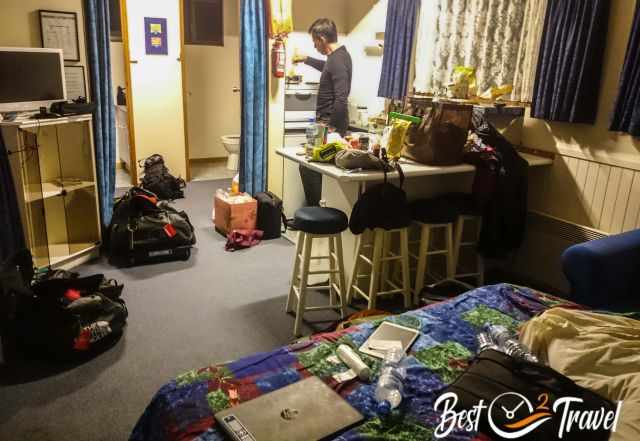
If you want to catch the first ferry to Maria Island, staying overnight in Triabunna is the smartest choice. Accommodation options are limited, especially in peak season, so booking ahead is essential.
We stayed at the Triabunna Cabin and Caravan Park, and it turned out to be the perfect base. The owners were incredibly friendly, the cabin was well equipped, and the location couldn’t be better — it’s less than a 10‑minute walk to the ferry terminal. For anyone planning a day trip or an early departure, this convenience is hard to beat.
Triabunna is small, quiet, and practical — exactly what you need before heading to Maria Island for hiking, biking, and wildlife watching.
Hiking on Maria Island – Trails & Wildlife
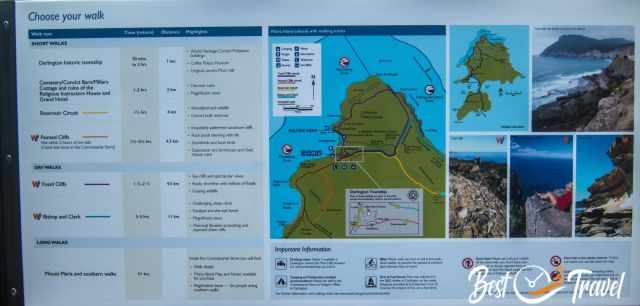
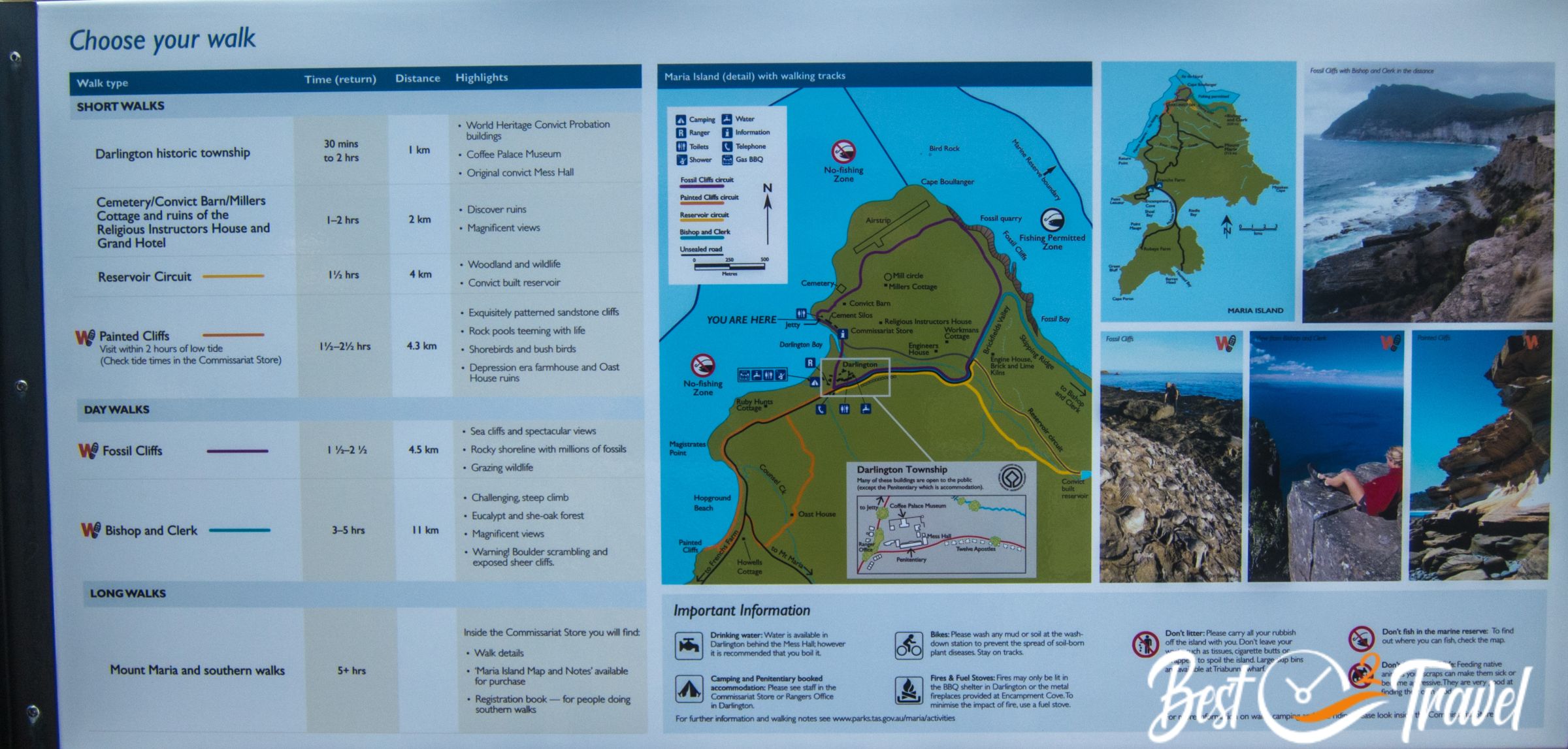
Maria Island is a paradise for hikers. You could easily spend a full week exploring its network of trails, historic sites, coastal viewpoints, and wildlife‑rich forests. Three of Tasmania’s 60 Great Short Walks are located right here on the island, making it one of the most rewarding hiking destinations in the state.
Why Hiking on Maria Island Is So Special
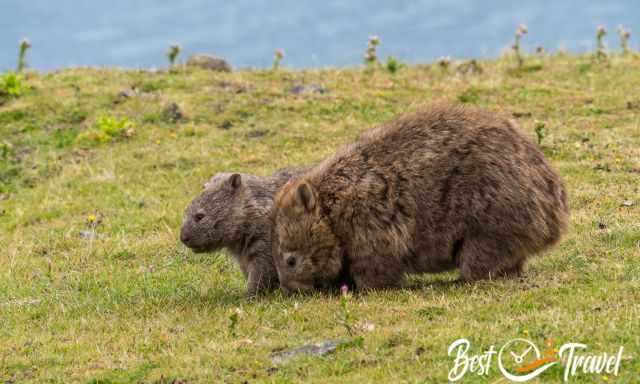
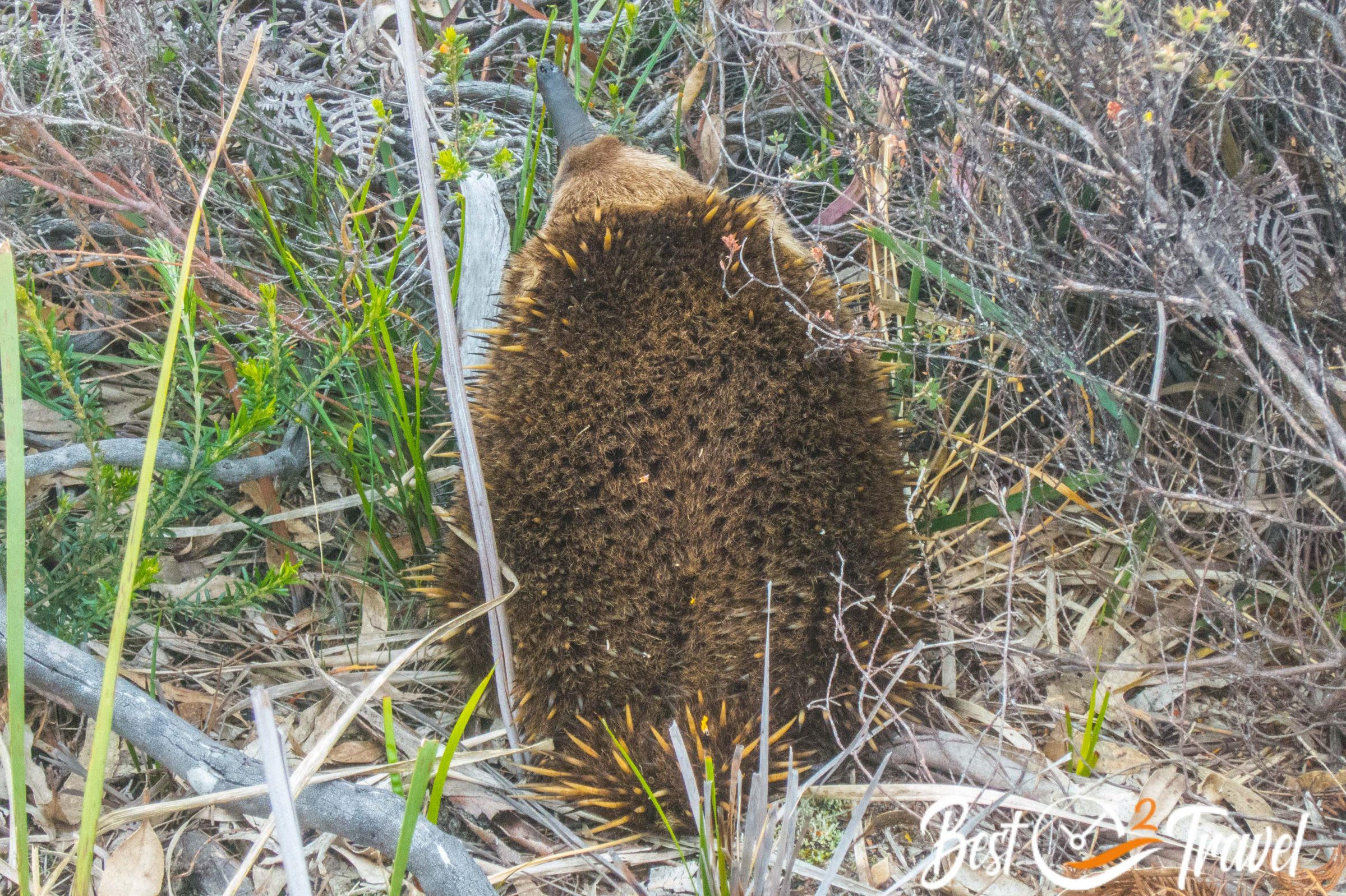
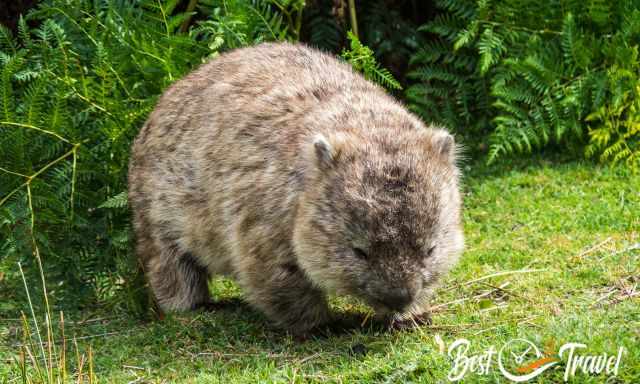
Maria Island combines spectacular landscapes with remarkable wildlife encounters. Maria Island’s isolation, lack of predators, and protected status create ideal conditions for wildlife. Animals are calm, approachable, and often visible right beside the trails. During our hikes and at the campground, we spotted:
-
wombats grazing beside the trail and at dusk
-
kangaroos and wallabies resting in the shade
-
pademelons darting through the undergrowth
-
a surprising variety of birds, from parrots to sea eagles
-
Tasmanian devils
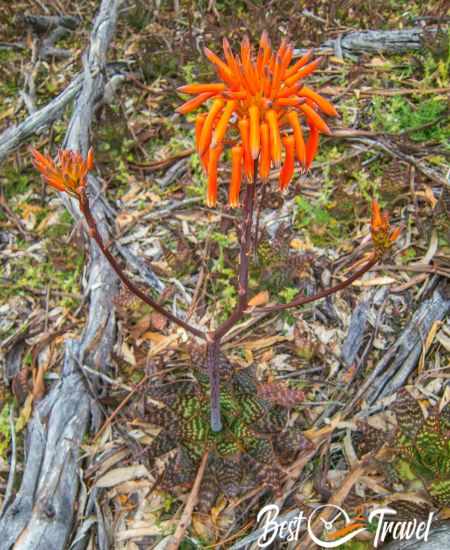
The island’s peaceful atmosphere makes wildlife encounters feel intimate and authentic — especially early in the morning or late in the afternoon.
Trail Highlights
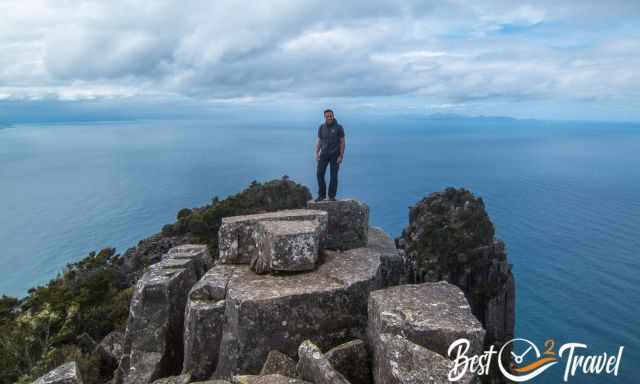
Maria Island’s trail network includes:
-
Painted Cliffs Walk – a coastal walk leading to the island’s most famous sandstone formations
-
Fossil Cliffs Walk – dramatic limestone cliffs filled with ancient fossil and you can continue to:
-
Bishop and Clerk Summit Track – a challenging climb with panoramic views across the Tasman Sea
These three trails are part of Tasmania’s 60 Great Short Walks, and each offers a completely different landscape and experience.
A Short Note on the Island’s Name
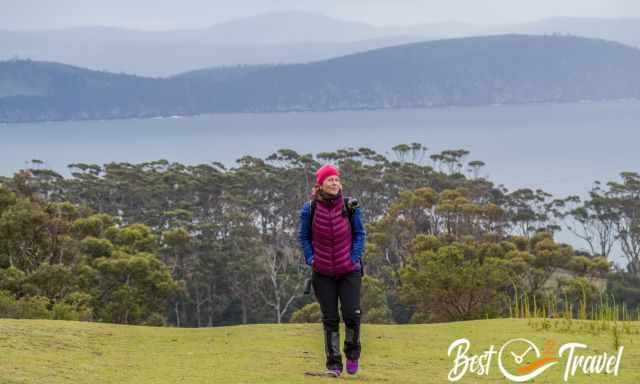
Maria Island was named in 1642 by Dutch explorer Abel Tasman, in honour of Maria van Diemen, the wife of Anthony van Diemen, governor of the Dutch East Indies in Batavia — today known as Jakarta, Indonesia.
Wildlife on Maria Island – Wombats, Devils & Rare Birds
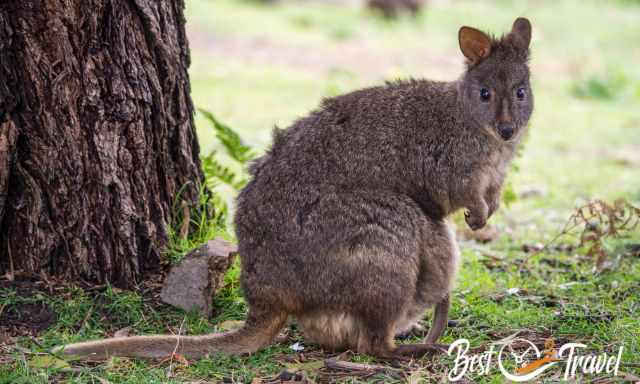
Maria Island is a natural wildlife sanctuary and part of a protected National Park, making it one of the best places in Tasmania to see animals in the wild. Wildlife appears in abundance — especially in the late afternoon and after the day‑trippers leave.
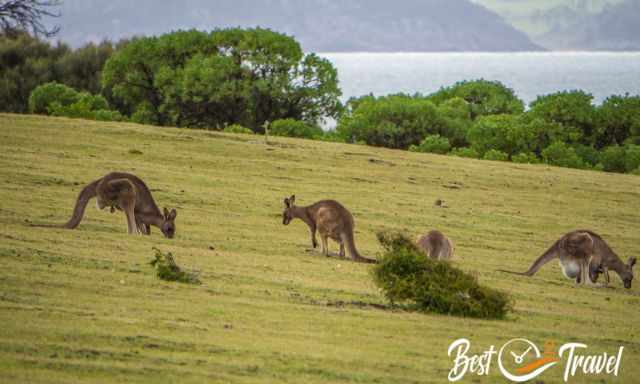
During our stay, we spotted wombats, kangaroos, wallabies, pademelons, and even the Tasmanian devil. Maria Island is home to a healthy devil population, introduced to protect the species from the devastating facial tumour disease on mainland Tasmania.
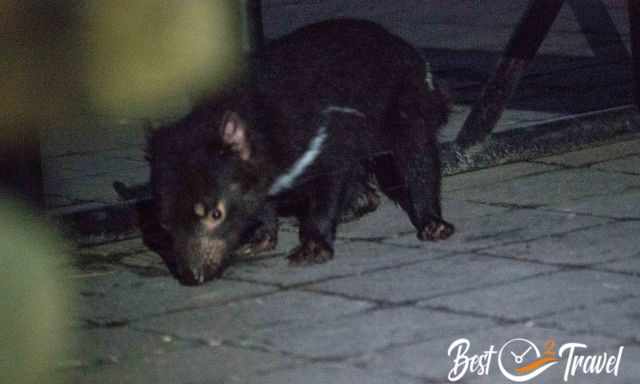
These devils were raised at Trowunna Wildlife Sanctuary, located near Cradle Mountain, before being released on Maria Island as part of a long‑term conservation program. Seeing them in the wild is a rare and unforgettable experience.
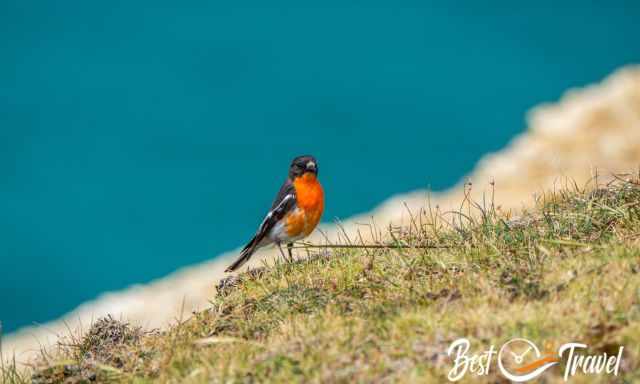
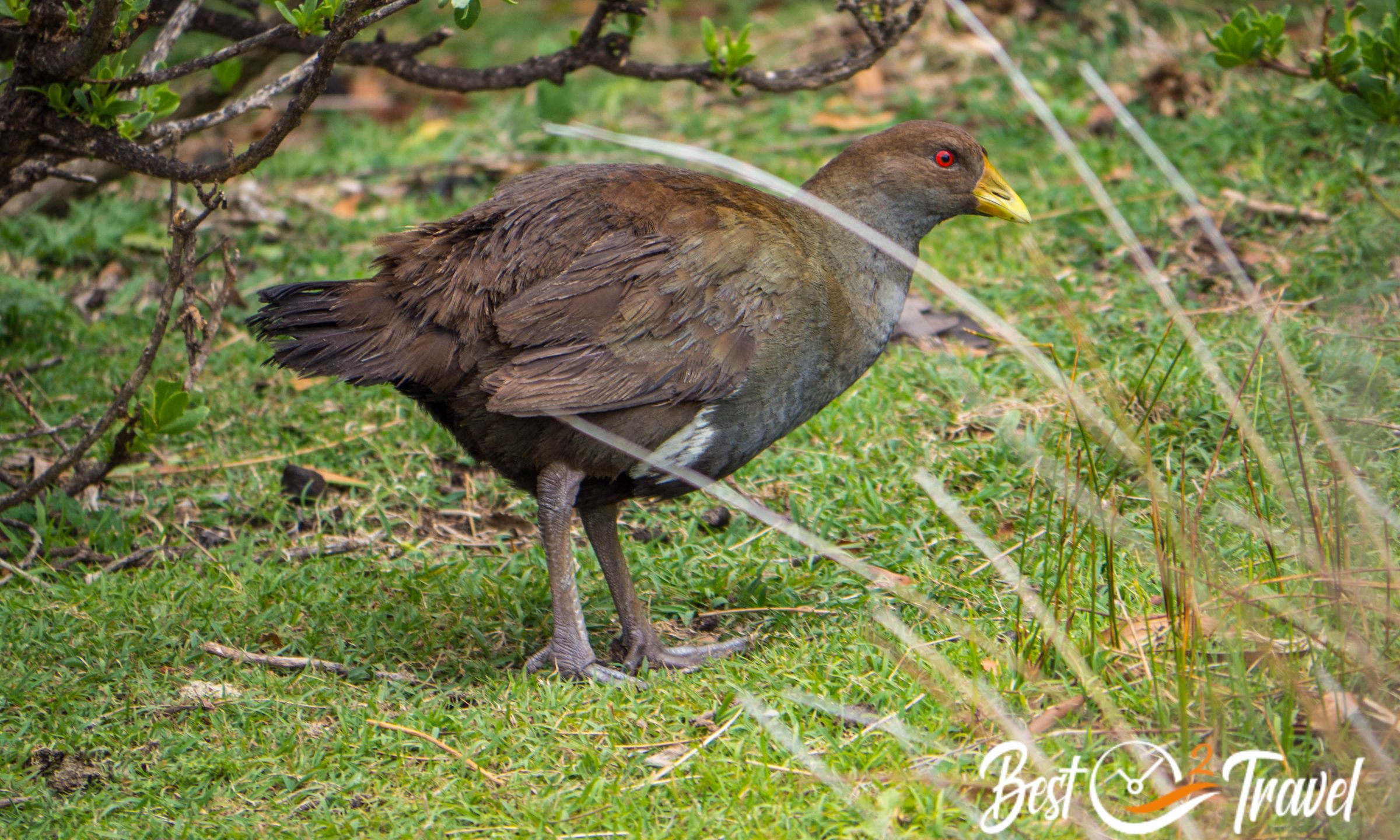
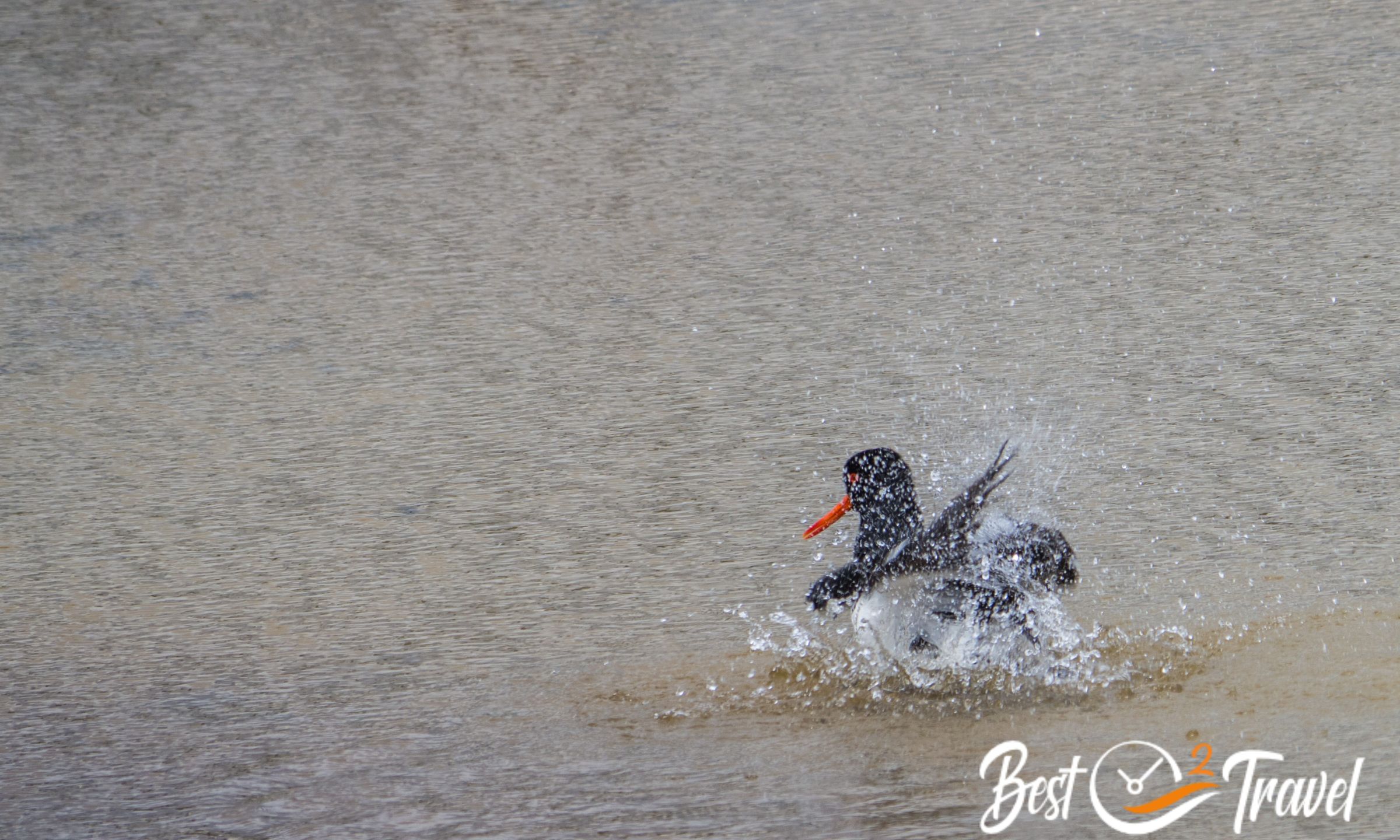
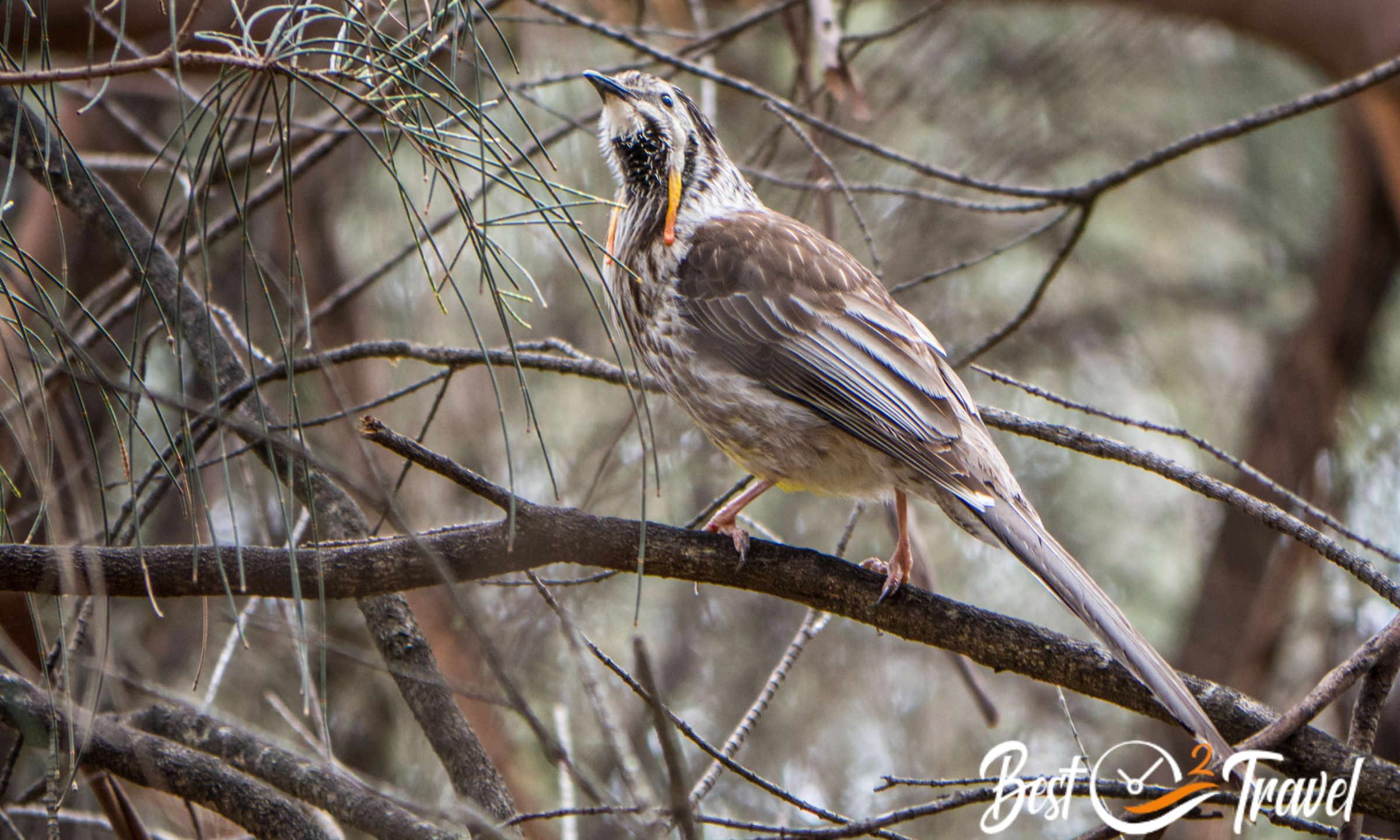
Birding on Maria Island is exceptional. The island’s mix of coastal wetlands, open grasslands, and eucalyptus forest attracts a wide variety of species.
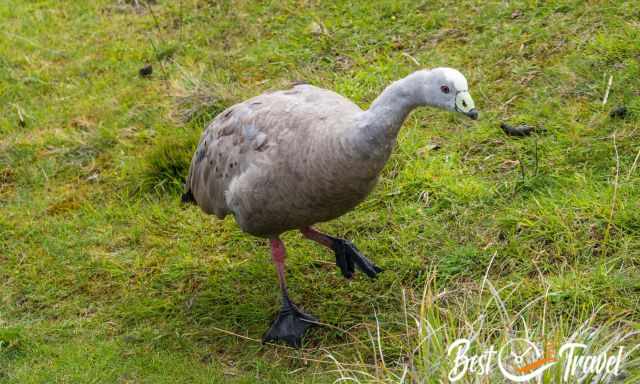
One of the island’s most notable birds is the Cape Barren Goose, one of the rarest goose species in the world. It was introduced to Maria Island, where it now thrives in the open grassy areas around Darlington.
Maria Island Weather – What to Expect Year‑Round
Maria Island has a mild maritime climate, with no freezing temperatures even in winter. Summer days average around 21°C (70°F) and can occasionally climb to 30°C (86°F). January is typically the driest month, though short rain showers can occur at any time of year.
November is one of the wettest months, and during our stay we experienced both rain and beautiful sunshine — typical for Tasmania’s east coast.
Seasonal Temperatures & Clothing Tips
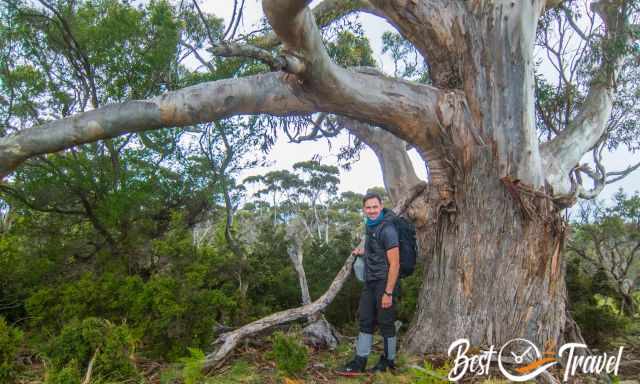
May and October are cooler but still excellent months to visit. Night temperatures in winter and spring often drop below 10°C (50°F), and several layers are essential — especially if you’re camping.
During our first stay in November, nights dipped to 6°C (43°F). With the right sleeping gear, it wasn’t a big deal, but being prepared makes all the difference.
Maria Island’s weather can change quickly, so pack:
-
layered clothing
-
a windproof jacket
-
warm sleeping gear if camping
-
a dry bag for electronics
-
lightweight rain protection
Accommodation Maria Island
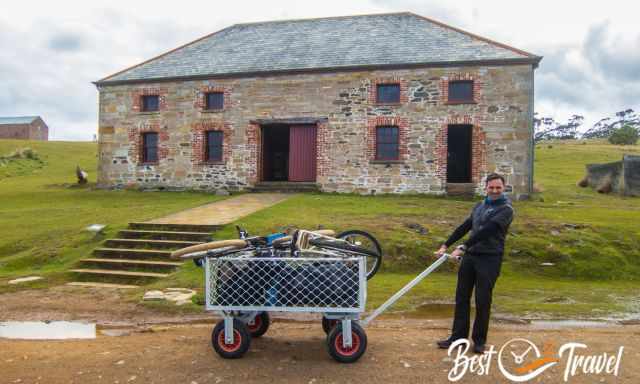
Maria Island offers two types of accommodation: basic bunk rooms in the historic Penitentiary and camping at the Darlington campground. Both options are simple, atmospheric, and perfect if you want to enjoy the island after the day‑trippers leave.
Penitentiary Accommodation (Bunk Rooms)
The old Penitentiary in Darlington provides basic bunk accommodation with:
-
nine rooms for up to six people each
-
one larger room for 14 people
-
a shared bathroom
-
a communal kitchen
This is the only roofed accommodation on the island, and it books out months in advance, especially during peak season. You can reserve rooms up to six months ahead via the National Park booking page.
Before booking, check what you need to bring — the Penitentiary does not provide bedding, cooking gear, or food. Booking Penitentiary
Camping Maria Island

Camping on Maria Island is a fantastic experience, but you must be fully self‑sufficient. There are no shops, no drinking water, and no electricity anywhere on the island.
The ferry ticket includes a camping permit, but you still need to check in at the ranger station and pay a small additional fee. The campground is located about 15 minutes on foot from the jetty.
Facilities include:
-
a sheltered cooking area
-
restrooms
-
flat grassy areas for tents
-
access to the beach and sunset views
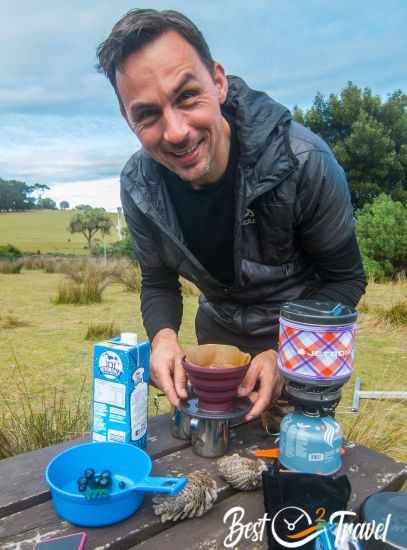
There are no showers on Maria Island — only the sea. You must bring:
-
all food
-
all water
-
cooking utensils
-
lighting
-
bedding
-
warm clothing
No bookings are required for camping, but arriving early helps secure a good spot.
Important Notes for Both Accommodation Options
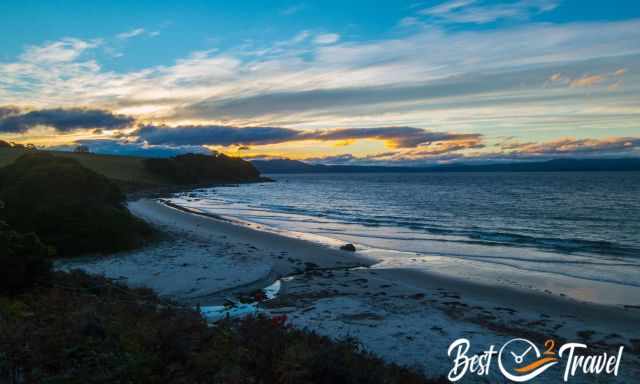
-
There is no electricity at the Penitentiary or the campground.
-
You must bring everything you need for your stay.
-
Wildlife (including wombats and Tasmanian devils) may wander through the campground — store food securely.
-
Staying overnight gives you the best chance to enjoy Maria Island’s tranquillity once the last ferry leaves.
How Climate Change Impacts Maria Island
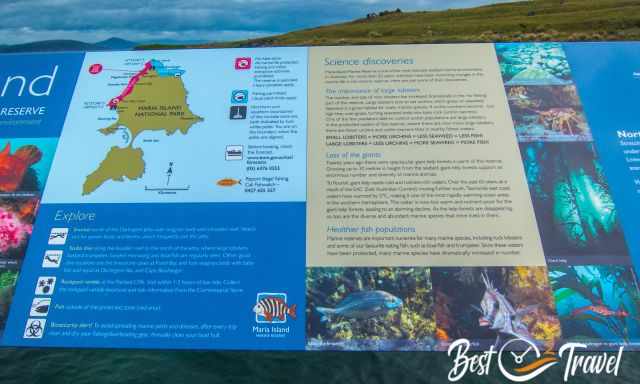
Maria Island is not only a National Park but also part of a Marine Reserve with some of the highest marine biodiversity in Tasmania. Its underwater world is famous among divers for towering kelp forests, colourful reef life, and nutrient‑rich waters. However, climate change is already reshaping this fragile ecosystem.
The waters along Tasmania’s east coast have warmed by around 2°C, one of the fastest warming marine regions in the Southern Hemisphere. This temperature rise has triggered a dramatic decline in the island’s once‑immense giant kelp forests, which historically reached heights of up to 30 metres.
As the ocean warms, cold‑water kelp struggles to survive, and invasive warm‑water species begin to dominate. This shift affects:
-
fish populations
-
habitat structure
-
food availability for marine species
-
long‑term diving conditions
Maria Island remains an excellent diving destination, but its underwater landscape is changing rapidly — a visible reminder of how climate change impacts even protected marine reserves.
More About Tasmania & the Best Time to Visit
My 2 Top Tour Recommendations
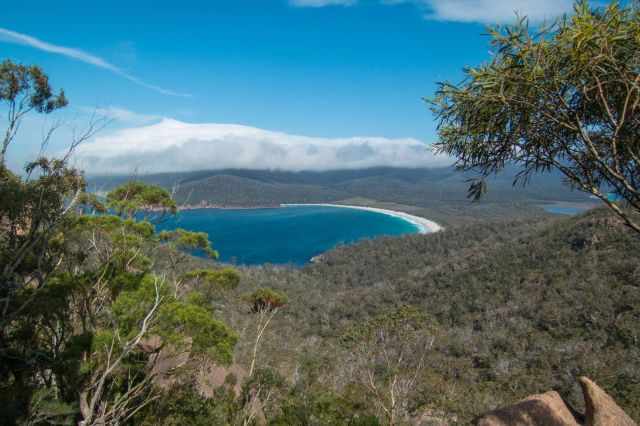
1 Maria Island and Wineglass Bay
Are you limited in time, but you don't want to miss Maria Island and the Wineglass Bay of Freycinet National Park? This three-hour tour with excellent views from the plane plus time on Maria Island may be the solution for you. Three hours tour by plane and on foot
2 Maria Island Cruise, Guided Walk, and Lunch
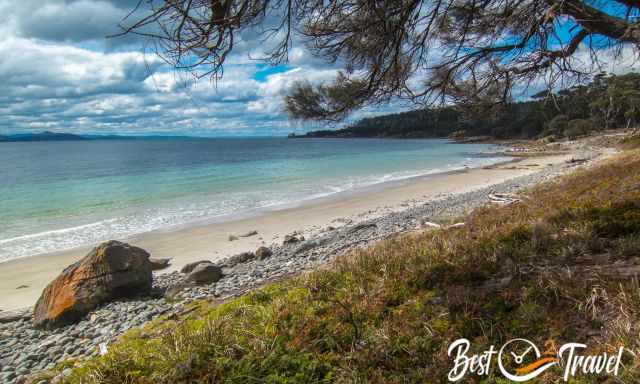
The second option is a cruise to experience more of Maria Island in a short time, like the white beaches and the crystal clear sea. The advantage is you do not depend on the busy ferry ride. Scenic cruise with time on Maria Island - duration one day
These are my recommended tours via GetYourGuide. Thx for booking via my website! With your support, I am able to provide all information first-hand. Tour prices are at no extra cost!
Best Months to Visit
Location and Tips

Maria Island is a tranquil National Park and Marine Reserve off Tasmania’s east coast, known for its dramatic cliffs, rich wildlife, and fascinating convict history. With no cars, no shops, and stunning landscapes in every direction, it offers one of the most peaceful and immersive nature experiences in Australia.