
When Is the Best Time
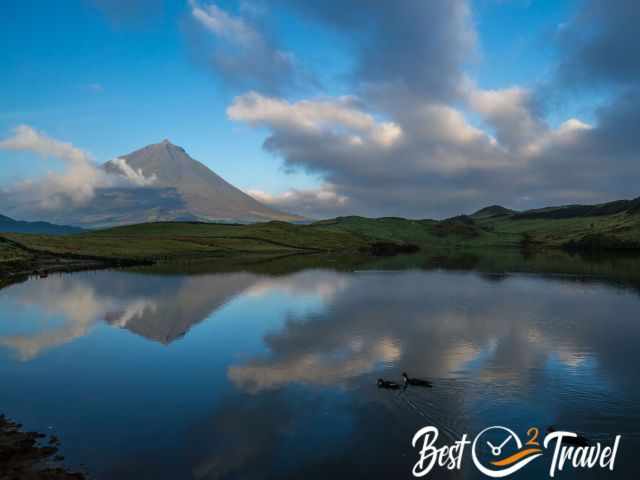
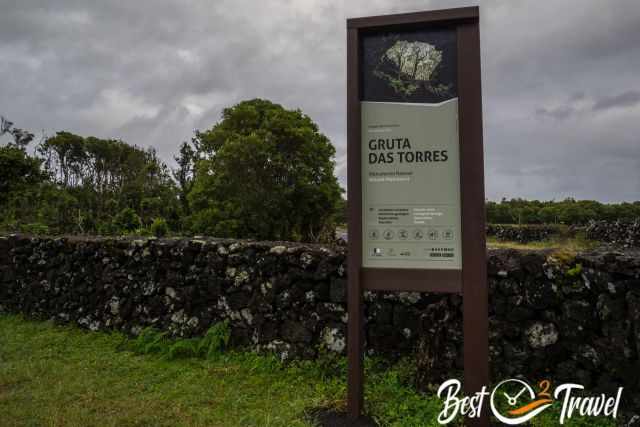
Gruta das Torres is located on Pico Island in the Azores, a Portuguese archipelago famous for its volcanic landscapes and the towering Pico Mountain. The cave lies inside the Pico Natural Park and is one of the island’s most impressive geological attractions.
👉 Pico Mountain Hiking Guide
Gruta das Torres is the largest lava tube in Portugal, stretching 5.15 km through ancient basalt layers formed by Pico’s eruptions. Although it is not the longest cave in Portugal (that title belongs to Mira de Aire near Lisbon), it is the most significant volcanic cave system in the country.
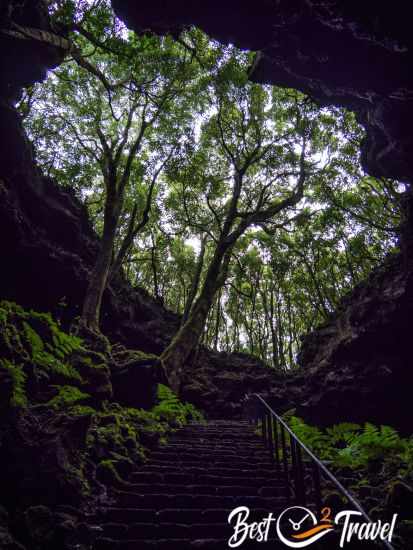
A guided visit to Gruta das Torres is completely different from other caves in the Azores. The interior is kept unlit to protect the cave’s fragile ecosystem, and the lava formations remain almost untouched. Only the entrance area — a staircase leading down into the tube — has been developed and is protected by the visitor centre.
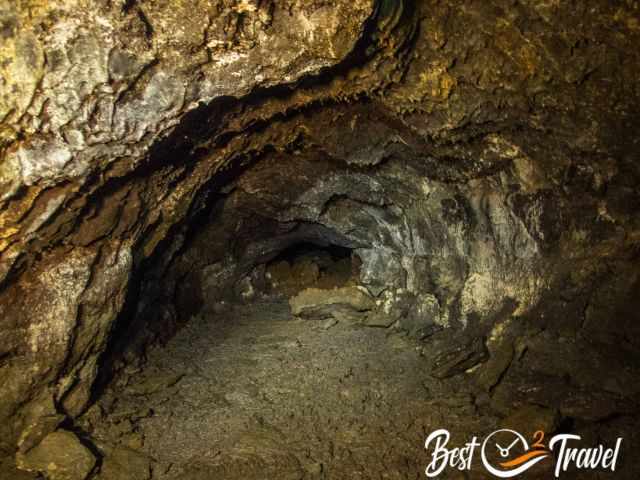
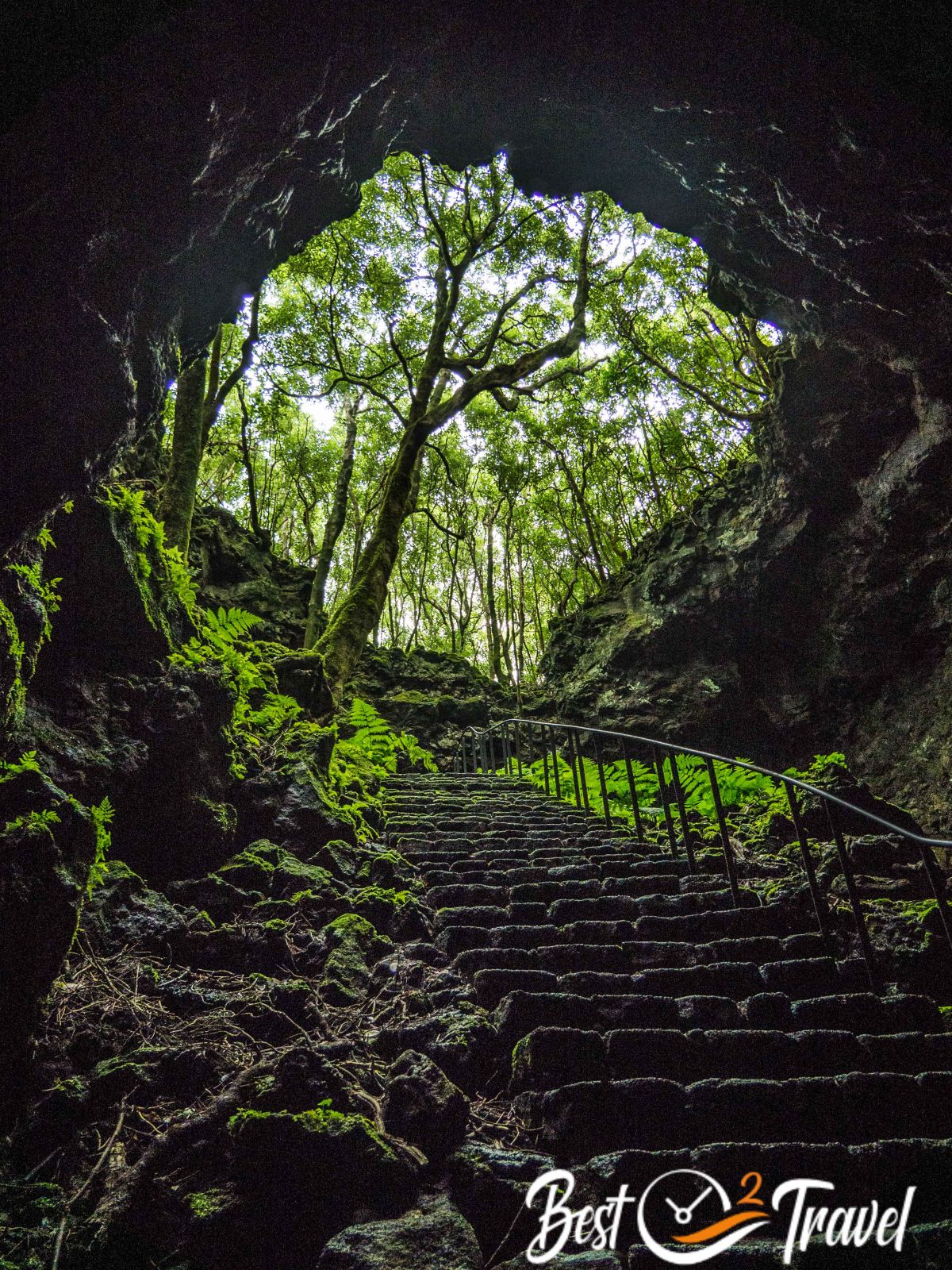
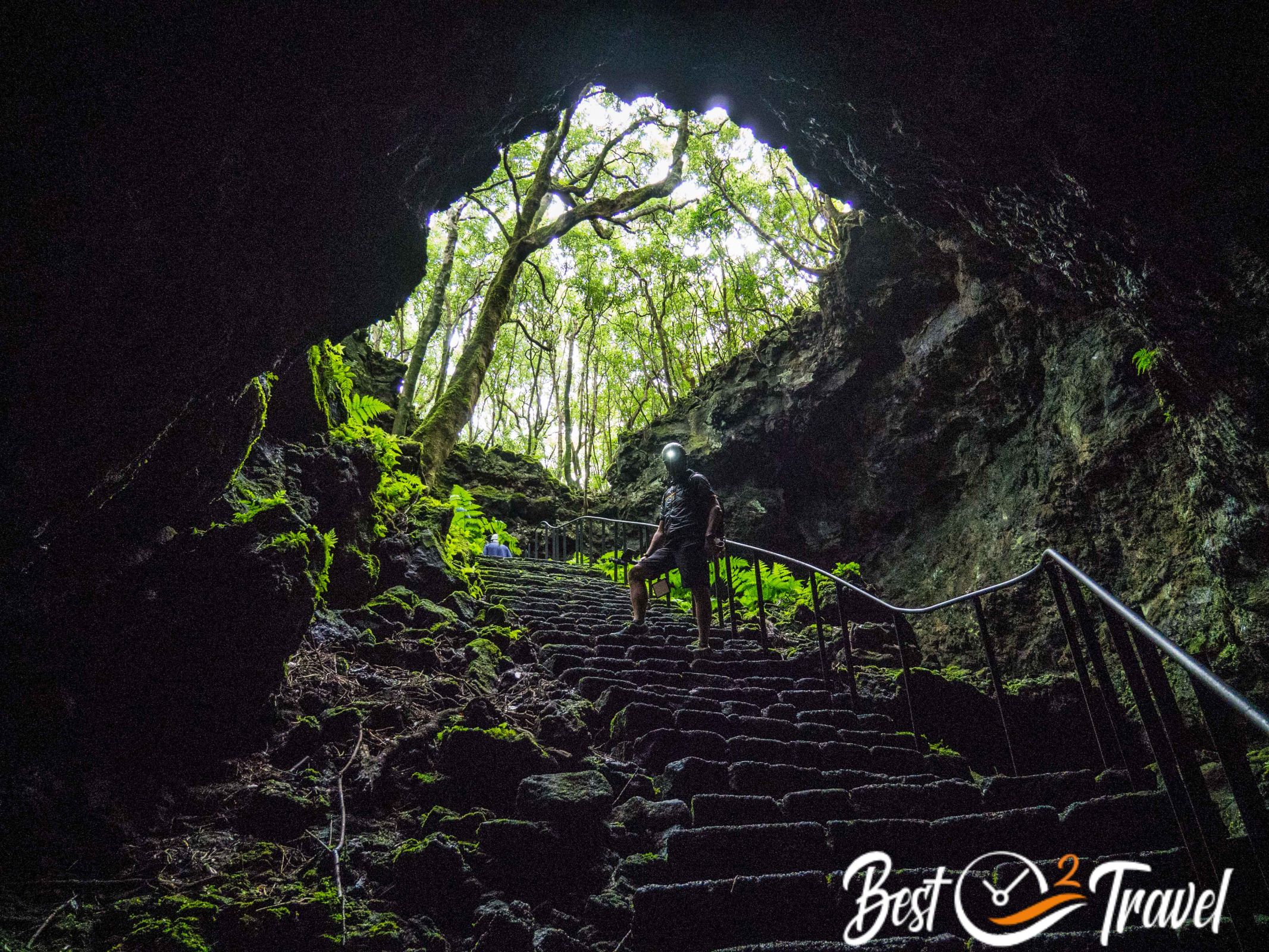
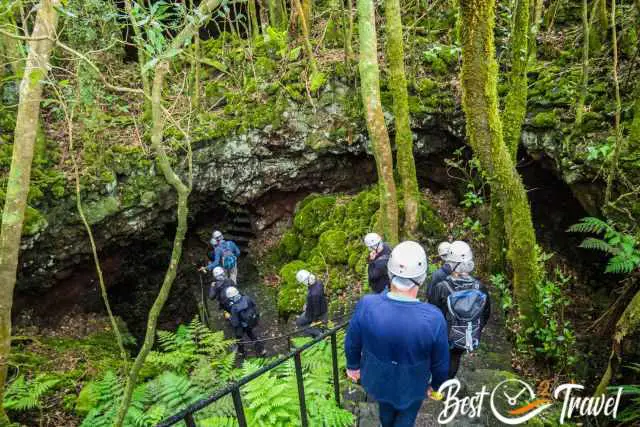
Descending the stairs into the lava tube is already spectacular. Multiple layers of lava flows have created natural steps, and collapsed ceilings reveal access to the main tunnel. The tour showcases AA‑lava formations similar to those found in Hawaii, with mosses, lichens, and occasional vegetation where daylight still reaches the cave floor.
In this guide, you’ll find everything you need to plan your visit: how the guided tour works, how to book your ticket in advance, and details about a second picturesque cave you can explore independently.
How Was Gruta das Torres Formed?
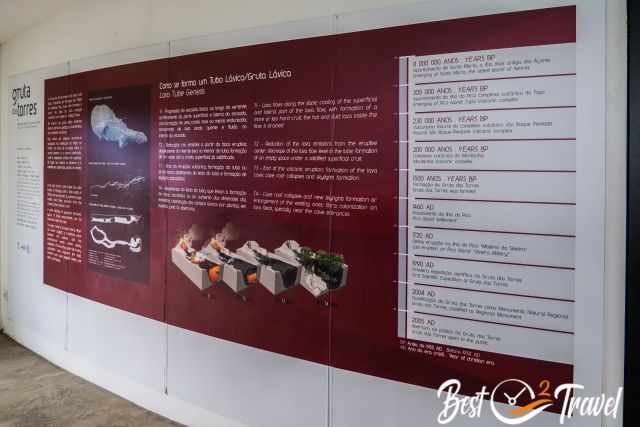
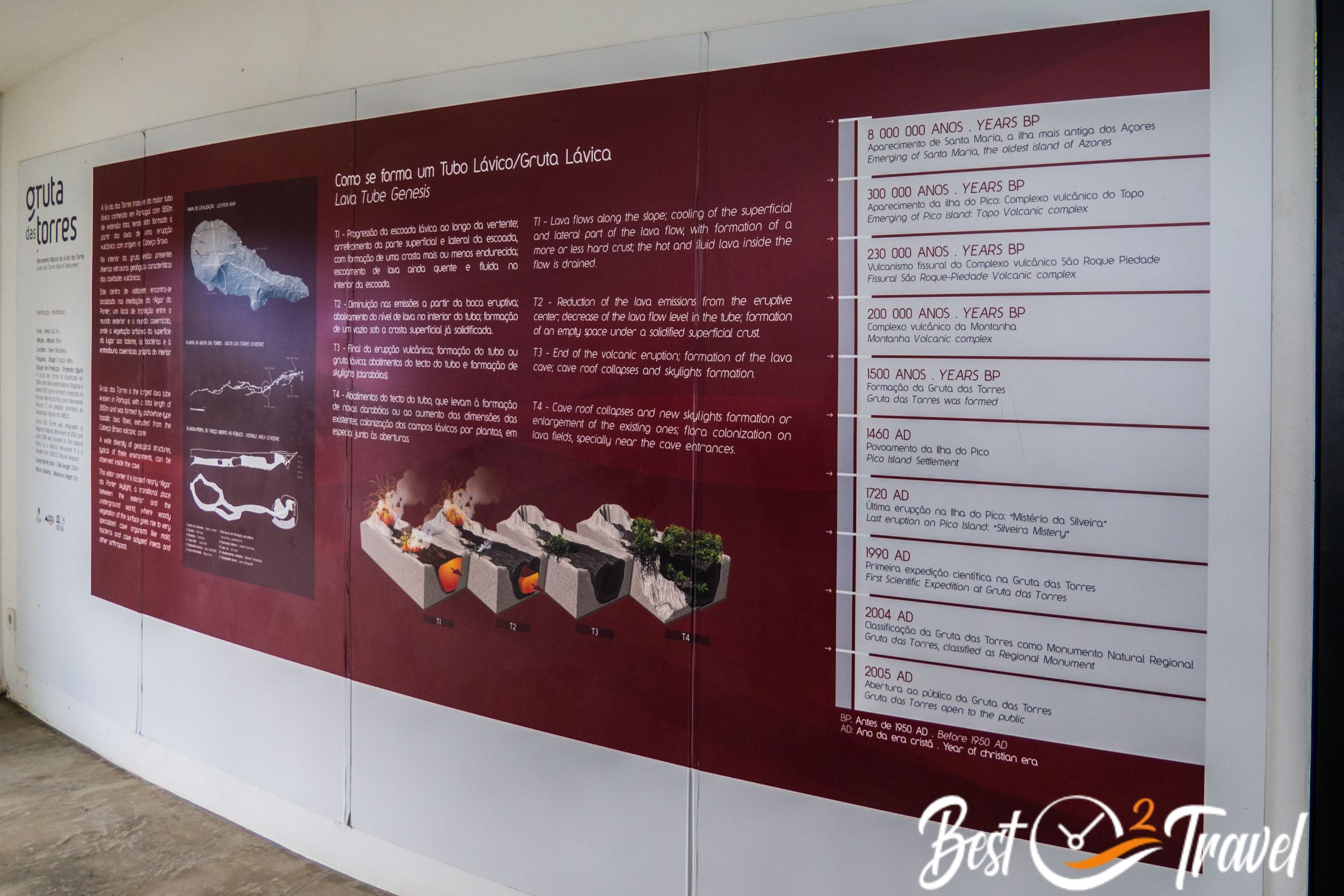
Gruta das Torres is a classic volcanic lava tube formed by repeated basaltic eruptions on Pico Island. Large information panels in the visitor centre explain how these tubes develop: when hot lava flows downhill from a volcano, the surface cools quickly on contact with air, while the molten lava inside continues moving at temperatures above 1,000°C. Once the eruption ends and the lava drains away, a hollow tunnel remains — the “birth” of a lava tube. In places where the ceiling is thin, sections collapse over time, creating natural entrances to the cave system.
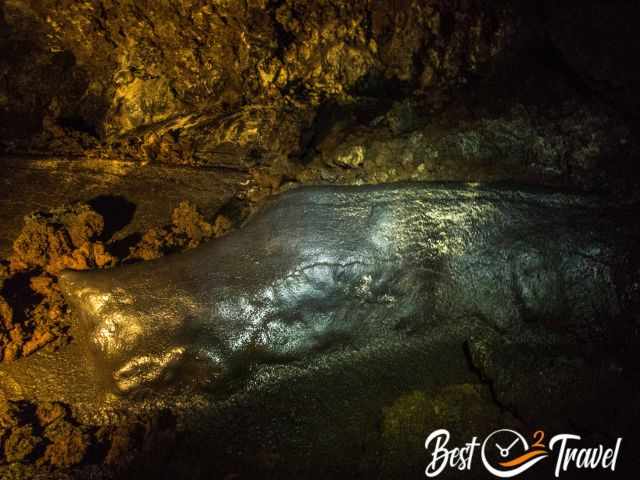
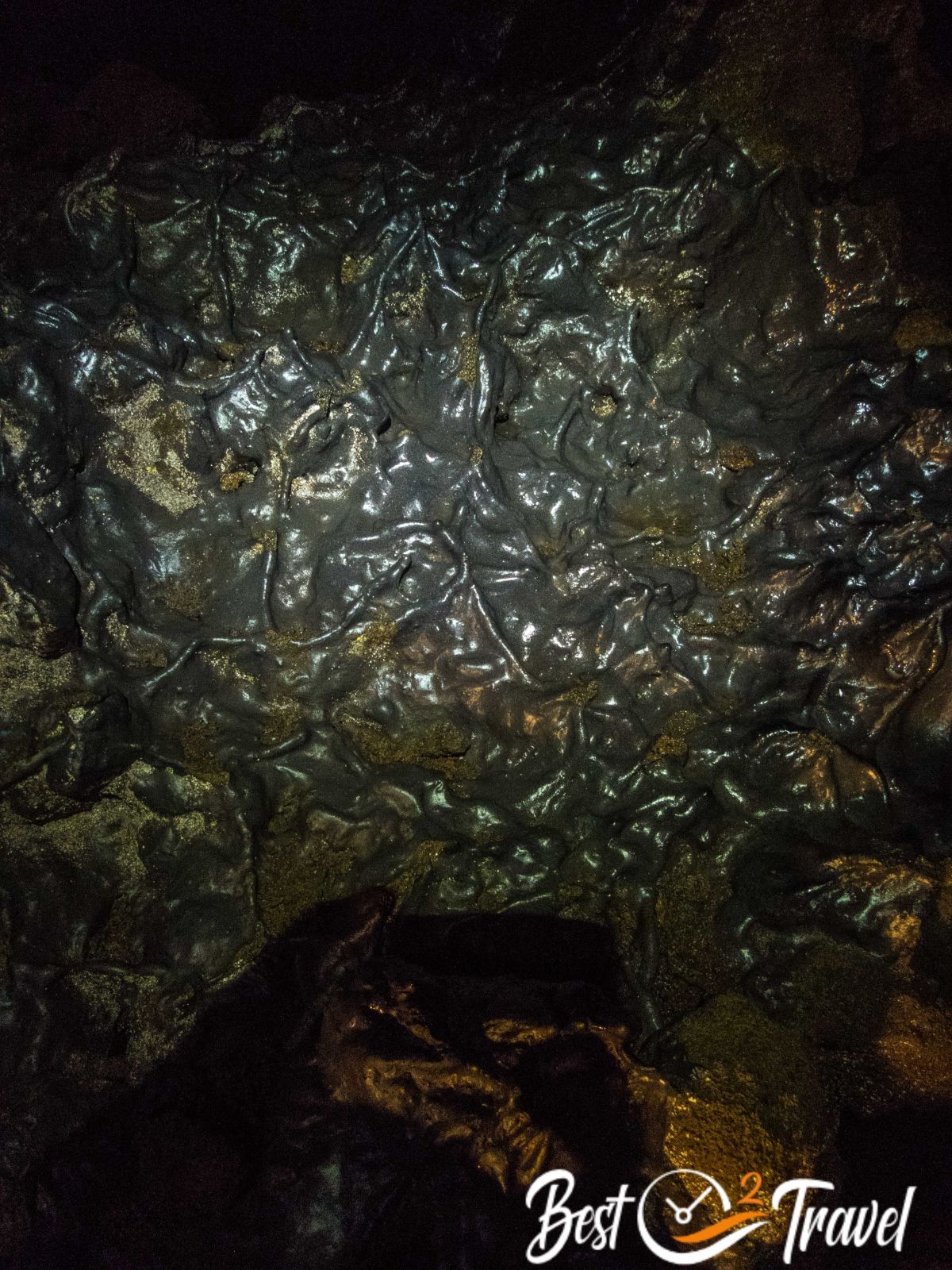
The Gruta das Torres lava tube was shaped mainly by fast‑flowing Pahoehoe basaltic lava, originating from the Cabeço Bravo volcano around 1500 BC. These flows created smooth, polished surfaces inside the cave — a typical hallmark of Pahoehoe lava. Later eruptions produced AA lava, a rough, chunky type of basalt that now covers parts of the cave floor like a viscous, broken crust.
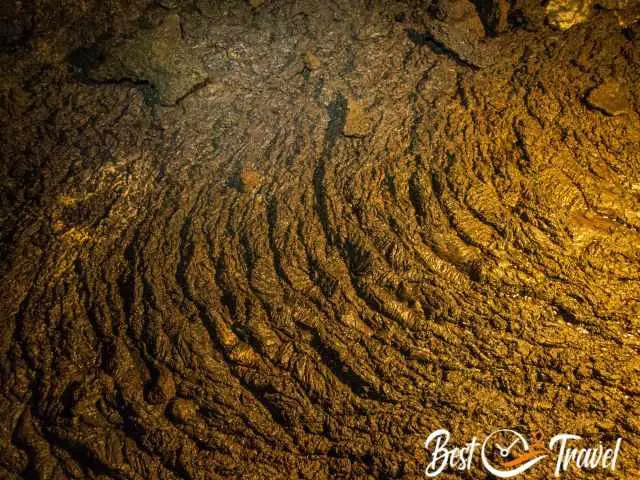
The entire underground area around Gruta das Torres is perforated by multiple lava tubes, and the ceilings are extremely fragile — in some places only a few metres thick. To protect the cave system, the surrounding farmland has been purchased or donated, and heavy vehicles such as tractors are no longer allowed to operate above the tubes. This prevents damage to the delicate volcanic structures and reduces the risk of accidents.
Don't miss out on my other Azores Islands Guides.
Visitor Centre
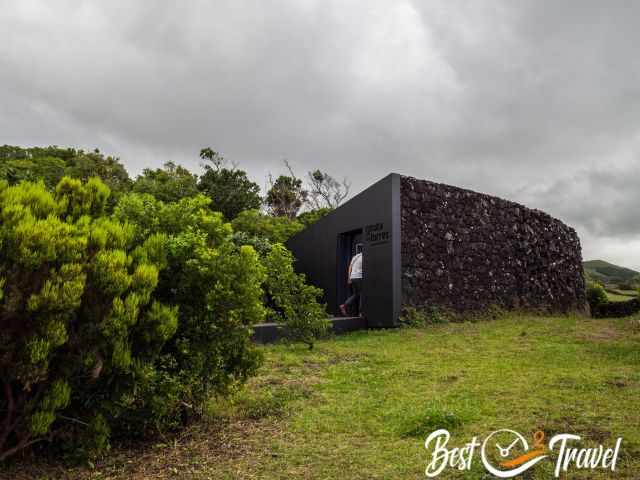
The visitor centre of Gruta das Torres is beautifully integrated into the volcanic landscape of Pico Island. Its award‑winning architecture was inspired by the traditional currais — the dry‑stone walls that surround Pico’s vineyards and form part of the UNESCO World Heritage landscape. This design makes the building feel like a natural extension of the terrain rather than a modern intrusion.
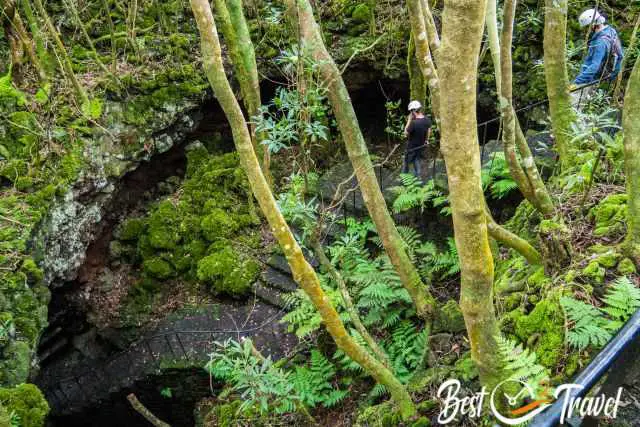
You enter the cave directly through the visitor centre, where large display panels explain how lava tubes form and why Gruta das Torres is one of the most important volcanic caves in Portugal. The centre also protects the fragile entrance area, which is the only part of the cave that has been developed with a staircase for safe access.
Opening Hours, Tickets & Guided Tours at Gruta das Torres
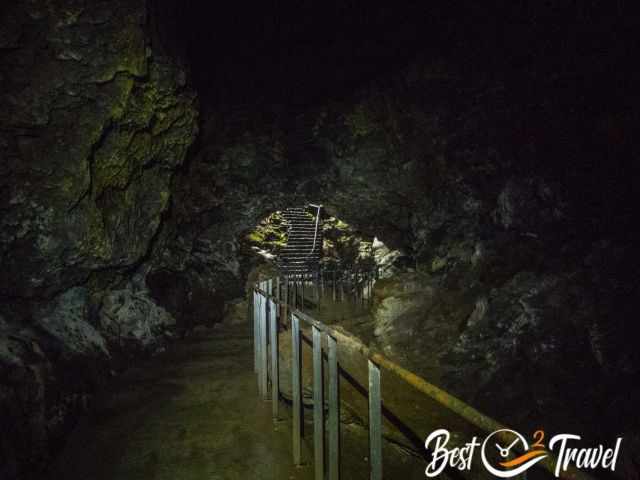
Gruta das Torres can only be visited on a guided tour, which protects the fragile lava tube and ensures visitor safety. Tours are limited to small groups of max. 15 people and last around 1.5 hours. Every visitor must wear a helmet, and you’ll receive a torch to navigate the pitch‑dark sections of the cave.
Important: At the moment, visitors are only allowed to enter the first 50 meters of the cave. The long tour through the deeper lava tube — the one we experienced — is currently not offered, most likely due to safety concerns and the fragile condition of the lava ceilings. Even with the shorter route, the geological formations and the descent into the tube remain impressive and absolutely worth seeing.
Booking in advance is highly recommended, especially in summer. You can reserve your spot by calling the visitor centre: 📞 +351 924 403 921 - E-Mail: [email protected]
You can try your luck by popping in, but during the high season tours are usually fully booked at least two days in advance. In the low season, it’s the opposite — tours often run only when the minimum group size of three visitors is reached.
Peak Season (April–October)
Tours run at: 9:30 | 11:00 | 14:00 | 15:30 | 16:00
Low Season (November–March)
Same schedule except the last tour at 16:00 is not offered.
Entrance Fee
- Adults: 10€
- Children & retired: 5€
- Residents: free
Parking Gruta das Torres
Parking is straightforward - the small parking lot rarely fills up because tour groups are limited to a maximum of 15 visitors. From the parking area, it’s only a short walk to the visitor centre and the cave entrance.
For easy navigation, here’s the Google Maps Location
7 Facts About Gruta das Torres
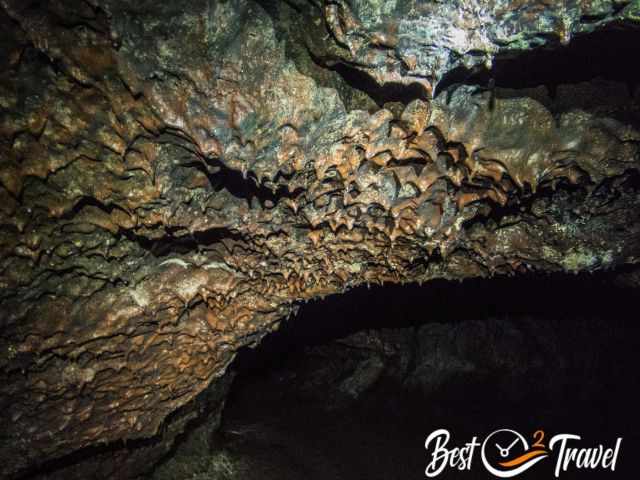
- Basalt ceiling colours — The cave ceiling shows striking black and orange tones created by mineral deposits and ancient lava flows.
- Lava stalactites — Small lava stalactites formed on the ceiling when molten basalt dripped and solidified during cooling.
-
Age of the cave — Gruta das Torres formed roughly 3,500 years ago, around 1500 BC, during eruptions from the Cabeço Bravo volcanic system.
- Origin of the name — The name “Gruta das Torres” (“Cave of the Towers”) comes from the tall, slender basalt towers rising from the cave floor.
- Scientific exploration — The first scientific expedition entered the cave in 1990, documenting its geological significance.
- Regional Monument status — The cave was designated a Regional Monument in 2004 due to its unique volcanic features.
- Public access & protection — Open to the public since 2005, Gruta das Torres became part of Pico Natural Park in 2008. The cave system is 5,150 m long and reaches a maximum height of 15 m.
Is It Worth Visiting Gruta das Torres?
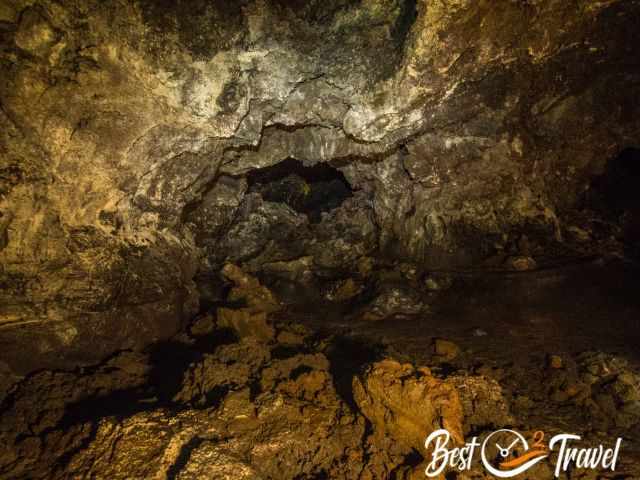
Yes — Gruta das Torres is absolutely worth visiting and remains one of the most fascinating volcanic experiences on Pico Island. However, you should be aware that currently only the first 50 meters of the cave are accessible, which may feel disappointing if you expected the full 450‑meter tour. Even so, the descent, the geological formations, and the explanations from the guides still make this a valuable and educational stop.
I recommend doing this tour at the beginning of your trip, because the short introductory video explains how Pico was formed, how volcanic eruptions shaped the island, and how lava tubes develop. This background knowledge enriches your understanding of Pico and the other Azores islands throughout your stay.
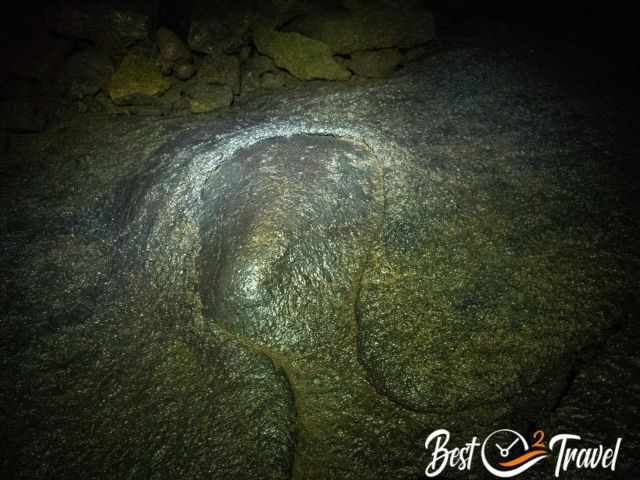
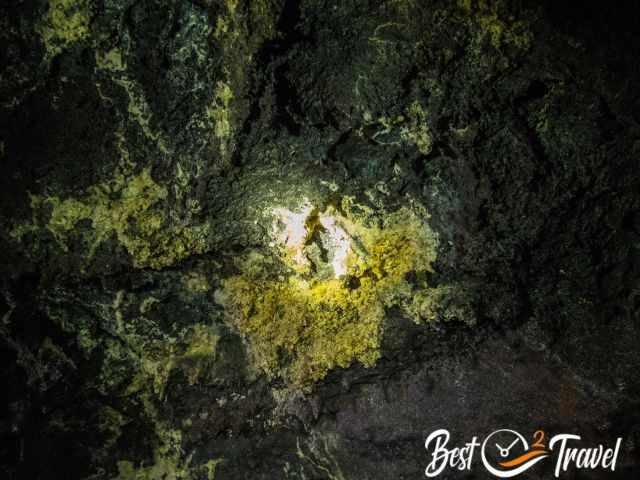
During the guided tour, you’ll learn about lava stalagmites, gas bubble holes, and the walls covered in bacterial colonies thriving in the humid volcanic environment. The guides are knowledgeable and often bring humour into their explanations, making the geological details easy to understand.
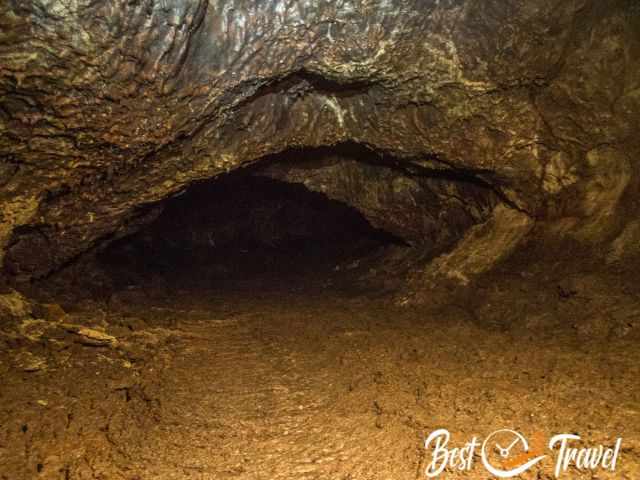
At one point, all torches are switched off, and you stand in complete darkness — a moment that truly connects you with the raw volcanic origins of Pico.
You’ll also see multiple lava tube layers in certain sections, where collapsed ceilings and stacked flows reveal how the cave evolved over thousands of years. Some lower areas are narrow, and you may need to bend down due to the low ceiling.
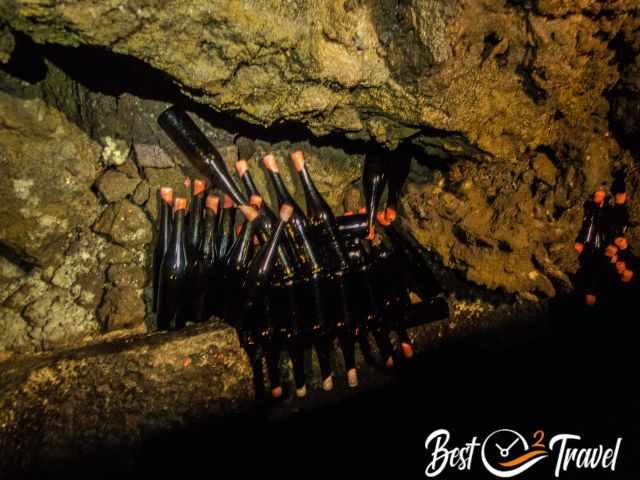
Sturdy shoes are essential, as the lava floor is uneven. Some deeper sections remain closed because ongoing scientific research is being conducted there.
Second Cave – Furna do Frei Matias
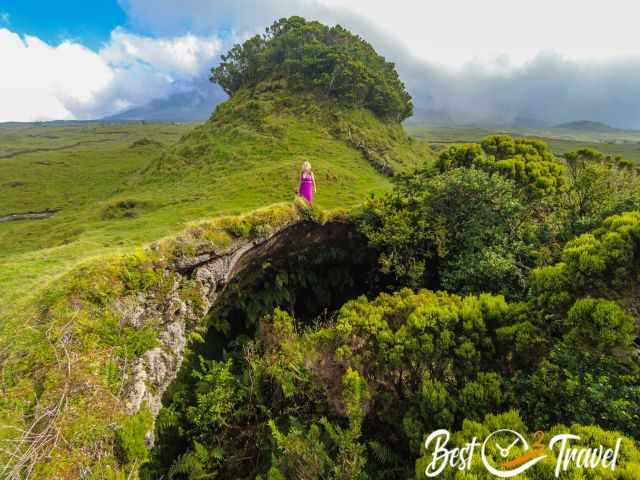
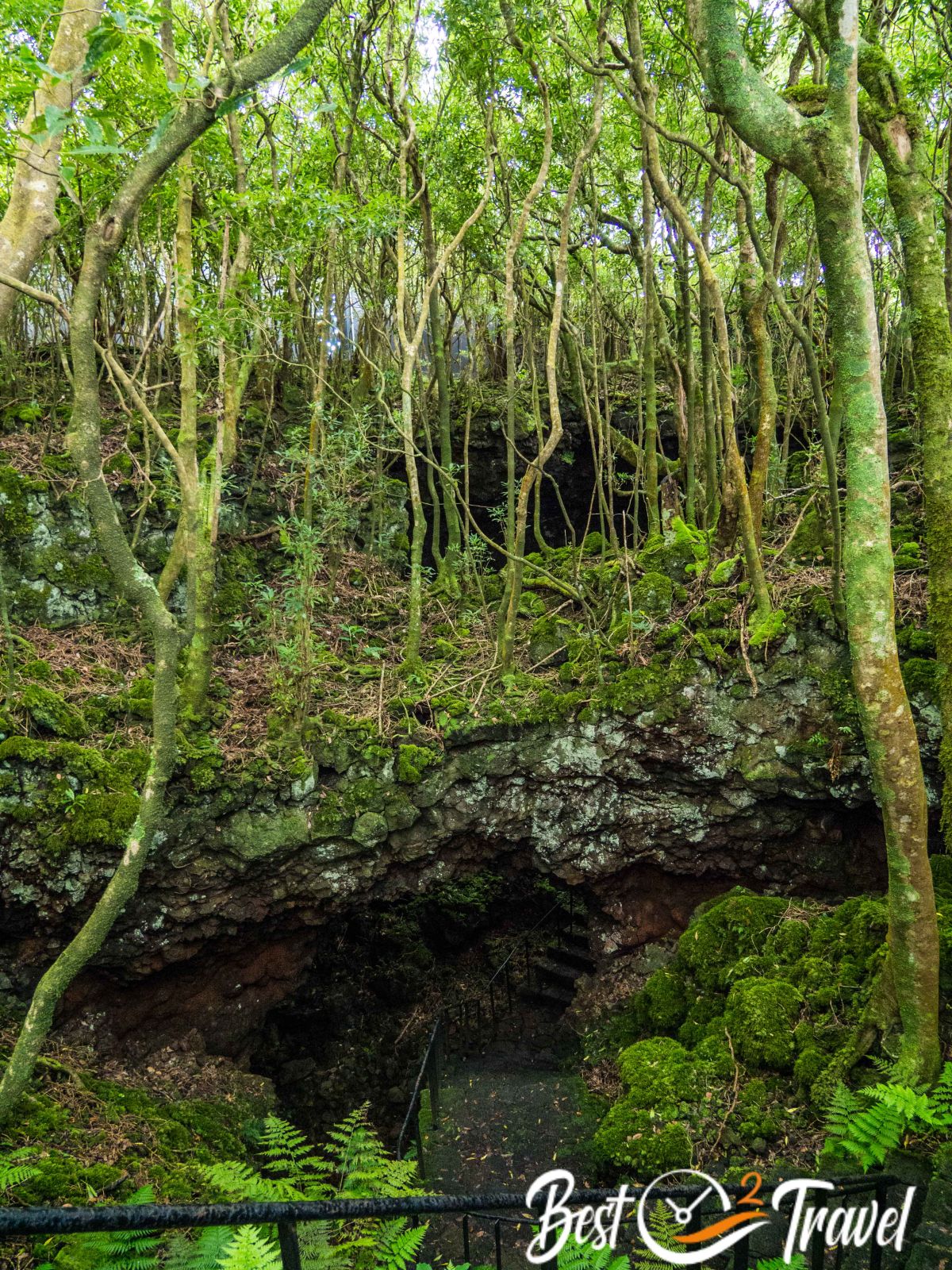
Furna do Frei Matias is a spectacular collapsed lava tube just a 15‑minute drive from Madalena, located near the EN‑3 road that crosses Pico Island from west to east. Above the entrance, you can clearly see the overgrown hill from the road — a strange mound in the landscape that marks the collapsed section of the cave.
There is no official parking lot, but space for about three small cars along the roadside. Google Maps Location
Access & Walk
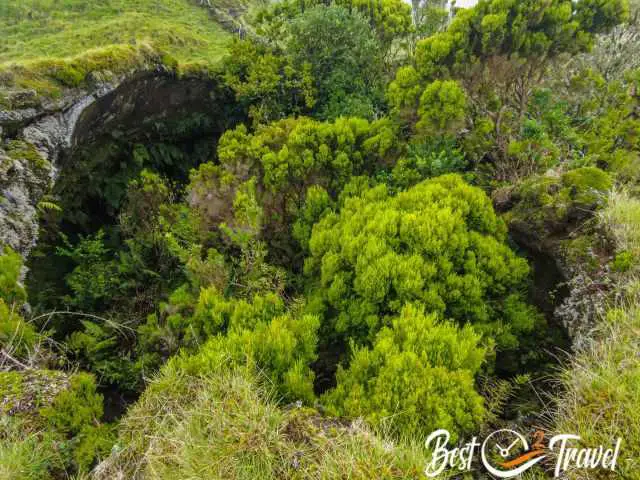
From the roadside, it’s a 200‑meter walk — roughly five minutes — to reach the cave. You cannot see the entrance from the road, so follow the path toward the unusual hill in the field. This is where the lava tube collapsed, leaving two natural entrances.
The cave lies on private property, but the owner tolerates respectful visitors. Please leave no trash and treat the area with care. Navigation help: Locus Map Walking Route
Safety First
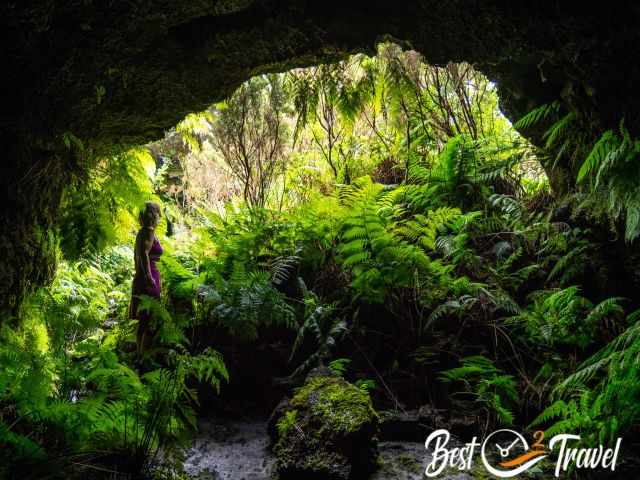
One of the entrances is wet and slippery, and the descent into the cave requires caution. Never explore this cave alone. Let someone know your plans and bring:
-
Two headlamps or torches
-
Proper footwear for sharp volcanic rock
-
Head protection for low ceilings
Why It’s Worth the Effort
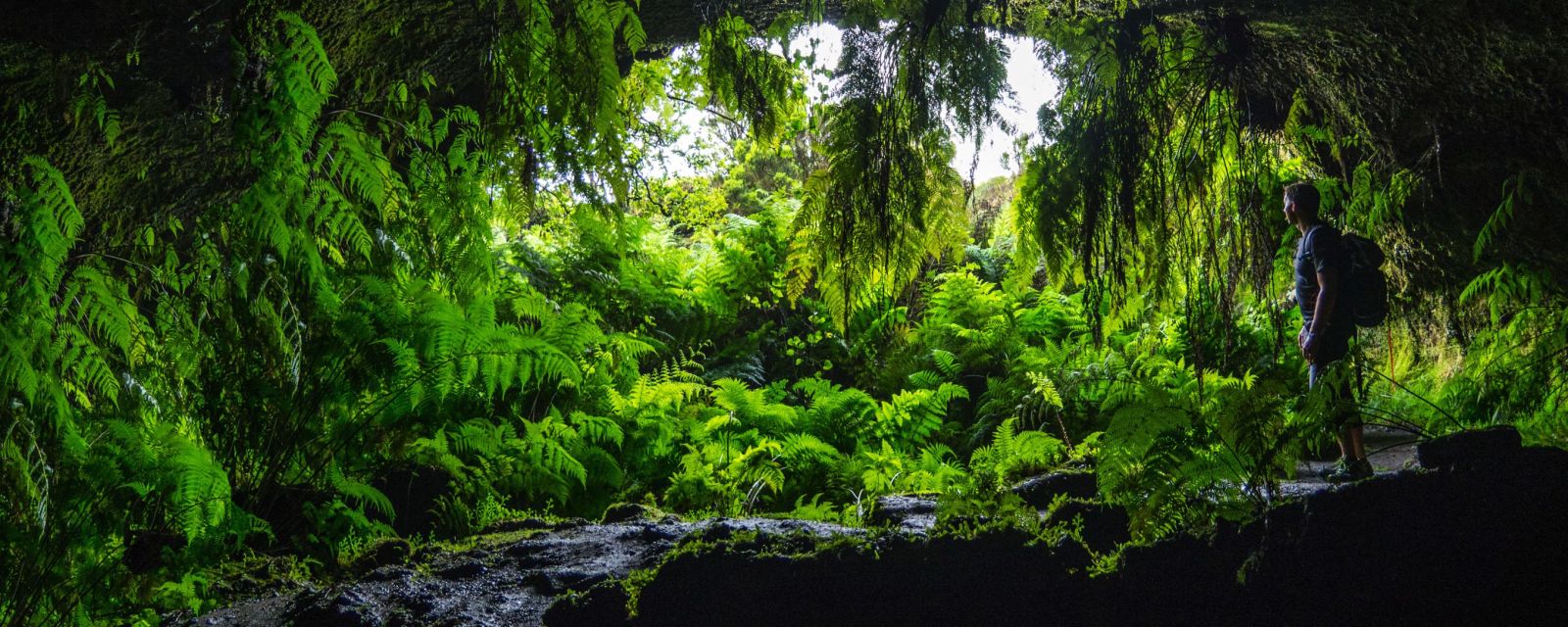
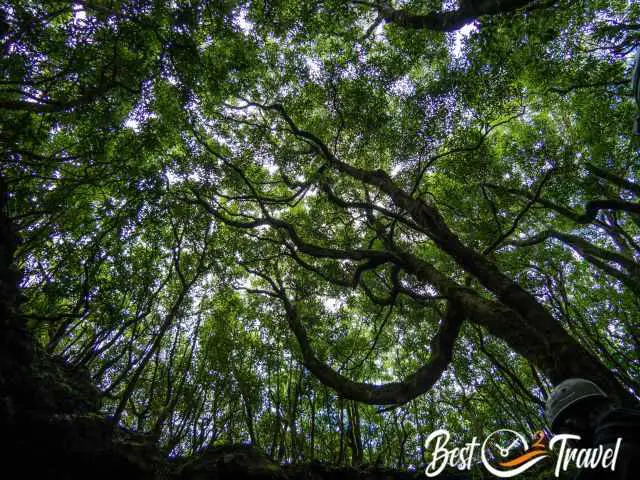
Even if you only walk 50–100 meters inside, Furna do Frei Matias is incredibly picturesque. The lush vegetation around the entrance resembles the lava tube openings on Big Island, Hawaii, with ferns, mosses, and filtered light creating a magical atmosphere. We only explored 50 meters for safety reasons.
Disclaimer
Exploring Furna do Frei Matias is at your own risk. I am not responsible for any injuries.
Don’t Miss Out on My Azores Guides — Plan Your Next Adventure
- Mount Pico Weather & Best Time to Climb – Complete Guide
- How to summit and prepare for Pico Mountain.
- Browse all my Azores Islands Guides for more inspiration.
- And don’t miss our Ultimate Azores Video – 19 Must‑Visit Places on YouTube.
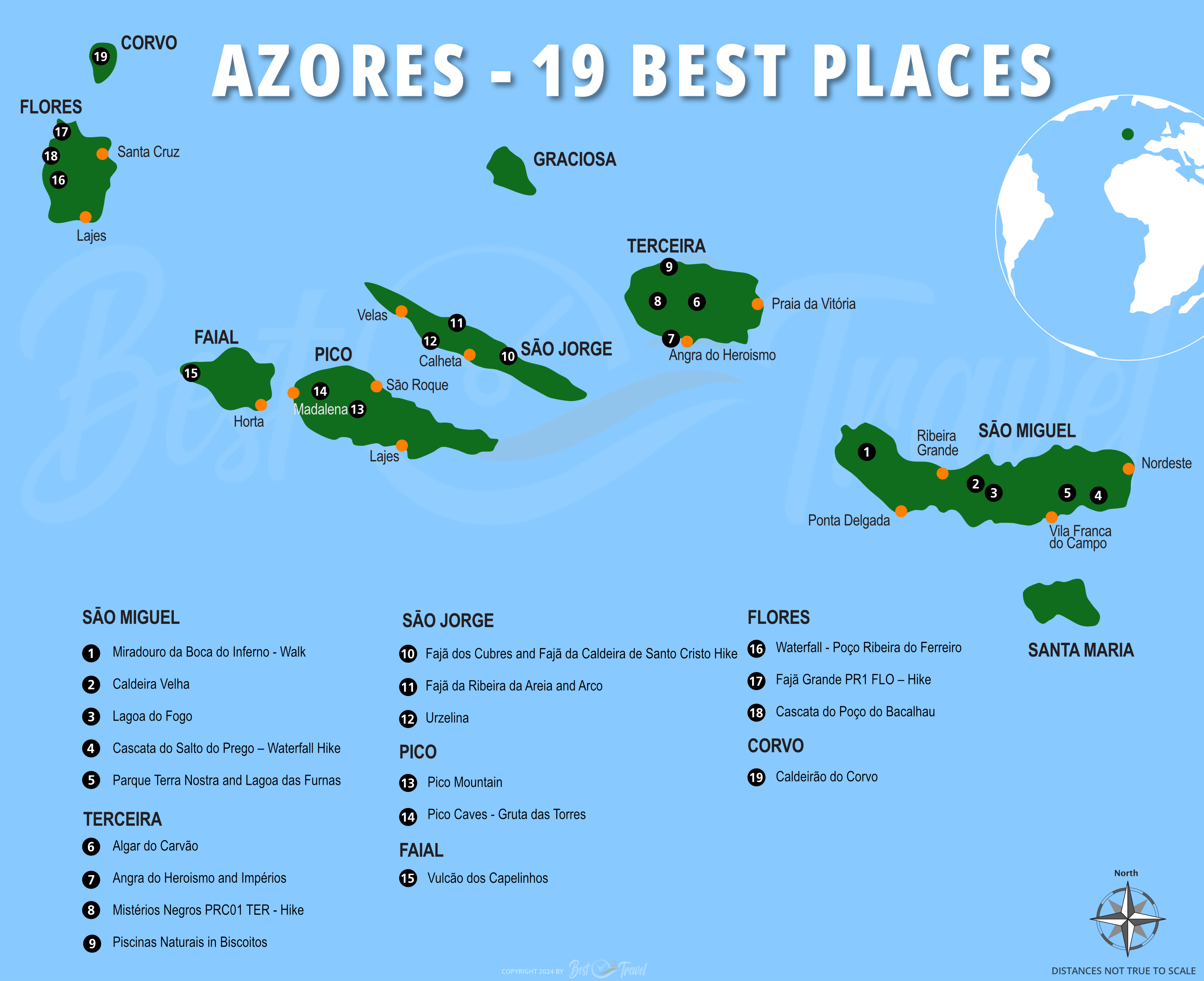
👉 Azores Map high resolution with my favourite places.
Who We Are
We’re passionate travellers and I am the main creator behind Best Time 2 Travel. We are exploring the world together for more than 30 years. Every guide, photo, and tip on BT2T comes from our own experiences, not AI‑rewritten content or stock images.
Today, many fake travel websites copy photos and rewrite articles without ever visiting the places. If you want to learn how to spot these sites and protect yourself from misleading travel content, read "Why you can trust my travel guides."
If you enjoy my Gruta das Torres Cave Guide and tips, please share them or subscribe to our YouTube channel — your support helps us continue creating authentic, experience‑based travel guides.
Best Months to Visit
Location and Tips

Already, the descent down the stairs to the lava tube leaves the visitor in awe. Several layers of lava tubes have created different steps, and the lava ceilings have partially collapsed, thus opening up access to the main lava tube. This guided cave tour and another self-guided cave, my top tip for Pico, are absolutely breathtaking. These caves reminded us of Hawaii - it is also the same type of lava; AA lava, that is found here.