
When Is the Best Time
Climbing Mount Pico, the highest mountain in Portugal at 2,351 m, is one of the most iconic hikes in the Azores. We spent eight days on Pico Island waiting for the perfect weather window, checking the summit forecast daily to make this once‑in‑a‑lifetime volcano climb as safe and enjoyable as possible.
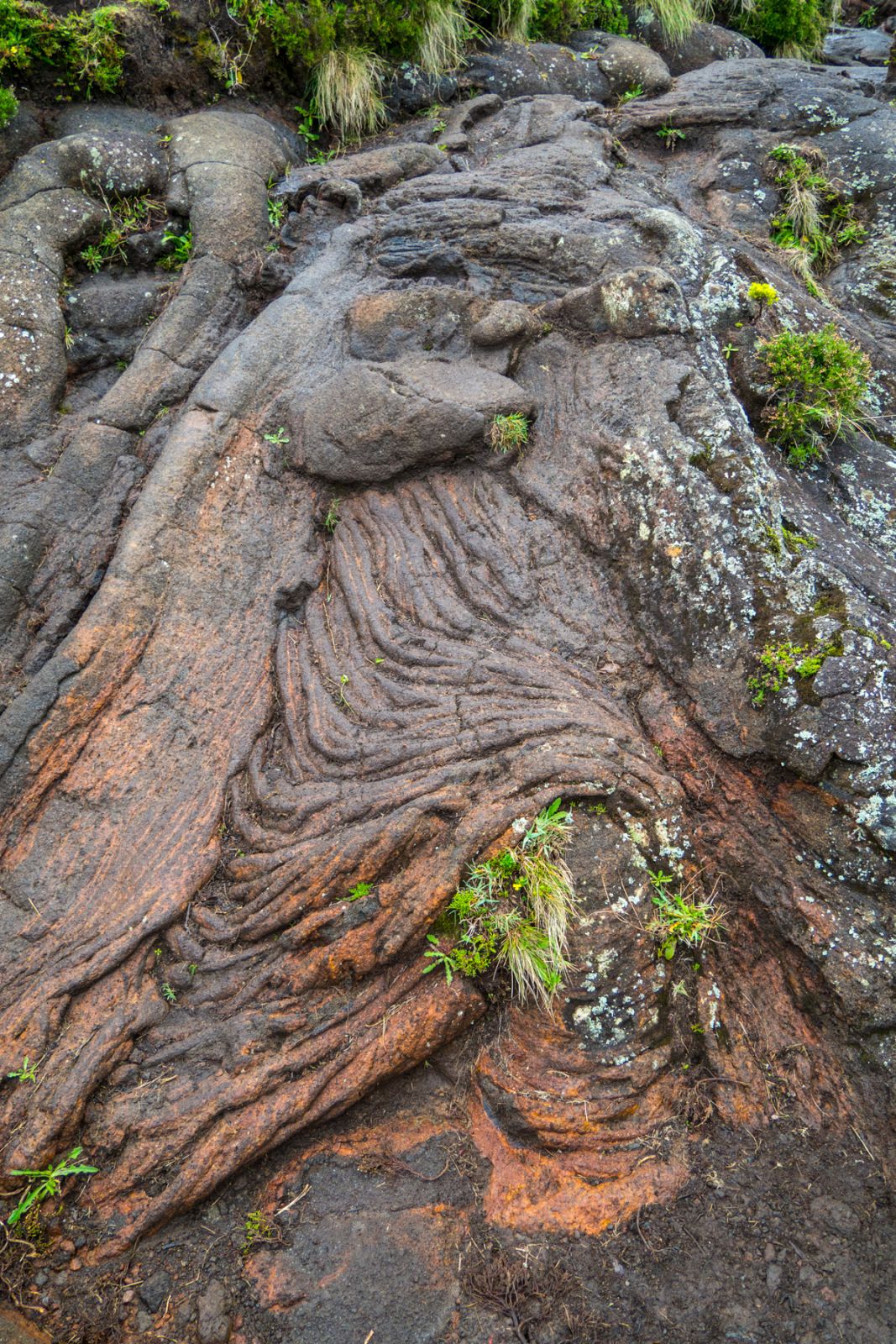
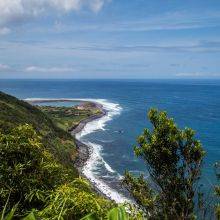
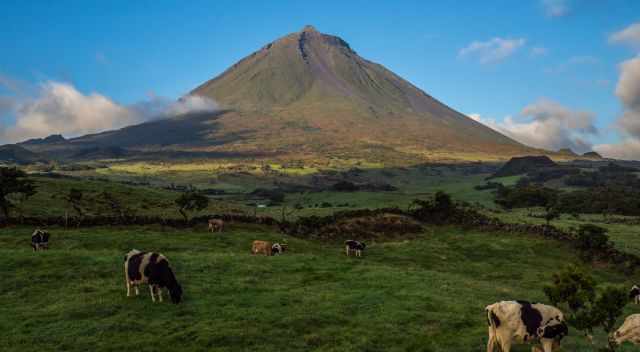
Pico Island belongs to the central group of the Azores and is the second‑largest island — and the youngest, formed roughly 300,000 years ago. Its dramatic black‑lava landscape and the towering cone of Mount Pico make it one of the most impressive hiking destinations in the Atlantic.
Before You Start: Permits, Weather & Timing
To hike Mount Pico, you must apply for a permit, as daily access is limited to 120 hikers. You can book your permit online or check availability at the mountain hut, but reservations are essential during peak season. Before you follow the booking link, read my permit tips and the three different price levels. Permit Reservation Online
The best months for good weather and fewer crowds are May, June, late September, and early October. July and August offer stable conditions but are busy, and permits sell out quickly.
From May to September, you can climb Pico 24 hours a day. Many hikers start at night to watch the sunrise from the summit, but I recommend: Start in the early afternoon, enjoy the sunset, camp inside the crater, and watch the sunrise the next morning.
There are 32 designated camping spots, but no facilities — so pack warm layers, carry all trash back, and be prepared for cold, windy conditions. Guided tours provide equipment if needed.
Pico’s weather changes fast, and choosing the right day is essential. For a full breakdown of seasons, cloud patterns, and summit conditions, read my Mount Pico Weather & Best Time to Climb guide.
Opening Hours for the Mount Pico Hike & Mountain Hut Registration
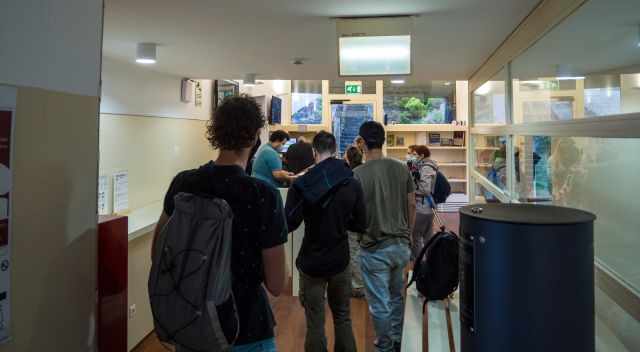
Before you start the Mount Pico hike, you must register at the mountain hut. The staff here are incredibly attentive and give you all essential information about weather, trail conditions, and safety. You also receive your GPS tracker, which is mandatory for every hiker.
The hut only closes in very poor weather and on December 24. On all other days, the Nature Park team checks whether you have at least seven hours of daylight available — the minimum time needed for the ascent and descent.
Seasonal Opening Hours
-
The mountain hut and hiking access follow seasonal schedules:
-
Main Season (May 1 – September 30): Open 24 hours daily — you can start at any time, including night hikes for sunrise.
-
Shoulder Season (April & October): Open from 8:00 to 20:00
-
Low Season (Winter): Open from 8:00 to 18:00
-
These hours determine when you can register and start your hike. If you plan a sunrise or sunset climb, check the season carefully.
Permit Fees for Mount Pico
Mount Pico has a tiered permit system, and the fee depends on how far you plan to climb. Every hiker must register at the mountain hut and carry a GPS tracker. Below is the current fee structure and what each level includes.
€5 — Hike to Marker 2 (Cave Area)
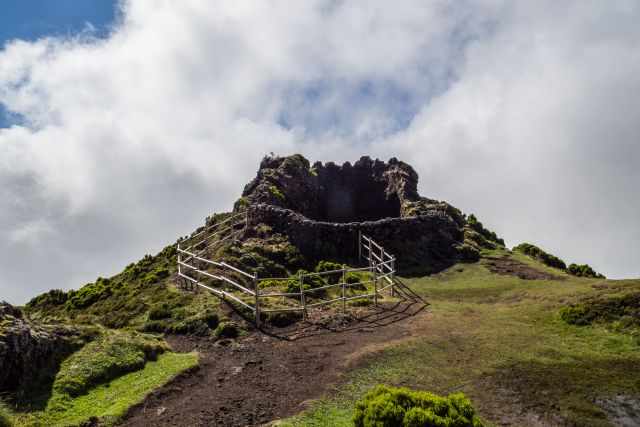
This short hike takes you to the first viewpoint and the cave at marker 2.
-
Duration: ~30 minutes one‑way
-
Booking: No advance reservation needed
-
Good for: Families, casual hikers, bad‑weather days
€15 — Climb to the Crater (Markers 45–46)
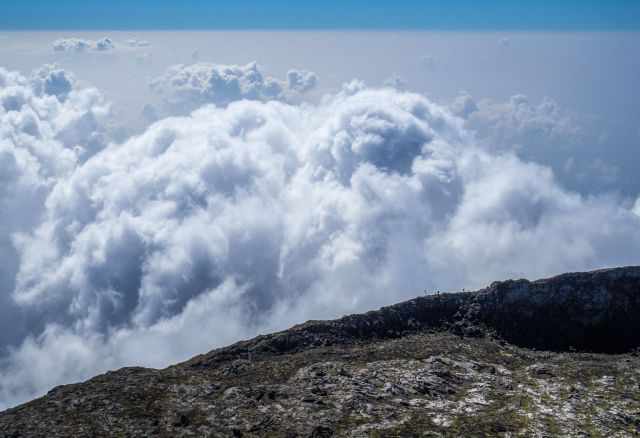
This is the classic Mount Pico ascent to the caldera rim.
-
Duration: 2.5–3.5 hours one‑way
-
Booking: Recommended, especially in summer
-
Good for: Strong hikers who want the full Pico experience without climbing the cone
€25 — Summit Cone (Marker 47)
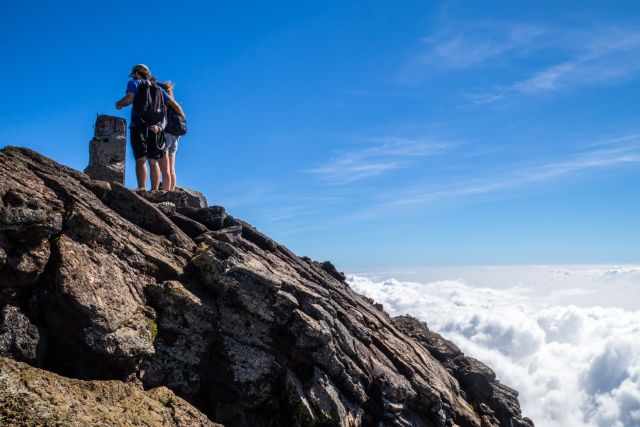
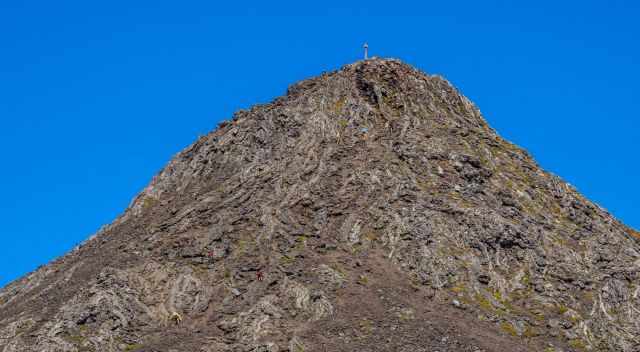
The final push to the summit at 2,351 m.
-
Duration: ~15 minutes extra
-
Difficulty: Steep but easier than it looks
-
Good for: Anyone aiming for the true highest point in Portugal
All fees include mandatory registration, a GPS tracker, and safety briefing from the hut staff.
Mount Pico – Trail Overview & Protected Nature Park
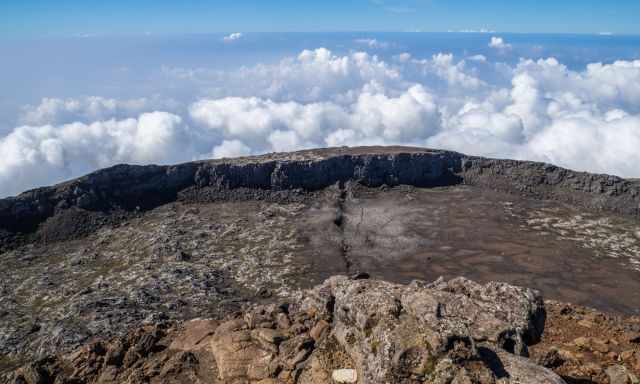
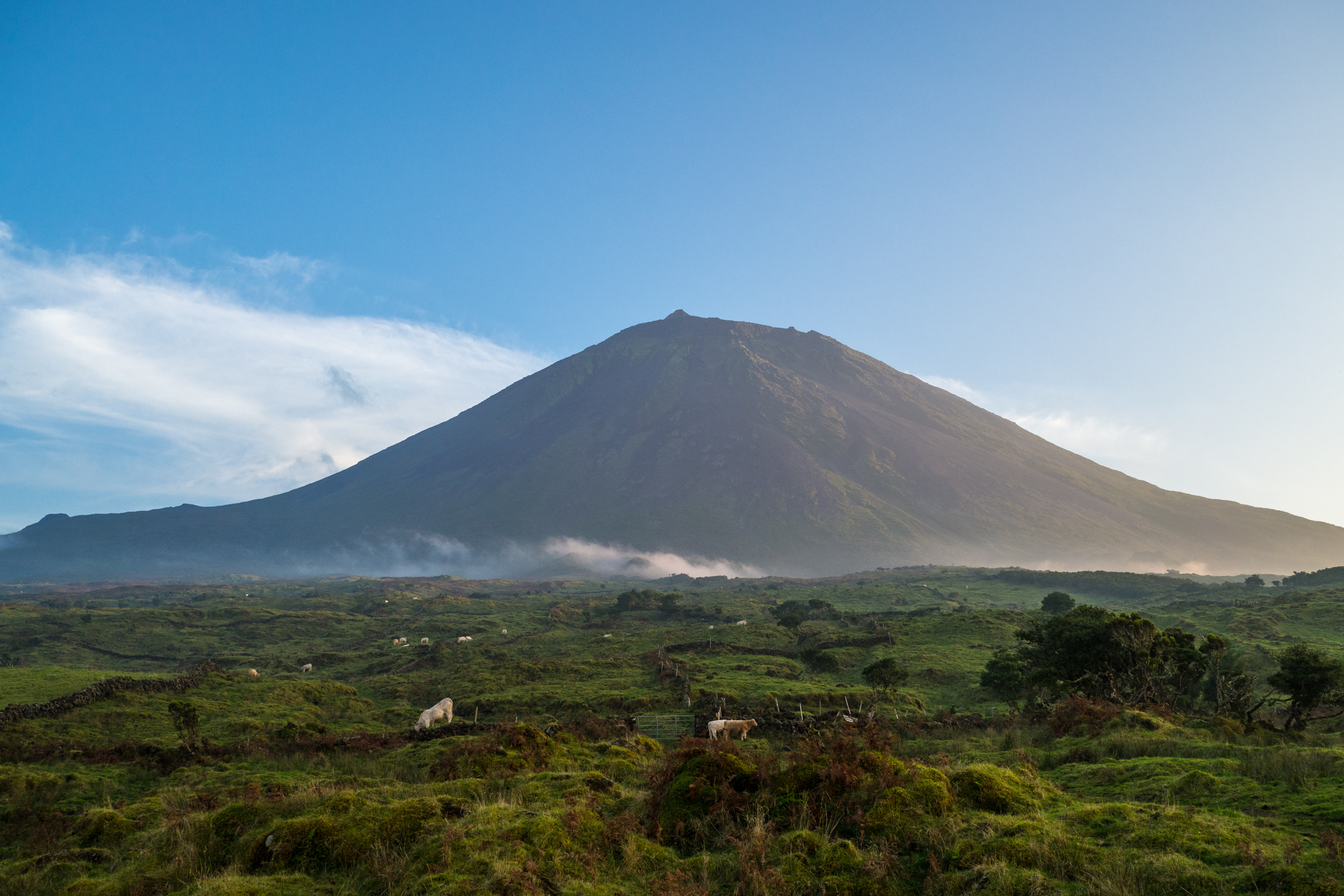
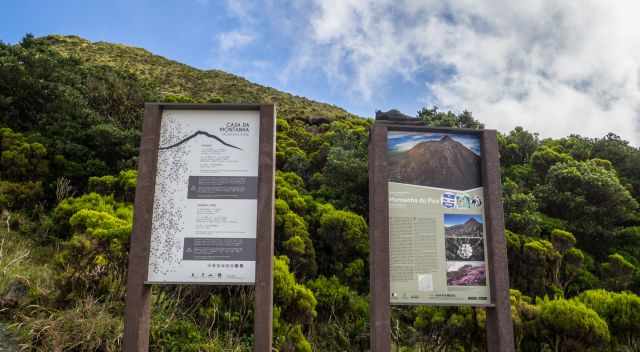
Mount Pico lies inside Pico Nature Park, the largest protected area in the Azores. Around 35% of Pico Island has been protected since 1972, preserving its unique volcanic landscape and endemic vegetation. Pico is also the third‑highest volcano in the Atlantic Ocean — only Teide (3,718 m) in Tenerife and Fogo (2,829 m) in Cape Verde rise higher.
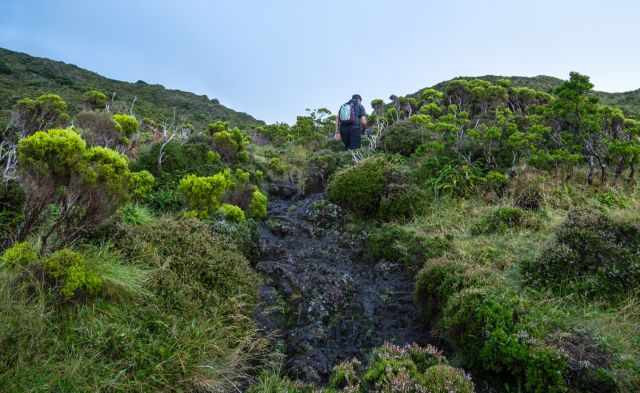
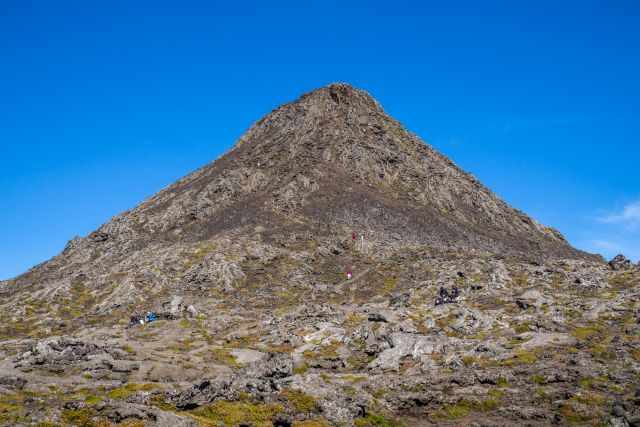
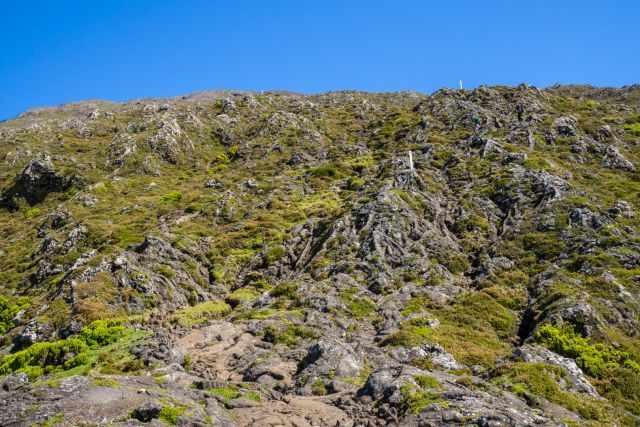
The Mount Pico trail is 7.6 km (4.75 miles) return and takes 6–8 hours, depending on your fitness level. There is no real hiking path — you follow 47 markers all the way to the summit. Much of the ascent is hands‑and‑feet climbing over loose volcanic rock rather than classic hiking.
Registration, GPS Tracker & Mountain Hut Procedure
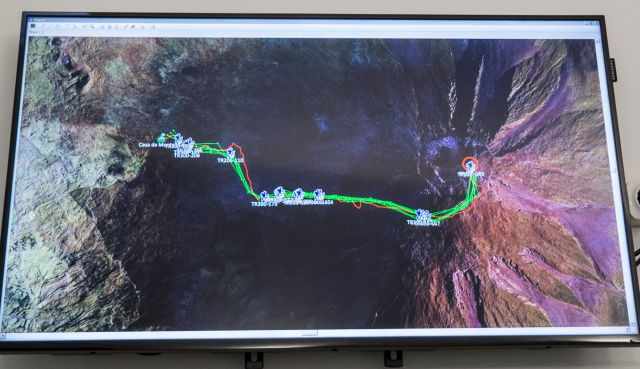
Before starting the hike, you must register at the mountain hut. The staff are incredibly attentive and efficient. After showing your online booking, you receive a mandatory GPS tracker. This device:
-
monitors your position throughout the hike
-
ensures safety in case of emergency
-
includes rescue service in the permit fee
-
must be carried securely (lost tracker fee: €300)
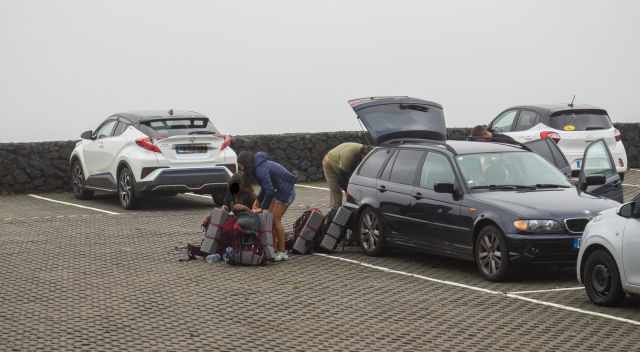
There is a large parking lot directly in front of the hut, making access easy. The hut sits at 1,230 m elevation, and from here you begin the steep ascent toward the crater at 2,250 m and finally the summit cone at 2,351 m — a total elevation gain of 1,121 m.
Hiking Trail Details – What the Mount Pico Ascent Really Feels Like
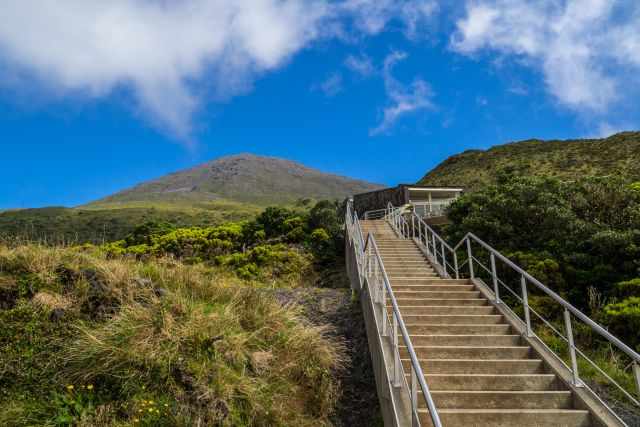
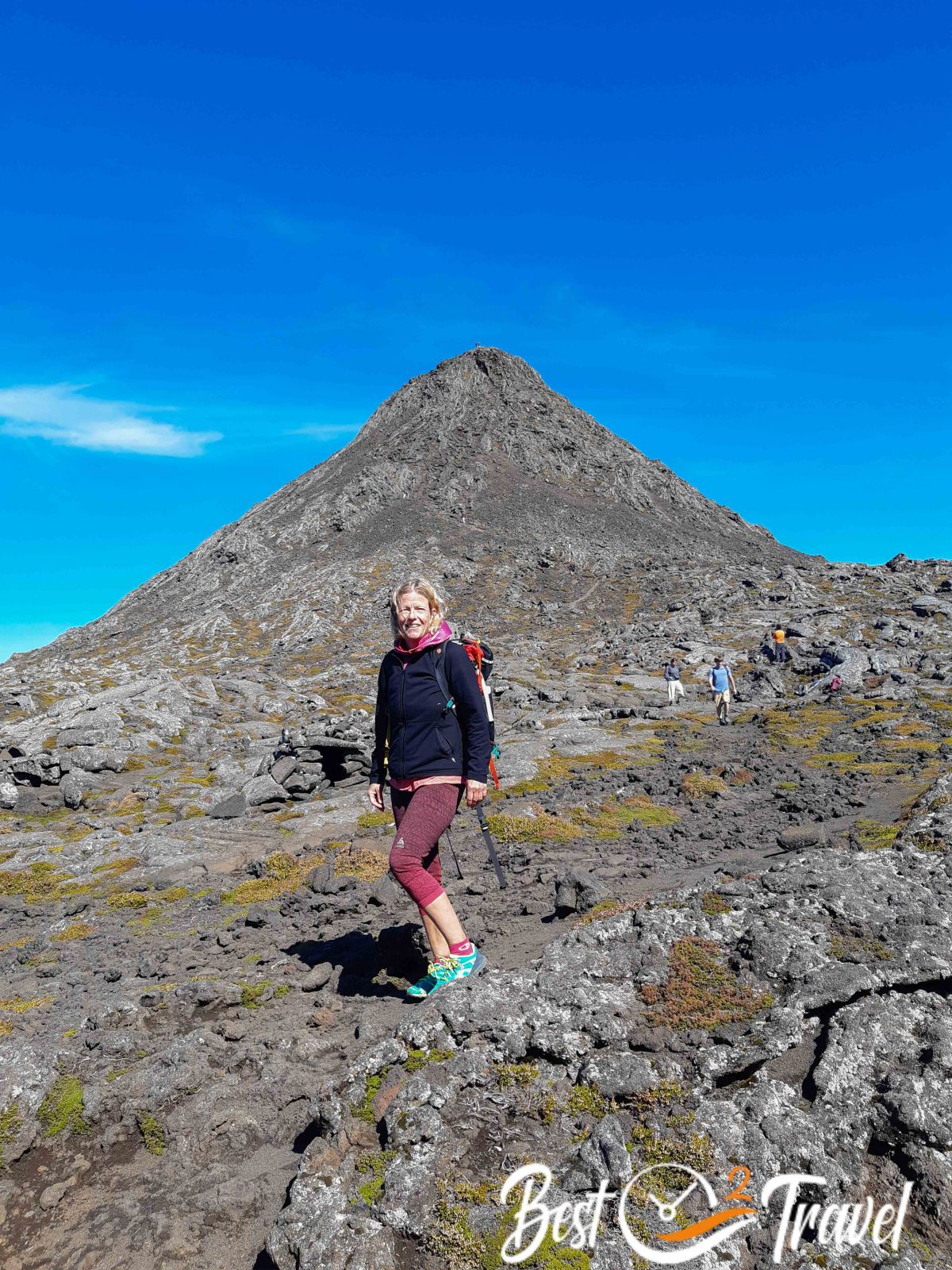
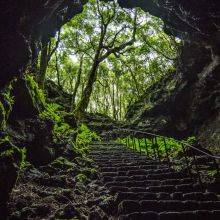
A staircase behind the hut leads you onto the volcanic slope. The first section up to marker 2 and the cave is easy to follow. After that, the markers stand closer together because there is no defined path. You simply choose the best line of ascent toward the next marker.
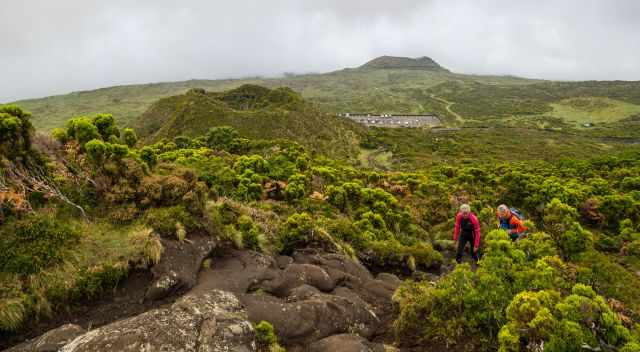
The terrain is rugged, steep, and exposed — loose volcanic rocks, dark lava gravel, and uneven surfaces. If you plan a sunrise climb, the trail becomes more demanding. A powerful torch is essential.
Starting in Clouds, Ending Above Them
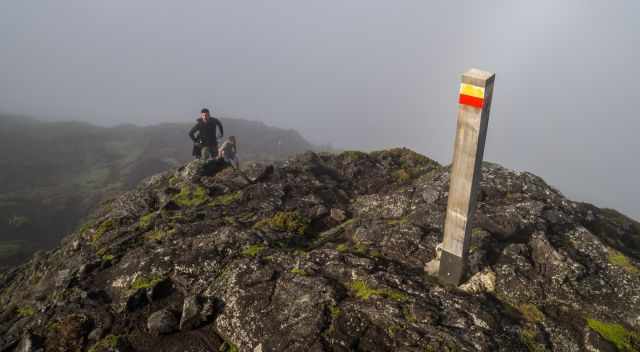
It’s common to begin the hike in dense fog, clouds, or light rain. We started at 9:00, lined up at the hut, and received a friendly briefing in Portuguese and English. Most hikers are visitors from abroad.
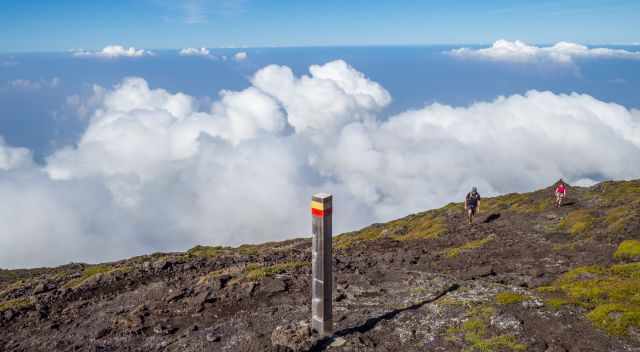
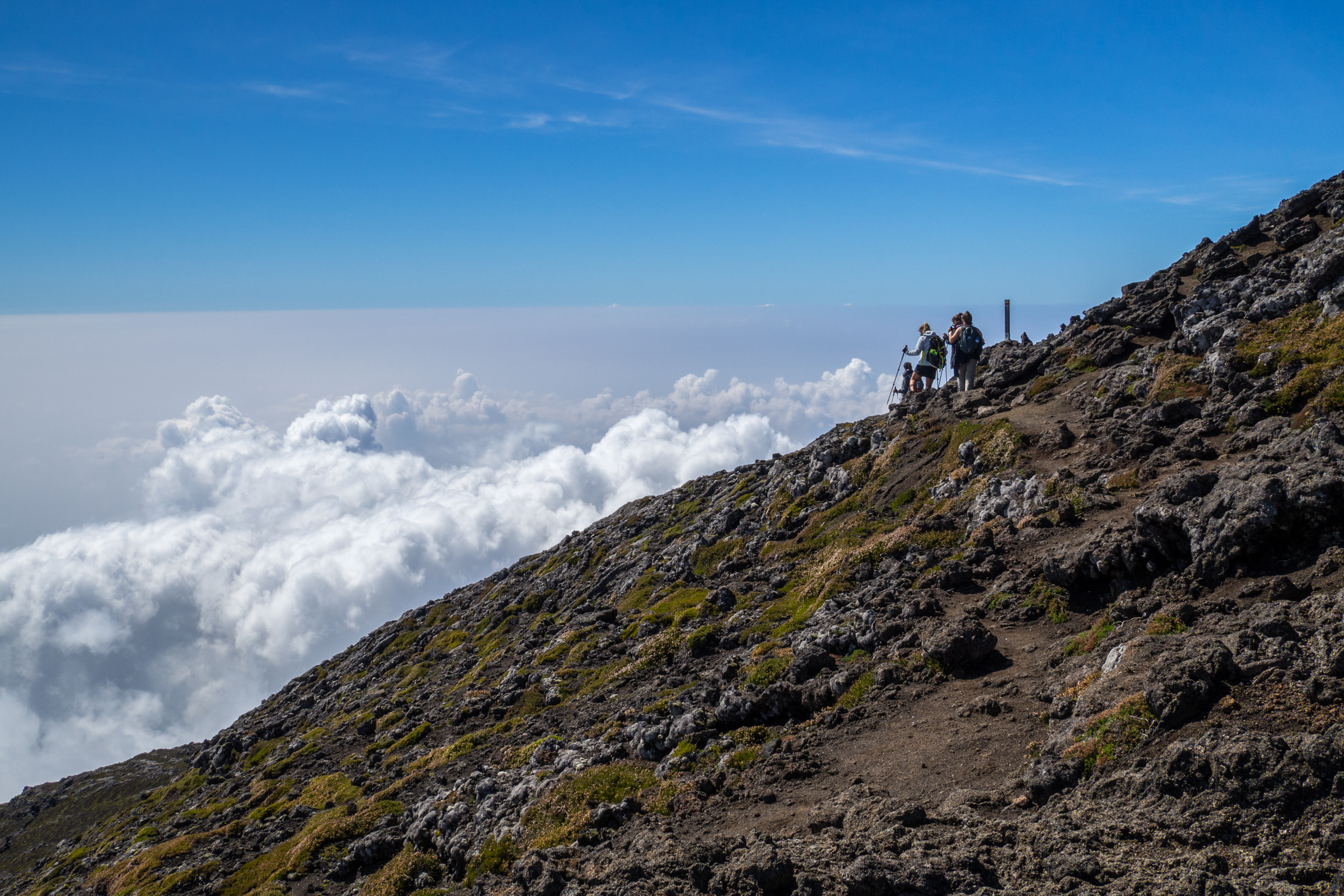
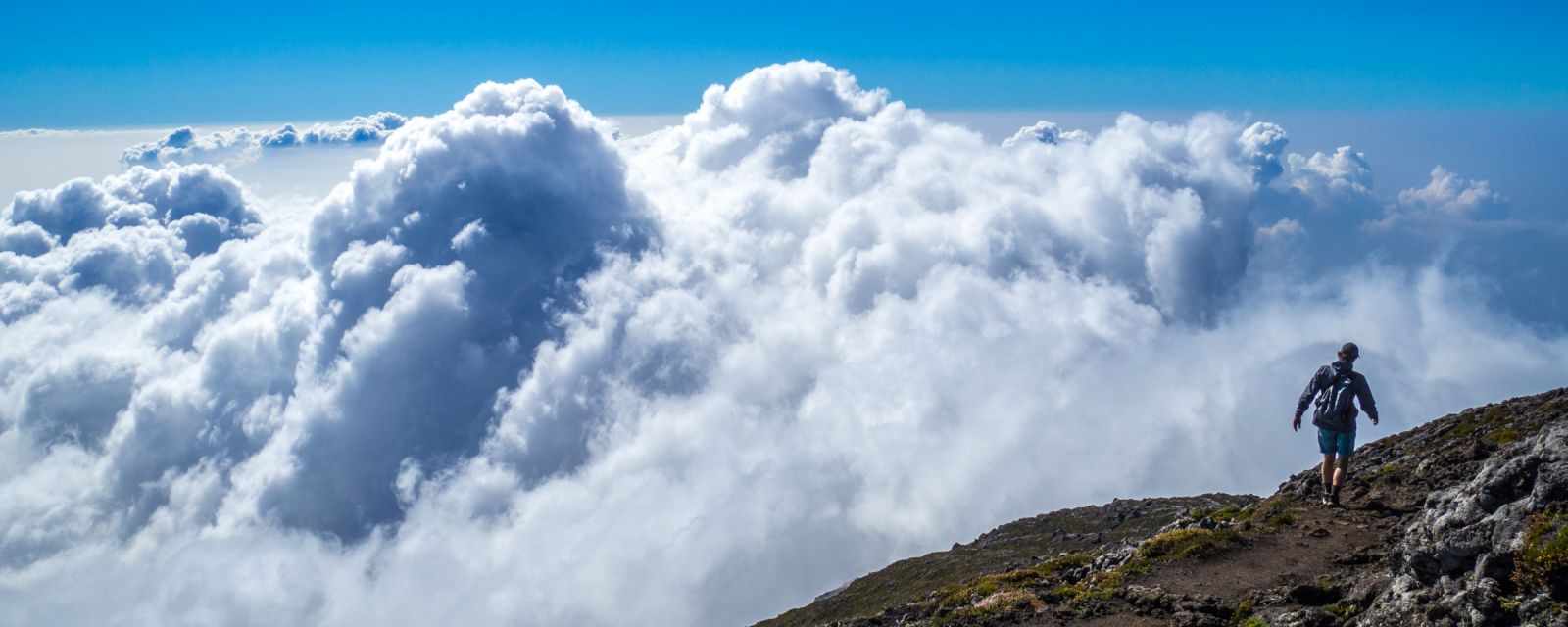
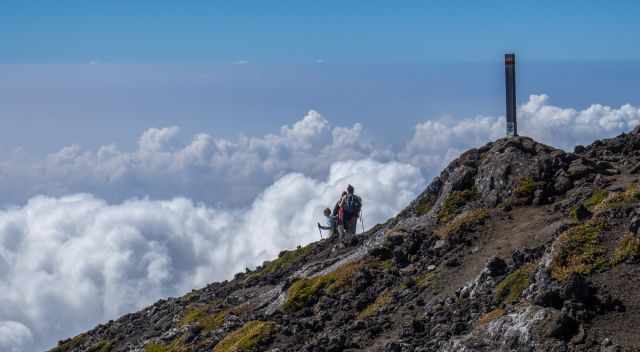
Around marker 20, the weather often changes dramatically. The clouds thin out, and suddenly you’re hiking above a sea of clouds, with Pico’s black volcanic slopes rising into the blue sky.
The Steep Ascent to the Crater
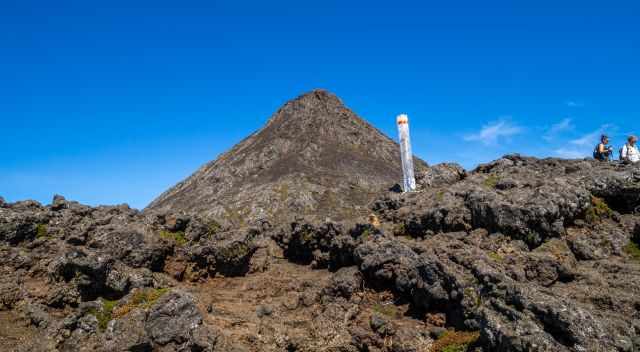
We climbed steadily, overtaking many hikers, but paused every second or third marker to drink water. The ascent is steep, but the views become more dramatic with every step.
We reached the crater rim (marker 45) in just 2.5 hours, faster than expected. The crater is about 26 meters deep, and crossing it feels surreal — a huge volcanic amphitheater with the massive lava cone (Piquinho) rising at the far end.
Final Push to the Summit Cone (Marker 47)
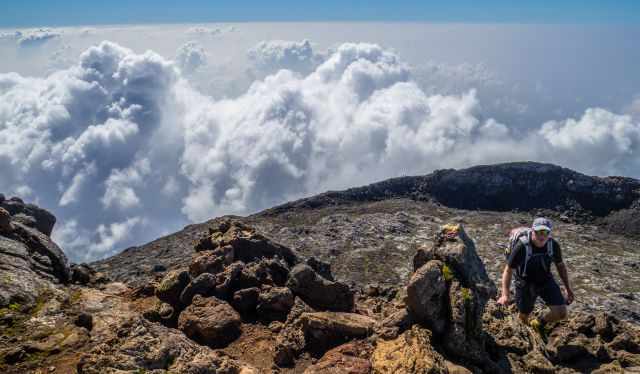
From the crater rim, it takes only 15 minutes to reach the summit cone. The climb looks intimidating, but it’s easier than it appears.
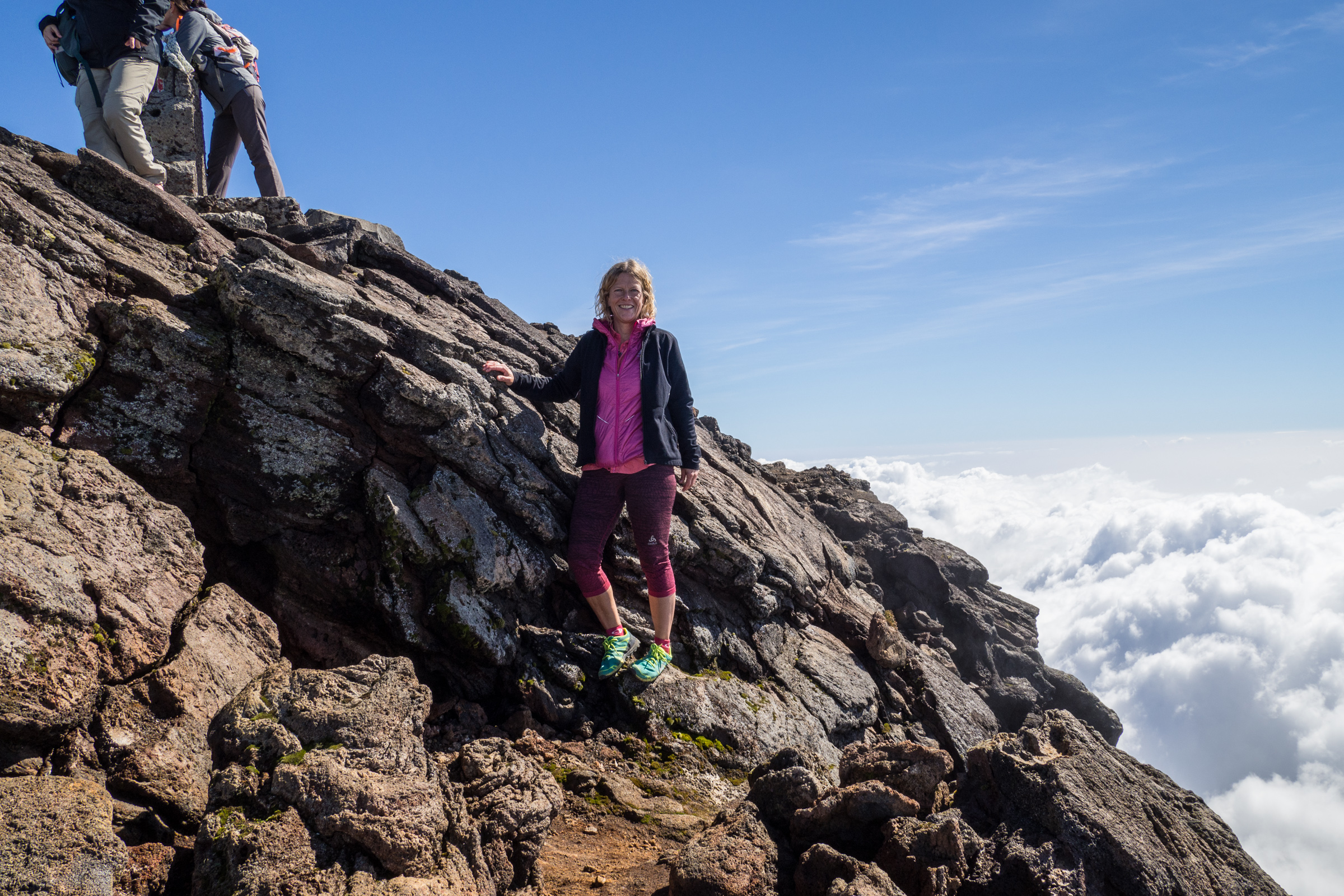
When we arrived, the summit was busy, so we waited until the group left. Standing above the clouds with views down to Pico Island is unforgettable.
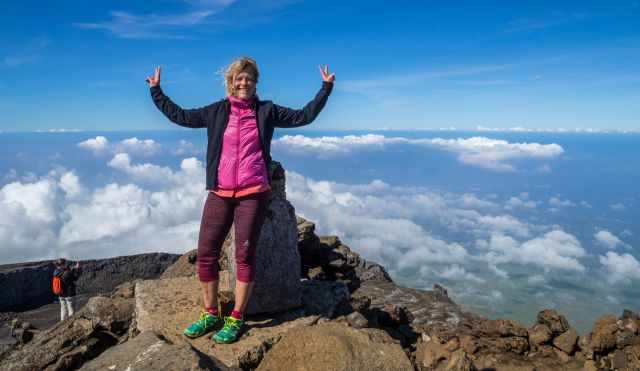
Seeing Faial or São Jorge from the summit is rare because of cloud cover, but even without distant island views, Pico is a once‑in‑a‑lifetime climb. I’ve climbed many mountains — Pico is easily in my top ten.
The Descent – Harder Than Expected
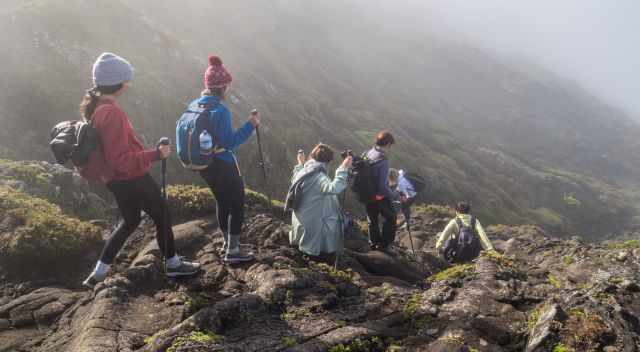
The descent is more challenging than the ascent because of the steep, loose volcanic gravel. Wear proper hiking shoes, and if you’re not used to mountain terrain, bring hiking poles — they help a lot on the rugged slope.
A strong, cold wind often blows at the summit, so pack layers. I wore all my jackets at the top.
We hiked back in sunshine with spectacular views over the island. Even on the descent, we stopped every few markers to drink water.
Back at the Mountain Hut
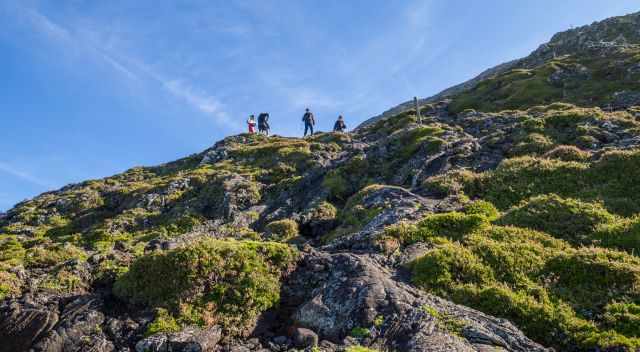
Once you return, hand back your GPS tracker at the hut. If you lose it, the fee is €300, so keep it secured in your backpack.
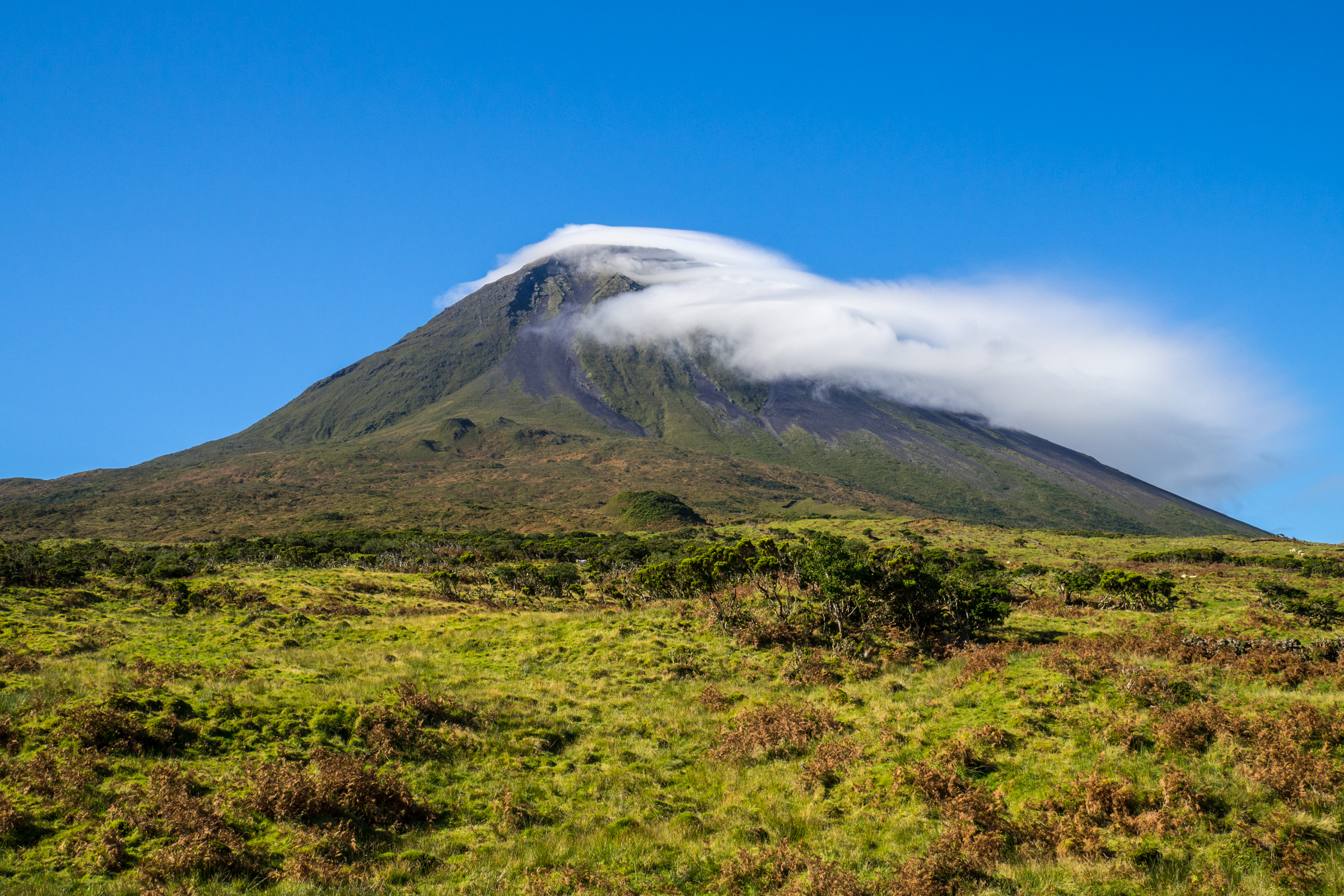
Stretching our legs at the car and looking back at Pico — already covered in clouds again — felt surreal. What a spectacular hike on Pico Island.
Is Pico Volcano Active?
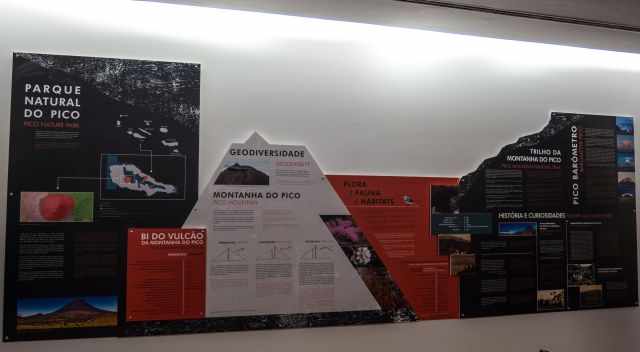
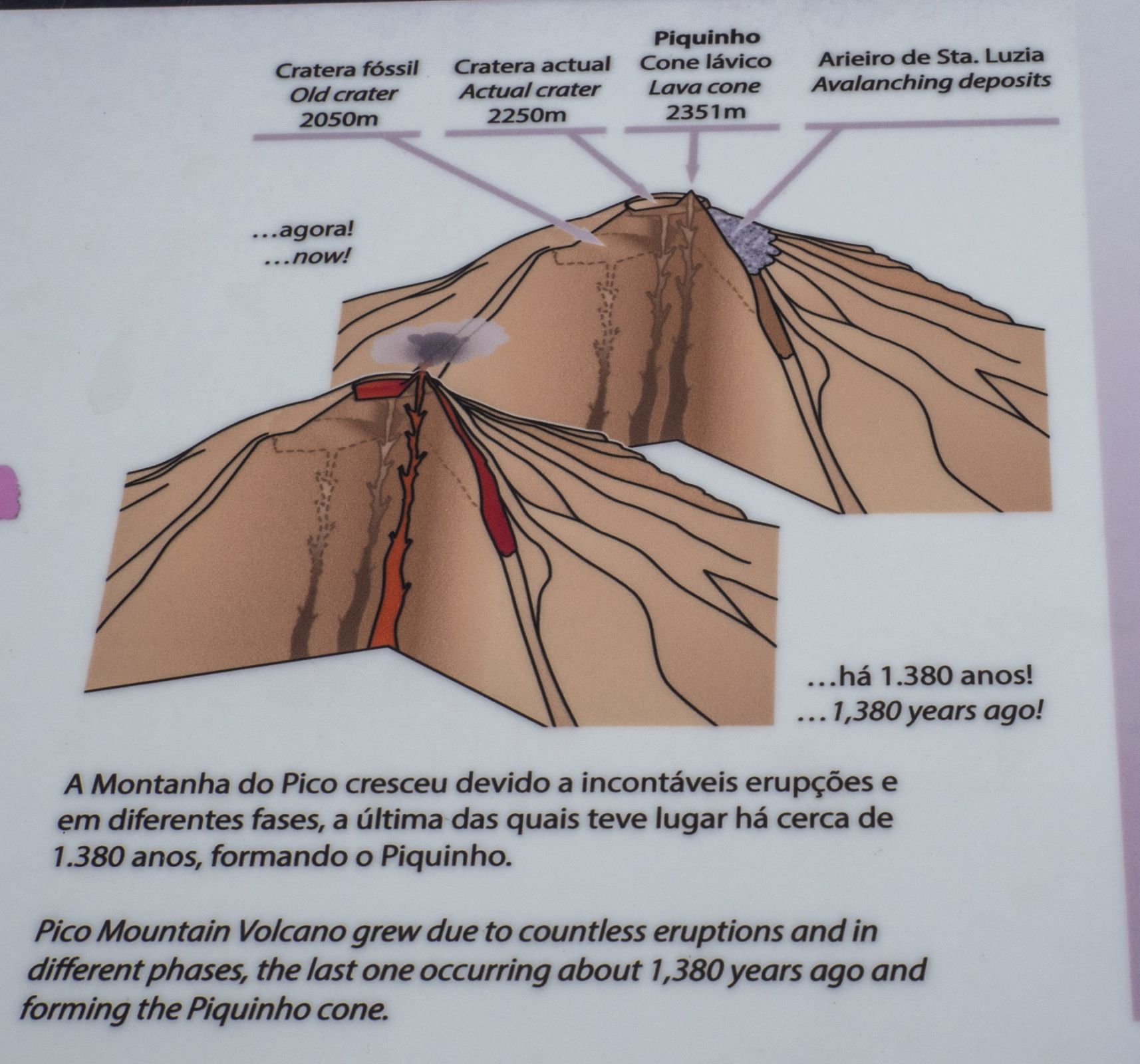
Mount Pico is a dormant stratovolcano. This means the volcano is currently inactive, but it still has the potential to erupt again in the future. The last eruptions occurred in 1718 and 1720, forming parts of the modern summit area.
Pico rises 2,351 m above sea level and an impressive 3,500 m from the seabed, making it one of the tallest volcanic structures in the Atlantic. The volcano grew through countless eruptions over roughly 240,000 years, developing in three major phases. The final phase created the sharp summit cone known as Piquinho.
Packing List – 13 Essential Tips for Hiking Mount Pico
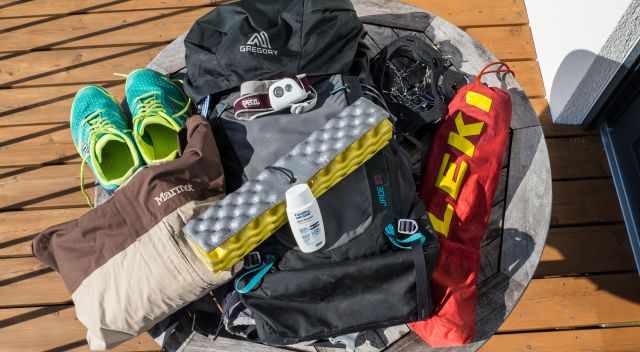
1) Monitor the Weather Forecast
Expect a temperature difference of up to 10°C between the mountain hut and the crater due to fog, wind, and rain. Weather Forecast Pico Summit
2) Reserve Your Permit Online
Secure your spot early — daily access is limited. Use the Pico permit reservation system.
3) Turn Back in Severe Weather
If conditions worsen (fog, heavy rain, strong wind), return immediately. Safety first.
4) Protect Your GPS Tracker
Carry it in a safe, dry place inside your backpack. A damaged or lost tracker costs €300.
5) Bring a Windproof & Waterproof Jacket
Weather changes fast on Pico. A proper shell is essential.
6) Use Strong Sun Protection
UV radiation is intense above the clouds. Pack a hat, sunglasses, and sunscreen. I use SPF 50+ on exposed areas like arms and face — never had a sunburn since.
7) Carry Plenty of Water (Minimum 3 Litres)
Most hikers carry too little. We drank every second or third marker and added electrolytes for energy. Hydration is key on this steep volcanic ascent.
8) Pack High‑Energy Food
Nuts, dried fruit, energy bars — and take a proper break at the crater. You’ll need full concentration for the steep descent.
9) Bring a Lightweight Cushion
Perfect for sharp volcanic stones inside the crater and for breaks in poor weather.
10) Carry a Headlamp or Torch
A Petzl headlamp is ideal. If you plan a sunrise climb, bring a powerful torch plus a spare.
11) Wear Proper Hiking Shoes
Grip matters. We saw the ambulance leaving the hut several times — knee injuries, falls on rocks. My Inov trail shoes were perfect for all Azores hikes.
12) Consider Hiking Poles
Helpful on the steep, slippery descent. About one‑third of hikers used them.
13) Winter Requires Crampons
Snow and ice make Pico dangerous in winter. Crampons are a must.
For more gear inspiration, check out My 10 Essential in My Backpack.
Don’t Miss Out on My Azores Guides — Plan Your Next Adventure
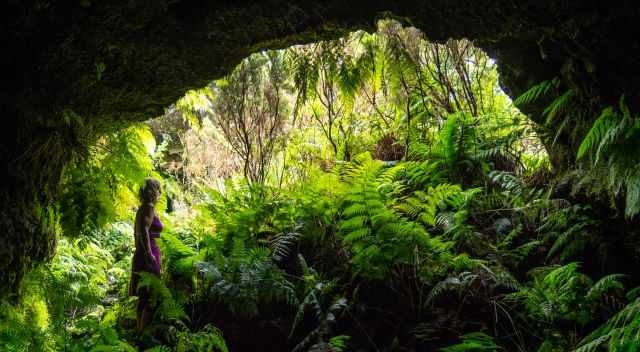
- For detailed summit temperatures, cloud patterns, seasonal tips, and how to pick the perfect day, check my full guide: Mount Pico Weather & Best Time to Climb.
- Gruta das Torres Cave Guide on Pico Island – The Longest Lava Tube of the Azores.
- Browse all my Azores Islands Guides for more inspiration.
- And don’t miss our Ultimate Azores Video – 19 Must‑Visit Places on YouTube.
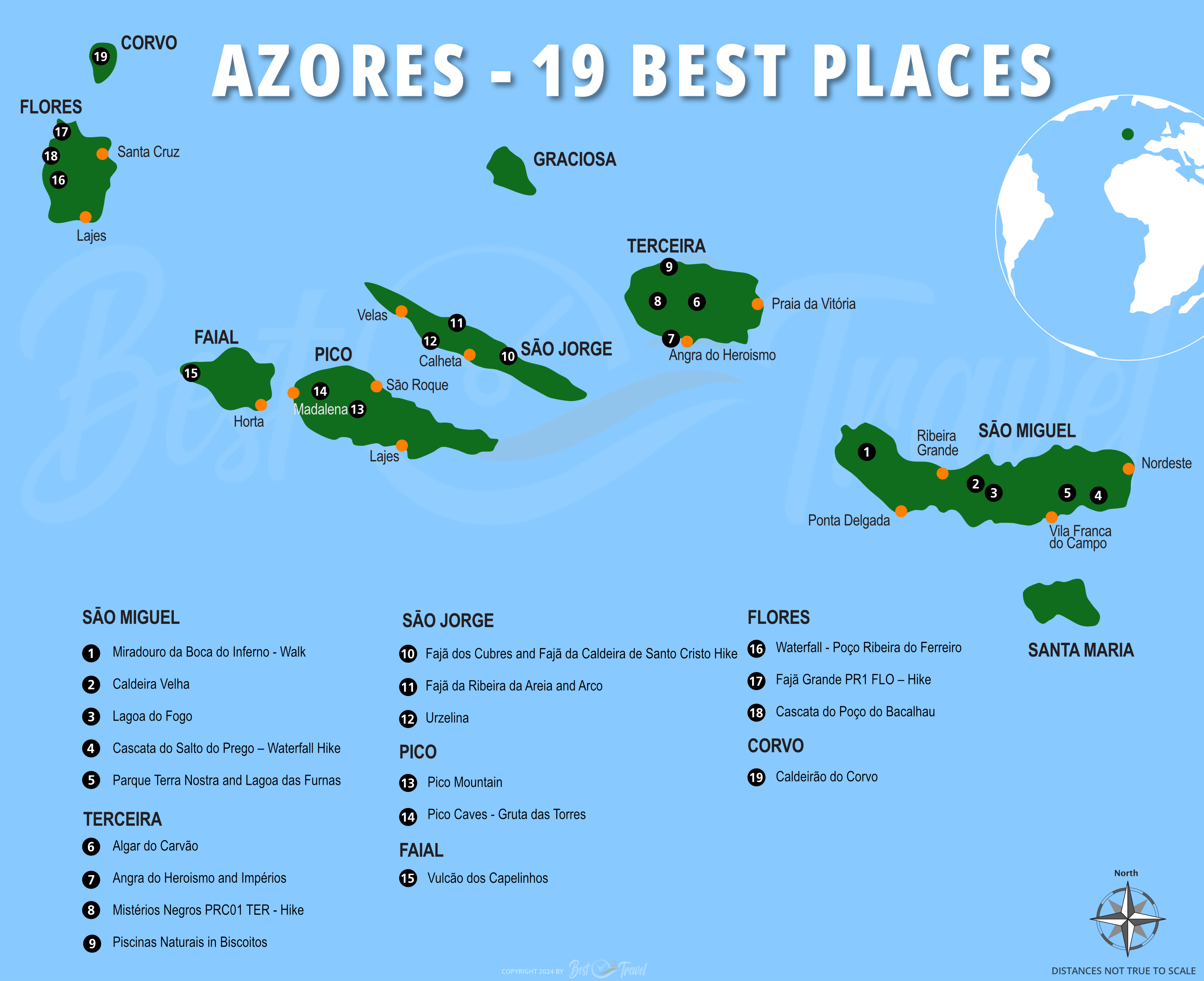
👉 Azores Map high resolution with my favourite places.
Who We Are
We’re passionate travellers and I am the main creator behind Best Time 2 Travel. We are exploring the world together for more than 30 years. Every guide, photo, and tip on BT2T comes from our own experiences, not AI‑rewritten content or stock images.
Today, many fake travel websites copy photos and rewrite articles without ever visiting the places. If you want to learn how to spot these sites and protect yourself from misleading travel content, read "Why you can trust my travel guides."
If you enjoy my Pico Mountain Hiking Guide and tips, please share them or subscribe to our YouTube channel — your support helps us continue creating authentic, experience‑based travel guides.
Do You Like to Support Me - It's easy; use the Paypal Button below 😍
Best Months to Visit
Location and Tips

Pico Island is the second-largest island located in the central group of the Azores. Pico is the youngest island of the nine outstanding islands, about 300.000 years old.