
When Is the Best Time
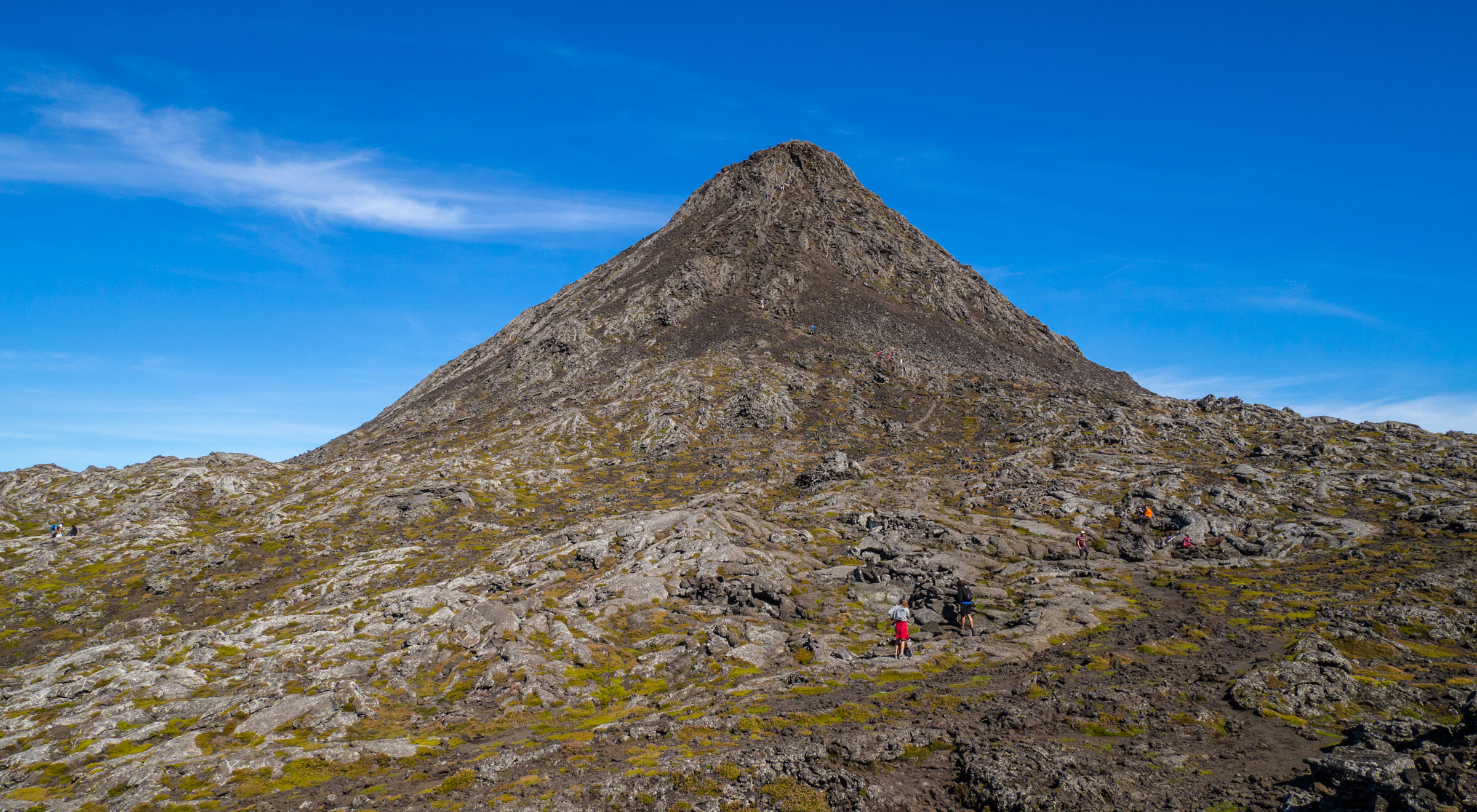
Mount Pico’s weather is one of the most unpredictable in the Azores. The summit rises to 2,351 m, creating its own microclimate with rapid changes in wind, fog, cloud cover, and temperature. Understanding these patterns is essential for choosing the right day to climb and staying safe on the trail.
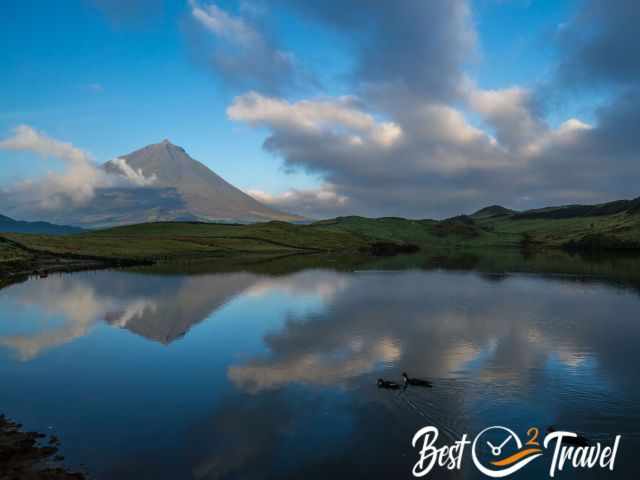
We spent six days on Pico Island and monitored the weather forecast every morning and evening. Pico’s summit weather is notoriously unstable, and choosing the right day makes all the difference. Our patience paid off — the last day of our stay finally showed the best prediction you can wish for on this hike, so we waited until the end and climbed Pico in perfect conditions.
This guide explains Pico’s unique weather phenomena, seasonal conditions, summit temperatures, and the best months for a successful ascent. For the full hiking route, continue to my Mount Pico trail guide.
At the end of this guide, you’ll also find my favourite food stop and a refreshing swimming spot — perfect for unwinding after summiting Pico.
Why Pico Weather Changes So Quickly
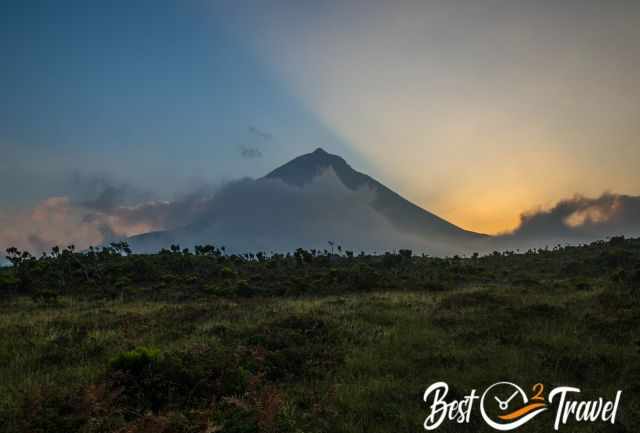
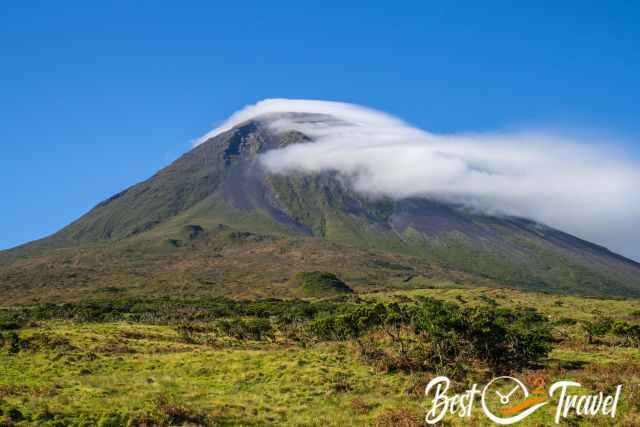
Mount Pico dominates the island and shapes its climate. The steep volcanic cone forces moist Atlantic air upward, creating orographic clouds — locally called “hats”. These cloud formations have been used by Azorean settlers for centuries to predict weather and sea conditions.
Key factors influencing Pico’s weather:
- Rapid elevation gain: From sea level to 2,351 m in a short distance
- Moist Atlantic air: Constant humidity feeding cloud formation
- Strong winds: Especially above 1,800 m
- Temperature drop: Often 10°C or more between the mountain hut and the crater
- Fog formation: Can appear and disappear within minutes
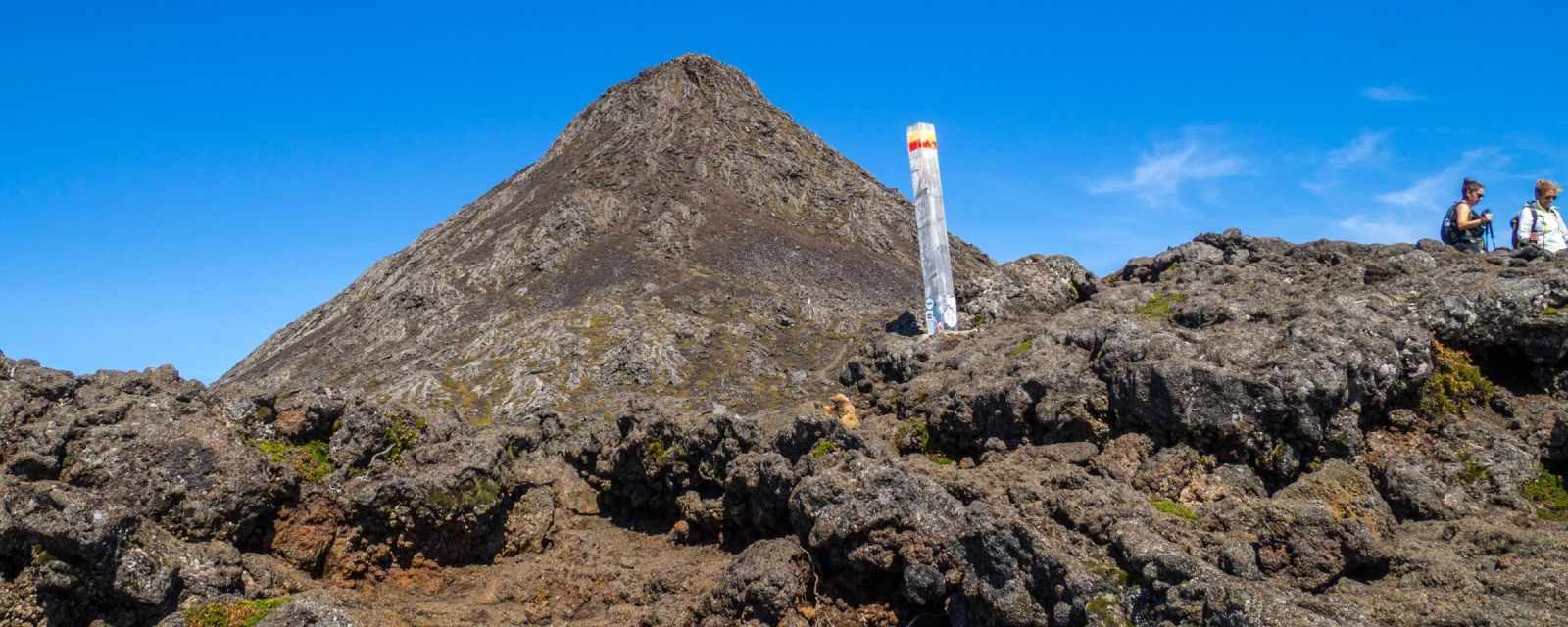
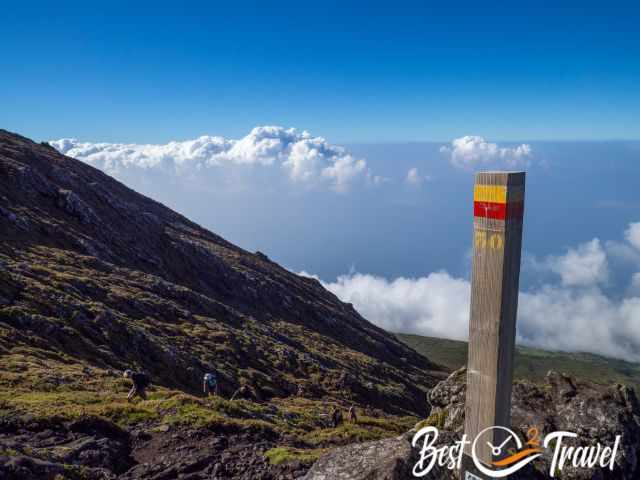
Even on stable days, expect sudden changes. During our climb, we started under a clear blue sky, hiked straight into thick clouds, and finally broke through into sunshine again above the cloud layer around marker 20.
Summit Temperatures & Conditions
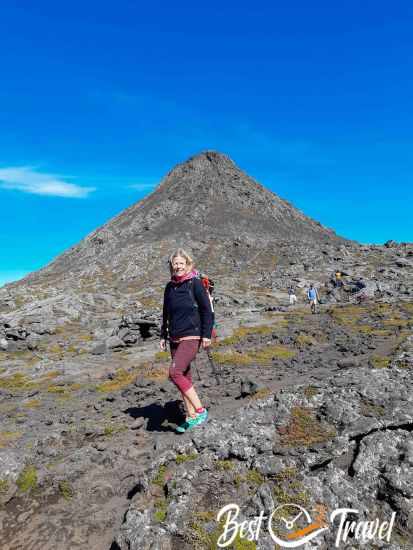
Mount Pico’s summit is cold year‑round. Even in summer, temperatures are low, and wind chill is significant.
Typical summit temperatures:
- Daytime: 3–10°C
- Night: Freezing conditions
- Wind: Strong and cold, even on clear days
- Visibility: Can change dramatically within minutes
Anyone attempting a sunrise or sunset climb should pack warm layers and a down jacket. Summit temperatures drop sharply, and strong winds make the crater and cone feel even colder.
Seasonal Weather Breakdown
Spring (April–May)
Spring marks the beginning of the hiking season. Rainfall decreases, but weather remains unstable.
- Temps: 4–8°C at the summit
- Conditions: Overcast, foggy, partly cloudy
- Trail visibility: Often poor due to fog
- Best for: Early‑season hikers who prefer fewer crowds
- Tip: Clouds often clear in the evening — great for sunset climbs
Summer (June–September)
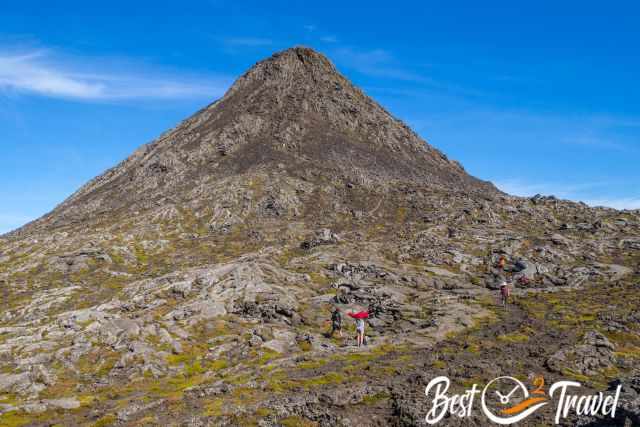
Summer is the busiest and most stable period for climbing Pico. From July to September, blue‑sky days are most common.
- Temps: During the day: ~10°C and night: 3–7°C
- Conditions: Driest months, highest chance of clear skies
- Crowds: Many of the 120 daily permits are booked by tour operators
- Excellent for: Camping inside the crater, sunrise climbs
- Tip: Book your permit early — or join the waiting list at the hut in July and August.
Fall (October)
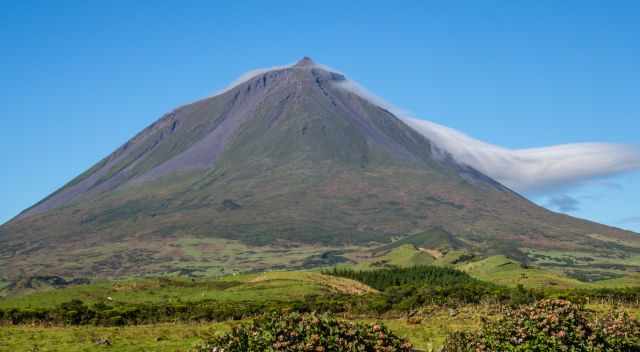
October brings increasing rainfall and more unstable weather. Clear days still occur, but everything is possible — classic Azores weather.
- Temps: during the day: ~8°C and night: ~4°C.
- Conditions: Rain, fog, mixed visibility
- Best for: Flexible hikers who can choose the best weather window
- Tip: Expect wet rocks and slippery terrain
Winter (November–March)
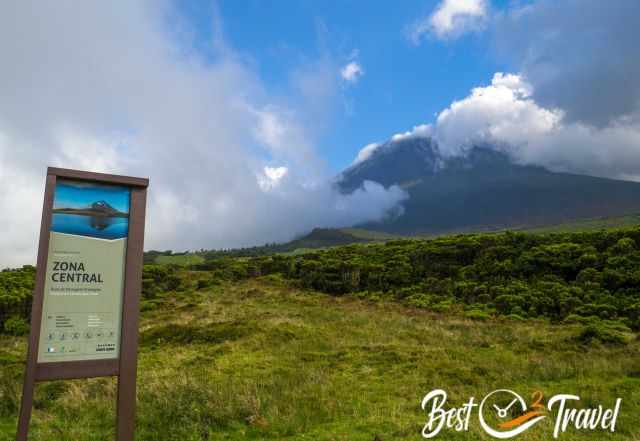
The Azores rarely see winter at sea level, but Mount Pico does. Watching Pico covered in snow is spectacular — but climbing requires serious preparation.
- Conditions: Snow, ice, strong winds
- Temps: Freezing at night, very cold during the day
- Gear: Crampons, gloves, full winter equipment
- Best for: Experienced mountaineers
- Tip: Consider a guided tour with proper gear
Best Time to Climb Mount Pico
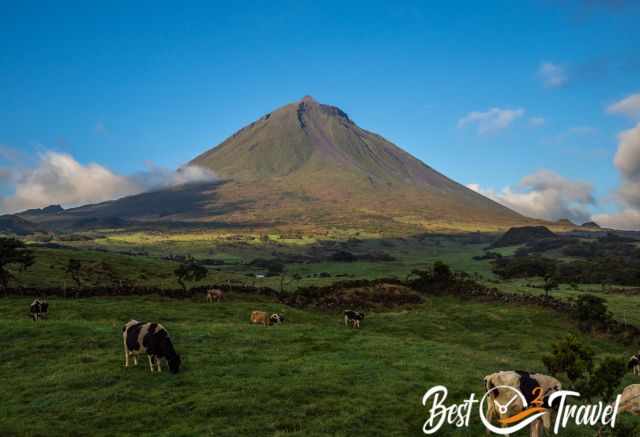
The ideal months for stable weather and fewer crowds are:
May, June, September, early October
These periods offer a good visibility, lower rainfall, manageable crowds, comfortable temperatures and higher chance of cloud‑free summit views. July and August are excellent for weather but busy. Climbing Pico in winter demands solid mountaineering experience. If you don’t have winter skills or the right equipment, a guided tour is the safest option. Also remember that daylight hours are limited, so plan your ascent and descent carefully.
For choosing the right day, check the Pico summit forecast and look at cloud patterns around the cone.
How to Choose the Best Day
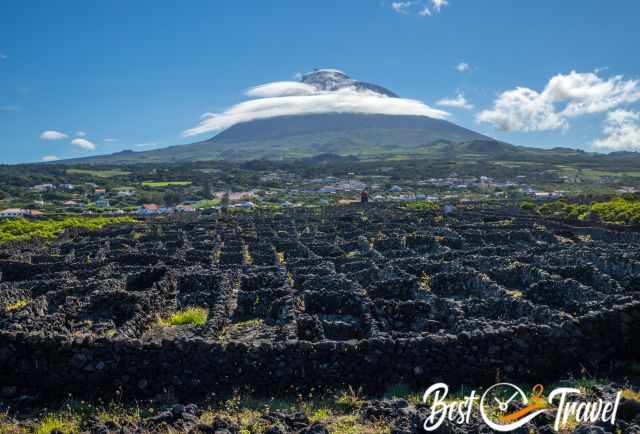
Mount Pico rewards patience. Here’s how to pick the perfect day:
- Look for clear mornings or evening cloud breaks
- Watch the shape of Pico’s “hat” clouds
- Avoid days with strong wind warnings
- Choose days with stable pressure and low humidity
- If in doubt, ask the mountain hut staff — they know Pico better than any app!
We waited six days for the perfect weather window — and it was worth every minute.
Final Tips
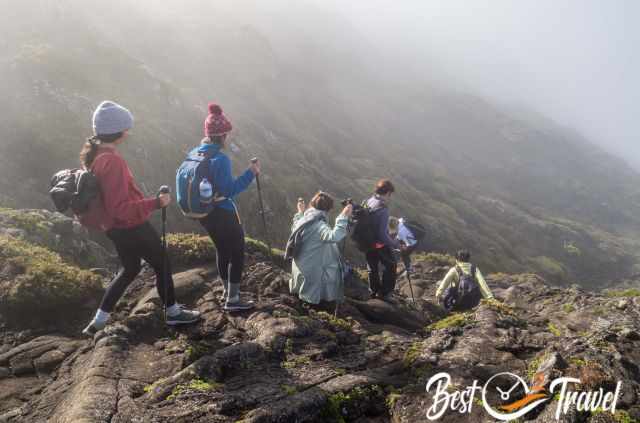
- Expect rapid weather changes, therefore pack warm layers even in summer, the wind is super chilly.
- Bring waterproof gear
- Start early or aim for sunset
- Always carry enough water and already drink plenty of water days before
- I always add electrolytes to my water bottle — my little trick for challenging high‑altitude hikes. It keeps your energy stable and makes a noticeable difference on steep volcanic terrain.
- Turn back if visibility becomes unsafe — you depend entirely on the trail markers to find the summit.
For the full hiking experience, continue to my Mount Pico trail guide.
My Natural Pool and Restaurant Tip for Pico Island
Tasca O Petisca – A Fantastic Traditional Portuguese Restaurant
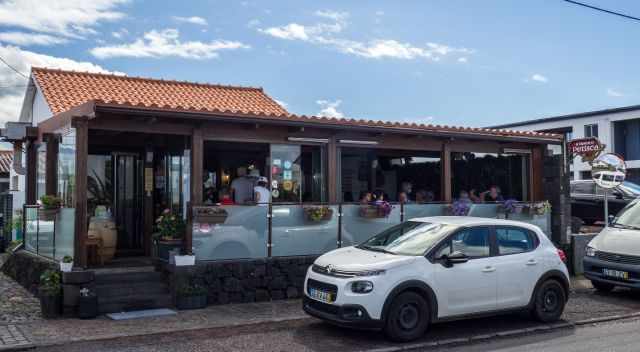
After such a demanding hike, we love to spoil ourselves. On Pico Island, we first went to a natural pool and bar — and afterwards to one of the best restaurants we’ve ever visited in Portugal. Most of my family lives in Portugal, and we’ve eaten in countless excellent places, but Tasca O Petisca in Madalena is truly exceptional. If you visit Pico Island, don’t miss this typical Tasca. I highly recommend ordering tapas to try as much as possible.
Octopus Salad
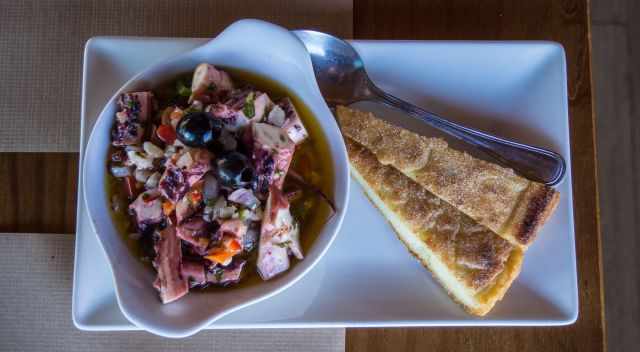
One of the most delicious octopus salads we’ve ever had — perfectly seasoned and served with traditional corn cakes.
What Is a Tasca?
A Tasca is a traditional Portuguese restaurant serving home‑style food at reasonable prices. You usually meet more locals than tourists, and the atmosphere is warm, authentic, and relaxed.
Grilled Squid
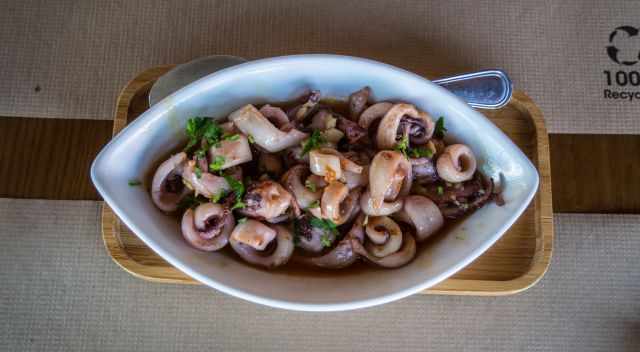
The grilled squid was absolutely mouth‑watering — tender, smoky, and full of flavour.
Tasca O Petisca is extremely popular. All tables are usually full within 15 minutes of opening, and for good reason: the seafood quality and taste are mind‑blowing.
Pica‑Pau Carne
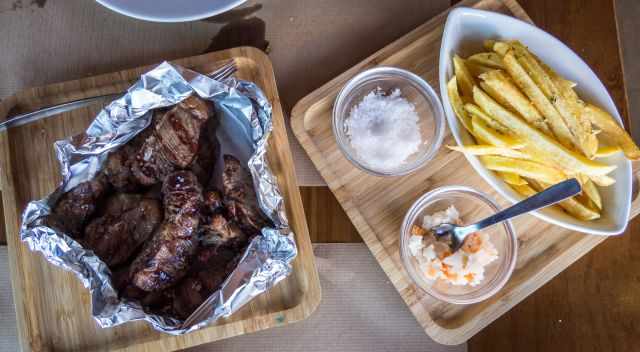
The meat on Pico Island is excellent, and their Pica‑Pau Carne was outstanding.
They offer a buffet and à la carte menu for lunch at very reasonable prices. The staff is super attentive and friendly. If you want a table, be punctual:
- Lunch: shortly before noon
- Dinner: around 6:30 pm
This recommendation is not sponsored — it’s simply one of the best food experiences we had on Pico Island and the Azores.
Location: Tasca O Petisca
Piscinas Naturais da Criação Velha – Our Favourite Natural Pool
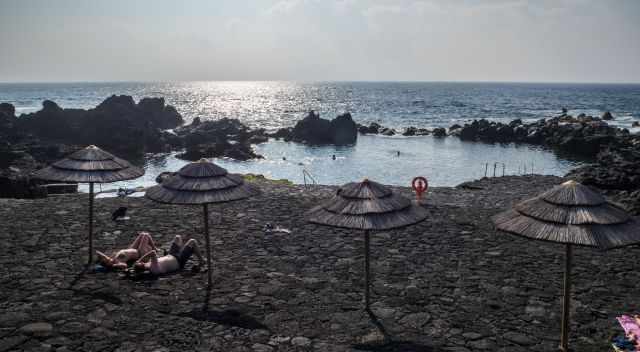
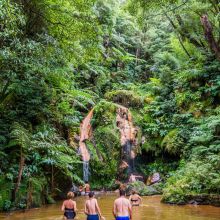
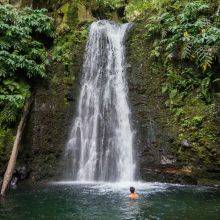
This natural pool, Piscinas Naturais da Criação Velha, is not well known, and you need a car to get there. It is rarely busy, and we went swimming here several times. The atmosphere is peaceful, the water is clear, and the views are beautiful.
We enjoyed a “Vivere Vinum” from the tap at the small bar — the perfect reward after a long hike or a day exploring Pico.
This natural pool became our favourite swimming spot on the island.
Location: Piscinas Naturais da Criação Velha
Don’t Miss Out on My Azores Guides — Plan Your Next Adventure
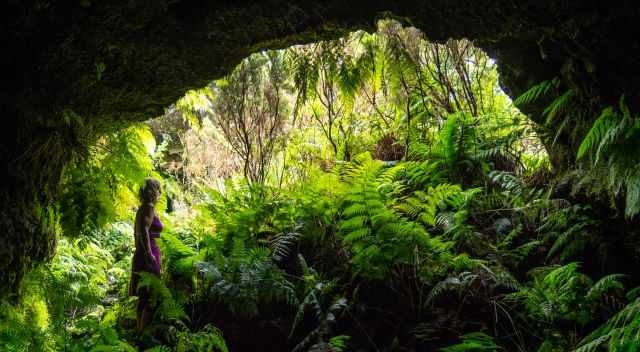
- Gruta das Torres Cave Guide on Pico Island – The Longest Lava Tube of the Azores.
- How to climb and prepare for Pico Mountain.
- Browse all my Azores Islands Guides for more inspiration.
- And don’t miss our Ultimate Azores Video – 19 Must‑Visit Places on YouTube.
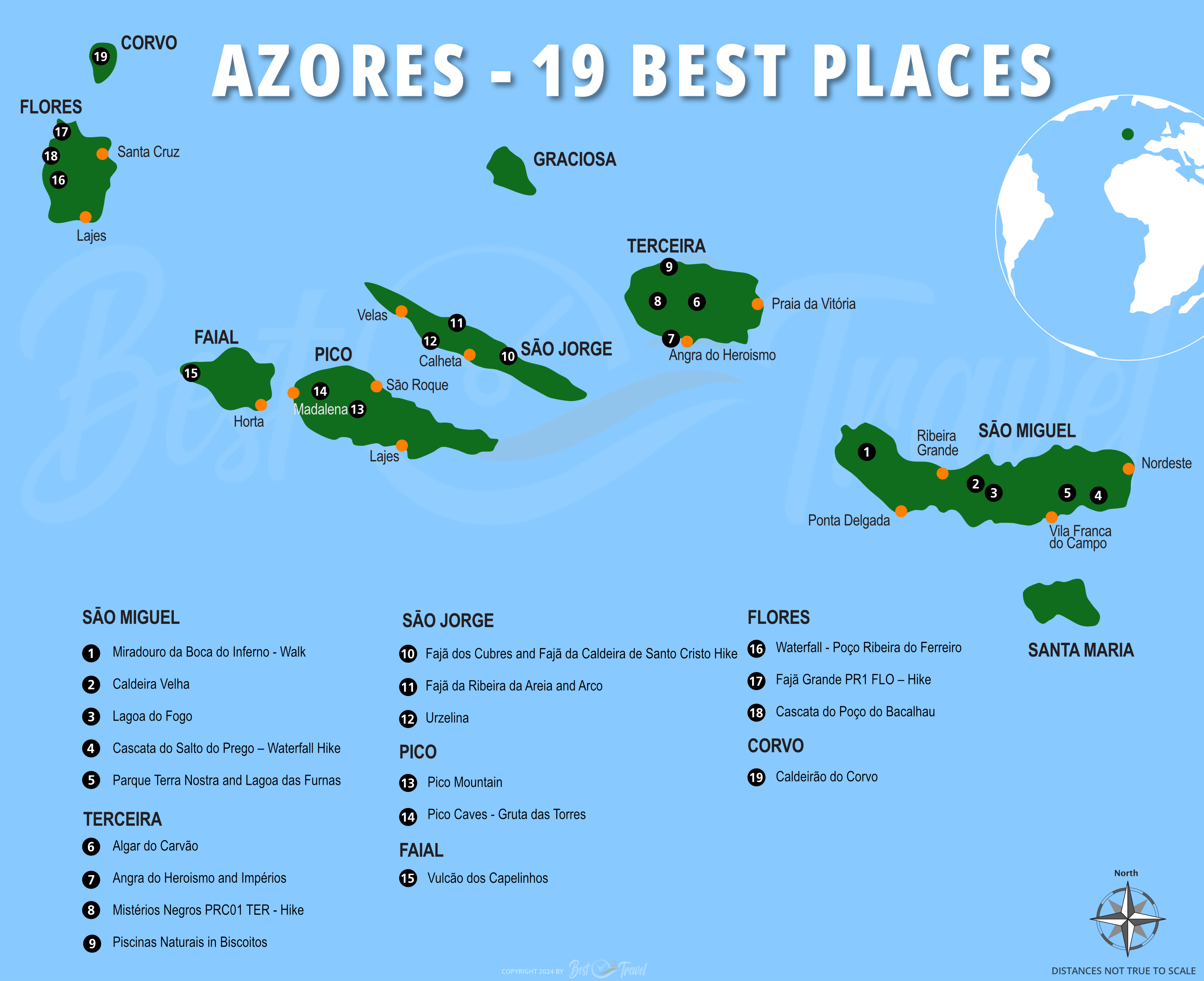
👉 Azores Map high resolution with my favourite places.
Who We Are
We’re passionate travellers and I am the main creator behind Best Time 2 Travel. We are exploring the world together for more than 30 years. Every guide, photo, and tip on BT2T comes from our own experiences, not AI‑rewritten content or stock images.
Today, many fake travel websites copy photos and rewrite articles without ever visiting the places. If you want to learn how to spot these sites and protect yourself from misleading travel content, read "Why you can trust my travel guides."
If you enjoy my Pico Mountain Guide and tips, please share them or subscribe to our YouTube channel — your support helps us continue creating authentic, experience‑based travel guides.
Do You Like to Support Me - It's easy; use the Paypal Button below 😍
Best Months to Visit
Location and Tips

Pico Mountain determines the weather developing orographic clouds called by the residents “hat”. This explanation dates back to the first settlers. The shape of the clouds indicates the upcoming weather. The settlers had known if the weather was stable for fishing or if a storm was coming up.