
When Is the Best Time
Tenerife is one of the best places in Europe to see whales and dolphins in the wild, and sightings are possible throughout the year. Around 400 resident pilot whales live along the deep‑sea canyon between Puerto Colón, Costa Adeje, and Los Cristianos, where the ocean drops to 1,000–1,200 metres. This unique underwater landscape creates perfect conditions for cetaceans, making Tenerife one of the most reliable whale‑watching destinations in the Atlantic.
Resident Whales, Migratory Species & Seasonal Highlights
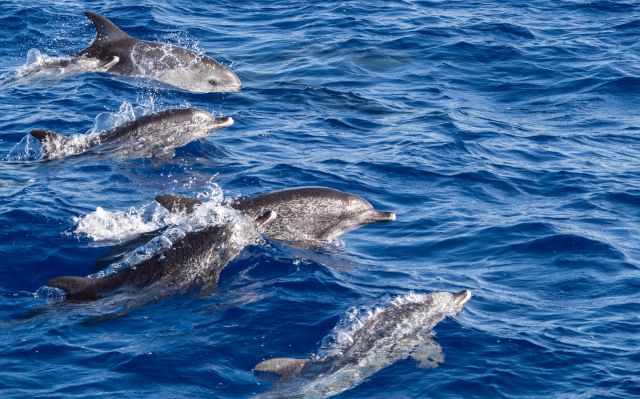
Spotted dolphins and bottlenose dolphins are frequently seen closer to the coast, usually above depths of around 500 metres, while pilot whales and several dolphin species remain present year‑round. Tenerife sits at the crossroads of multiple whale migration routes, making sightings possible in every season.
Winter is one of the main whale‑watching periods because fin whales migrate past the deep‑sea canyon, but the most impressive species — humpback whales and sperm whales — are typically seen in spring and early summer. These migratory giants display far more spectacular behaviours than fin whales, making spring the best season for memorable encounters. Orcas appear only occasionally when following tuna or interacting with other cetaceans.
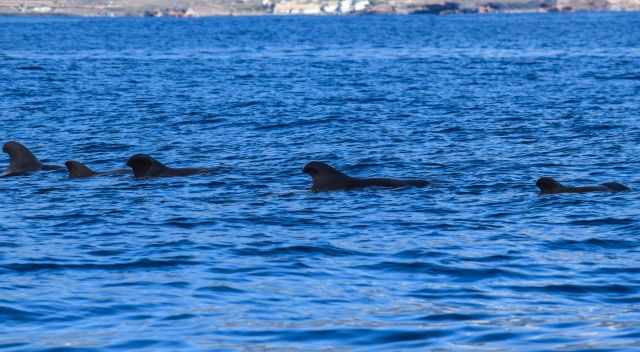
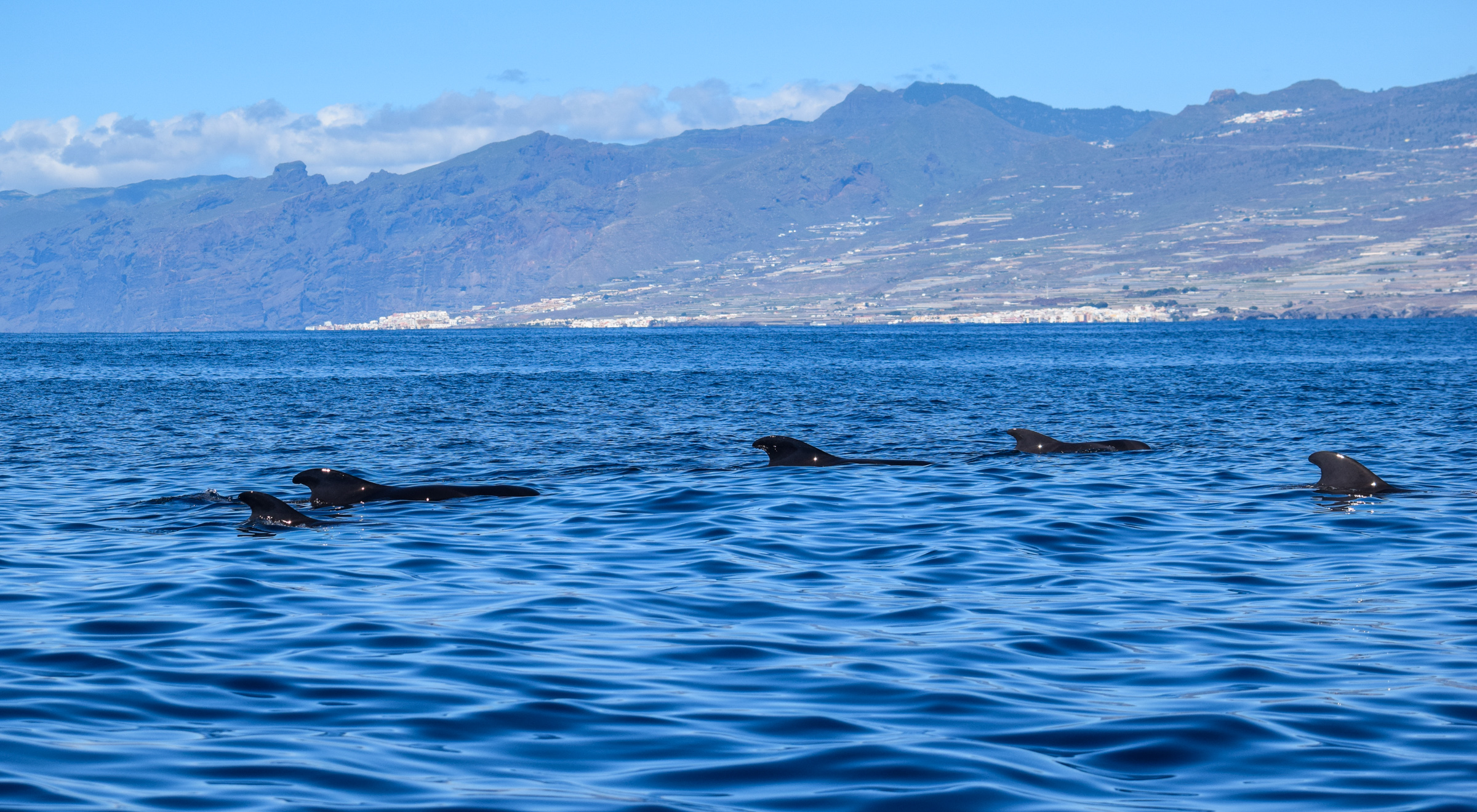
Watching whales or dolphins in their natural environment is always an exceptional experience. Most tours depart from Costa Adeje, especially Puerto Colón and Los Cristianos, due to their proximity to the deep canyon. You can also join tours from Los Gigantes (Masca included), famous for its dramatic cliffs rising more than 800 metres above the sea — a spectacular backdrop for any whale‑watching trip.
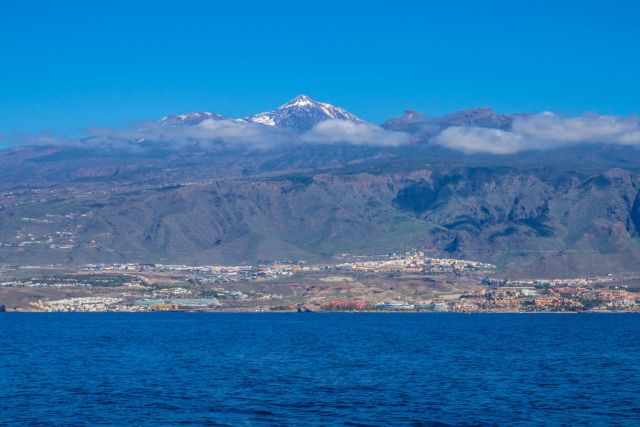
The entire boat journey is scenic, offering wide views of Tenerife’s coastline and Mount Teide towering above the island. Knowledgeable guides explain the behaviour of the different cetaceans and share insights into their habitat. Depending on the season, up to 80 boats operate in the area, though regulations now ensure respectful and controlled whale watching. My favourite boat tour for respectful whale watching!
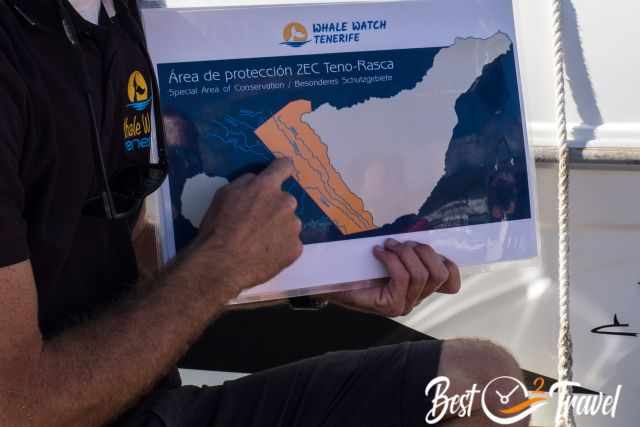
Fortunately, this region has become a protected zone. In the past, many boats operated without permits and ignored distance rules, disturbing the animals. Thanks to strict regulations and responsible tour operators, Tenerife now follows high standards for ethical and sustainable whale watching.
Tenerife Whale Watching Seasons
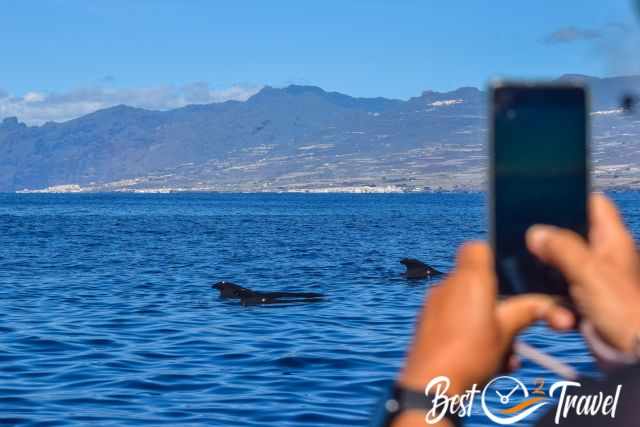
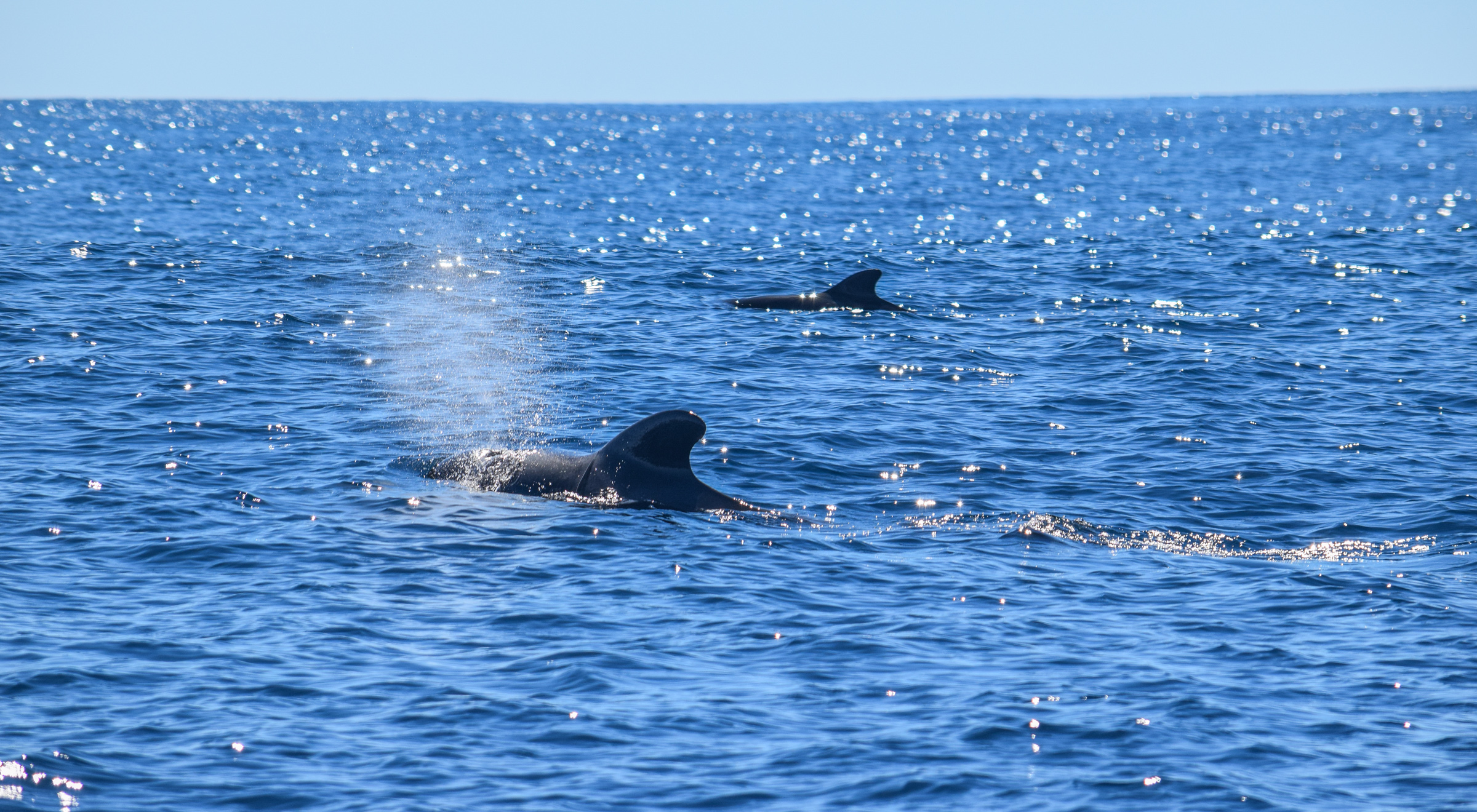
Whale watching in Tenerife is reliable throughout the year, and after several visits I can confirm that sightings are almost guaranteed. The most common species are the resident pilot whales — technically part of the dolphin family — and several species of dolphins that thrive in the deep‑sea canyon off Costa Adeje. These cetaceans live here permanently, which makes Tenerife one of the best places in Europe for year‑round whale and dolphin encounters.
Winter: November–February
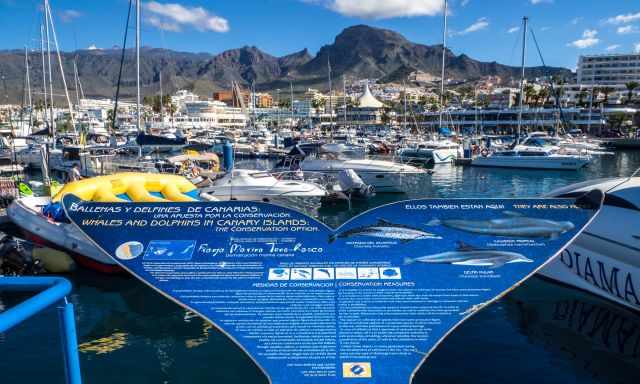
Winter is the main whale‑watching season for migrating fin whales in Tenerife. Fin whales are occasionally spotted where the deep‑sea canyon reaches depths of around 3,000 metres, while resident pilot whales and several dolphin species remain present throughout the year.
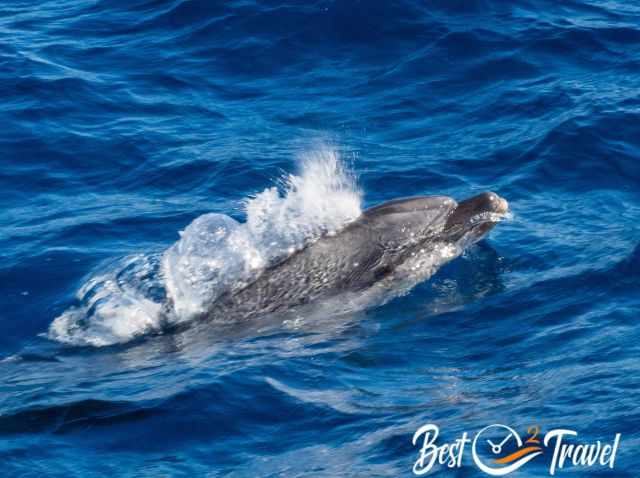
Although blue whales are sometimes mentioned by tour operators, they are extremely rare around the Canary Islands. In winter, you can reliably expect pilot whales, bottlenose dolphins, and spotted dolphins, with the added possibility of encountering fin whales during their migration.
Winter is also a pleasant time to visit Tenerife. Daytime temperatures usually range between 22–25°C, but the sun is intense on the open sea. A hat, sunscreen and a light wind jacket are essential. The season is often windy, which can create a higher swell. If you are prone to motion sickness, keep your stomach light before the tour and avoid heavy meals.
Spring: March-May
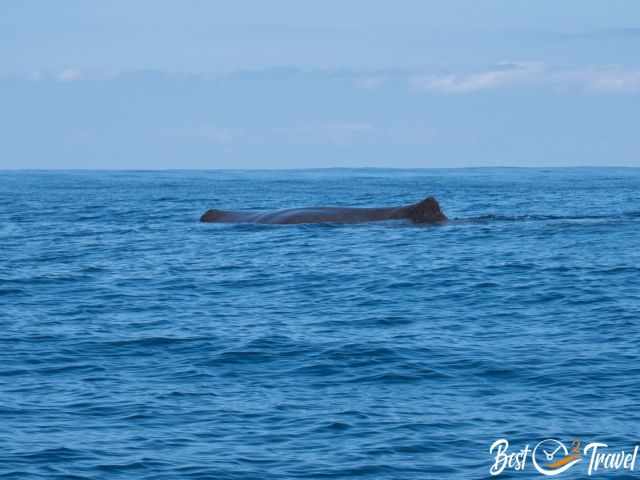
Spring is an excellent season for sperm whale sightings in Tenerife. Although an estimated 240 sperm whales live around the island year‑round, most encounters happen between March and May. These whales often rest at the surface between their deep dives — sometimes reaching 3,000 metres — as they hunt for squid in the canyon south of Tenerife. Sightings usually occur 3–5 km offshore, where the ocean drops to at least 2,000 metres. Whether you spot them depends partly on the size and power of the boat, as tours need to reach the deeper offshore areas.
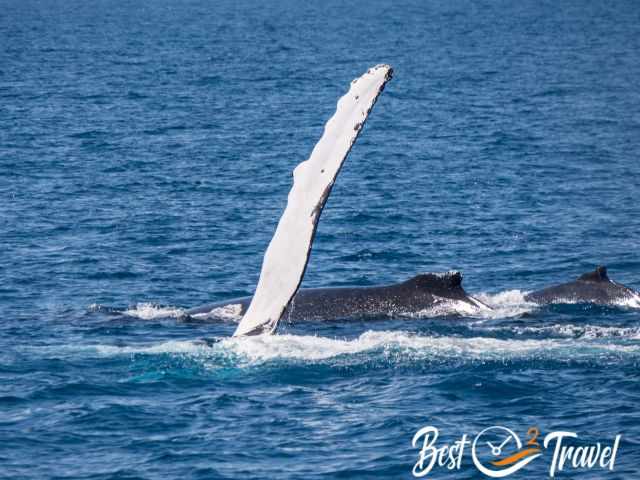
Spring and early summer also offer the best chance to encounter humpback whales. These impressive migratory giants occasionally pass Tenerife on their northbound route and are known for spectacular behaviours such as breaching, fin‑slapping, and lifting their long white pectoral fins. Although sightings are rare, they are among the most memorable encounters you can experience in the Canary Islands.
In recent years, Bryde’s whales have also been recorded more frequently, adding another exciting species to the spring season.
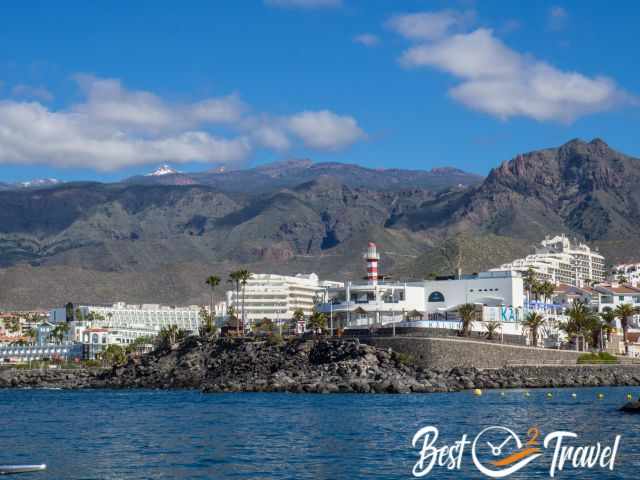
Spring weather in Tenerife is mild, with daytime temperatures around 23°C. It feels warm on the boat, and sun protection is essential. A light wind vest is helpful as conditions can change quickly at sea.
A visit to Tenerife feels incomplete without a boat tour. Every trip is different — you never know what might appear next. On top of the wildlife encounters, the views of the coastline and Mount Teide from the water are spectacular, especially when departing from Puerto Colón or Los Cristianos.
Summer and Fall: June-October
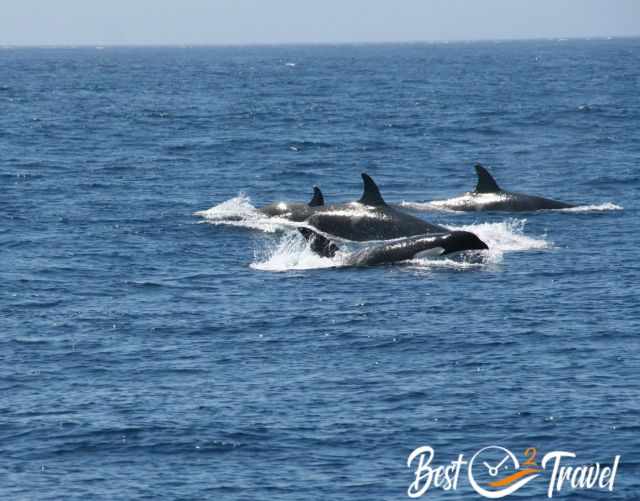
Summer and early autumn are the warmest months in Tenerife, and with rising sea temperatures, less food is available in the deep‑sea canyon. Many migratory whales move toward richer feeding grounds near the poles, but pilot whales — a unique and fascinating dolphin species — remain in Tenerife year‑round. On one of my tours, a massive male pilot whale breached right next to the boat, leaving everyone stunned.
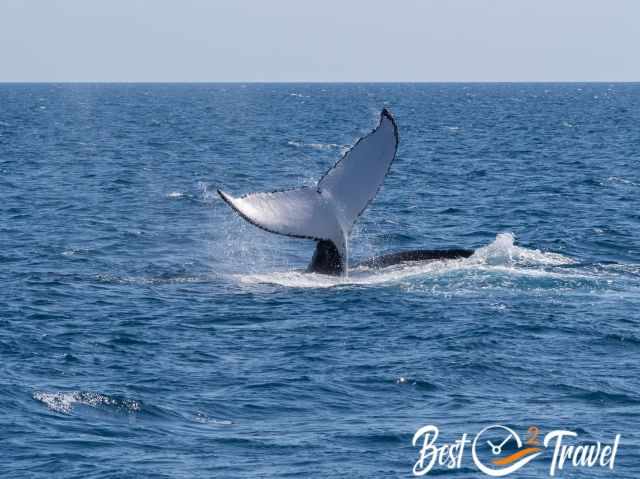
June can still bring occasional humpback whale sightings, especially early in the month. Some individuals linger in the Canary Islands after their northbound migration, and rare encounters happen when these giants pass through deeper offshore waters. Although sightings are not common, June offers the last chance of the year to see humpbacks before they continue toward northern feeding grounds.
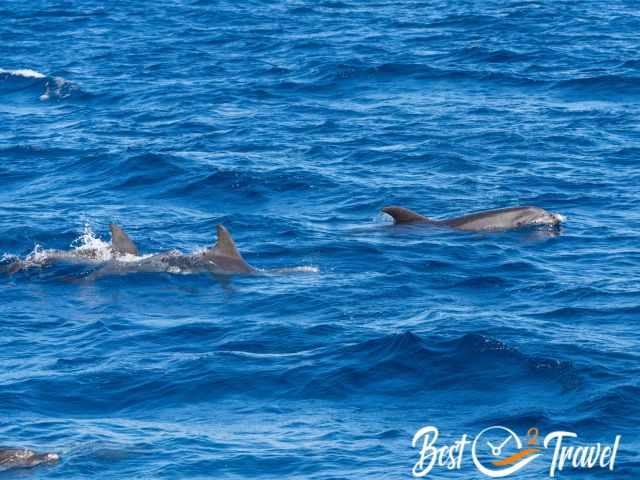
Pods of bottlenose dolphins and pilot whales are frequently seen during summer whale‑watching tours. Occasionally, orcas appear in late summer, although sightings are rare. These orcas are more commonly observed in the Strait of Gibraltar, where they hunt tuna and are regularly spotted on whale‑watching tours from Tarifa in July and August.
Summer conditions are warm and pleasant, with strong sun exposure on the open sea. Sun protection is essential, and carrying a light wind vest is helpful when the breeze picks up.
Cetaceans Overview – When to Spot Whales and Dolphins in Tenerife
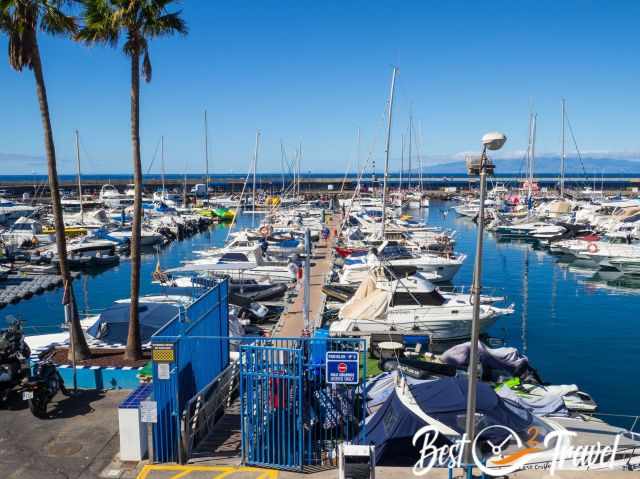
Whale watching in Tenerife is exceptional because several cetacean species can be seen throughout the year. The deep‑sea canyon off Puerto Colón and Costa Adeje creates ideal conditions for resident pilot whales and bottlenose dolphins, while migratory species appear seasonally. Below is an overview of the most common whales and dolphins you may encounter during a whale watching tour in Tenerife.
Short-Finned Pilot Whales – Year-round
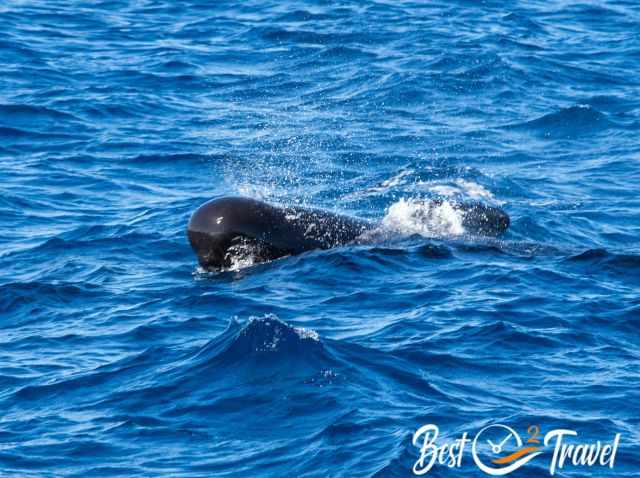
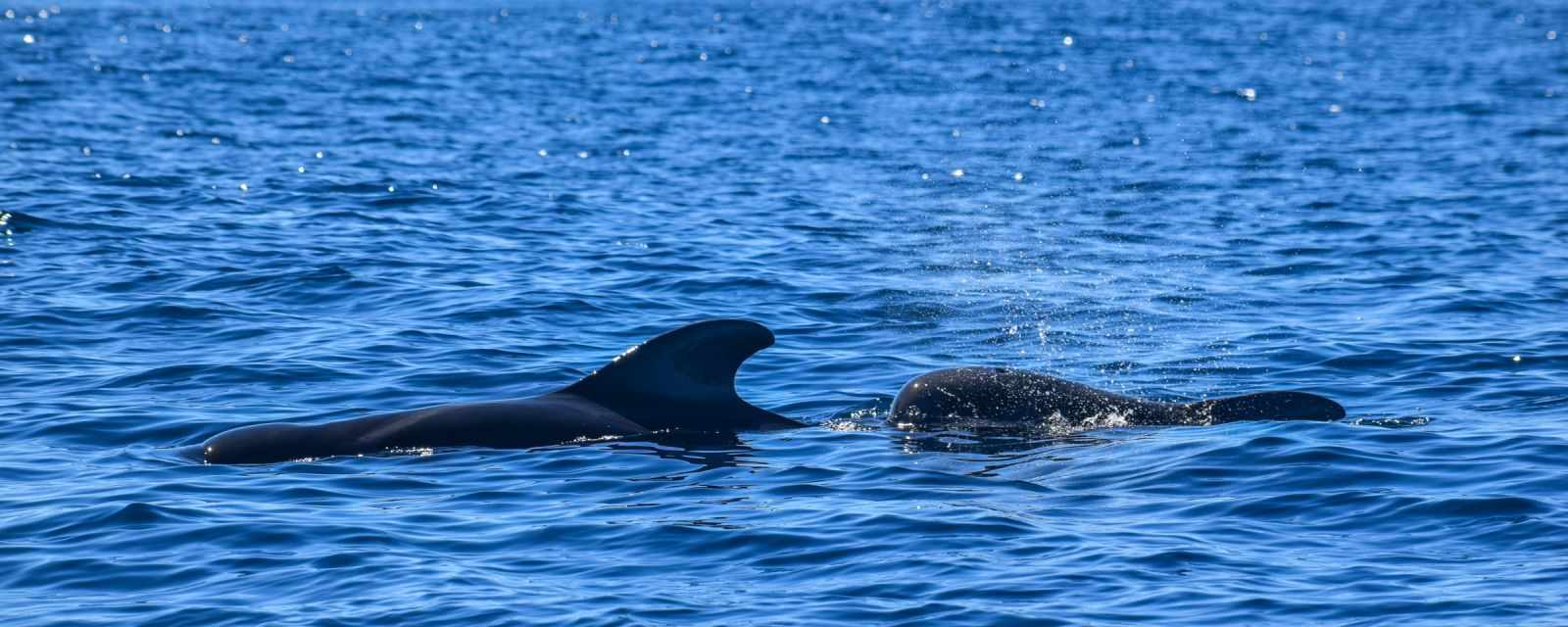
Short‑finned pilot whales are the most frequently spotted cetaceans in Tenerife and belong to the dolphin family. They are the second‑largest dolphin species and live permanently in the deep canyon south of the island. Their name comes from their behaviour: one individual often leads the pod.
-
Identification by their distinct dorsal fins
-
Lifespan up to 60 years
-
Adult size 4–8 m, newborns up to 2 m
-
Weight up to 4 tons
-
Dive depths up to 800 m for squid, often at night
Tenerife, Tarifa, and New Zealand are among the best places worldwide to see pilot whales up close in large numbers.
Sperm Whales from March-May
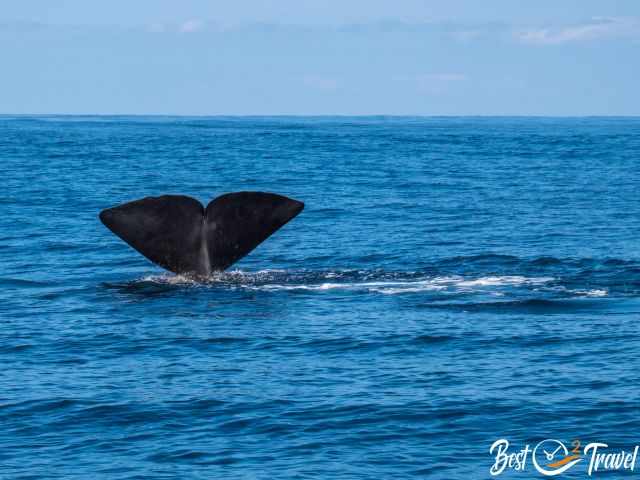
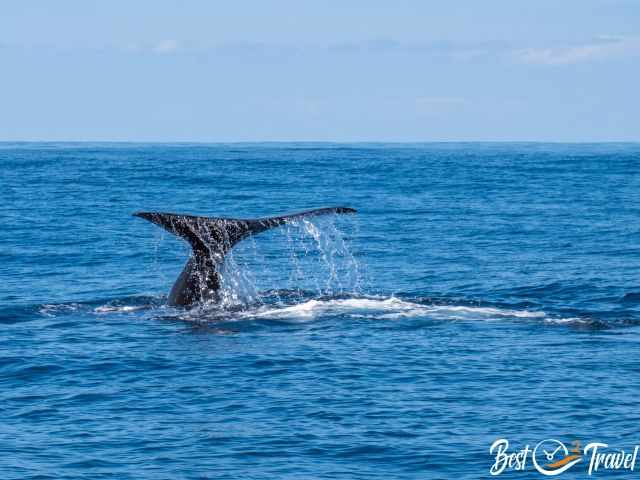
Sperm whales are the largest‑toothed whales and have the biggest brains of any animal. Around 240 individuals are estimated to live around Tenerife, but sightings peak from March to May. Their powerful blow can be seen from far away.
-
Males up to 20 m, females up to 12 m
-
Weight 35–45 tons, maximum 65 tons
-
Lifespan 70–80 years
-
Dive depths up to 3,000 m for more than one hour
-
Surface intervals of around 8 minutes
Sightings usually occur 3–5 km offshore, where the canyon reaches depths of at least 2,000 m. Larger, more powerful boats have better chances of reaching these areas.
Humpback Whales – Occasional Sightings During Migration
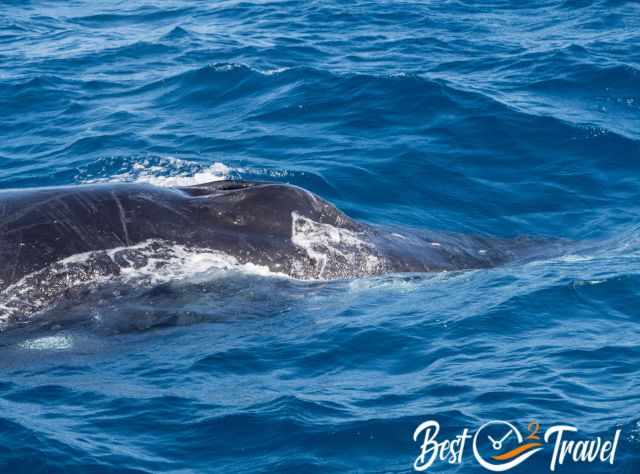
Humpback whales are not resident in Tenerife, but they are occasionally spotted during their migration through the Atlantic. These encounters are rare yet unforgettable, especially when a humpback raises its long white pectoral fin or breaches near the boat.
-
Length up to 16 m
-
Weight up to 30 tons
-
Lifespan around 80–90 years
-
Known for spectacular behaviours such as breaching and fin‑slapping
-
Migrate thousands of kilometres between feeding and breeding grounds
Most sightings occur in spring and early summer (March until June), when humpbacks pass the Canary Islands on their way between northern feeding grounds and tropical breeding areas.
Humpbacks are easily recognised by their knobbly head, long pectoral fins, and the distinctive shape of their tail fluke.
Finback Whales from November–February
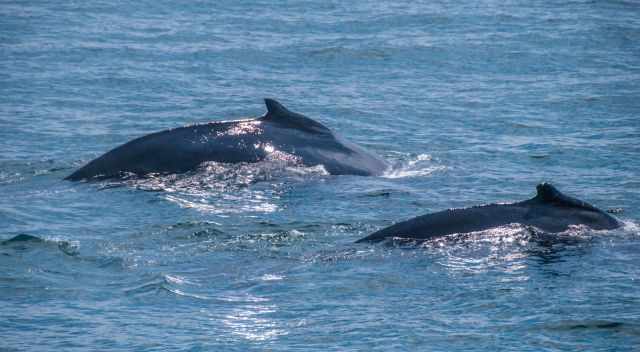
Finback whales appear mainly in winter when nutrient‑rich currents rise through the deep canyon. These baleen whales are filter feeders, consuming plankton, crustaceans, fish and squid. They are the second‑largest whale after the blue whale.
-
Maximum length 27 m, newborns around 6.5 m
-
Lifespan up to 90 years
-
Usually solitary or in small pods
-
Blow height up to 5 m
-
Dive depths up to 450 m for around 15 minutes
Their presence is linked to the canyon’s upwelling currents, which attract large schools of fish.
Orcas in summer in July and August
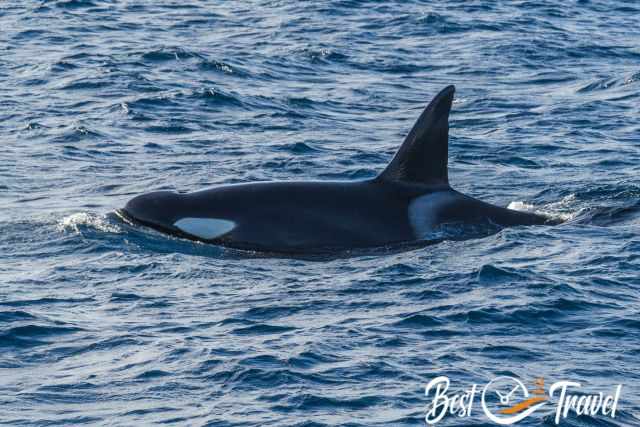
Orcas are occasionally seen around Tenerife in late summer, though sightings are rare. They are more commonly observed in the Strait of Gibraltar, where they hunt tuna and are regularly spotted on tours from Tarifa in July and August.
-
Size up to 10 m
-
Weight up to 10 tons
-
Lifespan: males 30–50 years, females 50–80 years
-
Live in pods of up to 40 members
-
Highly intelligent with diverse hunting techniques
Orcas are the largest members of the dolphin family and adapt easily to different sea temperatures.
Bottlenose Dolphins–Year-round
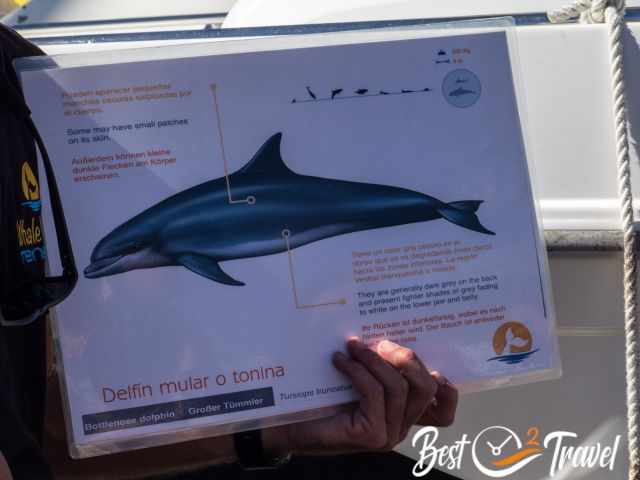
Another resident species are the bottlenose dolphins which occur closer to the coast. Like pilot whales, they rest with one eye and half of the brain, while the other half remains active to maintain breathing.
-
Length 2–4 m
-
Weight up to 500 kg
-
Lifespan up to 50 years
-
Dive several hundred metres
-
Highly social, often seen in large schools
Around Tenerife, you may also encounter spotted dolphins, striped dolphins, and common dolphins.
Sea Turtles
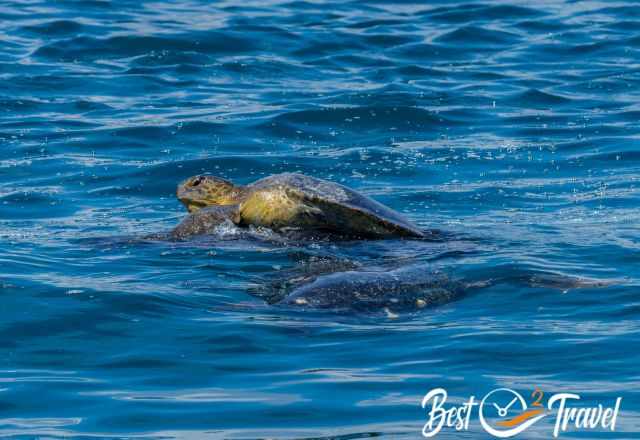
Tenerife’s waters are home to loggerhead and green sea turtles. They are occasionally seen basking at the surface or mating in calm conditions.
Packing List for Your Whale‑Watching Tour
-
Water — but not too much; smaller boats often don’t have a restroom.
-
Sun protection throughout the year — hat, sunscreen, sunglasses.
-
Zoom camera or binoculars — though some tour operators provide downloadable photos after the tour.
-
Light wind vest — helpful when the breeze picks up offshore.
-
Motion‑sickness tablets if you’re sensitive to waves; the Atlantic can be choppy.
-
A dry bag for your camera or phone, especially on open‑deck boats.
Planning more adventures in Tenerife

Here are three of my favourite guides to help you explore the island even further:
• Discover the best hikes in the Anaga Rural Park: Anaga hiking trails — lush forests, dramatic ridges, and year‑round green landscapes.
• Climb Mount Teide with all essential tips and the new rules: Mount Teide hikes — routes, permits, packing list, and everything you need for Tenerife’s highest peak.
• Find the most breathtaking sunset spots around the island: Tenerife sunset viewpoints — my favourite four locations for unforgettable evening colours.
Best Months to Visit
Location and Tips

Watching a whale or a dolphin is always an exceptional experience. Most tours depart in the south of Tenerife at Costa Adeje from Puerto Colon and Los Cristianos due to the proximity of the deep underwater canyon. There are also tours offered from Los Gigantes on the west coast of Tenerife. Los Gigantes is famous for its high cliff formations over 800 m above the sea.